Things About Parenting That I Think I’ve Learned So Far, Part 3

The role of a leader is not to come up with all the great ideas. The role of a leader is to create an environment in which great ideas can happen.” – Simon Sinek

I don’t expect any great applause for this but I’ve solved the sock problem I’ve been complaining about since Things About Parenting That I Think I’ve Learned So Far Part 1. Let’s be clear — the socks still go missing, get tucked in between coach cushions and get carried around by Cooper the dog. But I’ve figured out a brilliant strategy: they don’t need socks when they wear Crocs. <ba dum tss!>

So it’s time to update my Things About Parenting That I Think I’ve Learned. My kids are 11 and 7 years old so I still have a ways to go. But I believe we’ve turned the corner. Parenting now is more psychological than physical. It looks a lot like leadership.

So here are the things I’ve learned so far:

It’s a great responsibility being responsible for someone else; pack treats for yourself…and them
Knowing what you are and are not responsible for will save your sanity

Teaching values is done one small act at a time
They are always watching… like when you
– Wave when someone lets you in
– Say “hi” or smile to strangers
– Admit you don’t know it all
– Call the homeless people by their name
– Bow to a Higher Power

There is a time when you just have to say “yes” to the McDonald’s drive-thru

Rarely will the three of us all see something the same way
But we can still exchange stories of what we see while looking in the same direction

Melt downs and spin outs happen
You will be judged by strangers and your kids alike by how you react
Digging deep to respond from your inner calmness usually works better

This generation will never not know life without Amazon and smart phones
That doesn’t mean that they need to get everything instantly or always be connected
But it does mean we will need to let them navigate the world differently than we did

Wear Crocs…without socks!

You can stall for time by time by responding, “That is a great question.” to a kid’s good question.”
If you don’t know the answer, just say, “I don’t know.”
They won’t hold space for not knowing if you don’t.

Good friends make the world go round
Your friends
Their friends
And if you are very lucky, siblings as friends.

Parenting is hard work
It’s okay to lie on the couch and let them paint your toenails now and then

Kids are different
They will likely not like the same foods
Not be calmed by the same things
Have unique capabilities
But still care about the same people, value each other, and respect differences

On the subject of chores — I frequently forget to enlist help for what would be really helpful to me
Overestimated what I need to teach and what they’ll eventually learn on their own
Miscalculated how long it will take
And have plenty more chances to get it right

You will screw up
They will learn more from how you react than if life had gone perfectly

Correction without judgment and anger is more effective
Use fewer words

Respect goes two ways

There is no substitute for being genuinely interested in and liking your kids
Listen to understand not evaluate

How you show up is as important as what you show up for

Life is not fair
We all want it to be… especially kids.
Demonstrate how to reach for hopes and dreams
And if you can, show how to navigate the messy middle.

(featured photo from Pexels)

If my work has encouraged, inspired, or helped you try something new, consider supporting it with a small “cup of coffee” donation. Your support helps me keep creating conversations, stories, and resources that cheer people on as they do brave, meaningful work.

You can find me on LinkedIn: https://www.linkedin.com/in/wynneleon/ and Instagram wynneleon

Please check out the The Life of Try podcast Where trying becomes the spark for personal growth, discovery, and re-invention!



The Genius of Patience: Five Lessons from Thomas Edison

Nothing is impossible. The word itself says ‘I’m possible’!” – Audrey Hepburn

Last night, my six-year-old son, Mr. D, and I were out in our back yard at dusk. When night fell, the solar-powered string of LED lights that my friend Katie helped me string up about 4 years ago switched on. Mr. D wanted to know why some of the bulbs had water in them – a situation that has developed over time.

I’m amazed they still work. Especially after spending a couple of weeks delving into Thomas Edison and his efforts to invent the light bulb. In the time of Edison, bulbs had carbonized bamboo filaments in vacuum sealed glass. We’ve come along way in almost 150 years since his initial design but the light bulb still shines bright.

This episode of The Life of Try podcast is based on Thomas Edison and his methods to reframe progress: not as one perfect breakthrough, but as a steady practice of continuing to try. Behind the famous light bulb moment is a mindset of learning from what doesn’t work, building momentum through small improvements, and staying in motion long enough for the next step to appear.

I gleaned five practical lessons from Edison—be systematic, don’t do it alone, keep improving, apply what you learn across disciplines, and rest (yes, naps count)—plus a bonus insight on the tension between creativity and control.

  • Get unstuck by focusing on the next controllable step
  • Make progress through iteration—small wins that compound over time
  • Keep going with support, structure, and rest
  • Create more, control less

Here’s a snippet of Edison’s commitment to capture ideas:

If you’re working on a project, a habit change, or a long-shot goal, this conversation is an invitation to get unstuck by taking the next try. Here are some ways you can listen and watch this motivating episode:

Growth Takes Energy| How Rest Helps Habits Stick The Life of Try: Personal growth, one try at a time.

Why does growth feel so exhausting—and could rest be themissing ingredient that helps new habits stick? In this episode of The Life of Try, Wynne Leon connects Carol Dweck’s growth mindset research, Adam Grant’s ideas about habits and identity, and the restorative power of sleep,fewer decisions, intentional breaks, and creativity. Through stories from the first day of school, middle-school drop-off, mountain climbing, and her daughter’s crochet project, Wynne shares three practical ways to protect yourenergy while building sustainable change. If you’re navigating a transition, working on personal growth, or trying to avoid burnout, this episode is a reminder that rest is not stepping away from the try—it is what helps you return.Listen next: Identity Before Strategy withKevin Yoder, a conversation about why lasting change begins with who we believe we are—not simply with a better plan.ABOUT MEHi, I’m Wynne Leon — host of The Life of Try, a personal growth and self-improvement podcast exploring resilience, reinvention, uncertainty, and the courage to keep trying.Through thoughtful interviews, reflective conversations, and real-life stories, I share insights to help you navigate change, get unstuck, and move forward with more intention.🌍 Website: https://wynneleon.com
  1. Growth Takes Energy| How Rest Helps Habits Stick
  2. When You Know You're Not Going to Make It
  3. Creating Lift: Leadership, Mentorship and the Courage to Keep Growing
  4. Brand Strategy for Humans with Nancy Martira
  5. Identity Before Strategy: How To Break Through Invisible Ceilings with Kevin Yoder

Please listen, watch, provide feedback and subscribe.

Links for this episode:

From Stuck to Momentum: Thomas Edison’s Method for Progress transcript

Edison by Edmund Morris

Thomas Edison on Wikipedia

After the Super Bowl, Seahawks Coach Mike Macdonald Kept Repeating 2 Words. It’s a Lesson in How to Win on Inc.com

The Digital Version of Trust, But Verify

Trust is built on telling the truth, not telling people what they want to hear.” – Simon Sinek

There is something that is bothering me about the Nancy Guthrie investigation. For anyone that hasn’t followed this, Nancy Guthrie is the 84-year-old mother of Today show host, Savannah Guthrie. Nancy was abducted from her home in Tucson, Arizona in the middle of the night on February 1st.

When she was first abducted, the news reported that no images were captured by her Nest doorbell camera because she opted out of the recording service.

Then sometime about 10 days later, some footage from the camera was “recovered.” I hope that provides some great investigative leads and helps to bring Nancy Guthrie home safely. But three things strike me as troublesome.

  1. That data was not supposed to exist. Users should be able to opt out of that service and be assured that recording is not happening.
  2. Nest is owned by Google. Their competitor, Ring, is owned by Amazon. Two companies that have spent billions on AI. [To be fair, Ring says that it doesn’t record if people opt out.]
  3. When the AI bubble bursts, will either Google or Amazon need a bail out from the government? And if so, what will they be willing to trade for that help?

I generally tend to believe that companies do the right thing for their customers. This is definitely the case with Microsoft. Not only because I have so many good friends who work there, but also because I’ve been helping companies implement MS software for more than 30 years.

I tell my clients not to transcribe or record sensitive meetings they hold online. Microsoft says they understand that clients should be able to choose what is and is not recorded.

Back in the day when software ran on machines that companies owned, we could check. Now that so much operates from “the cloud,” there isn’t any way to effectively do that.

Ronald Reagan used to quote the Russian proverb, “Trust, but verify.” We might need to start a movement to do just that.

(featured photo from Pexels)

You can find me on LinkedIn: https://www.linkedin.com/in/wynneleon/ and Instagram @wynneleon

Please check out the How to Share podcast, a podcast celebrates the art of teaching, learning, giving, and growing!

Standing Up for Democracy: Lessons from Kids

To understand where you stand in own your life, you cannot remain seated.” – Christine E. Szymanski

I can rely on my kids to have a nose for what’s authentic. At 6 and 10 years old, they might not be able to tell me exactly why, but they can tell the difference between people who are phoning it in and others who are genuinely present.

At the end of the day this past Saturday, I asked them what they liked most about the day and what they could have done better. It’s part of our nighttime routine. Unless we are so tired that we’ve flipped our lids. That happens sometimes too.

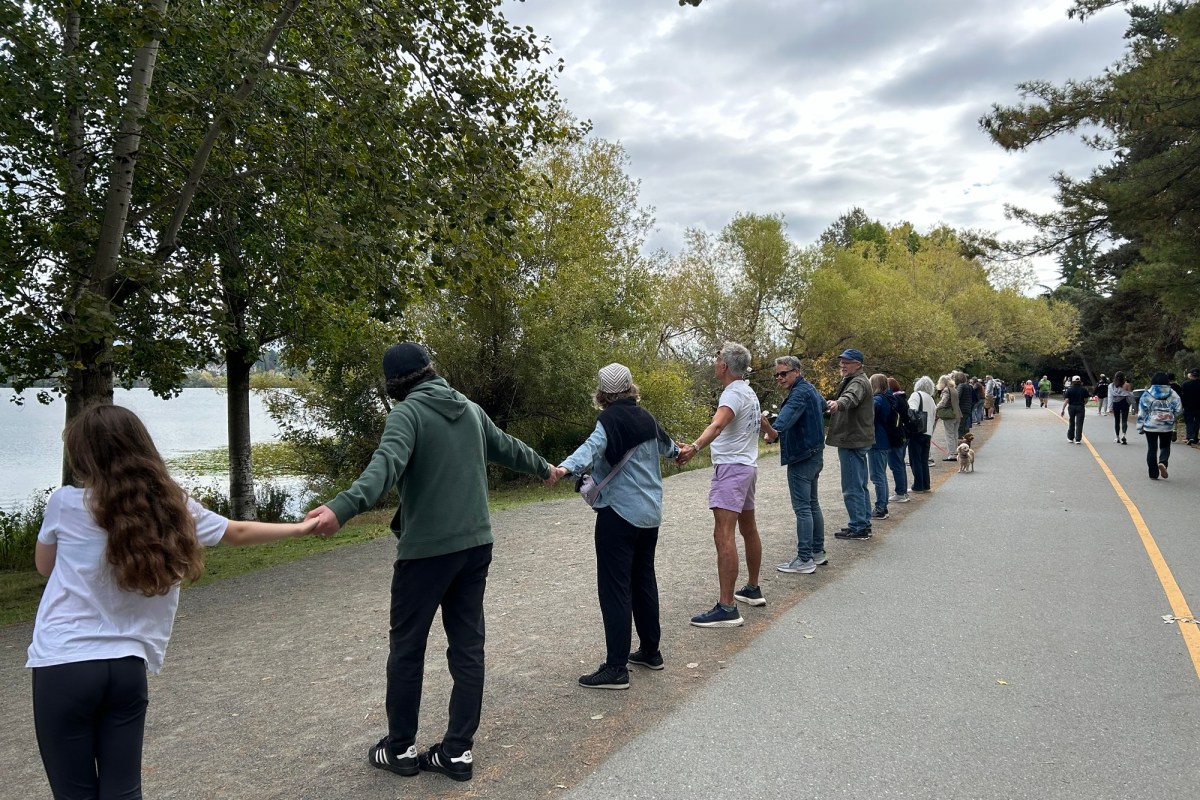
They both answered that their favorite part when we went down to the little lake that is a five minute walk from our house and participated in a Stand Up For Democracy event. The organizers were trying to gather enough people to create a continuous loop of people to encircle the lake which is three miles in circumference.

What surprised me about the answer was they liked that even more than watching the Mariners down at the pub with our friend, Eric. Or playing with their friends, skateboarding, or building imaginary spaceships.

My kids can’t yet spell out the details of what makes a democracy, monarchy, or autocracy. But they can tell the good feeling of standing up for what matters and the sense of community that comes from people trying to quietly show their commitment. It’s authentic, it’s strong, and it feels better than worry.

I think they’ve got that right.

(featured photo is mine)

You can find me on LinkedIn: https://www.linkedin.com/in/wynneleon/ and Instagram @wynneleon

I host the How to Share podcast, a podcast about collaboration – sharing leads to success.

I also co-host the Sharing the Heart of the Matter podcast, an author, creator and storytelling podcast with the amazing Vicki Atkinson.

How to Share: Secrets of Collaborative Leadership

The best leader is the one who has sense enough to pick good men to do what he wants done, and the self-restraint to keep from meddling with them while they do it.” – Theodore Roosevelt

I played on a tennis team when I was in my 20’s. It was a loosely organized group of women who played at the public tennis courts. We were part of a league that created matches with other teams, some of whom were the “fancy” ones who belonged to a club with a pro.

But my team had a secret weapon: our coach, Evan. A quiet-spoken man who seemed to take everything in. He’d meet with us at practice and not only run drills to improve our skills but also strategically position who should play singles versus doubles, and forehand versus backhand.

I don’t remember our records of wins and losses so it probably wasn’t that great. But I know we got better as a team and also as individuals. It was largely because of Evan. He could see our strengths and vulnerabilities and help us position them to the best advantage.

I was reminded of Coach Evan when I recently talked with John Hernandez, the Director of IT at Leisure Care on the How to Share podcast. John has an incredibly collaborative leadership style and knows how to balance giving people on his team leadership, agency, and backup when needed.

In short, he’s a very good coach for a strong team.

John told me how he landed on this leadership style and how it’s worked as his team and responsibilities have grown. We talked about how people in technology can sometimes be protective of their knowledge and not want to share. And we discussed how AI changes the game for so many people in technology and how to wrangle it as an asset, not a competitor.

I asked John about how he adapts his message for people who are less technical. He brought it back to the power of telling a story and finding key beats, regardless of the topic.

This is a great episode about how leadership, openness, curiosity translates to infectious passion for sharing – and for team building. I know you’ll love it!

Takeaways

  • John emphasizes the importance of sharing knowledge to build effective teams.
  • A collaborative leadership style fosters a culture of openness and mentorship.
  • Technology professionals often hoard knowledge due to fear of job security.
  • AI is changing the landscape of IT, enabling more collaboration.
  • Storytelling can help convey complex technical concepts.
  • Creating a supportive environment encourages team members to grow.
  • Passion for technology can be infectious and motivate others.
  • Adapting messages for different audiences is crucial in IT.
  • Building a knowledge-sharing culture can lead to better team dynamics.

Here’s a clip of John describing how he landed on his leadership style:

Here are some ways you can listen and watch this infectiously energizing episode:

Please listen, watch, provide feedback and subscribe.

Secrets of Collaborative Leadership transcript

Growth Takes Energy| How Rest Helps Habits Stick The Life of Try: Personal growth, one try at a time.

Why does growth feel so exhausting—and could rest be themissing ingredient that helps new habits stick? In this episode of The Life of Try, Wynne Leon connects Carol Dweck’s growth mindset research, Adam Grant’s ideas about habits and identity, and the restorative power of sleep,fewer decisions, intentional breaks, and creativity. Through stories from the first day of school, middle-school drop-off, mountain climbing, and her daughter’s crochet project, Wynne shares three practical ways to protect yourenergy while building sustainable change. If you’re navigating a transition, working on personal growth, or trying to avoid burnout, this episode is a reminder that rest is not stepping away from the try—it is what helps you return.Listen next: Identity Before Strategy withKevin Yoder, a conversation about why lasting change begins with who we believe we are—not simply with a better plan.ABOUT MEHi, I’m Wynne Leon — host of The Life of Try, a personal growth and self-improvement podcast exploring resilience, reinvention, uncertainty, and the courage to keep trying.Through thoughtful interviews, reflective conversations, and real-life stories, I share insights to help you navigate change, get unstuck, and move forward with more intention.🌍 Website: https://wynneleon.com
  1. Growth Takes Energy| How Rest Helps Habits Stick
  2. When You Know You're Not Going to Make It
  3. Creating Lift: Leadership, Mentorship and the Courage to Keep Growing
  4. Brand Strategy for Humans with Nancy Martira
  5. Identity Before Strategy: How To Break Through Invisible Ceilings with Kevin Yoder

Links for this episode:

John Hernandez on LinkedIn

How to Share Direction

A leader is anyone who holds him or herself accountable for finding potential in people or processes.” – Brené Brown

Years ago I was talking with a man who was a member of the last church my dad led. Were we talking about my dear father and the man quipped, “You can’t say ‘no’ to Dick Leon.

I had a good laugh about the truth of that statement. My dad asked a lot of people to do a lot of things – serve on committees, volunteer, contribute to a capital campaign. And if you said, “no,” it wasn’t that my dad would judge you, get mad, try the silent treatment, or blackball you. It was worse.

He’d get to know you.

When I talked with him about his leadership style, my dad told me:

“One of the problems that I see with a lot of young pastors is that they’ve been attracted to the ministry because they have seen someone up front doing a nice job preaching or teaching and they love the presentation side.

I keep saying to them, ministry is in the details. It’s getting systems that work in terms of management of the church, people who want to get involved, you want to make sure that they have a meaningful task and that they are rewarded, listened to, and that they feel befriended.

One of the things that I would often teach is when you have an elder that is going to give themselves to leadership for three years, the question you should ask yourself is, ‘At the end of the three years, do these people love the Lord, love the church and love their sense of ministry more than when you met them?’ It’s not ‘How do I put up with them for three years?’ but ‘How can I help them grow as people during their three years?’

It changes the whole sense from how do I get my things done to how do I serve these people? How do I befriend them? How can I help them? How do we nurture them? With a committee or an elder or a deacon or an officer of the church, you’ve got a window into their life that you’ll never have again so how do you use that? How are you doing? What is going on in your life? How can I be of help?”

Yeah…very few people said “no” to Dick Leon. But it’s a hard example to put into action, especially in different industries or scenarios. When heading a volunteer team full of big personalities or working within a competitive company where everyone is super smart, how do you bring that same attitude of empowerment and sharing?

To answer that question, I recorded a How To Share podcast conversation with my friend and climbing buddy, Doug Hauger. Doug had a very successful career as a technology executive and leads personal and professional projects with a similar style to my father’s.

In this episode, Doug and I talk about the intricacies of leadership, emphasizing the importance of sharing, vulnerability, and empowerment. We explore how confidence plays a role in leadership, the necessity of embracing uncertainty, and the dynamics of team interactions, especially when faced with challenging personalities. Doug shares insights from his extensive experience in tech leadership, highlighting the value of wisdom and the importance of creating an environment where team members feel empowered to share and learn from failures. The conversation culminates in the realization that true leadership involves being open, vulnerable, and willing to adapt, ultimately leading to a more liberated and effective leadership style.

We also tell quite a few climbing stories which are very good analogies for leadership success and direction.

Takeaways

  • Leadership requires confidence and the ability to embrace uncertainty.
  • Being open to feedback is crucial for effective leadership.
  • Vulnerability fosters trust and encourages team sharing.
  • Successful leaders create an environment of two-way communication.
  • Wisdom and experience are essential in guiding teams.
  • Empowering others leads to a more productive team dynamic.
  • Acknowledging failure is part of the learning process.
  • Humility allows leaders to learn from others.
  • Navigating team dynamics requires transparency and honesty.
  • Lack of transparency can add weight that hinders success and leadership effectiveness.

This is a great episode that delves into the heart of sharing power and the power of sharing. I know you’ll love it!

Here’s a short clip from our episode to give you a taste of the great conversation with the always amazing Doug Hauger:

Here are some ways you can listen and watch to the full episode:

Please listen, watch, provide feedback and subscribe.

Growth Takes Energy| How Rest Helps Habits Stick The Life of Try: Personal growth, one try at a time.

Why does growth feel so exhausting—and could rest be themissing ingredient that helps new habits stick? In this episode of The Life of Try, Wynne Leon connects Carol Dweck’s growth mindset research, Adam Grant’s ideas about habits and identity, and the restorative power of sleep,fewer decisions, intentional breaks, and creativity. Through stories from the first day of school, middle-school drop-off, mountain climbing, and her daughter’s crochet project, Wynne shares three practical ways to protect yourenergy while building sustainable change. If you’re navigating a transition, working on personal growth, or trying to avoid burnout, this episode is a reminder that rest is not stepping away from the try—it is what helps you return.Listen next: Identity Before Strategy withKevin Yoder, a conversation about why lasting change begins with who we believe we are—not simply with a better plan.ABOUT MEHi, I’m Wynne Leon — host of The Life of Try, a personal growth and self-improvement podcast exploring resilience, reinvention, uncertainty, and the courage to keep trying.Through thoughtful interviews, reflective conversations, and real-life stories, I share insights to help you navigate change, get unstuck, and move forward with more intention.🌍 Website: https://wynneleon.com
  1. Growth Takes Energy| How Rest Helps Habits Stick
  2. When You Know You're Not Going to Make It
  3. Creating Lift: Leadership, Mentorship and the Courage to Keep Growing
  4. Brand Strategy for Humans with Nancy Martira
  5. Identity Before Strategy: How To Break Through Invisible Ceilings with Kevin Yoder

Links for this episode:

Doug Hauger on LinkedIn

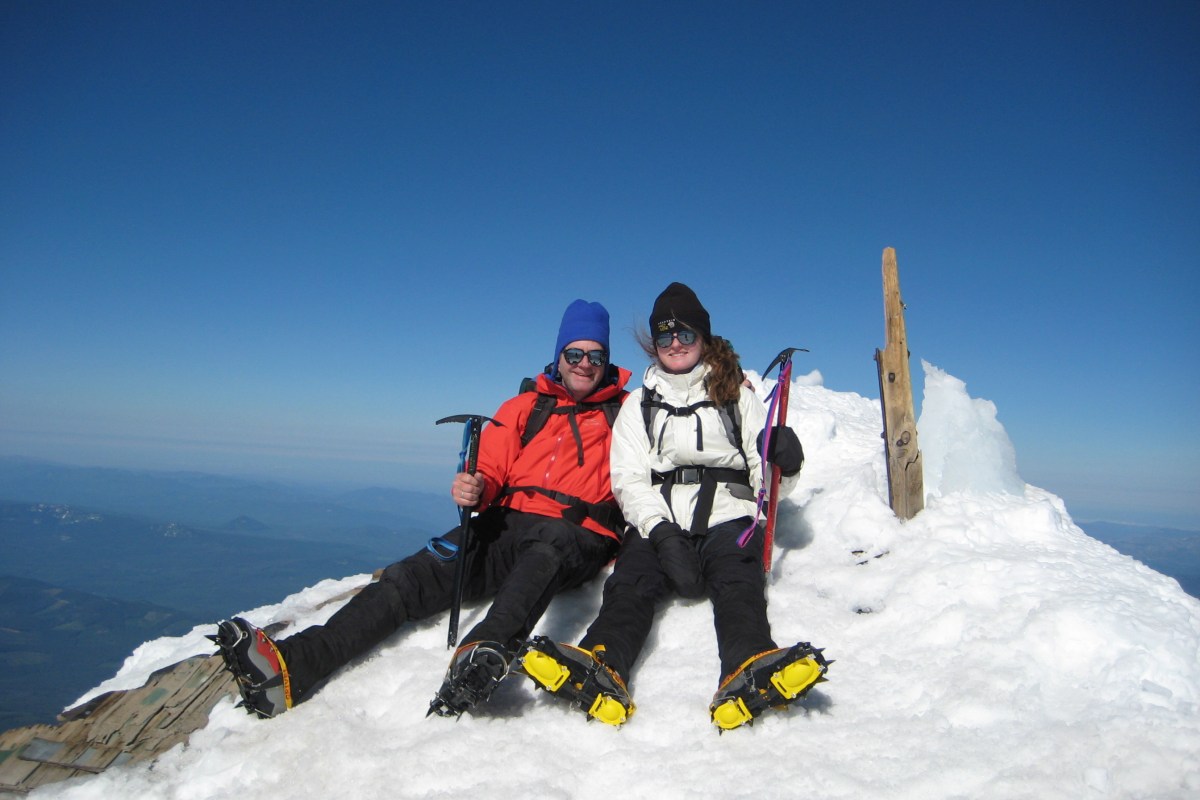
(featured photo is a picture of Doug and his daughter atop Mt. Adams – one of the climbs we talk about in this podcast)

How To Receive

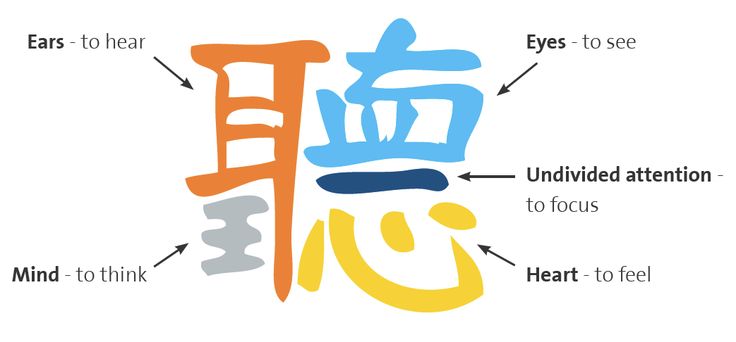
If you want to be truly understood, you need to say everything three times, in three different ways. Once for each ear…and once for the heart.” – Paula Underwood Spencer

Eight years ago at a birthday party for a friend, I met a remarkable woman. It was a milestone birthday which is why I can pinpoint it that precisely.

This woman stood out not because of what she did (a therapist I later learned) or what we talked about (stand up paddle boarding in Puget Sound) but because she listened like a lake. That was the image that came to me when talking with her. She absorbed the conversation instead of volleying back and forth like tennis. Also it seemed like her words came from her depth.

It reminds me of a phrase I heard in a eulogy almost three years ago. We were honoring a man who was the father of a childhood friend. His grandson said about him, “He loved by listening.”

Two examples that stand out in the last ten years because they were great listeners. I often make the mistake of thinking I need to say something to be remembered – but these examples remind me that just learning how to listen well is remarkable in itself.

Fortunately, I was able to have a great conversation with my dear friend, Dr. Vicki Atkinson about how to receive for the How to Share podcast. In this episode, Vicki discusses the essential skills of listening and receiving in conversations. She emphasizes the importance of reflective listening techniques, being present, and using the SLANT method to enhance communication.

Our conversation explores how to navigate conversations with empathy, the role of affirmation, and the significance of maintaining boundaries while supporting others. Vicki also highlights the growth opportunities that arise from effective listening and the need for authenticity in communication.

Here are some key takeaways:

  • Everyone can learn how to be a better listener (as Vicki says, the runway is wide!)
  • Reflective listening helps slow things down and enhances understanding.
  • Tonality is crucial in reflective listening to ensure the speaker feels heard.
  • Active listening involves being present and engaged in the conversation.
  • The SLANT method is a practical approach to effective listening.
  • Asking clarifying questions shows genuine interest in the speaker’s message.
  • Affirmation and encouragement are key components of effective listening.
  • Setting boundaries is important to avoid taking on others’ burdens.
  • Listening well can mitigate stress and prevent larger issues.
  • Authenticity in communication fosters trust and connection.

And a short clip from the episode to whet your appetite:

I’d be honored if you’d listen, watch, provide feedback and subscribe. Here are some ways you can listen and watch to the full episode:

Growth Takes Energy| How Rest Helps Habits Stick The Life of Try: Personal growth, one try at a time.

Why does growth feel so exhausting—and could rest be themissing ingredient that helps new habits stick? In this episode of The Life of Try, Wynne Leon connects Carol Dweck’s growth mindset research, Adam Grant’s ideas about habits and identity, and the restorative power of sleep,fewer decisions, intentional breaks, and creativity. Through stories from the first day of school, middle-school drop-off, mountain climbing, and her daughter’s crochet project, Wynne shares three practical ways to protect yourenergy while building sustainable change. If you’re navigating a transition, working on personal growth, or trying to avoid burnout, this episode is a reminder that rest is not stepping away from the try—it is what helps you return.Listen next: Identity Before Strategy withKevin Yoder, a conversation about why lasting change begins with who we believe we are—not simply with a better plan.ABOUT MEHi, I’m Wynne Leon — host of The Life of Try, a personal growth and self-improvement podcast exploring resilience, reinvention, uncertainty, and the courage to keep trying.Through thoughtful interviews, reflective conversations, and real-life stories, I share insights to help you navigate change, get unstuck, and move forward with more intention.🌍 Website: https://wynneleon.com
  1. Growth Takes Energy| How Rest Helps Habits Stick
  2. When You Know You're Not Going to Make It
  3. Creating Lift: Leadership, Mentorship and the Courage to Keep Growing
  4. Brand Strategy for Humans with Nancy Martira
  5. Identity Before Strategy: How To Break Through Invisible Ceilings with Kevin Yoder

How to Receive with Dr. Vicki Atkinson transcript

Links for this episode:

Dr. Vicki Atkinson at the ⁠Atkinson Group Solutions⁠; Vicki’s book about resilience and love: Surviving Sue; Blog: https://victoriaponders.com/

⁠A is for Ambivalence⁠ by Vicki Atkinson

(Featured photo stems from Vicki’s comment about the Chinese ideogram for undivided attention in this episode. It’s sourced from undivided attention from Pinterest by Nancy Sherr)

Leadership Lessons From Climbing

Great people are those who make others feel that they, too, can become great.” – Mark Twain

We went to Mt. Rainier this weekend and spent two nights at Paradise Inn, one of the historical National Park Lodges first opened in 1917. It’s has no Wi-Fi connectivity: instead it has this fantastic lobby area where guests can hang out by the fireplaces, listen to ranger talks in the evening, find a majestic wood table and play cards, or post a postcard in the “mail stump” – a huge stump next to the registration desk. The rooms are like tiny postage stamps in which you have to be creative about where to hang your wet clothes.

Paradise Inn is at 5,420 feet and is the entry point for most of the guided climbs. There are many routes up the mountain, but this is the route I took for the times I climbed on Mt. Rainier (summit is at 14,410 feet). That sounds like I did a lot, which is not the case – four climbs, two of which we summitted. But I did spend a lot of time doing training hikes on the paths out of Paradise.

Arriving at Paradise was like plugging myself into a higher voltage circuit. I don’t think I stopped grinning all weekend. So, buckle up for some climbing metaphors….

My friend Eric traveled with us this weekend. He did a fair amount of climbing back in the day as well so between the two of us, we have a fair number of climbing stories.

Leading my kids out for a couple of hikes this weekend reminded me of all the good and bad things about hiking with a group. The path up from Paradise starts out paved. But at this time of year, it was still covered with slushy snow.

Eric had a story about a guy he used to climb with named Dave. Dave was 6’3” with size 13 shoes. Apparently, everyone cheered when Dave was leading because he’d kick in the best steps. When the snow is fresh or icy, the person in the lead does the work to kick in solid steps. It’s like doing two or three stomps with each step. It’s exhausting. But for the rest of the team, if the steps kicked in are nicely spaced and solid, it’s a far easier experience, somewhat akin to climbing a set of stairs.

And that’s just one factor in which the person leading can affect the whole group. Going at a steady pace, not too fast and not too slow, and calling breaks at the right time all help everyone settle into a rhythm. Then there’s also the matter of encouragement.

I remember a practice climb on Mt. Rainier I did years ago when I felt totally spent halfway through. My friend encouraged me to take a break to eat and drink before deciding whether I could continue. He was absolutely right – I was totally fine to continue. Great guides are so good at making this call, knowing who needs to take a break and who needs to turn back. It’s not a one-size-fit-all encouragement train.

And climbers have great phrases to encapsulate the down sides, not that they own them by any stretch. There’s “Embrace the suck” to encourage leaning in when the going is tough. And there’s also the acknowledgement that someone has to carry the poop bucket – literally and metaphorically, our stuff goes with us.

Funny that my happy place is one where all those realities, including the suck, are parts of the experience.

Leading my own little team reminded me that life is better when we kick in steps for others, set a sustainable pace, and get a feel for when to encourage and when to walk alongside others when they need to go down to camp.

(featured photo is mine: Mt. Rainier taken from Paradise)

Related climbing metaphor posts:

Frozen Heart

Guides for Transformation

Finding a Rhythm

Climbing Out of My Gunk

Friendship Brownies

The Return Trip

Family Dynamics

Gotta move different when you want different.” – unknown

Last Monday I got frustrated with Miss O when we were getting ready for school. Or should I say, not getting ready for school. I prompted her five times to get her shoes on, she got mad at me for repeating myself. I told her that I wouldn’t have to repeat myself if she would put her shoes on…nothing new. I’m sure a conversation that happens between kids and parents in households all over the world since the beginning of time. Or at least since shoes became a thing.

So we were both irritated when I dropped her off to school. And then Mr. D was silent as we drove on. By the time we walked in the front door of his pre-school, it was clear that he was upset. We sat in the chairs outside his classroom for a while, and then had a tearful drop-off which is unusual for Mr. D.

This has happened enough times for me to discern the pattern – Mr. D is so attuned to the emotions of the household that any disturbances in our mostly good natured vibe affect him, even when the upset doesn’t involve him.   

Wow, families are complex. Now I don’t have to just be responsible for my own emotions but also the impact that I’m having on the group and vice versa?

I think about what it was like in my family growing up. My sister was usually upset about something, my brother was tired of hearing her complain and just disconnected, and I felt that I needed to be no problem since my parents were having to deal with my sister. It’s a pattern we maintain, by and large, to this day.

My mathematical nature likes patterns – they are so useful to predict what will happen next. But sometimes patterns just hold us in a mindless call and response. Until one person breaks out by saying, “I’m so tired of this banter that keeps us from saying anything real,” the other person(s) in the pattern may not realize there is something habitual that has been holding everyone in place.

Thinking back to my little family, I think this applies too. When I get tired of the same conversation about the same shoes, I’m always surprised how effective it is to change the dynamic by changing the order. Shoes before breakfast helps break the stalemate. What’s harder is changing the natural tendency that Mr. D has to carry the tension. Maybe that’s a case of where making it visible helps to dispel it. Hopefully that works because we aren’t going to stop wearing shoes.

I’ve written a companion piece on the Heart of the Matter blog about some advice I got from a friend long ago to never back a kid into a corner and instead always offer them a way out: Building Bridges to Each Other. Please check it out if you have a moment.

(featured photo is a pair of Converse high tops that Miss O got as hand-me-downs)