How Badly Do You Want It?

A child can teach an adult three things:
To be happy for no reason,
To always be busy with something, and
To know how to demand with all his might that which he desires.” – Paulo Coehlo

I think we are born with a great capacity for persistence. It’s not just the quote that makes me think so.

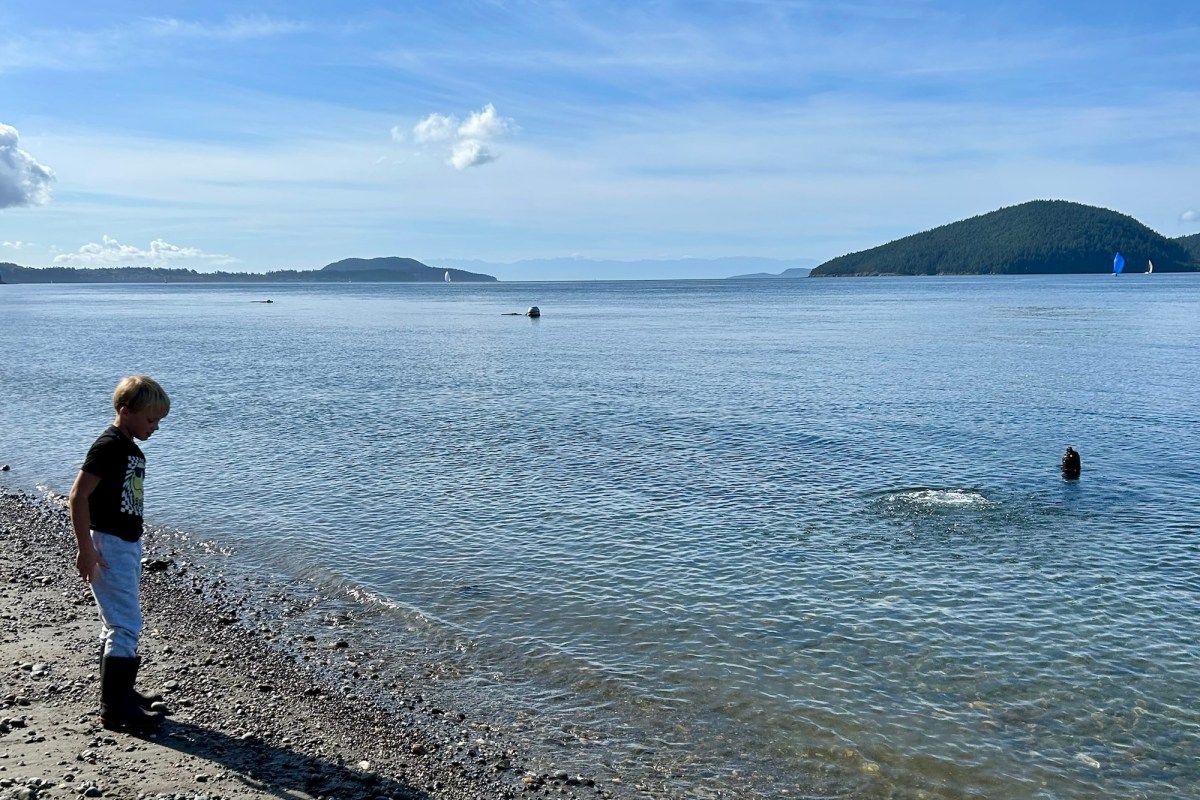
The other day I was out beach combing with my kids. After we spent about 45 minutes tickling the clams so they’d squirt, picking up the jagged sea glass (that sounds so much better than broken bottles) so it wouldn’t cut any paws, and hunting for moon snail shells, my seven-year-old son, Mr. D discovered a wide tide pool.

There were tiny fish in the pool. He declared he wanted to catch one. I wandered nearby looking at the rocks and shells and watching his efforts out of the corner of my eye. All the while thinking, “He’s never going to catch a fish with his hands.

So I emptied out our little beach bucket that I’d collected the broken glass and shells in and handed it to him.  The sand was too wet to sit so I kept circling as I daydreamed about sitting down with another cup of tea.

Finally, I took off my shoes and socks and waded in to the tide pool with him. It was warm and about the size a swimming pool with plenty of seaweed for the fish to hide under. I thought I could scare the fish towards him and hopefully speed up the process.

We spotted a flat fish that was almost an inch wide and the color of the sand. He was bigger than the other fish Mr. D had been chasing so he named him, “The King.” Every time Mr. D would get close, the fish would embed himself in the sand. The King’s camouflage was so good that he was nearly impossible to spot.

But Mr. D stayed at it and within minutes, we’d spot him again. As much as I wanted Mr. D to have success, I also was tiring of what seemed like a fruitless process. Isn’t this where we give up and call it a lesson in resilience?

I stepped out of the tide pool and started walking towards my shoes. I called over to Mr. D that we were heading back in five minutes. He responded with a verbal groan but kept working at catching The King.

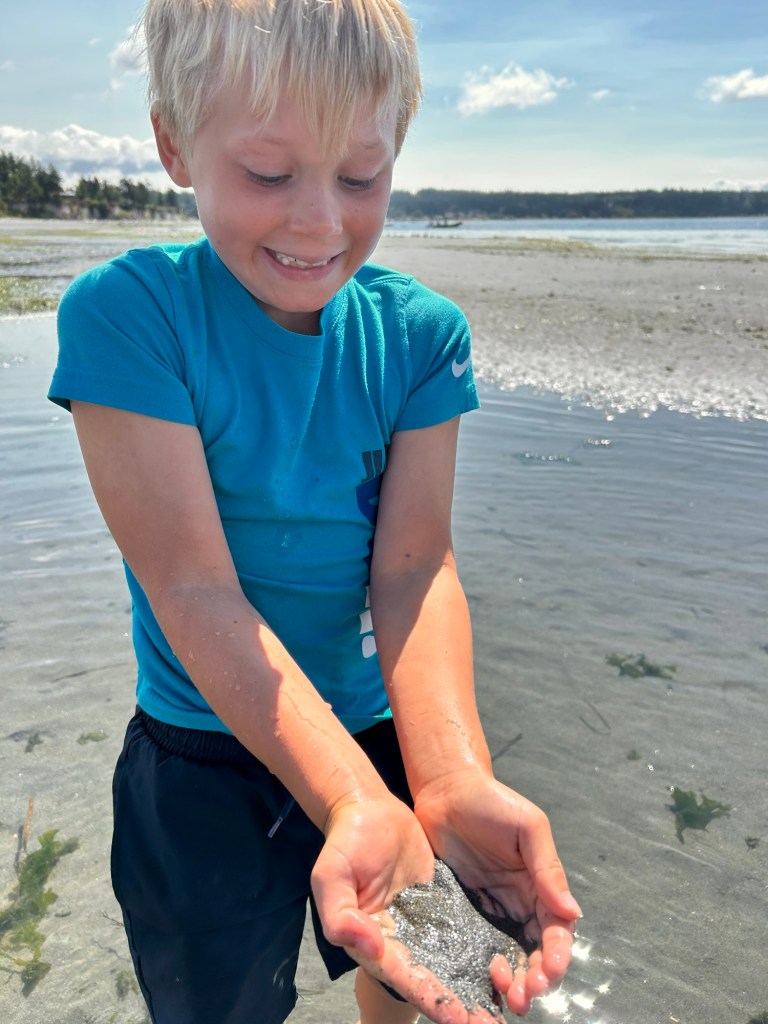
And about five minutes later, he bent down with his hands together and scooped up some sand. He shouted, “I caught The King!!”

Indeed he did – with his bare hands. I took in his glowing grin as I brought him the bucket to put The King in. Then we happily headed back to where we were staying so Mr. D could show his sister the fish.

Then, after taking a couple of photos and telling the story, he walked The King down to the water and returned him to the bay.

That’s when I realized that persistence was something purer than I often see it these days: it’s keeping with our goals, finding the people that will wade in and help, ignoring anyone that tells us we can’t do it. And that staying with it doesn’t have to preclude being kind and accepting – because we can still tell the story and then let the fish swim away.

So… how badly do you want it?

(featured photo is mine of Mr. D returning The King to the water, second picture is of Mr. D with The King)

If my work has encouraged, inspired, or helped you try something new, consider supporting it with a small “cup of coffee” donation. Your support helps me keep creating conversations, stories, and resources that cheer people on as they do brave, meaningful work.

You can find me on LinkedIn: https://www.linkedin.com/in/wynneleon/ and Instagram wynneleon

Please check out the The Life of Try podcast Where trying becomes the spark for personal growth, discovery, and re-invention!
The Stories We Inherit

No legacy is as rich as honesty.” – William Shakespeare

My ex-husband used to describe me as independent, especially when we were arguing. But he’d say it in a way that would fill out all four syllables with disdain…in-de-PEN-dent! The first time he said it that way, I was shocked that something I thought was a core value could be interpreted so negatively.

So when my mom came to stay with us for four nights recently, I asked her why being independent was so important to her, especially growing up. She told me that it came from her father. He was the oldest of eight kids. They were farmers in north eastern Washington and had very little money.

By the time my grandfather was seven years old, he was responsible for many things on the farm including spending days and nights in the wild chasing down their high-spirited mare when she’d get loose and run with the wild horses.

As she told the story, I felt like I’d gotten a new piece to the puzzle of what shaped my upbringing and legacy. It was a fascinating conversation to have with my mom on the heels of the podcast I recorded with author, Jennifer Griffith. She inspires the question: How do the stories we inherit from our families shape who we become—and how can we rewrite those stories with more compassion, courage, and purpose?

In this episode of The Life of Try, I talk with Jennifer Griffith, author of Both Sides of Then and host of the podcast About Your Mother, about inherited family stories, hidden shame, resilience, motherhood, memoir writing, and the healing power of bringing secrets into the light.

Jennifer shares how learning her mother’s story changed the way she understood her own identity, why family history can influence the way we parent and see ourselves, and how her LENS framework helps people revisit old narratives, look at them from a new perspective, and use those stories for good.

Here are some key takeaways from our conversation:

  • We all inherit stories—and they shape how we see ourselves.
    Jennifer reminds us that family history, secrets, wounds, and even everyday phrases from our parents can quietly influence our identity, choices, and relationships.
  • Seeing our parents as people can create compassion and clarity.
    When we understand the experiences, pain, and resilience that shaped our parents, we can better understand ourselves—and begin to loosen the grip of old assumptions.
  • Shame loses power when it is brought into the light.
    Family secrets can create distance, but honest storytelling—shared with care and appropriate boundaries—can create healing, connection, and freedom.
  • A new lens can help us rewrite old narratives.
    Jennifer’s LENS framework encourages us to listen to the stories we repeat, engage with them, narrate them from multiple perspectives, and step out of them so we can use them for good.
  • Trying again often means slowing down and letting the work become ready.
    Jennifer’s story about being told “you’re not ready” became a powerful lesson in patience, humility, and the creative courage required to keep going.

This eye-opening conversation explores family secrets, legacy, forgiveness, generational stories, personal growth, writing a memoir, and what it means to keep trying when a story is still unfolding.

Here are some other ways you can listen and watch this episode:

Links for this episode:

The Power of Looking at Your Life Through a New Lens transcript

Both Sides of Then: Finding Love After Abandonment by Jennifer Griffith on Amazon

Jennifer Griffith’s website: Jennifer Griffith – Author of Both Sides of Then – Podcast Host and Author

About Your Mother on Apple podcasts

 Other episodes you might enjoy

How to Tell Relatable Stories

The Quiet Mindset Shifts that Changes Everything | Mindfulness & Personal Growth with Joseph Schmidt

How to Embrace What Makes You Different | Finding Your Purpose with Kym Gordon Moore

(featured photo from Pexels)

If my work has encouraged, inspired, or helped you try something new, consider supporting it with a small “cup of coffee” donation. Your support helps me keep creating conversations, stories, and resources that cheer people on as they do brave, meaningful work.

You can find me on LinkedIn: https://www.linkedin.com/in/wynneleon/ and Instagram wynneleon

Weaving Our Tapestries of Connection

Relations are like electric currents. Wrong connections will give you shocks throughout your life. But the right ones light up your life. ” – unknown

I didn’t realize that I was pulling a loose thread in my life until we landed in France on our recent trip. But I teared up when I was explaining to our friends there that I felt compelled to visit them so that Miss O could know a little bit about what their son’s life was in France. I continued on to say that I believed that it would be easier for their son to come home to start middle school if at least one other friend had seen where he’d been.

Miss O and their older son had been in every class together from ages three through seven when the family moved to France. And then we saw them every summer when they’d come to visit so Mr. D got to know their younger son too.

I didn’t take me long to puzzle out my tears. When my family moved back from the Philippines to the States I was almost seven-years-old. It wasn’t long into trying to make friends at Jefferson Elementary when I heard kids teasingly jeer, “In the Philippines…” I must have started many sentences that way and it got old – for them and for me. Because the two lives were so different.

I didn’t know it was a loose thread all these years later. But I had an inexplicable certainty that I needed to take my family to France to build a bridge for these kids. If my kids could at least see a bit of where these boys had spent four years, perhaps their shift back to school in Seattle could be a bit more integrated.

The parents of these boys told me that one of their sons’ teachers in France counseled them not to talk about their French experience at all with new friends. I understand that advice but also know that we suffer a cramping of spirit when we bottle ourselves up like that.

Then we traveled on from France to our friends in England. Five years ago, this English family moved from London to our street in the States. Our kids went to school together and traveled back and forth between houses in a constant rotation. After four years of life in America it was time for them to move back. They settled into a delightful little village in Southwest England.

We had so much fun visiting our English friends a year after they left Seattle. In one especially poignant moment, I found all the kids huddled around the school yearbook we’d brought for them. The kids were so interested in seeing how everyone looked and hearing stories of what had happened since they’d left. When it was time for us to leave after two nights, there were tears on all sides. The mom of the family told her kids, “See, I told you your American friends would come visit.

When I heard that, the tears welled up in me again. A feeling overcame me that was similar to when I see stories of long-lost friends reuniting, or blogger friends meeting in person. We are all more connected than we think. And when we honor the threads that bind us, we help complete each other’s tapestries in a beautiful way.

(featured photo from Pexels))

You can find me on LinkedIn: https://www.linkedin.com/in/wynneleon/ and Instagram @wynneleon

Please check out the The Life of Try podcast Where trying becomes the spark for personal growth, discovery, and re-invention!

The Power of Kindness, Resilience and Trying Again

During a crisis, the wise build bridges and the foolish build dams.” – Nigerian Proverb

My 10-year-old daughter has observed two things that are different in Europe – they count the ground floor as “0” and they often separate the toilet rooms from the sink rooms. But more than that, traveling has given us the chance to observe how unique people are from their language, to customs, and dress. It’s a fantastic exercise, especially for kids, in appreciating we are all different.

Books are another way to celebrate this uniqueness. So, in this inspiring episode of The Life of Try, I talk with author and educational advocate Kym Gordon Moore about her children’s book, Hennie and Her Poetry Eggs, a powerful story about courage, compassion, bullying prevention, purpose, and embracing what makes us different.

Through the story of Hennie, Kym invites children, parents, teachers, and adults to have meaningful conversations about social rejection, self-worth, empathy, literacy, and building bridges for people who may feel left out.

This conversation explores why standing out can feel vulnerable, how support from others helps us recognize our gifts, and why trying again after disappointment is part of growing into our purpose.

If you’re looking for encouragement, personal growth, children’s literature with a message, or a hopeful conversation about kindness and resilience, this episode offers a beautiful reminder that our differences can become the very thing that helps us shine.

Here are some other ways you can listen and watch this episode:

Creating Lift: Leadership, Mentorship and the Courage to Keep Growing The Life of Try: Personal growth, one try at a time.

What does it take to create “lift” in our work, leadership, creativity, and personal growth? In this episode of The Life of Try, host Wynne Leon talks with Bruce Dorey, PhD, mechanical engineer, coach, and author of Lift and A Whole New Way to Work, about how we learn, lead, mentor, and keep honing our craft in a rapidly changing world.Bruce shares why leadership, like aerodynamic lift, doesn’t exist inside one person alone—it happens at the intersection of a person and their environment. Together, Wynne and Bruce explore the importance of mentorship, craftsmanship, and passing down hard-won wisdom from one generation to the next. They discuss why modern workplaces often lose the beauty of the master-apprentice model, and how reclaiming that spirit can help us become better leaders, teachers, collaborators, and human beings.The conversation also dives into the role of AI, augmented reality, virtual reality, and immersive technology in productivity, creativity, flow, and resilience. Bruce explains how tools like AI can help us capture tribal knowledge, reflect on our work, build better habits, and continue improving our craft without needing a formal guild or large support system. He also shares how VR can support rest, reset, awe, play, focus, and a deeper sense of connection.From the Miracle on the Hudson to mountain climbing, from craftsmanship to the gig economy, this episode is a thoughtful conversation about leadership development, personal growth, mentorship, technology, awe, and the courage to keep trying.If you’re interested in how to become a better mentor, build resilience, use technology more intentionally, find flow, overcome burnout, or create more meaning in your work, this episode offers practical inspiration and a new way to think about growth.🔔 Subscribe to The Life of Try on YouTube for more conversations on: personal growth, creativity, reinvention, resilience, writing, and mindset.ABOUT MEHi, I’m Wynne Leon — host of The Life of Try, a personal growth and self-improvement podcast exploring resilience, reinvention, uncertainty, and the courage to keep trying.Through thoughtful interviews, reflective conversations, and real-life stories, I share insights to help you navigate change, get unstuck, and move forward with more intention.🌍 Website: https://wynneleon.com━━━━━━━━━━━━━━━🎥 Watch Next➡️ Brand Strategy for Humans with Nancy Martira➡️ Identity Before Strategy: How to Break Through Invisible Ceilings with Kevin Yoder ➡️ How to Embrace What Makes You Different | Finding Your Purpose with Kym Gordon Moore 🔗 CONNECT WITH ME:• Website:→ https://wynneleon.com/• Instagram:→ https://www.instagram.com/wynneleon/• Facebook:→ https://www.facebook.com/wynne.leon/ • Amazon: → https://www.amazon.com/stores/author/B002IKWX14
  1. Creating Lift: Leadership, Mentorship and the Courage to Keep Growing
  2. Brand Strategy for Humans with Nancy Martira
  3. Identity Before Strategy: How To Break Through Invisible Ceilings with Kevin Yoder
  4. The Power of Looking At Your Life Through a New Lens
  5. How To Tell Relatable Stories About Life

Links for this episode:

Embracing What Makes You Different | Kym Gordon Moore transcript

Hennie and Her Poetry Eggs on Amazon

Kym’s blog: From Behind the Pen

Other Episodes you Might Enjoy:

Near-Death Experience with Jesus | Liza Anderson on Faith, Healing & Recovery

How to Let Go of Expectations & Keep Trying | Personal Growth Mindset

How to Find and Share Your Unique Superpower | Roger Kastner on Purpose & Personal Growth

(featured photo from Pexels)

(quote from Real Life of an MSW – Wise Words)

How to Get Unstuck: Michael Yang on Saying Yes, Resilience and Coming Alive

Don’t ask what the world needs. Ask what makes you come alive, and go do it. Because what the world needs is people who have come alive.” – Howard Thurman

When my daughter was two-and-a-half, I installed a seat on the back of my bike. I strapped her in and we pedaled around our neighborhood. She yelled, “this is fantastic!

A pure jolt of energy and vitality shot threw me. For me, it was such a good example of the fullness of life that surges when we embrace the freedom that comes with getting out on two wheels. As a bonus, it reminded me of how easy it is to get stuck in the humdrum of life. And the cure is just an adventure (big or small) away.

So in this episode of The Life of Try podcast, I talk with tech entrepreneur and author Michael Yang about his memoir Coming Alive on the Ride and the way motorcycle travel became both a literal journey and a powerful metaphor for personal growth. Michael shares how stepping outside your familiar environment can help you hear “life’s invitation” to dream, venture, and rediscover what makes you feel fully awake.

Together we explore resilience through the Korean concept of han—the accumulated weight of difficult circumstances—and how setbacks can become fuel for perseverance. Michael reflects on immigrating from Korea at 14, building a life through gratitude and hard work, and learning (again and again) that rejection doesn’t have to be the end of the story.

From riding thousands of miles with a lifelong friend to a memorable run-in with Steve Jobs at Macy’s in 1982, Michael’s stories remind us that courage grows through companionship and curiosity. We also discuss the Korean guiding philosophy of Hongik—living in a way that benefits all humankind—and how our bravest tries can ripple outward in ways we may not expect.

In this episode, we cover:

  • Why “accepting the invitation” is simple—but the road rarely runs straight
  • Han, perseverance, and turning setbacks into strength
  • The immigrant mindset: gratitude, effort, and going for opportunity
  • Friendship as a confidence builder—on the road and in life
  • Curiosity, rejection, and holding onto a vision (plus the Steve Jobs story)
  • Hongik: living for the wider benefit and making a positive dent in the world

Here’s a small taste of Michael’s brave and bold reminder that saying “yes” to adventure often brings out our best selves:

Whether you’re craving a literal road trip or a fresh start at home, this conversation will nudge you toward your next brave yes.

Here are some ways you can listen and watch this motivating episode:

Creating Lift: Leadership, Mentorship and the Courage to Keep Growing The Life of Try: Personal growth, one try at a time.

What does it take to create “lift” in our work, leadership, creativity, and personal growth? In this episode of The Life of Try, host Wynne Leon talks with Bruce Dorey, PhD, mechanical engineer, coach, and author of Lift and A Whole New Way to Work, about how we learn, lead, mentor, and keep honing our craft in a rapidly changing world.Bruce shares why leadership, like aerodynamic lift, doesn’t exist inside one person alone—it happens at the intersection of a person and their environment. Together, Wynne and Bruce explore the importance of mentorship, craftsmanship, and passing down hard-won wisdom from one generation to the next. They discuss why modern workplaces often lose the beauty of the master-apprentice model, and how reclaiming that spirit can help us become better leaders, teachers, collaborators, and human beings.The conversation also dives into the role of AI, augmented reality, virtual reality, and immersive technology in productivity, creativity, flow, and resilience. Bruce explains how tools like AI can help us capture tribal knowledge, reflect on our work, build better habits, and continue improving our craft without needing a formal guild or large support system. He also shares how VR can support rest, reset, awe, play, focus, and a deeper sense of connection.From the Miracle on the Hudson to mountain climbing, from craftsmanship to the gig economy, this episode is a thoughtful conversation about leadership development, personal growth, mentorship, technology, awe, and the courage to keep trying.If you’re interested in how to become a better mentor, build resilience, use technology more intentionally, find flow, overcome burnout, or create more meaning in your work, this episode offers practical inspiration and a new way to think about growth.🔔 Subscribe to The Life of Try on YouTube for more conversations on: personal growth, creativity, reinvention, resilience, writing, and mindset.ABOUT MEHi, I’m Wynne Leon — host of The Life of Try, a personal growth and self-improvement podcast exploring resilience, reinvention, uncertainty, and the courage to keep trying.Through thoughtful interviews, reflective conversations, and real-life stories, I share insights to help you navigate change, get unstuck, and move forward with more intention.🌍 Website: https://wynneleon.com━━━━━━━━━━━━━━━🎥 Watch Next➡️ Brand Strategy for Humans with Nancy Martira➡️ Identity Before Strategy: How to Break Through Invisible Ceilings with Kevin Yoder ➡️ How to Embrace What Makes You Different | Finding Your Purpose with Kym Gordon Moore 🔗 CONNECT WITH ME:• Website:→ https://wynneleon.com/• Instagram:→ https://www.instagram.com/wynneleon/• Facebook:→ https://www.facebook.com/wynne.leon/ • Amazon: → https://www.amazon.com/stores/author/B002IKWX14
  1. Creating Lift: Leadership, Mentorship and the Courage to Keep Growing
  2. Brand Strategy for Humans with Nancy Martira
  3. Identity Before Strategy: How To Break Through Invisible Ceilings with Kevin Yoder
  4. The Power of Looking At Your Life Through a New Lens
  5. How To Tell Relatable Stories About Life

Links for this episode:

48-How to Get Unstuck: Michael Yang on Saying Yes, Resilience, and Coming Alive transcript

Michael Yang’s website

Coming Alive on the Ride at Barnes & Noble and Amazon

The Life of Try is a personal growth and self‑help podcast about getting unstuck, navigating uncertainty, and choosing to try—even when it’s uncomfortable, inconvenient, or not your idea.

Hosted by Wynne Leon, the show explores how real growth, reinvention, and discovery often begin not with confidence or clarity—but with a single attempt. Through thoughtful interviews, reflective conversations, and real‑world case studies, each episode examines what it looks like to keep going when doubt shows up, plans fall apart, or life forces a change you didn’t ask for.

This podcast is for anyone who:

  • Feels stuck or uncertain about what’s next
  • Is navigating change, burnout, or reinvention
  • Wants to live more intentionally without pretending growth is easy
  • Believes progress starts by trying—again and again

The Life of Try isn’t about hustle or perfection. It’s about learning as you go, surfacing what matters, and sharing what you discover along the way.

If you’re ready to surf the uncertainty, outlast the doubts, and step into your own try‑cycle, you’re in the right place.

(featured photo from Michael Yang — more incredible photos in his book and on his website!)

Lessons from Letting Go: Parenting Reflections

How lucky I am to have something that makes saying goodbye so hard.” – Winnie the Pooh

There’s a lot of grief that comes with parenting, isn’t there? And I’m not referring to the grief the kids give us. I’m talking about the variety that comes with letting go.

My 10-year-old daughter< Miss O, changed the wallpaper of my phone to be a rotation of pictures of her and her younger brother. Now every time I tap the phone, I see a picture of one of the two of them, usually as younger kids.

Along with the cute pictures comes the grief. It’s small but I feel a stab of knowing I’ll never hold them on my hip like that again. Or that the era of toddler speak that required Momma interpretation has ended. Or that we don’t have so many moments of un-self-conscious joy anymore. There are all sorts of things to mourn as I get that momentary hit of how much we’ve changed. As neuroscientist Maya Shankar explains, every change comes with a loss of identity.

When I leaned into the grief, I found three things blooming underneath.

Gratitude. My sister-in-law’s mom, Georgia, repeatedly told me a story when I first had kids. She said that when my sister-in-law was six or seven, she asked Georgia to play. Georgia laments that her reply was, “No, Honey, I’d rather read my book.

I learned from that story to say “yes” so that I’m not talking about it when I’m 75-years-old. There have been many moments it has been hard to put down my book or stop progress on something I want to get done. But more or less, when my kids have said, “Mommy, look?” or “Mom, do you want to play ball?” I’ve said yes. So now when I feel the pangs of grief that come with letting go the younger selves of my kids, I also feel the gratitude for all the memories we have made and continue to make.

Learning. My kids have learned to walk, talk, ride a bike, read, play musical instruments, bat a ball and a myriad of other things. But the grief makes me realize how much I’ve learned as well. Things like that I had name my feelings so I could teach them how to name theirs. Also how to pitch baseballs, get grass stains from the ballfield out of pants, make slime, and clean slime from clothes too. These years have not only been full of memories but also lessons and growth too.

Faith. Miss O is heading to middle school next year. The horizon is already changing with boys, more complex relationships, and a wider circle of independent activities. The number of things I can’t control is growing exponentially larger every day.

Of course, I’ve never been able to control much. This whole journey of parenting has helped me lean into faith. To say “yes” to making memories, learning, loving and leading, and then leave the rest to God.

Grief is uncomfortable. Even the small “g” kind that I’m feeling these days. But underneath it is a whole lot of goodness that reminds me to lean in to creating a life worth growing out of.

(featured photo is Miss O and Mr. D in 2019)

The Long View of Life

A heart that loves is always young.” – Greek Proverb

My kids and I attended a memorial service for a 98-year-old friend, Jean, this past weekend. There is a lot of life to honor when someone lives that long.

It’s tempting to do it by what she did: she was a mother to four children, a member of her church for more than 70 years, she was an elementary school teacher, and when she retired from teaching, chose to work at the information booth at the local mall for more than 20 years.

Or by what she loved: she loved to play bridge and to cook. She cooked for the church youth group every week for 4 years and then published a cookbook of how to feed large groups.

But what struck me most was the quality of her relationships. She made friends wherever she went. In fact, I didn’t get to know her well until she was in her 90’s. Jean made the effort to reach out to me with little things she passed along from her family to my kids. I wrote a post about her in 2021 when she gave me a copy of the cookbook she published in the 1980’s. There was a woman at the service who had been a friend of Jean’s for 94 years.

But Jean’s life wasn’t just a walk in the park. Forty years ago, one of her daughters was murdered by a stalker when she was in her late 20’s. Going through that ordeal was when Jean got to know my dad so I know she forged relationships in good times and in bad.

Here’s what I loved about going to Jean’s service. It was a reminder to me that even when life seems complicated, messy and hard, we make it through because of the relationships we build. And it’s never too late.

(featured photo from Pexels)

You can find me on LinkedIn: https://www.linkedin.com/in/wynneleon/ and Instagram @wynneleon

Please check out the How to Share podcast, a podcast where guests share what they’ve lived and learned!

How to Share Perspective

“Regret for the things we did can be tempered by time; it is regret for the things we did not do that is inconsolable.” – Sydney Smith

I’ve told this story before but it still cracks me up. When my daughter was three-years- old, I asked her how many houses she could see when she looked out the ground floor window of our house, it was about three.

Then I took her up to the floor above and ask her how many she could see and it was about seven.

Finally we went out onto the little deck on our rooftop and I asked her how many she could see and it was more than she had numbers for. “Miss O” I said “this is the perspective that you get when you are older, you know that everything fits into a larger picture and you are able to see more of it.

Miss O’s eyes got wide and she looked at me like I was a crazy lady. I admit, that lesson was a little before it’s time. But I love a good dose of perspective. It’s one of the reasons I enjoyed this latest How to Share podcast conversation with author and educator Andrea Simon about her wonderful book, Did You Live the Life You Wanted?

We talk about perspective, regret and the meaning of life. She tells us why she choose to write this story as a novel and how the course she taught about how to write about family plays into her writing.

There are so many fantastic female friendships and characters in this book that spans 50 years. Andrea talks about how she asked men and women if they lived the life they wanted and what she learned differs when women and men answer that question.

We talk about the meaning of life and how writing plays into that. Andrea’s incredible experience as an educator and facilitator shines through as we dig into the depth of life and how we share it.

This is a great episode full of perspective and wisdom with a thoughtful guest. I know you’ll love it.

Takeaways

  • The novel spans 50 years, highlighting female friendships.
  • Writing about family requires sensitivity and respect.
  • Men and women often have different perspectives on life choices.
  • Older women may feel they had fewer options in their careers.
  • Regret can lead to personal growth and new opportunities.
  • It’s important to pursue personal desires as we age.

Here’s Andrea’s fabulous elevator pitch for her novel Did You Have the Life You Wanted?:

Here are some ways you can watch or listen to all of this insightful and helpful episode:

Please listen, watch, provide feedback and subscribe.

Creating Lift: Leadership, Mentorship and the Courage to Keep Growing The Life of Try: Personal growth, one try at a time.

What does it take to create “lift” in our work, leadership, creativity, and personal growth? In this episode of The Life of Try, host Wynne Leon talks with Bruce Dorey, PhD, mechanical engineer, coach, and author of Lift and A Whole New Way to Work, about how we learn, lead, mentor, and keep honing our craft in a rapidly changing world.Bruce shares why leadership, like aerodynamic lift, doesn’t exist inside one person alone—it happens at the intersection of a person and their environment. Together, Wynne and Bruce explore the importance of mentorship, craftsmanship, and passing down hard-won wisdom from one generation to the next. They discuss why modern workplaces often lose the beauty of the master-apprentice model, and how reclaiming that spirit can help us become better leaders, teachers, collaborators, and human beings.The conversation also dives into the role of AI, augmented reality, virtual reality, and immersive technology in productivity, creativity, flow, and resilience. Bruce explains how tools like AI can help us capture tribal knowledge, reflect on our work, build better habits, and continue improving our craft without needing a formal guild or large support system. He also shares how VR can support rest, reset, awe, play, focus, and a deeper sense of connection.From the Miracle on the Hudson to mountain climbing, from craftsmanship to the gig economy, this episode is a thoughtful conversation about leadership development, personal growth, mentorship, technology, awe, and the courage to keep trying.If you’re interested in how to become a better mentor, build resilience, use technology more intentionally, find flow, overcome burnout, or create more meaning in your work, this episode offers practical inspiration and a new way to think about growth.🔔 Subscribe to The Life of Try on YouTube for more conversations on: personal growth, creativity, reinvention, resilience, writing, and mindset.ABOUT MEHi, I’m Wynne Leon — host of The Life of Try, a personal growth and self-improvement podcast exploring resilience, reinvention, uncertainty, and the courage to keep trying.Through thoughtful interviews, reflective conversations, and real-life stories, I share insights to help you navigate change, get unstuck, and move forward with more intention.🌍 Website: https://wynneleon.com━━━━━━━━━━━━━━━🎥 Watch Next➡️ Brand Strategy for Humans with Nancy Martira➡️ Identity Before Strategy: How to Break Through Invisible Ceilings with Kevin Yoder ➡️ How to Embrace What Makes You Different | Finding Your Purpose with Kym Gordon Moore 🔗 CONNECT WITH ME:• Website:→ https://wynneleon.com/• Instagram:→ https://www.instagram.com/wynneleon/• Facebook:→ https://www.facebook.com/wynne.leon/ • Amazon: → https://www.amazon.com/stores/author/B002IKWX14
  1. Creating Lift: Leadership, Mentorship and the Courage to Keep Growing
  2. Brand Strategy for Humans with Nancy Martira
  3. Identity Before Strategy: How To Break Through Invisible Ceilings with Kevin Yoder
  4. The Power of Looking At Your Life Through a New Lens
  5. How To Tell Relatable Stories About Life

Links for this episode:

How to Share Perspective transcript

Andrea Simon’s website

Did You Have the Life You Wanted? on Barnes & Noble, and Amazon

From the host:

My book about my beloved father: Finding My Father’s Faith

(featured photo from Pexels)

Showing Up

Please remember, it is what you are that heals, not what you know.” – Carl Jung

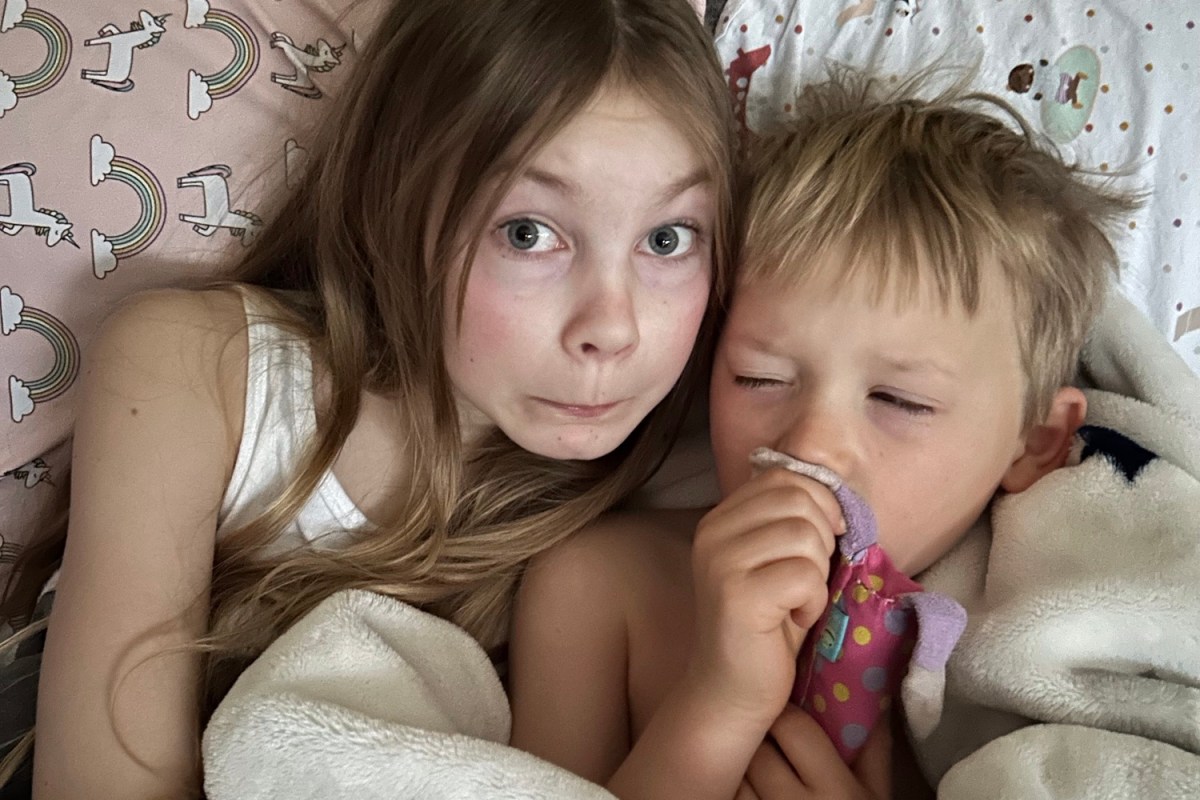
My ten-year-old daughter, Miss O, had a stomach bug this weekend. It hit hard on Friday night and then followed that typical 24 hour course where she felt miserable and threw up a half dozen times and then was mostly done.

When six-year-old Mr D realized that his sister wasn’t feeling well, he set out to make her his famous medium water. You know – not too hot and not too cold. In a lovely confluence where the one thing he knows how to make and the only thing she could keep down met, it was a beautiful gesture.

There was little else that Mr. D and I could do for her. She spent most of her day crying out in agony. Witnessing suffering like that makes me feel crummy. For me, helplessness usually turns into irritability. Fortunately, I was reminded of three things that I’ve heard/read lately:

From poet Mark Nepo, “… someone I love comes along in pain and I start dumping my pockets, looking for the one thing I know that will help them. But time and time again, the only thing they want is for me to open my heart like a sponge to them. They only want to be heard and held.” I swear my pockets are hanging out for how often I dig to try to find something to help only to learn this again and again.

When I talked with Sharon Eubank on the How to Share podcast she related some great lessons from her decades trying to help others as Global Director of Humanitarian Services for the LDS church. The one that really stuck with me was “My solution to your problem will always be wrong.” In this case, the foods that Miss O wanted to eat when she started to feel better wouldn’t have been my picks – but they worked for her.

And then in my most recent podcast conversation with author Amy Weinland Daughters she spoke of not knowing what to do for her friend, Dana, whose teenage son had cancer and then died. Amy started writing letters as a way to show up. She didn’t think it would make a difference but when Dana’s daughters asked Dana when she thought Amy would stop, Dana replied with something like, “I hope never.” We think what we are doing for someone who is suffering or grieving isn’t enough. But it does make a difference.

So I made an effort to pause my productivity efforts that made me feel like I was doing something by washing sheets and sanitizing bathrooms to just show up and stay present when Miss O cried out in pain and discomfort. I rubbed her back or her feet, told stories, and ordered more medium water from Mr. D. It really is what you are that heals. It’s all part of the magic of being there for someone.

(featured photo from Pexels)

You can find me on LinkedIn: https://www.linkedin.com/in/wynneleon/ and Instagram @wynneleon

I host the How to Share podcast, a podcast celebrates the art of teaching, learning, giving, and growing.

I also co-host the Sharing the Heart of the Matter podcast, an author, creator and storytelling podcast with the amazing Vicki Atkinson.

How to Share a Ghost Story

Share your knowledge. It’s a way to achieve immortality.” – Dalai Lama

Book collector Harry Elkins Widener was 27-years-old when he stood on the deck of the Titanic and urged his mom to get on a lifeboat. He said he needed to go back to get a rare and precious book. He was never seen again and no book was ever found.

Here’s what I love about how we share. That story has persisted in the 113 years since the Titanic went down because it was shared. It lives on because Harry Elkins Widener’s mom built a library for him at Harvard complete with Memorial Rooms that house his desk and shared his rare book collection. I know of the story because the talented novelist Alyson Richman heard the story, did an immense amount of research, and then shared it in the form of her delightful latest historical novel, The Missing Pages. We humans really are amazing at our ability to share knowledge, stories, and legacy in so many ways.

On the latest episode of the How to Share podcast, Vicki Atkinson and I had the great fortune to talk with Alyson Richman about her incredible book, The Missing Pages. She tells us how she heard the story of Harry Elkins Widener from her daughter and was inspired to write this book.

Alyson has the amazing ability to inhabit the time periods she writes about – and they are different for each of her 12 bestselling novels. She tells us about her research process and how her insatiable curiosity helps to drive her storytelling and writing.

We talk about the unexpected gifts in writing. In this case, the story her daughter, Charlotte, brought home from a Harvard Campus tour. Alyson reminds us that you have to be open to receive unexpected gifts and the goodness that flows from them.

Alyson has done that beautifully in this book, embodying both the mother and son’s viewpoint as well as the rich historical context in her gripping story. It’s a ghost story, mystery, bibliophile adventure, and love-story all wrapped up in one delicious book.

This is a wonderful conversation with an incredible author about a fantastic book. We know you’ll love it.

Takeaways

  • Alyson Richman’s novel ‘The Missing Pages’ is inspired by a true story.
  • The book intertwines the past and present through a ghost narrative.
  • Richman emphasizes the importance of being open to unexpected gifts.
  • Her research process involves extensive historical exploration.
  • The themes of grief and memory are central to her storytelling.
  • Richman’s characters are deeply developed and emotionally engaging.
  • Historical facts serve as building blocks for her narratives.
  • Richman is currently working on a new novel about Edith Wharton.

Here’s Alyson talking about her inspiration:

Here are some ways you can watch this great episode:

Links for this episode:

How to Share a Ghost Story with Alyson Richman transcript

The Missing Pages on Barnes & Noble and Amazon

Alyson Richman’s website

From the Hosts:

Vicki’s book about resilience and love: Surviving Sue; Blog: https://victoriaponders.com/

My book about my beloved father: Finding My Father’s Faith