Roadside Assistance

We’re fools whether we dance or not, so we might as well dance.” – Japanese Proverb

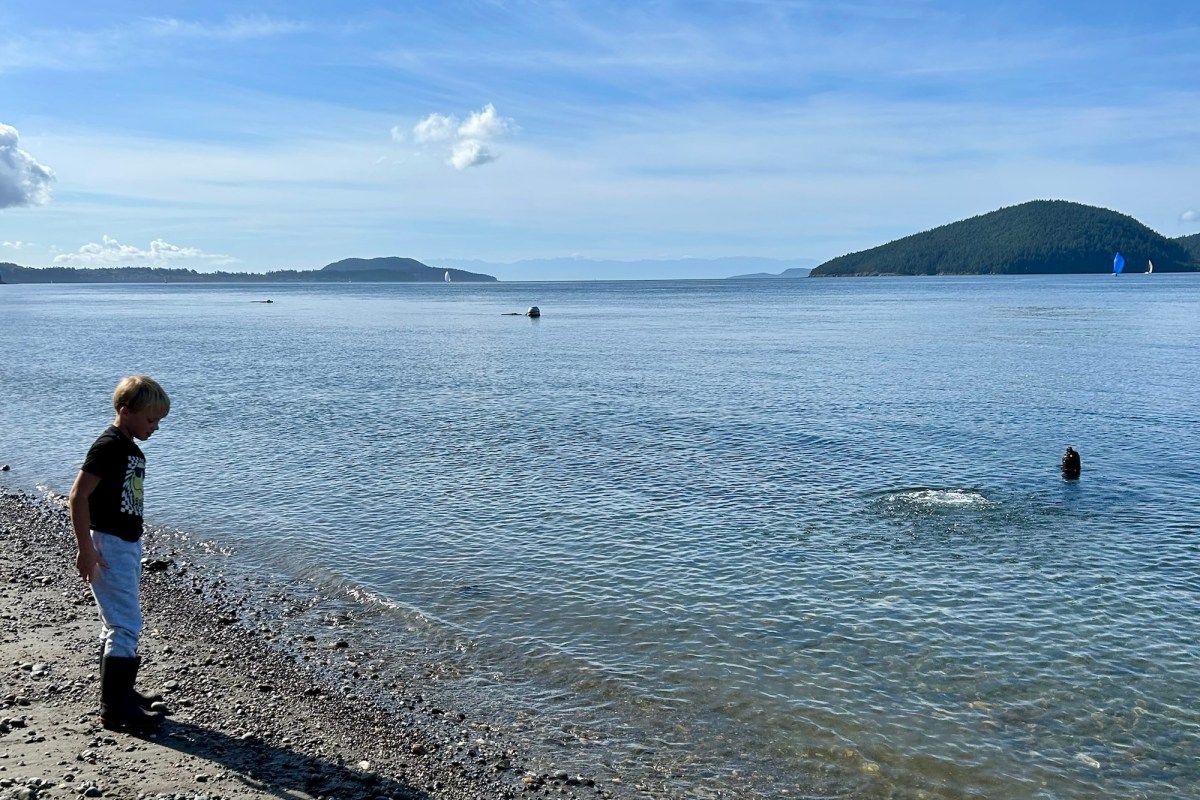
My kids and I are visiting our happy place. The funny thing about happy places is that I think they are contagious.

There’s a backstory (isn’t there always?). We rented out our house again on AirBnB. I figured we should take advantage of all that work we did to get our house ready. Because there’s nothing like being displaced from your home to inspire an adventure.

So we are staying up at our friends’ place on Whidbey Island. Last week when I was updating the guest book instructions for our house at 10pm after finishing 10 loads of laundry and making up five beds, I couldn’t believe I had chosen to make our house guest ready again. But the expansive sense of beachside escapades made it all worth it the moment we arrived.

Unlike our previous travels to see friends this summer where we stayed in 10 different places in 19 days and spent more than 40 hours on planes and trains, getting here was really easy. Three hours door to door and that included waiting in the line for the ferry and stopping at the store to buy dinner.

After unpacking the cold items into the fridge, we piled back into the car to show my mom and my sister our favorite farmer’s market on the island before it ended at 2pm. My kids excitedly narrated every hot spot went by: the place where the hot chocolate tastes like coffee dregs, the corner shop where we used to buy donuts before they closed, the thrift store for random rainy day toys. And then we passed a guy fixing his bike tire by the side of the road.

I polled the carful of people to see if we should stop to help. My kids in their enthusiastic mood that accompanies being in a happy place said, “Sure! Can we get out?

The puncture of his tire was done by a nail so big that even with a new tube, he was worried the tube would just balloon out the hole. Our tire repair kit or pump wasn’t going to help. So I told him there was a bike shop next to the farmer’s market and we’d be happy to drive him.

He and his bike piled in with us, probably reassured that we weren’t going to do him any harm given the messy state of the car or the enthusiastic kids. As we drove, we listened in on his call to his friend that he had been biking with reporting that he’d met some VERY friendly people and was being driven to a bike shop.

After we left him to go to the bike shop and we headed into the farmer’s market, I was amused by everyone’s interpretation of what just had happened.

My sister thought we were so friendly that we were scary.

My mom wondered if we’d ever get to where we were going if we stopped to help every human and animal along the way.

My kids thought the guy’s name – Harold – was funny.

And I thought happy places, real or metaphorical, make helpful people.

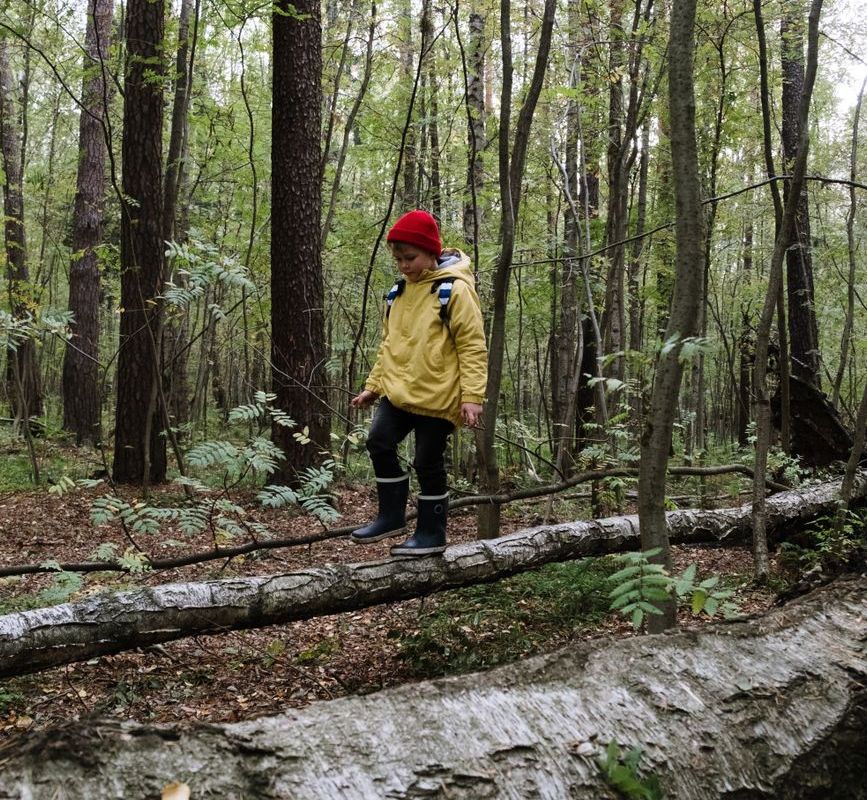
(featured photo from Pexels)

If my work has encouraged, inspired, or helped you try something new, consider supporting it with a small “cup of coffee” donation. Your support helps me keep creating conversations, stories, and resources that cheer people on as they do brave, meaningful work.

You can find me on LinkedIn: https://www.linkedin.com/in/wynneleon/ and Instagram wynneleon

Please check out the The Life of Try podcast Where trying becomes the spark for personal growth, discovery, and re-invention!
Things About Parenting That I Think I’ve Learned So Far, Part 3

The role of a leader is not to come up with all the great ideas. The role of a leader is to create an environment in which great ideas can happen.” – Simon Sinek

I don’t expect any great applause for this but I’ve solved the sock problem I’ve been complaining about since Things About Parenting That I Think I’ve Learned So Far Part 1. Let’s be clear — the socks still go missing, get tucked in between coach cushions and get carried around by Cooper the dog. But I’ve figured out a brilliant strategy: they don’t need socks when they wear Crocs. <ba dum tss!>

So it’s time to update my Things About Parenting That I Think I’ve Learned. My kids are 11 and 7 years old so I still have a ways to go. But I believe we’ve turned the corner. Parenting now is more psychological than physical. It looks a lot like leadership.

So here are the things I’ve learned so far:

It’s a great responsibility being responsible for someone else; pack treats for yourself…and them
Knowing what you are and are not responsible for will save your sanity

Teaching values is done one small act at a time
They are always watching… like when you
– Wave when someone lets you in
– Say “hi” or smile to strangers
– Admit you don’t know it all
– Call the homeless people by their name
– Bow to a Higher Power

There is a time when you just have to say “yes” to the McDonald’s drive-thru

Rarely will the three of us all see something the same way
But we can still exchange stories of what we see while looking in the same direction

Melt downs and spin outs happen
You will be judged by strangers and your kids alike by how you react
Digging deep to respond from your inner calmness usually works better

This generation will never not know life without Amazon and smart phones
That doesn’t mean that they need to get everything instantly or always be connected
But it does mean we will need to let them navigate the world differently than we did

Wear Crocs…without socks!

You can stall for time by time by responding, “That is a great question.” to a kid’s good question.”
If you don’t know the answer, just say, “I don’t know.”
They won’t hold space for not knowing if you don’t.

Good friends make the world go round
Your friends
Their friends
And if you are very lucky, siblings as friends.

Parenting is hard work
It’s okay to lie on the couch and let them paint your toenails now and then

Kids are different
They will likely not like the same foods
Not be calmed by the same things
Have unique capabilities
But still care about the same people, value each other, and respect differences

On the subject of chores — I frequently forget to enlist help for what would be really helpful to me
Overestimated what I need to teach and what they’ll eventually learn on their own
Miscalculated how long it will take
And have plenty more chances to get it right

You will screw up
They will learn more from how you react than if life had gone perfectly

Correction without judgment and anger is more effective
Use fewer words

Respect goes two ways

There is no substitute for being genuinely interested in and liking your kids
Listen to understand not evaluate

How you show up is as important as what you show up for

Life is not fair
We all want it to be… especially kids.
Demonstrate how to reach for hopes and dreams
And if you can, show how to navigate the messy middle.

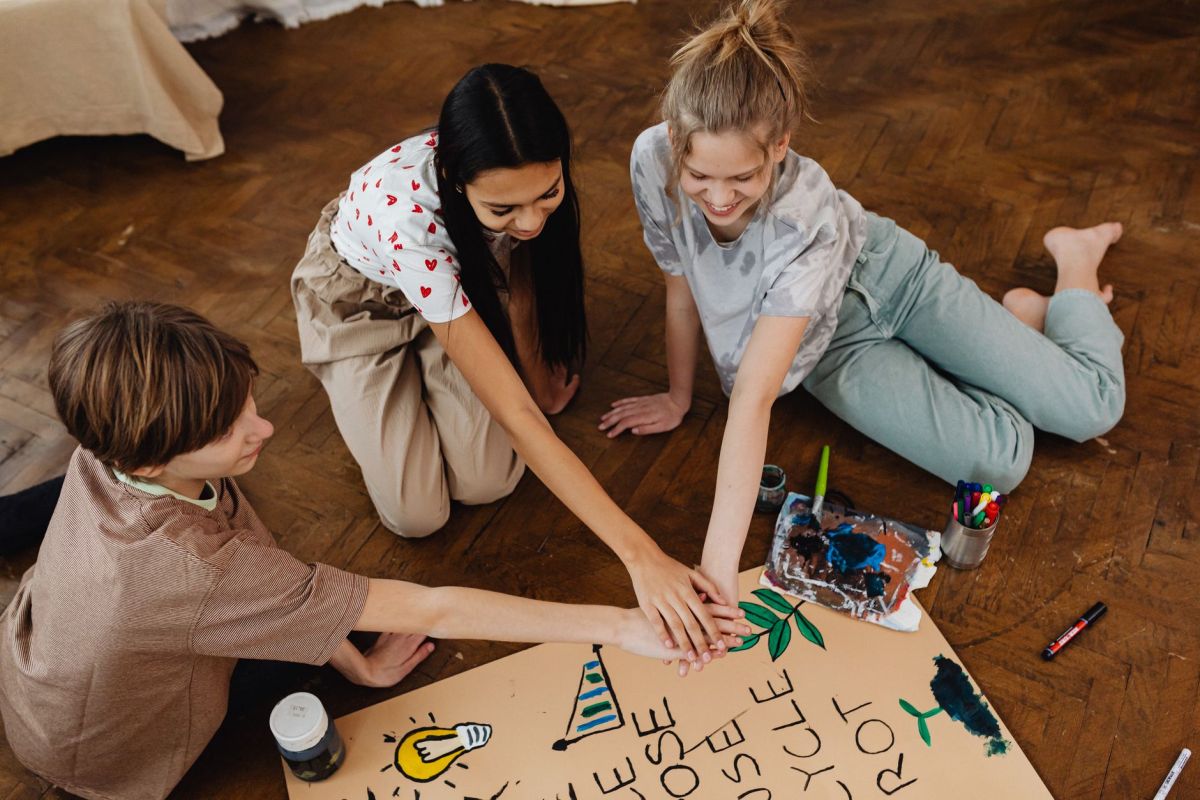
(featured photo from Pexels)

If my work has encouraged, inspired, or helped you try something new, consider supporting it with a small “cup of coffee” donation. Your support helps me keep creating conversations, stories, and resources that cheer people on as they do brave, meaningful work.

You can find me on LinkedIn: https://www.linkedin.com/in/wynneleon/ and Instagram wynneleon

Please check out the The Life of Try podcast Where trying becomes the spark for personal growth, discovery, and re-invention!


Activity Bundling – The Fun of Cleaning Up

You can’t compete with someone who is having fun.” – unknown

Up until last week I had cobwebs in my kitchen. They were higher than I could reach without a ladder or tool. I’d notice them but always on my way to getting something else done so they persisted.

It was the same with rehanging the hooks in the hallway that pulled away from the wall, the fascia board in my bathroom that came off when the kids climbed on the counter one too many times, peeling off the stickers Mr D applied to the cabinets when he was three-years-old, replacing two of the six light bulbs in the bathroom that used non-standard light bulbs, and on and on.

Because we rented out our house as an AirBnB, we’ve been chipping away at this list of little projects that I constantly noticed but never got done. Our first booking is in mid-June.

The whole project started because we have friends that have lived in France for three years. We wanted to visit them before they move in August. But every time I went to book the airfare this spring, the price jumped because of oil prices and I couldn’t afford them.

I’d been entertaining the idea of listing my house on AirBnB during the World Cup games here in Seattle but it seemed like so much work. But then I read The Fun Habit by Mike Rucker, PhD and his concept of activity bundling brought it all together for me. By combining the adventure of getting to see our friends in Europe with the work of getting the house ready, we could make the whole thing fun. [If you haven’t yet listened to the podcast with Mike, I found our conversation to be as inspiring as his book.]

I figured it was worth a try. Even if we didn’t get any bookings, at least we’d get a fixed-up house.

But then we did get bookings. Now I’ve booked our tickets because we have to be gone and we are madly finishing all these little projects. Michelle from the BoomerEcoCrusader blog is 100% right – decluttering feels great. Mr. D wants to know why we go to the donation center every week with a car loads of clothes, toys and books. Because we’ve had all that stuff pile up too much over the years.

Every night I fall into bed exhausted. But I also feel lighter. Like all those little projects were weighing me down in a way that I didn’t even realize. We’re earning this adventure one step at a time – with the bonus of coming home to a house that has all (or most) of the little things done.

(featured photo is one of our bedrooms after an extensive decluttering!)

Quote is from EnlightenedMind622

You can find me on LinkedIn: https://www.linkedin.com/in/wynneleon/ and Instagram @wynneleon

Please check out the The Life of Try podcast Where trying becomes the spark for personal growth, discovery, and re-invention!

How to Get Unstuck: Michael Yang on Saying Yes, Resilience and Coming Alive

Don’t ask what the world needs. Ask what makes you come alive, and go do it. Because what the world needs is people who have come alive.” – Howard Thurman

When my daughter was two-and-a-half, I installed a seat on the back of my bike. I strapped her in and we pedaled around our neighborhood. She yelled, “this is fantastic!

A pure jolt of energy and vitality shot threw me. For me, it was such a good example of the fullness of life that surges when we embrace the freedom that comes with getting out on two wheels. As a bonus, it reminded me of how easy it is to get stuck in the humdrum of life. And the cure is just an adventure (big or small) away.

So in this episode of The Life of Try podcast, I talk with tech entrepreneur and author Michael Yang about his memoir Coming Alive on the Ride and the way motorcycle travel became both a literal journey and a powerful metaphor for personal growth. Michael shares how stepping outside your familiar environment can help you hear “life’s invitation” to dream, venture, and rediscover what makes you feel fully awake.

Together we explore resilience through the Korean concept of han—the accumulated weight of difficult circumstances—and how setbacks can become fuel for perseverance. Michael reflects on immigrating from Korea at 14, building a life through gratitude and hard work, and learning (again and again) that rejection doesn’t have to be the end of the story.

From riding thousands of miles with a lifelong friend to a memorable run-in with Steve Jobs at Macy’s in 1982, Michael’s stories remind us that courage grows through companionship and curiosity. We also discuss the Korean guiding philosophy of Hongik—living in a way that benefits all humankind—and how our bravest tries can ripple outward in ways we may not expect.

In this episode, we cover:

  • Why “accepting the invitation” is simple—but the road rarely runs straight
  • Han, perseverance, and turning setbacks into strength
  • The immigrant mindset: gratitude, effort, and going for opportunity
  • Friendship as a confidence builder—on the road and in life
  • Curiosity, rejection, and holding onto a vision (plus the Steve Jobs story)
  • Hongik: living for the wider benefit and making a positive dent in the world

Here’s a small taste of Michael’s brave and bold reminder that saying “yes” to adventure often brings out our best selves:

Whether you’re craving a literal road trip or a fresh start at home, this conversation will nudge you toward your next brave yes.

Here are some ways you can listen and watch this motivating episode:

How To Tell Relatable Stories About Life The Life of Try: Personal growth, one try at a time.

What makes a story truly relatable? In this episode of The Life of Try, Wynne Leon explores how the smallest moments in life can become the most powerful stories — from a beloved Seattle raccoon named Jimothy to a little boy celebrating soccer goals with his grandmother. Through humor, heart, and the idea of narrative transportation, this episode looks at why specific, human stories help us feel seen, connected, and inspired to keep trying.If you’ve ever wondered how to tell better stories about everyday life, how to make your experiences more meaningful, or why small moments can carry big emotional truth, this episode is for you.Key takeaways:• Relatable stories often begin with small, specific moments rather than big life lessons.• Details help listeners see, feel, and remember a story.• Everyday stories can reveal courage, connection, confidence, and support.• The most powerful stories do not need to be perfect — they need to be honest and human.• Living The Life of Try means celebrating small wins, showing up for each other, and trying again from wherever we are.🔔 Subscribe to The Life of Try for weekly conversations about resilience, courage, creativity, reinvention, mindset, and living with intention.ABOUT MEHi, I’m Wynne Leon — host of The Life of Try, a personal growth and self-improvement podcast exploring resilience, reinvention, uncertainty, and the courage to keep trying.Through thoughtful interviews, reflective conversations, and real-life stories, I share insights to help you navigate change, get unstuck, and move forward with more intention.🌍 Website: https://wynneleon.com━━━━━━━━━━━━━━━🎥 Watch Next➡️ How to Overcome Burnout & Build an Upward Spiral of Growth, Fun & Resilience➡️ Near-Death Experience with Jesus | Liza Anderson on Faith, Healing and Recovery➡️ How to Embrace What Makes You Different | Finding Your Purpose with Kym Gordon Moore
  1. How To Tell Relatable Stories About Life
  2. Why Second Place Might Be Preparation, Not Failure
  3. When Your Plan Falls Apart | How to Stay Resilient and Keep Trying
  4. Barbara Nickless on A Voice In The Dark, Online Gaming and The Power of Story
  5. Embracing What Makes You Different | Kym Gordon Moore

Links for this episode:

48-How to Get Unstuck: Michael Yang on Saying Yes, Resilience, and Coming Alive transcript

Michael Yang’s website

Coming Alive on the Ride at Barnes & Noble and Amazon

The Life of Try is a personal growth and self‑help podcast about getting unstuck, navigating uncertainty, and choosing to try—even when it’s uncomfortable, inconvenient, or not your idea.

Hosted by Wynne Leon, the show explores how real growth, reinvention, and discovery often begin not with confidence or clarity—but with a single attempt. Through thoughtful interviews, reflective conversations, and real‑world case studies, each episode examines what it looks like to keep going when doubt shows up, plans fall apart, or life forces a change you didn’t ask for.

This podcast is for anyone who:

  • Feels stuck or uncertain about what’s next
  • Is navigating change, burnout, or reinvention
  • Wants to live more intentionally without pretending growth is easy
  • Believes progress starts by trying—again and again

The Life of Try isn’t about hustle or perfection. It’s about learning as you go, surfacing what matters, and sharing what you discover along the way.

If you’re ready to surf the uncertainty, outlast the doubts, and step into your own try‑cycle, you’re in the right place.

(featured photo from Michael Yang — more incredible photos in his book and on his website!)

The Life of Try

Sometimes magic is just someone spending more time on something than anyone else might reasonably expect.” – Teller

In 44 episodes of producing the How to Share podcast, I realized that while I’m passionate about how to share, what I’m really interested is trying. Trying is a little upstream from sharing. We try experiments in our life, we learn, and then we share.

Trying feels right to me because matches my background as an engineer and consultant. Also, I see it in my kids as they develop new skills. And I’m fascinated by how we conduct experiments as foundational part of building confidence.

So I’ve spent some time reswizzling the podcast as The Life of Try – a podcast focusing on where innovation, reinvention, personal growth, and discovery begin with one simple choice: to try. Even when it’s uncomfortable. Even when you’d rather not. Even when life makes the decision for you.

The Life of Try will feature conversations with authors, scientists, athletes, researchers, coaches, and more to help inspire your personal try-cycle. And I’m debuting a brand-new segment—one that “reverse engineers” what world-class trying really looks like.

In this episode our case study is professional climber Alex Honnold, whose headline-making feats—from free soloing El Capitan in Yosemite to scaling the Taipei 101 Tower this January—offer a masterclass in what it takes to attempt the extraordinary.

I break down the real ingredients behind big outcomes: preparation, learning from others, and staying steady through setbacks—and how those same principles apply to the goals we’re chasing every day. Whether you’re gearing up to speak in public, throw a pitch, or learn a new song, you can borrow these lessons and put them to work in your own try-cycle.

This is The Life of Try.

Here’s a teaser clip that shows a bit of what I think is so compelling about Alex Honnold:

Here are some ways you can listen and watch this inspiring episode:

Please listen, watch, provide feedback and subscribe.

How To Tell Relatable Stories About Life The Life of Try: Personal growth, one try at a time.

What makes a story truly relatable? In this episode of The Life of Try, Wynne Leon explores how the smallest moments in life can become the most powerful stories — from a beloved Seattle raccoon named Jimothy to a little boy celebrating soccer goals with his grandmother. Through humor, heart, and the idea of narrative transportation, this episode looks at why specific, human stories help us feel seen, connected, and inspired to keep trying.If you’ve ever wondered how to tell better stories about everyday life, how to make your experiences more meaningful, or why small moments can carry big emotional truth, this episode is for you.Key takeaways:• Relatable stories often begin with small, specific moments rather than big life lessons.• Details help listeners see, feel, and remember a story.• Everyday stories can reveal courage, connection, confidence, and support.• The most powerful stories do not need to be perfect — they need to be honest and human.• Living The Life of Try means celebrating small wins, showing up for each other, and trying again from wherever we are.🔔 Subscribe to The Life of Try for weekly conversations about resilience, courage, creativity, reinvention, mindset, and living with intention.ABOUT MEHi, I’m Wynne Leon — host of The Life of Try, a personal growth and self-improvement podcast exploring resilience, reinvention, uncertainty, and the courage to keep trying.Through thoughtful interviews, reflective conversations, and real-life stories, I share insights to help you navigate change, get unstuck, and move forward with more intention.🌍 Website: https://wynneleon.com━━━━━━━━━━━━━━━🎥 Watch Next➡️ How to Overcome Burnout & Build an Upward Spiral of Growth, Fun & Resilience➡️ Near-Death Experience with Jesus | Liza Anderson on Faith, Healing and Recovery➡️ How to Embrace What Makes You Different | Finding Your Purpose with Kym Gordon Moore
  1. How To Tell Relatable Stories About Life
  2. Why Second Place Might Be Preparation, Not Failure
  3. When Your Plan Falls Apart | How to Stay Resilient and Keep Trying
  4. Barbara Nickless on A Voice In The Dark, Online Gaming and The Power of Story
  5. Embracing What Makes You Different | Kym Gordon Moore

Links for this episode:

The Life of Try: Alex Honnold Case Study transcript

⁠Free Solo: A National Geographic documentary⁠

⁠Alex Honnold Free Solo Climbs Tapei 101 Skyscraper⁠

(featured photo is of El Capitan and sourced from Pexels)

Lessons from Letting Go: Parenting Reflections

How lucky I am to have something that makes saying goodbye so hard.” – Winnie the Pooh

There’s a lot of grief that comes with parenting, isn’t there? And I’m not referring to the grief the kids give us. I’m talking about the variety that comes with letting go.

My 10-year-old daughter< Miss O, changed the wallpaper of my phone to be a rotation of pictures of her and her younger brother. Now every time I tap the phone, I see a picture of one of the two of them, usually as younger kids.

Along with the cute pictures comes the grief. It’s small but I feel a stab of knowing I’ll never hold them on my hip like that again. Or that the era of toddler speak that required Momma interpretation has ended. Or that we don’t have so many moments of un-self-conscious joy anymore. There are all sorts of things to mourn as I get that momentary hit of how much we’ve changed. As neuroscientist Maya Shankar explains, every change comes with a loss of identity.

When I leaned into the grief, I found three things blooming underneath.

Gratitude. My sister-in-law’s mom, Georgia, repeatedly told me a story when I first had kids. She said that when my sister-in-law was six or seven, she asked Georgia to play. Georgia laments that her reply was, “No, Honey, I’d rather read my book.

I learned from that story to say “yes” so that I’m not talking about it when I’m 75-years-old. There have been many moments it has been hard to put down my book or stop progress on something I want to get done. But more or less, when my kids have said, “Mommy, look?” or “Mom, do you want to play ball?” I’ve said yes. So now when I feel the pangs of grief that come with letting go the younger selves of my kids, I also feel the gratitude for all the memories we have made and continue to make.

Learning. My kids have learned to walk, talk, ride a bike, read, play musical instruments, bat a ball and a myriad of other things. But the grief makes me realize how much I’ve learned as well. Things like that I had name my feelings so I could teach them how to name theirs. Also how to pitch baseballs, get grass stains from the ballfield out of pants, make slime, and clean slime from clothes too. These years have not only been full of memories but also lessons and growth too.

Faith. Miss O is heading to middle school next year. The horizon is already changing with boys, more complex relationships, and a wider circle of independent activities. The number of things I can’t control is growing exponentially larger every day.

Of course, I’ve never been able to control much. This whole journey of parenting has helped me lean into faith. To say “yes” to making memories, learning, loving and leading, and then leave the rest to God.

Grief is uncomfortable. Even the small “g” kind that I’m feeling these days. But underneath it is a whole lot of goodness that reminds me to lean in to creating a life worth growing out of.

(featured photo is Miss O and Mr. D in 2019)

The Long View of Life

A heart that loves is always young.” – Greek Proverb

My kids and I attended a memorial service for a 98-year-old friend, Jean, this past weekend. There is a lot of life to honor when someone lives that long.

It’s tempting to do it by what she did: she was a mother to four children, a member of her church for more than 70 years, she was an elementary school teacher, and when she retired from teaching, chose to work at the information booth at the local mall for more than 20 years.

Or by what she loved: she loved to play bridge and to cook. She cooked for the church youth group every week for 4 years and then published a cookbook of how to feed large groups.

But what struck me most was the quality of her relationships. She made friends wherever she went. In fact, I didn’t get to know her well until she was in her 90’s. Jean made the effort to reach out to me with little things she passed along from her family to my kids. I wrote a post about her in 2021 when she gave me a copy of the cookbook she published in the 1980’s. There was a woman at the service who had been a friend of Jean’s for 94 years.

But Jean’s life wasn’t just a walk in the park. Forty years ago, one of her daughters was murdered by a stalker when she was in her late 20’s. Going through that ordeal was when Jean got to know my dad so I know she forged relationships in good times and in bad.

Here’s what I loved about going to Jean’s service. It was a reminder to me that even when life seems complicated, messy and hard, we make it through because of the relationships we build. And it’s never too late.

(featured photo from Pexels)

You can find me on LinkedIn: https://www.linkedin.com/in/wynneleon/ and Instagram @wynneleon

Please check out the How to Share podcast, a podcast where guests share what they’ve lived and learned!

Even 10-year-olds Know Better

There is no better test of a man’s integrity than his behavior when he is wrong.” – Marvin Williams

About 10 days ago I was making breakfast for my family on a calm Saturday morning. The news was on in the background and Donald Trump was responding to the Supreme Court ruling about tariffs.

He started, “I am ashamed…”

And then ended the sentence, “…that a couple of members of the Supreme Court don’t have the courage….

I don’t recall saying anything. But the next thing I knew my 10-year-old daughter, Miss O, was standing on the couch with a pretend microphone in her hand offering an alternate response.

I apologize. It was my fault. How can I fix it?”

Miss O is not an expert in the workings of the three branches of the US government. But she does possess the emotional intelligence to know that people should take responsibility for their decisions and actions.

I suspect this US presidency resonates in a unique way for those of us who’ve had significant entanglements with a narcissist.

  • The chaos.
  • The willingness to say anything, believable or not, in order to shift the conversation.
  • The loyalty tests.
  • The genuine belief that they should not be held to the same standard of behavior as normal people.
  • The constant need for more recognition and validation.

Being around people who make up their own rules and then blame others when they lose is exhausting. Even 10-year-olds know better.

When I had a business partner who was a narcissist, I was forced to learn the difference between what I can control and what I can’t. The wisdom of Prentis Hemphill helped me cope, “Boundaries are the distance at which I can love you and me simultaneously.

Not only did I gain a lot of clarity about boundaries, but I also developed a deep appreciation for the people in my life who are trustworthy enough to hold close. I came through that period with a huge amount of gratitude for when life is calm.

There are enough tariffs being levied these days. So I try to remember not to let narcissists tax my energy more than necessary.

(featured photo from Pexels)

You can find me on LinkedIn: https://www.linkedin.com/in/wynneleon/ and Instagram @wynneleon

Please check out the How to Share podcast, a podcast where guests share what they’ve lived and learned!

How to Share A Return Home

The cave you fear to enter holds the treasure you seek.” – Joseph Campbell

I lived in the Philippines until I was almost seven-years-old. When I went back to visit with my family 22 years later, I was surprised that I could navigate a few streets near where we used to live. It was like a pull that oriented me to where I spent the first years of my life.

So I related to Mario Cartaya’s phrase of letting the subconscious guide when he shared his emotional journey back to Cuba after 56 years on the How to Share podcast. Mario has written a touching and insightful memoir about that trip, Journey Back Into the Vault.

Mario tells us how his family’s rushed departure from Cuba as a nine-year-old left him with a vault of childhood memories that he couldn’t unlock. Mario shares stories from his 1-week journey back to Cuba that helped him unlock the memories in that vault. We talk about how so many magical moments unfolded as he visited the scenes of his childhood.

We talk about the close-knit sense of community in Cuba. Mario tells us about the Cuban diaspora and how the pain of separation affects families on both sides.

Mario tells us about his current project chronicling the historic friendship that the US and Cuba once shared.

Mario is a wonderful guest who delivers a strong sense of hope for whatever divides us and a reminder that we can all work to find our own inner peace and deliver it to this world. I know you’ll love this episode and his book, Journey Back Into the Vault!

Key Themes:

  • Mario’s traumatic departure from Cuba in 1960
  • The vault of childhood memories and their significance
  • Revisiting childhood homes and places in Cuba
  • The impact of family separation and diaspora
  • The historic friendship between the US and Cuba from 1860-1960
  • Mario’s current project on US-Cuba relations

Check out this short clip of Mario’s deep and insightful elevator pitch for Journey Back Into the Vault:

Here are some ways you can watch or listen to all of this fascinating and compelling episode:

Please listen, watch, provide feedback and subscribe.

How To Tell Relatable Stories About Life The Life of Try: Personal growth, one try at a time.

What makes a story truly relatable? In this episode of The Life of Try, Wynne Leon explores how the smallest moments in life can become the most powerful stories — from a beloved Seattle raccoon named Jimothy to a little boy celebrating soccer goals with his grandmother. Through humor, heart, and the idea of narrative transportation, this episode looks at why specific, human stories help us feel seen, connected, and inspired to keep trying.If you’ve ever wondered how to tell better stories about everyday life, how to make your experiences more meaningful, or why small moments can carry big emotional truth, this episode is for you.Key takeaways:• Relatable stories often begin with small, specific moments rather than big life lessons.• Details help listeners see, feel, and remember a story.• Everyday stories can reveal courage, connection, confidence, and support.• The most powerful stories do not need to be perfect — they need to be honest and human.• Living The Life of Try means celebrating small wins, showing up for each other, and trying again from wherever we are.🔔 Subscribe to The Life of Try for weekly conversations about resilience, courage, creativity, reinvention, mindset, and living with intention.ABOUT MEHi, I’m Wynne Leon — host of The Life of Try, a personal growth and self-improvement podcast exploring resilience, reinvention, uncertainty, and the courage to keep trying.Through thoughtful interviews, reflective conversations, and real-life stories, I share insights to help you navigate change, get unstuck, and move forward with more intention.🌍 Website: https://wynneleon.com━━━━━━━━━━━━━━━🎥 Watch Next➡️ How to Overcome Burnout & Build an Upward Spiral of Growth, Fun & Resilience➡️ Near-Death Experience with Jesus | Liza Anderson on Faith, Healing and Recovery➡️ How to Embrace What Makes You Different | Finding Your Purpose with Kym Gordon Moore
  1. How To Tell Relatable Stories About Life
  2. Why Second Place Might Be Preparation, Not Failure
  3. When Your Plan Falls Apart | How to Stay Resilient and Keep Trying
  4. Barbara Nickless on A Voice In The Dark, Online Gaming and The Power of Story
  5. Embracing What Makes You Different | Kym Gordon Moore

Links for this episode:

How to Share a Return Home Transcript

Journey Back Into the Vault on Barnes and Noble and Amazon

Mario Cartaya’s website

From the host:

My book about my beloved father: Finding My Father’s Faith

(featured photo from Pexels)

How to Share a Mission

There are only two lasting bequests we can give our children. One is roots, the other is wings.” – Hodding Carter

In the days when I watched tv (somewhere about a decade ago before I had kids and started going to bed early so I could wake up early enough to write in that hour before they wake up), I really enjoyed watching Dancing with the Stars. There is something fascinating about watching someone translate their skills from one arena to another. Like when a football player does a ballroom dance and it reveals something essential about what they bring no matter the format.

It reminds me of the guest I spoke with on the How to Share podcast this week. Anthony Dyer was special missions aviator for the US Air Force for 20 years. Now he’s written a gripping memoir, Moon Child: Roots and Wings of a USAF Combat Special Missions Aviator. In it you see his courage. First on the battlefield and then in his vulnerability in writing about it.

Anthony knows how to bring it. Here’s a short excerpt that gives a taste of his inspirational courage:

“In gambling, playing with house money means you’re ahead, taking risks with what you’ve already won. That’s exactly how I wanted to exist earthside: bold, fearless, and unburdened by the fear of losing. Life itself was the ultimate win, and I was determined to make the most of it. Living a ‘house money life’ means living with the mindset that you’re already ahead and willing to take the risks with what you’ve already achieved without fearing losing. It’s about embracing life’s uncertainties and challenges and making the most of every opportunity.” – Anthony Dyer, Moon Child: Roots and Wings of a USAF Combat Special Missions Aviator.

Anthony tells us how he went from a childhood in Appalachia to becoming a special missions aviator for the US Air Force. We talk about how his desire to make a difference in the world led to a 20-year-career in the military.

He reveals how he healed from the visible and invisible wounds of war, healing by picking up a pen instead of a bottle. He tells us how he met his wife and what their mission is now.

Anthony has so many incredible insights about how to live fully, heal, and integrate traumatic experiences. He tells us what motto is inspiring him today. This is a great episode with an insightful author who takes life by the horns. I know you’ll love it.

Takeaways

  • Anthony chose writing over alcohol to heal from trauma.
  • The importance of aviate, navigate, communicate in life.
  • Healing can come from vulnerability and sharing stories.
  • Family plays a crucial role in personal healing.
  • God can help you rebuild after trauma.
  • Scars are badges of honor, representing resilience.
  • Conversations with God can lead to personal growth.
  • Fatherhood is Anthony’s most important mission now.
  • Roots and wings symbolize balance in life.

Here’s a great clip of Anthony talking about how writing has helped heal the wounds of war:

Here are some ways you can watch or listen to all of this fascinating and inspiring episode:

Please listen, watch, provide feedback and subscribe.

How To Tell Relatable Stories About Life The Life of Try: Personal growth, one try at a time.

What makes a story truly relatable? In this episode of The Life of Try, Wynne Leon explores how the smallest moments in life can become the most powerful stories — from a beloved Seattle raccoon named Jimothy to a little boy celebrating soccer goals with his grandmother. Through humor, heart, and the idea of narrative transportation, this episode looks at why specific, human stories help us feel seen, connected, and inspired to keep trying.If you’ve ever wondered how to tell better stories about everyday life, how to make your experiences more meaningful, or why small moments can carry big emotional truth, this episode is for you.Key takeaways:• Relatable stories often begin with small, specific moments rather than big life lessons.• Details help listeners see, feel, and remember a story.• Everyday stories can reveal courage, connection, confidence, and support.• The most powerful stories do not need to be perfect — they need to be honest and human.• Living The Life of Try means celebrating small wins, showing up for each other, and trying again from wherever we are.🔔 Subscribe to The Life of Try for weekly conversations about resilience, courage, creativity, reinvention, mindset, and living with intention.ABOUT MEHi, I’m Wynne Leon — host of The Life of Try, a personal growth and self-improvement podcast exploring resilience, reinvention, uncertainty, and the courage to keep trying.Through thoughtful interviews, reflective conversations, and real-life stories, I share insights to help you navigate change, get unstuck, and move forward with more intention.🌍 Website: https://wynneleon.com━━━━━━━━━━━━━━━🎥 Watch Next➡️ How to Overcome Burnout & Build an Upward Spiral of Growth, Fun & Resilience➡️ Near-Death Experience with Jesus | Liza Anderson on Faith, Healing and Recovery➡️ How to Embrace What Makes You Different | Finding Your Purpose with Kym Gordon Moore
  1. How To Tell Relatable Stories About Life
  2. Why Second Place Might Be Preparation, Not Failure
  3. When Your Plan Falls Apart | How to Stay Resilient and Keep Trying
  4. Barbara Nickless on A Voice In The Dark, Online Gaming and The Power of Story
  5. Embracing What Makes You Different | Kym Gordon Moore

Links for this episode:

How to Share a Mission Transcript

Moon Child: Roots and Wings of a USAF Combat Special Missions Aviator on Barnes and Noble and Amazon

From the host:

My book about my beloved father: Finding My Father’s Faith

(featured photo from Pexels)