
The Art of the Conversation

I got a message in my email inbox this week from a stranger:

“Hey there, I went ahead and made a whole month’s calendar of social media content.

Can I shoot them your way?”

What? We haven’t even had a conversation?

I’m all for technology – in fact, I’m a computer consultant so my business is technology. But too often we get spun around and start working to fit technology into our lives, personally, professionally and at the corporate level – when it’s supposed to be the other way around — technology working for us.

It feels like technology keeps trying to tell us to speed up. It started long before AI but I feel it more intensely with the pitches that are reaching my inbox like the one above. It makes me so grateful for all that hosting and producing 200 podcasts episodes (135 on Sharing the Heart of the Matter and the rest on the Life of Try channel) has taught me about having deep conversations, slowing down, and making real connections.

In this milestone episode of The Life of Try, Dr. Vicki Atkinson turns the tables and interviews host me about nearly four years of podcasting—and what it takes to keep going.

I share what I’ve learned from 200 podcast conversations. Lessons like:

  • Why authentic conversations require both preparation and presence
  • Why you can’t host and produce at the same time (and it applies to writing and editing as well)
  • Why serving your audience matters more than simply publishing content
  • Creating meaningful work in the age of AI,
  • Finding the right collaborators

Not surprisingly, the best things I’ve learned in 200 episodes relate to conversation and connection, not technology. I appreciate each and every one of you that have listened to an episode. I know how valuable time is and if you’ve spent any time listening to me, and/or Vicki and me, I am so grateful.

If you feel stuck, uncertain, or impatient with your progress, this encouraging conversation is a reminder that growth does not have to happen quickly. One thoughtful conversation, one genuine connection, and one brave try can move you forward.

Links for this episode:

The Art of the Conversation transcript

Victoria Ponders – Dr. Vicki Atkinson’s blog

Vicki’s incredible memoir: Surviving Sue: An inspirational survivor’s story about a daughter and her life with a mother who was riddled with alcoholism, Alzheimer’s, anxiety, depression, and Munchausen’s. – print and eBook

Vicki’s gripping novel: Slivers on Eckhartz Press

Other Episodes You Might Enjoy

How to Finally Write the Book You’ve Been Dreaming About with Dr. Vicki Atkinson

How to Get Unstuck in Life and Start Moving Forward Again with Michael Yang

How to Celebrate Small Wins | Tiny Habits, Resilience & Personal Growth

Success isn’t always about finishing first. Sometimes the greatest victories belong to those who stay prepared, keep growing, and never stop trying.

(featured photo from Pexels)

If my work has encouraged, inspired, or helped you try something new, consider supporting it with a small “cup of coffee” donation. Your support helps me keep creating conversations, stories, and resources that cheer people on as they do brave, meaningful work.

You can find me on LinkedIn: https://www.linkedin.com/in/wynneleon/ and Instagram wynneleon

Life is an Adventure

“When you see someone putting on his Big Boots, you can be pretty sure that an Adventure is going to happen.” – Winnie the Pooh

When my daughter, Miss O, was two or three-years-old, she took scissors to a squishy ball just minutes before we were supposed to leave to meet my dear friend, Katie. I was shocked – the mess, the destruction of a toy, our inability to be on time.

So when I apologized to Katie for being late and told her why, she laughed said one thing that changed my parenting experience forever (and for good). She said, “Everything is a science experiment.”

All of a sudden, the light bulbs went off in my head. Children weren’t supposed to sit in a corner and play according to the manufacturer’s directions – they were supposed to test things out, see what happens, and think outside the box. No wonder Katie’s children (already grown at that time) are such delightful people.

Two things stand out about this a-ha moment. First, the generosity of friends. Parenting doesn’t come with a manual so I have often relied on my friends to show me the way – and they have been so generous to do so. Second, the science experiment comment didn’t just change my expectations of how my kids should behave – it opened the door for me believing that I didn’t have to know everything about what we would try as a family.

I was fortunate to be able to explore that family adventure theme on this week’s The Life of Try episode with my friend, Natasha Dillinger. Natasha is an enthusiastic, yes-to-adventure, generous parenting friend who regularly shares her secrets on Instagram. In our conversation, three takeaways stood out to me:

  1. How saying yes to adventure can become a family habit
  2. Simple strategies for planning group trips
  3. Why flexibility and humor matter when plans fall apart

In our conversation, Natasha shares practical ideas for organizing group trips, helping children feel ready for unfamiliar experiences, making adventure affordable, and redefining success when things go wrong. Because sometimes the rain, the missed train, or the unexpected detour becomes the story everyone treasures most.

Links for this episode:

The Power of Saying Yes: Raising Adventurous Kids With Natasha Dillinger transcript

Natasha’s suitcasesinseattle on Instagram – If you are planning on visiting Seattle, the Pacific Northwest or just want adventure inspiration, I’d HIGHLY recommend subscribing!

Other Episodes You Might Enjoy

When Your Plans Fall Apart | How to Stay Resilient, Adapt & Keep Moving Forward

How to Create Opportunities in Life | Motive + Means = Success Mindset

The Courage to Try Something New | Lindsey Goldstein on Growth, Failure & Reinvention

Success isn’t always about finishing first. Sometimes the greatest victories belong to those who stay prepared, keep growing, and never stop trying.

(featured photo from Pexels)

If my work has encouraged, inspired, or helped you try something new, consider supporting it with a small “cup of coffee” donation. Your support helps me keep creating conversations, stories, and resources that cheer people on as they do brave, meaningful work.

You can find me on LinkedIn: https://www.linkedin.com/in/wynneleon/ and Instagram wynneleon

Growth Takes Energy

“It is very important that we relearn the art of resting and relaxing. Not only does it help prevent the onset of many illnesses through chronic tension and worry; it allows us to clear our minds, focus, and find creative solutions to problems.” – Thich Nhat Hanh

I made a rookie mistake last weekend. My kids, a friend, Cooper the dog, and I went hiking. It was 1.9 miles each way and 1500 feet of elevation gain. Not a particularly long hike but it had some challenging elements. Here was my mistake: as the responsible adult who had done this trail at least a dozen times, I didn’t call a break until we reached the top — at about two hours after we started hiking.

Doh! I know better. Hikes are more enjoyable, easier to do, and sometimes are even faster when we take breaks along the way. But often I am so focused on the destination that I ignore the wisdom to stop along the way.

So this week’s Life of Try podcast episode is the reminder I need. As we head into fall and all the changes in routines, rhythm and goals, I focused on finding some recommendations about how to best rest and restore so that we can meet our goals. Drawing on ideas from Carol Dweck’s growth mindset research, Adam Grant’s work on motivation and habits, and research on creativity and stress reduction, this episode offers practical ways to make change more sustainable. Three tips in particular resonated with me:

  1. Expect fatigue
  2. Build in regular rest intervals
  3. Reduce unnecessary decisions

So, if you often push to the top without taking a break, consider this your reminder that growth takes energy and we need some rest.

If you are working on personal growth, building better habits, navigating a life transition, or trying to avoid burnout, this episode offers an encouraging reminder: tiredness isn’t weakness. Sometimes it is information—and an invitation to recover before the next climb.

P.S. I’m unable to get the captions to show up when in a Word Press post. If you’d like to watch with captions, please click the link below.

Links for this episode:

Growth Mindset, Habit Formation and the Power of Rest transcript

Mindset: The New Psychology of Success by Carol Dweck, PhD on Amazon

Willpower: Rediscovering the Greatest Human Strength by Roy Baumeister and John Tierney

The Fun Habit: How the Pursuit of Joy and Wonder Can Change Your Life by Mike Rucker, PhD

Hidden Potential: The Science of Achieving Greater Things by Adam Grant

Other Episodes You Might Enjoy

How to Build Habits that Stick | Why Fun is the Secret to Lasting Change

Identity Before Strategy | How to Break Through Invisible Ceilings with Kevin Yoder

Encourage Effort, Not Results | How to Build Resilience and Confidence

Success isn’t always about finishing first. Sometimes the greatest victories belong to those who stay prepared, keep growing, and never stop trying.

(featured photo from Pexels)

If my work has encouraged, inspired, or helped you try something new, consider supporting it with a small “cup of coffee” donation. Your support helps me keep creating conversations, stories, and resources that cheer people on as they do brave, meaningful work.

You can find me on LinkedIn: https://www.linkedin.com/in/wynneleon/ and Instagram wynneleon
When Trying Isn’t Enough

“You may not control all the events that happen to you, but you can decide not to be reduced by them.” – Maya Angelou

There was a moment when I knew my marriage was over. It was about ten months after my business partner told me about my husband’s infidelities. We had been trying to put our marriage back together. And then one day I walked into the kitchen. My ex had cooked an egg, broken the yolk, dribbled it all across the stove and counter on the way to the plate (I assume), eaten breakfast (again, I assume – didn’t see that part), and then left the house without cleaning it up.

I took a picture of it with the remark, “Really?” and texted it to him while he was golfing. [Granted that might not have been the best way to deal with it on my part.]

He texted back a rant which I can’t remember verbatim. But it ended, “because I’m married to a bitch who can’t communicate.”

I sat on the living room couch with my elbows leaning on my knees and looked at that message for a long time. I felt so tired. I knew I was done trying.

I’m a little slow to realize when it’s time to stop trying. But every time I accept that whatever I’m trying to do is not going to work, I get the same feeling. Maybe you know what I mean – it’s a sensation that lands the moment I know that I’m not going to succeed. It’s a cross between a gut punch and a groan.

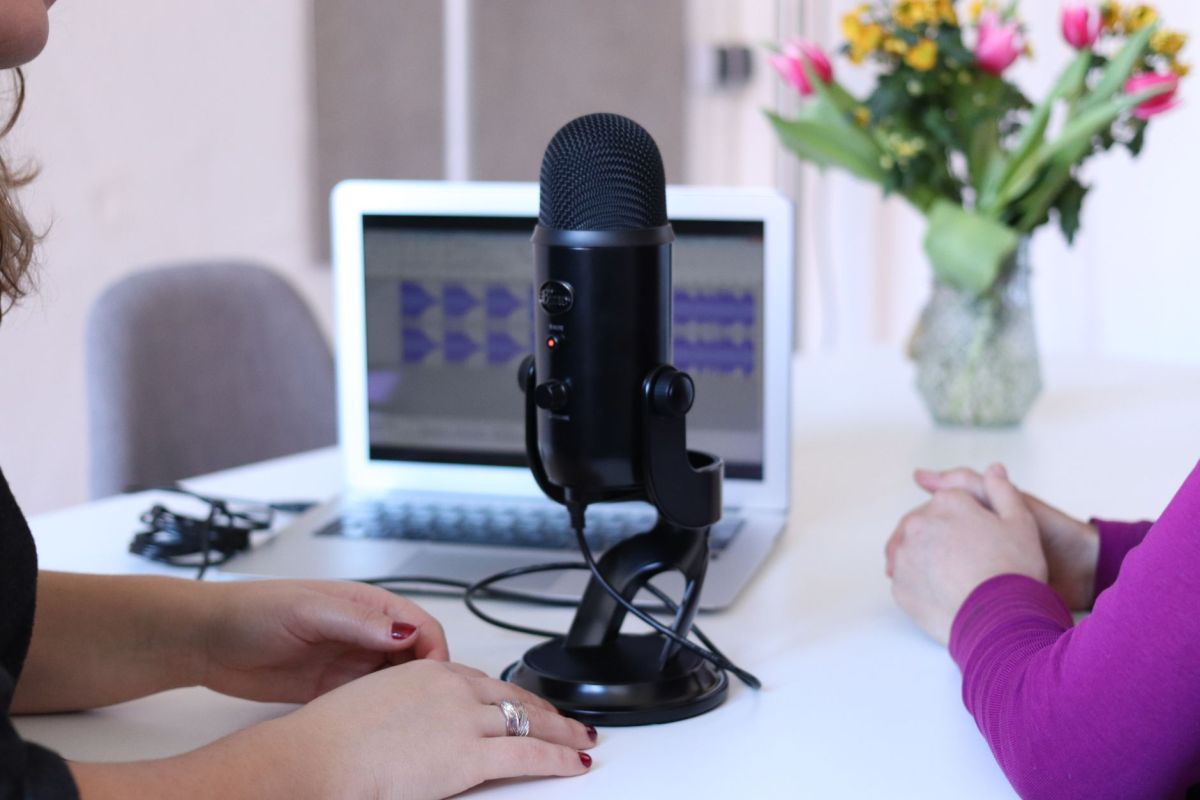
And I have a visual that usually comes to mind at the same time. It’s from a climb I did on Mt. Whitney in 2005 – I’m lying on my back in the snow balanced on a giant pack, tired, and hungry, knowing I’m not going to make the summit. The marriage is a very dramatic example, but I flash to that even at smaller moments like when I’ve accepted that I overreached on the menu for a dinner party plan and need to stop.

In this episode of The Life of Try podcast, I tell the story about that winter climb on Whitney and the three things I’ve learned about working through that gut punch.

  • Pause before reacting to disappointment. Urgency is often just fear trying to get us to move before we’re ready.
  • Take the learning and leave the shame.
  • Widen the definition of success. A try can still matter even when the original outcome changes. Courage, honesty, effort, and accepting help all count.

If you are navigating disappointment, burnout, uncertainty, or a dream that feels too heavy to carry, this episode offers encouragement to pause, learn, accept help, and keep becoming the kind of person who tries.

Here are more ways to listen and subscribe:

Links for this episode:

When You Know You Aren’t Going to Make It transcript

📘 Amazon: ⁠Enough: Climbing Toward a True Self on Mount Everest ⁠by Melissa Arnot Reid

📘 Amazon: The Book of Awakening by Mark Nepo

🔗 Connect with Dr. Kristin Neff

Other Episodes You Might Enjoy

➡️ ⁠Letting Go Of Outcomes: The Mindset That Keeps You Moving⁠

➡️ ⁠Why Second Place Isn’t Failure | The Hidden Power of Persistence & Resilience⁠

➡️ ⁠When Your Plans Fall Apart | How to Stay Resilient, Adapt & Keep Moving Forward⁠

Success isn’t always about finishing first. Sometimes the greatest victories belong to those who stay prepared, keep growing, and never stop trying.

Creating Lift

“If you see someone without a smile today, give ’em yours. ” – Dolly Parton

I think one of the most charming aspects of this WordPress community is the generous willingness to share knowledge. Topics like:

P.J. Gudka sharing blogging advice
Dr. Gerald Stein’s insightful essays based on a distinguished career as a psychologist
Edward Ortiz provides Thoughts about leadership, history, and more
Tamara Kulish shares notes about soul-healing
Ab offers a window into disability advocacy
Todd Fulginiti shares his music
Michelle provides tips for and inspiration on decluttering
Dr. Yvette Prior creating incredible anthologies with contributors we know and love,
Shaun sharing daily encouragement
and on and on. It is a remarkable wealth of experience, information and knowledge available to everyone.

This incredible wealth of sharing and curiosity is right inline with my recent Life of Try podcast conversation with Bruce Dorey, PhD. In his book, Lift: Passing the Craft, Bruce provides a research-based framework for how we can mentor and provide lift to others.

A few key takeaways from this conversation:

  • Lift, whether it be for an airplane or in our interactions with others, does not happen in a vacuum. We need to engage with others to have the opportunity to pass on our expertise.
  • Bruce talks about how many of the master artists like Rodin were part of a guild and employed many young artists in the making of art. He surfaces the craftsman model: journeyman, apprentice and master for passing on knowledge. He shares ways we can do that in business, not just the trades.
  • We delve into the power of awe and the innovative way that Bruce uses virtual reality (VR) to incorporate awe into his work rhythm.

If you’re interested in how to become a better mentor, build resilience, use technology more intentionally, find flow, overcome burnout, or create more meaning in your work, this episode offers practical inspiration and a new way to think about growth.

Here are more ways to listen and subscribe:

Links for this episode:

Creating Lift: Leadership, Mentorship, and the Courage to Keep Growing transcript

Lift: Passing the Craft by Bruce Dorey, PhD on Amazon

A Whole New Way to Work: A Map to Freedom and Success by Bruce Dorey, PhD on Amazon

Bruce Dorey, PhD on LinkedIn

 Other episodes you might enjoy

Brand Strategy for Humans with Nancy Martira

⁠Identity Before Strategy: How to Break Through Invisible Ceilings with Kevin Yoder⁠

How to Embrace What Makes You Different | Finding Your Purpose with Kym Gordon Moore

(featured photo from Pexels)

If my work has encouraged, inspired, or helped you try something new, consider supporting it with a small “cup of coffee” donation. Your support helps me keep creating conversations, stories, and resources that cheer people on as they do brave, meaningful work.

You can find me on LinkedIn: https://www.linkedin.com/in/wynneleon/ and Instagram wynneleon
Finding The Right Audience

“Don’t make money your goal. Instead, pursue the things you love doing, and then do them so well that people can’t take their eyes off you.” – Maya Angelou

I’ve talked with a lot of authors about their marketing strategy, I’ve promoted many who are trying to sell their books, I’ve written reviews of books I’ve read, I’ve connected with a lot of incredible people on WordPress. But if you ask me my marketing strategy, I think my best description would be “organic.” That is to say, I’m doing my best work and hoping that others will find it.

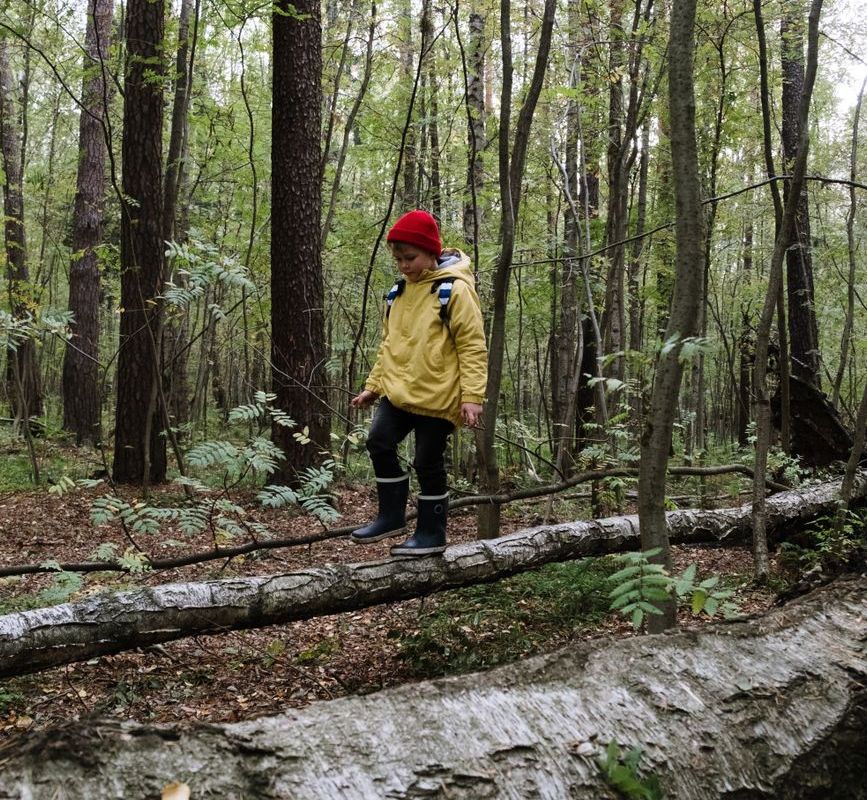
This is probably something you all know – but mostly I have podcast conversations because they are what I need to hear. They just happen to be recorded in the case they are useful to others. 🙂 The podcast conversation I had with Nancy Martira of Clew Strategy for this week’s The Life of Try episode about how to create a brand strategy for humans (in this age of machines) is one of the most helpful and informative.

So I loved talking with Nancy who is an incredibly smart and practical brand strategist. She helped me see some really key points:

  • Reputation vs brand: Reputation is how people perceive us and brand is what you say you are. There is risk when they are at odds. Think of a snarky blogger who tries to market an uplifting book. I only give that example because I don’t know any snarky bloggers but you can see why one might not believe that snark and uplifting go together.
  • We don’t have to be on all the platforms. This is one I wrestle with on a regular basis. It feels like there are too many platforms and I am always behind. Nancy’s advice is to be much more thoughtful about trying to reach for audiences that are already looking for what we have to give. (Big thanks to the WP community – I’m so grateful I’ve found you).

    My dear friend, Victoria Atkinson of the Victoria Ponders blog does this so well. She regularly speaks to audiences about writing for wellness, goes to lit fests, and serves on panels, and in doing so shows she knows how to find readers… and writers that need her beautiful guidance and her incredible books, Surviving Sue, a memoir, and Slivers, the companion novel.
  • Of course, finding the right audience means knowing what our value proposition is — or in Nancy’s great story about George Saunders, our “iconic space” (reference link below). Whether it is finding a job, marketing a book or a podcast, or anything else, knowing what it is that only we can create is essential. Nancy has some great actionable ways to do this.
  • How can we appeal to humans when technology like SEO, algorithms, and AI are cluttering the process? This one often makes my head hurt. Nancy offers some great suggestions for how and when to use technology in a way that doesn’t lessen the human appeal of what we have to offer.

Nancy helps expert-led businesses, authors, job seekers, and knowledge-based professionals find what makes them impossible to ignore. This conversation is especially helpful for writers, creators, entrepreneurs, and professionals who feel uncomfortable with self-promotion just like I do. Nancy’s approach to brand strategy is deeply human, clear, and encouraging — perfect for anyone trying to become more visible while staying true to themselves.

Nancy has a lot of incredible experience and actionable wisdom so the full episode is 46 minutes. Here’s a short clip that contains some great advice for authors:

If you’ve ever wondered how to market a book, promote your business, refresh your LinkedIn profile, stand out in a crowded job market, or build a personal brand that feels authentic, this episode will help you think more clearly about reputation, positioning, storytelling, and the courage to be seen.

Here are some ways you can listen and watch this full episode:

Links for this episode:

Nancy Martira at Clew Strategy: ⁠https://www.clewstrategy.com/⁠ and her Career Positioning Workshop.

Hyperfixed Podcast with Alex Goldman, September 2025. “Alex and the Impossible Ask” 

George Saunders is a best-selling author and a professor of English at Syracuse University. Nancy quotes from his book A Swim in a Pond in the Rain in our conversation. The book is available on Bookshop.org and the audiobook is available on Libro.fm. 

Nancy tells a charming origin story about her company name. This blog post goes more in-depth into what “Clew” means to her. 

 Other episodes you might enjoy

⁠Identity Before Strategy: How to Break Through Invisible Ceilings with Kevin Yoder⁠

⁠The Power of Looking At Your Life Through a New Lens⁠

⁠How to Tell Relatable Stories⁠

(featured photo from Pexels)

If my work has encouraged, inspired, or helped you try something new, consider supporting it with a small “cup of coffee” donation. Your support helps me keep creating conversations, stories, and resources that cheer people on as they do brave, meaningful work.

You can find me on LinkedIn: https://www.linkedin.com/in/wynneleon/ and Instagram wynneleon
Self-Limiting Beliefs

“Man often becomes what he believes himself to be. If I keep on saying to myself that I cannot do a certain thing, it is possible that I may end by really becoming incapable of doing it. On the contrary, if I have the belief that I can do it, I shall surely acquire the capacity to do it even if I may not have it at the beginning.” – Mahatma Gandhi

When I was 22-years-old, a cute boy that I had just started dating invited me on a backpacking trip on the Olympic Peninsula to visit some natural hot springs. The group that was going included another couple that I liked hanging out with because they their conversational patter was a perfect mix of smart, fun, and cool.

I hesitated because I didn’t think I was outdoorsy. Outside of organized groups, I hadn’t really camped or hiked much in my life so far. But the prospect of spending time with my date and other interesting people outweighed my reluctance. And I was rewarded with a great weekend fording streams, soaking in hot springs, and having interesting conversations by the campfire. It was enough to plant a seed that maybe I was outdoorsy. It was an important identity shift that made way for my thought seven years later when I saw Mt. Rainier in the morning sun, “I should climb that.”

And… that opened the door for me to climb not only the Pacific NW volcanoes, but also peaks in Mexico, Russia, Nepal, Italy and Peru. Thank goodness for that cute guy! Even though the relationship wasn’t a significant one in my life, the change in mentality was.

So in this episode of The Life of Try, I talk with Kevin Yoder, creator of Infinite U, about identity-first transformation and why lasting personal growth begins with who we believe we are becoming. What if the reason you feel stuck isn’t a lack of discipline, strategy, or ambition—but an outdated identity you’ve outgrown?

Kevin brings more than two decades of experience in real estate, leadership, coaching, and personal development to a powerful conversation about self-image, paradigms, confidence ceilings, income ceilings, and the invisible patterns that keep capable people from reaching their next level.

Together, Kevin and I explore the question he learned from Bob Proctor—“How are your results?”—and how honest awareness can open the door to meaningful change.

Key Takeaways

  • Lasting change begins with identity: the way we see ourselves often shapes what we believe is possible, more than strategy alone.
  • Invisible ceilings—around confidence, income, consistency, or growth—can point to outdated self-image patterns that are ready to be examined.
  • The question “How are your results?” offers a simple but powerful way to practice honesty, awareness, and intentional transformation.
  • Attitude becomes the bridge between belief and behavior when our thoughts, words, feelings, and actions become more aligned with who we are trying to become.

If you’ve ever started strong and stalled out, felt like you had “weights around your ankles,” or wondered why the next version of your life still feels just out of reach, this episode offers a hopeful, practical look at how to begin again from the inside out. Listen for insights on identity transformation, personal growth, self-concept, mindset, attitude, and building a life that reflects who you are ready to become.

Here are some other ways you can listen and watch this episode:

Links for this episode:

Identity Before Strategy: How To Break Through Invisible Glass Ceilings With Kevin Yoder transcript

Infinite U

Infinite U Self-Assessment: https://infiniteuassessment.com

 Other episodes you might enjoy

⁠The Power of Looking At Your Life Through a New Lens⁠

⁠How to Create Opportunities In Life | Motive + Means = Success Mindset⁠

⁠How to Tell Relatable Stories⁠

(featured photo from Pexels)

If my work has encouraged, inspired, or helped you try something new, consider supporting it with a small “cup of coffee” donation. Your support helps me keep creating conversations, stories, and resources that cheer people on as they do brave, meaningful work.

You can find me on LinkedIn: https://www.linkedin.com/in/wynneleon/ and Instagram wynneleon

The Stories We Inherit

“No legacy is as rich as honesty.” – William Shakespeare

My ex-husband used to describe me as independent, especially when we were arguing. But he’d say it in a way that would fill out all four syllables with disdain…in-de-PEN-dent! The first time he said it that way, I was shocked that something I thought was a core value could be interpreted so negatively.

So when my mom came to stay with us for four nights recently, I asked her why being independent was so important to her, especially growing up. She told me that it came from her father. He was the oldest of eight kids. They were farmers in north eastern Washington and had very little money.

By the time my grandfather was seven years old, he was responsible for many things on the farm including spending days and nights in the wild chasing down their high-spirited mare when she’d get loose and run with the wild horses.

As she told the story, I felt like I’d gotten a new piece to the puzzle of what shaped my upbringing and legacy. It was a fascinating conversation to have with my mom on the heels of the podcast I recorded with author, Jennifer Griffith. She inspires the question: How do the stories we inherit from our families shape who we become—and how can we rewrite those stories with more compassion, courage, and purpose?

In this episode of The Life of Try, I talk with Jennifer Griffith, author of Both Sides of Then and host of the podcast About Your Mother, about inherited family stories, hidden shame, resilience, motherhood, memoir writing, and the healing power of bringing secrets into the light.

Jennifer shares how learning her mother’s story changed the way she understood her own identity, why family history can influence the way we parent and see ourselves, and how her LENS framework helps people revisit old narratives, look at them from a new perspective, and use those stories for good.

Here are some key takeaways from our conversation:

  • We all inherit stories—and they shape how we see ourselves.
    Jennifer reminds us that family history, secrets, wounds, and even everyday phrases from our parents can quietly influence our identity, choices, and relationships.
  • Seeing our parents as people can create compassion and clarity.
    When we understand the experiences, pain, and resilience that shaped our parents, we can better understand ourselves—and begin to loosen the grip of old assumptions.
  • Shame loses power when it is brought into the light.
    Family secrets can create distance, but honest storytelling—shared with care and appropriate boundaries—can create healing, connection, and freedom.
  • A new lens can help us rewrite old narratives.
    Jennifer’s LENS framework encourages us to listen to the stories we repeat, engage with them, narrate them from multiple perspectives, and step out of them so we can use them for good.
  • Trying again often means slowing down and letting the work become ready.
    Jennifer’s story about being told “you’re not ready” became a powerful lesson in patience, humility, and the creative courage required to keep going.

This eye-opening conversation explores family secrets, legacy, forgiveness, generational stories, personal growth, writing a memoir, and what it means to keep trying when a story is still unfolding.

Here are some other ways you can listen and watch this episode:

Links for this episode:

The Power of Looking at Your Life Through a New Lens transcript

Both Sides of Then: Finding Love After Abandonment by Jennifer Griffith on Amazon

Jennifer Griffith’s website: Jennifer Griffith – Author of Both Sides of Then – Podcast Host and Author

About Your Mother on Apple podcasts

 Other episodes you might enjoy

How to Tell Relatable Stories

The Quiet Mindset Shifts that Changes Everything | Mindfulness & Personal Growth with Joseph Schmidt

How to Embrace What Makes You Different | Finding Your Purpose with Kym Gordon Moore

(featured photo from Pexels)

If my work has encouraged, inspired, or helped you try something new, consider supporting it with a small “cup of coffee” donation. Your support helps me keep creating conversations, stories, and resources that cheer people on as they do brave, meaningful work.

You can find me on LinkedIn: https://www.linkedin.com/in/wynneleon/ and Instagram wynneleon

Why We Remember Stories More than Advice

“Just because they are a story doesn’t mean they’re not real.” – H.M. Bouwman

My dad used to tell the story of the bully who used to make him give him a piggy back home from school in 6th grade. One day my dad had enough. As he was carrying him, he leaned his head down and flipped him over his back. The bully never asked for a ride again.

I can’t think of any specific words or phrases my gentle dad taught me about standing up for myself or setting boundaries – but I do remember that story. And research shows that when we become immersed in a story, it shapes attention, persuasion and emotion. Which is why it sticks.

So, what makes a story truly relatable?

In this episode of The Life of Try, I explore how the smallest moments in life can become the most powerful stories — from a beloved Seattle raccoon named Jimothy to a little boy celebrating soccer goals with his grandmother.

Through humor, heart, and the idea of narrative transportation, this episode looks at why specific, human stories help us feel seen, connected, and inspired to keep trying.

Key takeaways:

  • Relatable stories often begin with small, specific moments rather than big life lessons.
  • Details help listeners see, feel, and remember a story.
  • Everyday stories can reveal courage, connection, confidence, and support.
  • The most powerful stories do not need to be perfect — they need to be honest and human.
  • Living The Life of Try means celebrating small wins, showing up for each other, and trying again from wherever we are.

If you’ve ever wondered how to tell better stories about everyday life, how to make your experiences more meaningful, or why small moments can carry big emotional truth, this episode is for you.

Here are some other ways you can listen and watch this episode:

Links for this episode:

How To Tell Relatable Stories transcript

Storytelling and Narrative Persuasion from Green and Brock

 Other episodes you might enjoy

➡️ How to Overcome Burnout & Build an Upward Spiral of Growth, Fun & Resilience Video Link: https://youtu.be/xw1IpgL4uhg

➡️ Near-Death Experience with Jesus | Liza Anderson on Faith, Healing and Recovery Video Link: https://youtu.be/tR-EP6D0Q1E

➡️ How to Embrace What Makes You Different | Finding Your Purpose with Kym Gordon Moore Video Link: https://youtu.be/XzUMCHy3zuU

(featured photo from Pexels)

If my work has encouraged, inspired, or helped you try something new, consider supporting it with a small “cup of coffee” donation. Your support helps me keep creating conversations, stories, and resources that cheer people on as they do brave, meaningful work.

You can find me on LinkedIn: https://www.linkedin.com/in/wynneleon/ and Instagram wynneleon
Effort Keeps You Eligible for Opportunity

“Start where you are. Use what you have. Do what you can.” – Arthur Ashe

Golf is the sport that proves that I love my family. That is to say, it’s not my favorite sport but I’ll play if my people want to. So the other day I was playing with my almost seven-year-old son.

We were at a local city-run pitch and putt course where we can play nine par three holes for $12. I stepped up to the tee on the eighth hole, swung hard, and…completely and embarrassingly missed the ball. After a moment to regain my balance and composure, I swung again. It was my best hit of the round. The ball landed two feet from the hole and I got a birdie.

It made me laugh, and it also brought me back to a question I’ve been sitting with. What if coming in second, or a getting a second chance, is not failure but preparation?

In this episode of The Life of Try, I explore the hidden power of effort, persistence, and staying ready when life does not put you out front.

Through a business lesson about losing a big opportunity, Nathan Martin’s dramatic 2026 LA Marathon finish (thanks to Brian from Writing From the Heart with Brian), and the long-build success story of Dutch Bros Coffee, this episode is a reminder that effort keeps you eligible for the opening when it appears.

Key Takeaways:

  • Second place is not always failure; sometimes it is the place where patience, preparation, and readiness are built.
  • Effort keeps you eligible for opportunity, even when you are not out front or visible to everyone else.
  • Staying in the race matters because the opening often appears after most people have already slowed down or stopped trying.
  • A disappointing loss can still position you for a future win if you keep showing up with humility and persistence.
  • Nathan Martin’s dramatic LA Marathon finish is a reminder that you do not have to be in the picture early to have a meaningful finish.
  • Long-term success, like the Dutch Bros story, is often built through years of unseen work, reinvention, and consistent effort.

If you are learning how to keep going, build resilience, try again after disappointment, or trust the unseen work behind personal growth, this episode will encourage you to stay in position, keep showing up, and keep trying.

Here are some other ways you can listen and watch this episode:

Links for this episode:

Why Second Place Might be Preparation, Not Failure transcript

➡️Brian Hannon’s post ⁠It’s a Sprint to the Finish and the Winner Is… ⁠

🎥  Other episodes you might enjoy

➡️ ⁠Encourage Effort, Not Results | How to Build Resilience and Confidence⁠

➡️ ⁠The Courage to Try Something New with Lindsey Goldstein⁠

➡️ ⁠How to Write the Book You’ve Been Dreaming About with Dr. Vicki Atkinson

(featured photo from Pexels)