Local Relationships: The Key to Thriving in an AI World

When I despair, I remember that all through history the way of truth and love have always won. There have been tyrants and murderers, and for a time, they can seem invincible, but in the end, they always fall. Think of it–always.” – Mahatma Gandhi

I was out walking Cooper last week when a neighbor stopped me and asked me what I thought about AI. She and her partner are retired therapists. They have a brilliant young son who works in high-tech so I think she was looking for reassurance more than she wanted information.

In my middle class neighborhood in Seattle, there’s a lot to worry about these days. The layoffs at Microsoft and Amazon have hit hard. They are posts in the grocery stores about eco-anxiety groups. The school district is worried about measles outbreaks. Folks are wondering if Seattle is on the short list for an ICE surge.

But amidst all this uncertainty, I witness concrete examples of people offering to help, creating systems to protect the vulnerable, coming together to make life easier, and celebrating the things when things go right.

As an engineer, I can think of many ways AI will change things but I am not a prognosticator. This moment with AI feels a lot like when the Internet was new to businesses. Everyone raced to get a public facing website up and use all the new HTML codes as they were released. Kinda like all the AI offerings and proliferation of bots we see now.

But as the 2001 Internet bubble burst attested, no one really knew how the Internet would be used. It has come to showcase some of the best and worst of humanity. I suspect AI will do the same.

As we carried our portable chairs away from the Seahawks parade last week, Miss O said to me, “I love our community.” I asked if she meant Seattle. “No, Seattle is good but I meant all the people we met at the parade.” In the three hours we spent waiting and waving, we formed bonds with others by sharing our space, snacks, and footballs.

So I told my neighbor that I think that AI doesn’t change the fact that our biggest impact is rooted locally and in the here and now like it was for us at the parade. We can find our inner peace, cultivate our faith in God and others, and keep showing up. I believe that it’s important to work to advocate for the environment, businesses and government we want. But what makes an immediate difference in our lives and in the lives of others is creating relationships, showing kindness, and doing the next right thing. And AI doesn’t change that.

P.S. One thing that keeps me hopeful is the amazing podcast conversations I’m lucky enough to have with people whose stories reflect their struggle – to survive, to understand, to thrive – all while sharing what they’ve learned. In tough times like these, episodes like these keep me believing that love will win.

(featured photo is a red heart that provides a beacon of hope in our neighborhood)

How to Share Perspective

“Regret for the things we did can be tempered by time; it is regret for the things we did not do that is inconsolable.” – Sydney Smith

I’ve told this story before but it still cracks me up. When my daughter was three-years- old, I asked her how many houses she could see when she looked out the ground floor window of our house, it was about three.

Then I took her up to the floor above and ask her how many she could see and it was about seven.

Finally we went out onto the little deck on our rooftop and I asked her how many she could see and it was more than she had numbers for. “Miss O” I said “this is the perspective that you get when you are older, you know that everything fits into a larger picture and you are able to see more of it.

Miss O’s eyes got wide and she looked at me like I was a crazy lady. I admit, that lesson was a little before it’s time. But I love a good dose of perspective. It’s one of the reasons I enjoyed this latest How to Share podcast conversation with author and educator Andrea Simon about her wonderful book, Did You Live the Life You Wanted?

We talk about perspective, regret and the meaning of life. She tells us why she choose to write this story as a novel and how the course she taught about how to write about family plays into her writing.

There are so many fantastic female friendships and characters in this book that spans 50 years. Andrea talks about how she asked men and women if they lived the life they wanted and what she learned differs when women and men answer that question.

We talk about the meaning of life and how writing plays into that. Andrea’s incredible experience as an educator and facilitator shines through as we dig into the depth of life and how we share it.

This is a great episode full of perspective and wisdom with a thoughtful guest. I know you’ll love it.

Takeaways

  • The novel spans 50 years, highlighting female friendships.
  • Writing about family requires sensitivity and respect.
  • Men and women often have different perspectives on life choices.
  • Older women may feel they had fewer options in their careers.
  • Regret can lead to personal growth and new opportunities.
  • It’s important to pursue personal desires as we age.

Here’s Andrea’s fabulous elevator pitch for her novel Did You Have the Life You Wanted?:

Here are some ways you can watch or listen to all of this insightful and helpful episode:

Please listen, watch, provide feedback and subscribe.
How to Share Your Superpower with Roger Kastner How To Share

In this engaging conversation, Roger Kastner shares with Wynne Leon his journey of aligning heart and mind, exploring the concept of superpowers and purpose, and the importance of curiosity and empathy in personal and professional growth. Roger discusses the role of frameworks in creating thriving workplaces, the significance of connection and sharing, and the exploration of joy amidst grief. The conversation also touches on the impact of AI on human creativity and the future of the podcast as it expands to include diverse voices and experiences.TakeawaysHeart and mind alignment is essential for personal growth.Superpowers are connected to our purpose in life.Curiosity and empathy are key themes in discovering our superpowers.Creating frameworks helps individuals and teams thrive.Connection with others enhances our ability to share our superpowers.Joy is accessible even in challenging times.Grief and joy are interconnected emotions.AI can handle probabilities, but humans excel in exploring possibilities.Expanding conversations beyond our comfort zones enriches our understanding.Sharing knowledge and experiences fosters community and growth.Links for this episode:How to Share Your Superpower TranscriptWhat Do You Know to Be True? websiteWhat Do You Know to Be True? on YouTube, Apple Podcasts and SpotifyRoger Kastner on LinkedInFrom the host:My book about my beloved father: Finding My Father’s Faith
  1. How to Share Your Superpower with Roger Kastner
  2. How to Share Perspective with Andrea Simon
  3. How to Share Compassionate Stories that Inspire and Connect
  4. How to Share Music with Nancy Shear
  5. How to Share Snapshots of the American Dream

Links for this episode:

How to Share Perspective transcript

Andrea Simon’s website

Did You Have the Life You Wanted? on Barnes & Noble, and Amazon

From the host:

My book about my beloved father: Finding My Father’s Faith

(featured photo from Pexels)

How to Share Music

Music gives a soul to the universe, wings to the wind, flight to the imagination, and life to everything.” – Plato

I’ve seen it on Hallmark cards, Instagram, Facebook, and journal covers. It’s the image of someone doing something gutsy like jumping over a chasm with the words, “Leap and the net will appear.

I think I’ve found variations of this idea in every spiritual tradition and book of writing advice that I’ve studied. There is something powerful in setting your sights on something and THEN figuring how to make it happen.

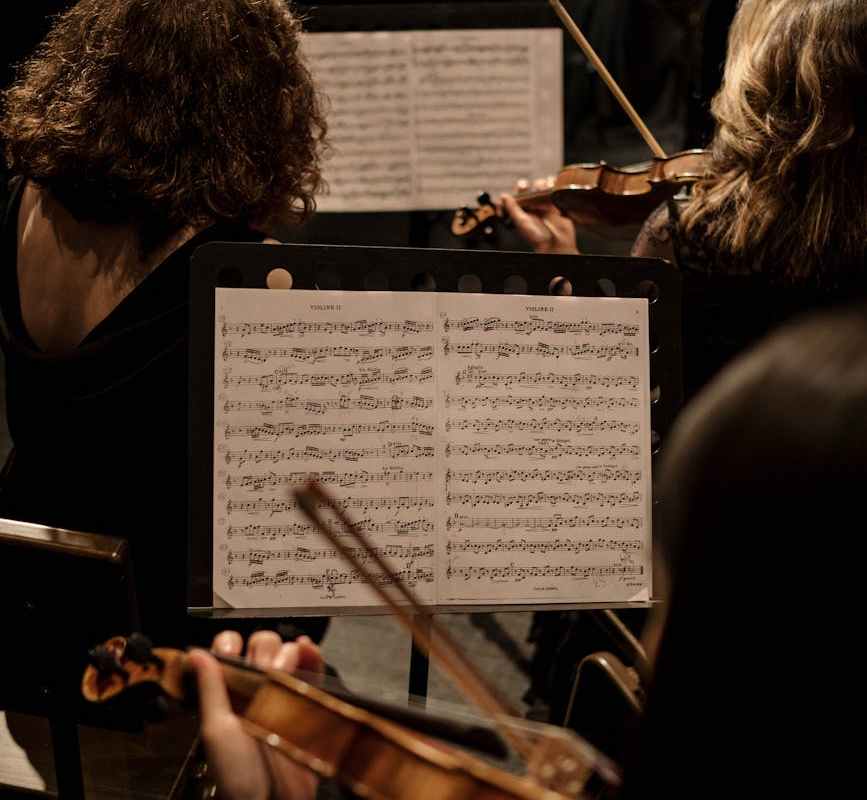
Hearing someone else’s story about how they did this is pure inspirational gold. In this episode of the How to Share podcast, author and educator Nancy Shear tells her story of leaping. She was 15 years old when she first heard the Philadelphia Orchestra. She knew she had hear more but she didn’t have the price of the ticket. Through patience and pluck she figured out how to go in by the stage door – and that led to the amazing stories she tells in her book, I Knew a Man Who Knew Brahms.

Nancy and I talk about how sneaking in through the back door of the Philadelphia Orchestra opened so many fascinating doors in her life such landing the job as the assistant librarian to the Philadelphia Orchestra at age 17. We get to ride along with Nancy to meet all the incredible people she got to know including the wonderfully charismatic conductor Leopold Stokowski who starred in Disney’s Fantasia to the incredible cellist Mstislav Rostropovich.

Nancy lets us in on so many fantastic aspects of the workings of an orchestra and I reveal some of the ways her book changed how I listen to a performance. Her nerve, grit, and storytelling will leave you amazed and inspired. I know you’ll love this conversation with the delightful Nancy Shear.

Here are some favorite quotes:

  • “If you have no choice, then you make a life.”
  • “Money is not necessary; it led to my going backstage and meeting all these people.”
  • “Beauty still matters in this battered world.”
  • “What is to lose? You’re walking into a room of human beings.”
  • “Writing the book was where the courage really came in.”

And here’s Nancy telling the story of sneaking in to the Philadelphia Orchestra:

Here are some ways you can watch this fascinating and delightful episode:

Please listen, watch, provide feedback and subscribe.

How to Share Your Superpower with Roger Kastner How To Share

In this engaging conversation, Roger Kastner shares with Wynne Leon his journey of aligning heart and mind, exploring the concept of superpowers and purpose, and the importance of curiosity and empathy in personal and professional growth. Roger discusses the role of frameworks in creating thriving workplaces, the significance of connection and sharing, and the exploration of joy amidst grief. The conversation also touches on the impact of AI on human creativity and the future of the podcast as it expands to include diverse voices and experiences.TakeawaysHeart and mind alignment is essential for personal growth.Superpowers are connected to our purpose in life.Curiosity and empathy are key themes in discovering our superpowers.Creating frameworks helps individuals and teams thrive.Connection with others enhances our ability to share our superpowers.Joy is accessible even in challenging times.Grief and joy are interconnected emotions.AI can handle probabilities, but humans excel in exploring possibilities.Expanding conversations beyond our comfort zones enriches our understanding.Sharing knowledge and experiences fosters community and growth.Links for this episode:How to Share Your Superpower TranscriptWhat Do You Know to Be True? websiteWhat Do You Know to Be True? on YouTube, Apple Podcasts and SpotifyRoger Kastner on LinkedInFrom the host:My book about my beloved father: Finding My Father’s Faith
  1. How to Share Your Superpower with Roger Kastner
  2. How to Share Perspective with Andrea Simon
  3. How to Share Compassionate Stories that Inspire and Connect
  4. How to Share Music with Nancy Shear
  5. How to Share Snapshots of the American Dream

Links for this episode:

How To Share Music transcript

I Knew a Man Who Knew Brahms by Nancy Shear on Barnes & Noble, Amazon and Simon & Schuster

Nancy Shear’s website: https://nancyshear.com/

From the host:

My book about my beloved father: Finding My Father’s Faith

(featured photo from Pexels)

(quote from Jennie Fitzkee – Edelweiss)

How to Share 1970’s Chicago

Nostalgia: because everything about the past is perfect, except how it led to the present.” – Homer Simpson

The Friday night tv lineup when I was growing up was The Love Boat and then when I was old enough to stay up to 11pm, Fantasy Island. I mention that because our How to Share podcast guest this week, Doug E. Jones, was a production assistant on The Love Boat. But also because for people who are near my age and grew up in America, The Love Boat often evokes a time and place memory for them like what their Friday night ritual was. Funny how some things just bring back such powerful memories.

Doug’s recently published fourth novel, Take Me Back to Chicago (Eckhartz Press) is like that too. It is rich with characters, music, and the feel of Chicago in 1974.

Doug gives Vicki Atkinson and me the elevator pitch for the book and we get a great sense of how he sets up the hero’s journey for his 26-year protagonist.

We talk about the differences and similarities between his novels and Doug tells us what was so compelling about 1974 and some of the popular characters of the time and place like Joe Pepitone.

Vicki and I wondered how writing novels differs from being a tv show writer and Doug gives us a peek into the writing room for the hit show Charmed where he worked as a production assistant and writer for all 178 episodes of the show. We highlight a few of his great lines from the book and it’s easy to see why Doug is a great writer for all formats.

This is a great episode where Doug not only shares the arc of his book journey but a sense of his personal one too. Take Me Back to Chicago is a great book and it makes for a rich episode. We know you’ll love it.

Takeaways

  • Doug E. Jones’s novel is set in 1974 Chicago, rich with cultural references.
  • The protagonist, Rick, faces a significant debt left by his father.
  • The book features strong female characters, including Rick’s daughter Elena.
  • Doug’s writing process involves integrating real Chicago characters and events.
  • The transition from TV writing to novel writing was liberating for Doug.
  • Music plays a crucial role in setting the tone of the story.
  • The character dynamics between Rick and his friend Javi add humor and depth.
  • Historical context is woven into the narrative, enhancing the story’s richness.
  • Doug’s personal experiences influence the characters and settings in his novels.
  • The book is described as a ‘beach read’—entertaining and engaging.

Here’s Doug with the elevator pitch for Take Me Back to Chicago

Here are some ways you can watch this interesting and fun episode:

Please listen, watch, provide feedback and subscribe.

How to Share Your Superpower with Roger Kastner How To Share

In this engaging conversation, Roger Kastner shares with Wynne Leon his journey of aligning heart and mind, exploring the concept of superpowers and purpose, and the importance of curiosity and empathy in personal and professional growth. Roger discusses the role of frameworks in creating thriving workplaces, the significance of connection and sharing, and the exploration of joy amidst grief. The conversation also touches on the impact of AI on human creativity and the future of the podcast as it expands to include diverse voices and experiences.TakeawaysHeart and mind alignment is essential for personal growth.Superpowers are connected to our purpose in life.Curiosity and empathy are key themes in discovering our superpowers.Creating frameworks helps individuals and teams thrive.Connection with others enhances our ability to share our superpowers.Joy is accessible even in challenging times.Grief and joy are interconnected emotions.AI can handle probabilities, but humans excel in exploring possibilities.Expanding conversations beyond our comfort zones enriches our understanding.Sharing knowledge and experiences fosters community and growth.Links for this episode:How to Share Your Superpower TranscriptWhat Do You Know to Be True? websiteWhat Do You Know to Be True? on YouTube, Apple Podcasts and SpotifyRoger Kastner on LinkedInFrom the host:My book about my beloved father: Finding My Father’s Faith
  1. How to Share Your Superpower with Roger Kastner
  2. How to Share Perspective with Andrea Simon
  3. How to Share Compassionate Stories that Inspire and Connect
  4. How to Share Music with Nancy Shear
  5. How to Share Snapshots of the American Dream

Links for this episode:

How to Share1970’s Chicago

Take Me Back to Chicago by Doug E. Jones on Eckhartz Press

Q&A with Take Me Back to Chicago author Doug E. Jones

From the Hosts:

Vicki’s book about resilience and love: Surviving Sue; Blog: https://victoriaponders.com/

My book about my beloved father: Finding My Father’s Faith

(featured photo from Pexels)

How to Share Feedback

Some of the best advice I’ve been given: ‘Don’t take criticism from people you would never go to for advice.‘” – Morgan Freeman

My dad used the Oreo method when he delivered feedback. It was fitting because he loved Oreos. Perhaps that’s what made him so good at layering in the salty truth between delicious goodness.

He’d start with what was working, add in feedback about what could be better, and then finish it off with a compelling overall vision or motivation. It sounds straightforward when laid out as a formula but as anyone who’s eaten fake Oreos knows, it has to be authentic to work. And the recipient needs to at least be a little hungry for it.

Feedback is tricky, isn’t it? It’s often necessary for us to fuel personal and creative growth, especially with writing, and we sometimes don’t want to hear it. That’s why I love this How to Share podcast episode with Dr. Vicki Atkinson because she is such a pro at both giving and receiving feedback.

Vicki tells us about her project in the works, a novel that builds on her fascinating and intriguing family history. She has done the hard work to not only to write but also to seek out and incorporate feedback. She tells us what she learned from her doctoral dissertation about separating the ego from the work and how that is an essential part of being able to really take in someone else’s input.

We talk about asking the right questions when someone solicits our feedback and also being specific when we want input. And Vicki shows us what having a growth mindset looks like when it comes to incorporating comments.

Vicki walks us through the discernment necessary to pick out what is helpful when it comes to feedback and gives us permission to disregard what doesn’t fit.

This is a great conversation about this tricky subject and Vicki’s wisdom shines brightly through. I know you’ll love it.

Takeaways

  • Feedback is a tricky subject that requires discernment.
  • Separating ego from work is essential for growth.
  • Asking the right questions can lead to more useful feedback.
  • Timing and context matter when giving feedback.
  • Not all feedback is created equal; choose your sources wisely.
  • It’s important to let your work develop before seeking feedback.
  • You can choose which feedback to integrate into your work.

Here’s a great clip of how Vicki practices the art of letting go of the ego:

Here are some ways you can watch this inspiring and helpful episode:

Please listen, watch, provide feedback and subscribe.

How to Share Your Superpower with Roger Kastner How To Share

In this engaging conversation, Roger Kastner shares with Wynne Leon his journey of aligning heart and mind, exploring the concept of superpowers and purpose, and the importance of curiosity and empathy in personal and professional growth. Roger discusses the role of frameworks in creating thriving workplaces, the significance of connection and sharing, and the exploration of joy amidst grief. The conversation also touches on the impact of AI on human creativity and the future of the podcast as it expands to include diverse voices and experiences.TakeawaysHeart and mind alignment is essential for personal growth.Superpowers are connected to our purpose in life.Curiosity and empathy are key themes in discovering our superpowers.Creating frameworks helps individuals and teams thrive.Connection with others enhances our ability to share our superpowers.Joy is accessible even in challenging times.Grief and joy are interconnected emotions.AI can handle probabilities, but humans excel in exploring possibilities.Expanding conversations beyond our comfort zones enriches our understanding.Sharing knowledge and experiences fosters community and growth.Links for this episode:How to Share Your Superpower TranscriptWhat Do You Know to Be True? websiteWhat Do You Know to Be True? on YouTube, Apple Podcasts and SpotifyRoger Kastner on LinkedInFrom the host:My book about my beloved father: Finding My Father’s Faith
  1. How to Share Your Superpower with Roger Kastner
  2. How to Share Perspective with Andrea Simon
  3. How to Share Compassionate Stories that Inspire and Connect
  4. How to Share Music with Nancy Shear
  5. How to Share Snapshots of the American Dream

Links for this episode:

How to Share Feedback transcript

Vicki’s book about resilience and love: Surviving Sue; Blog: https://victoriaponders.com/

My book about my beloved father: Finding My Father’s Faith

(featured photo from Pexels)
How to Share the Next Generation

Things are always in transition. Nothing ever sums itself up the way we dream about.” – Pema Chodron

I had this quirky social anxiety when I started the fertility process to have my kids via in vitro fertilization (IVF). It seems so silly now. But at the time I kept thinking that because I was in the process of trying to have kids as a single parent that everyone would know that I was the one who wanted kids. Yep, that was going to be obvious. 🙂

It’s hard to say why that seemed important to me at the time – there is lot to unpack when it comes to family and gender expectations. And perhaps parents who get pregnant the traditional way have the same feeling of vulnerability. It’s hard to know because often family planning is done behind closed doors.

It’s one of the many reasons that I love Mari Sarkisian Wyatt’s book, Saving the Fourth Generation and our conversation on the How To Share podcast. She magically, with self-awareness and dark humor, puts words to the complexity of the IVF process and what it’s like to have goals and obsessions for which it’s worth suffering the ups and downs, grief and miracles.

Mari and I talk about the different types of goals we have as we go through life and her Armenian grandmother’s wisdom about what it takes to make them happen.

There’s so much legacy in Mari’s story because her quest is in many ways a response to the shattering trauma that came from both of her grandparents’ families being decimated in the Armenian massacre of 1915.

We talk about Mari’s way forward as the sole child of her generation to have kids. She tells us how she navigated both the price and process of IVF. Her story is heartbreaking, miraculous and completely gripping.

We talk about her advocacy for her autistic son and how writing about her IVF process, 20 years after the fact provided some healing and delight in the miracle of family.

Mari’s story involves a lawsuit so in accordance with the settlement she’s not on screen for this episode. Nonetheless, Mari is entrancing as she shares the power of her journey and the warmth of her voice.

I know you’ll love it.

Takeaways

  • This is the story of what women and their partners are willing to go through to have babies by IVF at the turn of the 21st century.
  • Mari’s quest quickly became an obsession and she notes obsessions can hurt the people you love.
  • Mari says if you just keep working toward your goal one step at a time, you might just succeed. Hopefully your family will forgive you.
  • Writing this book nearly 25 years after her IVF journey has been healing for Mari and her family.
  • The message is about resilience, personal growth, and the beauty of ordinary days.

Here’s a clip from Mari talking about her incredible book, Saving the Fourth Generation:

Here are some ways you can watch this amazing and thoughtful episode:

Please listen, watch, provide feedback and subscribe.

How to Share Your Superpower with Roger Kastner How To Share

In this engaging conversation, Roger Kastner shares with Wynne Leon his journey of aligning heart and mind, exploring the concept of superpowers and purpose, and the importance of curiosity and empathy in personal and professional growth. Roger discusses the role of frameworks in creating thriving workplaces, the significance of connection and sharing, and the exploration of joy amidst grief. The conversation also touches on the impact of AI on human creativity and the future of the podcast as it expands to include diverse voices and experiences.TakeawaysHeart and mind alignment is essential for personal growth.Superpowers are connected to our purpose in life.Curiosity and empathy are key themes in discovering our superpowers.Creating frameworks helps individuals and teams thrive.Connection with others enhances our ability to share our superpowers.Joy is accessible even in challenging times.Grief and joy are interconnected emotions.AI can handle probabilities, but humans excel in exploring possibilities.Expanding conversations beyond our comfort zones enriches our understanding.Sharing knowledge and experiences fosters community and growth.Links for this episode:How to Share Your Superpower TranscriptWhat Do You Know to Be True? websiteWhat Do You Know to Be True? on YouTube, Apple Podcasts and SpotifyRoger Kastner on LinkedInFrom the host:My book about my beloved father: Finding My Father’s Faith
  1. How to Share Your Superpower with Roger Kastner
  2. How to Share Perspective with Andrea Simon
  3. How to Share Compassionate Stories that Inspire and Connect
  4. How to Share Music with Nancy Shear
  5. How to Share Snapshots of the American Dream

Links for this post:

How to Share the Next Generation transcript

Saving the Fourth Generation from Delphinium Press and on Barnes & Noble and Amazon

(featured photo from Pexels)

How to Share Impactfully with Social Media Friends

A little consideration, a little thought to others, makes all the difference.” – Eeyore

About three weeks ago, I opened my laptop to start working and clicked on a Facebook message. A friend that I’d known from Miss O’s pre-school days had died. I burst into tears. It couldn’t be. She’s ten years younger than I am, her youngest child is only 11 years old. She loved being a mom more than anything and I couldn’t believe that she wouldn’t be there to see her beloved kids grow up.

And moreover, because I’d seen the posts where she’d had a car accident about nine months previous and then complications had kept coming up, I was bereft because I hadn’t done anything but post a couple of comments. She wasn’t someone I was particularly close to, but I had so much respect and adoration for her.

It hit me especially hard because I was also in the middle of reading Amy Weinland Daughter’s book, Dear Dana. Dear Dana, is a beautiful chronicle of a letter writing campaign – and a thoughtful reflection of how social media does and does not work for us when it comes to real relationships.

On the latest episode of the How to Share podcast, I was lucky enough to be able to talk with Amy about Dear Dana and the incredible insights she gleaned. Amy tells us how her project got started when she saw on Facebook that her friend from summer camp 30 years before had a son who was sick and needed prayers. Amy starting writing them letters.

She explains how this effort blossomed into a project to write each one of her 580 Facebook friends a letter. We talk about the level of effort involved in writing that many letters and how it was transformative for her.

Amy shares some of the research around the benefits of writing and we talk about the insights of what she learned about the benefits and limitations of social media in the process of her project. One of my favorite a-has is that we can use social as a jumping off points for real relationships because we lose the richness if there is no investment in relationships.

We talk about God-whispers and how listening to them can help us participate in making this world a better place. Amy’s perspective is so real and inspirational that I know it’ll leave you feeling motivated.

This is an incredible episode with a powerful story and loads of magic. I know you’ll love it.

Takeaways

  • The most changed participant in the writing process is often the writer themselves.
  • Writing doesn’t require formal skills or extensive practice.
  • A simple act of writing can have a significant emotional impact.
  • All you need is a postage stamp and a human heart to express yourself.
  • The power of writing has always been within us, waiting to be discovered.
  • Engaging in writing can lead to personal growth and transformation.
  • You don’t need to write hundreds of letters to make a difference.
  • The act of writing can break down barriers to communication.
  • Everyone has the potential to express themselves meaningfully.

Here’s an incredible clip from Amy reminding us that it’s never too late to care:

Here are some ways you can watch this amazing and inspiring episode:

Please listen, watch, provide feedback and subscribe.

How to Share Your Superpower with Roger Kastner How To Share

In this engaging conversation, Roger Kastner shares with Wynne Leon his journey of aligning heart and mind, exploring the concept of superpowers and purpose, and the importance of curiosity and empathy in personal and professional growth. Roger discusses the role of frameworks in creating thriving workplaces, the significance of connection and sharing, and the exploration of joy amidst grief. The conversation also touches on the impact of AI on human creativity and the future of the podcast as it expands to include diverse voices and experiences.TakeawaysHeart and mind alignment is essential for personal growth.Superpowers are connected to our purpose in life.Curiosity and empathy are key themes in discovering our superpowers.Creating frameworks helps individuals and teams thrive.Connection with others enhances our ability to share our superpowers.Joy is accessible even in challenging times.Grief and joy are interconnected emotions.AI can handle probabilities, but humans excel in exploring possibilities.Expanding conversations beyond our comfort zones enriches our understanding.Sharing knowledge and experiences fosters community and growth.Links for this episode:How to Share Your Superpower TranscriptWhat Do You Know to Be True? websiteWhat Do You Know to Be True? on YouTube, Apple Podcasts and SpotifyRoger Kastner on LinkedInFrom the host:My book about my beloved father: Finding My Father’s Faith
  1. How to Share Your Superpower with Roger Kastner
  2. How to Share Perspective with Andrea Simon
  3. How to Share Compassionate Stories that Inspire and Connect
  4. How to Share Music with Nancy Shear
  5. How to Share Snapshots of the American Dream

Links for this post:

How to Share Impactfully with Social Media Friends transcript

Dear Dana on Barnes & Noble and Amazon

Amy’s website

(featured photo from Pexels)

How to Share Resilience

Tell me facts, and I’ll learn. Tell me truth, and I’ll believe you. But tell me a story and it will live in my heart forever.” – Native American Proverb

I’m always amazed at how much hearing someone’s story impacts me. For instance, I published a post on Monday about how I had to evacuate files from my laptop when it started having a power problem.

It wasn’t until I produced this latest episode of the How to Share podcast with author Ana Hebra Flaster that I realized the connection. In her book Property of the Revolution: From a Cuban Barrio to a New Hampshire Mill Town, Ana tells the story how her family left Cuba in 1967 when she was six-years-old. They had to declare themselves enemies of the revolution so that once their exit papers arrived, they were escorted out of the house, it was sealed, and she and her family had 48-hours to say goodbye to family and friends.

In another great example of how powerful a story well-told is, the imagery of having to leave everything behind was still with me a week later when I had my laptop problem. Rightly so because Ana and I had a fantastic conversation about her memoir in this episode, How to Share Resilience with Ana Hebra Flaster. It’s an incredible memoir of the immigrant story with so much heart and courage.

Ana tells us the story of leaving how her family left Cuba with nothing of value as demanded by the Castro government. But they couldn’t contain the spirit and grit of those that left. Ana tells the story of how her mom stood up for an employee working for her and how that reflected the ethos of the Havana barrio from where she came.

We discuss Ana’s aunt’s determination to take her teaching degree with her to America even though it was forbidden by the Cuban government and her family disagreed. Ana explains why this was important enough to disregard the rules.

We talk about Ana’s childhood tolerance of “Cubanosity” as she coined the term and the struggle to both be rooted in her heritage but also be free of it as she came of age.

Ana tells us what writing a memoir has sparked in other immigrants and families she’s talked with after publication. How the thread of one experience touches so many. Ana reminds us to find our viejos (old people) and ask them questions.

Ana introduced me to the phrase, ponte guapa – make yourself brave. She exhibits that courage in writing a book that not only captures her family’s story but also speaks to all of us digging deep to know where we came from and how we fit in.

This is a great book and a fantastic conversation. I know you’ll love it!

Takeaways

  • Ana’s memoir captures the immigrant experience with heart and courage.
  • The importance of family and community in overcoming adversity.
  • Writing can spark reflection and connection among immigrants.
  • The phrase ‘Ponte Guapa’ encourages bravery in facing life’s challenges.
  • Stories of powerful women in Ana’s family exemplify resilience.
  • Trauma can lead to deeper understanding and appreciation of one’s roots.
  • Engaging with one’s heritage can foster healing and connection.
  • The act of storytelling is vital for preserving history and identity.

Here’s a great clip of Ana talking about her book and the incredible stories of bravery from her family:

Here are some ways you can watch the full episode:

Please listen, watch, provide feedback and subscribe.

How to Share Your Superpower with Roger Kastner How To Share

In this engaging conversation, Roger Kastner shares with Wynne Leon his journey of aligning heart and mind, exploring the concept of superpowers and purpose, and the importance of curiosity and empathy in personal and professional growth. Roger discusses the role of frameworks in creating thriving workplaces, the significance of connection and sharing, and the exploration of joy amidst grief. The conversation also touches on the impact of AI on human creativity and the future of the podcast as it expands to include diverse voices and experiences.TakeawaysHeart and mind alignment is essential for personal growth.Superpowers are connected to our purpose in life.Curiosity and empathy are key themes in discovering our superpowers.Creating frameworks helps individuals and teams thrive.Connection with others enhances our ability to share our superpowers.Joy is accessible even in challenging times.Grief and joy are interconnected emotions.AI can handle probabilities, but humans excel in exploring possibilities.Expanding conversations beyond our comfort zones enriches our understanding.Sharing knowledge and experiences fosters community and growth.Links for this episode:How to Share Your Superpower TranscriptWhat Do You Know to Be True? websiteWhat Do You Know to Be True? on YouTube, Apple Podcasts and SpotifyRoger Kastner on LinkedInFrom the host:My book about my beloved father: Finding My Father’s Faith
  1. How to Share Your Superpower with Roger Kastner
  2. How to Share Perspective with Andrea Simon
  3. How to Share Compassionate Stories that Inspire and Connect
  4. How to Share Music with Nancy Shear
  5. How to Share Snapshots of the American Dream

Links for this episode:

How to Share Resilience with Ana Hebra Flaster transcript

Ana’s website: https://anacubana.com/

Property of the Revolution on Barnes & Noble and Amazon

(featured photo from Pexels)

How to Share a Ghost Story

Share your knowledge. It’s a way to achieve immortality.” – Dalai Lama

Book collector Harry Elkins Widener was 27-years-old when he stood on the deck of the Titanic and urged his mom to get on a lifeboat. He said he needed to go back to get a rare and precious book. He was never seen again and no book was ever found.

Here’s what I love about how we share. That story has persisted in the 113 years since the Titanic went down because it was shared. It lives on because Harry Elkins Widener’s mom built a library for him at Harvard complete with Memorial Rooms that house his desk and shared his rare book collection. I know of the story because the talented novelist Alyson Richman heard the story, did an immense amount of research, and then shared it in the form of her delightful latest historical novel, The Missing Pages. We humans really are amazing at our ability to share knowledge, stories, and legacy in so many ways.

On the latest episode of the How to Share podcast, Vicki Atkinson and I had the great fortune to talk with Alyson Richman about her incredible book, The Missing Pages. She tells us how she heard the story of Harry Elkins Widener from her daughter and was inspired to write this book.

Alyson has the amazing ability to inhabit the time periods she writes about – and they are different for each of her 12 bestselling novels. She tells us about her research process and how her insatiable curiosity helps to drive her storytelling and writing.

We talk about the unexpected gifts in writing. In this case, the story her daughter, Charlotte, brought home from a Harvard Campus tour. Alyson reminds us that you have to be open to receive unexpected gifts and the goodness that flows from them.

Alyson has done that beautifully in this book, embodying both the mother and son’s viewpoint as well as the rich historical context in her gripping story. It’s a ghost story, mystery, bibliophile adventure, and love-story all wrapped up in one delicious book.

This is a wonderful conversation with an incredible author about a fantastic book. We know you’ll love it.

Takeaways

  • Alyson Richman’s novel ‘The Missing Pages’ is inspired by a true story.
  • The book intertwines the past and present through a ghost narrative.
  • Richman emphasizes the importance of being open to unexpected gifts.
  • Her research process involves extensive historical exploration.
  • The themes of grief and memory are central to her storytelling.
  • Richman’s characters are deeply developed and emotionally engaging.
  • Historical facts serve as building blocks for her narratives.
  • Richman is currently working on a new novel about Edith Wharton.

Here’s Alyson talking about her inspiration:

Here are some ways you can watch this great episode:

Links for this episode:

How to Share a Ghost Story with Alyson Richman transcript

The Missing Pages on Barnes & Noble and Amazon

Alyson Richman’s website

From the Hosts:

Vicki’s book about resilience and love: Surviving Sue; Blog: https://victoriaponders.com/

My book about my beloved father: Finding My Father’s Faith

How to Share Nutrition and Safety

Nutrition requires nuance—it’s personal.” – Meg Bowman

I’ve spent a good portion of my career helping people organize data in a way so that it is informative. For example, saving a file to a misnamed or wrong location makes the content practically useless. So much of passing on wisdom and goodness requires it to be in context to be helpful.

I’m thinking of context and the bigger picture because of the How to Share podcast episode this week. Vicki Atkinson and I were fortunate enough to talk with licensed nutritionist and author, Meg Bowman. Meg’s newly released book, This is Your Body on Trauma, is incredible because in it she maps out how nutrition is interconnected with our other systems. Meg explains why safety is the most important nutrient for our nervous systems.

She also explains why how you eat is as important as what you eat. She encourages us to understand that we need two strategies at play. One is the toolkit we build for when we are underwater and the second is for when we are feeling safe.

Meg tells us about how to meet our bodies with more care and less judgment. We talk about how this extends to others, especially in the food season we are in with the holidays ahead.

This is a fantastic conversation about a topic that affects us all. As Meg says, when we are well-nourished, it lessens our experience of stress at any age. This is an episode that will leave you feeling satisfied. We know you’ll love it!

Takeaways

  • Safety is the most important nutrient for the nervous system.
  • How you eat is as important as what you eat.
  • Understanding your nervous system state can influence food choices.
  • Food is often a reflection of deeper needs for safety and stability.
  • Nutrition requires a personal and nuanced approach.
  • Creating a safe eating environment can enhance well-being.
  • The FIGS protocol helps assess individual nutritional needs.
  • Storytelling and emotional state impact our relationship with food.
  • Removing shame from food choices is crucial for healing.
  • Self-care should focus on centering individual needs.

Here’s Meg’s compelling elevator pitch for This Is Your Body on Trauma:

Here are some ways you can watch this fascinating and informative episode:

Links for this episode:

How to Share Nutrition and Safety transcript

This Is Your Body on Trauma — Meg Bowman

This Is Your Body on Trauma | Book by Meg Bowman | Official Publisher Page | Simon & Schuster

This Is Your Body on Trauma on Barnes & Noble and Amazon

Nutrition Hive

From the Hosts:

Vicki’s book about resilience and love: Surviving Sue; Blog: https://victoriaponders.com/

My book about my beloved father: Finding My Father’s Faith

(featured photo from Pexels)