“Music gives a soul to the universe, wings to the wind, flight to the imagination, and life to everything.” – Plato
I’ve seen it on Hallmark cards, Instagram, Facebook, and journal covers. It’s the image of someone doing something gutsy like jumping over a chasm with the words, “Leap and the net will appear.”
I think I’ve found variations of this idea in every spiritual tradition and book of writing advice that I’ve studied. There is something powerful in setting your sights on something and THEN figuring how to make it happen.
Hearing someone else’s story about how they did this is pure inspirational gold. In this episode of the How to Share podcast, author and educator Nancy Shear tells her story of leaping. She was 15 years old when she first heard the Philadelphia Orchestra. She knew she had hear more but she didn’t have the price of the ticket. Through patience and pluck she figured out how to go in by the stage door – and that led to the amazing stories she tells in her book, I Knew a Man Who Knew Brahms.
Nancy and I talk about how sneaking in through the back door of the Philadelphia Orchestra opened so many fascinating doors in her life such landing the job as the assistant librarian to the Philadelphia Orchestra at age 17. We get to ride along with Nancy to meet all the incredible people she got to know including the wonderfully charismatic conductor Leopold Stokowski who starred in Disney’s Fantasia to the incredible cellist Mstislav Rostropovich.
Nancy lets us in on so many fantastic aspects of the workings of an orchestra and I reveal some of the ways her book changed how I listen to a performance. Her nerve, grit, and storytelling will leave you amazed and inspired. I know you’ll love this conversation with the delightful Nancy Shear.
Here are some favorite quotes:
- “If you have no choice, then you make a life.”
- “Money is not necessary; it led to my going backstage and meeting all these people.”
- “Beauty still matters in this battered world.”
- “What is to lose? You’re walking into a room of human beings.”
- “Writing the book was where the courage really came in.”
And here’s Nancy telling the story of sneaking in to the Philadelphia Orchestra:
Here are some ways you can watch this fascinating and delightful episode:
- The podcast player embedded below
- Click this link to watch in a browser: How to Share Music with Nancy Shear
- Subscribe to How To Share on Spotify, Amazon Music, or Apple Podcasts
- Subscribing to the YouTube channel: https://www.youtube.com/@howtosharepodcast
Please listen, watch, provide feedback and subscribe.
Stop Hustling For Your Worth: A Better Way to Grow – The Life of Try: Personal growth, one try at a time.
Links for this episode:
I Knew a Man Who Knew Brahms by Nancy Shear on Barnes & Noble, Amazon and Simon & Schuster
Nancy Shear’s website: https://nancyshear.com/
From the host:
My book about my beloved father: Finding My Father’s Faith
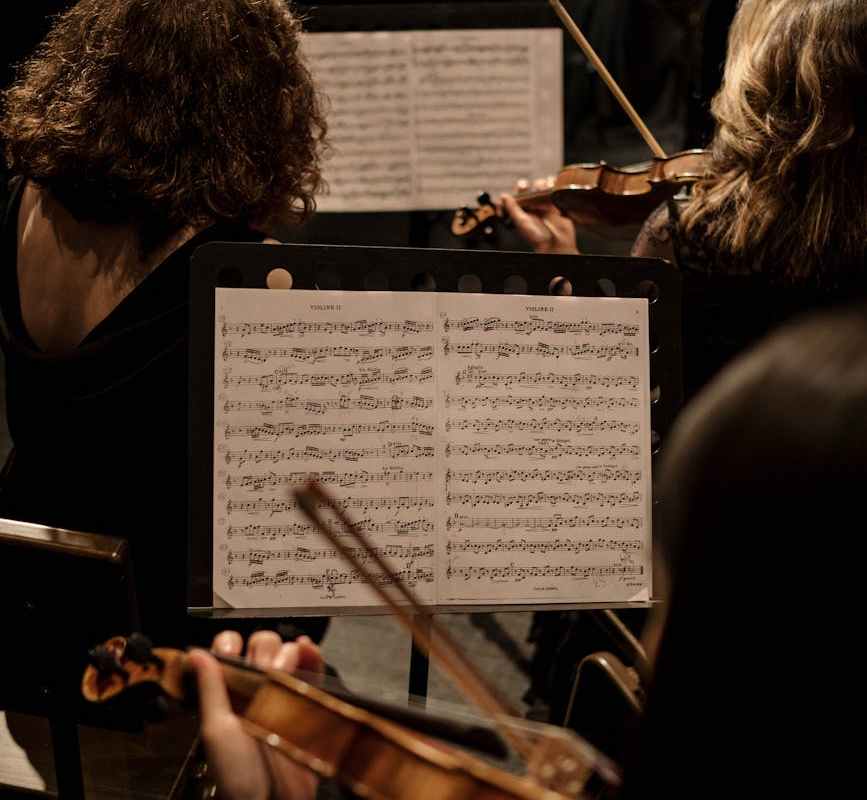
(featured photo from Pexels)
(quote from Jennie Fitzkee – Edelweiss)


Quite a story and one that is easy for me to relate to. I also did a bit of sneaking into Chicago Symphony concerts, eventually published a few articles for an about musicians, and became the CSO’s unofficial oral historian for over two decades. Good for Nancy’s recognition that doors open and it is essential that we walk through them. Such decisions depend on our recognition and belief that we will fit in and do good on the other side of the door. Nancy’s professional success made for an interesting and satisfying life, and, I imagine, somewhat of an escape from the difficult childhood she referred to. Cheers to her and thanks for introducing us to her, Wynne.
LikeLiked by 2 people
I thought of you and your experiences with the CSO as I was reading her book and doing this interview. I know you agree that music matters and how deeply it can touch us!
Your other comments are so true – we have to hold that belief we will fit in and do good on the other side of the door. Well said, Dr. Stein. Thank you for tuning in!
LikeLiked by 1 person
Fascinating story. Love how Nancy tells the story. Love her quotes too. “If you have no choice, then you make a life.” Wow, so relatable. And yes, beauty still matters in this battered world. Makes me want to sneak into the next concert on my bucket list. If I get caught and put into handcuffs, I’m telling security and local police that Surprised by Joy: How to Share Music gave me the encouragement I needed to sneak in to see the concert!! Ha, ha, love it Wynne.
LikeLiked by 2 people
I love this comment, Brian. I’ll bail you out because I think it’d be worth it. She does tell a wonderful story – look her book and this interview! Thanks for tuning in!
LikeLiked by 1 person
Bail me out you say. Hmm, now I have to Google all the great concerts coming this summer. Ha, ha. Great post!!!
LikeLiked by 1 person
wow, I cannot wait to listen to the whole story. Nancy has lived the meaning of where there’s a will, there’s a way.
LikeLiked by 1 person
That’s a perfect motto for Nancy, Beth!! Yes!
LikeLiked by 1 person
Oh love this so far, Wynne. Nancy is quite gal right up my alley. Love her determination. This is just an intro as it stopped, right? xx
LikeLiked by 1 person
You are right, Cindy – she is right up your alley. And yes, it was just a short tease of the full podcast. Thanks for tuning in, my friend!
LikeLike
This is crazy, Wynne, but when Nancy started with her story of meeting Eugene Ormandy by the back door, I instantly “saw” his name on an album that my father listened to; I know I remember that name. I love how Nancy needed classical music and her comment about why classical music matters because it can still elicit a response, a beautiful response; wow. Here is someone who needed to publish her stories for the rest of us. She is very impressive. Or, as you say, her stories are legendary. So cool!
LikeLiked by 4 people
I love this comment, Melanie! How cool that you connected to Eugene Ormandy’s name like that – that is so cool! Thank you so much for tuning in – given the way you listen, I can imagine that there is much about these stories that you relate to! Thank so much for the generous comment!
LikeLiked by 1 person
I look forward to listening to the entire podcast. What a fascinating story. I’m sure I’ll appreciate Nancy Shear’s story coming from a musical family and now my DIL’s family of musicians. Of seven siblings, they all went to college on string instrument scholarships. Two are professional musicians now.
LikeLiked by 1 person
Seven out of seven scholarships with two professional musicians. That’s incredible! I hope you enjoy all Nancy’s stories – she really is remarkable and the book is great!
LikeLike
Nancy’s story is inspirational. Just the courage and interests, and dreams begin to come into reality. Beautiful podcast, Wynne
LikeLiked by 1 person
Perfectly said! Thank you, Hazel!
LikeLike
absolutely fascinating ; I like the faith in that saying: ‘Leap and the net will appear’ !
LikeLiked by 1 person
I totally agree, John. The faith is inspiring!
LikeLike
Oh my goodness…what an interview and I love Melanie’s connection and observation. Wow, wow! Thank you, Wynne. ❤️🥰❤️
LikeLiked by 1 person
I couldn’t agree more, dear Vicki! Connections all around and they are so good! ❤ ❤ ❤
LikeLiked by 1 person
xo! 💝
LikeLike
Live a life of courage and to admire the beauty that endures through time and darkness. What a beautiful conversation, Wynne and Nancy! The wonderful thing about teenage hood is that courage to do things like sneaking into the back door, figuratively and literally. What a life, career and community it opened up.
A mature society is one that makes the arts and cultural experiences available more freely to its youth and this conversation demonstrates that so strongly. And you both also had me at librarian. 🙂 What a unique aspect of librarianship!
LikeLiked by 1 person
I love your librarian connection, Ab. Nancy has so many wonderful details about that aspect of her work in her book about being an orchestra library that I thought were fascinating. You are so right about the freedom in teenage hood. Such a great point! Thanks for tuning in!
LikeLiked by 1 person
What a wonderfully inspiring interview!
This quote really stuck out to me, especially now: “Beauty still matters in this battered world.” 💞
And Rostropovich’s story of defending human rights – wow – what a price he paid.
Can you imagine the joy of being an orchestra librarian?
And I love how near the end of the interview Nancy says: “I really didn’t want to die with the information that I had accumulated all these years about, mainly about people and humanity and most of all about my beloved classical music. So I had to write this book. had no choice.” I think most writers ‘feel’ this, they have to write because they have no choice…
LikeLiked by 1 person
Oh, I love the tidbits you pulled out, Rose. It is so fun for me to know what resonates — thank you so much for that gift. Thank you for tuning in!
LikeLiked by 1 person
This sounds excellent! Can’t wait to listen!
LikeLiked by 1 person
You will love it, Todd — it’s right up your alley!!
LikeLiked by 1 person
Thanks for a magnificent podcast, Wynee and Nancy! “I was very young and someone gave me a ticket to the Philadelphia Orchestra. And I went to that one concert, and I was overwhelmed with the beauty of it. … And listening to that was one of the great experiences of my life.” – simply beautiful!
LikeLiked by 1 person
Isn’t that remarkable?! Thank you so much for amplifying those incredible words, Mary. Simply beautiful for sure!
LikeLiked by 1 person
What an inspiring story about finding a way to get the music exposure and learning she needed.
LikeLiked by 1 person
That’s what I thought! Thanks for tuning in, Rebecca!
LikeLiked by 1 person