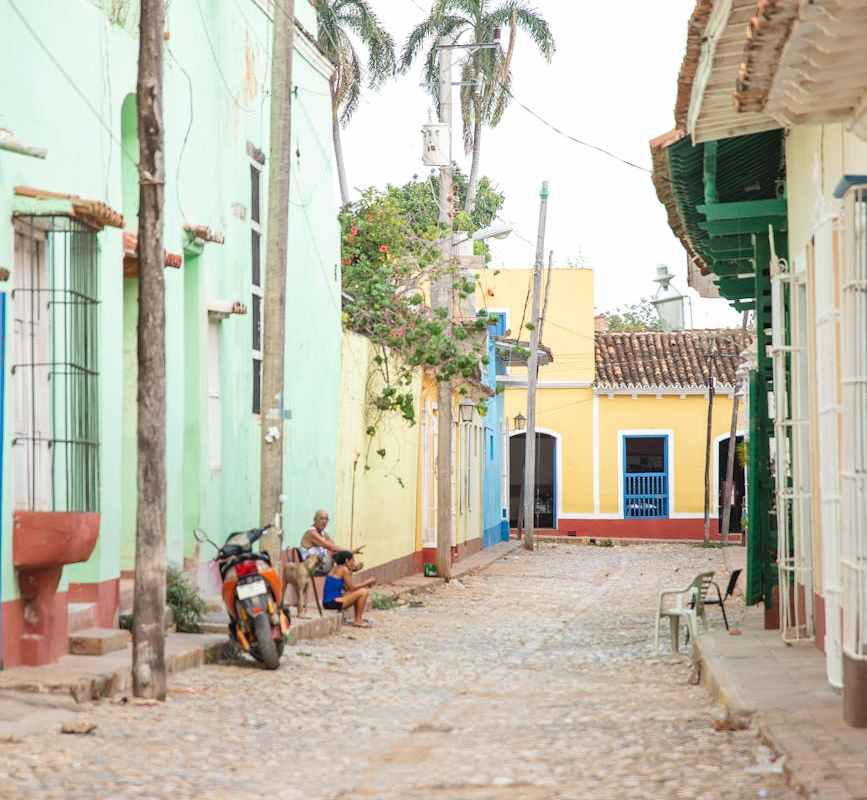
“Tell me facts, and I’ll learn. Tell me truth, and I’ll believe you. But tell me a story and it will live in my heart forever.” – Native American Proverb
I’m always amazed at how much hearing someone’s story impacts me. For instance, I published a post on Monday about how I had to evacuate files from my laptop when it started having a power problem.
It wasn’t until I produced this latest episode of the How to Share podcast with author Ana Hebra Flaster that I realized the connection. In her book Property of the Revolution: From a Cuban Barrio to a New Hampshire Mill Town, Ana tells the story how her family left Cuba in 1967 when she was six-years-old. They had to declare themselves enemies of the revolution so that once their exit papers arrived, they were escorted out of the house, it was sealed, and she and her family had 48-hours to say goodbye to family and friends.
In another great example of how powerful a story well-told is, the imagery of having to leave everything behind was still with me a week later when I had my laptop problem. Rightly so because Ana and I had a fantastic conversation about her memoir in this episode, How to Share Resilience with Ana Hebra Flaster. It’s an incredible memoir of the immigrant story with so much heart and courage.
Ana tells us the story of leaving how her family left Cuba with nothing of value as demanded by the Castro government. But they couldn’t contain the spirit and grit of those that left. Ana tells the story of how her mom stood up for an employee working for her and how that reflected the ethos of the Havana barrio from where she came.
We discuss Ana’s aunt’s determination to take her teaching degree with her to America even though it was forbidden by the Cuban government and her family disagreed. Ana explains why this was important enough to disregard the rules.
We talk about Ana’s childhood tolerance of “Cubanosity” as she coined the term and the struggle to both be rooted in her heritage but also be free of it as she came of age.
Ana tells us what writing a memoir has sparked in other immigrants and families she’s talked with after publication. How the thread of one experience touches so many. Ana reminds us to find our viejos (old people) and ask them questions.
Ana introduced me to the phrase, ponte guapa – make yourself brave. She exhibits that courage in writing a book that not only captures her family’s story but also speaks to all of us digging deep to know where we came from and how we fit in.
This is a great book and a fantastic conversation. I know you’ll love it!
Takeaways
- Ana’s memoir captures the immigrant experience with heart and courage.
- The importance of family and community in overcoming adversity.
- Writing can spark reflection and connection among immigrants.
- The phrase ‘Ponte Guapa’ encourages bravery in facing life’s challenges.
- Stories of powerful women in Ana’s family exemplify resilience.
- Trauma can lead to deeper understanding and appreciation of one’s roots.
- Engaging with one’s heritage can foster healing and connection.
- The act of storytelling is vital for preserving history and identity.
Here’s a great clip of Ana talking about her book and the incredible stories of bravery from her family:
Here are some ways you can watch the full episode:
- The podcast player embedded below
- Click this link to watch in a browser: How to Share Resilience with Ana Hebra Flaster
- Subscribe to How To Share on Spotify, Amazon Music, or Apple Podcasts
- Subscribing to the YouTube channel: https://www.youtube.com/@howtosharepodcast
Please listen, watch, provide feedback and subscribe.
Unleash Your Humanity: Courage, Resilience & Purpose with Yasmine Sherif – The Life of Try: Personal growth, one try at a time.
- Unleash Your Humanity: Courage, Resilience & Purpose with Yasmine Sherif
- Stop Hustling For Your Worth: A Better Way to Grow
- Way Will Open: How To Trust Life's Timing
- How to Stop Procrastinating and Start: The 10-Minute Rule for Taking Action
- The Art of Meaningful Conversations: Lessons from 200 podcast episodes
Links for this episode:
How to Share Resilience with Ana Hebra Flaster transcript
Ana’s website: https://anacubana.com/
Property of the Revolution on Barnes & Noble and Amazon
(featured photo from Pexels)

