Growth Takes Energy

“It is very important that we relearn the art of resting and relaxing. Not only does it help prevent the onset of many illnesses through chronic tension and worry; it allows us to clear our minds, focus, and find creative solutions to problems.” – Thich Nhat Hanh

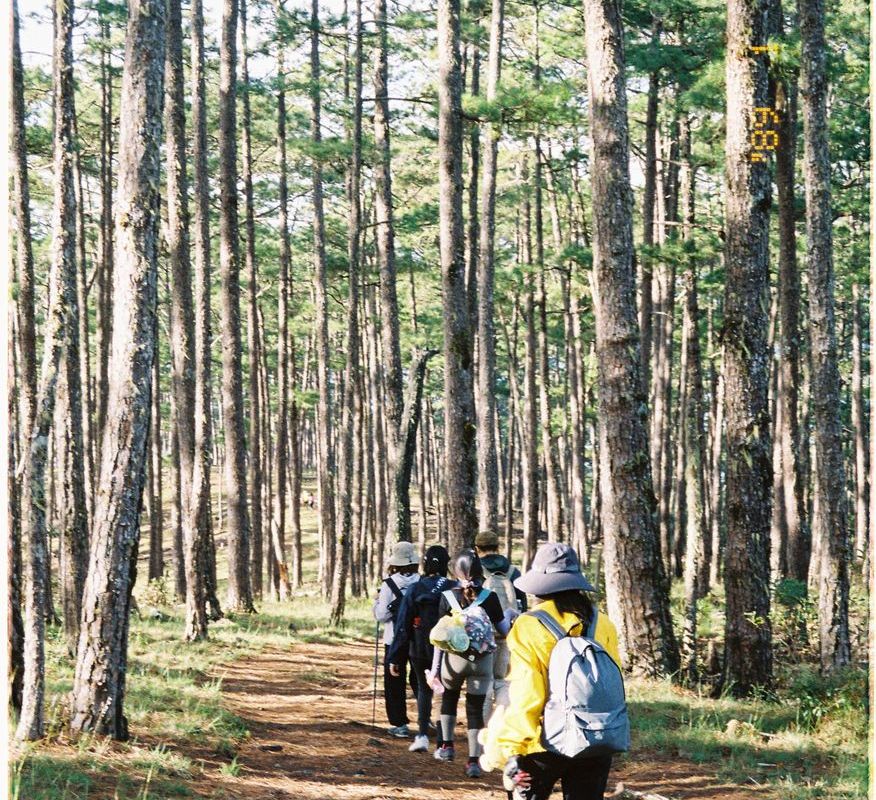
I made a rookie mistake last weekend. My kids, a friend, Cooper the dog, and I went hiking. It was 1.9 miles each way and 1500 feet of elevation gain. Not a particularly long hike but it had some challenging elements. Here was my mistake: as the responsible adult who had done this trail at least a dozen times, I didn’t call a break until we reached the top — at about two hours after we started hiking.

Doh! I know better. Hikes are more enjoyable, easier to do, and sometimes are even faster when we take breaks along the way. But often I am so focused on the destination that I ignore the wisdom to stop along the way.

So this week’s Life of Try podcast episode is the reminder I need. As we head into fall and all the changes in routines, rhythm and goals, I focused on finding some recommendations about how to best rest and restore so that we can meet our goals. Drawing on ideas from Carol Dweck’s growth mindset research, Adam Grant’s work on motivation and habits, and research on creativity and stress reduction, this episode offers practical ways to make change more sustainable. Three tips in particular resonated with me:

  1. Expect fatigue
  2. Build in regular rest intervals
  3. Reduce unnecessary decisions

So, if you often push to the top without taking a break, consider this your reminder that growth takes energy and we need some rest.

If you are working on personal growth, building better habits, navigating a life transition, or trying to avoid burnout, this episode offers an encouraging reminder: tiredness isn’t weakness. Sometimes it is information—and an invitation to recover before the next climb.

P.S. I’m unable to get the captions to show up when in a Word Press post. If you’d like to watch with captions, please click the link below.

Links for this episode:

Growth Mindset, Habit Formation and the Power of Rest transcript

Mindset: The New Psychology of Success by Carol Dweck, PhD on Amazon

Willpower: Rediscovering the Greatest Human Strength by Roy Baumeister and John Tierney

The Fun Habit: How the Pursuit of Joy and Wonder Can Change Your Life by Mike Rucker, PhD

Hidden Potential: The Science of Achieving Greater Things by Adam Grant

Other Episodes You Might Enjoy

How to Build Habits that Stick | Why Fun is the Secret to Lasting Change

Identity Before Strategy | How to Break Through Invisible Ceilings with Kevin Yoder

Encourage Effort, Not Results | How to Build Resilience and Confidence

Success isn’t always about finishing first. Sometimes the greatest victories belong to those who stay prepared, keep growing, and never stop trying.

(featured photo from Pexels)

If my work has encouraged, inspired, or helped you try something new, consider supporting it with a small “cup of coffee” donation. Your support helps me keep creating conversations, stories, and resources that cheer people on as they do brave, meaningful work.

You can find me on LinkedIn: https://www.linkedin.com/in/wynneleon/ and Instagram wynneleon

When Trying Isn’t Enough

You may not control all the events that happen to you, but you can decide not to be reduced by them.” – Maya Angelou

There was a moment when I knew my marriage was over. It was about ten months after my business partner told me about my husband’s infidelities. We had been trying to put our marriage back together. And then one day I walked into the kitchen. My ex had cooked an egg, broken the yolk, dribbled it all across the stove and counter on the way to the plate (I assume), eaten breakfast (again, I assume – didn’t see that part), and then left the house without cleaning it up.

I took a picture of it with the remark, “Really?” and texted it to him while he was golfing. [Granted that might not have been the best way to deal with it on my part.]

He texted back a rant which I can’t remember verbatim. But it ended, “because I’m married to a bitch who can’t communicate.

I sat on the living room couch with my elbows leaning on my knees and looked at that message for a long time. I felt so tired. I knew I was done trying.

I’m a little slow to realize when it’s time to stop trying. But every time I accept that whatever I’m trying to do is not going to work, I get the same feeling. Maybe you know what I mean – it’s a sensation that lands the moment I know that I’m not going to succeed. It’s a cross between a gut punch and a groan.

And I have a visual that usually comes to mind at the same time. It’s from a climb I did on Mt. Whitney in 2005 – I’m lying on my back in the snow balanced on a giant pack, tired, and hungry, knowing I’m not going to make the summit. The marriage is a very dramatic example, but I flash to that even at smaller moments like when I’ve accepted that I overreached on the menu for a dinner party plan and need to stop.

In this episode of The Life of Try podcast, I tell the story about that winter climb on Whitney and the three things I’ve learned about working through that gut punch.

  • Pause before reacting to disappointment. Urgency is often just fear trying to get us to move before we’re ready.
  • Take the learning and leave the shame.
  • Widen the definition of success. A try can still matter even when the original outcome changes. Courage, honesty, effort, and accepting help all count.

If you are navigating disappointment, burnout, uncertainty, or a dream that feels too heavy to carry, this episode offers encouragement to pause, learn, accept help, and keep becoming the kind of person who tries.

Here are more ways to listen and subscribe:

Links for this episode:

When You Know You Aren’t Going to Make It transcript

📘 Amazon: ⁠Enough: Climbing Toward a True Self on Mount Everest ⁠by Melissa Arnot Reid

📘 Amazon: The Book of Awakening by Mark Nepo

🔗 Connect with Dr. Kristin Neff

Other Episodes You Might Enjoy

➡️ ⁠Letting Go Of Outcomes: The Mindset That Keeps You Moving⁠

➡️ ⁠Why Second Place Isn’t Failure | The Hidden Power of Persistence & Resilience⁠

➡️ ⁠When Your Plans Fall Apart | How to Stay Resilient, Adapt & Keep Moving Forward⁠

Success isn’t always about finishing first. Sometimes the greatest victories belong to those who stay prepared, keep growing, and never stop trying.

Self-Limiting Beliefs

Man often becomes what he believes himself to be. If I keep on saying to myself that I cannot do a certain thing, it is possible that I may end by really becoming incapable of doing it. On the contrary, if I have the belief that I can do it, I shall surely acquire the capacity to do it even if I may not have it at the beginning.” – Mahatma Gandhi

When I was 22-years-old, a cute boy that I had just started dating invited me on a backpacking trip on the Olympic Peninsula to visit some natural hot springs. The group that was going included another couple that I liked hanging out with because they their conversational patter was a perfect mix of smart, fun, and cool.

I hesitated because I didn’t think I was outdoorsy. Outside of organized groups, I hadn’t really camped or hiked much in my life so far. But the prospect of spending time with my date and other interesting people outweighed my reluctance. And I was rewarded with a great weekend fording streams, soaking in hot springs, and having interesting conversations by the campfire. It was enough to plant a seed that maybe I was outdoorsy. It was an important identity shift that made way for my thought seven years later when I saw Mt. Rainier in the morning sun, “I should climb that.”

And… that opened the door for me to climb not only the Pacific NW volcanoes, but also peaks in Mexico, Russia, Nepal, Italy and Peru. Thank goodness for that cute guy! Even though the relationship wasn’t a significant one in my life, the change in mentality was.

So in this episode of The Life of Try, I talk with Kevin Yoder, creator of Infinite U, about identity-first transformation and why lasting personal growth begins with who we believe we are becoming. What if the reason you feel stuck isn’t a lack of discipline, strategy, or ambition—but an outdated identity you’ve outgrown?

Kevin brings more than two decades of experience in real estate, leadership, coaching, and personal development to a powerful conversation about self-image, paradigms, confidence ceilings, income ceilings, and the invisible patterns that keep capable people from reaching their next level.

Together, Kevin and I explore the question he learned from Bob Proctor—“How are your results?”—and how honest awareness can open the door to meaningful change.

Key Takeaways

  • Lasting change begins with identity: the way we see ourselves often shapes what we believe is possible, more than strategy alone.
  • Invisible ceilings—around confidence, income, consistency, or growth—can point to outdated self-image patterns that are ready to be examined.
  • The question “How are your results?” offers a simple but powerful way to practice honesty, awareness, and intentional transformation.
  • Attitude becomes the bridge between belief and behavior when our thoughts, words, feelings, and actions become more aligned with who we are trying to become.

If you’ve ever started strong and stalled out, felt like you had “weights around your ankles,” or wondered why the next version of your life still feels just out of reach, this episode offers a hopeful, practical look at how to begin again from the inside out. Listen for insights on identity transformation, personal growth, self-concept, mindset, attitude, and building a life that reflects who you are ready to become.

Here are some other ways you can listen and watch this episode:

Links for this episode:

Identity Before Strategy: How To Break Through Invisible Glass Ceilings With Kevin Yoder transcript

Infinite U

Infinite U Self-Assessment: https://infiniteuassessment.com

 Other episodes you might enjoy

⁠The Power of Looking At Your Life Through a New Lens⁠

⁠How to Create Opportunities In Life | Motive + Means = Success Mindset⁠

⁠How to Tell Relatable Stories⁠

(featured photo from Pexels)

If my work has encouraged, inspired, or helped you try something new, consider supporting it with a small “cup of coffee” donation. Your support helps me keep creating conversations, stories, and resources that cheer people on as they do brave, meaningful work.

You can find me on LinkedIn: https://www.linkedin.com/in/wynneleon/ and Instagram wynneleon

Still Showing Up

What a good day to be proud of all the progress you made.” – unknown

Last week, my six-year-old son, Mr. D accidentally stepped on a bee and got stung. “Oh, my life is over,” he repeatedly moaned as I struggled to pick out the stinger. And he’s my less dramatic child. Yowsa – those stings hurt.

But most of the pain was gone in an hour and while the swelling and itchiness lasted about four days, there was a clearly an end in sight. How do you still show up when the pain is chronic? What does it mean to keep showing up when life asks more of you than seems possible?

In this episode of The Life of Try, I talk with Kathryn M. B. Johnson, author of Invisible, Until I’m Not, a memoir-in-essays about chronic illness, caregiving, grief, and resilience. Together, we explore what it means to live with fibromyalgia and invisible illness, how caregiving reshapes identity, and why being seen matters so deeply when pain is hard to explain.

Our conversation offers honest insight, emotional validation, and hope for anyone navigating chronic pain, caregiver burnout, loss, or the daily work of endurance.

Key Takeaways:

  • Chronic illness can reshape identity, relationships, and daily life in ways that are often invisible to others.
  • Caregiving is an act of love, but it also carries grief, exhaustion, and the need for self-compassion.
  • Writing can become a lifeline—a way to process pain, preserve connection, and reclaim a sense of self.
  • Being believed and truly seen matters deeply for people living with chronic pain or complex health conditions.
  • Rest is not laziness; caring for yourself is part of being able to care for others.

If you’re looking for a thoughtful podcast episode about chronic illness, caregiving, trauma, faith, and finding strength in difficult seasons, this episode is for you.

Here are some other ways you can listen and watch Liza’s amazing journey:

Growth Takes Energy| How Rest Helps Habits Stick The Life of Try: Personal growth, one try at a time.

Why does growth feel so exhausting—and could rest be themissing ingredient that helps new habits stick? In this episode of The Life of Try, Wynne Leon connects Carol Dweck’s growth mindset research, Adam Grant’s ideas about habits and identity, and the restorative power of sleep,fewer decisions, intentional breaks, and creativity. Through stories from the first day of school, middle-school drop-off, mountain climbing, and her daughter’s crochet project, Wynne shares three practical ways to protect yourenergy while building sustainable change. If you’re navigating a transition, working on personal growth, or trying to avoid burnout, this episode is a reminder that rest is not stepping away from the try—it is what helps you return.Listen next: Identity Before Strategy withKevin Yoder, a conversation about why lasting change begins with who we believe we are—not simply with a better plan.ABOUT MEHi, I’m Wynne Leon — host of The Life of Try, a personal growth and self-improvement podcast exploring resilience, reinvention, uncertainty, and the courage to keep trying.Through thoughtful interviews, reflective conversations, and real-life stories, I share insights to help you navigate change, get unstuck, and move forward with more intention.🌍 Website: https://wynneleon.com
  1. Growth Takes Energy| How Rest Helps Habits Stick
  2. When You Know You're Not Going to Make It
  3. Creating Lift: Leadership, Mentorship and the Courage to Keep Growing
  4. Brand Strategy for Humans with Nancy Martira
  5. Identity Before Strategy: How To Break Through Invisible Ceilings with Kevin Yoder

Links for this episode:

How Writing Helps Save Us From Chronic Illness and Loss transcript

Invisible, Until I’m Not on Amazon

Kathryn’s website

Kathryn’s weekly newsletter on Substack

Kathryn Johnson on LinkedIn

The Crossing: My Near Death Experience with Jesus by Liza Anderson on Amazon

Other Episodes you Might Enjoy:

⁠ Letting Go Of Outcomes: The Mindset That Keeps You Moving⁠

4⁠8: How to Get Unstuck: Michael Yang on Saying Yes, Resilience and Coming Alive⁠

⁠How to Reclaim Fun in Adult Life | Mike Rucker, PhD, on Joy, Burnout and the Fun Habit⁠

(featured photo from Pexels)

Support Without Pressure: Why Effort Matters More Than Results

Give light and people will find the way.” – Ella Baker

The other day, my six-year-old son, Mr. D, announced that he wasn’t going back to finish out the last 12 days of first grade. After some delicate probing, I discovered he was worried about a math test.

It’s hard to know what to say to help in a situation like that, isn’t it? And what does real support actually look like—especially when someone is struggling, failing, or figuring things out?

So in this episode of The Life of Try, I explore how to support others without adding pressure, and why focusing on effort instead of outcome can make all the difference.

Whether you’re a parent, coach, friend, or teammate, it’s easy to unintentionally turn encouragement into expectations. But research—and stories from figures like basketball coach John Wooden and psychologist Carol Dweck—show that when we shift our focus to effort, persistence, and growth, we help people stay in the process longer and build real resilience.

This episode dives into:

  • Why it’s often harder to watch someone try than to try ourselves
  • How subtle signals can create pressure without us realizing it
  • The difference between encouragement and expectation
  • How to support kids, friends, and colleagues in a way that builds confidence and persistence
  • Practical ways to reinforce effort, not just results

And fortunately this research helped provide me a roadmap to help with Mr. D’s math test. I reminded him that he’d already done the work and practice and so the test was just like a baseball game. All he had to do was do his best.

If you’ve ever wondered how to truly support someone you care about—especially when things aren’t going well—this episode offers a powerful reframe. Because sometimes the best support isn’t helping someone succeed… …it’s helping them keep going.

Here are some other ways you can listen and watch this episode:

Growth Takes Energy| How Rest Helps Habits Stick The Life of Try: Personal growth, one try at a time.

Why does growth feel so exhausting—and could rest be themissing ingredient that helps new habits stick? In this episode of The Life of Try, Wynne Leon connects Carol Dweck’s growth mindset research, Adam Grant’s ideas about habits and identity, and the restorative power of sleep,fewer decisions, intentional breaks, and creativity. Through stories from the first day of school, middle-school drop-off, mountain climbing, and her daughter’s crochet project, Wynne shares three practical ways to protect yourenergy while building sustainable change. If you’re navigating a transition, working on personal growth, or trying to avoid burnout, this episode is a reminder that rest is not stepping away from the try—it is what helps you return.Listen next: Identity Before Strategy withKevin Yoder, a conversation about why lasting change begins with who we believe we are—not simply with a better plan.ABOUT MEHi, I’m Wynne Leon — host of The Life of Try, a personal growth and self-improvement podcast exploring resilience, reinvention, uncertainty, and the courage to keep trying.Through thoughtful interviews, reflective conversations, and real-life stories, I share insights to help you navigate change, get unstuck, and move forward with more intention.🌍 Website: https://wynneleon.com
  1. Growth Takes Energy| How Rest Helps Habits Stick
  2. When You Know You're Not Going to Make It
  3. Creating Lift: Leadership, Mentorship and the Courage to Keep Growing
  4. Brand Strategy for Humans with Nancy Martira
  5. Identity Before Strategy: How To Break Through Invisible Ceilings with Kevin Yoder

Links for this episode:

Other Episodes you Might Enjoy:

⁠ Letting Go Of Outcomes: The Mindset That Keeps You Moving⁠

4⁠8: How to Get Unstuck: Michael Yang on Saying Yes, Resilience and Coming Alive⁠

⁠How to Reclaim Fun in Adult Life | Mike Rucker, PhD, on Joy, Burnout and the Fun Habit⁠

(featured photo from Pexels)

Fun Is a Practice, Not a Reward

“If you’re not having fun, you’re not learning. There’s a pleasure in finding things out.” – Richard Feynman

What if fun isn’t a reward for getting everything done—but a skill that helps us live better right now?

Recently as I was driving ten-year-old Miss O to a rehearsal for a musical, she said, “I always have fun at rehearsals.” Six-year-old Mr. D had a similar answer as I was bringing him home from baseball practice the other night. I asked what he liked best – the base running practice, the scrimmage, the throwing contest? His answer was, “I like all of it.

What kids know and grown-ups seem to forget (speaking for myself) is that fun is a day-to-day practice, not a reward only to be savored when we get everything else done. Fortunately, my guest for The Life of Try podcast this week, Mike Rucker, PhD, reminded me that parents have some agency in this too. We aren’t just Uber drivers getting our kids to the places they need to go. And that prompted me to put on my mitt and take part of the scrimmage at Mr. D’s baseball practice. The ball didn’t come to me but I enjoyed standing in the field and being part of the fun immensely for a couple of innings.

In this episode of Life of Try, I talk with Mike Rucker, PhD author of The Fun Habit, about the science-backed value of fun and why it matters for stress relief, resilience, creativity, relationships, and well-being. We discuss positive psychology, the “sandwich generation,” burnout, parenting, savoring joyful moments, and how to create simple systems that bring more play, rest, and connection into daily life.

Here are some of my favorite takeaways from this great book and fantastic, science-backed conversation about fun:

  • Fun is not frivolous — it’s restorative.
    Being intentional about fun can help reduce burnout, restore energy, and bring more meaning into everyday life.
  • Happiness and fun are not the same thing.
    As Mike says, “Happiness is a state of mind, but fun is something we can do.”
  • Agency matters.
    When we feel like we have a say in how we spend our time and energy, life becomes more enjoyable and sustainable.
  • Small “pattern interrupts” can change everything.
    Breaking our routines in creative ways can open up more space for joy, connection, and better habits.
  • Fun looks different for everyone.
    It doesn’t have to be loud, social, or high-energy. Fun can be calm, quiet, and personal.
  • Burnout narrows our thinking.
    When we’re depleted, we tend to rely on autopilot. Renewal helps us think more creatively, flexibly, and expansively.
  • Enjoyment is a powerful predictor of sticking with a habit.
    If you want to build sustainable habits, choose approaches you genuinely like—not just ones you think you “should” do.
  • You don’t need a total life overhaul.
    Reclaiming fun can start with just a few intentional hours, a simple list, or one activity that brings you back to yourself.
  • The “Fun File” is a practical tool.
    Keeping a running list of activities that genuinely light you up can make it easier to choose joy on purpose.
  • Making life better doesn’t always mean adding more.
    Sometimes it means removing, reframing, outsourcing, or rethinking routines that quietly drain you.

Here is a clip of one of Mike’s eye-opening points – that having fun is an upward spiral that creates more capacity for challenge and growth:

This conversation is for anyone looking for better work-life balance, more joy, and practical strategies for living with greater intention.

Here are some other ways you can listen and watch this great episode:

Growth Takes Energy| How Rest Helps Habits Stick The Life of Try: Personal growth, one try at a time.

Why does growth feel so exhausting—and could rest be themissing ingredient that helps new habits stick? In this episode of The Life of Try, Wynne Leon connects Carol Dweck’s growth mindset research, Adam Grant’s ideas about habits and identity, and the restorative power of sleep,fewer decisions, intentional breaks, and creativity. Through stories from the first day of school, middle-school drop-off, mountain climbing, and her daughter’s crochet project, Wynne shares three practical ways to protect yourenergy while building sustainable change. If you’re navigating a transition, working on personal growth, or trying to avoid burnout, this episode is a reminder that rest is not stepping away from the try—it is what helps you return.Listen next: Identity Before Strategy withKevin Yoder, a conversation about why lasting change begins with who we believe we are—not simply with a better plan.ABOUT MEHi, I’m Wynne Leon — host of The Life of Try, a personal growth and self-improvement podcast exploring resilience, reinvention, uncertainty, and the courage to keep trying.Through thoughtful interviews, reflective conversations, and real-life stories, I share insights to help you navigate change, get unstuck, and move forward with more intention.🌍 Website: https://wynneleon.com
  1. Growth Takes Energy| How Rest Helps Habits Stick
  2. When You Know You're Not Going to Make It
  3. Creating Lift: Leadership, Mentorship and the Courage to Keep Growing
  4. Brand Strategy for Humans with Nancy Martira
  5. Identity Before Strategy: How To Break Through Invisible Ceilings with Kevin Yoder

Links for this episode:

How to Reclaim Fun in Adult Life | Mike Rucker, PhD on Joy, Burnout and the Fun Habit transcript

The Fun Habit on Amazon and Barnes & Noble

Mike Rucker, PhD’s website

Michael Rucker, Ph.D. on LinkedIn

(featured photo from Pexels)

It’s Never Too Late to Begin Again | Personal Growth and Courage with Lindsey Goldstein

Things falling apart is a kind of testing and also a kind of healing. We think that the point is to pass the test or to overcome the problem, but the truth is that things don’t really get solved. They come together and they fall apart. Then they come together again and fall apart again. It’s just like that. The healing comes from letting there be room for all of this to happen: room for grief, for relief, for misery, for joy.” – Pema Chodron

The troubleshooting method that I’ve taught to new technology consultants is to change one thing at a time. But what happens when life goes sideways and you get a chance to change all the things keeping you rooted? Do you scramble trying to rebuild life as it was? Or lean in to the chance to rethink about where you want to be?

That’s the premise behind Lindsey Goldstein’s delightful novel, Gap Year. When in the span of a few days, Jane’s daughter leaves for a gap year, her husband informs her that he’s in love with someone else, and she’s forced to choose between a promotion or to quit at work, she decides to take her own gap year. She goes to Ecuador to climb the mountain she’s always wanted to, Cotopaxi.

There are many reasons I love this book. Climbing and Ecuador – two of my favorite topics. But also because walking alongside Jane in her adult gap year helps to put in perspective the choices that we’ve made that handcuff our ability to try.

I was lucky enough to sit down with Lindsey Goldstein, the author of Gap Year on The Life of Try podcast, for a conversation about personal growth, self-improvement, and finding the courage to try—even when the path ahead feels uncertain. From writing and running to parenting, failure, and fresh starts, we explore how confidence is built one brave step at a time. If you’ve ever wondered whether it’s too late to try something new, this uplifting episode is a reminder that growth often begins the moment we say “yes” to the challenge.

Key takeaways

  • When life falls apart, it can also become an opening.
  • Courage often starts before confidence.
  • Trying, failing, and learning are all part of growth.
  • Small steps lead to bigger transformations.
  • You do not always end up where you expected—but you still grow.
  • Practice changes what feels possible.
  • It is never too late to begin again.

Here’s the YouTube video of our conversation:

Here are some other ways you can listen and watch this episode:

Growth Takes Energy| How Rest Helps Habits Stick The Life of Try: Personal growth, one try at a time.

Why does growth feel so exhausting—and could rest be themissing ingredient that helps new habits stick? In this episode of The Life of Try, Wynne Leon connects Carol Dweck’s growth mindset research, Adam Grant’s ideas about habits and identity, and the restorative power of sleep,fewer decisions, intentional breaks, and creativity. Through stories from the first day of school, middle-school drop-off, mountain climbing, and her daughter’s crochet project, Wynne shares three practical ways to protect yourenergy while building sustainable change. If you’re navigating a transition, working on personal growth, or trying to avoid burnout, this episode is a reminder that rest is not stepping away from the try—it is what helps you return.Listen next: Identity Before Strategy withKevin Yoder, a conversation about why lasting change begins with who we believe we are—not simply with a better plan.ABOUT MEHi, I’m Wynne Leon — host of The Life of Try, a personal growth and self-improvement podcast exploring resilience, reinvention, uncertainty, and the courage to keep trying.Through thoughtful interviews, reflective conversations, and real-life stories, I share insights to help you navigate change, get unstuck, and move forward with more intention.🌍 Website: https://wynneleon.com
  1. Growth Takes Energy| How Rest Helps Habits Stick
  2. When You Know You're Not Going to Make It
  3. Creating Lift: Leadership, Mentorship and the Courage to Keep Growing
  4. Brand Strategy for Humans with Nancy Martira
  5. Identity Before Strategy: How To Break Through Invisible Ceilings with Kevin Yoder

Links for this episode:

Reinvention, Resilience, and the Courage to Try | Gap Year with Lindsey Goldstein transcript

Gap Year on Amazon and Barnes & Noble

Lindsey Goldstein’s website

(featured photo from Pexels)

Hope Without Attachment

You never fail until you stop trying.” – Albert Einstein

I have been watching a lot of Little League baseball this Spring. It’s a fascinating mix of young athleticism and skill development peppered with moments of bitter disappointment. In most every practice and game there is at least one example of someone who wants to sit on the ground and pout because things aren’t going as they expected.

But disappointment doesn’t just happen to six and seven-year-olds. It reminds me that expectations can inspire us to try—until they harden into a demand for a specific outcome.

In this episode of The Life of Try, I dig in to how unmet expectations fuel disappointment, why that disappointment can keep us from taking healthy risks, and what it looks like to stay hopeful without clinging.

From a childhood lesson I learned from my mom about “pressing for the answer” to Alexander Fleming’s accidental discovery of penicillin, I trace how openness, curiosity, and faith can turn apparent failures into forward motion.

Along the way, I draw from Brené Brown’s research on disappointment, Maya Shankar’s reframing of identity after loss, and spiritual wisdom about surrender and non‑attachment—so you can keep trying even when the path changes.

Takeaways:

  • Recognize when expectations are motivating you—and when they’re setting you up for disappointment
  • Practice openness and curiosity when a try doesn’t go as planned (and why that matters)
  • Name and communicate your expectations to reduce “unspoken contracts”
  • Reconnect with your deeper “why” when your “what” gets taken away
  • Hold onto faith that trying will lead somewhere good—even if it’s not the destination you imagined.

Here’s the YouTube video of this episode:

Here are some other ways you can listen and watch this episode:

Growth Takes Energy| How Rest Helps Habits Stick The Life of Try: Personal growth, one try at a time.

Why does growth feel so exhausting—and could rest be themissing ingredient that helps new habits stick? In this episode of The Life of Try, Wynne Leon connects Carol Dweck’s growth mindset research, Adam Grant’s ideas about habits and identity, and the restorative power of sleep,fewer decisions, intentional breaks, and creativity. Through stories from the first day of school, middle-school drop-off, mountain climbing, and her daughter’s crochet project, Wynne shares three practical ways to protect yourenergy while building sustainable change. If you’re navigating a transition, working on personal growth, or trying to avoid burnout, this episode is a reminder that rest is not stepping away from the try—it is what helps you return.Listen next: Identity Before Strategy withKevin Yoder, a conversation about why lasting change begins with who we believe we are—not simply with a better plan.ABOUT MEHi, I’m Wynne Leon — host of The Life of Try, a personal growth and self-improvement podcast exploring resilience, reinvention, uncertainty, and the courage to keep trying.Through thoughtful interviews, reflective conversations, and real-life stories, I share insights to help you navigate change, get unstuck, and move forward with more intention.🌍 Website: https://wynneleon.com
  1. Growth Takes Energy| How Rest Helps Habits Stick
  2. When You Know You're Not Going to Make It
  3. Creating Lift: Leadership, Mentorship and the Courage to Keep Growing
  4. Brand Strategy for Humans with Nancy Martira
  5. Identity Before Strategy: How To Break Through Invisible Ceilings with Kevin Yoder

Links for this episode:

Letting Go of Outcomes: The Mindset That Keeps You Moving transcript

Sir Alexander Fleming – Biographical – NobelPrize.org

How to Regulate Your Emotions and Mental Chatter When Bad Things Happen | Maya Shankar

Atlas of the Heart: Mapping Meaningful Connection and the Language of Human Connection by Brene Brown

Penicillin Wasn’t Alexander Fleming’s First Major Discovery | Scientific American

The Courage to Stop Trying

The important thing is to not stop questioning.” – Albert Einstein

We have a strong ethos of trying in my household. There’s an example that we often joke about. When my daughter was about 9, my friend Eric asked her to help deflate a rubber raft so we could take it home from vacation. When she went to put it back in the box, he said it’d never fit.

Her response was something like, “It won’t fit back in the box with that attitude!”

Safe to say, we are primed to try. But sometimes that overshadows the wisdom of when to stop trying. How do you know when to stop trying—especially when you’re someone who prides yourself on perseverance?

In this episode of The Life of Try, I explore the moments when quitting isn’t failure, but wisdom: when our efforts are overly controlled, when something deep inside says “it’s time,” or when passion turns obsessive and starts costing more than it gives.

Along the way, I draw lessons from Marion Jones, Olympic figure skater Alysa Liu, Oprah Winfrey, and Andre Agassi, plus insights on harmonious vs. obsessive passion.

Here’s a short section about mining the deep knowledge of when you know, you know:

If you’re wrestling with whether to push through or let go, this episode offers language, perspective, and permission to choose what’s healthy—and what’s next.

Here are some ways you can listen and watch this motivating episode:

Growth Takes Energy| How Rest Helps Habits Stick The Life of Try: Personal growth, one try at a time.

Why does growth feel so exhausting—and could rest be themissing ingredient that helps new habits stick? In this episode of The Life of Try, Wynne Leon connects Carol Dweck’s growth mindset research, Adam Grant’s ideas about habits and identity, and the restorative power of sleep,fewer decisions, intentional breaks, and creativity. Through stories from the first day of school, middle-school drop-off, mountain climbing, and her daughter’s crochet project, Wynne shares three practical ways to protect yourenergy while building sustainable change. If you’re navigating a transition, working on personal growth, or trying to avoid burnout, this episode is a reminder that rest is not stepping away from the try—it is what helps you return.Listen next: Identity Before Strategy withKevin Yoder, a conversation about why lasting change begins with who we believe we are—not simply with a better plan.ABOUT MEHi, I’m Wynne Leon — host of The Life of Try, a personal growth and self-improvement podcast exploring resilience, reinvention, uncertainty, and the courage to keep trying.Through thoughtful interviews, reflective conversations, and real-life stories, I share insights to help you navigate change, get unstuck, and move forward with more intention.🌍 Website: https://wynneleon.com
  1. Growth Takes Energy| How Rest Helps Habits Stick
  2. When You Know You're Not Going to Make It
  3. Creating Lift: Leadership, Mentorship and the Courage to Keep Growing
  4. Brand Strategy for Humans with Nancy Martira
  5. Identity Before Strategy: How To Break Through Invisible Ceilings with Kevin Yoder

Links for this episode:

Personal Growth Pivot Points: Pause, Quit, or Keep Going? transcript

The Fun Habit: How the Pursuit of Joy and Wonder Can Change Your Life: Mike Rucker, PhD

Open: An Autobiography by Andre Agassi

Marion Jones Reflects on Her Kids Living with ‘Reality’ of Her Doping Scandal

From Oakland to Olympic gold: Alysa Liu takes figure skating crown

Alysa Liu’s Olympic figure skating comeback is golden, true to herself

How Alysa Liu Found Her Love for Figure Skating Again

Winfrey Announces Show’s End in 2011 – CBS News

(featured photo from Pexels)

How to Share the Next Generation

Things are always in transition. Nothing ever sums itself up the way we dream about.” – Pema Chodron

I had this quirky social anxiety when I started the fertility process to have my kids via in vitro fertilization (IVF). It seems so silly now. But at the time I kept thinking that because I was in the process of trying to have kids as a single parent that everyone would know that I was the one who wanted kids. Yep, that was going to be obvious. 🙂

It’s hard to say why that seemed important to me at the time – there is lot to unpack when it comes to family and gender expectations. And perhaps parents who get pregnant the traditional way have the same feeling of vulnerability. It’s hard to know because often family planning is done behind closed doors.

It’s one of the many reasons that I love Mari Sarkisian Wyatt’s book, Saving the Fourth Generation and our conversation on the How To Share podcast. She magically, with self-awareness and dark humor, puts words to the complexity of the IVF process and what it’s like to have goals and obsessions for which it’s worth suffering the ups and downs, grief and miracles.

Mari and I talk about the different types of goals we have as we go through life and her Armenian grandmother’s wisdom about what it takes to make them happen.

There’s so much legacy in Mari’s story because her quest is in many ways a response to the shattering trauma that came from both of her grandparents’ families being decimated in the Armenian massacre of 1915.

We talk about Mari’s way forward as the sole child of her generation to have kids. She tells us how she navigated both the price and process of IVF. Her story is heartbreaking, miraculous and completely gripping.

We talk about her advocacy for her autistic son and how writing about her IVF process, 20 years after the fact provided some healing and delight in the miracle of family.

Mari’s story involves a lawsuit so in accordance with the settlement she’s not on screen for this episode. Nonetheless, Mari is entrancing as she shares the power of her journey and the warmth of her voice.

I know you’ll love it.

Takeaways

  • This is the story of what women and their partners are willing to go through to have babies by IVF at the turn of the 21st century.
  • Mari’s quest quickly became an obsession and she notes obsessions can hurt the people you love.
  • Mari says if you just keep working toward your goal one step at a time, you might just succeed. Hopefully your family will forgive you.
  • Writing this book nearly 25 years after her IVF journey has been healing for Mari and her family.
  • The message is about resilience, personal growth, and the beauty of ordinary days.

Here’s a clip from Mari talking about her incredible book, Saving the Fourth Generation:

Here are some ways you can watch this amazing and thoughtful episode:

Please listen, watch, provide feedback and subscribe.

Growth Takes Energy| How Rest Helps Habits Stick The Life of Try: Personal growth, one try at a time.

Why does growth feel so exhausting—and could rest be themissing ingredient that helps new habits stick? In this episode of The Life of Try, Wynne Leon connects Carol Dweck’s growth mindset research, Adam Grant’s ideas about habits and identity, and the restorative power of sleep,fewer decisions, intentional breaks, and creativity. Through stories from the first day of school, middle-school drop-off, mountain climbing, and her daughter’s crochet project, Wynne shares three practical ways to protect yourenergy while building sustainable change. If you’re navigating a transition, working on personal growth, or trying to avoid burnout, this episode is a reminder that rest is not stepping away from the try—it is what helps you return.Listen next: Identity Before Strategy withKevin Yoder, a conversation about why lasting change begins with who we believe we are—not simply with a better plan.ABOUT MEHi, I’m Wynne Leon — host of The Life of Try, a personal growth and self-improvement podcast exploring resilience, reinvention, uncertainty, and the courage to keep trying.Through thoughtful interviews, reflective conversations, and real-life stories, I share insights to help you navigate change, get unstuck, and move forward with more intention.🌍 Website: https://wynneleon.com
  1. Growth Takes Energy| How Rest Helps Habits Stick
  2. When You Know You're Not Going to Make It
  3. Creating Lift: Leadership, Mentorship and the Courage to Keep Growing
  4. Brand Strategy for Humans with Nancy Martira
  5. Identity Before Strategy: How To Break Through Invisible Ceilings with Kevin Yoder

Links for this post:

How to Share the Next Generation transcript

Saving the Fourth Generation from Delphinium Press and on Barnes & Noble and Amazon

(featured photo from Pexels)