Activity Bundling – The Fun of Cleaning Up

You can’t compete with someone who is having fun.” – unknown

Up until last week I had cobwebs in my kitchen. They were higher than I could reach without a ladder or tool. I’d notice them but always on my way to getting something else done so they persisted.

It was the same with rehanging the hooks in the hallway that pulled away from the wall, the fascia board in my bathroom that came off when the kids climbed on the counter one too many times, peeling off the stickers Mr D applied to the cabinets when he was three-years-old, replacing two of the six light bulbs in the bathroom that used non-standard light bulbs, and on and on.

Because we rented out our house as an AirBnB, we’ve been chipping away at this list of little projects that I constantly noticed but never got done. Our first booking is in mid-June.

The whole project started because we have friends that have lived in France for three years. We wanted to visit them before they move in August. But every time I went to book the airfare this spring, the price jumped because of oil prices and I couldn’t afford them.

I’d been entertaining the idea of listing my house on AirBnB during the World Cup games here in Seattle but it seemed like so much work. But then I read The Fun Habit by Mike Rucker, PhD and his concept of activity bundling brought it all together for me. By combining the adventure of getting to see our friends in Europe with the work of getting the house ready, we could make the whole thing fun. [If you haven’t yet listened to the podcast with Mike, I found our conversation to be as inspiring as his book.]

I figured it was worth a try. Even if we didn’t get any bookings, at least we’d get a fixed-up house.

But then we did get bookings. Now I’ve booked our tickets because we have to be gone and we are madly finishing all these little projects. Michelle from the BoomerEcoCrusader blog is 100% right – decluttering feels great. Mr. D wants to know why we go to the donation center every week with a car loads of clothes, toys and books. Because we’ve had all that stuff pile up too much over the years.

Every night I fall into bed exhausted. But I also feel lighter. Like all those little projects were weighing me down in a way that I didn’t even realize. We’re earning this adventure one step at a time – with the bonus of coming home to a house that has all (or most) of the little things done.

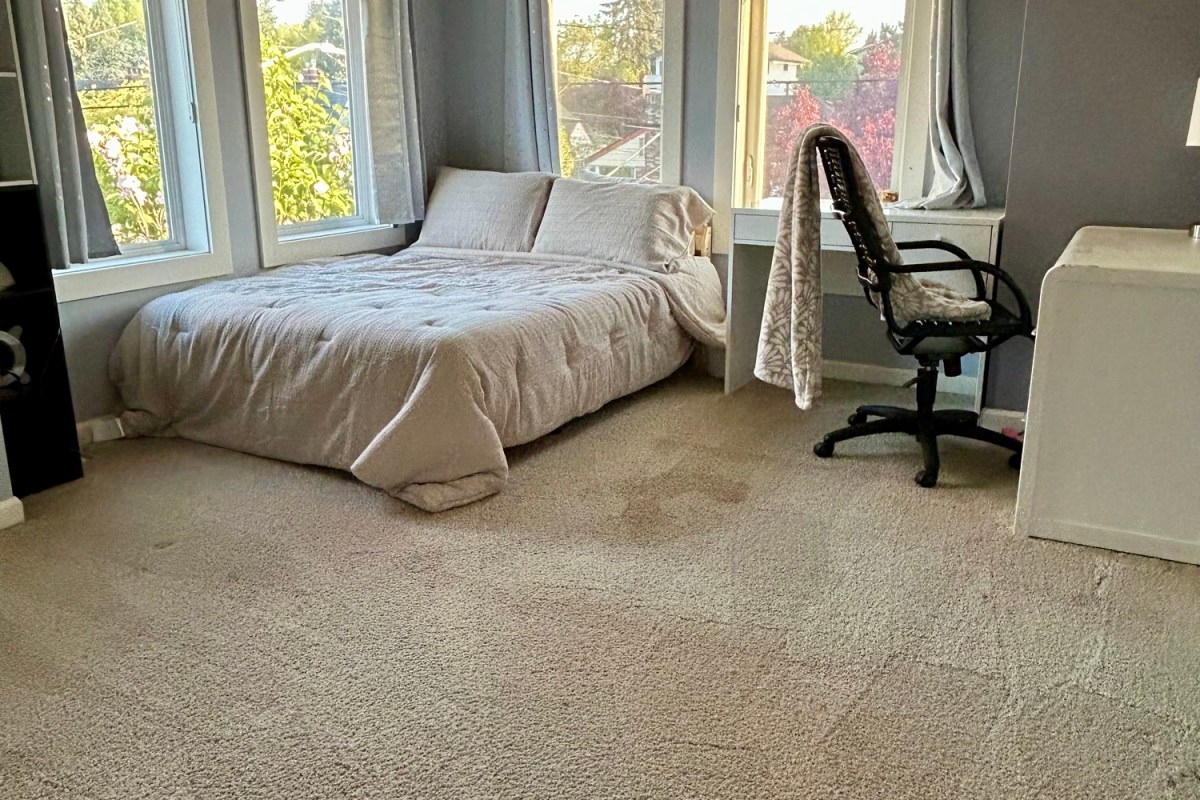
(featured photo is one of our bedrooms after an extensive decluttering!)

Quote is from EnlightenedMind622

You can find me on LinkedIn: https://www.linkedin.com/in/wynneleon/ and Instagram @wynneleon

Please check out the The Life of Try podcast Where trying becomes the spark for personal growth, discovery, and re-invention!

The Power of Small Wins

One of the secrets of a happy life is continuous small treats.” – Iris Murdoch

I learned this reflective practice from my meditation teacher, Deirdre: before stepping out of a space at the end of the day (the office, a studio, the kitchen), pause for a moment to think about what you did, who you saw, any breakthroughs (or breakdowns, for that matter) you had. It’s a chance to absorb the day before you turn out the lights and leave.

I’m not very consistent in remembering to do this practice. But when I do, I find that it helps me to savor the day as well as to honor the small steps that mark progress. It counterbalances my inclination to be focused on the next thing and helps to answer a question that I struggle with: when should we celebrate progress—only at the finish line, or all along the way?

In this episode of The Life of Try, I explore the power of small wins, tiny habits, and incremental progress. Drawing from a personal story about preparing my home for an Airbnb experiment during the World Cup in Seattle, I reflect on what it means to keep going when growth is messy, nonlinear, and full of setbacks.

I offer some insights from Director of Stanford’s Behavior Design Lab, BJ Fogg, PhD, plus the long-term philosophy of Toyota’s Kaizen culture, where small daily improvements add up over time, and the practical courage found in the checklist mindset associated with Captain Sullenberger.

This episode is about personal growth, habit formation, celebrating small victories, and learning to recognize that progress doesn’t have to be dramatic to matter.

Here are some takeaways:

  • Why celebrating small wins can help you stay motivated even when progress feels slow or messy
  • How BJ Fogg’s Tiny Habits approach shows that tiny celebrations can reinforce lasting behavior change
  • What Toyota’s Kaizen philosophy teaches about the long-term power of small, consistent improvements
  • How checklists and small-step courage can help you keep going when you feel overwhelmed or stuck
  • Why growth often looks nonlinear, and how to recognize progress before the final result arrives
  • How honoring effort along the way can help you build resilience, confidence, and momentum

If you’ve ever felt stuck, overlooked your own progress, or wondered whether the little steps count, this episode will remind you that they do. Small wins matter. Tiny steps matter. And trying counts, even before the big outcome arrives.

Here are some other ways you can listen and watch this episode:

When should we celebrate progress—only at the finish line, or all along the way?In this episode of The Life of Try, Wynne Leon explores the power of small wins, tiny habits, and incremental progress. Drawing from a personal story about preparing her home for an Airbnb experiment during the World Cup in Seattle, Wynne reflects on what it means to keep going when growth is messy, nonlinear, and full of setbacks.Along the way, she connects insights from BJ Fogg, creator of Tiny Habits and director of Stanford’s Behavior Design Lab, with the long-term philosophy of Toyota’s Kaizen culture, where small daily improvements add up over time, and the practical courage found in the checklist mindset associated with Captain Sullenberger. This episode is about personal growth, habit formation, celebrating small victories, and learning to recognize that progress doesn’t have to be dramatic to matter.In this episode, we discuss: → Why celebrating small wins can help you stay motivated even when progress feels slow or messy → How BJ Fogg’s Tiny Habits approach shows that tiny celebrations can reinforce lasting behavior change → What Toyota’s Kaizen philosophy teaches about the long-term power of small, consistent improvements → How checklists and small-step courage can help you keep going when you feel overwhelmed or stuck → Why growth often looks nonlinear, and how to recognize progress before the final result arrives → How honoring effort along the way can help you build resilience, confidence, and momentum If you’ve ever felt stuck, overlooked your own progress, or wondered whether the little steps count, this conversation will remind you that they do. Small wins matter. Tiny steps matter. And trying counts, even before the big outcome arrives.🌍 Show notes and more inspiration: https://wynneleon.com🔔 Subscribe for more: Subscribe to The Life of Try for more conversations on: personal growth, creativity, reinvention, resilience, writing, and mindset.ABOUT ME: Hi, I’m Wynne Leon — host of The Life of Try, a personal growth and self-improvement podcast exploring resilience, reinvention, uncertainty, and the courage to keep trying. Through thoughtful interviews, reflective conversations, and real-life stories, I share insights to help you navigate change, get unstuck, and move forward with more intention.🌍 Website: https://wynneleon.com━━━━━━━━━━━━━━━🎥 Watch Next➡️ Letting Go Of Outcomes: The Mindset That Keeps You Moving➡️ 48: How to Get Unstuck: Michael Yang on Saying Yes, Resilience and Coming Alive➡️ How to Reclaim Fun in Adult Life | Mike Rucker, PhD, on Joy, Burnout and the Fun Habit🔗 CONNECT WITH ME:• Website:→ https://wynneleon.com/• Instagram:→ https://www.instagram.com/wynneleon/• Facebook:→ https://www.facebook.com/wynne.leon/
  1. How to Celebrate the Try
  2. How to Reclaim Fun in Adult Life; Michael Rucker, PhD on Joy, Burnout, and The Fun Habit
  3. Reinvention, Resilience and The Courage to Try| Lindsey Goldstein on Gap Year
  4. 51: Letting Go of Outcomes: The Mindset That Keeps You Moving
  5. 50: How to Write the Book You've Been Meaning to Write | Dr. Victoria Atkinson (Slivers)

Links for this episode:

Tiny Habits by BJ Fogg, PhD on Amazon

The Tiny Habits Toolkit from BJ Fogg, PhD

How I recovered from a bout of anxiety-induced paralysis by Dan Harris

Other Episodes you Might Enjoy:

➡️⁠ Letting Go Of Outcomes: The Mindset That Keeps You Moving⁠

➡️ 4⁠8: How to Get Unstuck: Michael Yang on Saying Yes, Resilience and Coming Alive⁠

➡️ ⁠How to Reclaim Fun in Adult Life | Mike Rucker, PhD, on Joy, Burnout and the Fun Habit⁠

(featured photo from Pexels)

Automatic Rules

“We are what we repeatedly do. Excellence, therefore, is not an act but a habit.” – Aristotle

I’ve been thinking about my rules for life. Inspired by a Ten Percent Happier podcast where host Dan Harris interviews blogger and author, Shane Parrish, about making good decisions, I’ve been reviewing the rules that serve me and the ones I need.

Shane described these automatic rules as the ones that can help us overcome a particular inertia or tendency. His example came from a time he was hanging out with Daniel Kahneman (author of Thinking Fast and Slow) and heard Daniel say to someone on the phone, “My rule is to never say ‘yes’ on the phone.

When Daniel ended the call, Shane asked him to say more about the rule. He explained that his inclination to want to be a nice guy was leading him to say “yes” to things that he really didn’t want to do. So he implemented a rule.

Isn’t that a fascinating example? It made me think of turn-around time on mountains. When we head for the summit knowing that we will turn around at 2pm (or whatever the cut-off is), it helps to curb the bad decisions that come with fatigue and ambition (e.g. but we’re so close, how about a half an hour more?). It brings to mind the story of Rob Hall, a guide on Mt. Everest, who died trying to get a client to the top after they ignored the turn-around time.

I have some rules that were instilled from growing up, they are way less dramatic:

  • Do your chores first thing before you go out to play
  • If something needs to be done, start right away
  • Say what you’ll do and do what you say

And the rules that I’ve added over time:

  • I get up early every morning to meditate and write (this keeps me from wondering if I should sleep in or get up)
  • I don’t read emails after 9pm (this makes for way better sleep)
  • I turn off all phone notifications after 9:30pm (so I actually get to bed)
  • Say “yes” when my kids ask me to play with them anytime I can

And the ones that I need:

  • Don’t buy Halloween candy before the day of or at the very most the couple of days before (the train has left the station this year but I’m going to try to remember it for next)
  • Have a hard cut-off of my writing time at 6:40am, even if I’m mid-sentence, so I can wake the kids on time. (I have been fudging this and then we all end up late)

Shane got his start as a blogger when he was working for an US intelligence agency in the wake of 9/11. Not only do I like his suggestions for reviewing the automatic rules to curb impulses, but I also like to believe that people like him are making good decisions behind the scenes in the country.

Oh, and one more rule I have for Fridays – listening to the Sharing the Heart of the Matter podcast on Amazon Music, Apple Podcasts, Spotify, or Pocket Casts. This week’s episode is Episode 41: Enter if you Dare with Mark Petruska

(featured photo from Pexels)

Sweet Tooth

It’s not the mountain we conquer, but ourselves.” – Edmund Hillary

My math brain likes to discern patterns. If you call me out of the blue at 4pm on Monday and then do it more than once, I’ll jump to wondering what you are doing Mondays at 3pm that makes you think of me.

The patterns that interest me most are the ones that take me a long time to pick up on. Here’s one.

I have a sweet tooth. Like a big sweet tooth. More than one – actually, a whole mouthful. I’ve frequently argued with it, sometimes ignored it, but very rarely analyzed it.

My dad had a big sweet tooth as well. Are these kinds of things inherited?

But recently I was describing my sweet tooth to someone as something that starts with Halloween, carries through the holidays, and best case, abates sometime around Memorial Day.

When I started stashing those mini candy bars in my pantry again, I chalked it up to the pre-Halloween availability of those bite size snacks. Besides, I’m especially busy, so it’s just part of keeping up the quick energy to get everything done, right?

And then my recent description of my sweet tooth jiggled something loose. The memory that last year my reason was that it was because I was traveling for work. And the year before that? I don’t know – probably post-pandemic back to in-person school or something.

The point being – I have a new reason every year. If I look at the pattern, it starts with fall. I start feeling like sleeping more with the earlier sunsets and crisper evenings. And it’s a little harder to get up at 5am in these cold, dark mornings. I’m looking for the natural summer productivity that I get here in Seattle with the 16 hours days, to be all year round. When my body tries to pick up the seasonal cues to slow down, I jack it up on sugar.

You know what? I bet my dad did that to a degree too. He also had a problem slowing down, being anything less than on-the-go. So is it inherited? Well, maybe it is. The go-go pattern not the sweet tooth. Not that I’m ruling that out either.

Now that I see it, I wonder if this is a pattern I want to pass on. Isn’t that a funny thing about families? Sometimes it’s hardest to see the patterns closest to us.

For a related post about change in energy, please see my Heart of the Matter post Department of Low Energy.

Interrupting the Pattern

All big things come from small beginnings. The seed of every habit is a single, tiny decision.” – James Clear

When my kids and I went on vacation a couple of weeks ago, Mr. D and Miss O had a room together with bunk beds. Little D was on the bottom and Miss O on top. Apparently every night D would wake up and not be able to find his favorite stuffy and wake his sister saying, “Lala, I can’t find real Bun Bun.”

Mis O would climb down the ladder and help him find his stuffy. This went on all week without me knowing because I think Miss O liked having older sister duties and being helpful.

But when we returned home and Mr. D was in his bedroom, all of a sudden I heard him calling out in the middle of the night, “I can’t find real Bun Bun.” I’d go in and groggily help him find where the little bunny was. Since sleep is critical to our household being able to function, I was not delighted by this new little touch point in the middle of the night.

It was by accident that one night we turned on the little fairy lights in Mr. D’s room. They added a little light and sparkle to a room that is pretty dark because of the heavy curtains necessary when we have our 16 hours of light summer days.

Mr. D didn’t call out the night the fairy lights were on. Once I figured that out, I’ve turned them on every night since and it interrupted the calling out.

This makes me think about how we create new habits. We think a lot about forming good habits – working out, eating healthier, starting a meditation practice. But there’s also a lot to be starting about not forming bad habits – thinking poorly of ourselves, deciding we need an extra cookie at the morning break, falling asleep in the downstairs chair.

As James Clear says in his book Atomic Habits, “The task of breaking a bad habit is like uprooting a powerful oak within us.” It seems so easy to observe new habits in my young children because they are so fresh from the source and they’re malleable. But what if we can also be intentional to stop patterns from grooving in? Maybe we just need to shine a little light on it.

What has helped you keep good habits or stop bad habits?

(featured photo from Pexels)