How to Share the Next Generation

Things are always in transition. Nothing ever sums itself up the way we dream about.” – Pema Chodron

I had this quirky social anxiety when I started the fertility process to have my kids via in vitro fertilization (IVF). It seems so silly now. But at the time I kept thinking that because I was in the process of trying to have kids as a single parent that everyone would know that I was the one who wanted kids. Yep, that was going to be obvious. 🙂

It’s hard to say why that seemed important to me at the time – there is lot to unpack when it comes to family and gender expectations. And perhaps parents who get pregnant the traditional way have the same feeling of vulnerability. It’s hard to know because often family planning is done behind closed doors.

It’s one of the many reasons that I love Mari Sarkisian Wyatt’s book, Saving the Fourth Generation and our conversation on the How To Share podcast. She magically, with self-awareness and dark humor, puts words to the complexity of the IVF process and what it’s like to have goals and obsessions for which it’s worth suffering the ups and downs, grief and miracles.

Mari and I talk about the different types of goals we have as we go through life and her Armenian grandmother’s wisdom about what it takes to make them happen.

There’s so much legacy in Mari’s story because her quest is in many ways a response to the shattering trauma that came from both of her grandparents’ families being decimated in the Armenian massacre of 1915.

We talk about Mari’s way forward as the sole child of her generation to have kids. She tells us how she navigated both the price and process of IVF. Her story is heartbreaking, miraculous and completely gripping.

We talk about her advocacy for her autistic son and how writing about her IVF process, 20 years after the fact provided some healing and delight in the miracle of family.

Mari’s story involves a lawsuit so in accordance with the settlement she’s not on screen for this episode. Nonetheless, Mari is entrancing as she shares the power of her journey and the warmth of her voice.

I know you’ll love it.

Takeaways

  • This is the story of what women and their partners are willing to go through to have babies by IVF at the turn of the 21st century.
  • Mari’s quest quickly became an obsession and she notes obsessions can hurt the people you love.
  • Mari says if you just keep working toward your goal one step at a time, you might just succeed. Hopefully your family will forgive you.
  • Writing this book nearly 25 years after her IVF journey has been healing for Mari and her family.
  • The message is about resilience, personal growth, and the beauty of ordinary days.

Here’s a clip from Mari talking about her incredible book, Saving the Fourth Generation:

Here are some ways you can watch this amazing and thoughtful episode:

Please listen, watch, provide feedback and subscribe.

How to Share Our Luck with Gil Gillenwater How To Share

In this enlightening conversation, Gil Gillenwater is with host Wynne Leon and shares his experiences and insights from over 35 years of philanthropic work along the US-Mexico border. He discusses his book, 'Hope on the Border,' which highlights the transformative power of education and community service. Gil emphasizes the importance of enlightened self-interest over traditional charity, advocating for a model that empowers individuals and fosters dignity. He explores the duality of poverty, the need for sustainable opportunities, and the joy found in serving others, ultimately presenting a vision for a more connected and compassionate world.TakeawaysEducation is the key to breaking the cycle of poverty.Enlightened self-interest can lead to personal and communal growth.Charity should not be viewed as a sacrifice but as a mutual benefit.Volunteering provides a sense of purpose and fulfillment.Welfare can disempower individuals and communities.Community service fosters connections and shared humanity.The disparity in wealth is a significant issue that needs addressing.Experiencing poverty firsthand can change perspectives.Creating opportunities in one's home country can reduce migration.The joy of service is a pathway to personal happiness.Links for this episode:How to Share homeHope on the Border at AmazonGil's organization: Rancho FelizGil Gillenwater on FacebookWynne’s book about her beloved father: Finding My Father’s Faith; Blog: https://wynneleon.com/; Substack: https://wynneleon930758.substack.com/
  1. How to Share Our Luck with Gil Gillenwater
  2. How to Share 1970's Chicago with Doug. E. Jones
  3. How to Share Feedback with Dr. Vicki Atkinson
  4. How to Share the Next Generation with Mari Sarkisian Wyatt
  5. How to Share Impactfully with Social Media Friends with Amy Weinland Daughters

Links for this post:

How to Share the Next Generation transcript

Saving the Fourth Generation from Delphinium Press and on Barnes & Noble and Amazon

(featured photo from Pexels)
How to Share Resilience

Tell me facts, and I’ll learn. Tell me truth, and I’ll believe you. But tell me a story and it will live in my heart forever.” – Native American Proverb

I’m always amazed at how much hearing someone’s story impacts me. For instance, I published a post on Monday about how I had to evacuate files from my laptop when it started having a power problem.

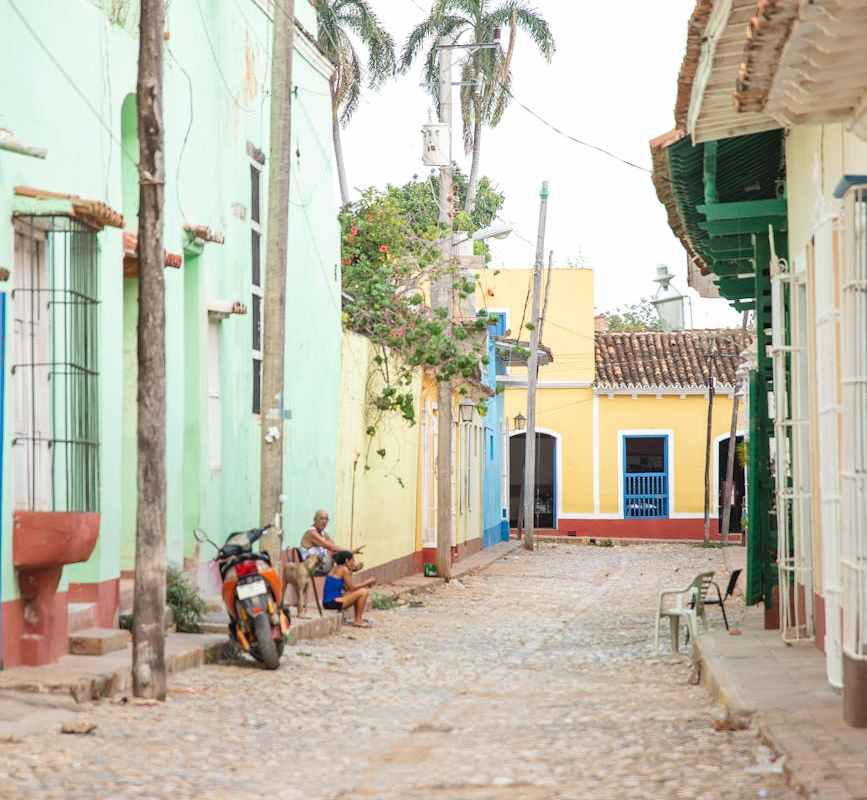
It wasn’t until I produced this latest episode of the How to Share podcast with author Ana Hebra Flaster that I realized the connection. In her book Property of the Revolution: From a Cuban Barrio to a New Hampshire Mill Town, Ana tells the story how her family left Cuba in 1967 when she was six-years-old. They had to declare themselves enemies of the revolution so that once their exit papers arrived, they were escorted out of the house, it was sealed, and she and her family had 48-hours to say goodbye to family and friends.

In another great example of how powerful a story well-told is, the imagery of having to leave everything behind was still with me a week later when I had my laptop problem. Rightly so because Ana and I had a fantastic conversation about her memoir in this episode, How to Share Resilience with Ana Hebra Flaster. It’s an incredible memoir of the immigrant story with so much heart and courage.

Ana tells us the story of leaving how her family left Cuba with nothing of value as demanded by the Castro government. But they couldn’t contain the spirit and grit of those that left. Ana tells the story of how her mom stood up for an employee working for her and how that reflected the ethos of the Havana barrio from where she came.

We discuss Ana’s aunt’s determination to take her teaching degree with her to America even though it was forbidden by the Cuban government and her family disagreed. Ana explains why this was important enough to disregard the rules.

We talk about Ana’s childhood tolerance of “Cubanosity” as she coined the term and the struggle to both be rooted in her heritage but also be free of it as she came of age.

Ana tells us what writing a memoir has sparked in other immigrants and families she’s talked with after publication. How the thread of one experience touches so many. Ana reminds us to find our viejos (old people) and ask them questions.

Ana introduced me to the phrase, ponte guapa – make yourself brave. She exhibits that courage in writing a book that not only captures her family’s story but also speaks to all of us digging deep to know where we came from and how we fit in.

This is a great book and a fantastic conversation. I know you’ll love it!

Takeaways

  • Ana’s memoir captures the immigrant experience with heart and courage.
  • The importance of family and community in overcoming adversity.
  • Writing can spark reflection and connection among immigrants.
  • The phrase ‘Ponte Guapa’ encourages bravery in facing life’s challenges.
  • Stories of powerful women in Ana’s family exemplify resilience.
  • Trauma can lead to deeper understanding and appreciation of one’s roots.
  • Engaging with one’s heritage can foster healing and connection.
  • The act of storytelling is vital for preserving history and identity.

Here’s a great clip of Ana talking about her book and the incredible stories of bravery from her family:

Here are some ways you can watch the full episode:

Please listen, watch, provide feedback and subscribe.

How to Share Our Luck with Gil Gillenwater How To Share

In this enlightening conversation, Gil Gillenwater is with host Wynne Leon and shares his experiences and insights from over 35 years of philanthropic work along the US-Mexico border. He discusses his book, 'Hope on the Border,' which highlights the transformative power of education and community service. Gil emphasizes the importance of enlightened self-interest over traditional charity, advocating for a model that empowers individuals and fosters dignity. He explores the duality of poverty, the need for sustainable opportunities, and the joy found in serving others, ultimately presenting a vision for a more connected and compassionate world.TakeawaysEducation is the key to breaking the cycle of poverty.Enlightened self-interest can lead to personal and communal growth.Charity should not be viewed as a sacrifice but as a mutual benefit.Volunteering provides a sense of purpose and fulfillment.Welfare can disempower individuals and communities.Community service fosters connections and shared humanity.The disparity in wealth is a significant issue that needs addressing.Experiencing poverty firsthand can change perspectives.Creating opportunities in one's home country can reduce migration.The joy of service is a pathway to personal happiness.Links for this episode:How to Share homeHope on the Border at AmazonGil's organization: Rancho FelizGil Gillenwater on FacebookWynne’s book about her beloved father: Finding My Father’s Faith; Blog: https://wynneleon.com/; Substack: https://wynneleon930758.substack.com/
  1. How to Share Our Luck with Gil Gillenwater
  2. How to Share 1970's Chicago with Doug. E. Jones
  3. How to Share Feedback with Dr. Vicki Atkinson
  4. How to Share the Next Generation with Mari Sarkisian Wyatt
  5. How to Share Impactfully with Social Media Friends with Amy Weinland Daughters

Links for this episode:

How to Share Resilience with Ana Hebra Flaster transcript

Ana’s website: https://anacubana.com/

Property of the Revolution on Barnes & Noble and Amazon

(featured photo from Pexels)
When You Fall On Your Face

Our greatest glory is not in never falling, but in rising every time we fall.” – Confucius

This isn’t a story about me falling on my face (although I have plenty of those stories) but a recent incident when my 6-year-old son, Mr. D, fell on his. Although I’m sure I echo the sentiments of many parents when I say I’d happily take my kids’ falls for them if I could.

It happened when we were playing Little League summer ball. Ten-year-old Miss O was able to play on the team too and it was an informal sandlot team that would divide into two teams and scrimmage with whoever showed up.

There was one difference between summer ball and the first season of baseball that Mr. D played – they played outs. If someone got the ball and forced an out or tagged an out, the player would go back to the dugout.

But in this hodgepodge of rules, the teams still batted everyone in their lineup each turn at bat. The last person at bat was the “homerun hitter” meaning they and anyone else who was on base would run home.

On the last inning of a scrimmage one night in July, Mr. D was the homerun hitter. He hit the ball squarely. But by the time he’d gotten to third base and was rounding to home, the other team had gotten the ball. All the players on the other team were chasing him down the third base line. It was only about five of them but it still felt like a terrifying and mad pursuit. That’s when he fell on his face.

He was furious! His sister tried to give him a hand up and he slapped it away. So she was furious because he’d refused her help. I tried to help too but he was inconsolable. Since he was the last hitter of the last inning of the game we managed to get to the car and leave but not before everyone was well aware of our upset.

On the way home, we talked about how sports makes us want to try and how it hurts when we don’t make the play. But the tradeoff is not trying at all. Actually, Miss O and I talked about that, Mr. D said very little.

At bedtime, Mr. D went to get his journal and wrote the very first thing he’s ever written in it. He asked me, “Mom, how do you spell ‘Slide like this?’

The next morning he told me he wouldn’t be able to go to camp because he was still thinking about the baseball thing. I responded that he’d probably think about the baseball thing all day and it would be more tolerable at camp when he was busy than at home when he was not. He finally agreed to go to camp.

When we picked up the boys we were carpooling to camp with, he said to them, “I have to tell you a baseball story. It’s not good.” I was astounded. He’s not nearly as verbose as his sister.

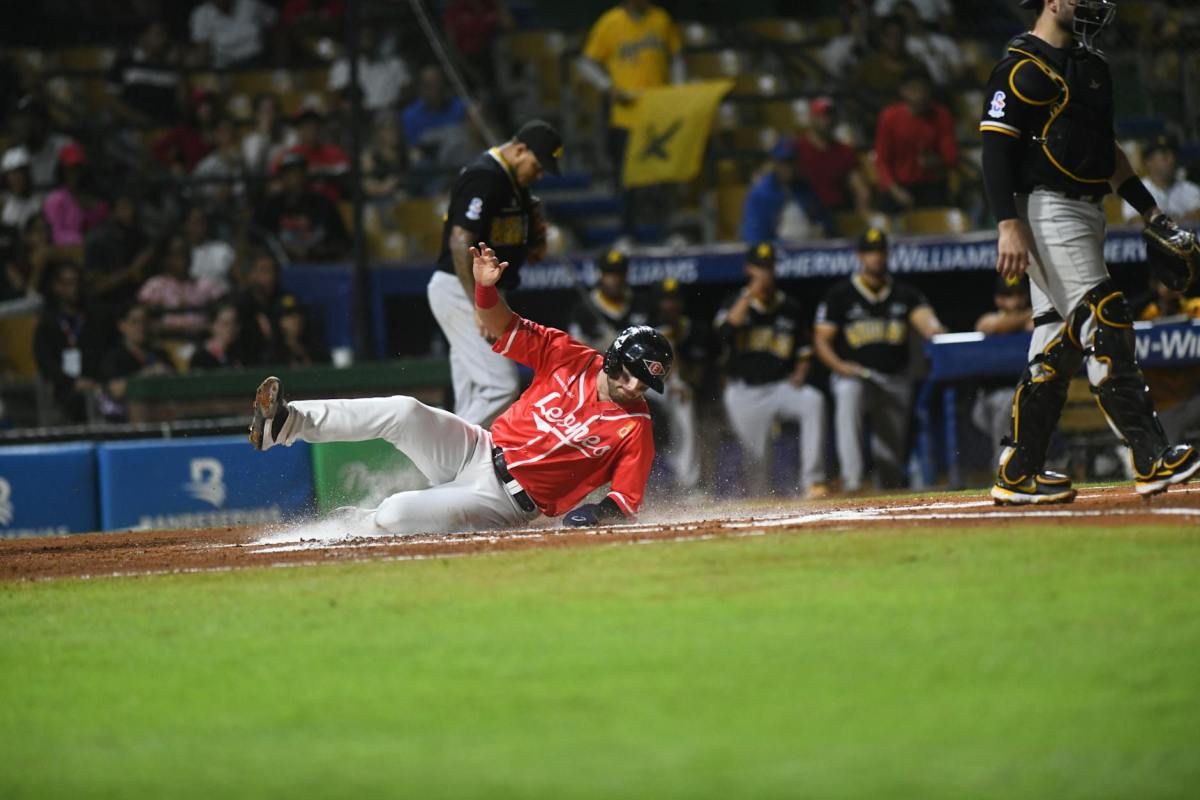
It was only when he told the story to them that I understood that he didn’t fall on his face – he was trying to slide. But he’d never tried it before and didn’t know that you can’t slide from halfway down the base line. Or maybe you can – but it takes a lot more practice.

So, he fell on his face. He wrote about it. He told others about it. And once he did, seemed to be over it.

Here’s my takeaway. Sometimes we try new things and it doesn’t go well. It hurts like hell but you recover more quickly when you share.

(featured photo from Pexels)

You can find me on LinkedIn: https://www.linkedin.com/in/wynneleon/ and Instagram @wynneleon

I host the How to Share podcast, a podcast about collaboration – in our families, friendships, at work and in the world.

I also co-host the Sharing the Heart of the Matter podcast, an author, creator and storytelling podcast with the amazing Vicki Atkinson.

Recycling and Enlightenment

Do the best you can until you know better. Then, when you know better, do better.” – Maya Angelou

Seattle has great recycling. I know that’s probably not on the list of things that makes you want to come visit but I think it’s pretty cool. We don’t have to sort things into separate bins for aluminum, plastic and cardboard anymore and it’s free.

Also in 2015, Seattle declared that food waste was no longer okay to put in the garbage. They improved the composting capabilities so that food waste can be put in our yard waste bins for weekly curbside pickup service. The estimate was that a third of food in America is thrown away. When put in garbage, it rots and produces methane but if composted, it can become rich material to facilitate growth.

Here’s the complication – it makes it awkward when we travel. We’ve been on Whidbey Island for a week. One of my favorite places in the world. But they don’t have composting and they don’t pick up recycling.

To be fair, there are big garbage dumpsters at the place we are staying so there’s plenty of space to just throw everything in to go out with the garbage service. Except that I can’t do it – and none of my Seattle friends can either. We make our little piles of recyclables and create schemes to haul them away.

I find this incredibly hopeful. Just like the Maya Angelou quote for this post. Because as we up our game, whether it be in how we dispose of things, or our relationships to others and the world, it becomes very hard to go back.

Isn’t it interesting that when you stumble on enlightenment, that you can’t unsee it? Perhaps this is a stretch but I’m recycling the analogy – it’s kinda like self-awareness. Once I notice that I see something through a lens of fear, greed, or selfishness, it’s harder to maintain that lens.

It means that when we know better, we do better. Also, that progress can be sticky and have an impact. We just need to keep upping the game.

(featured photo from Pexels)

You can find me on LinkedIn: https://www.linkedin.com/in/wynneleon/ and Instagram @wynneleon

I host the How to Share podcast, a podcast about collaboration – in our families, friendships, at work and in the world.

I also co-host the Sharing the Heart of the Matter podcast, an author, creator and storytelling podcast with the amazing Vicki Atkinson.

How To Share Optimism

“Light and shadow are opposite sides of the same coin. We can illuminate our paths or darken our way. It is a matter of choice.” – Maya Angelou

You know the skit about positivity? It goes something like this:

Johnny: “We have to drive three hours to have lunch with relatives I’ve never met? This is going to suck!”

Mom: “Johnny, you haven’t even met these people. You need to be more positive.”

Johnny: “I’m positive this is going to suck.”

I’m a congenital optimist. It’s taken me decades to understand my own filter and figure out how it effects others. As a parent, an entrepreneur and as a leader, I’ve come to see that optimism can be helpful when encouraging others, but it has to be tempered with genuinely acknowledging the ups and downs. In the end, I see optimism more as fuel to keep trying than an expectation about an outcome.

Which aligns with the How to Share podcast conversation I had with the incredible author and blogger Mark Petruska. He also is an inveterate optimist and together we explore the concept of optimism, discussing its definition, the importance of timing when sharing optimistic views, and the audience’s receptiveness to such messages.

We delve into the relationship between optimism and empathy, the balance between optimism and realism, and the idea that optimism can be cultivated as a skill. Our conversation emphasizes the significance of understanding individual circumstances and the stages of acceptance and grief when offering encouragement.

How To Share Optimism Takeaways

  • Optimism is defined as a favorable view of the future.
  • Timing is crucial when sharing optimism, especially during difficult times.
  • People may not be receptive to optimism until they reach acceptance
  • Empathy plays a significant role in how we share optimism.
  • Optimists may live longer due to lower stress levels.
  • Optimism can be cultivated and strengthened like a muscle.
  • It’s important to balance optimism with humility and realism.
  • Sharing personal experiences can enhance the impact of optimistic messages.
  • Understanding your audience is key to effectively sharing optimism.

This is a great episode that will get you thinking about the lens you look through – and how to share it with others. I’m optimistic that you’ll love it.

Here’s a sneak peek of the great conversation with the amazing Mark Petruska:

Here are some ways you can listen and watch to the full episode:

Please listen, watch, provide feedback and subscribe.

How to Share Our Luck with Gil Gillenwater How To Share

In this enlightening conversation, Gil Gillenwater is with host Wynne Leon and shares his experiences and insights from over 35 years of philanthropic work along the US-Mexico border. He discusses his book, 'Hope on the Border,' which highlights the transformative power of education and community service. Gil emphasizes the importance of enlightened self-interest over traditional charity, advocating for a model that empowers individuals and fosters dignity. He explores the duality of poverty, the need for sustainable opportunities, and the joy found in serving others, ultimately presenting a vision for a more connected and compassionate world.TakeawaysEducation is the key to breaking the cycle of poverty.Enlightened self-interest can lead to personal and communal growth.Charity should not be viewed as a sacrifice but as a mutual benefit.Volunteering provides a sense of purpose and fulfillment.Welfare can disempower individuals and communities.Community service fosters connections and shared humanity.The disparity in wealth is a significant issue that needs addressing.Experiencing poverty firsthand can change perspectives.Creating opportunities in one's home country can reduce migration.The joy of service is a pathway to personal happiness.Links for this episode:How to Share homeHope on the Border at AmazonGil's organization: Rancho FelizGil Gillenwater on FacebookWynne’s book about her beloved father: Finding My Father’s Faith; Blog: https://wynneleon.com/; Substack: https://wynneleon930758.substack.com/
  1. How to Share Our Luck with Gil Gillenwater
  2. How to Share 1970's Chicago with Doug. E. Jones
  3. How to Share Feedback with Dr. Vicki Atkinson
  4. How to Share the Next Generation with Mari Sarkisian Wyatt
  5. How to Share Impactfully with Social Media Friends with Amy Weinland Daughters

Links for How To Share Optimism podcast episode:

Storyteller and writer Mark Petruska

Is Optimism Something We’re Born With? | Psychology Today

Hope and Optimism as an Opportunity to Improve the “Positive Mental Health” Demand – PMC

The Difference Between Hopeful Optimism and Toxic Positivity | Psychology Today

(featured photo from Pexels)

Body, Mind & Spirit Connection

Good health is not something we can buy. However, it can be an extremely valuable savings account.” – Anne Wilson Schaef

I spent the last four days on the dark side. It started about 10 days ago when my nine-year-old daughter got sick. And then my five-year-old son and I succumbed a week later. Nausea, congestion, achy joints, headache, low energy – the works.

As much as I hate being sick, it always reminds me of how integrated mind, body, and spirit are. When something interferes with my usual blend of energy, optimism and faith, I get a glimpse of the flip side of fatigue, doubt, and cynicism. The foundation of what I believe to be so solid all of a sudden is revealed as a glass floor.

In the fifteen years before he retired, my dad was a pastor of a church in an affluent community. He remarked that it was hard for people who were so successful to see their spiritual needs. Flipping through some of his sermons from that era, that theme emerges again and again. When we are doing well, do we remember to tend to the beliefs and practices that see us through tough times?

It reminds me of people who are hard to help. You know the ones in your life that always have a plan and so much self-sufficiency that they never need a favor? I don’t have to look far because I’ve just described my family, myself included. If people are out of reach for human assistance, is it hard for God to help them too?

At least when I was sick and didn’t feel like eating, I had plenty of food for thought.

(featured photo from Pexels)

You can find me on LinkedIn: https://www.linkedin.com/in/wynneleon/ and Instagram @wynneleon

I co-host a author, creator and storytelling podcast with the amazing Vicki Atkinson. To tune in, search for Sharing the Heart of the Matter on Spotify, Apple, Amazon Music or Pocketcasts (and subscribe) or click here. Or the YouTube channel features videos of our interviews. Please subscribe!

My other projects include work as a CEO (Chief Encouragement Officer), speaking about collaboration and AI through the Chicago Writer’s Association, and my book about my journey to find what fueled my dad’s indelible spark and twinkle can be found on Amazon: Finding My Father’s Faith.

Turning Distress into Action: Lessons from Failure

Failure is only an opportunity to begin again more intelligently.” – Henry Ford

My mom said our prayer before dinner on Monday night. One snippet resonated deeply with how I’ve been feeling when I listen to the news these days.

I don’t have her words exactly right but it was something like, “Dear Lord, helps us with the distressing current events.” Then she added something like, “Lord, we trust you are at work in the world. Please help us to see how.”

I’ve come to realize that political failure is a lot like personal and professional failure. There’s a period to grouse about it, at least for a bit. But mostly it’s an invitation to work hard to learn from it and use it as motivation for change.

I realize that when I feel in agreement with my local and national leaders, I’m not very involved in politics. But when I feel like the actions of our leaders are reckless, cruel, divisive, greedy, and/or misaligned with our values, I’m fired up to do something. Whether it’s being of service, contributing where’s there’s need, or reaching out to representatives, I’m far more willing to jump in.

I’m not a fan of failure – but I have to admit it’s a great motivator. I’d love for there to be an easy answer to my mom’s prayer but I suspect that getting involved is one component.

(featured photo from Pexels)

You can find me on Instagram @wynneleon and LinkedIn: https://www.linkedin.com/in/wynneleon/

I co-host a storytelling podcast featuring authors and artists with the amazing Vicki Atkinson. To tune in, search for Sharing the Heart of the Matter on Spotify, Apple, Amazon Music or Pocketcasts (and subscribe) or click here. Or the YouTube channel features videos of our interviews. Please subscribe!

My other projects include work as a CEO (Chief Encouragement Officer), speaking about creativity and AI through the Chicago Writer’s Association, and my book about my journey to find what fueled my dad’s indelible spark and twinkle can be found on Amazon: Finding My Father’s Faith.

A Story of Resilience, Love and Thriving

One day you will tell your story of how you overcame what you went through and it will be someone else’s survival guide.” -Brene Brown

One of the things that Vicki Atkinson and I hear from podcast guests is that we are warm and welcoming. A lovely thing to hear. But I’d flip that around and say that what makes it work is that our guests are open and courageous.

We met author, public speaker, and parental advocate Vickie Rubin through our mutual blog friend, Ab. I love that because they both have such genuineness. We get to see in action how they show up for life. Whether at home or in their roles as advocates, they come alongside others to see them and share stories that make everything a little clearer and brighter.

So in the latest episode (and last episode of 2024) of the Sharing the Heart of the Matter podcast, Vickie gives us the elevator pitch for her book, Raising Jess. She jokes that it’s long enough to require an elevator in the tallest building in Manhattan. Fitting, because there is so much goodness in her book about raising her child with a chromosome deletion: mother’s intuition, decisions about whether to have more children, the grandparent’s point of view, and more.

Vickie’s openness and support of others are so inspiring. In her work supporting other families trying to navigate the systems to get resources for their children and in Facebook communities, Vickie is a powerful parental resource and advocate. By telling her story, she continues to help others navigate their own challenges.

Vicki and I ask about what’s next for Vickie. She’s recently published an article in Newsweek and she tells us about the writing classes she taking.

This is a great episode that not only focuses on the resilience, love, and thriving of one family but also inspires the same in everyone who listens. When we share our stories, we empower others and Vickie illustrates this so well.

I’m confident you’ll love the scenic and beautiful places we explore as we share the power of storytelling – in our books, our podcasts, and our lives.

We know you’ll love it!

Search (and subscribe!) for Sharing the Heart of the Matter on Apple, Amazon, Spotify or Pocket Casts OR Listen to it from your computer on Anchor: Episode 97: Raising Jess with Vickie Rubin

Episode 97 transcript

AND subscribe to our YouTube channel to see a video clip of each story: @SharingtheHeartoftheMatter.

Links for this Episode:

Vickie Rubin | Author & Advocate | Special Needs Parenting
Thankful for Superhero Healthcare Folks: Bones, Scopes & Hopes
Newsweek Article: Mom’s Diagnosis Was Crushing Enough, Then She Gave Me an Ominous Warning

From the hosts:

Vicki’s book about resilience and love: Surviving Sue; Blog: https://victoriaponders.com/

My book about my beloved father: Finding My Father’s Faith

(featured photo from Pexels, quote from Finding My Way to Forgiveness by Vicki Atkinson)

Resilience and The Right Team

Children, marriages, and flower gardens reflect the kind of care that they get.” – H. Jackson Brown Jr.

I know it’s bad form to brag about your kids. So I’ll ask for your apology in advance. I want to set the expectations appropriately, and then still do exactly what I want to do. Because I was so inspired by my four-year-old that it seems worth passing along.

Two days ago, I saw my son, Mr. D, pull off an incredible feat of resilience. He went to an Aikido class expecting that he could test for his yellow belt. Not only did he expect this, but he’d told his teachers at school, and we’d gotten my mom to come to the class to watch. Plus his favorite person on the planet, his darling older sister, would be there.

But when he did his practice test, he screwed up the forward rolls. The Sensei is a very good teacher and won’t let anyone take the test until they’ve got it down. So, she let him know before his class started that he wouldn’t be able to test that day.

He lined up for class with his bottom lip quivering and he kept glancing at me to commiserate his disappointment. The crestfallen look on his face was enough that I felt like crying myself. But about halfway through the 50-minute class, he took a deep breath in, squared his shoulders, and visibly moved on from the disappointment.

By the end of class, he was fully participating and laughing. When we went home, he kept practicing the move he messed up. He was still only landing on the correct foot about fifty percent of the time.

Then yesterday morning, he popped up out of bed and wanted to show me his rolls. He thought hard about it, and nailed it. After about a half dozen correct ones, he announced he was ready to test. When we went to Aikido class yesterday afternoon, he stepped up and nailed the test.

Expectation, disappointment, then coming back to earn it – kids do these things in such quick succession that they make it look easy. It makes me wonder if as grown-ups we remember these are part of a cycle. We just have to keep rolling to get through it.

One other thing strikes me. Kids have a whole network of people cheering them on. Teachers, coaches, parents, grandparents, and often even random bystanders will jump in to tell them they’re doing great.

Which makes me wonder if adults have the same. Are we cultivating the friends, partners, colleagues, and mentors that help us continue to be resilient? Are we being those people for others? It might make all the difference.

In Our Element

As far as we can discern, the sole purpose of human existence is to kindle a light in the darkness of mere being.” – Carl Jung

We rented an AirBnB over the weekend that touted bunk beds in the laundry room. Clearly the charm of this place lay in its location on a beach on Whidbey Island. And that it accepted dogs.

Mr. D has been calmed by water since day one. The babies that don’t like their first bath? Nope, not Mr. D. What did we do for at least an hour on his first day of daycare? Play in water.

I watched him this weekend pouring water with a clam shell for thirty minutes from one hole to another and then back. An incredibly long time for a four-year-old to stay with one focus. If it weren’t for the tide coming in, it looked like he would have done it for hours.

I wonder if we all have an element we are born with that calls to us. For Miss O, it seems to be singing. First mine and my mom’s, and now her own.

If given the option between beaches and mountains, I’d say “mountains.” One step onto a hiking trail and my stress level drops by five notches. Every step gives me further improvement in my mental health, resilience, and sense of humor.

But I’ve spent more time on these rugged beaches of the Pacific NW than mountains since I’ve had kids. And I’ve found the beaches remind me to breathe out all the stale air I hold in. Whether it’s because Mr. D has water and Miss O can sing by the campfire, or because I can walk along the sea and the surf, I’m not sure. Whatever it is, it works magic.

Who cares if the bunk beds are in the laundry room if the location puts us in our element?

(featured photo is mine – Mr. D by the sea)