The Long View of Life

A heart that loves is always young.” – Greek Proverb

My kids and I attended a memorial service for a 98-year-old friend, Jean, this past weekend. There is a lot of life to honor when someone lives that long.

It’s tempting to do it by what she did: she was a mother to four children, a member of her church for more than 70 years, she was an elementary school teacher, and when she retired from teaching, chose to work at the information booth at the local mall for more than 20 years.

Or by what she loved: she loved to play bridge and to cook. She cooked for the church youth group every week for 4 years and then published a cookbook of how to feed large groups.

But what struck me most was the quality of her relationships. She made friends wherever she went. In fact, I didn’t get to know her well until she was in her 90’s. Jean made the effort to reach out to me with little things she passed along from her family to my kids. I wrote a post about her in 2021 when she gave me a copy of the cookbook she published in the 1980’s. There was a woman at the service who had been a friend of Jean’s for 94 years.

But Jean’s life wasn’t just a walk in the park. Forty years ago, one of her daughters was murdered by a stalker when she was in her late 20’s. Going through that ordeal was when Jean got to know my dad so I know she forged relationships in good times and in bad.

Here’s what I loved about going to Jean’s service. It was a reminder to me that even when life seems complicated, messy and hard, we make it through because of the relationships we build. And it’s never too late.

(featured photo from Pexels)

You can find me on LinkedIn: https://www.linkedin.com/in/wynneleon/ and Instagram @wynneleon

Please check out the How to Share podcast, a podcast where guests share what they’ve lived and learned!

Even 10-year-olds Know Better

There is no better test of a man’s integrity than his behavior when he is wrong.” – Marvin Williams

About 10 days ago I was making breakfast for my family on a calm Saturday morning. The news was on in the background and Donald Trump was responding to the Supreme Court ruling about tariffs.

He started, “I am ashamed…”

And then ended the sentence, “…that a couple of members of the Supreme Court don’t have the courage….

I don’t recall saying anything. But the next thing I knew my 10-year-old daughter, Miss O, was standing on the couch with a pretend microphone in her hand offering an alternate response.

I apologize. It was my fault. How can I fix it?”

Miss O is not an expert in the workings of the three branches of the US government. But she does possess the emotional intelligence to know that people should take responsibility for their decisions and actions.

I suspect this US presidency resonates in a unique way for those of us who’ve had significant entanglements with a narcissist.

  • The chaos.
  • The willingness to say anything, believable or not, in order to shift the conversation.
  • The loyalty tests.
  • The genuine belief that they should not be held to the same standard of behavior as normal people.
  • The constant need for more recognition and validation.

Being around people who make up their own rules and then blame others when they lose is exhausting. Even 10-year-olds know better.

When I had a business partner who was a narcissist, I was forced to learn the difference between what I can control and what I can’t. The wisdom of Prentis Hemphill helped me cope, “Boundaries are the distance at which I can love you and me simultaneously.

Not only did I gain a lot of clarity about boundaries, but I also developed a deep appreciation for the people in my life who are trustworthy enough to hold close. I came through that period with a huge amount of gratitude for when life is calm.

There are enough tariffs being levied these days. So I try to remember not to let narcissists tax my energy more than necessary.

(featured photo from Pexels)

You can find me on LinkedIn: https://www.linkedin.com/in/wynneleon/ and Instagram @wynneleon

Please check out the How to Share podcast, a podcast where guests share what they’ve lived and learned!

How to Share A Return Home

The cave you fear to enter holds the treasure you seek.” – Joseph Campbell

I lived in the Philippines until I was almost seven-years-old. When I went back to visit with my family 22 years later, I was surprised that I could navigate a few streets near where we used to live. It was like a pull that oriented me to where I spent the first years of my life.

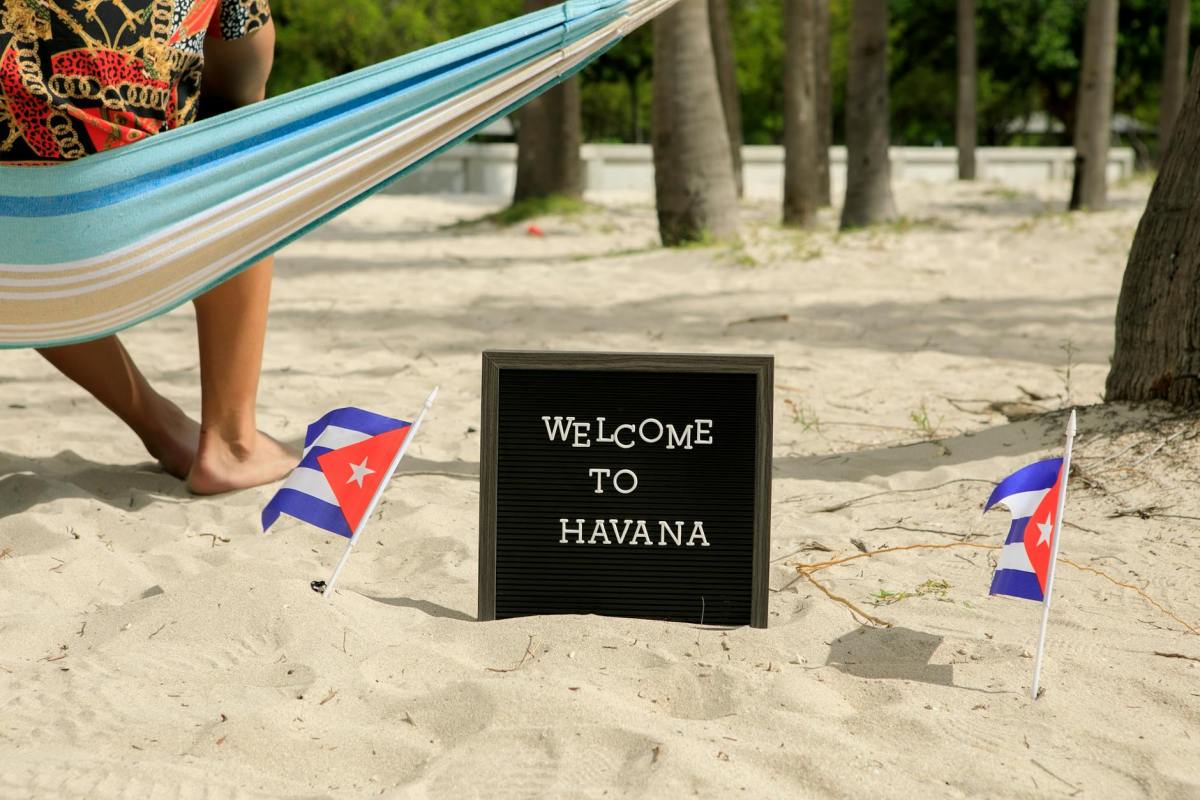
So I related to Mario Cartaya’s phrase of letting the subconscious guide when he shared his emotional journey back to Cuba after 56 years on the How to Share podcast. Mario has written a touching and insightful memoir about that trip, Journey Back Into the Vault.

Mario tells us how his family’s rushed departure from Cuba as a nine-year-old left him with a vault of childhood memories that he couldn’t unlock. Mario shares stories from his 1-week journey back to Cuba that helped him unlock the memories in that vault. We talk about how so many magical moments unfolded as he visited the scenes of his childhood.

We talk about the close-knit sense of community in Cuba. Mario tells us about the Cuban diaspora and how the pain of separation affects families on both sides.

Mario tells us about his current project chronicling the historic friendship that the US and Cuba once shared.

Mario is a wonderful guest who delivers a strong sense of hope for whatever divides us and a reminder that we can all work to find our own inner peace and deliver it to this world. I know you’ll love this episode and his book, Journey Back Into the Vault!

Key Themes:

  • Mario’s traumatic departure from Cuba in 1960
  • The vault of childhood memories and their significance
  • Revisiting childhood homes and places in Cuba
  • The impact of family separation and diaspora
  • The historic friendship between the US and Cuba from 1860-1960
  • Mario’s current project on US-Cuba relations

Check out this short clip of Mario’s deep and insightful elevator pitch for Journey Back Into the Vault:

Here are some ways you can watch or listen to all of this fascinating and compelling episode:

Please listen, watch, provide feedback and subscribe.
How to Share Advocacy with Sam Daley-Harris Part 2 How To Share

In this conversation, Sam Daley-Harris talks with Wynne Leon and Vicki Atkinson and unpacks how transformational advocacy fits alongside other forms of activism like protests, litigation, and voter mobilization—and why it can succeed even when Washington seems paralyzed by shutdowns and partisan conflict. Sam shares some concrete examples from global health and environmental advocacy, offer insight into how citizens are working to reverse damage and protect the most vulnerable, and—perhaps most importantly—explain how anyone can be effective, even with just five to fifteen minutes a day. If you’ve ever wondered whether your voice can really matter, this conversation offers both clarity and hope. And Sam offers to be a guide to help you connect to the issues that matter most for you. We love talking with Sam because he shares how to be effective and counter the effects of fear, cynicism and loneliness. We know you’ll love this conversation! Links for this episode:Transcript for How to Share Advocacy Part 2Sam's Sign-up Sheet for resources on how to get startedReclaiming Our Democracy websiteReclaiming Our Democracy: Every Citizen's Guide to Transformational Advocacy, 2024 Edition on Amazon
  1. How to Share Advocacy with Sam Daley-Harris Part 2
  2. What Do You Know To Be True?
  3. How to Share a Return Home with Mario Cartaya
  4. How to Share a Mission with Anthony Dyer
  5. How to Share Your Superpower with Roger Kastner

Links for this episode:

How to Share a Return Home Transcript

Journey Back Into the Vault on Barnes and Noble and Amazon

Mario Cartaya’s website

From the host:

My book about my beloved father: Finding My Father’s Faith

(featured photo from Pexels)

How to Share a Mission

There are only two lasting bequests we can give our children. One is roots, the other is wings.” – Hodding Carter

In the days when I watched tv (somewhere about a decade ago before I had kids and started going to bed early so I could wake up early enough to write in that hour before they wake up), I really enjoyed watching Dancing with the Stars. There is something fascinating about watching someone translate their skills from one arena to another. Like when a football player does a ballroom dance and it reveals something essential about what they bring no matter the format.

It reminds me of the guest I spoke with on the How to Share podcast this week. Anthony Dyer was special missions aviator for the US Air Force for 20 years. Now he’s written a gripping memoir, Moon Child: Roots and Wings of a USAF Combat Special Missions Aviator. In it you see his courage. First on the battlefield and then in his vulnerability in writing about it.

Anthony knows how to bring it. Here’s a short excerpt that gives a taste of his inspirational courage:

“In gambling, playing with house money means you’re ahead, taking risks with what you’ve already won. That’s exactly how I wanted to exist earthside: bold, fearless, and unburdened by the fear of losing. Life itself was the ultimate win, and I was determined to make the most of it. Living a ‘house money life’ means living with the mindset that you’re already ahead and willing to take the risks with what you’ve already achieved without fearing losing. It’s about embracing life’s uncertainties and challenges and making the most of every opportunity.” – Anthony Dyer, Moon Child: Roots and Wings of a USAF Combat Special Missions Aviator.

Anthony tells us how he went from a childhood in Appalachia to becoming a special missions aviator for the US Air Force. We talk about how his desire to make a difference in the world led to a 20-year-career in the military.

He reveals how he healed from the visible and invisible wounds of war, healing by picking up a pen instead of a bottle. He tells us how he met his wife and what their mission is now.

Anthony has so many incredible insights about how to live fully, heal, and integrate traumatic experiences. He tells us what motto is inspiring him today. This is a great episode with an insightful author who takes life by the horns. I know you’ll love it.

Takeaways

  • Anthony chose writing over alcohol to heal from trauma.
  • The importance of aviate, navigate, communicate in life.
  • Healing can come from vulnerability and sharing stories.
  • Family plays a crucial role in personal healing.
  • God can help you rebuild after trauma.
  • Scars are badges of honor, representing resilience.
  • Conversations with God can lead to personal growth.
  • Fatherhood is Anthony’s most important mission now.
  • Roots and wings symbolize balance in life.

Here’s a great clip of Anthony talking about how writing has helped heal the wounds of war:

Here are some ways you can watch or listen to all of this fascinating and inspiring episode:

Please listen, watch, provide feedback and subscribe.

How to Share Advocacy with Sam Daley-Harris Part 2 How To Share

In this conversation, Sam Daley-Harris talks with Wynne Leon and Vicki Atkinson and unpacks how transformational advocacy fits alongside other forms of activism like protests, litigation, and voter mobilization—and why it can succeed even when Washington seems paralyzed by shutdowns and partisan conflict. Sam shares some concrete examples from global health and environmental advocacy, offer insight into how citizens are working to reverse damage and protect the most vulnerable, and—perhaps most importantly—explain how anyone can be effective, even with just five to fifteen minutes a day. If you’ve ever wondered whether your voice can really matter, this conversation offers both clarity and hope. And Sam offers to be a guide to help you connect to the issues that matter most for you. We love talking with Sam because he shares how to be effective and counter the effects of fear, cynicism and loneliness. We know you’ll love this conversation! Links for this episode:Transcript for How to Share Advocacy Part 2Sam's Sign-up Sheet for resources on how to get startedReclaiming Our Democracy websiteReclaiming Our Democracy: Every Citizen's Guide to Transformational Advocacy, 2024 Edition on Amazon
  1. How to Share Advocacy with Sam Daley-Harris Part 2
  2. What Do You Know To Be True?
  3. How to Share a Return Home with Mario Cartaya
  4. How to Share a Mission with Anthony Dyer
  5. How to Share Your Superpower with Roger Kastner

Links for this episode:

How to Share a Mission Transcript

Moon Child: Roots and Wings of a USAF Combat Special Missions Aviator on Barnes and Noble and Amazon

From the host:

My book about my beloved father: Finding My Father’s Faith

(featured photo from Pexels)

How to Share Perspective

“Regret for the things we did can be tempered by time; it is regret for the things we did not do that is inconsolable.” – Sydney Smith

I’ve told this story before but it still cracks me up. When my daughter was three-years- old, I asked her how many houses she could see when she looked out the ground floor window of our house, it was about three.

Then I took her up to the floor above and ask her how many she could see and it was about seven.

Finally we went out onto the little deck on our rooftop and I asked her how many she could see and it was more than she had numbers for. “Miss O” I said “this is the perspective that you get when you are older, you know that everything fits into a larger picture and you are able to see more of it.

Miss O’s eyes got wide and she looked at me like I was a crazy lady. I admit, that lesson was a little before it’s time. But I love a good dose of perspective. It’s one of the reasons I enjoyed this latest How to Share podcast conversation with author and educator Andrea Simon about her wonderful book, Did You Live the Life You Wanted?

We talk about perspective, regret and the meaning of life. She tells us why she choose to write this story as a novel and how the course she taught about how to write about family plays into her writing.

There are so many fantastic female friendships and characters in this book that spans 50 years. Andrea talks about how she asked men and women if they lived the life they wanted and what she learned differs when women and men answer that question.

We talk about the meaning of life and how writing plays into that. Andrea’s incredible experience as an educator and facilitator shines through as we dig into the depth of life and how we share it.

This is a great episode full of perspective and wisdom with a thoughtful guest. I know you’ll love it.

Takeaways

  • The novel spans 50 years, highlighting female friendships.
  • Writing about family requires sensitivity and respect.
  • Men and women often have different perspectives on life choices.
  • Older women may feel they had fewer options in their careers.
  • Regret can lead to personal growth and new opportunities.
  • It’s important to pursue personal desires as we age.

Here’s Andrea’s fabulous elevator pitch for her novel Did You Have the Life You Wanted?:

Here are some ways you can watch or listen to all of this insightful and helpful episode:

Please listen, watch, provide feedback and subscribe.

How to Share Advocacy with Sam Daley-Harris Part 2 How To Share

In this conversation, Sam Daley-Harris talks with Wynne Leon and Vicki Atkinson and unpacks how transformational advocacy fits alongside other forms of activism like protests, litigation, and voter mobilization—and why it can succeed even when Washington seems paralyzed by shutdowns and partisan conflict. Sam shares some concrete examples from global health and environmental advocacy, offer insight into how citizens are working to reverse damage and protect the most vulnerable, and—perhaps most importantly—explain how anyone can be effective, even with just five to fifteen minutes a day. If you’ve ever wondered whether your voice can really matter, this conversation offers both clarity and hope. And Sam offers to be a guide to help you connect to the issues that matter most for you. We love talking with Sam because he shares how to be effective and counter the effects of fear, cynicism and loneliness. We know you’ll love this conversation! Links for this episode:Transcript for How to Share Advocacy Part 2Sam's Sign-up Sheet for resources on how to get startedReclaiming Our Democracy websiteReclaiming Our Democracy: Every Citizen's Guide to Transformational Advocacy, 2024 Edition on Amazon
  1. How to Share Advocacy with Sam Daley-Harris Part 2
  2. What Do You Know To Be True?
  3. How to Share a Return Home with Mario Cartaya
  4. How to Share a Mission with Anthony Dyer
  5. How to Share Your Superpower with Roger Kastner

Links for this episode:

How to Share Perspective transcript

Andrea Simon’s website

Did You Have the Life You Wanted? on Barnes & Noble, and Amazon

From the host:

My book about my beloved father: Finding My Father’s Faith

(featured photo from Pexels)

Showing Up

Please remember, it is what you are that heals, not what you know.” – Carl Jung

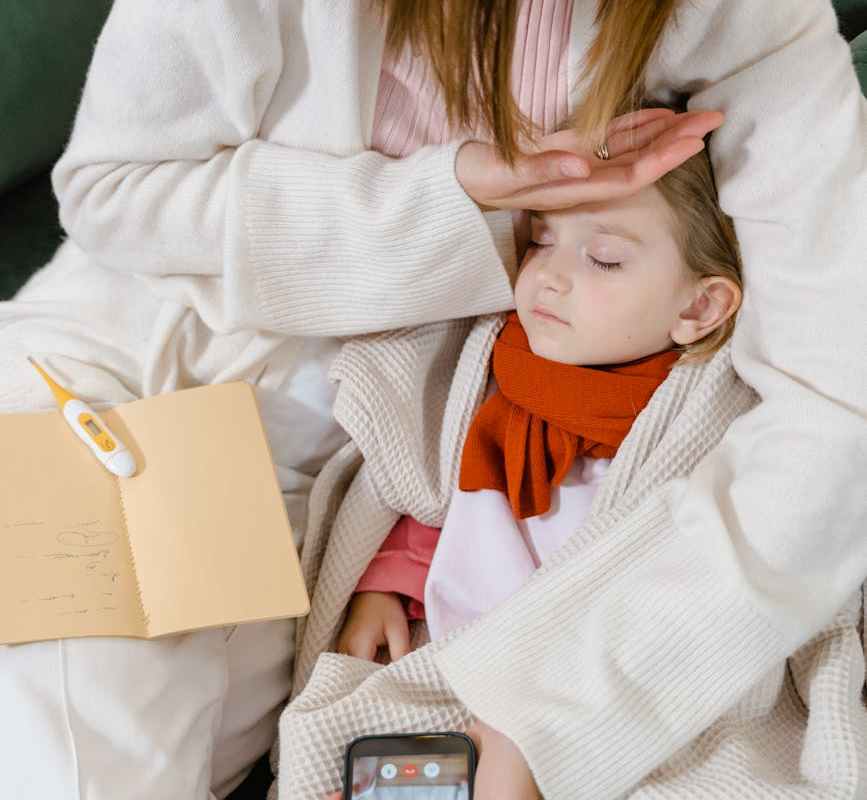
My ten-year-old daughter, Miss O, had a stomach bug this weekend. It hit hard on Friday night and then followed that typical 24 hour course where she felt miserable and threw up a half dozen times and then was mostly done.

When six-year-old Mr D realized that his sister wasn’t feeling well, he set out to make her his famous medium water. You know – not too hot and not too cold. In a lovely confluence where the one thing he knows how to make and the only thing she could keep down met, it was a beautiful gesture.

There was little else that Mr. D and I could do for her. She spent most of her day crying out in agony. Witnessing suffering like that makes me feel crummy. For me, helplessness usually turns into irritability. Fortunately, I was reminded of three things that I’ve heard/read lately:

From poet Mark Nepo, “… someone I love comes along in pain and I start dumping my pockets, looking for the one thing I know that will help them. But time and time again, the only thing they want is for me to open my heart like a sponge to them. They only want to be heard and held.” I swear my pockets are hanging out for how often I dig to try to find something to help only to learn this again and again.

When I talked with Sharon Eubank on the How to Share podcast she related some great lessons from her decades trying to help others as Global Director of Humanitarian Services for the LDS church. The one that really stuck with me was “My solution to your problem will always be wrong.” In this case, the foods that Miss O wanted to eat when she started to feel better wouldn’t have been my picks – but they worked for her.

And then in my most recent podcast conversation with author Amy Weinland Daughters she spoke of not knowing what to do for her friend, Dana, whose teenage son had cancer and then died. Amy started writing letters as a way to show up. She didn’t think it would make a difference but when Dana’s daughters asked Dana when she thought Amy would stop, Dana replied with something like, “I hope never.” We think what we are doing for someone who is suffering or grieving isn’t enough. But it does make a difference.

So I made an effort to pause my productivity efforts that made me feel like I was doing something by washing sheets and sanitizing bathrooms to just show up and stay present when Miss O cried out in pain and discomfort. I rubbed her back or her feet, told stories, and ordered more medium water from Mr. D. It really is what you are that heals. It’s all part of the magic of being there for someone.

(featured photo from Pexels)

You can find me on LinkedIn: https://www.linkedin.com/in/wynneleon/ and Instagram @wynneleon

I host the How to Share podcast, a podcast celebrates the art of teaching, learning, giving, and growing.

I also co-host the Sharing the Heart of the Matter podcast, an author, creator and storytelling podcast with the amazing Vicki Atkinson.

How To Share the Ball

It is in your hands to create a better world for all who live in it.” – Nelson Mandela

There was a moment on Monday night when I thought, “I hate baseball” as both of my kids were sitting on the couch crying.

The Mariners had just lost Game 7 of the ALCS to the Toronto Blue Jays (congrats to my Blue Jay friends). Six-year-old Mr. D cried, “I don’t think I can go to school tomorrow.” And 10-year-old Miss O plaintively added, “Maybe if I buttoned up my jersey they would have won.” I was thinking, “I can’t believe I let them watch the 9th inning right before bed!” And then we thought of how the Mariners must be feeling and it started a whole new round of tears.

As with many things that can reduce us to tears, baseball also has great power to lift us up. I have a fantastic example of this in the How to Share podcast this week with hydrogeologist and Mariner’s fan, Glenn Mutti-Driscoll.

Glenn caught a ball at a Mariner’s game in September. But it wasn’t just any ball, it was Cal Raleigh’s 60th homerun ball. A significant marker when Cal joined the ranks of Babe Ruth, Roger Maris and Aaron Judge to hit that milestone.

Glenn and I talked about what happened next – because Glenn gave that historic ball away to a 12-year-old boy near him in the stands.

I’m so grateful that Glenn agreed to podcast with me because he didn’t do this for the recognition. We talk about what inspired him to share the ball and the ripple effects of kindness. What’s so incredible about this example is that we can see the rewards of giving in this case to both the giver, receiver, and everyone around.

Glenn tells us about the serendipity of the moment and how the action was more automatic than deliberated. We also discuss that the long effect that this lesson will have to this next generation – especially Marcus, the boy that Glenn handed the ball to as well as Glenn’s own sons.

This is a fantastically inspiring example of how (and why) to share. I know you’ll love it.

Takeaways

  • Glenn’s act of kindness was spontaneous and automatic.
  • The decision to give the ball away was influenced by his role as a parent.
  • Kindness can have a ripple effect on the community.
  • The media response highlighted the importance of positive stories.
  • Glenn’s children learned valuable lessons about generosity.
  • The experience brought unexpected joy and recognition to Glenn’s family.
  • Acts of kindness can uplift people’s spirits in challenging times.
  • Sharing experiences can inspire others to act kindly.
  • The moment of catching the ball was filled with serendipity.
  • Glenn’s story serves as a reminder of the power of giving.

Here’s a clip of Glenn telling the story of the catch and release:

Here are some ways you can watch this heartwarming and inspiring episode:

How to Share Advocacy with Sam Daley-Harris Part 2 How To Share

In this conversation, Sam Daley-Harris talks with Wynne Leon and Vicki Atkinson and unpacks how transformational advocacy fits alongside other forms of activism like protests, litigation, and voter mobilization—and why it can succeed even when Washington seems paralyzed by shutdowns and partisan conflict. Sam shares some concrete examples from global health and environmental advocacy, offer insight into how citizens are working to reverse damage and protect the most vulnerable, and—perhaps most importantly—explain how anyone can be effective, even with just five to fifteen minutes a day. If you’ve ever wondered whether your voice can really matter, this conversation offers both clarity and hope. And Sam offers to be a guide to help you connect to the issues that matter most for you. We love talking with Sam because he shares how to be effective and counter the effects of fear, cynicism and loneliness. We know you’ll love this conversation! Links for this episode:Transcript for How to Share Advocacy Part 2Sam's Sign-up Sheet for resources on how to get startedReclaiming Our Democracy websiteReclaiming Our Democracy: Every Citizen's Guide to Transformational Advocacy, 2024 Edition on Amazon
  1. How to Share Advocacy with Sam Daley-Harris Part 2
  2. What Do You Know To Be True?
  3. How to Share a Return Home with Mario Cartaya
  4. How to Share a Mission with Anthony Dyer
  5. How to Share Your Superpower with Roger Kastner

How to Share the Ball transcript

Links for this episode:

Cal meets fan who gave HR No. 60 to kid — and comes bearing gifts

Mariners reward fan who gave valuable Cal Raleigh 60th home run ball to nearby child – The Athletic

From the host:

My book about my beloved father: ⁠Finding My Father’s Faith⁠;

(featured photo from Pexels)

Standing Up for Democracy: Lessons from Kids

To understand where you stand in own your life, you cannot remain seated.” – Christine E. Szymanski

I can rely on my kids to have a nose for what’s authentic. At 6 and 10 years old, they might not be able to tell me exactly why, but they can tell the difference between people who are phoning it in and others who are genuinely present.

At the end of the day this past Saturday, I asked them what they liked most about the day and what they could have done better. It’s part of our nighttime routine. Unless we are so tired that we’ve flipped our lids. That happens sometimes too.

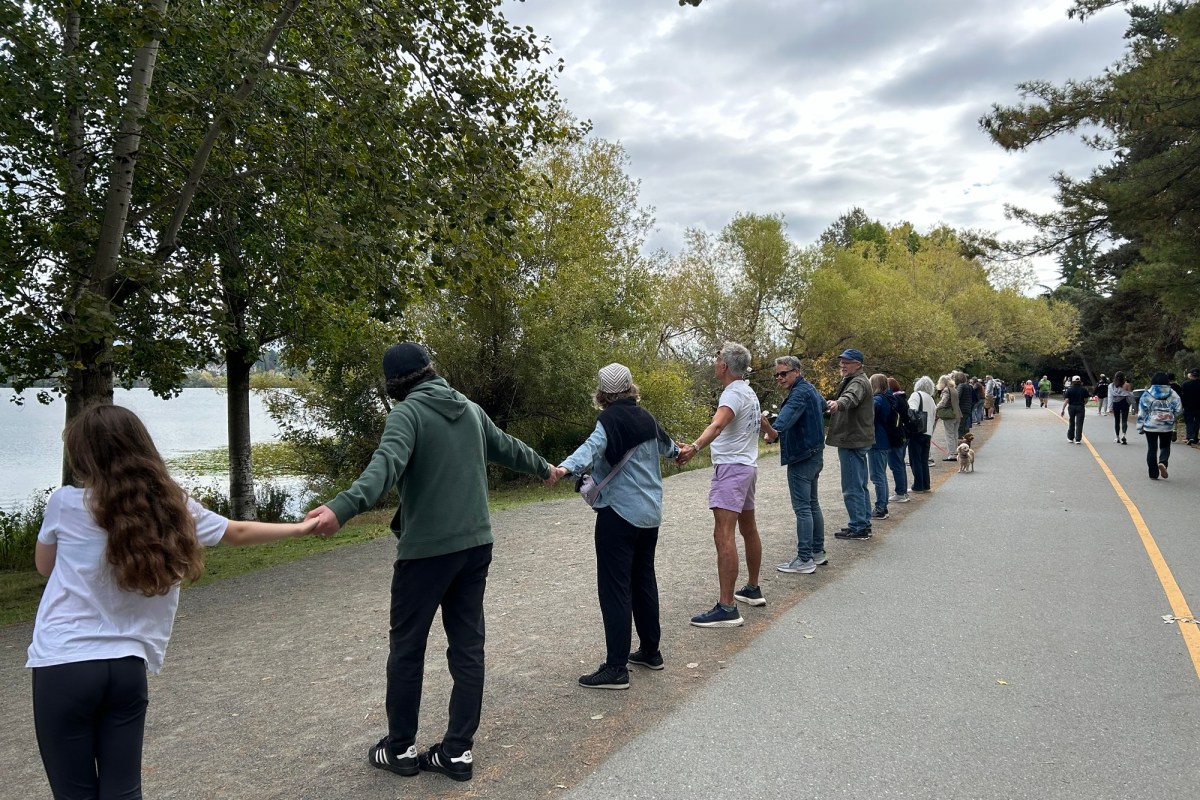
They both answered that their favorite part when we went down to the little lake that is a five minute walk from our house and participated in a Stand Up For Democracy event. The organizers were trying to gather enough people to create a continuous loop of people to encircle the lake which is three miles in circumference.

What surprised me about the answer was they liked that even more than watching the Mariners down at the pub with our friend, Eric. Or playing with their friends, skateboarding, or building imaginary spaceships.

My kids can’t yet spell out the details of what makes a democracy, monarchy, or autocracy. But they can tell the good feeling of standing up for what matters and the sense of community that comes from people trying to quietly show their commitment. It’s authentic, it’s strong, and it feels better than worry.

I think they’ve got that right.

(featured photo is mine)

You can find me on LinkedIn: https://www.linkedin.com/in/wynneleon/ and Instagram @wynneleon

I host the How to Share podcast, a podcast about collaboration – sharing leads to success.

I also co-host the Sharing the Heart of the Matter podcast, an author, creator and storytelling podcast with the amazing Vicki Atkinson.

Life Begins Now: The Parenting Trap

“It still amazes me that we insist on teaching algebra to all students when only about 20 percent will ever use it and fail to teach anything about parenting when the vast majority of our students will become parents.” – Nel Noddings

My dad used to tell this joke: Three religious leaders were asked the question, “When does life begin?”

The Catholic priest said, “At conception.

The Protestant pastor replied, “At birth.

The Rabbi answered, “When the last kid goes to college and the dog dies.

I’m laughing. Wow do I feel this. As a parent of young children, I do more things in a day that I wouldn’t choose to do than things I would choose. That alone can make me feel as if my life is not my own. Add in the noise and chaos and it’s hard to find peace. Taken all together, that can make this phase of life seem like one to rush through.

 But I know I can’t assume that I’ll be able to enjoy my kids when they are mature adults. I had my kids when I was aged 46 and then 50. When my youngest is 30, I’ll be 80-years-old. Hopefully an alive, healthy, and active 80 years old but nothing is a given. I know that’s true at any age.

So I try to flip the punchline and enjoy my kids, and life, now.

Cleaning up messes

Things in my house are spilled nearly every day. Sometimes by me. Often not very big deals like when a glass of milk with a top on spilled the other day. It just left a corona of milk dotting the carpet.

Here’s the thing I’ve realized. It’s a chance to convey to my dear children that I’ll love them when things are messy.

Bonus points: Longevity specialist Dr. Peter Attia includes getting up from the floor with max of one arm for support on his Centenarian Decathlon list. It includes the ten most important physical tasks you will want to be able to do for the rest of your life. Every time I’m down on the floor cleaning, I celebrate working out the strength and neuromuscular control that I need.

Helping with personal hygiene

It’s funny that kids don’t come with personal hygiene habits baked in. I’d prefer not to have to remind others to brush their teeth or wipe their tush. Add a dog, cat and a crested gecko in the mix and I can pretty much guarantee that most days will have some involvement in someone else’s hygiene.

I love this one because it’s foundational to my outlook. It’s forced me as a congenital optimist, to accept that every day is not going to be perfect, comfortable, or even pretty.

And long after I’m gone, I can trust my kids will have some idea of how to keep their bodies safe.

Bonus points: My personal hygiene has suffered as a parent. Kudos to me when I remember to take care of myself as well.

Feeding them

There are some days where I make food, clean up from making food, only to find that by that time, more food is already required.

But, whether real or metaphorical, I’d argue that giving others fuel to live by is what we are here for.

Bonus points: This is a reminder that cooking is all about exercising our creative muscles. How can I make something when I realize I’m missing an ingredient? How do I make something that’ll last with what I have?

Melt downs

Oh, those moments when big emotions take over and make us uncomfortable. And by us, I mean not only the person melting down but also everyone close at hand. It can be precarious, unpredictable, and draining. It’s also 100% real.

Recently, I took my kids rock climbing. My six-year-old son got stuck halfway up the rock face. He couldn’t find a way past – not moving right or left or shifting his weight. He started to cry. Since I was belaying him, there was nothing I could do except be there with him. And it was the perfect metaphor because I was connected to him by a rope.

From 40 feet away, I shouted up my empathy for his frustration, tried some suggestions, told him he could come down, emphasized that I knew he could do it – everything I could do to help from afar. Finally he shook it off. Then he managed the coolest move — palming the rock with his right hand and smearing the face with his left foot, he leveraged himself up high enough to the next good hold.

It was as rousing of a feat of personal triumph as I’ve ever witnessed.

Here’s where you get to pick your image: port in the storm, rope anchor on a mountain, sacred ground – you have the chance to be that for someone else. And to learn a little bit about what it kicks off in you as well. We don’t often get to see adults do that – the trying, melt down, return and overcoming is usually a longer (and more hidden) process for grown-up risks and triumphs. There is nothing as powerful as watching someone overcome some real adversity. With young kids we get to see that nearly every day.

And then we get to celebrate their success.

Bonus points: It’s hard to stay regulated when someone else is dysregulated. Whether it’s my verbal 10-year-old daughter talking grown-up sounding sass that covers for her childlike emotions underneath or a stranger at the store, I feel it all the way through. But all this practice is helping my central nervous system to be buff!

Distraction

When awake and nearby, my kids provide continual distraction. I could be inside sitting at my computer typing and instead I’m out in a creek skipping rocks. Or I could be sitting on the couch with my phone in hand texting and instead I’m having a dance party and moving my hips. I hunt for snails and hold my kids’ hands while they learn to hoverboard.

Oh, that’s right – I’ve never once regretted a dance party, a rock skipping contest, time in nature, or moving my body.

Bonus points. Psychologist Dr. Alison Gopnik says that kids have lantern brain. They see everything that is around. Adults have spotlight brain – we focus on what needs to be done. Switching into lantern brain can help us solve problems, be creative, and open us to new insights. The distractions can actually help us with solutions for our work when we return to it.

Invasion of personal space

Yesterday my six-year-old son stuffed something in the pocket of my jeans. Gah.  

I’m all for enforcing the boundaries necessary to maintain healthy relationships. But before I decide what those boundaries are, I consider that my kids embody what we look like as open creatures that assume other people will help you carry your stuff.

Bonus points: Ask someone else to help you carry your stuff.

Time

I’m the only one that cares about time in my house. Being on time, getting to bed, the school bell is about to ring, dinner time, time for annual physicals, or it’s about time. All of it.

Because I’m the one that understands time is limited.

Bonus points: Stop caring about the future and enjoy the now.

I’m not guaranteed to get to 80 years old. But I bet that if I do, parenting will have extended my healthspan so that I enjoy it more. And I know I’ll be glad that I didn’t wait until the kids went to college and the dog died to begin living.

(featured photo is mine)

You can find me on LinkedIn: https://www.linkedin.com/in/wynneleon/ and Instagram @wynneleon

I host the How to Share podcast, a podcast about collaboration – sharing leads to success.

I also co-host the Sharing the Heart of the Matter podcast, an author, creator and storytelling podcast with the amazing Vicki Atkinson.