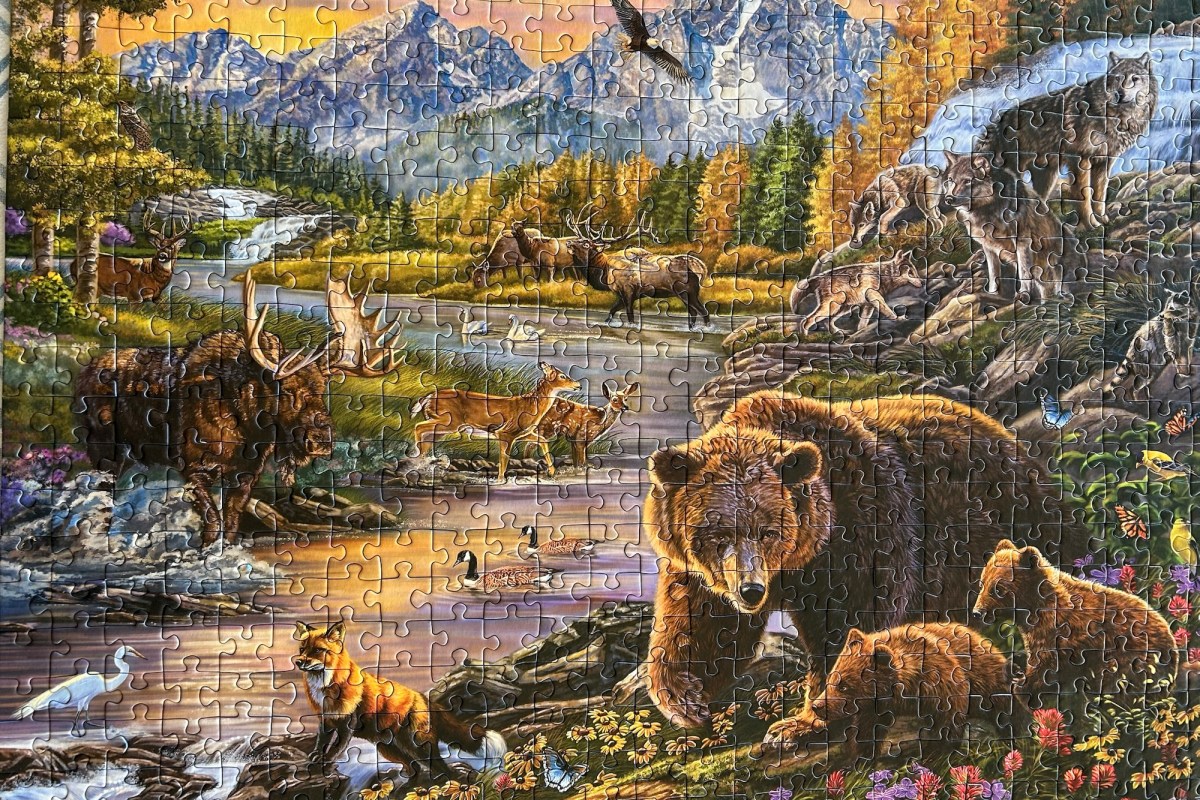
Life is A Puzzle

Learn how to see, realize everything connects to everything else.” – Leonardo da Vinci

We did a few puzzles in the past couple of weeks while we were on vacation at the beach. Mostly Miss O and I chipped away at them with occasional assists from Mr. D and friends that came up to visit.

Five things I noticed about how doing a puzzle is like life. Or how life is like a puzzle.

  1. When you first sit down, all the pieces look the same and it feels impossible. The puzzle doesn’t start itself. Having an approach like turning all the pieces right side up and putting together the border pieces together makes it feel doable.
  2. You don’t find a piece unless you look. Sure, every once in a while you might get lucky and find something that fits as you walk by. But mostly, you have to be in the game if you want to make a match.
  3. There are many ways to find a piece – by color, by shape, by content. This reminds me of perspective and how we all see things differently.
  4. You can’t make something fit no matter how much you want it to. It goes easier when you honor the “no’s” in life.
  5. There’s nothing like the feeling of slotting in the last piece. But you can relish the satisfaction of connecting any two pieces if you aren’t too much in a hurry to get to the big picture. Enjoy the little moments.

I keep learning that playing IS life. It seems like we are just spending idle time but really we are gaining perspective on everything else. Because at least for me, those moments when you see the big picture help to inspire the awe in the everyday.

Just like the photo on the front of the puzzle box helps when putting it together. Right?

(featured photo is mine)

You can find me on LinkedIn: https://www.linkedin.com/in/wynneleon/ and Instagram @wynneleon

I host the How to Share podcast, a podcast about collaboration – in our families, friendships, at work and in the world.

I also co-host the Sharing the Heart of the Matter podcast, an author, creator and storytelling podcast with the amazing Vicki Atkinson.
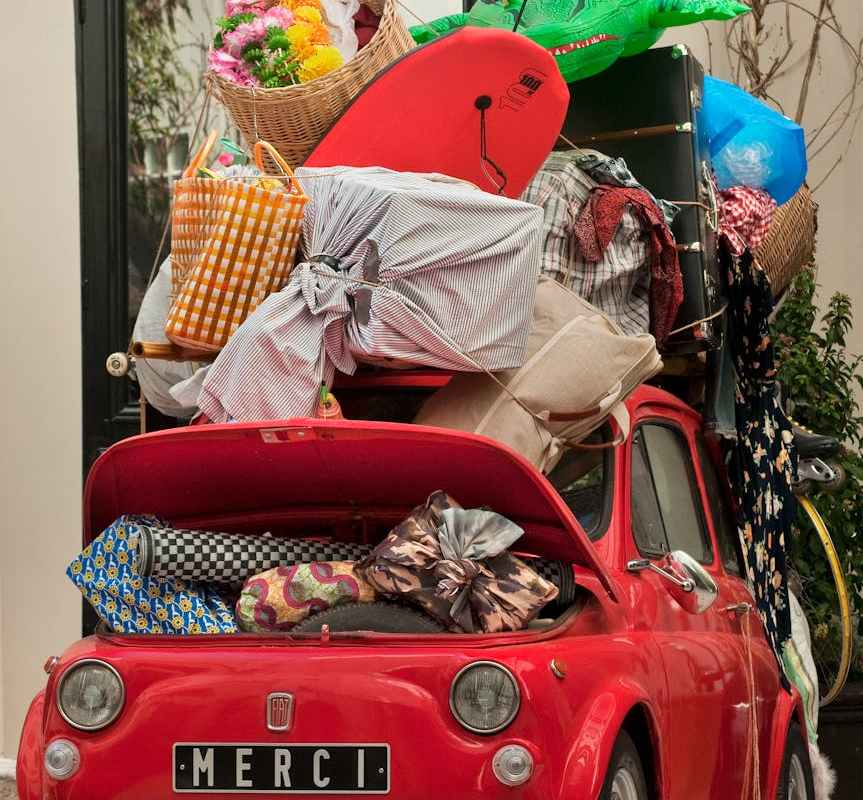
The Difference Between Want and Need

Recognize what is simple. Keep what is essential.” – Lao Tzu

Yesterday morning, our first morning after returning from our road trip, I looked around the house and had a good laugh at the evidence of our settling in. I’d relished being home by sitting on my meditation cushion with all my meditation books around me. Five-year-old Mr. D played with all the sports equipment. And nine-year-old Miss O had gathered up all the materials and made slime.

It’s a defining act to travel. We pare down to essentials so that we can go on adventures. It forces us to know what’s vital to our health and sanity and pack accordingly. I’ve seen climbers who cut the pages out of a book because reading is important to them, but they don’t want to carry the whole weight.

Of course for our cushy road trip visiting friends who took great care of us, it’s not nearly as stark. But still, I couldn’t bring all my meditation books, D had to pare down to only some baseball gear, and Miss O could only bring a couple of stuffies.

But I love the way we better appreciate the luxury of all of our comfort when we come home. It feels as if part of traveling is helping us know what is essential for peace of mind wherever we go. We’ve come home a little wiser about the difference between what we want and what we need. Which is an important thing to know.

(featured photo from Pexels)

You can find me on LinkedIn: https://www.linkedin.com/in/wynneleon/ and Instagram @wynneleon

I host the How to Share podcast, a podcast about collaboration – in our families, friendships, at work and in the world.

I also co-host the Sharing the Heart of the Matter podcast, an author, creator and storytelling podcast with the amazing Vicki Atkinson.
How to Share Insight

We teach each other things. People take this for granted, but it’s actually unbelievable.” – Nicholas Christakis

Last weekend, my five-year-old son got two moon balls. They are cratered like the moon and bounce like they are going to leave this atmosphere. That bounce combined with my son’s determination to hit as if he’s aiming for the Green Monster at Fenway Park meant we lost both balls in pretty short order.

He was bummed when we lost the first… and really sad when we lost the second. I sat next to him on the steps and asked, “Do you want to know what I know about being sad.”

No,” he replied.

It’s all about timing, isn’t it? 🙂 It is one of the keys about sharing insight that I talk with customer experience strategist Karl Baisch about on the How to Share Podcast.

Nicholas Christakis, sociologist from Yale, has this really hopeful view of humans based on our ability to interact and cooperate with others. He says, “We teach each other things. People take this for granted, but it’s actually unbelievable.”

In this episode of ‘How to Share’, Karl and I explore the nuances of how we teach each other things and share insights effectively. We discuss the importance of asking the right questions, the challenges of navigating data, and the significance of context in delivering actionable insights. Our conversation also touches on parenting and how to instill curiosity and critical thinking in children, drawing parallels between data synthesis and everyday experiences.

Here are some takeaways from our conversation:

  • We teach each other things.
  • Real change happens when there’s enough curiosity.
  • Groups have to want an answer to hear it.
  • You gotta share your work product somewhere.
  • You want to avoid analysis paralysis.
  • How do you synthesize it into a story?
  • Insights should breathe new energy and life into anything.
  • You have to contextualize it.
  • You have to ask the right questions.

This is a great episode about the practice of creating insight. Join us as we dig into the who, what, when, where, how and of creating and sharing a-ha moments!

Here’s a short clip from our episode to give you a taste of the great conversation with the bright and engaging Karl Baisch:

Here are some ways you can listen and watch to the full episode:

Please listen, watch, provide feedback and subscribe.

How to Share Our Luck with Gil Gillenwater How To Share

In this enlightening conversation, Gil Gillenwater is with host Wynne Leon and shares his experiences and insights from over 35 years of philanthropic work along the US-Mexico border. He discusses his book, 'Hope on the Border,' which highlights the transformative power of education and community service. Gil emphasizes the importance of enlightened self-interest over traditional charity, advocating for a model that empowers individuals and fosters dignity. He explores the duality of poverty, the need for sustainable opportunities, and the joy found in serving others, ultimately presenting a vision for a more connected and compassionate world.TakeawaysEducation is the key to breaking the cycle of poverty.Enlightened self-interest can lead to personal and communal growth.Charity should not be viewed as a sacrifice but as a mutual benefit.Volunteering provides a sense of purpose and fulfillment.Welfare can disempower individuals and communities.Community service fosters connections and shared humanity.The disparity in wealth is a significant issue that needs addressing.Experiencing poverty firsthand can change perspectives.Creating opportunities in one's home country can reduce migration.The joy of service is a pathway to personal happiness.Links for this episode:How to Share homeHope on the Border at AmazonGil's organization: Rancho FelizGil Gillenwater on FacebookWynne’s book about her beloved father: Finding My Father’s Faith; Blog: https://wynneleon.com/; Substack: https://wynneleon930758.substack.com/
  1. How to Share Our Luck with Gil Gillenwater
  2. How to Share 1970's Chicago with Doug. E. Jones
  3. How to Share Feedback with Dr. Vicki Atkinson
  4. How to Share the Next Generation with Mari Sarkisian Wyatt
  5. How to Share Impactfully with Social Media Friends with Amy Weinland Daughters

Links for this episode:

Karl Baisch on LinkedIn

What Otters Think

Learn to sit back and observe, not everything needs a reaction.” – unknown

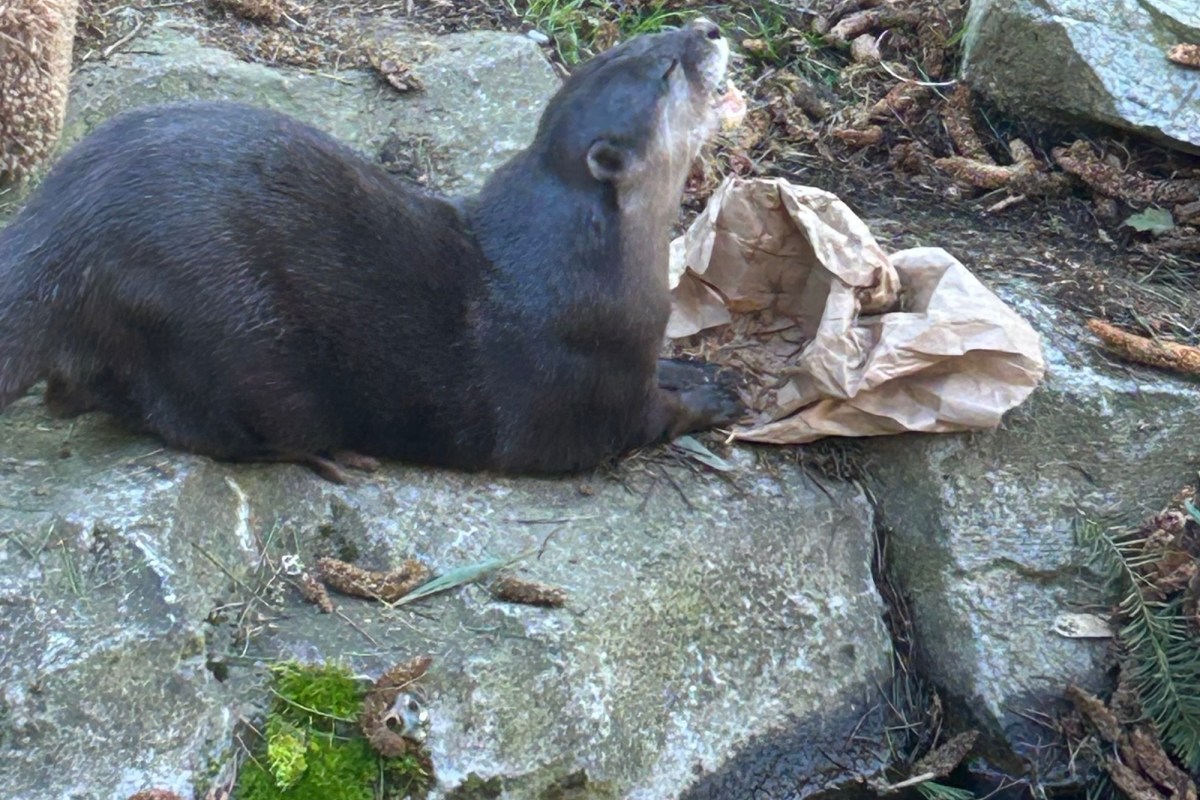
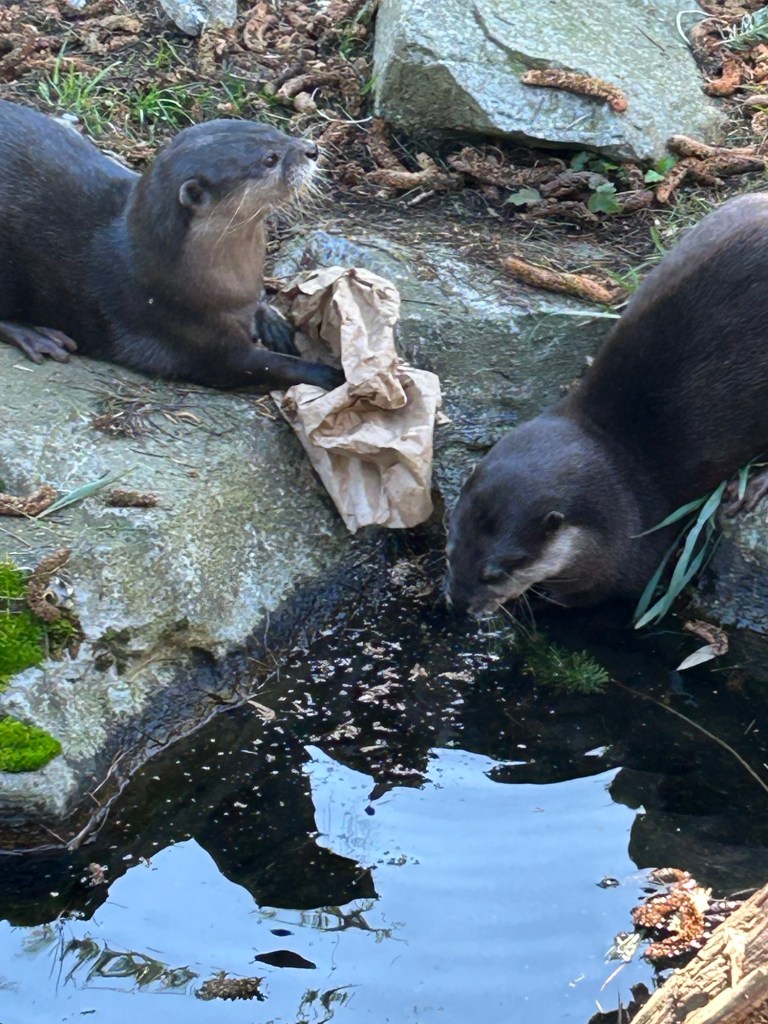
This past weekend we went to the zoo. Near the end of our time there, we were at the exhibit for the Asian Small-Clawed Otters. A keeper arrived with two small brown paper bags and threw one to each otter.

We were standing at the glass wall of the exhibit and there was a group of three adults next to us – two men and a woman in their thirties. Nine-year-old Miss O had commented on the group about five minutes earlier. She’d said, “Those people are either drunk or really happy.” Until she mentioned that I hadn’t been paying attention to them, even though their pace through this section matched ours. She was right that they were loud.

Our zoo does a pretty good job with creating natural exhibits and designing ways for the animals to have to find their food. As we stood to watch the otters try to open the bags, the group of three narrated the actions in a way that was intended to be funny.

Oh, this one hasn’t even gotten the bag open and that one has been munching for like five minutes.”

This one must be stupid. It can’t get into a paper bag.”

Oh no, don’t let it roll into the water!

Now the smart one is coming over to finish off the dumb one’s snack.”

Oops, it’s all pouring into the water now.”

I struggled to just watch the scene without paying attention to the people next to me. It was hard – they were loud and I was tired. We’d navigated almost four miles of walking through the zoo on a pretty busy day and the effort to keep the group together had made me peckish.

Even through my hungry haze, I wondered how much my other experiences are influenced by commentary. On one hand, it’s nice to hear what people more experienced on a subject think. On the other hand, not all commentary comes from reliable sources. I wrestle with taking in what’s going on and coloring in my own experience before being influenced by other’s perspectives.

Like in this case, I think that the slower one was taking its time to savor each treat.

Just like with the otters, may we all find the healthy things to chew on.

(photos are mine of Asian Small-clawed Otters at the Woodland Park Zoo)

You can find me on Instagram @wynneleon and LinkedIn: https://www.linkedin.com/in/wynneleon/

I co-host a storytelling podcast featuring authors and artists with the amazing Vicki Atkinson. To tune in, search for Sharing the Heart of the Matter on Spotify, Apple, Amazon Music or Pocketcasts (and subscribe) or click here. Or the YouTube channel features videos of our interviews. Please subscribe!
My other projects include work as a CEO (Chief Encouragement Officer), speaking about creativity and AI through the Chicago Writer’s Association, and my book about my journey to find what fueled my dad’s indelible spark and twinkle can be found on Amazon: Finding My Father’s Faith.

One Hundred and Still Going Strong

Opportunity is missed by most people because it is dressed in overalls and looks like work.” – Thomas Edison

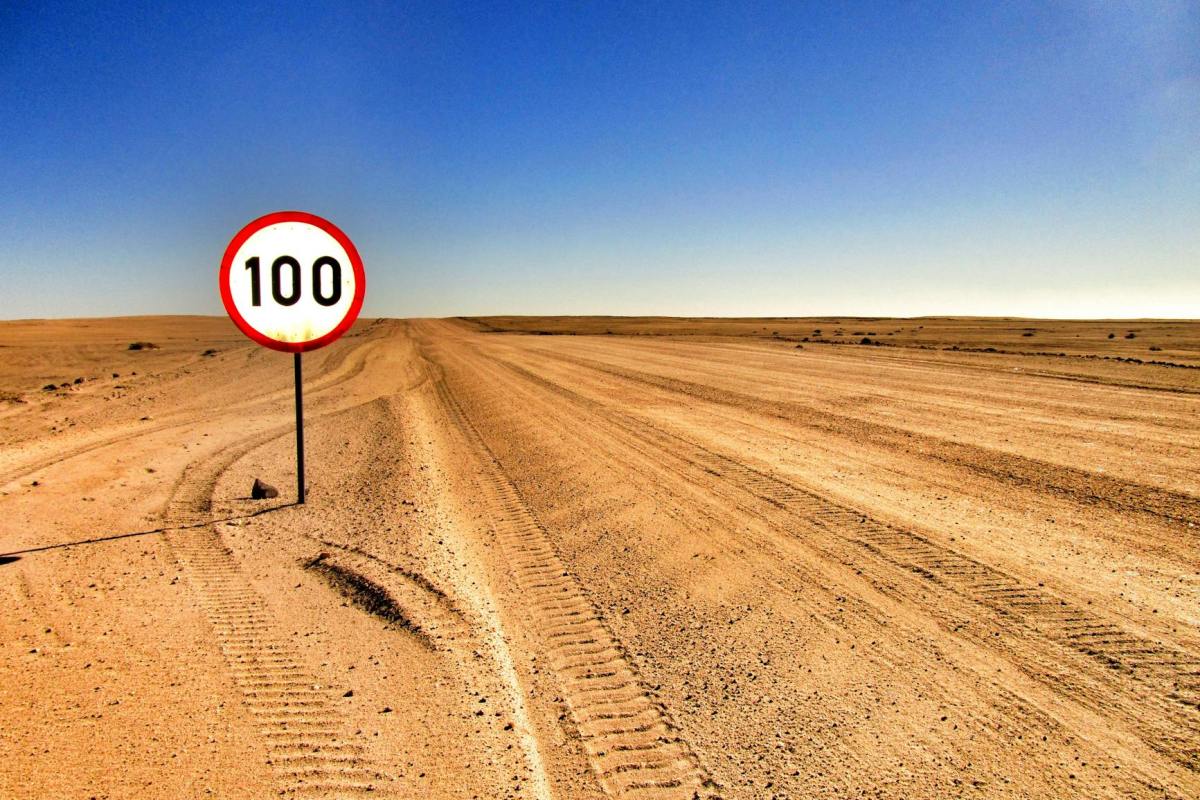
In the senior living community where my mom lives, there are several people over 100 years of age. My kids love hearing stories about them and meeting them in the hallway. After all, if you reach 100, you’ve probably learned a thing or two, right?

Let’s hope so because Vicki Atkinson and I are celebrating our 100th episode of the Sharing the Heart of the Matter podcast. I’m just so incredibly grateful that Vicki, my podcast partner and dear friend, was and continues to be willing to do a storytelling and author podcast with me. Despite the fact that we’ve never met, this has been such a rich collaboration in which I’ve learned SO MUCH from the ever insightful, engaging, and sunny, Dr. Vicki!

We’ve also learned a bit about podcasting over these two years. So we sit down to mark the moment and answer four questions:

  • What were our favorite stories?
  • Do we have a biggest a-ha moment?
  • What have we learned as hosts?
  • Goals for the Sharing the Heart of the Matter podcast in 2025?

Vicki shares that she actually went back and listened to the very first episode. She says that instead of the cringe-worthy moment she expected, it was worth listening to our goals of being authentic and vulnerable.

We also spend some time laughing about the technical difficulties we’ve encountered along the way. In spite of those, we’ve forged through and added features like captions and transcripts to make the podcast more accessible.

In this celebratory moment, we honor all the incredible and inspiring guests we’ve had on and applaud our wonderful listeners and subscribers. We couldn’t be more grateful for all of you who’ve accompanied us on this journey.

I’m confident you’ll love the scenic and beautiful places we explore as we share the power of storytelling and pause to celebrate before we move on to the next 100 episodes!

We know you’ll love it!

Search (and subscribe!) for Sharing the Heart of the Matter on Apple, Amazon, Spotify or Pocket Casts OR Listen to it from your computer on Anchor: Episode 100: Celebrate with Us!

HoTM Episode 100 transcript

AND subscribe to our YouTube channel to see a video clip of each story: @SharingtheHeartoftheMatter.

Links for this Episode:

GRATITUDE for the Guests that have joined us on these 100 episodes – sometimes even more than once!

From the hosts:

Vicki’s book about resilience and love: Surviving Sue; Blog: https://victoriaponders.com/

My book about my beloved father: Finding My Father’s Faith;

(featured photo from Pexels)

Courage is Contagious

Courage doesn’t always roar. Sometimes courage is the quiet voice at the end of the day, saying, “I will try again tomorrow.” – Mary Anne Radmacher

I was listening to my neighbor talk about the anxiety she felt this past weekend when her husband took their oldest, a 12-year-old boy, up to Camp Muir on Mt. Rainier.

In her delightful British accent, she said, “It’s not that I don’t trust my husband’s skills, it’s just that if you take the three tallest peaks in the UK, Ben Nevis (Scotland), Scafell Peak (England), and Snowdon (Wales) on top of each other, then you have Mt. Rainier. It’s an American, super-sized mountain.

Fortunately, the weather held and they had a great time hiking up to and camping at base camp on our super-sized mountain.

It struck me as I listened, that there are many different types of courage in these adventures. To lead an expedition, to join as a team member, and also to stand on the sidelines and cheer for an adventure. All take a unique kind of fortitude.

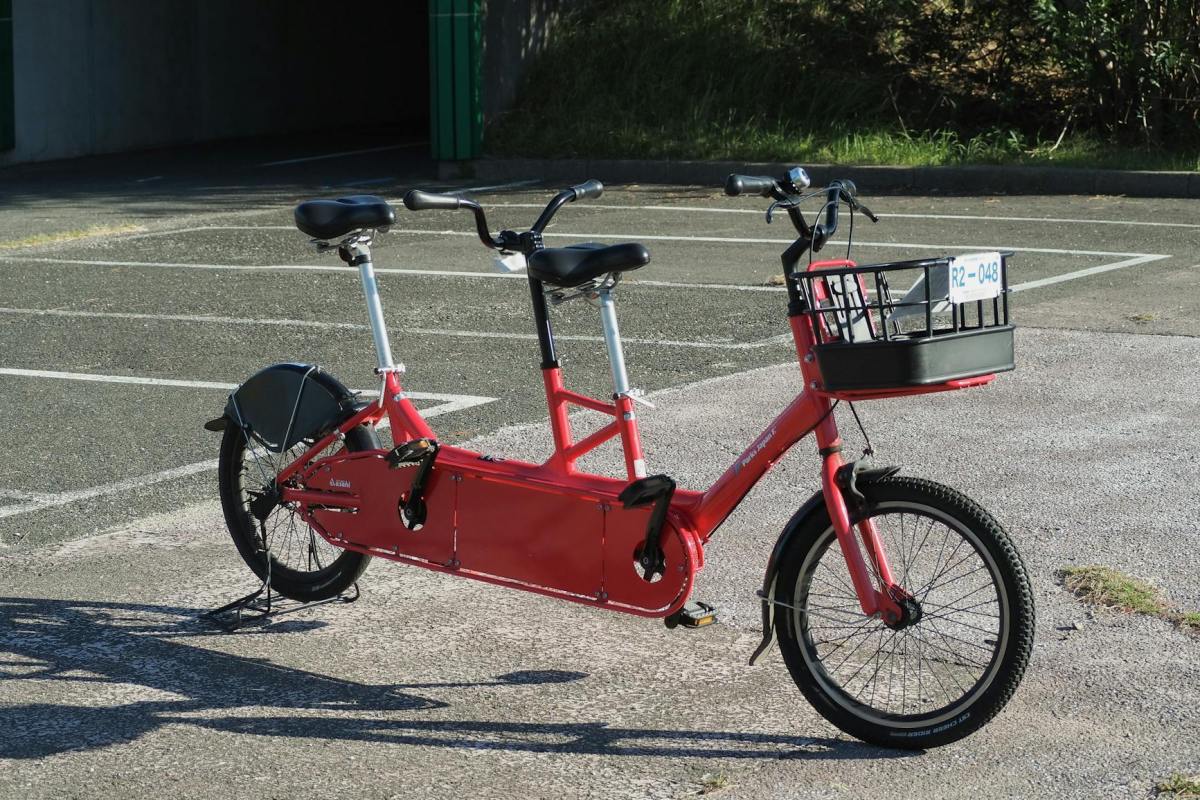
It also made me think of the adventure that Vicki Atkinson and I got to hear about from author, blogger and great story-teller, Cheryl Oreglia on this week’s Sharing the Heart of the Matter podcast, Episode 86: Tandem Riding with Cheryl Oreglia.

Cheryl recounted her experience on the Register’s Annual Great Bike Ride Across Iowa which is familiarly known as RAGBRAI. Seven hot days of riding, camping, and communing with 20,000 other riders.

Sounds fun, right? But what Cheryl does so consistently is bring the magic. She rides in tandem – both on the bike with her husband, Larry, and also in her writing. She is so good at synchronizing her inner landscape with all that she sees around.

She takes us on this journey from the Missouri River to the Mississippi River. And she leaves Vicki and me in tears about what it all means.

Cheryl is a beautiful writer and inspirational story-teller. She reminds us all what is out there when we face our fears and try hard things.

Pork chops, sunrise, kindness, and courage to name just a few.

I’m confident you’ll love the scenic and beautiful places we explore as we share the power of storytelling.

We know you’ll love it!

Search (and subscribe!) for Sharing the Heart of the Matter on Apple, Amazon, Spotify or Pocket Casts OR Listen to it from your computer on Anchor: Episode 86: Tandem Riding with Cheryl Oreglia

AND subscribe to our YouTube channel to see a video clip of each story: @SharingtheHeartoftheMatter.

Links for this Episode:

Cheryl’s blog: Living in the Gap

RAGBRAI 2024 – Living in the Gap (cheryloreglia.blog)

Other episodes with Cheryl:

Episode 61: The Writers Conference with Cheryl Oreglia by Sharing the Heart of the Matter (spotify.com)

Episode 30: True Grit with Cheryl Oreglia by Sharing the Heart of the Matter (spotify.com)

Episode 7: Grow Damn It! by Sharing the Heart of the Matter (spotify.com)

(featured photo from Pexels)

The Gift of a Pause

Sometimes it takes an overwhelming breakdown to have an undeniable breakthrough.” – unknown

I hit a wall this week – a metaphorical one, of course.

It was after getting Miss O back to school for 4th grade and Mr. D in his jump start program for Kindergarten last week, then flying with the kids to Northern California on Friday for my niece’s baby shower, flying back on Sunday, getting Mr. D ready for his first full day of school on Monday, then teaching a webinar on Tuesday.

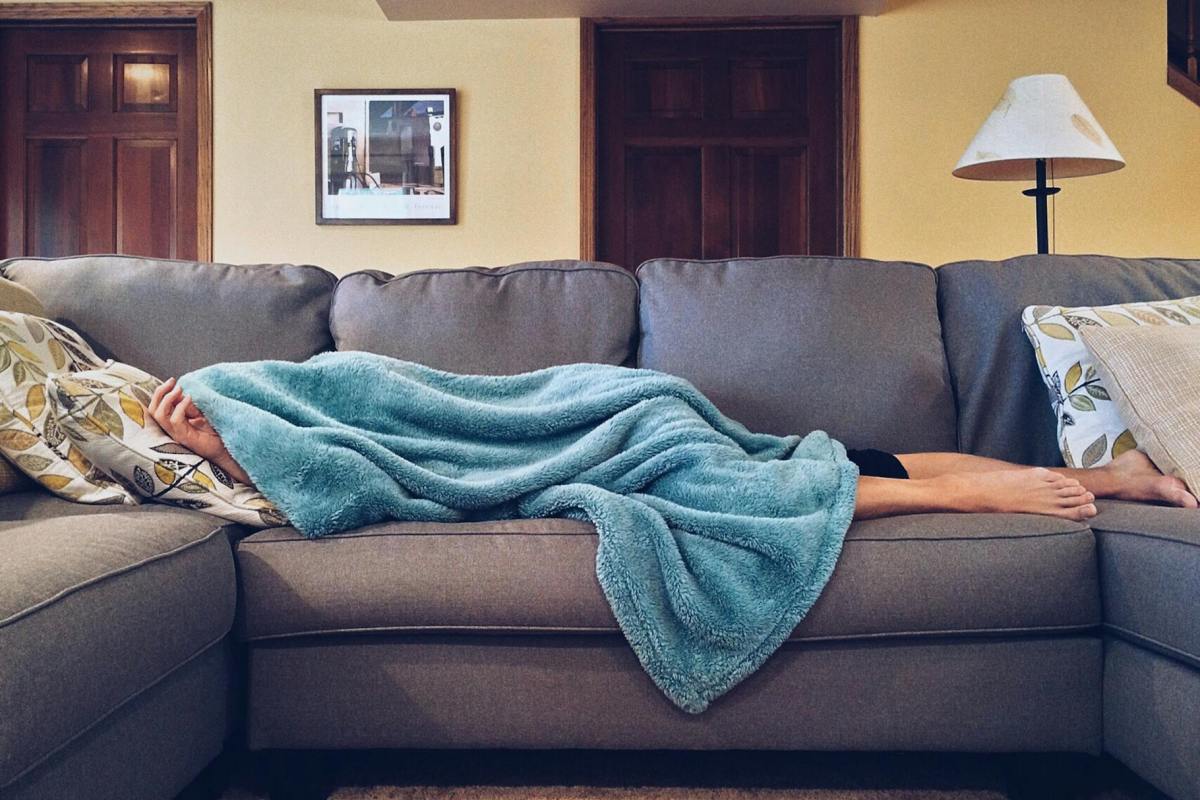
After all that, I don’t blame my body for needing a break. If only I was smart enough to give it a break without catching a head cold. Well, always something to learn.

Fortunately, one of the last things I did before coming down with this cold was record a podcast with Vicki and my meditation teacher, yoga teacher, massage therapist, and friend, Deirdre Wilcox. I say fortunately, because Deirdre is so incredibly good at putting everything in perspective – even yucky colds. It’s no wonder she’s such a well-regarded wellness educator.

As my teacher and friend for nearly 30 years, Deirdre has shared so much grounded wisdom with me. Of her many gifts, one that I love that is highlighted in this conversation, is her ability to help frame what we are experiencing in biological terms.

So she walks us through the shift from summer to fall in terms of the cues our bodies are receiving. And this leads to a huge a-ha for me about the persistent question I get at the end of summer, “Have we done enough?”

Deirdre suggests some practices that reduce the overwhelm as we move from the freedom and spontaneity of summer to the structure of autumn. One of the things I like most about her approach is that she understands that the things that have a chance to stick are the small ones.

So she suggests some small changes for us to incorporate as we move towards falls. Ways that we can incorporate rituals to thoughtfully move from one season to the next.

And one of my absolute favorites, an invitation to take it all in and notice what we did with our summer before we move on.

I’m confident you’ll love the scenic and beautiful places we explore as we share the power of storytelling.

We know you’ll love it!

Search (and subscribe!) for Sharing the Heart of the Matter on Apple, Amazon, Spotify or Pocket Casts OR Listen to it from your computer on Anchor:  Episode 84: Autumnal Shift with Deirdre Wilcox

AND subscribe to our YouTube channel to see a video clip of each story: @SharingtheHeartoftheMatter.

Transcript for this episode: Episode 84 transcript

Links for this Episode:

For more about Deirdre and the incredible work she does: Deirdre Therapeutics (deirdrewilcox.com)

Other episodes featuring Deirdre Wilcox

Episode 27: The Power of the Pause with Deirdre Wilcox

Episode 14: Holding Space with Deirdre Wilcox

Episode 10: The Power of Intuition with Deirdre Wilcox

From the Hosts:

Vicki’s recently released book: Surviving Sue

My book about my beloved father: Finding My Father’s Faith

(featured photo from Pexels)

Three Things I Learned From My Dog About Getting Older

The little things are infinitely the most important.” – Sir Arthur Conan Doyle

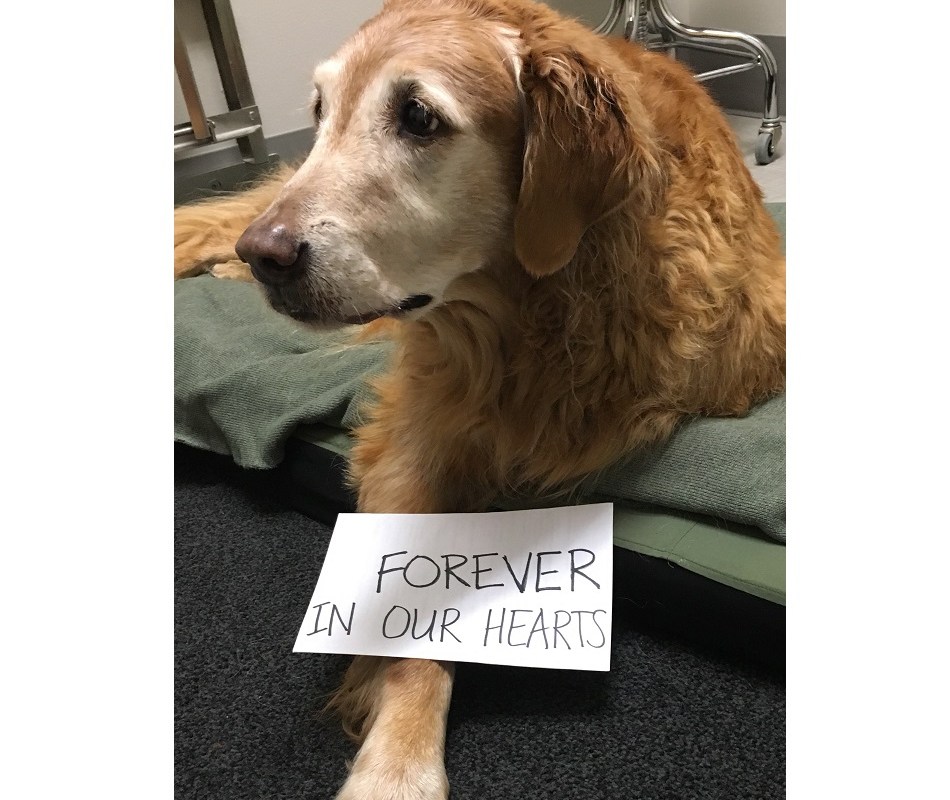
When I was a brand new mom almost nine years ago, my 12 year old golden retriever, Biscuit, was my constant companion. He was such a comforting presence, especially with his ability to track where everyone was.

Lesson One

But one of the things that irritated me, especially in the early-on sleep deprived days, was when we all walked together. Biscuit had to go back and forth and back and forth over an area to pick a place to poop.

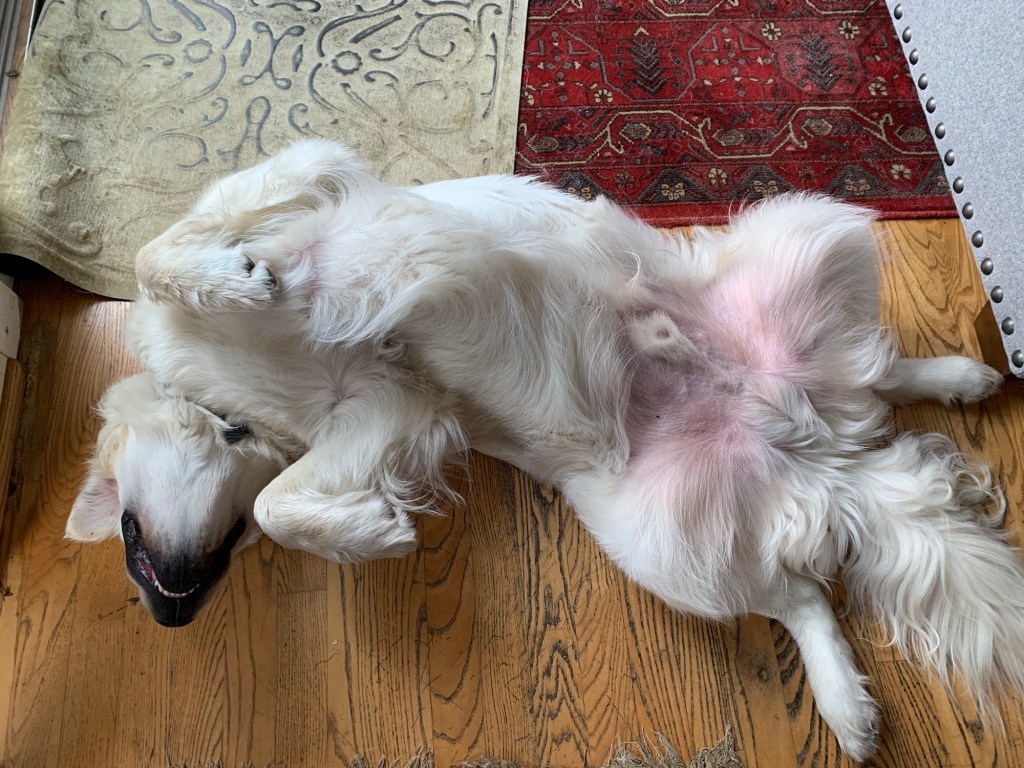
So it surprises me when I walk with Cooper who is now almost a one-year-old dog and he just poops. We’ll be walking along and then BAM, he stops and does his business.

My conclusion is that one privilege that comes with age is willingness to be choosy.

Lesson Two

It was the same with lying down. Biscuit would get a dog blanket and move it around with his front paws.  Then circling and circling, he’d settle in and lay down.

Cooper, on the other hand, just collapses anywhere.

This leads me to the conclusion that another sign of aging is the increase of the number of things we have to do before sleep. And again as we rise.

Lesson Three

On the morning of the day that he died, Biscuit walked up the stairs to the second floor. It was something he didn’t do as often after arthritis had set in. Then he lay down on the threshold to Miss O’s room as I was getting her out of the crib and ready for the day. Miss O was about 18 months old.

Biscuit lay with his head on his paws and watched every move we made. It was like he was touching each moment with intention.

Then we went for a walk. He collapsed going up the hill. Five hours later, after we discovered he had tumors bleeding in his stomach, I had to say “goodbye” to my beloved dog. Something I think he knew all along.

Which leads me to the third lesson I learned from my beautiful dog. If we’re lucky, we gain the ability to appreciate how all the little things in life add up to one good life.

Sharing Wisdom

Resolve to be tender with the young, compassionate with the aged, sympathetic with the striving, and tolerant with the weak and wrong. Sometime in your life, you will have been all of these.” – Buddha

This is something I posted on 1/26/2022. Heads up – you may have already read this.


In March of 2001, I trekked to Everest Base Camp with my friends Phil and Sue who were attempting to summit Mt. Everest that year. They had invited a few of their friends to join them on the 30 mile trek in and we’d assembled in Katmandu, Nepal to gather our last few supplies before flying in to the starting point of the trek.

It was on a rickshaw trip around the city, that one of my fellow trekkers that I’d just met, a 59-year-old man told me “Life begins at 40.” Given that I was only 31-years-old at the time, this particular piece of wisdom irked me. Taken literally, it implied that I should just waste the next 9 years.

Over the next few weeks as we were trekking, I found out his back story. He had been married in his early 20’s, had two kids but that marriage had broken down and he was divorced by the time he was in his mid-30’s. It was a contentious divorce and his relationship with his sons suffered.

By the time he was in his 40’s, he’d found success as a business owner, gotten remarried to a woman he adored, and shaped his life to look more or less like the balance of freedom and love he’d always wanted. Hence his statement that life begins at 40.

Why is it so hard to pass wisdom from one human to another? We have to pack it up in a suitcase so that it’s portable and then the recipient needs to have some hooks to hang it on when they unpack it.

In this case, I didn’t think much about the wisdom he’d offered me until I was about to turn 40-years-old. It was a tough time in my life – I’d recently been told of my husband’s infidelities, and I was struggling with the idea of failing at marriage while trying to hold it all together.

While I believe the age was just a coincidence, when I thought back to my fellow trekker’s story, it held a lot of comfort for me. Because it represented an example that life can rebuild itself even better after it’s all fallen apart. The wisdom, when I distilled it for me, was that we can have multiple chapters in our lives that still add up to a glorious story.

Isn’t that why we share our wisdom and stories? So that someone else can take them, draw strength from them when needed and they repackage them in a way that’s meaningful?

On that trip in 2001 to Everest Base Camp, after we’d been trekking for a few days, I woke up one morning a couple of hours before anyone else was up. I was so excited to be in the Himalayas, I decided to hike around to see if I could see Everest in the first light of the day. After about 40 minutes, I finally found a place to sit and watch the sunrise illuminate one of the most distinctive mountains in the world.

When I’d finally hiked back 40 minutes, everyone else was up. One of our guides said, “Does anyone want to get a first look at Everest?” and I joined the group. About a 5 minute walk from our campsite, in the opposite direction I’d gone, was a magnificent view of Everest.

Packaging up this story, I’d pass along this wisdom. “You will take some wrong turns in life, go down the wrong path and expend a lot of extra energy. But even in that case, enjoy the view, laugh about how you got there. Whether you go the short way or whether you go the long way, always look out for the presence of Wonder.”

What’s a piece of wisdom you share?


I’ve posted a related piece about wisdom gleaned during my podcast conversation with playwright and author Jack Canfora in a story about Laurence Olivier on the Wise & Shine blog: Do It Again: The Gift of Having to Repeat Ourselves

(featured photo is mine – a view of Mt. Everest from the Tengboche Monastery. Everest is the one with the snow plume caused by winds from the jet stream.)

Patience, Energy and a Little Bit of Flexibility

Patience is also a form of action.” Auguste Rodin

Yesterday, I was trying to get Mr. D’s pants on so that he could go to preschool. He was busy sitting on the floor playing with a truck and didn’t want to assist in any way.

When I consider the difference for me being a parent of young kids while I’m in my 50’s versus in my 20’s or 30’s, it’s this scenario with my kids that comes to mind. It’s like a silly sitcom – the same story line that happens every day but with slightly different entrances, exits, and accessories. And the thing that I bring to it as an older parent – a lot more patience. My egoic insistence that I am in charge, have to do it my way, with a rigid order has changed from my younger self.

This reminds me of playing tennis with my dad. When I was in my 20’s, I had loads of energy to run everything down and my tennis skills had got better. I thought I would have no problem beating my dad in his 50’s. But he had patience. He could steadily get all the balls back and not go for the risky winner. Instead, he had the friendliest form of banter/trash talk and he’d wait for the easy winner when I had run myself silly or was out of position.

If Mr. D doesn’t want to put his pants on at that particular moment, I let it go, do something else to get ready. When I circle back in one minute, he’ll usually cooperate with little to no problem. I can easily imagine what I would have done twenty years ago – worn myself ragged trying to either put pants on an uncooperative kid or talked myself blue in the face trying to convince him to cooperate.

Because on the flip side of this is that I don’t have the same high energy that I had 20 years ago so I have to give up the struggles that aren’t worth it. Worrying about what others think or sweating the small stuff like having a tidy house and matching socks has by necessity gone by the wayside because I simply don’t have the capacity to care about it. At the end of these days with young children, I am flat out exhausted. But with a little crafty patience, at least most days, I don’t end up as a sweaty mess.

If patience is my most useful tool as an older parent because I lack the energy of a younger one, then I’d name flexibility as the most predominant skill that parenting has taught me.

My guess is that this applies not only to tennis and parenting but also to most things we apply perspective to as we age. We learn to use a little patience to figure out which battles are worth fighting and which are avoidable skirmishes that our egos and inflexibility set us up for. Then, like my dad playing tennis, we can participate in some friendly banter and even sometimes get an easy winner in when we don’t overreach.

Still reading? I have another post today on creativity and the tools we can use to change our minds on Wise & Shine – Writing In The Dark