The Scarcity Loop

Enough is abundance to the wise.” – Euripides

Fair to say that Cooper the dog steals something in our house nearly every day. I think most of my photos of the week posts capture him with some contraband. It’s easy to do the math and figure out that he must be doing that a lot in order for me to have that many photographs.

I learned of some research this week that was a huge a-ha for me. It shed light not only on Cooper’s habits but also some of my own. On the Ten Percent Happier podcast, journalist and author Michael Easter (his most recent book is Scarcity Brain) was talking about how our ancient brain mechanisms loop us in to always wanting more.

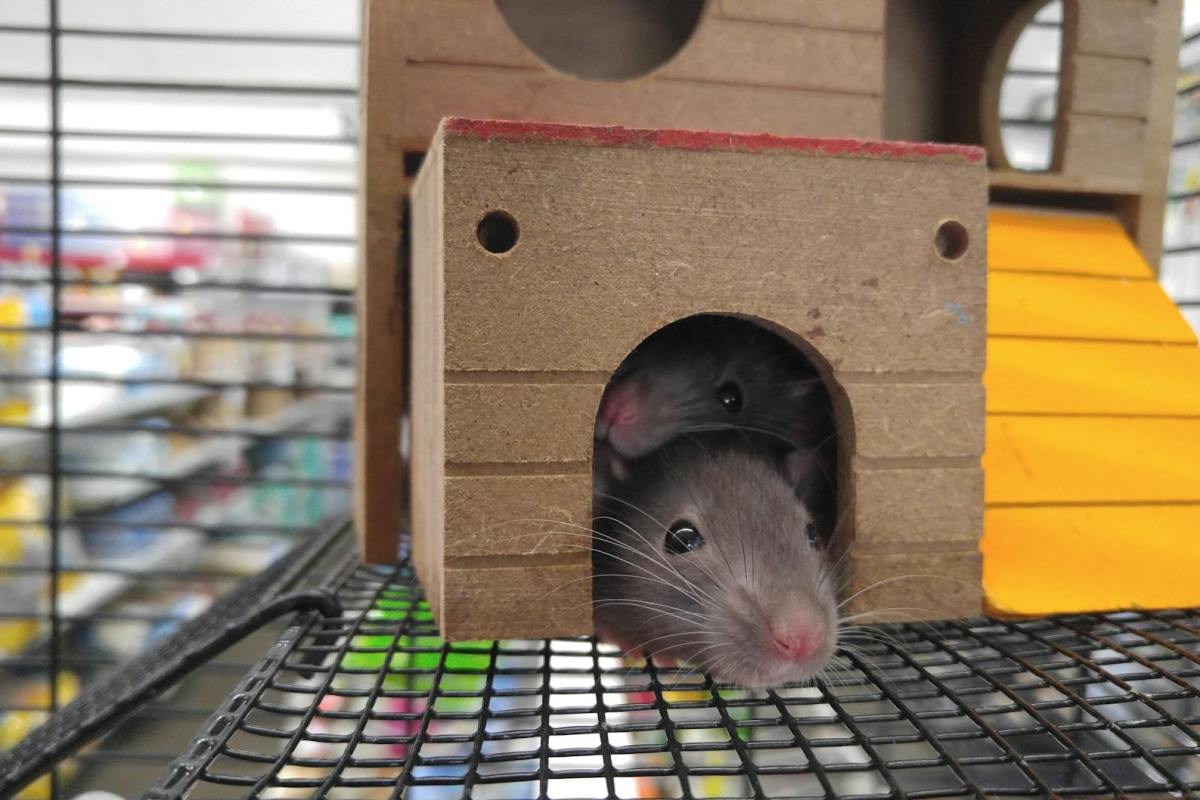
He described a research project in which rats were given a choice. The first choice was one reward system that gave them food every other time they pushed a button. The other choice was a reward system that didn’t have predictable cadence but gave them slightly more food when it did pay off (like an average of every 5th time).

The rats were choosing the second choice withe the unpredictable payoff which was surprising to the researchers. Usually they will choose what gets them the most food. The payoff of the first choice, the predictable every other time system was much higher.

The rats were living in small, plain cages. Then they changed the rats’ environment so they were living amongst plants in an environment that mimicked a natural habitat for rats. Once they changed the habitat, the rats switched to picking the every other time reward system.

The conclusion was that when we don’t have enough stimuli, we’ll make odd choices in order to spice things up. Like doomscrolling through social media, thinking we’re hungry when we aren’t, or in Cooper’s case, stealing the Christmas gnome.  

And Michael Easter’s take away on that research and other studies about what one of the best ways to get more stimuli? Getting out of our climate controlled houses to spend time in nature.

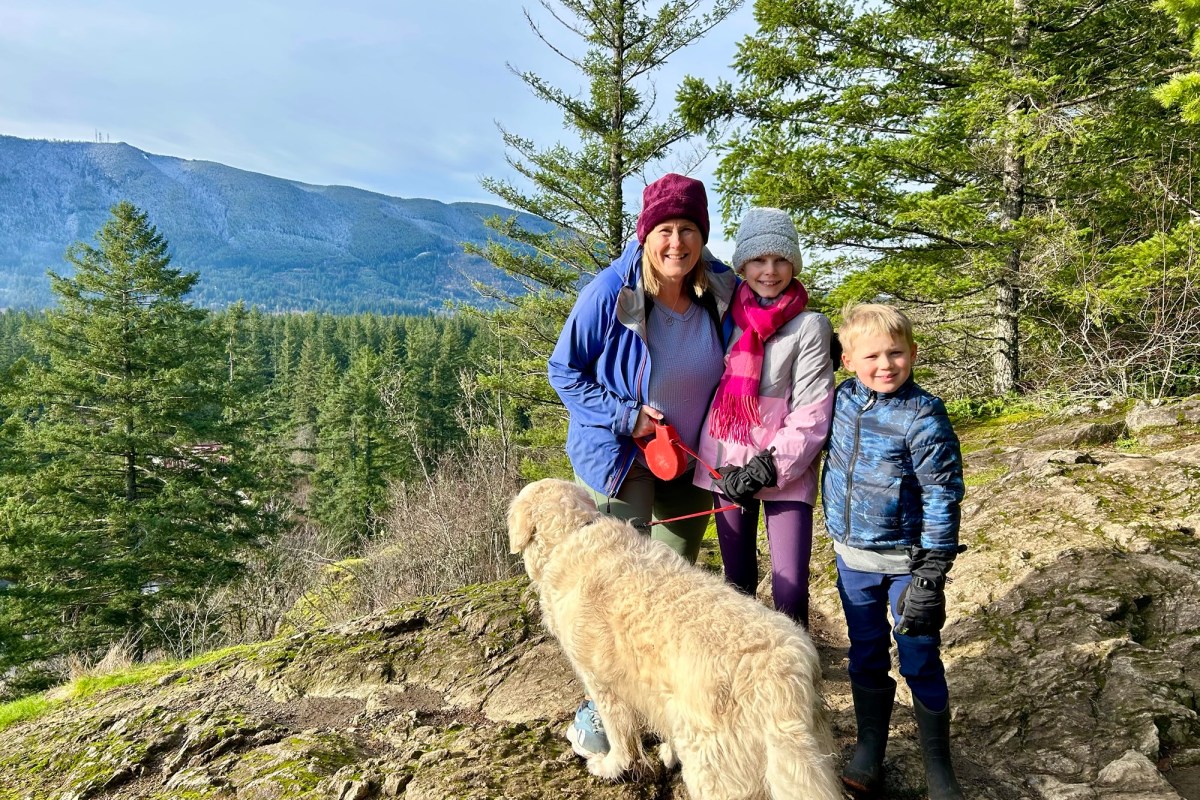
It’s funny but when I took Cooper out for a hike last week, he didn’t steal anything after we got home. Not even a dirty, sweaty sock that smelled of the trail. And for that matter – neither did I.

(featured photo from Pexels)

You can find me on LinkedIn: https://www.linkedin.com/in/wynneleon/ and Instagram @wynneleon

I host the How to Share podcast, a podcast celebrates the art of teaching, learning, giving, and growing.

I also co-host the Sharing the Heart of the Matter podcast with the amazing Vicki Atkinson.

Making a List and Checking It Twice

Make sure to include yourself in the list of things you need to take care of this week.” – unknown

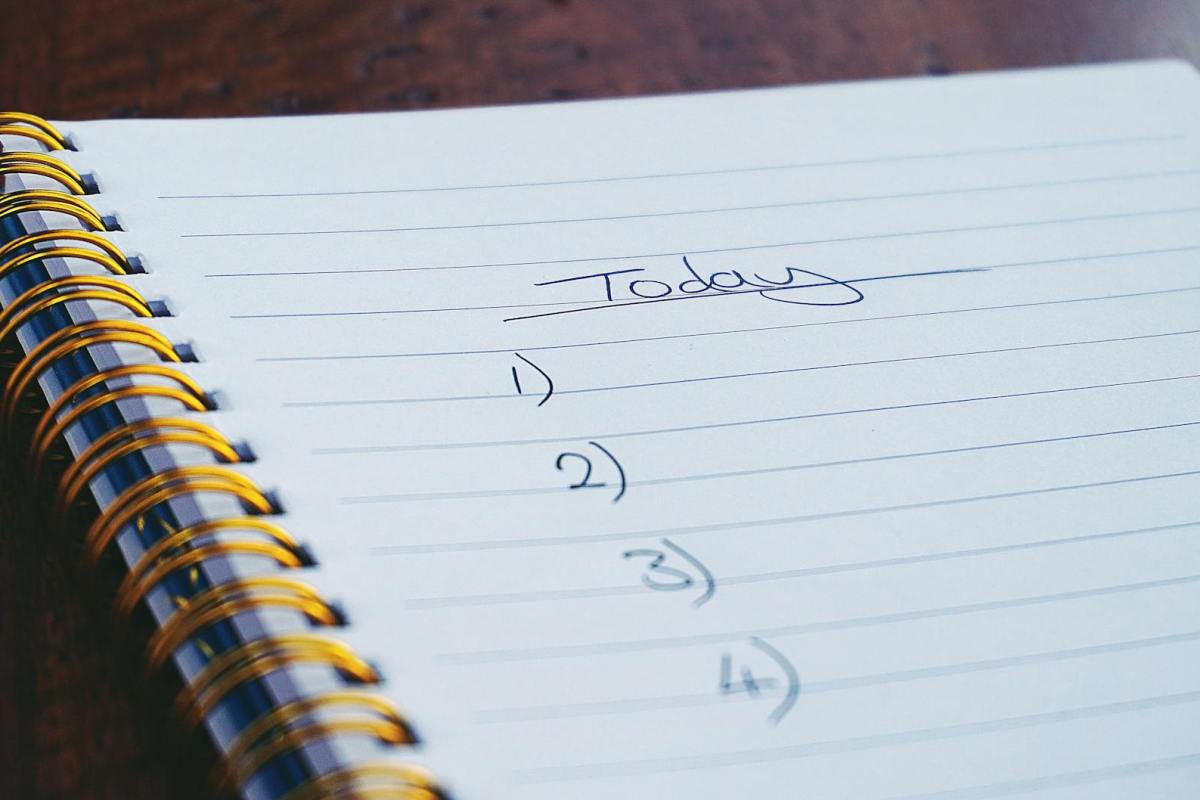
During this last week when the kids had a week off from school, six-year-old Mr. D repeatedly asked at bedtime what we were doing the next day. I discovered that he felt much more grounded when we made a list. It worked even better when he wrote it himself.

I’m a list person so I totally relate to D’s love of lists.

  • Lists help me prioritize what I need to do first.
  • There’s nothing like a list to keep me going when my motivation flags.
  • Writing a list reminds me of James Clear’s adage, “You don’t rise to the level of your goals. You fall to the level of your systems.”
  • I get a great deal of satisfaction when I cross an item off my list.
  • When I don’t get something do, it prompts me to consider whether it’s simply that I don’t have the time or I have simple underlying resistance that I need to address.

Nothing like a list to bring things into focus. Mr. D included “Chillax” on his list. It’s a good reminder to prioritize downtime even on days when the list is long.

(featured photo from Pexels and quote from Enlightened Mind 622 – Make Sure to Include Yourself)

You can find me on LinkedIn: https://www.linkedin.com/in/wynneleon/ and Instagram @wynneleon

I host the How to Share podcast, a podcast celebrates the art of teaching, learning, giving, and growing.

I also co-host the Sharing the Heart of the Matter podcast, an author, creator and storytelling podcast with the amazing Vicki Atkinson.

The Rope Team

“Sometimes life is too hard to be alone, and sometimes life is too good to be alone.” – Elizabeth Gilbert

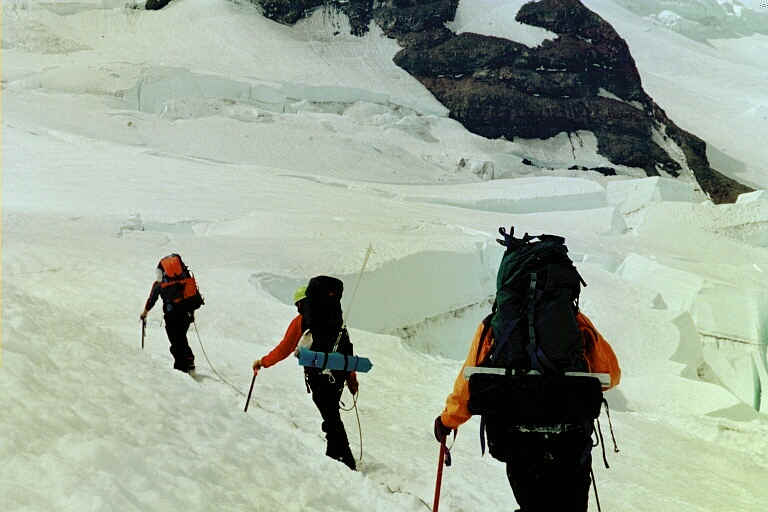
When I was climbing mountains, I noticed a funny thing when we roped up on the higher slopes of a mountain. We transformed from being individual hikers to becoming a team. The physical manifestation made a psychological difference.

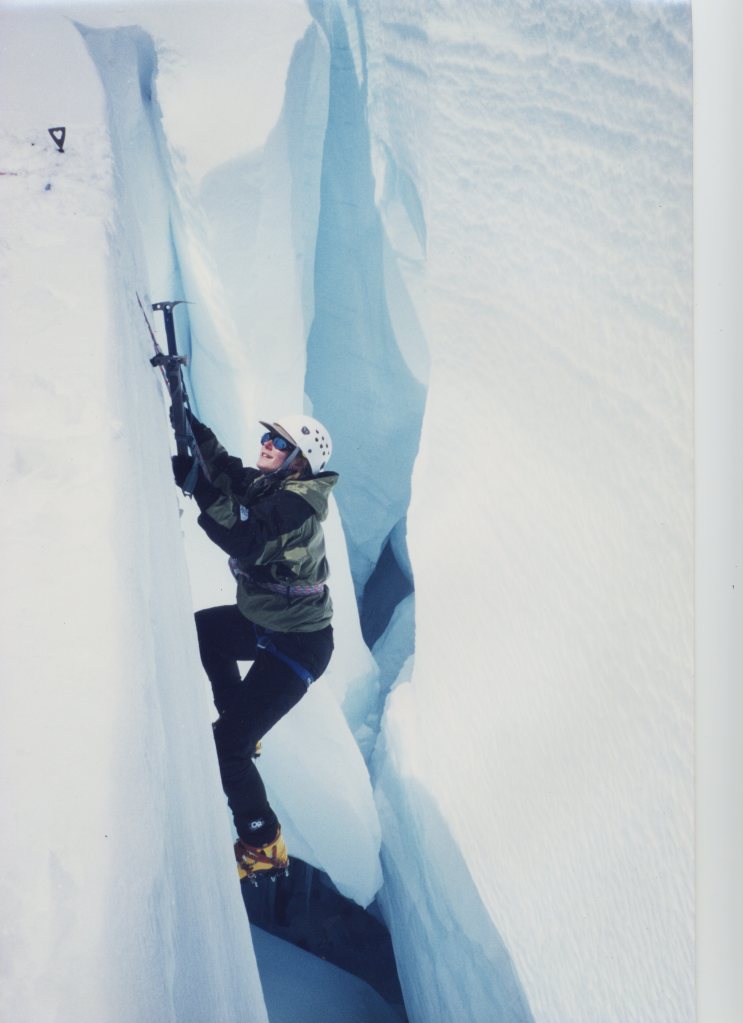
Fortunately, I’ve never had to arrest the fall of someone else while on a rope team. But I have willingly climbed into a crevasse. It made me immensely grateful for the people above holding on to the rope.

A similar team phenomenon happened to me and my kids a couple of weeks ago when we were on vacation.

It was perfectly smooth when the kids and I decided to go paddleboarding after dinner. But by the time we got our paddleboards into the water, it was starting to blow again.

We’d been paddling every day for ten days to get the feel for the tides and current. At the beginning of the vacation, six-year-old Mr. D was paddling with me riding on the back of his board. Once he’d gotten proficient enough with his strokes, he graduated to be on his own.

So Mr D was on his own paddleboard. Ten-year-old Miss O had decided she just wanted to ride along on mine. On this night, Mr. D wanted to go all the way down the bay to the pirate flag, a notable marker about a mile down the beach from where we launched.

When we were about halfway there, the wind was present but not too much of a factor. We held a family meeting to make sure we wanted to continue. Mr. D had looked at that flag for 10 days and was determined to get there.

We celebrated momentarily when we reached the pirate flag. Then Mr. D said he was tired and just wanted to rest. At nearly the same moment, the wind whipped up and started pushing us farther away from home.

I said aloud, mostly for Miss O’s benefit, “Please, God, help us.” We weren’t in immediate danger but it was going to be a hard paddle back. At any point, we could have paddled 20 yards to the to the beach and walked back. It would have been a slog pulling the boards but it was a viable option.

Miss O got philosophical about how we ask God for help. We weren’t asking for it to be easy – just for help in any form. As it was, Miss O volunteered to get on Mr. D’s board to both give it more weight and to paddle.

Even with the two of them, they were being pushed backwards by wind. So I attached my leash to their board and we paddled back as a team. I paddled on my board, Miss O and Mr. D took turns paddling on theirs. Roped together, we slowly made our way home.

The overall feeling when we hit the beach? Gratitude. Thank God Miss O had opted to ride along and had fresh arms. Thank God she made the transfer from one board to another without mishap. Thank God for making us a team.

Because that was what stuck with us. Just like with climbing, roping together turned paddling into a team building exercise -and it worked. There are so many ways we are buffeted by the winds of life. A team can make all the difference.

(featured photo is mine)

You can find me on LinkedIn: https://www.linkedin.com/in/wynneleon/ and Instagram @wynneleon

I host the How to Share podcast, a podcast about collaboration – in our families, friendships, at work and in the world.

I also co-host the Sharing the Heart of the Matter podcast, an author, creator and storytelling podcast with the amazing Vicki Atkinson.

And for anyone curious about the inside of a crevasse, here’s what it looks like:

Life is A Puzzle

Learn how to see, realize everything connects to everything else.” – Leonardo da Vinci

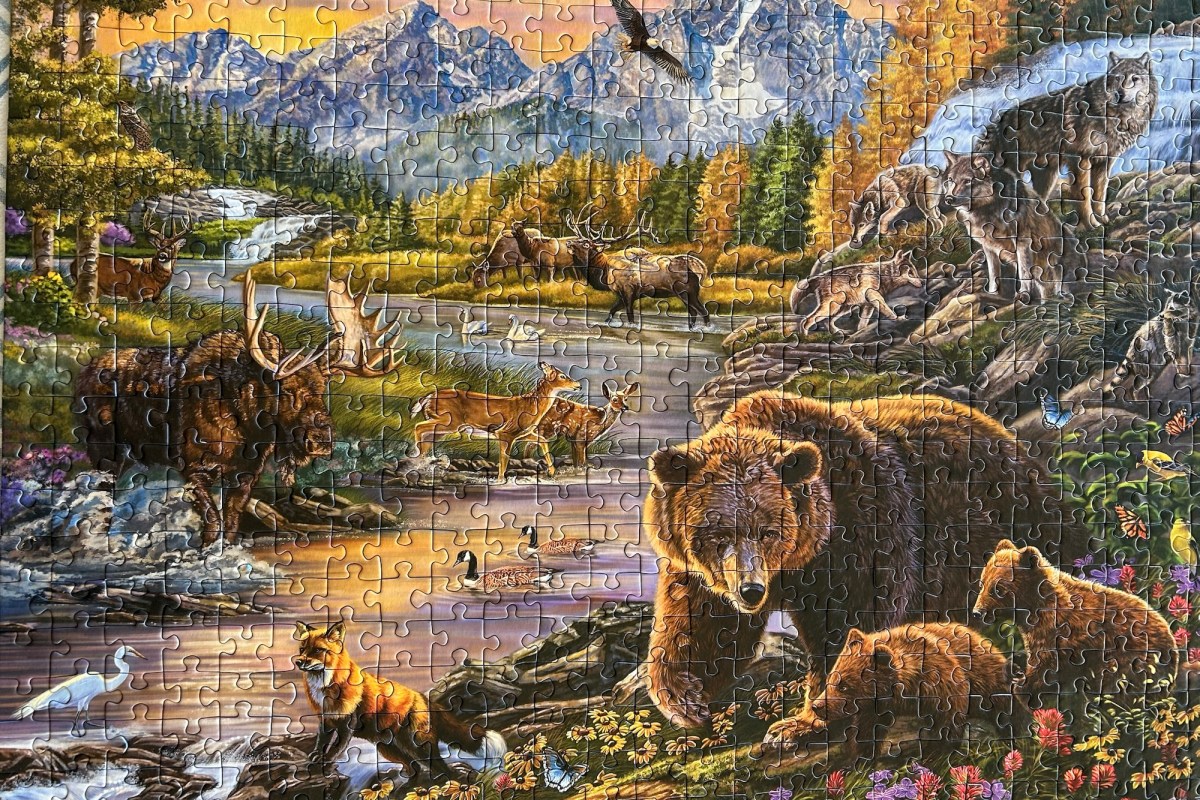
We did a few puzzles in the past couple of weeks while we were on vacation at the beach. Mostly Miss O and I chipped away at them with occasional assists from Mr. D and friends that came up to visit.

Five things I noticed about how doing a puzzle is like life. Or how life is like a puzzle.

  1. When you first sit down, all the pieces look the same and it feels impossible. The puzzle doesn’t start itself. Having an approach like turning all the pieces right side up and putting together the border pieces together makes it feel doable.
  2. You don’t find a piece unless you look. Sure, every once in a while you might get lucky and find something that fits as you walk by. But mostly, you have to be in the game if you want to make a match.
  3. There are many ways to find a piece – by color, by shape, by content. This reminds me of perspective and how we all see things differently.
  4. You can’t make something fit no matter how much you want it to. It goes easier when you honor the “no’s” in life.
  5. There’s nothing like the feeling of slotting in the last piece. But you can relish the satisfaction of connecting any two pieces if you aren’t too much in a hurry to get to the big picture. Enjoy the little moments.

I keep learning that playing IS life. It seems like we are just spending idle time but really we are gaining perspective on everything else. Because at least for me, those moments when you see the big picture help to inspire the awe in the everyday.

Just like the photo on the front of the puzzle box helps when putting it together. Right?

(featured photo is mine)

You can find me on LinkedIn: https://www.linkedin.com/in/wynneleon/ and Instagram @wynneleon

I host the How to Share podcast, a podcast about collaboration – in our families, friendships, at work and in the world.

I also co-host the Sharing the Heart of the Matter podcast, an author, creator and storytelling podcast with the amazing Vicki Atkinson.

Life(cycle) of the Party

You knew it would be hard and it would be uncomfortable and it might be awkward and you did it anyway. That’s courage.” – Arnold Schwarzenegger

I did it. We did it, I should say. We threw a backyard birthday party for Mr. D’s sixth birthday and hosted 21 kids under the age of eight plus about a dozen parents. And the we? I hired Miss O and two of her 10-year-old friends to help. I also had the invaluable assistance of a young woman who was Mr. D’s pre-school teacher and has become a great family friend.

Here are ten things I seem to learn and re-learn about the life(cycle) of the party.

  1. Parties are a great forcing function. I’m guessing it would be easier to rent a party venue. But I love the opportunity to invest in my home. I try to do a home improvement project and a purge project before every party. I don’t think I sat down for three days leading up to the event. But I laid more pavers to expand my backyard seating area and filled eight bags of dishware, textiles, and toys to give away. That alone made the party a win before it even started!
  2. You have to sleep on it to learn. I walked 22,160 steps on the day of the party. At the end of the day, I was too exhausted to know or feel anything…other than tired. The lessons learned didn’t show up til the next morning.
  3. Even the happiest of events will exhaust you. Mr. D loved his party. It was a fair theme with Crocodile Cave water slide on one side of the yard, an inflatable hot tub on the other and in between a bottle-ring toss game, Skee ball setup, fishing game, and a flipping rings game. After lunch and birthday cake, we made shaved ice cones, cotton candy, applied tattoos and had a ballon art station.

    Mr. D almost fell asleep in his dinner.
  4. You plan, plan, plan… and then let it happen. Miss O had beautifully drawn out the time table for three party phases: WET,  DRYING, and DRY. We had roles assigned for each. We were about 15 minutes into the party when we made our first substitution.
  5. There is that guy at parties regardless of age. In one terrifying moment, I came eyeball-to-eyeball with a six-year-old that said, “I’m going to open the gecko’s cage.” I had to race the kid to the keys. I never thought twice about leaving the enclosure key in the door like we always do.

    The party shtick of that guy (not meant to be gender specific) starts early.
  6. The messy middle happens every time. There was a moment right before birthday cake where it all felt impossible. We took a deep breath and made it through.
  7. No one naturally markets their stuff. Each of the “fair activities” had its own arc. But when the lines at a particular stand ebbed, nobody wanted to be the carnival barker to attract an audience.
  8. Mixing up the ages benefits everyone. In this case it was letting older kids take care of younger kids. It made both ages feel special.
  9. Save time for the after part. My favorite part was after all the guests left. The workers, Miss O, and Mr. D got to really enjoy the fun.
  10. There are a few people that will go the extra mile to appreciate the effort. Keep them close. All the parents were lovely and grateful. A couple went out of the way to tell me afterwards what they appreciated. I suspect these are also the people I know, online and in real life, that take the time to leave good reviews. I want to be more like them.

Looking this over, I think it might be the lifecycle of all the hard things I’ve done. What do you think – is there a predictable arc of big to-dos? Did I miss any lessons learned?

(featured photo from Pexels)

You can find me on LinkedIn: https://www.linkedin.com/in/wynneleon/ and Instagram @wynneleon

I host the How to Share podcast, a podcast about collaboration – in our families, friendships, at work and in the world.

I also co-host the Sharing the Heart of the Matter podcast, an author, creator and storytelling podcast with the amazing Vicki Atkinson.

How To Share

Everyone has a talent. What’s rare is to follow it to the dark places where it leads.” – Erica Jong

Do you have a solid idea of what you know? Not what your jobs have been or what roles you have played but the overarching talent, wisdom, and perspective that is uniquely you?

I ask because I’ve spent the last five months trying to figure out what I know. Believe me, I understand that seems like a long time to try to answer what is a seemingly straightforward question. But I found it to be harder than I expected.

Here’s why. I’m bound by a non-compete so that I can’t fall back to the technical expertise that I’ve cultivated for my career, at least not for a few more months. But that has been an incredible opportunity for me to figure out the bigger picture. Instead of just treading the same path I’ve been walking with Microsoft SharePoint, Teams, OneDrive, and the other technologies, I’ve had to examine what mountain I’ve been climbing the whole time.

Here’s what I discovered. In the 25 years I’ve been helping people with their collaboration software, I’ve learned a whole lot about how to share.

Not just what buttons to push to share a file, a photo or a calendar, but what makes groups do it well – and also do it poorly.

One of the more stark examples was a team that was so good at sharing not only files but also ideas, contacts, and worries about what could go wrong, they seemed to be able to nimbly handle challenges.

And then the leadership changed to someone who criticized that they talked too much, wanted people to focus on their own tasks instead of helping others, and berated team members for anything shared before it was polished. The leader thought they were “whipping the team into shape” but one of the side effects was that they were squelching vulnerability and sharing.

A couple of months into the new leadership, the team lost a key client. In the debriefing, it became clear that team members had picked up some little warning signs. If they’d shared them, it would have helped put together the big picture that the client was at risk.

While this example is in a professional context, it happens again and again in writing groups, schools, between friends, and more.

We have to share and it’s vulnerable. So we are continually evaluating who the audience is, what are the right permissions and how to identify the right time. That applies to files as well as personal stories, social media, wisdom, and more.

This period of introspection about what I know has pushed me to launch a new podcast, How to Share. It draws not only from my interest and experience but also applicable research and wisdom. My incredible and insightful first season guests will lend their expertise on how to share things such as credit and feedback, passwords, corporate communications, as well as how to receive when others share.

Here’s a short clip from the first episode, Why We Share:


Based on recent technology changes, we learned that embedding the full YouTube video reduces listens and views. Here are some ways you can listen and watch:

I’d be honored if you’d listen, watch, provide feedback and subscribe.

On the Sharing the Heart of the Matter podcast, Vicki and I also had a fascinating podcast conversation with author Mark Wukas about his incredible debut novel The Kiss of The Night. Please check out this fantastic author and hear how he cultivated his dream to write a book and this plot for almost 40 years!

How to Share Our Luck with Gil Gillenwater How To Share

In this enlightening conversation, Gil Gillenwater is with host Wynne Leon and shares his experiences and insights from over 35 years of philanthropic work along the US-Mexico border. He discusses his book, 'Hope on the Border,' which highlights the transformative power of education and community service. Gil emphasizes the importance of enlightened self-interest over traditional charity, advocating for a model that empowers individuals and fosters dignity. He explores the duality of poverty, the need for sustainable opportunities, and the joy found in serving others, ultimately presenting a vision for a more connected and compassionate world.TakeawaysEducation is the key to breaking the cycle of poverty.Enlightened self-interest can lead to personal and communal growth.Charity should not be viewed as a sacrifice but as a mutual benefit.Volunteering provides a sense of purpose and fulfillment.Welfare can disempower individuals and communities.Community service fosters connections and shared humanity.The disparity in wealth is a significant issue that needs addressing.Experiencing poverty firsthand can change perspectives.Creating opportunities in one's home country can reduce migration.The joy of service is a pathway to personal happiness.Links for this episode:How to Share homeHope on the Border at AmazonGil's organization: Rancho FelizGil Gillenwater on FacebookWynne’s book about her beloved father: Finding My Father’s Faith; Blog: https://wynneleon.com/; Substack: https://wynneleon930758.substack.com/
  1. How to Share Our Luck with Gil Gillenwater
  2. How to Share 1970's Chicago with Doug. E. Jones
  3. How to Share Feedback with Dr. Vicki Atkinson
  4. How to Share the Next Generation with Mari Sarkisian Wyatt
  5. How to Share Impactfully with Social Media Friends with Amy Weinland Daughters

Spring Training

Every strike brings me closer to the next home run.” – Babe Ruth

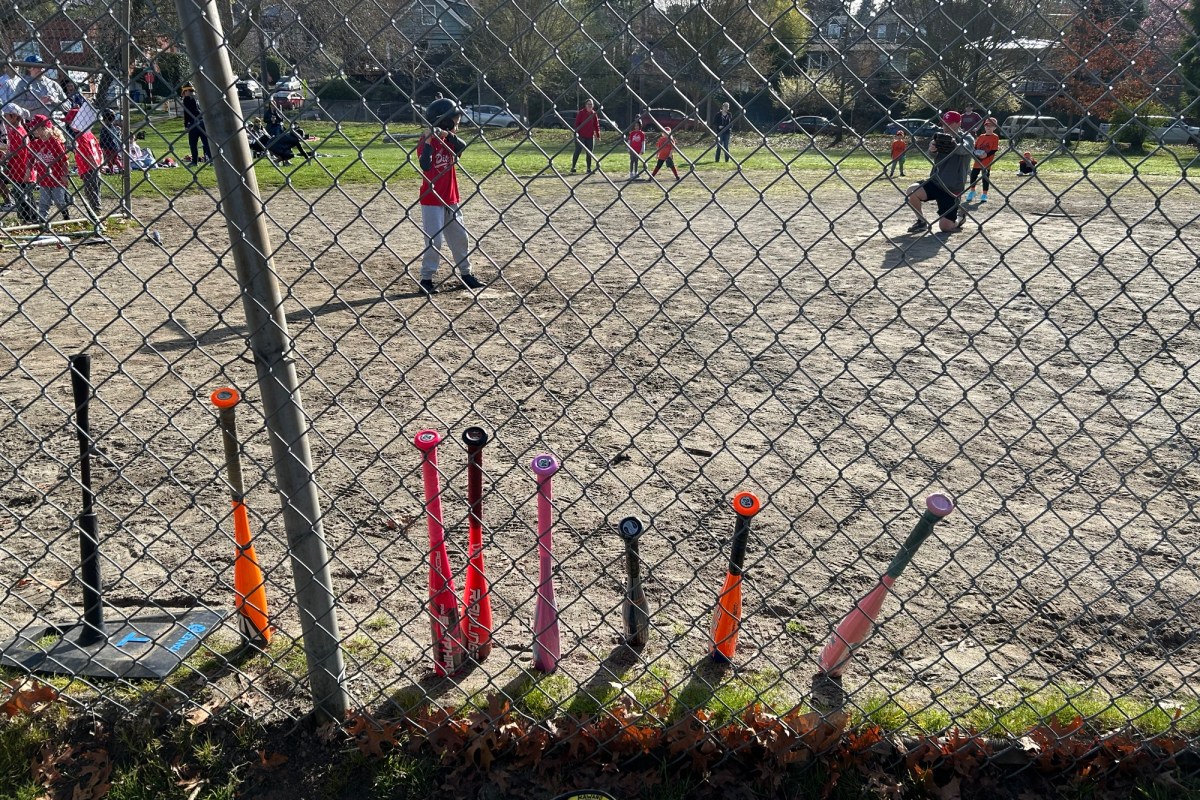
It’s Spring! I know because my five-year-old son, Mr. D, had his first Little League game.

My friend Eric quippedIsn’t a Little League game at this level where a batter hits and then everything that happens next is an error?

Well, he wasn’t far off. The games last for an hour. Each side bats their entire lineup and then they switch to the outfield. A batter gets four coach pitched balls. If a hit hasn’t happened by then, they bring in the tee for the child to hit off of. Each team got to bat twice.

In the outfield, the whole team of 10-12 players go out. Figuring out who to throw to is understandably confusing. Who’s on first? Practically EVERYONE.

In one play, a kid on the other team fielded the ball hit by his own team as he ran to second base. Eric laughed, “I wouldn’t even know how to score that. He gets a forced out and an assist?

The teams practice getting outs but no one actually sits down on the bench as a result.

It struck me as a great lesson in low stakes learning. How to set up environments where hits and errors are all just scored as lessons. Even for adults, we can learn pickleball or improve our writing without going full-on into performance or competition mode.

So here’s to learning to pitch things and trust they’ll teach us something. To swing for the fences and be able to laugh when it all goes wrong and the ball ends up behind us. And maybe if we don’t want to consider sliding for home, we can at least pounce on the finish line when we find it.

 Because even if we’re not in the Spring of our lives, we’re still in training! Right?

(featured photo is mine)

You can find me on Instagram @wynneleon and LinkedIn: https://www.linkedin.com/in/wynneleon/

I co-host a storytelling podcast featuring authors and artists with the amazing Vicki Atkinson. To tune in, search for Sharing the Heart of the Matter on Spotify, Apple, Amazon Music or Pocketcasts (and subscribe) or click here. Or the YouTube channel features videos of our interviews. Please subscribe!

My other projects include work as a CEO (Chief Encouragement Officer), speaking about collaboration and AI through the Chicago Writer’s Association, and my book about my journey to find what fueled my dad’s indelible spark and twinkle can be found on Amazon: Finding My Father’s Faith.

What I Know, Not What I Think

The Heart has its reasons, that reason does not know.” – Blaise Pascal

I have a lot of opinions about all that’s going on in the world. Don’t worry – I’m not going to tell you them. I realized the other day that not only do I get a steady dose of news from my media intake, but I also am getting a whole lot of other people’s opinions about it from newsletters, expert commentary, inexpert commentary, memes, and more.

This a-ha made me realize that I needed to take a breath and find ground in what I know instead of just what I think. My dad was a great believer in the wisdom of the heart. The quote for this post was one of his favorites.

So here’s what I know:

No one knows the future, no matter what credentials they have.

People working together can accomplish great things.
Pitting people against each other can lead to temporary gains but comes at a cost.

There are real feelings in the pancake vs. waffle debate.

One suffering soul can hurt a lot of people

Healing is always possible but it takes hard work.
It’s my responsibility to do my work so that I can try not to add suffering to the world.

Believing is a way of life. If something requires me to check what I believe at the door, I should be doing everything I can to resist.

When I feel rushed, oppressed, and worried, the best thing to do is slow down, remember what I know, and find the next right thing to do. The rest is in God’s hands.
Believing that there is Higher Power helps me to work hard in the day and sleep at night.

There are an infinite number of things that can bug me – and the at least the same number that can delight me.
Whether I find one or the other, depends on me.
Developing the discernment between what is irritating and what needs to be fixed is a constant practice.

Love is all there is, to quote the Fab Four.
Being mindful of expansive love changes my experience: love of all the precious people around, the beauty of nature, the delight in the air I breathe, the gift of the day I’m in.
Uncertainty triggers fear and moves me out of love.

Navigating uncertainty takes energy.
Patience takes energy.
So sleeping and eating well can truly change the world.

When choosing between the standard and the ultra, always make the ultimate pancake recipe

The golden rule to treat others the way that I want to be treated works to reminds me to flip my perspective.
But I will never know what anyone else’s experience is like.

Sharing of authentic stories is transformative.
Opinions rarely brings us together. Swapping stories often does.

There is no one else I can be.
Conversely there is no one else others can be.
People change; but not how you want or when you want them to.

Slowing down how I roll helps me find more opportunities to be kind.

Effort brings outcome.
Exercise is worth it.
Setting goals that are bigger than I believe I can accomplish will take me somewhere.
There is nothing I can wear that will replace confidence.
It is possible to live through hard times and learn from them.

My dad once wrote, “The distance between our heart and our head is about 13 inches. When our hearts are right, our heads will follow along by believing.
And that leads to the last thing I know for this post: A hopeful heart is a powerful thing.

(featured photo is mine)

You can find me on Instagram @wynneleon and LinkedIn: https://www.linkedin.com/in/wynneleon/

I co-host a storytelling podcast featuring authors and artists with the amazing Vicki Atkinson. To tune in, search for Sharing the Heart of the Matter on Spotify, Apple, Amazon Music or Pocketcasts (and subscribe) or click here. Or the YouTube channel features videos of our interviews. Please subscribe!

My other projects include work as a CEO (Chief Encouragement Officer), speaking about collaboration and AI through the Chicago Writer’s Association, and my book about my journey to find what fueled my dad’s indelible spark and twinkle can be found on Amazon: Finding My Father’s Faith.

My Go-To Metaphor

One climbs, one sees. One descends, one sees no longer, but one has seen. There is an art in conducting oneself in lower regions by memory of what one has seen higher up. When one can no longer see, one can at least still know.” – Rene Daumal

This was originally posted on another blog on 7/19/2023 and I’m republishing here to consolidate. Heads up – you may have already read this.


I recently had one of those weeks. You know the kind I mean? The ones where you have to dig extra deep to stay focused and get everything done but there’s a payoff at the end? Like the week before vacation where you have to get your work projects in order, home projects in order, buy extra food for the cat sitter, set the watering system, and pack all the while still feeding, watering, and caring for yourself and your family.

So, during this particular week I kept coming back to my go-to metaphor for life: mountain climbing. That’s the one that sticks for me even though I haven’t climbed a proper mountain in ten years.

One step at a time: For any mountain that I’ve climbed, there is a moment in the parking lot that I look up at the summit, or what I can see of it from the base, and doubt that I have any chance of reaching that point in two or three days time. The mountain looks massive and my stride looks incomparably small. But seeing the task ahead of me, I shoulder my pack, and start one step at a time.

Rest breaks: The first time I climbed a mountain it was with a guide named Jason. For every hour we climbed, we took a 10 minute rest break and he would lie down on the breaks. He had a simple philosophy: Why stand when you can sit and why sit when you can lie down? He was a master of not only making sure we stopped to care for ourselves, but also capitalizing on that time.

Team work: On the higher reaches of most mountains we rope up in teams of five or so, with about 30 feet of rope between each climber so that if someone falls, the rest of the team can dig into the snow with their ice axes. This method either keeps them from falling very far, or serves an anchor to pull the climber out if they’ve fallen into a crevasse. Is there a better metaphor for remembering that others are there to help us?

Self-care tricks: When you stop to rest, especially during the pre-dawn hours, the sweat instantly freezes on your skin and you get really cold, really quick. So the trick is to have your parka handy. And here’s the key, you load your parka pockets with yummy snacks so that when you put it on, it’s like one-stop shopping. By yummy snacks, I mean trail mix with candy mixed in or your favorite nuts, not protein bars that are going to look, feel and chew like leather. Because when you’re so incredibly tired that feeding yourself feels like a chore, it has to be appetizing and handy.

Set a turn-around time: The idea of a turn-around time makes me think of the guide Rob Hall who died on Everest in 1996. He was so focused on getting his client to the top that he ignored the time he had told his team they would turn-around no matter whether they’d summitted or not. While the consequences are usually not nearly as dire, there is often a similar limit in life, whether it be bedtime or the time you have to leave for the airport. There’s a moment where you just have to stop what you are doing and call it good.

The slide down: One of my favorite mountains to climb is Mt. Adams in Washington State. We leave our camp in the middle of the night to head for the summit. About 20 minutes out of camp there’s a 50-degree slope that takes hours to tackle. But what takes about five hours to climb only takes 45 minutes to slide down on our butts for one of the best payoffs ever.

So that’s my metaphor for life – climbing. I haven’t even touched on false summits, the rest step, and the pressure breath. When I’m tackling something hard, it works for me to envision the components that will get me through: put one step in front of the other, take regular rest breaks, rely on my teammates, make it easy to take care of oneself when things are hard, set a limit for when you have to stop and then enjoy the payoff.

What’s your go-to metaphor?

You can find me on Instagram @wynneleon and LinkedIn: https://www.linkedin.com/in/wynneleon/

I co-host a storytelling podcast featuring authors and artists with the amazing Vicki Atkinson. To tune in, search for Sharing the Heart of the Matter on Spotify, Apple, Amazon Music or Pocketcasts (and subscribe) or click here. Or the YouTube channel features videos of our interviews. Please subscribe!

My other projects include work as a CEO (Chief Encouragement Officer), speaking about creativity and AI through the Chicago Writer’s Association, and my book about my journey to find what fueled my dad’s indelible spark and twinkle can be found on Amazon: Finding My Father’s Faith.

Turning Distress into Action: Lessons from Failure

Failure is only an opportunity to begin again more intelligently.” – Henry Ford

My mom said our prayer before dinner on Monday night. One snippet resonated deeply with how I’ve been feeling when I listen to the news these days.

I don’t have her words exactly right but it was something like, “Dear Lord, helps us with the distressing current events.” Then she added something like, “Lord, we trust you are at work in the world. Please help us to see how.”

I’ve come to realize that political failure is a lot like personal and professional failure. There’s a period to grouse about it, at least for a bit. But mostly it’s an invitation to work hard to learn from it and use it as motivation for change.

I realize that when I feel in agreement with my local and national leaders, I’m not very involved in politics. But when I feel like the actions of our leaders are reckless, cruel, divisive, greedy, and/or misaligned with our values, I’m fired up to do something. Whether it’s being of service, contributing where’s there’s need, or reaching out to representatives, I’m far more willing to jump in.

I’m not a fan of failure – but I have to admit it’s a great motivator. I’d love for there to be an easy answer to my mom’s prayer but I suspect that getting involved is one component.

(featured photo from Pexels)

You can find me on Instagram @wynneleon and LinkedIn: https://www.linkedin.com/in/wynneleon/

I co-host a storytelling podcast featuring authors and artists with the amazing Vicki Atkinson. To tune in, search for Sharing the Heart of the Matter on Spotify, Apple, Amazon Music or Pocketcasts (and subscribe) or click here. Or the YouTube channel features videos of our interviews. Please subscribe!

My other projects include work as a CEO (Chief Encouragement Officer), speaking about creativity and AI through the Chicago Writer’s Association, and my book about my journey to find what fueled my dad’s indelible spark and twinkle can be found on Amazon: Finding My Father’s Faith.