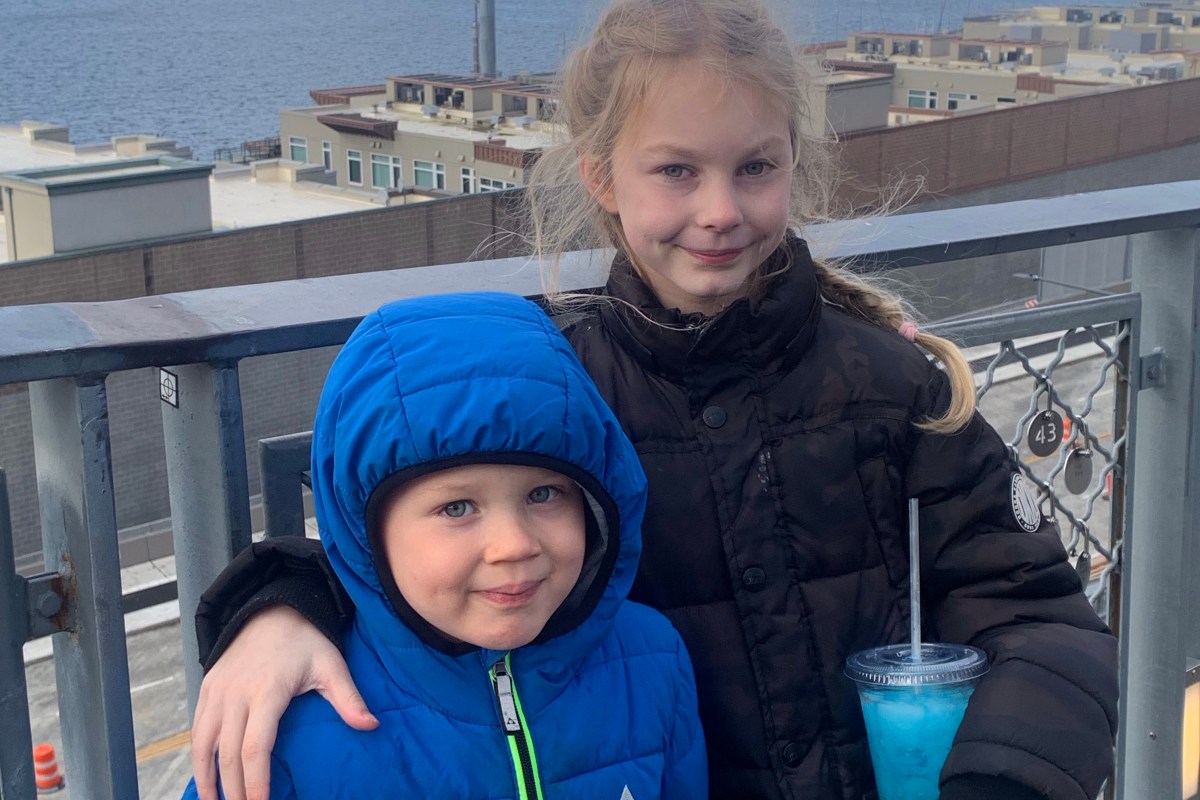
When Life Gives You Lemons, Your Family Should Help You Squeeze

A child can teach an adult three things: To be happy for no reason, To always be busy with something, and To know how to demand with all his might that which he desires.” – Paulo Coehlo

This weekend I found myself in the questionable position of rooting against my four-year-old son, Mr. D.

Mr. D is very good at demanding with all his might that which he desires. When I put it that way, in the words of the quote for this post from Paulo Coehlo, it sounds a lot more romantic than some of the silly situations that we find ourselves in. Like yesterday when Mr. D insisted that we take pickleball racquets to church.

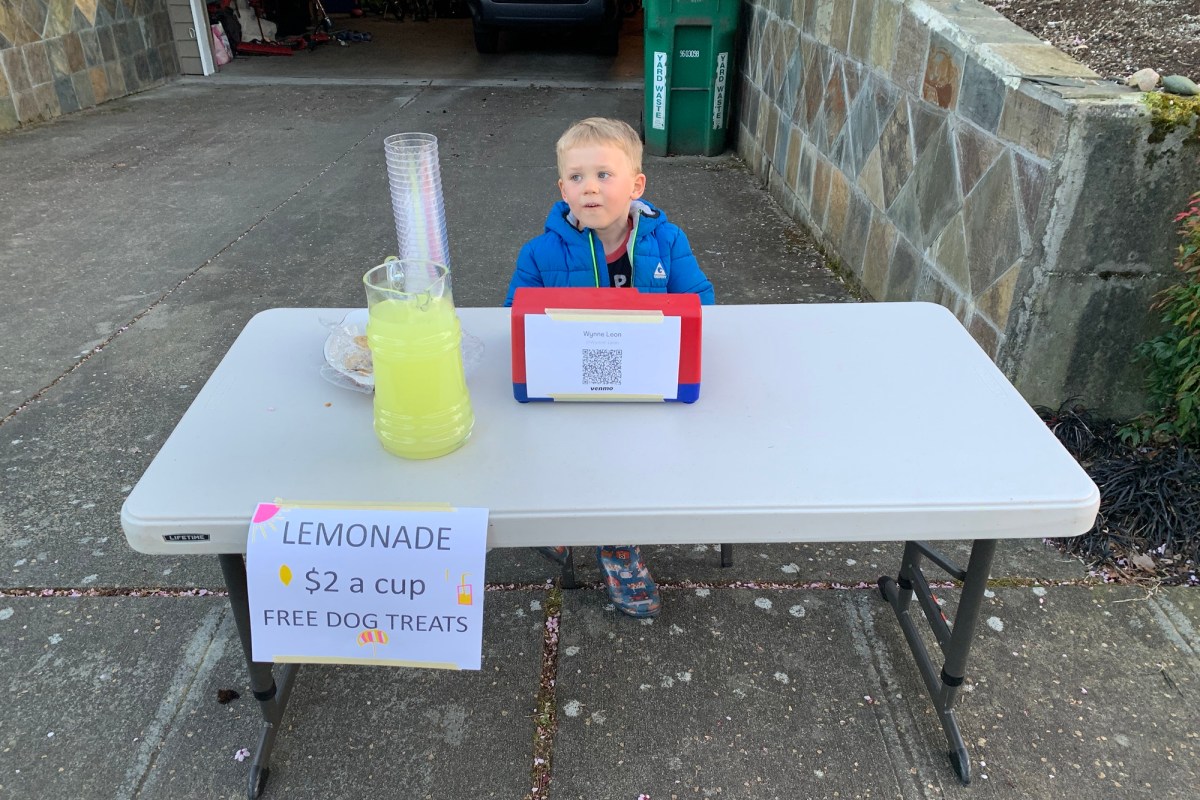
But on Friday night when he stubbornly insisted on having a lemonade stand, it wasn’t entirely out of the blue. He’d asked me earlier in the day and I said he could do it when eight-year-old Miss O came home from school.

When he asked Miss O, she said she’d do it after she had a little iPad time. So by the time everyone was ready to do it, it was 6pm and the March chill had settled in.

Miss O and I tried to convince Mr. D that Saturday, when it was forecasted to be 70 degrees was a better time to do it. He dug in and insisted we do it right then.

Miss O was mad, and I was irritated. But we hauled the table out to the sidewalk, balanced glasses and the toy cash register, and set it all up. Mr. D got into position behind the table and started calling, “Lemonade, get your lemonade” to no one in particular because there wasn’t traffic of any kind.

As I stood off to the side, I realized I was hoping no one would show. And that realization kicked me upside the head. Isn’t one of the big challenges of life and love to support and encourage others even when (or especially if) they choose to do things differently than we would? Maybe this was my opportunity to practice supporting my kids in their age-appropriate decisions, starting with a lemonade stand.

But it’s hard when I’m pretty certain I’m right. After about 20 minutes of no one coming by, I nodded to Mr. D and asked if he wanted to go watch shows. I didn’t start in with a lecture but just held his hand as we walked upstairs together. After all, entrepreneurial failure is disappointing all on its own without your family piling on.

And then Mr. D and Miss O did another lemonade stand on Saturday when it was warmer. If nothing else, I can support a willingness to keep trying. I didn’t agree with Mr. D’s decision to buy paint brushes with his half of the $13 of earnings. But I guess that was my continued opportunity to practice offering my opinion and then keep quiet. The hard work of love…

Wide Angle Moments

We are like someone in a very dark night over whom lightning flashes again and again.” Maimonides

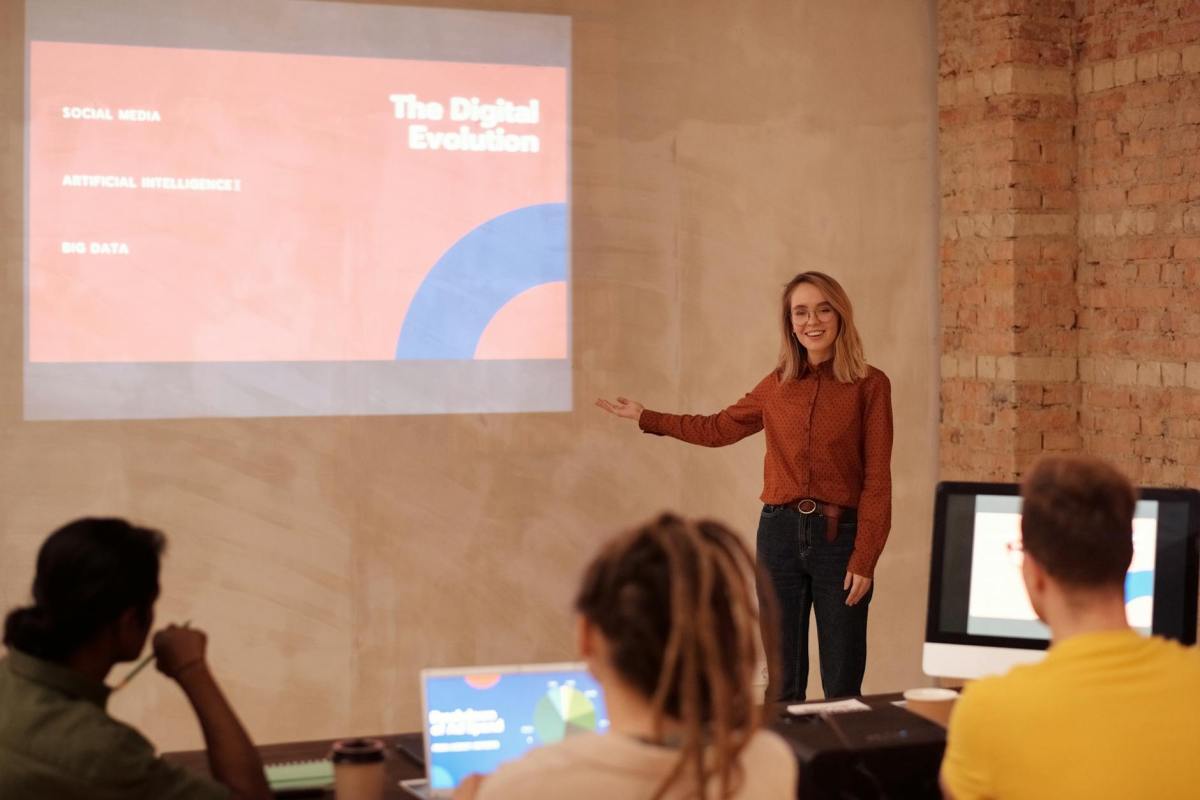
Last weekend, I had a moment of clarity-induced panic. Unfortunately, it happened to come while I was giving a short presentation at a company meeting to about 200+ people.

The company I work for has bi-annual events where families are invited. I’d flown with my kids to this event in New Orleans. The event planners did a great job of getting us all set up at the hotel, arranging group meals, and scheduling some fun outings. It was a nice opportunity to see people face-to-face that we only get to work with remotely.

Then came the company meeting for just the employees. I rushed Mr. D and Miss O through breakfast, got them settled down in our hotel room, and left them with three instructions:

  1. Don’t leave the room
  2. If you need anything, I’m on the 10th floor
  3. Stay together no matter what

When it came time for my five-minute presentation, I walked up to the podium and glanced at my notes. I started with a joke. Then looking at the audience, I had that moment of clarity-induced panic.

  1. I was the only woman leading a business unit and the only woman presenting at the meeting
  2. No one else with small children had traveled by themselves
  3. What the heck was I thinking?

I’ve come to think of these “what the heck” moments as wide-angle views of my life. The ones where I get a glimpse of a little bit more than just the task at hand. I’ve had them in mountain and rock climbing, my marriage, and parenting.

Often they come with panic of wondering, “Am I on the right path?” Sometimes, and I’m thinking of my marriage, the answer is “no,” but they always flash a wider view of purpose and trajectory. Whether I go forward or back, they’ve always required me to muster up some courage in order to proceed.

In the case of my presentation, it was a sense of wondering whether I’d bitten off more than I could chew and if I belonged. I felt my voice waver and looked down at my slides. I knew the material cold, I’d practiced aloud in my room, so I took a deep breath, and let my muscle memory carry me through.

(featured photo from Pexels)

Complicated Compliments

Life doesn’t come with a manual. It comes with a mother.” – unknown

The other day, four-year-old Mr. D said to me, “Mama, you are the bestest in the whole entire moon.”

Sweet. And I don’t want to minimize that, but he said it to me after I gave him a cookie. I’m sure I can’t be the only person who has a complicated relationship with compliments, especially in families. Do they love us for who we are, the role we play, or what we do for them?

Do you feel that nugget of self-doubt in that last sentence? Me too. It reminds me of the few things I’ve been able to glean in the last fifty years about confidence and compliments.

They have to be right sized for the effort.

My kids keep teaching me this lesson. If I over-praise an effort, it feels insincere.

I have to be able to believe it

There isn’t a compliment in the world that can overcome my inner resistance. This one is fraught for me as a parent. My kids frequently compliment me for being the “bestest” or a “good mom.” But, of course, I’m just a mom and I can’t get everything right. My biggest growth area is mindful eating – not eating in front of devices. For a number of reasons this is complicated and I’m getting it wrong more than right.

So I find myself circling back to my driving principles. My priorities are to help them be kind (including to themselves), safe, and healthy (body, mind, and spirit). And to be present and to love them. If I can aim for most of that, then I try to give myself some grace about the rest.

Compliments are best when I would have done the same thing with or without it.

I would have given Mr. D the cookie whether or not he gave me the compliment. It wasn’t conditional on him saying anything.

So, yes, it feels safe to say that this time I can believe I’m the bestest on the whole moon. After all, it’s only me and a probe that’s tipped sideways in the running. Not that I’m on the moon…. but you know what I mean.

(Mary from Awakening Wonders reminded me of the quote for this post)

(featured photo is from Pexels)

A Legacy of Love

The one thing that we can never get enough of is love.
And the one thing that we can never give enough of is love.”
– Henry Miller

When I published my book about my dad eight years ago, there was a consistent kernel of comment that I got about it from his peers that read it. It was stated or implied that they hoped they were remembered as fondly.

I’ve sat with that nugget for a long time to try to unravel what that meant. I’ve come to believe it reveals a truth about what’s important.

Let me start off with a list of the things that my dad wasn’t good at. He worked too much. He left the hard work of parenting largely to my mom. He could be sloppy with details. He was conflict averse and would turn most anything into something funny and light so as not to have to deal with it. He didn’t show his struggles or any negative emotion in a way that would make him more relatable.

But he had one major thing he did right consistently – he loved people. He managed his own neuroses, opinions, and worries in a way that made him open to love others. He’d say that it was following the example of Jesus to love, accept, and welcome others that allowed him to do that. He believed that was Jesus was the way, the truth and the life, but he also believed that it wasn’t the only truth. He came to appreciate any practice or belief in something bigger than ourselves.

On his birthday about four months after he died, I posted a tribute to him on Facebook based on the Maya Angelou quote, “I’ve learned that people will forget what you said, people will forget what you did, but people will never forget how you made them feel.“. An acquaintance from high school with responded with a comment like, “Not everyone had a dad like that.”

Right. I was incredibly lucky to have a dad that was so effusively warm and whose face lit up every time he saw me. I think he had an advantage as a pastor in that it was part of his profession to practice meeting, accepting and loving people. His resume virtues and his eulogy virtues were aligned, to borrow a phrase from David Brooks.

But I think we all have the opportunity to prioritize supporting and encouraging others in a healthy and boundaried way, and love people the best we can. I suspect it might be the key to how fondly we are remembered. The ultimate paradox is that we give love in order to be loved.

My book about my journey to find what fueled my dad’s indelible spark and twinkle can be found on Amazon: Finding My Father’s Faith.

I’m Glad You’re Here

When you love someone the best thing you can offer is your presence. How can you love if you are not there?” – Thich Nhat Hanh

We were sitting in the family room of the small AirBnB cabin we’d rented for President’s Day weekend when I heard my four-year-old son, Mr. D quietly say to my friend, Eric, who had joined us. “I’m glad you’re here.”

It’s a sentiment that I’ve heard both of my children say on different occasions, locations, and to different friends. I’m glad you’re here. I’m glad we’re here.

It’s completely unprompted by me and I’ve never noticed them saying it at the moment of arrival. Usually it’s uttered calmly in genuine camaraderie for an adult that has shown up – physically and emotionally.

I find it to be one of the most remarkable compliments a kid can give. After all, at ages eight and four, they aren’t in charge of where we go or who comes along. But when they find the presence of another person to be comforting/fun/engaging/stimulating, they say so. Genuinely.

Upon reflection, it’s another thing my kids are teaching me. To know when I’m happy to be somewhere and in good company, and to express it.

So, dear blogging friends, I’m glad you are here. Thank you for reading.

ON A RELATED NOTE: Vicki Atkinson and I were lucky enough to talk with Edgerton award winning playwright, musician and author, Jack Canfora on the Sharing the Heart of the Matter podcast episode released today. Part of the conversation is about how our writing is one way we show up. It’s a delightfully fun and interesting episode, please listen! Episode 55: Master Class in Creativity with Jack Canfora Part I. Also, there’s a bonus video clip in that linked post.

Mama, Why Would We Want to Feel Their Pain?

Your ability to understand and empathize with others depends mightily on having a steady diet of positivity resonance, as do your potentials for wisdom, spirituality, and health.” – Barbara Frederickson

This was originally published on 4/5/2023. Heads up – you may have already read this.


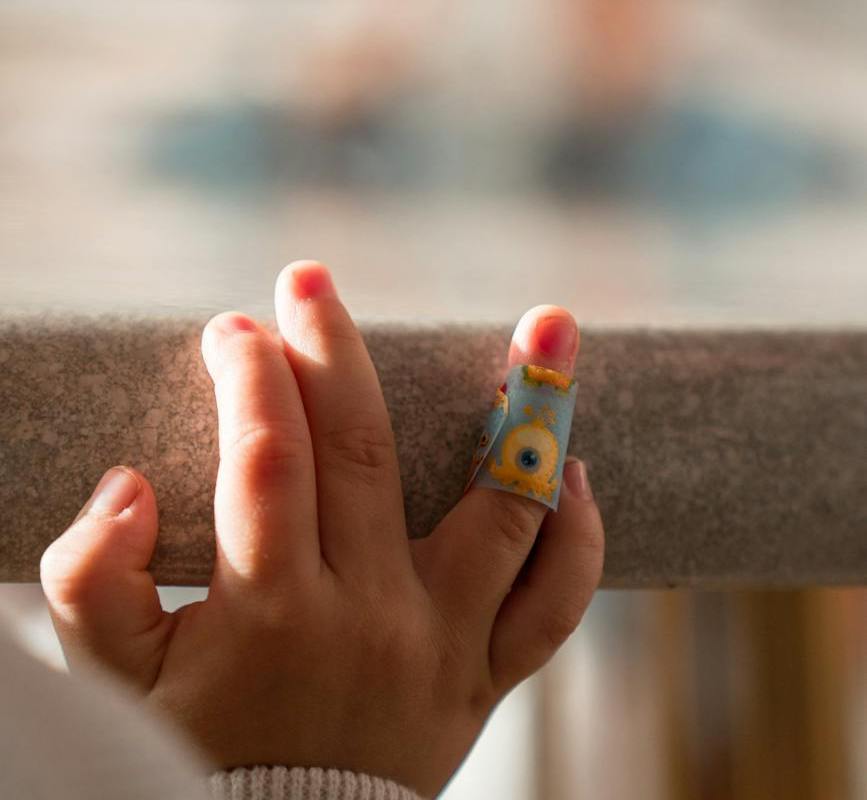
My 7-year-old daughter, Miss O, bumped her 3-year-old brother with her backpack when they were getting into the car yesterday morning. As he started to cry, she offered an uncharacteristically flippant, “Sorry, Dude.

I gathered him in my arms to check on the little pinky finger that got jammed and added something like, “I’m sure your sister wants to offer some sympathy but can’t find the words right now.”

As we got underway, Miss O said, “I thought sympathy was a bad thing?” The curiosity about learning about emotions moved her away from her defensiveness and we talked about the continuum of responses in the face of pain: denying it, indifference, sympathy and empathy. Off the cuff, I said that empathy was something like leaning in to relate to someone else’s pain.

Miss O asked, “Why would we want to feel their pain?”

It seems I’ve spent the better part of my 53-years trying to understand the answer to that question. I suspect that it was becoming a parent that truly changed my willingness to really sit with the distress of others.

I’ve found that unacknowledged wounds weep the most. Jack Canfora’s post, There’s Nothing Wrong With Everything Being Wrong, spoke to me about the cleansing act of being honest. When we pretend everything is okay either with ourselves or others that are hurting, we add a layer of BS that hardens over time.

But when we talk about hard things and are able to lean in to the sorrow and pain of others, we are blessed by getting to know someone deeply. I imagine we are all a little like icebergs, carrying the pain of life as the big unseen part beneath the water. And when we empathize with each other, we get to see all of us, and even witness the growth that comes with healing after things fall apart.

Which isn’t to say that I’ve found it to be easy to embrace the discomfort of others. I find myself stumbling for words, unsure how to ask, or if to ask, and it becomes worse if I fear I’ve had a part in causing pain. But when I avoid it, it only becomes bigger, sometimes big enough to sink the Titanic.

I remember my dad, who was a Presbyterian pastor for 40 years, describing the first time he had to do a funeral and a wedding on the same day. He said the sheer emotion of going through those extreme emotions almost buckled him at the knees.

I’ve found that the times I have the most access to empathy are when I’ve done my own work to manage my emotions, to understand that I don’t have to carry other people’s loads, and to clean my own wounds. Then I have a much bigger capacity to sit in the dark with others. I can’t go deep when I’m swimming in the shallow end of my self-care and grace pool. For me, that work is in the form of meditation, writing, and creating but I know we all have different tool kits.

So I circled back to my daughter and said, “Sometimes we start trying to empathize because we think it’s the right thing to do or because our mom told us we should. But sooner or later we learn that pain is a lot like the dark – only scary because we don’t look. We lean in to feel other’s pain so that it goes away and it doesn’t become a monster in the closet, threatening to pop out when we least expect it.

We lean in because we all take turns hurting and healing and then have to do the work of repair.


I’ve also published today on the Wise & Shine blog: Just Start

(featured photo from Pexels)

Romancing the Stone

Love recognizes no barriers. It jumps hurdles, leaps fences, penetrates walls to arrive at its destination full of hope.” – Maya Angelou

This post was originally published on 9/8/2022. Heads up – you may have already read this.


More than 10 years after the fact, I can tell the story of my marriage/divorce without even the slightest wince of pain. I got married to my husband when I was 33-years-old. He had been married before and told me that he was divorced because wife #1 had a jealousy problem.

In the marriage, I came to think he just wanted a mindless side-kick to be with him for whatever HE wanted to do. He thought I was far to in-de-PEN-dent (pronounced slowly as if a four syllable curse word). A couple years into the marriage he announced that it was time to have kids. I said “no.”

Seven years into the marriage, his best friend came to me to tell me of my husband’s infidelities. All of a sudden I understood what had really happened with wife #1. <insert big a-ha laugh here> After some dithering and poor attempts to fix it, we divorced.

After a couple of years of patching myself up and finding meditation, I started dating. I had very good reasons why none of those worked out. Here are a few examples:

  • There was the guy that brought a gun to the date. No, I didn’t feel threatened at all but certainly was surprised when he pulled it out. He thought it was necessary because I lived in the big city and he’d come from a smaller suburb.
  • And there was the date who I went snow-shoeing with. When the outing lasted longer than expected, I knelt at the door of my home to greet my dog and say sorry for leaving him too long. The date had followed me up to the door and muttered behind me, “Never apologize to an animal.”
  • There was also the very dear friend with whom I was unable to have deep conversations.

After these forays into dating didn’t produce a life partner and I was age 45, I made what I thought was a pragmatic decision to have kids on my own. In the seven years since I’ve had kids I’ve had a few sparse and isolated dating attempts but have largely left love of that variety alone.

That’s my story – and a story I fully inhabit and believe. But recently I was talking with a dear friend going through heartbreak. As I sat and listened to my friend’s stories, I realized that it exposed a deep vein of cynicism about love that I wasn’t aware I held.

 The cynicism says – I’m not sure love is worth it. It also says that I have to do x, y, and z before I’ll be ready. And that it’s okay for other people to have partners but maybe not me.

Whoa. It’s like I’ve been hanging on to my story as if it’s a life raft and now I’m finding out it’s full of holes. Maybe, just maybe, I didn’t find my partner after I divorced because I didn’t want to. Somehow my joy for what I have and the optimism that I’ve been clinging to have covered over some walls I’ve constructed.

One of my close friends always says she found her second husband and love of her life because she believed she was worthy of love. For me, and for many of us that have experienced great loss in relationships, I think we might need to believe something similar:

I am worthy of love. And the love that I will find will be worth having.

One of my favorite quotes about healing comes from priest and author, Henri Nouwen. After experiencing a loss of a significant friendship, Nouwen sequestered himself for six months and wrote journal entries that became his book The Inner Voice of Love. Towards the end, he comes to realize:

“Your future depends on how you decide to remember your past.”

Henri Nouwen

That’s the problem with my story about my marriage and divorce. I am frequently grateful to my ex-husband for the events that put my on the path that I’m on. But it appears that I need to re-remember what else about love is worthwhile. That decision may change a lot about my future.

What do you think about love? Hopeful? Cynical?

(quote for this post from my wise friend, Brian: Writing From the Heart With Brian)

(featured photo from Pexels)

I’ve also published today on the Wise & Shine: You Get What You Pay For

Failing Well

Take chances, make mistakes. That’s how you grow. Pain nourishes your courage. You have to fail in order to practice being brave.” – Mary Tyler Moore

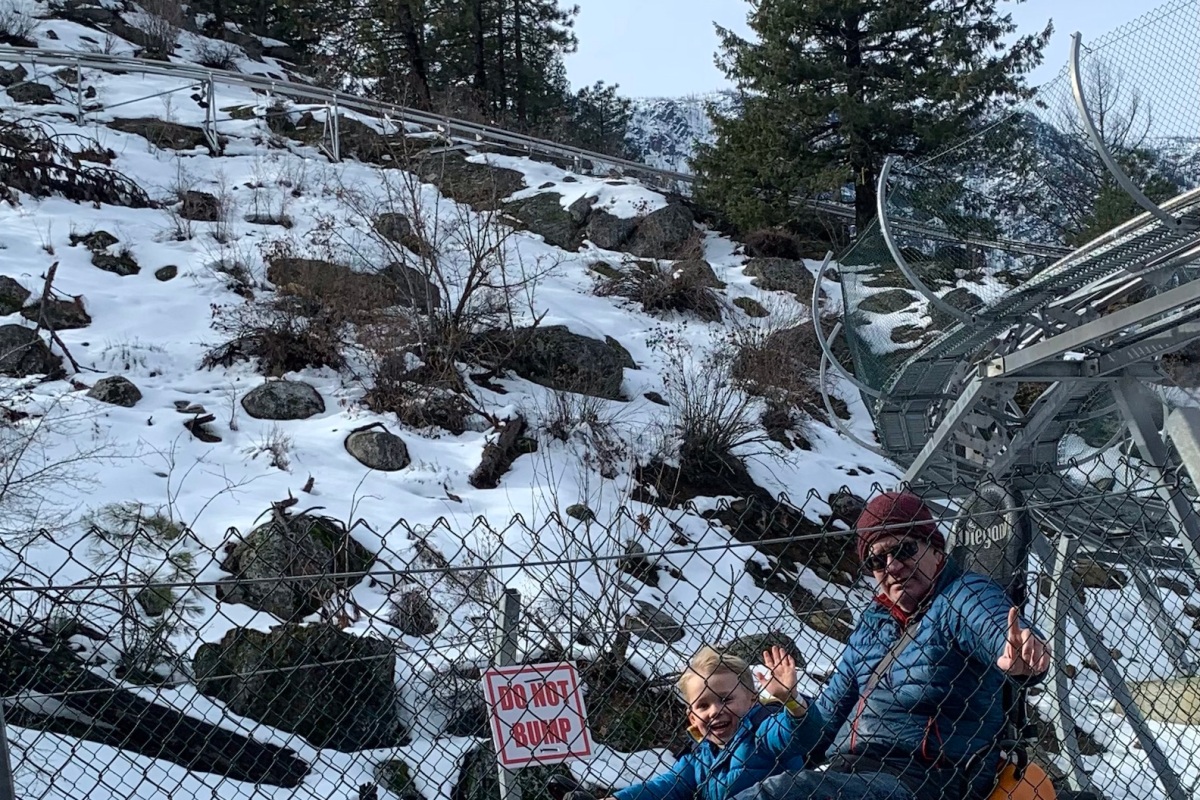
Last weekend when we were in Leavenworth, WA, we went to an adventure park to ride a roller coaster. Or maybe I should say a roller-coaster-ish kind of ride because the cars were individual and the driver could apply the brakes as much as they wanted. Another clarification: by “we” I meant my kids rode with my dear friend, Doug, because I’m an endurance person, not a speed person.

Now that I have all those caveats in place, on with the story.

Eight-year-old Miss O had no hesitation and climbed right in to ride with Doug. Talking with four-year-old Mr. D about it, he was clearly torn. He didn’t want to do it. And then he did. He flip flopped a couple of times. Since I was pretty sure he’d like it, I was trying to figure out how to nudge him in the direction of trying it.

But even though Miss O didn’t hesitate on this challenge, she and I had just been having a conversation about failing when it came to learning to ride her hoverboard. She asserted that life was easier for me because I never failed. I told her I fail all the time which is why is doesn’t faze me much any more. In fact, I rarely think of it as failing but just as a step towards the next thing I need to do.

On the drive to Leavenworth, I’d been listening to the Ten Percent Happier podcast, The Science of Failing Well where Dan Harris was talking with Amy Edmonson, a professor of leadership and management at the Harvard Business School. She had three points that stuck with me about taking risks:

  • Make the risk as small as possible: This point reminded me of gambling – make a bet but don’t put all your chips in.
  • Have a hypothesis: Know what you are trying to test or prove
  • Learn from the attempt: Use the experience and hypothesis to extract information for the next thing you might try.

I think a lot about what creates confidence. What my parents did to create kids who are willing to try hard things because for all the differences between my siblings and me, we are all game to take on new challenges. So I’ve tried to figure out how I can do the same for my kids. While there’s much that remains a mystery to me, what I’ve identified is that my willingness to try and fail might be the single most defining characteristic in the arc of my life.

So, I told Mr. D he didn’t have to do it. But if he did, he only had to try one ride, Doug could go as slow as he wanted, and that I thought he’d like riding in a car on a track. When it came to his turn, Mr. D was a little nervous but resolutely game. Until I greeted him at the exit ramp, that is. He rolled back in with a huge grin on his face!

He had so much fun that he learned he wanted to do it again. And the second time he went up with his hands in the air.

Life is a roller coaster and I’m glad that I continue to ride. The metaphorical kind at least.

(featured photo is mine)

(quote is from Real Life of MSW blog: Being Brave)

Things About Parenting I Think I’ve Learned So Far

You’re an author, and the stories you write are penned across the hearts of your children. Therefore, be careful with the pen because you’re writing on some very precious paper.” – Craig D. Lounsbrough

I’m riffing the title of this post from Jack Canfora’s Things I Think I’ve Learned So Far because Jack’s post is one of my favorites and I’m too tired from parenting to think of one of my own. And that matches with my experience of parenting – you have to take small favors and lifts when you can.

Admittedly, I’m pretty early on into this parenting thing with only eight and a half years so far. Despite the best efforts of my more experienced friends to teach me everything I might need to know, I still understand I have a lot to learn. But in the interest of celebrating incremental progress, here’s the list of things I think I’ve learned so far in parenting.

Dance parties improve almost any mood.

When little people behave their worst, it’s when they need to be listened to and held the most.

Sometimes, on “those” days, you just have to declare it’s Milkshakes for Breakfast Day to shake everything up.

Try to say “yes” as often as possible, even if it’s just a qualified “yes.”

No matter how hungry you are, don’t eat that last bite off their plate until its cleared from the table.

There’s a time to push limits, and there’s a time to fold them in your arms. Knowing that balance is as mysterious as the original recipe for KFC or Coke. It’s sweet when you get it right, but you will still be guessing the next time.

Laughter is a beautiful elixir that will hold you together.

Socks are the bane of parenting. Little teeny tiny socks exploded off little teeny tiny feet are under the car seats, smooshed in the couch cushions, on the counter, behind the toy box, folded into books, and left everywhere and anywhere except the laundry basket.

My efforts to lobby Amazon to create a sock subscription service where new socks are delivered regularly have been ignored to date, mostly because I can’t ever finish an email without interruption.

A little bit of sugar works as an enticement. A great deal of sugar works like an unstable explosive.

You can use power over someone with little or no agency and it might work short-term. But, when you can, spending the time to develop power with a willing mind has a big long-term payoff.

You will screw it up. Look for the manual that came with the babies and remember there isn’t one. Be grateful for however many days you have before they figure that out too.

Insistence on anything that you previously thought you was indisputable fact before you had kids quickly becomes debatable in their eyes.
If you resist, the resistance becomes an object to focus on.
Better to use redirection.

Curiosity beats judgment any day and is one of the best tools in the box.

The line between crying and laughing is much closer than previously thought.

This is also true for irritation and awe.

On the Welch’s fruit snacks, the tear spot is between the h and the s. You’re welcome.

Every time you thoughtfully respond to a melt down you get to put a marble in the metaphorical trust jar.
Every time you lose it and yell, you take out ten marbles from the trust jar.
Every time you apologize for losing it, you get to add back your ten marbles, with bonus marbles for sincerity.

Naps aren’t just for the five and unders.

A well-rested kid can do most anything – this is true for well-rested parents too.

Save money on sorting games and instead teach them to match socks. This is a theoretical one but it would have been brilliant if I’d thought of it earlier.

You will screw it up. Apply grace liberally, get a good night’s sleep and try it again.

Your eyes should light up when your child enters the room.” – Maya Angelou
But there will be times they will enter the room covered in paint or dressed in all the contents of the laundry basket that you, for once, managed to fold. So shoot for lit up eyes MOST of the time.

It’s fun when you try to pay close enough attention to learn something about yourself and where you came from every day.

In the years before logic works, you have a wonderful opportunity to practice winning over hearts instead of minds.

Connection expands in proportion to your time sitting on the floor next to them.

Someone will cry when the milk spills. Try to make sure it’s not you.

It’s only possible to handle someone else’s big emotions when you’ve taken care of yourself.

Life is fragile; love helps us to overcome the abject fear of being responsible for it.

Relationship can handle a lot as long as you remain connected.

Whatever amount of vulnerability and patience you entered parenthood with will not be enough. Fortunately, kids come with many opportunities to exercise both.

Things will seem unbearable, and then they’ll change.

It will pain you greatly at times, but you have to big the bigger person.

Parenting is maddening; but a bigger part is gladdening.

You will screw it up. Treat yourself as gently as you can, laugh about it, apologize as necessary, and remember you are teaching them how to start again.

The big upsets are rarely about what it’s about. Take the socks, for example, which is really about the complete disruption of any order and ability to get things done you previously believed you had.

Or this list, which might not be just about parenting.
Be a Campfire, Not a Conflagration

Don’t set yourself on fire to keep others warm” – Rumi

We traveled this weekend to visit a friend in Eastern Washington. On Saturday morning, I crawled out of bed early for my sacred meditation time. After I meditated, I built a fire in the wood stove to take off the chill of the early morning in the woods.

The sequence made me realize the similarities between meditation and fire building.

We accumulate the debris from our lived days – the celebrations, the joys, the annoyances, the worries. It sits like stacked wood until we are ready to coax out the heat and the warmth. Somethings are easier to ignite than others while others need some tending to burn.

It requires a spark to convert it to something other than dead wood that we carry around. The spark can come from something like writing, introspection, or meditation. It can come from people around us or circumstances can set us off. But one way or another something is likely to light us up in good ways or in bad.

Some sort of ventilation is necessary in order for the process to work. We can talk it out, sweat it out, write it out, pray it out, cry it out, or some combo of it all.

Thinking about these parallels as I sat watching the fire in the stove, I found myself mesmerized by the beauty and warmth. But there are few things that scare me as much as when fire escapes its boundaries and roars out of control.

I came home from the weekend with a new motto: Be a campfire, not a conflagration.