Awe in Nature

Awe is the feeling of being in the presence of something vast that transcends your current understanding of the world..” – Dacher Keltner

We were at our favorite beach this weekend and it had the intended restorative effect after being sick for a couple of weeks. I had no idea of the timing when I booked the AirBnB months ago, of course. Don’t you just love it when life works out?

When I was beachcombing with my kids, five-year-old Mr. D ran up to me to ask, “Can I keep this stick?”

I said, “But we already have collected a couple today.”

And he answered, “Yes, but this one is so interesting. It’s covered in stuff.

I laughed and agreed it was unique.

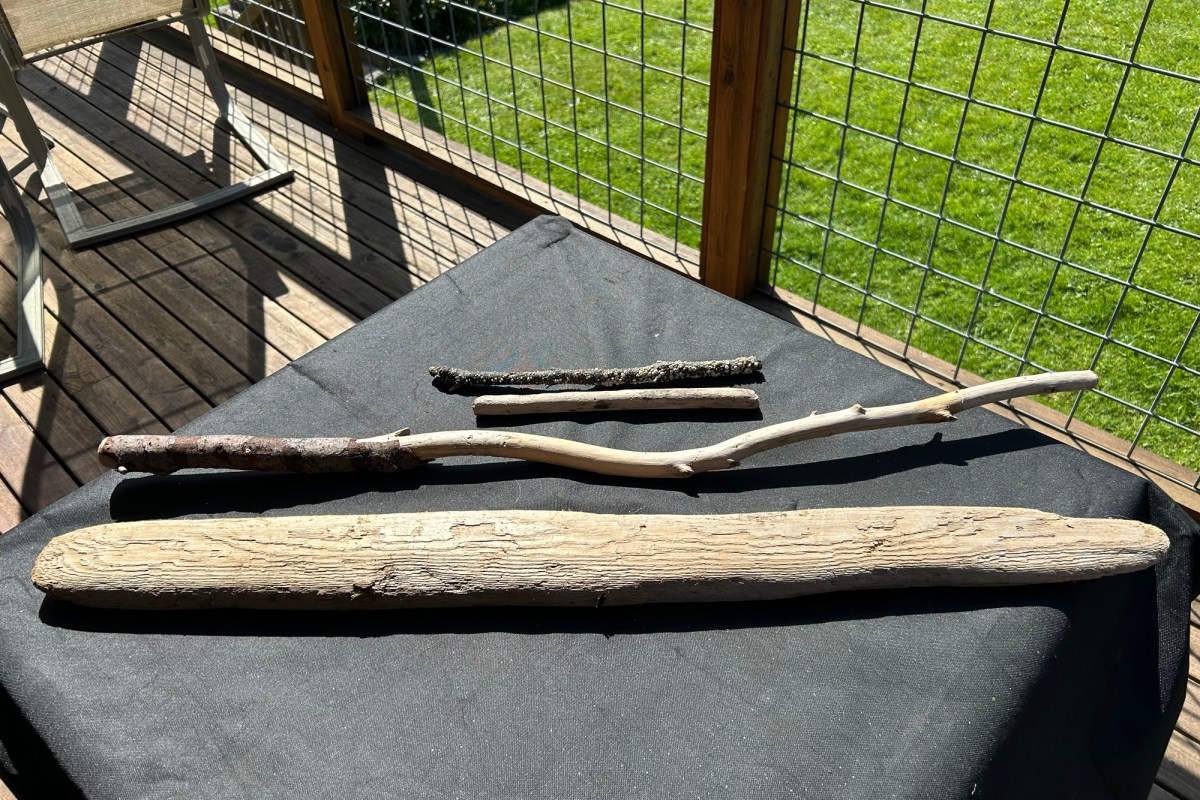
The back of our car has a section for interesting sticks, shells, and rocks because there’s something to love about each. One stick is one half covered with bark and the other half bare. Another is flat. And by contrast, Mr. D also really likes the one that’s perfectly round.

Miss O does the same thing. It used to be with rocks until she filled her pockets up so much that her shorts would sag. Now its tiny sea shells.

But I go along with it because I’m a sap for connecting to nature in all its beautiful variations.

In his book, Awe: The New Science of Everyday Wonder and How It Can Transform Your Life, UC Berkley professor of psychology Dacher Keltner writes about the goodness that comes from the awe we can experience in nature:

“In fact, it’s hard to imagine a single thing you can do that is better for your body and mind than finding awe outdoors. Doing so leads to the reduced likelihood of cardiovascular disease, respiratory disease, diabetes, depression, anxiety, and cancer.”
– Dacher Keltner in Awe: The New Science of Everyday Wonder and How it Can Transform Your Life

When put that way, I guess we’ll stick (pun intended) with the restorative time on the beach collecting little bits of nature that help remind us of the awe all around. It works for me!

(featured photo is mine of our latest collection of sticks)

You can find me on LinkedIn: https://www.linkedin.com/in/wynneleon/ and Instagram @wynneleon

I co-host a author, creator and storytelling podcast with the amazing Vicki Atkinson. To tune in, search for Sharing the Heart of the Matter on Spotify, Apple, Amazon Music or Pocketcasts (and subscribe) or click here. Or the YouTube channel features videos of our interviews. Please subscribe!

My other projects include work as a CEO (Chief Encouragement Officer), speaking about collaboration and AI through the Chicago Writer’s Association, and my book about my journey to find what fueled my dad’s indelible spark and twinkle can be found on Amazon: Finding My Father’s Faith.

Suffering

When another person makes you suffer, it is because he suffers deeply within himself, and his suffering is spilling over. He does not need punishment; he needs help. That’s the message he is sending.” – Thich Nhat Hanh

I don’t often think about my ex-husband, for better or for worse. [Yes, that was a marriage joke. 😊] After we divorced, he got married to his third wife. I discovered, once I wasn’t married to him, that I did want kids and had them on my own.

But something I read the other day made me think of something he said fifteen years ago when our marriage was unravelling. “I suffered so much as a kid that I don’t want to suffer any more now.” It was his excuse for not wanting to do the work to figure out the why of his infidelities.

He did suffer as a kid. His parents divorced when he was three years old. His mom remarried a man that ended up going to prison for bank robbery. He was in high school and living with his dad and his dad’s third wife until his dad and step-mom left town in the middle of the night to move 1,000 miles away without telling him because they were in trouble with the IRS.

My ex was a smart kid. He figured it out and managed to work his way through college to create a different life than his parents.

Here’s what I read that made me think of my ex:

“While I am not a victim, I didn’t ask for certain shaping experiences to happen to me. I didn’t ask to be slapped or ridiculed as a boy or to be mistreated by lifelong friends later in life. In truth, If I had experienced different things, I would have different things to say.

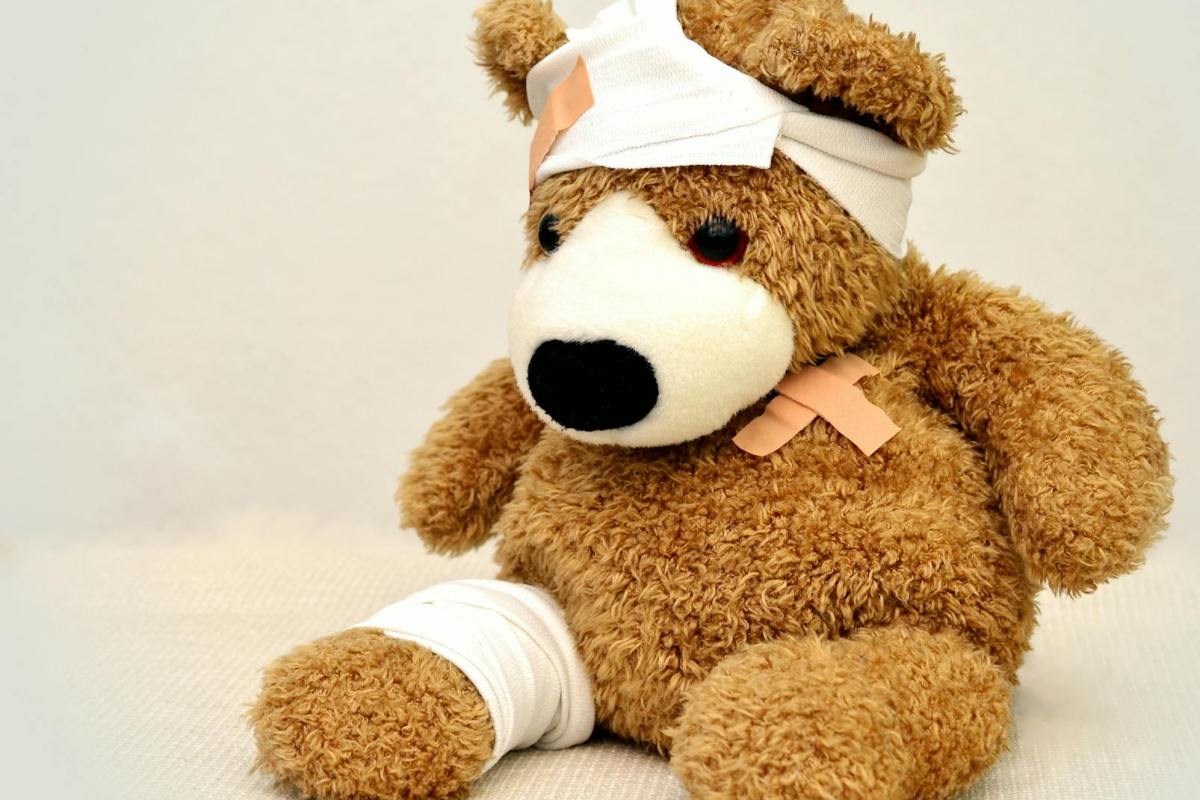
What is most healing about bearing witness to things exactly as they are, including my own part in my pain, is that when the voice of the pain fits the pain, there is no room for distortion or illusion. In this way, truth becomes a clean bandage that heals, keeping dirt out of the wound.

To voice things as they are is the nearest medicine.”

— The Book of Awakening: Having the Life You Want by Being Present to the Life You Have by Mark Nepo

That meditation helped me to understand that the point of cleaning our wounds isn’t to suffer more, it’s to heal at that deeper level.

Here’s the funny thing. In not wanting to do his work, my ex made me want to do mine. He’s right – there’s too much suffering in this world. I was motivated to heal my wounds so I don’t thoughtlessly create others.

(featured photo from Pexels)

You can find me on Instagram @wynneleon and LinkedIn: https://www.linkedin.com/in/wynneleon/

I co-host a storytelling podcast featuring authors and artists with the amazing Vicki Atkinson. To tune in, search for Sharing the Heart of the Matter on Spotify, Apple, Amazon Music or Pocketcasts (and subscribe) or click here. Or the YouTube channel features videos of our interviews. Please subscribe!

My other projects include work as a CEO (Chief Encouragement Officer), speaking about creativity and AI through the Chicago Writer’s Association, and my book about my journey to find what fueled my dad’s indelible spark and twinkle can be found on Amazon: Finding My Father’s Faith.

Mama, Why Would We Want to Feel Their Pain?

Your ability to understand and empathize with others depends mightily on having a steady diet of positivity resonance, as do your potentials for wisdom, spirituality, and health.” – Barbara Frederickson

This was originally published on 4/5/2023. Heads up – you may have already read this.


My 7-year-old daughter, Miss O, bumped her 3-year-old brother with her backpack when they were getting into the car yesterday morning. As he started to cry, she offered an uncharacteristically flippant, “Sorry, Dude.

I gathered him in my arms to check on the little pinky finger that got jammed and added something like, “I’m sure your sister wants to offer some sympathy but can’t find the words right now.”

As we got underway, Miss O said, “I thought sympathy was a bad thing?” The curiosity about learning about emotions moved her away from her defensiveness and we talked about the continuum of responses in the face of pain: denying it, indifference, sympathy and empathy. Off the cuff, I said that empathy was something like leaning in to relate to someone else’s pain.

Miss O asked, “Why would we want to feel their pain?”

It seems I’ve spent the better part of my 53-years trying to understand the answer to that question. I suspect that it was becoming a parent that truly changed my willingness to really sit with the distress of others.

I’ve found that unacknowledged wounds weep the most. Jack Canfora’s post, There’s Nothing Wrong With Everything Being Wrong, spoke to me about the cleansing act of being honest. When we pretend everything is okay either with ourselves or others that are hurting, we add a layer of BS that hardens over time.

But when we talk about hard things and are able to lean in to the sorrow and pain of others, we are blessed by getting to know someone deeply. I imagine we are all a little like icebergs, carrying the pain of life as the big unseen part beneath the water. And when we empathize with each other, we get to see all of us, and even witness the growth that comes with healing after things fall apart.

Which isn’t to say that I’ve found it to be easy to embrace the discomfort of others. I find myself stumbling for words, unsure how to ask, or if to ask, and it becomes worse if I fear I’ve had a part in causing pain. But when I avoid it, it only becomes bigger, sometimes big enough to sink the Titanic.

I remember my dad, who was a Presbyterian pastor for 40 years, describing the first time he had to do a funeral and a wedding on the same day. He said the sheer emotion of going through those extreme emotions almost buckled him at the knees.

I’ve found that the times I have the most access to empathy are when I’ve done my own work to manage my emotions, to understand that I don’t have to carry other people’s loads, and to clean my own wounds. Then I have a much bigger capacity to sit in the dark with others. I can’t go deep when I’m swimming in the shallow end of my self-care and grace pool. For me, that work is in the form of meditation, writing, and creating but I know we all have different tool kits.

So I circled back to my daughter and said, “Sometimes we start trying to empathize because we think it’s the right thing to do or because our mom told us we should. But sooner or later we learn that pain is a lot like the dark – only scary because we don’t look. We lean in to feel other’s pain so that it goes away and it doesn’t become a monster in the closet, threatening to pop out when we least expect it.

We lean in because we all take turns hurting and healing and then have to do the work of repair.


I’ve also published today on the Wise & Shine blog: Just Start

(featured photo from Pexels)

Romancing the Stone

Love recognizes no barriers. It jumps hurdles, leaps fences, penetrates walls to arrive at its destination full of hope.” – Maya Angelou

This post was originally published on 9/8/2022. Heads up – you may have already read this.


More than 10 years after the fact, I can tell the story of my marriage/divorce without even the slightest wince of pain. I got married to my husband when I was 33-years-old. He had been married before and told me that he was divorced because wife #1 had a jealousy problem.

In the marriage, I came to think he just wanted a mindless side-kick to be with him for whatever HE wanted to do. He thought I was far to in-de-PEN-dent (pronounced slowly as if a four syllable curse word). A couple years into the marriage he announced that it was time to have kids. I said “no.”

Seven years into the marriage, his best friend came to me to tell me of my husband’s infidelities. All of a sudden I understood what had really happened with wife #1. <insert big a-ha laugh here> After some dithering and poor attempts to fix it, we divorced.

After a couple of years of patching myself up and finding meditation, I started dating. I had very good reasons why none of those worked out. Here are a few examples:

  • There was the guy that brought a gun to the date. No, I didn’t feel threatened at all but certainly was surprised when he pulled it out. He thought it was necessary because I lived in the big city and he’d come from a smaller suburb.
  • And there was the date who I went snow-shoeing with. When the outing lasted longer than expected, I knelt at the door of my home to greet my dog and say sorry for leaving him too long. The date had followed me up to the door and muttered behind me, “Never apologize to an animal.”
  • There was also the very dear friend with whom I was unable to have deep conversations.

After these forays into dating didn’t produce a life partner and I was age 45, I made what I thought was a pragmatic decision to have kids on my own. In the seven years since I’ve had kids I’ve had a few sparse and isolated dating attempts but have largely left love of that variety alone.

That’s my story – and a story I fully inhabit and believe. But recently I was talking with a dear friend going through heartbreak. As I sat and listened to my friend’s stories, I realized that it exposed a deep vein of cynicism about love that I wasn’t aware I held.

 The cynicism says – I’m not sure love is worth it. It also says that I have to do x, y, and z before I’ll be ready. And that it’s okay for other people to have partners but maybe not me.

Whoa. It’s like I’ve been hanging on to my story as if it’s a life raft and now I’m finding out it’s full of holes. Maybe, just maybe, I didn’t find my partner after I divorced because I didn’t want to. Somehow my joy for what I have and the optimism that I’ve been clinging to have covered over some walls I’ve constructed.

One of my close friends always says she found her second husband and love of her life because she believed she was worthy of love. For me, and for many of us that have experienced great loss in relationships, I think we might need to believe something similar:

I am worthy of love. And the love that I will find will be worth having.

One of my favorite quotes about healing comes from priest and author, Henri Nouwen. After experiencing a loss of a significant friendship, Nouwen sequestered himself for six months and wrote journal entries that became his book The Inner Voice of Love. Towards the end, he comes to realize:

“Your future depends on how you decide to remember your past.”

Henri Nouwen

That’s the problem with my story about my marriage and divorce. I am frequently grateful to my ex-husband for the events that put my on the path that I’m on. But it appears that I need to re-remember what else about love is worthwhile. That decision may change a lot about my future.

What do you think about love? Hopeful? Cynical?

(quote for this post from my wise friend, Brian: Writing From the Heart With Brian)

(featured photo from Pexels)

I’ve also published today on the Wise & Shine: You Get What You Pay For

Do You Listen to Your Pain?

These pains you feel are messengers. Listen to them.” – Rumi

I originally published this on 9/21/2022. Heads up – you may have already read this.


A couple of weeks ago, I took both my kids to the doctor’s office. When it came time for the flu shots, the tech asked me to pick which child should go first. I picked my 3-year-old son. He reacted with an “ouch” and then was on to the next thing.

My 7-year-old daughter went next and probably because her brother didn’t cry out, she didn’t scream or cry when she got the shot but spent the next 20 minutes telling us how much it hurt. Then she saw her grandmother and started in on the spiel all over again.

My kids have completely unique reactions to pain. That’s even with taking into account gender and birth order differences that may exist despite my best efforts to treat them the same. It makes me think – we all express our pain differently.

This brings to mind some observations I read from animal behaviorist Temple Grandin about how animals mask their pain. In her book, Animals in Translation she talks about how sheep are the ultimate stoics – she’s witnessed a sheep that’s undergone an excruciating bone procedure return to the herd and blend totally in. Because of course for prey, that’s the point to make sure you aren’t distinguishable to predators based on weakness.

And another example she told was the story of a bull being castrated, who when left alone was writhing on the ground in utter agony. And yet when a researcher walked up, he jumped up and pretended nothing was wrong.

We all mask our pain, physical and psychological, whether its nature or nurture. As Plato said, “Be kind, for everyone you meet is fighting a hard battle.” It just might not be observable.

And perhaps pain is most dangerous when we mask it so much that we forget to listen to it. I have a spot behind my left shoulder blade that is incredibly knotted and tense from too much time spent in front a computer. I’ve had it for so long that for the most part I just tune it out which seems like an effective strategy until it hurts so badly that I have to get a massage. At which point my massage therapist, who has been my massage therapist for 25 years and is ultra-patient, asks “Are you ever stretching?” Duh – if I tended to it, perhaps it wouldn’t be so bad!

And I won’t even get started on my examples of psychological discomfort because we’d be here all day. I’m just saying, pain is instructive. It tells us what not to do and it also shows us where we need to heal. When we listen to our pain, we can create a relationship with it and maybe even start a dialogue – something different than just ignoring it.

“Our bodies often give us messages we fail to pay attention to. Ironically, we are all so aware of pain, can hardly ignore it, but we rarely hear what it has to say. It is true that we may need to withstand great pain, great heartache, great disappointment and loss in order to unfold into the rest of our lives. But our pain may also be showing us exactly where we need to change.”

The Book of Awakening by Mark Nepo

That day in the doctor’s office, I picked the order of the shots for my kids knowing that my son would have the smaller reaction. I didn’t want him to learn from his sister all the demonstrativeness. More than that, I didn’t want to endure the pain of having two kids crying.

But I think now I was wrong – I would much rather bear witness to their short-term outburst than to long-term suppressed agony. It’s one of the hardest things that I have to do to lead by example, to unmask my own pain and make it both visible and instructive. But I’m hoping that by working on it, it helps both of my kids know that exhibiting pain will gain one comfort, at least from your mom.


I’ve written a related post on Wise & Shine: Loving and Learning

(featured photo from Pexels)

Room for More Learning

That is what learning is. You suddenly understand something you’ve understood all your life, but in a new way.” – Doris Lessing

The other day I went to help four-year-old Mr. D with his shoes, and he said, “I can do it. I’m an es-pert!

It reminded me of a story I had just re-read in Mark Nepo’s Book of Awakening. He credits it to Leroy Little Bear:

“Two scientists traveled halfway round the world to ask a Hindu sage what he thought about their theories. When they arrived, he kindly brought them into his garden and poured them tea. Though the two small cups were full, the sage kept pouring.

Tea kept overflowing and the scientists politely but awkwardly said, ‘Your holiness, the cups can hold no more.’

The sage stopped pouring and said, ‘Your minds are like the cups. You know too much. Empty your minds and come back. Then we’ll talk.’”

Leroy Little Bear

This is my invitation when I think I know something, to stop, empty my mind, and fill my heart.

I went to the memorial service of the father of one of my childhood friends this weekend. He was a psychologist by vocation and long before I knew what that was, I understood that he had a healing presence.

One of the phrases that stuck out to me in the eulogies was one from his grandson. He said that this man “led by listening.” Ah yes, that’s it exactly.

Which brings me back to my four-year-old es-pert at shoes. I am so grateful for his help with the routine by getting his own shoes on. But anytime I’m feeling expert at anything, I remember that most of the time Mr. D, the es-pert, wears his shoes on the wrong feet. There’s always room for more listening and more learning.

For more about lifelong learning, please see my Heart of the Matter Post: Learning the Easy Way or the Hard Way

(featured photo from Pexels)

(quote from Reflections on Learning on the Real Life of an MSW blog)

Open the Doors, Let It Flow

Deep breathing is our nervous system’s love language.” – Dr. Lauren Fogel Mersy

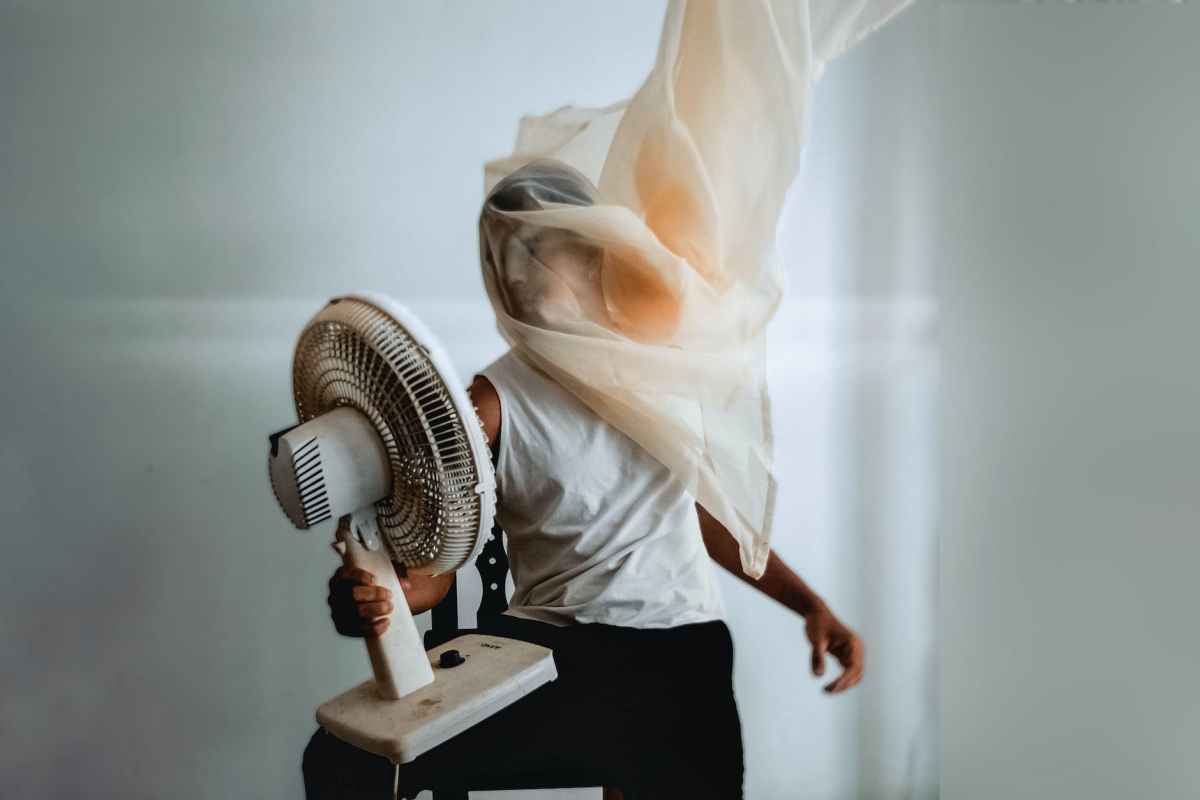
There aren’t that many hot days in Seattle – maybe 10 or 12 a year so like most Seattleites, I don’t have air conditioning. When the days are hot, I close the blinds and try to open the outside doors early in the morning to let the cool morning air in.

But inevitably, there will be a room with a closed door like the laundry room that I’ll walk into after a few hot days in a row, and just get blasted by hot, fetid air.

When I first started meditating, it felt like I was doing the work to open up and cool off all those rooms inside myself that I’d closed down. It was like breathing through the airing of grief – and I had some big ones.

I had gotten divorced but because my marriage had imploded in this spectacular drama when my business partner told me of my husband’s infidelities, I hadn’t ever owned that I had wanted out of that marriage. I was far more comfortable having it all be my ex’s fault – comfortable but not honest.

When I was 18-years-old and came to study (well, that’s what we called it at least) at the University of Washington, I ran into a group of Scientologists trying to recruit new converts one afternoon. The guy who’d stopped me said, “What about yourself do you not want anyone to know?”

Miraculously, I’d gotten to 18 without having anything in that category – or so I thought. But as I got more years under my belt, I tried to maintain that same easy-breezy exterior by hiding anything that didn’t match with that persona. I was ambitious. I almost failed religious studies in college because I never went to class and it was just an elective, but I was a minister’s daughter. I drank a bottle of wine every day. I smoked when I drank. I still bore wounds from my mean older sister growing up.

Meditation changed my life when I started airing out those rooms. I was able to let go of all the energy I was using to keep those doors shut. I no longer felt the heat coming from those rooms affecting the rest of my “house.” The secrets that I thought were so explosive turned out to be way more manageable and easier to change or heal when they weren’t hidden away.

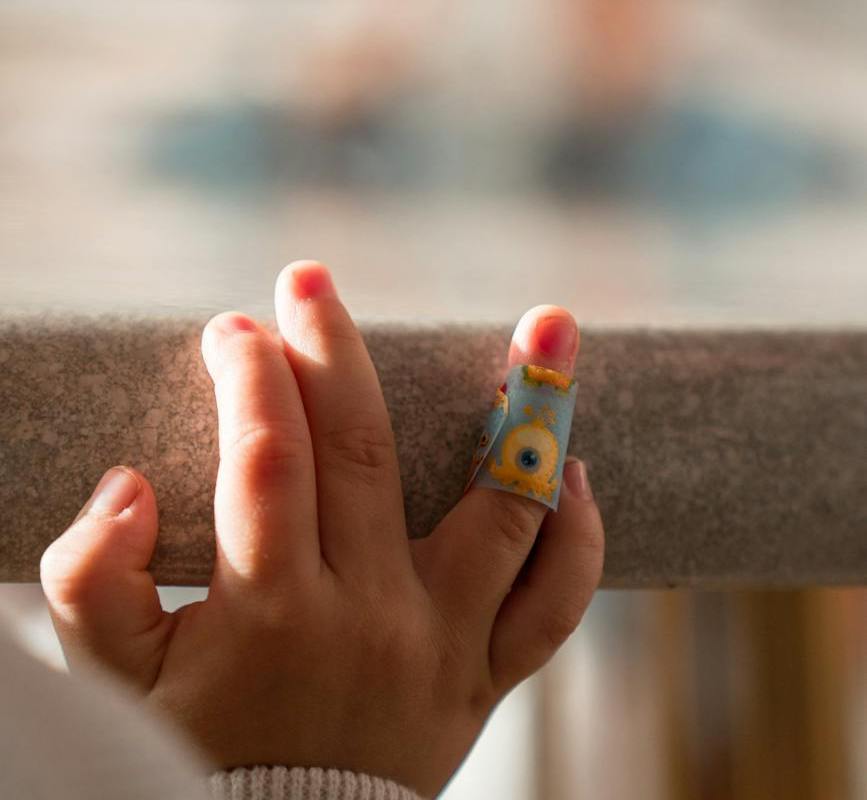
And meditation helps me maintain that baseline level of cool. Like this morning when I sat down on the meditation cushion, felt a cut on my index finger, and I thought about myself “that was stupid.” I had no idea I was still stuck on the fact that I’d taken a band-aid off my finger yesterday and then accidentally re-opened the cut when I washed and dried my hands. Such a simple thing and I was still kicking myself 12 hours later.

Open the doors, let it flow. Like with the body, it is so much easier for me to react calmly to life when I’m not over-heated. Meditation as the air conditioning for the soul.

So I’m thrilled that I was able to do a podcast with my meditation teacher, Deirdre Wilcox. Deirdre introduced me to meditation more than 10 years ago and is my go-to person for helping me air out my hot pockets. Please listen to this wonderful woman with wisdom – I believe you will walk away from it just a little bit breezier as well.

Search for Sharing the Heart of the Matter on Apple, Amazon, Spotify or Pocket Casts or click here to listen to Episode 10: The Power of Intuition with Deirdre Wilcox on Anchor.

Then I hope you’ll leave any comments you have on the show notes page on Heart of the Matter.

(featured photo from Pexels)

Healing the Micro Wounds

The wound is the place where the light enters you.” – Rumi

When my best friend, Katie, came over to hang out with us yesterday morning she asked three-year-old Mr. D how he slept on the night of the time change. He answered, “I slept in Mama’s bed. It was big and hot.

I was aiming for familial warmth but it seems I’ve overshot the target. Ha, ha!

There’s a picture of me as a three-year-old sleeping with my blanket on the wood floor outside my parent’s bedroom in the Philippines. The way I heard the story is that my parents didn’t want me coming in so they locked the door. My mom said my dad was firm about no kids in their bed so he could get his sleep.

I’ve always considered that a cute little story in what I think of as a happy childhood until I had kids and then I wondered how that went down. Did I just encounter a locked door and then lie down quietly? Or was there some kicking and screaming before accepting the fate? Something tells me it wasn’t the first option.

So even though I’m not aware of as any sort of trauma, I have to consider that some things we do as adults are healing the little wounds we got as children. Maybe we all do that a little – even when it’s not conscious.

How I’ve come to choose to let my kids sleep in my bed is the subject of my Heart of the Matter post today: Beds, Boundaries and Beyond. Check it out!

(featured photo from Pexels)

Depth and Breadth

The heart of man is very much like the sea, it has its storms, it has its tides and in its depths it has pearls too.” – Vincent Van Gogh

In my house when we have a fun announcement, we blow the imaginary trumpet in our hands and sing “Doot-doot-da-do!” So please, humor me and imagine a “doot-doot-da-do!

Because I’m really excited to announce a new shared blog space that Vicki Atkinson (from the Victoria Ponders blog) and I have created with a team of incredibly talented group of contributors and thinkers. It’s called The Heart of the Matter – https://sharingtheheartofthematter.com. It’s intended to be a blog that digs into the depth of how we find what matters to us and keep our eyes focused on that horizon as we are swimming through our days.

This topic of what matters I something I believe to be different for every person and different every day but with a lot of common elements of experience, learning and love. Which is why it’s important for us all to be collaborating on this topic and space so that as we figure it out, we are contributing to the journeys of others. It’s found in what DOESN’T matter as what does. The other things we plan on diving into are:

  • What is fueling us to figure out what’s important
  • Celebrating who is helping us discover our own keys
  • How we get stuck thinking it’s one thing long after that one thing has ceased to be vital.
  • Linking to resources that help uncover what’s real
  • Heartening each other to have the faith and confidence to pursue what matters
  • Healing what is broken so that we can uncover what’s essential

This shared blog space is for surfacing our stories that help us discern what matters so that others are inspired and it pulls us all along.

So please follow us there – but more than that join us there. As we figure out how to make this a collaborative and supportive space of contents, comments and topics, I hope to see all my dear blog friends in a rich space of discussion around the Heart of the Matter. My first post in that space is The Small Decisions that Matter.

Which doesn’t mean that I won’t be also blogging here on Surprised by Joy. As I see it, my personal blog covers the breadth of life in all its glory and surprises while The Heart of the Matter digs into the depth of authenticity, inspiration, values and love found in what really matters.

Keep Small Things Small

You wanna fly, you got to give up the shit that weighs you down.” – Toni Morrison

The other day Mr D was upset and Miss O shared the wisdom, “Keep small things small.” I was taken by the phrase and asked her to tell me more after we got past our speed bump.

It’s something Ms. Park says,” she elaborated providing the example that her second grade teacher, Ms. Park, said it the other day when there was a fly in the classroom. All the kids in the first row were trying to “attack it,” in Miss O’s words and Ms. Park wanted them to settle down. “Keep small things small.

I thought of the parking problem I had the other day when I was turning around to take the space and someone slid right in. I was on the verge of making it a bigger story about how tough life is when someone made me laugh and I let it go.

It also reminded me of when Mr. D punched his sister in the gut the other day as they were wrestling. She said it hurt and he said he was sorry and they moved on. If they continue to be able to do that, it seems less likely that they’ll create a pattern of feeling disrespected and hurt that has plagued my siblings’ relationship in adulthood.

Keeping small things small speaks to me of airing wounds before they fester, identifying patterns before they become bad habits, stopping the internal dialogue before it goes on a self-critical rampage. It helps nail me to the present before I pile on added layers of time and repetition until whatever it is that is bugging me becomes unrecognizable. It means don’t hurt myself trying to attack a fly, whatever the metaphorical fly may be.

So here’s a new note to self courtesy of classroom 219 and all our brilliant and dedicated teachers: “Keep small things small.

(featured photo from Pexels)