How to Share Life’s Challenges

“In the middle of every difficulty lies opportunity.” – Albert Einstein

In 2009 when I had to tell my parents that my husband and I had separated, I agonized over having the conversation. It meant that I not only had to manage my emotions about what was going on but also be prepared for theirs. It turned out to be a great conversation because I no longer needed to maintain a veneer that everything was okay.

I’m thinking about this conversation because I was just talking with the thought-provoking and inspiring blogger and retirement coach, Michelle Oram, about how to share life’s challenges on the How To Share podcast. She reminded me that when we share the difficult things we are going through, we open up ourselves to support.

In this podcast episode, Michelle shares her experiences and insights on how to navigate life’s challenges, particularly in sharing difficult news such as a cancer diagnosis. She discusses the importance of prioritizing who to share with, the emotional fatigue that can come from repeated sharing, and the value of support from both close friends and strangers. Our conversation also touches on the nuances of communication in personal versus professional contexts, and how these experiences shape our understanding of support and empathy. I also got to hear about Michelle’s new venture in retirement coaching, emphasizing the emotional aspects of transitioning into retirement.

Takeaways

  • Navigating life’s challenges requires thoughtful communication.
  • Prioritizing who to share difficult news with is crucial.
  • Sharing can open doors to support and help.
  • It’s okay to use different methods to communicate news.
  • Listening is more important than talking when supporting others.
  • People often don’t know what to say, so guidance is helpful.
  • Empathy grows from personal experiences with challenges.
  • Support can come from unexpected places.
  • Retirement can be a significant life change that requires preparation.

Here’s a short clip from our episode to give you a taste of the great conversation. Michelle’s comments about the power of open communication match my experience telling my parents about my breakup and more – when we share life’s challenges, it allows others to be able to support us.

Here are some ways you can listen and watch to the full episode:

Please listen, watch, provide feedback and subscribe.
Stop Hustling For Your Worth: A Better Way to Grow – The Life of Try: Personal growth, one try at a time.

What separates healthy ambition from hustling for your worth?In this motivational episode of Life of Try, Wynne Leon explores the hidden connection between hustle culture, perfectionism, productivity, and self-worth.A baseball camp “hustle” award sparks an honest reflection on why we try—and how effort driven by curiosity and courage feels different from striving for approval.Through personal stories and insights inspired by Brené Brown and Dr. Vicki Atkinson, Wynne shares how to recognize fear-driven productivity, step away from the pressure to prove yourself, and choose a more wholehearted path to personalgrowth.You will learn how to:·       Recognize when achievement is tied to self-worth·       Distinguish purposeful effort from approval-seeking·       Replace perfectionism with curiosity and courage·       Use two simple questions to reconnect with gratitude and meaningListen next to Art of Meaningful Conversation with Dr. Vicki Atkinson, celebrating 200 episodes. Follow Life of Try on Spotify for more episodes about courage, resilience, mindset, self-worth, and beginning before you feel ready.
  1. Stop Hustling For Your Worth: A Better Way to Grow
  2. Way Will Open: How To Trust Life's Timing
  3. How to Stop Procrastinating and Start: The 10-Minute Rule for Taking Action
  4. The Art of Meaningful Conversations: Lessons from 200 podcast episodes
  5. The Power of Saying Yes

Links for this episode:

Michelle Oram’s blog: Boomer Eco Crusader

12 things you should never say to someone with cancer – Boomer Eco Crusader

Best ways to support someone with cancer – Boomer Eco Crusader

Michelle Oram’s Second Life Vision retirement coaching
How To Receive

“If you want to be truly understood, you need to say everything three times, in three different ways. Once for each ear…and once for the heart.” – Paula Underwood Spencer

Eight years ago at a birthday party for a friend, I met a remarkable woman. It was a milestone birthday which is why I can pinpoint it that precisely.

This woman stood out not because of what she did (a therapist I later learned) or what we talked about (stand up paddle boarding in Puget Sound) but because she listened like a lake. That was the image that came to me when talking with her. She absorbed the conversation instead of volleying back and forth like tennis. Also it seemed like her words came from her depth.

It reminds me of a phrase I heard in a eulogy almost three years ago. We were honoring a man who was the father of a childhood friend. His grandson said about him, “He loved by listening.”

Two examples that stand out in the last ten years because they were great listeners. I often make the mistake of thinking I need to say something to be remembered – but these examples remind me that just learning how to listen well is remarkable in itself.

Fortunately, I was able to have a great conversation with my dear friend, Dr. Vicki Atkinson about how to receive for the How to Share podcast. In this episode, Vicki discusses the essential skills of listening and receiving in conversations. She emphasizes the importance of reflective listening techniques, being present, and using the SLANT method to enhance communication.

Our conversation explores how to navigate conversations with empathy, the role of affirmation, and the significance of maintaining boundaries while supporting others. Vicki also highlights the growth opportunities that arise from effective listening and the need for authenticity in communication.

Here are some key takeaways:

  • Everyone can learn how to be a better listener (as Vicki says, the runway is wide!)
  • Reflective listening helps slow things down and enhances understanding.
  • Tonality is crucial in reflective listening to ensure the speaker feels heard.
  • Active listening involves being present and engaged in the conversation.
  • The SLANT method is a practical approach to effective listening.
  • Asking clarifying questions shows genuine interest in the speaker’s message.
  • Affirmation and encouragement are key components of effective listening.
  • Setting boundaries is important to avoid taking on others’ burdens.
  • Listening well can mitigate stress and prevent larger issues.
  • Authenticity in communication fosters trust and connection.

And a short clip from the episode to whet your appetite:

I’d be honored if you’d listen, watch, provide feedback and subscribe. Here are some ways you can listen and watch to the full episode:

Stop Hustling For Your Worth: A Better Way to Grow – The Life of Try: Personal growth, one try at a time.

What separates healthy ambition from hustling for your worth?In this motivational episode of Life of Try, Wynne Leon explores the hidden connection between hustle culture, perfectionism, productivity, and self-worth.A baseball camp “hustle” award sparks an honest reflection on why we try—and how effort driven by curiosity and courage feels different from striving for approval.Through personal stories and insights inspired by Brené Brown and Dr. Vicki Atkinson, Wynne shares how to recognize fear-driven productivity, step away from the pressure to prove yourself, and choose a more wholehearted path to personalgrowth.You will learn how to:·       Recognize when achievement is tied to self-worth·       Distinguish purposeful effort from approval-seeking·       Replace perfectionism with curiosity and courage·       Use two simple questions to reconnect with gratitude and meaningListen next to Art of Meaningful Conversation with Dr. Vicki Atkinson, celebrating 200 episodes. Follow Life of Try on Spotify for more episodes about courage, resilience, mindset, self-worth, and beginning before you feel ready.
  1. Stop Hustling For Your Worth: A Better Way to Grow
  2. Way Will Open: How To Trust Life's Timing
  3. How to Stop Procrastinating and Start: The 10-Minute Rule for Taking Action
  4. The Art of Meaningful Conversations: Lessons from 200 podcast episodes
  5. The Power of Saying Yes

How to Receive with Dr. Vicki Atkinson transcript

Links for this episode:

Dr. Vicki Atkinson at the ⁠Atkinson Group Solutions⁠; Vicki’s book about resilience and love: Surviving Sue; Blog: https://victoriaponders.com/

⁠A is for Ambivalence⁠ by Vicki Atkinson

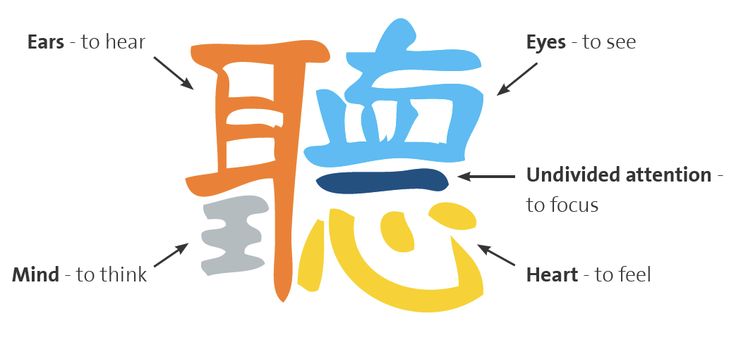
(Featured photo stems from Vicki’s comment about the Chinese ideogram for undivided attention in this episode. It’s sourced from undivided attention from Pinterest by Nancy Sherr)

How to Share Professional Communications with Brian Hannon

“Good communication is just as stimulating as black coffee, and just as hard to sleep after.” – Anne Morrow Lindbergh

Twenty-five years ago, long before there was MailChimp, one of my projects for Microsoft was to email out their program offers to their 60,000 partners on a quarterly basis. I remember it as one of the most nerve-racking tasks of my job at the time. Not because of the technology, which was no problem, but because if something was wrong with the message we sent out, it had such visibility.

It really is amazing to think about the potential impact that technology has given us. But it also puts a lot of stress on how we share to a wider audience. Whether it’s work-related, part of volunteering on a committee, or a personal appeal to friends to join a cause, we have the ability to reach a broad group. Like my email project, that puts a lot of pressure on how we do it.

That’s why I love this latest episode of the How To Share podcast with corporate communications professional, Brian Hannon.

Brian and I talk about the nuances of professional communication. We explore the importance of understanding the audience, the timing of messages, and the need for authenticity in sharing information. Brian shares insights from his 30 years in corporate communications and journalism, emphasizing the significance of clarity, repetition, and empathy in effective messaging. The conversation highlights the evolution of communication formats and the challenges of simplifying messages for better understanding.

Here are some key takeaways:

  • Understanding your audience is crucial for effective communication.
  • Timing can significantly impact how messages are received.
  • Repetition helps ensure that important messages are not lost.
  • Segmenting your audience allows for more targeted communication.
  • Authenticity builds trust in corporate messaging.
  • Clear and concise messaging is essential in today’s fast-paced environment.
  • Empathy plays a key role in understanding how messages are perceived.
  • Feedback loops enhance the effectiveness of communication.
  • The evolution of communication formats requires adaptation in messaging strategies.
  • Effective communication is about sharing ideas, not just delivering information.

And a short clip from the episode to whet your appetite:

I’d be honored if you’d listen, watch, provide feedback and subscribe. Here are some ways you can listen and watch to the full episode:

Stop Hustling For Your Worth: A Better Way to Grow – The Life of Try: Personal growth, one try at a time.

What separates healthy ambition from hustling for your worth?In this motivational episode of Life of Try, Wynne Leon explores the hidden connection between hustle culture, perfectionism, productivity, and self-worth.A baseball camp “hustle” award sparks an honest reflection on why we try—and how effort driven by curiosity and courage feels different from striving for approval.Through personal stories and insights inspired by Brené Brown and Dr. Vicki Atkinson, Wynne shares how to recognize fear-driven productivity, step away from the pressure to prove yourself, and choose a more wholehearted path to personalgrowth.You will learn how to:·       Recognize when achievement is tied to self-worth·       Distinguish purposeful effort from approval-seeking·       Replace perfectionism with curiosity and courage·       Use two simple questions to reconnect with gratitude and meaningListen next to Art of Meaningful Conversation with Dr. Vicki Atkinson, celebrating 200 episodes. Follow Life of Try on Spotify for more episodes about courage, resilience, mindset, self-worth, and beginning before you feel ready.
  1. Stop Hustling For Your Worth: A Better Way to Grow
  2. Way Will Open: How To Trust Life's Timing
  3. How to Stop Procrastinating and Start: The 10-Minute Rule for Taking Action
  4. The Art of Meaningful Conversations: Lessons from 200 podcast episodes
  5. The Power of Saying Yes

Links for this episode:

Brian’s blog: Writing from the heart with Brian

Brian Hannon on LinkedIn

Next up!

Stay tuned for next week’s episode when we get great guidance from Dr. Vicki Atkinson on how to receive when others share. A fantastic episode that comes with many great tips about how to deepen our ability to listen.

How to Share Personal Stories

“Vulnerability sounds like truth and feels like courage. Truth and courage aren’t always comfortable but they’re never weaknesses.” – Brené Brown

Growing up as a pastor’s kid, I was grateful that my dad had a protective sense of what family stories should be told in a sermon. If we did something funny, he might use it in a sermon. But if we did something wrong or outrageous, he wouldn’t.

I’m sure that informs a good deal of my judgment of what personal stories I share. And as bloggers we’re well steeped in the art of personal sharing. Right?

But until I started researching how to share personal stories for the How To Share podcast, I’d say I was mostly deciding what and when to share by gut feel. So it was helpful and interesting to find some expert guidance about some of the boundaries for personal stories.

Here are the questions I set out to answer:

  • What’s the difference between private and secret?
  • How does one know if they are being vulnerable or oversharing?
  • Should people share personal stories at work?

And here are some of the takeaways for the How to Share Personal Stories episode:

  • Sharing is essential for connection and understanding.
  • What is secret and what is private varies by person.
  • Vulnerability can foster deeper relationships.
  • Oversharing can lead to discomfort and misunderstanding.
  • Timing and context are crucial in sharing personal stories.
  • Discernment is key when feeling an urge to share.
  • Workplace friendships enhance job satisfaction and retention.
  • Personal stories can create strong bonds in professional settings.
  • Full circle moments highlight the impact of our stories.
  • Vulnerability is vital for mental health and connection.

I provide a couple of personal anecdotes to illustrate the expert insights and explore the nuances of sharing personal stories. I’d be honored if you’d listen, watch, provide feedback and subscribe.

Here are some ways you can listen and watch:

Stay tuned for next week’s episode when we get great guidance from corporate communications professional, Brian Hannon, on how to share professional communications. It’s such a helpful and informative episode to help illuminate the how, when, and way we reach out to broader groups!

Stop Hustling For Your Worth: A Better Way to Grow – The Life of Try: Personal growth, one try at a time.

What separates healthy ambition from hustling for your worth?In this motivational episode of Life of Try, Wynne Leon explores the hidden connection between hustle culture, perfectionism, productivity, and self-worth.A baseball camp “hustle” award sparks an honest reflection on why we try—and how effort driven by curiosity and courage feels different from striving for approval.Through personal stories and insights inspired by Brené Brown and Dr. Vicki Atkinson, Wynne shares how to recognize fear-driven productivity, step away from the pressure to prove yourself, and choose a more wholehearted path to personalgrowth.You will learn how to:·       Recognize when achievement is tied to self-worth·       Distinguish purposeful effort from approval-seeking·       Replace perfectionism with curiosity and courage·       Use two simple questions to reconnect with gratitude and meaningListen next to Art of Meaningful Conversation with Dr. Vicki Atkinson, celebrating 200 episodes. Follow Life of Try on Spotify for more episodes about courage, resilience, mindset, self-worth, and beginning before you feel ready.
  1. Stop Hustling For Your Worth: A Better Way to Grow
  2. Way Will Open: How To Trust Life's Timing
  3. How to Stop Procrastinating and Start: The 10-Minute Rule for Taking Action
  4. The Art of Meaningful Conversations: Lessons from 200 podcast episodes
  5. The Power of Saying Yes

Links for this episode:

 Is It a Secret or Just Private? | Psychology Today – Michael Slepian, Ph.D.

Platonic: How the Science of Attachment Can Help You Make – and Keep – Friends by Dr. Marisa Franco, professor of psychology at the University of Maryland who has written about vulnerability versus oversharing

 The Increasing Importance of a Best Friend at Work by Gallup

How To Share

“Everyone has a talent. What’s rare is to follow it to the dark places where it leads.” – Erica Jong

Do you have a solid idea of what you know? Not what your jobs have been or what roles you have played but the overarching talent, wisdom, and perspective that is uniquely you?

I ask because I’ve spent the last five months trying to figure out what I know. Believe me, I understand that seems like a long time to try to answer what is a seemingly straightforward question. But I found it to be harder than I expected.

Here’s why. I’m bound by a non-compete so that I can’t fall back to the technical expertise that I’ve cultivated for my career, at least not for a few more months. But that has been an incredible opportunity for me to figure out the bigger picture. Instead of just treading the same path I’ve been walking with Microsoft SharePoint, Teams, OneDrive, and the other technologies, I’ve had to examine what mountain I’ve been climbing the whole time.

Here’s what I discovered. In the 25 years I’ve been helping people with their collaboration software, I’ve learned a whole lot about how to share.

Not just what buttons to push to share a file, a photo or a calendar, but what makes groups do it well – and also do it poorly.

One of the more stark examples was a team that was so good at sharing not only files but also ideas, contacts, and worries about what could go wrong, they seemed to be able to nimbly handle challenges.

And then the leadership changed to someone who criticized that they talked too much, wanted people to focus on their own tasks instead of helping others, and berated team members for anything shared before it was polished. The leader thought they were “whipping the team into shape” but one of the side effects was that they were squelching vulnerability and sharing.

A couple of months into the new leadership, the team lost a key client. In the debriefing, it became clear that team members had picked up some little warning signs. If they’d shared them, it would have helped put together the big picture that the client was at risk.

While this example is in a professional context, it happens again and again in writing groups, schools, between friends, and more.

We have to share and it’s vulnerable. So we are continually evaluating who the audience is, what are the right permissions and how to identify the right time. That applies to files as well as personal stories, social media, wisdom, and more.

This period of introspection about what I know has pushed me to launch a new podcast, How to Share. It draws not only from my interest and experience but also applicable research and wisdom. My incredible and insightful first season guests will lend their expertise on how to share things such as credit and feedback, passwords, corporate communications, as well as how to receive when others share.

Here’s a short clip from the first episode, Why We Share:


Based on recent technology changes, we learned that embedding the full YouTube video reduces listens and views. Here are some ways you can listen and watch:

I’d be honored if you’d listen, watch, provide feedback and subscribe.

On the Sharing the Heart of the Matter podcast, Vicki and I also had a fascinating podcast conversation with author Mark Wukas about his incredible debut novel The Kiss of The Night. Please check out this fantastic author and hear how he cultivated his dream to write a book and this plot for almost 40 years!

Stop Hustling For Your Worth: A Better Way to Grow – The Life of Try: Personal growth, one try at a time.

What separates healthy ambition from hustling for your worth?In this motivational episode of Life of Try, Wynne Leon explores the hidden connection between hustle culture, perfectionism, productivity, and self-worth.A baseball camp “hustle” award sparks an honest reflection on why we try—and how effort driven by curiosity and courage feels different from striving for approval.Through personal stories and insights inspired by Brené Brown and Dr. Vicki Atkinson, Wynne shares how to recognize fear-driven productivity, step away from the pressure to prove yourself, and choose a more wholehearted path to personalgrowth.You will learn how to:·       Recognize when achievement is tied to self-worth·       Distinguish purposeful effort from approval-seeking·       Replace perfectionism with curiosity and courage·       Use two simple questions to reconnect with gratitude and meaningListen next to Art of Meaningful Conversation with Dr. Vicki Atkinson, celebrating 200 episodes. Follow Life of Try on Spotify for more episodes about courage, resilience, mindset, self-worth, and beginning before you feel ready.
  1. Stop Hustling For Your Worth: A Better Way to Grow
  2. Way Will Open: How To Trust Life's Timing
  3. How to Stop Procrastinating and Start: The 10-Minute Rule for Taking Action
  4. The Art of Meaningful Conversations: Lessons from 200 podcast episodes
  5. The Power of Saying Yes

Right on the Money

“Love recognizes no barriers. It jumps hurdles, leaps fences, penetrates walls to arrive at its destination full of hope.” – Maya Angelou

When my daughter was born nine years ago, someone quoted to me the line from Elizabeth Stone, “It is to decide forever to have your heart go walking around outside your body.” I instantly connected with that incredible truth of the powerful pull and responsibility of parenting.

It’s a motivating theme that Carl Vonderau taps into for his heart-pounding thrillers. What wouldn’t we do to keep our children safe? Vicki and I were so lucky to be able to talk to him about families, thrillers and what keeps us growing in the latest episode of our podcast, Episode 113: From Banking to Thrillers with Author Carl Vonderau.

Carl left the world of international banking to become a writer, and he masterfully weaves his banking knowledge and upbringing as a Christian Scientist into his novels.

Carl takes us on a journey as he shares his meticulous research process for the locations in his books. His dedication to capturing the essence of each place is truly fascinating.

We admire and chuckle at Carl’s language skills. He shares the wisdom that to speak a foreign language, you must be willing to embrace embarrassment.

Carl gives us an exclusive preview of Carl’s upcoming book, Past Due. Discover why one of his core themes is the necessity for families to grow and evolve.

This is a must-listen episode featuring an intriguing author, adventurer, and family man, Carl Vonderau. We know you’ll love it!

AND subscribe to our YouTube channel to see a video clip of each story: @SharingtheHeartoftheMatter.

Links for this episode

⁠Episode 113 show notes⁠

⁠Carl Vonderau » Carl Vonderau⁠

⁠Carl Vonderau⁠ on Amazon

⁠Carl Vonderau ⁠on Goodreads

From the hosts:

Vicki’s book about resilience and love: ⁠Surviving Sue⁠; Blog: ⁠https://victoriaponders.com/⁠

My book about my beloved father: ⁠Finding My Father’s Faith⁠

(featured photo from Pexels)

The Magic of Writing

“You practice and you get better. It’s very simple.” – Phillip Glass

One of the most inspiring facets of self-improvement that I see with my kids on a daily basis is how they practice. Whether it’s the number of times in a day that nine-year-old Miss O sits down at the piano to play a new song or the near constant swing of anything that can be used as a bat that five-year-old Mr. D does, I witness how practice helps build skill.

It reminds me that at age 55, I still can benefit from practicing whether it be baking, speaking or writing. The same thing struck me when Vicki and I had the fortune of talking with the phenomenal best-selling author, Andrew Mayne in Episode 112 of our podcast: Mr. Whisper with Andrew Mayne.

Join us as Andrew Mayne takes us on an incredible journey through his captivating career – from mesmerizing audiences as an illusionist on cruise ships, starring in A&E’s hit show “Don’t Trust Andrew Mayne,” designing a groundbreaking stealth suit for diving with Great White sharks on Discovery Channel’s Shark Week, being a Prompt Whisperer and Science Communicator for Open AI, and now a celebrated best-selling author.

In his latest thrilling novel, Mr. Whisper, Andrew masterfully unites his four iconic characters from his previous series. He shares the intriguing challenges he faced in writing from multiple perspectives and how the theory of mind played a crucial role in his storytelling. And he reveals how he uses virtual reality technology to go “on location” as he scouts locales for his books.

Discover the secrets behind Andrew’s path to success and how his magician’s skills have influenced his writing style, particularly the art of “showing, not telling” in crafting edge-of-your-seat thrillers.

Andrew reveals the powerful feedback loop he employed while writing his first books and how his dedication led him to write an astonishing ten books in one year as a practice. Andrew delves into the concept of survivorship bias and its impact on the success stories of those who have “made it.” We explore why this might not hold true for future generations as the world continues to evolve.

This podcast is packed with insights that we have pondered long after recording. Andrew’s critical thinking skills, honed through designing his “shock magic” illusions, offer valuable perspectives for various other pursuits.

As a bonus, Andrew shares a fantastic tip on teaching critical thinking to young kids, which we found equally applicable to adults.

In this captivating interview, Andrew shares one of our new favorite quotes: “When you are okay with being fooled, you unlock a new kind of wonder.” Embrace the mystery, not just in thrillers, but in life itself.

Get ready to be enthralled by the fascinating and thought-provoking discussions on magic and writing with the brilliant Andrew Mayne.

We know you’ll love it.

Search (and subscribe!) for Sharing the Heart of the Matter on Apple, Amazon, Spotify or Pocket Casts OR Listen to it from your computer on Anchor: Episode 112: Mr. Whisper with Andrew Mayne

Episode 112 transcript

AND subscribe to our YouTube channel to see a video clip of each story: @SharingtheHeartoftheMatter.

Links for this episode:

https://andrewmayne.com/

Mr. Whisper by Andrew Mayne on Amazon

https://www.goodreads.com/book/show/218134959-mr-whisper

“Don’t Trust Andrew Mayne” on A&E: “…features the wildly innovative, mischief-loving magician Andrew Mayne as he sets out to reinvent revenge. His illusions are mind-blowing, but what he loves most is helping people get even.“

From the hosts:

Vicki’s book about resilience and love: Surviving Sue; Blog: https://victoriaponders.com/

My book about my beloved father: Finding My Father’s Faith

(quote for this post from The Enlightened Mind)

(featured photo from Pexels)

The Sports Story

“I trained 4 years to run 9 seconds and people give up when they don’t see results in 2 months.” – Usain Bolt

I was six years old and living in the Philippines when Muhammad Ali and Joe Frazier came there to fight the Thrilla in Manila. There was so much excitement in the days leading up to the event that it felt like the city was crackling. It was such a big deal that they even let my first grade class watch it on tv at school.

Whether it’s because of the hoopla of that fight or because I just love a good story, I’m up for watching just about any sporting event when I know the players’ stories. Todd Fulginiti and Brian Hannon wrote some great stories about the Eagles which helped me be all in for the Birds in this last Super Bowl.

The fun continues in Episode 111 of the Sharing the Heart of the Matter podcast because Vicki Atkinson and I were lucky enough to talk about baseball player stories with author and publisher, Rick Kaempfer.

This is the second game in our baseball double-header as we talk with the hilarious and engaging Rick about his labor of love, EveryCubEver. He swears this seventh edition of the book is the last time he’s going to update it until the Chicago Cubs win the World Series.

There are 2600 Cubs in this book – 2296 players and the rest are managers and back office. Rick provides the storytelling in each entry so it’s a great read for history buffs as well as baseball fans. He tells who became a dentist and who ended up in jail, who was on the beaches of Normandy, and who went on to become a governor.  

As an example of the engaging storytelling, he tells us why manager Frank Chance traded for pitcher Jack Harper just to ruin his career.

He gives us the background on the 200 photographs that are included in this edition of the book and where he found them.

Rick tells us the touching story of how he got invited to go to the Baseball Hall of Fame induction ceremony this year. Such a fantastic way to round out a year that includes publishing this seventh edition of EveryCubEver.

Join us as we explore the scenic and beautiful places we go when we tell baseball stories. You won’t want to miss this great conversation with the amazing and entertaining, Rick Kaempfer!

We know you’ll love it!

Please subscribe to our author, creator, and storytelling podcast! Search for Sharing the Heart of the Matter on Apple, Amazon, Spotify or Pocket Casts OR Listen to it from your computer on Anchor: Episode 111: EveryCubEver with Rick Kaempfer

Episode 111 transcript

And please subscribe to our YouTube channel to see great author and storyteller videos from our podcast: @SharingtheHeartoftheMatter. We have so many great authors in the line-up!

Links for this episode:

EveryCubEver

Chili Dog MVP

Other episodes with Rick Kaempfer: The Loop Files

From the hosts:

Vicki’s book about resilience and love: Surviving Sue; Blog: https://victoriaponders.com/

My book about my beloved father: Finding My Father’s Faith

(featured photo from Pexels)

Stealing the Show

“You gotta keep swinging. You gotta keep believing.” – Babe Ruth

I remember the moment that I realized one of the ways that Mr. D is different than Miss O. He was about two-years-old when I came into the kitchen and found a plastic ball in the middle of my pot of simmering spaghetti sauce. It’s not that Miss O didn’t/doesn’t play with balls – it’s that it’s almost constant with Mr. D.

So it’s been so fun to see him able to turn that constant batting, catching, dribbling, bobbling, and kicking into team fun when he started playing Little League this spring at age five.

Mr. D is so excited about starting on a Little League team that he asked to podcast about it. Which is saying something because he’s not as naturally voluble as his older sister. Vicki and I had so much fun talking with him on Episode 110: Little League with Mr. D.

I’m clearly biased about our guest. But in my opinion listening to the enthusiasm of a kid excited about a team, a sport, and the crack of the ball against a bat stirs the well of our own passions.  

Mr. D shows us all the equipment necessary for Little League – including my favorite, the bubble gum.

We talk about the magic that often happens when we go to MLB games. Vicki tells us about the ball parks and teams in Chicago.

This podcast meanders a bit as we ride along with a young and curious guest. But he brings it all together with an incredible answer when Vicki asks him what he likes best a little before minute 17 in the recording.

We also included a little easter egg after the credits at minute 19. Mr. D shows you don’t have to know how to spell in order to capture hearts.

Join us as we explore the scenic and beautiful places we go when we tell baseball stories. You won’t want to miss this heart-warming and refreshing perspective of five-year-old Mr. D!

We know you’ll love it!

Search (and subscribe!) for Sharing the Heart of the Matter on Apple, Amazon, Spotify or Pocket Casts OR Listen to it from your computer on Anchor: Episode 110: Little League With Mr. D

Episode 110 Transcript

AND subscribe to our YouTube channel to see a video clip of each story: @SharingtheHeartoftheMatter.

Links for this episode:

Want more baseball? Check out this episode where Bruce Bohrer talks about being an usher at Wrigley field: Episode 13: Best Seat in the House podcast with Bruce Bohrer

From the hosts:

Vicki’s book about resilience and love: Surviving Sue; Blog: https://victoriaponders.com/

My book about my beloved father: Finding My Father’s Faith;

Drawing Our Own Lines

“Sometimes the heart sees what is invisible to the eye.” – unknown

My nine-year-old daughter came home from art class the other day with a new trick. When trying to draw something specific, try turning the object you are drawing upside down. She said it helps to keep the brain from interjecting that we’re doing it wrong.

I loved that suggestion to help tame the inner art critic. And it ties in so well with all the incredible perspective and inspiration Vicki Atkinson and I learned from talented artist and author, Danny Gregory in Episode 109 of the Sharing the Heart of the Matter podcast.

Danny shares his incredible journey from being an ad agency creative director for 30 years to becoming a renowned author and artist. His books and newsletters are not just inspiring; they are a daily call to create and live with purpose. They read like good philosophy, urging us to embrace creativity every day.

Our conversation with Danny was nothing short of inspiring. We delved into morning routines, where I meditate and Danny creates art before breakfast. Why? Because, as Danny delightfully quips, our inner critic tends to get up later.

Vicki and I discovered the magic of illustrative journaling with Danny. Art, as he explains, helps us adapt to life’s changes, builds our confidence, and gives us control over our perspective. It keeps us from being stuck in the mundane.

Danny’s enormously popular YouTube channel, Sketchbook Skool, is less about teaching how to draw and more about understanding the chemical process of creativity. He reminds us that our inner critic is no more correct than we are. Talking with Danny is like having a good coach who not only teaches us skills but also provides the mindset to be most productive.

Join us as we explore the scenic and beautiful places we go as creators. You won’t want to miss this insightful and inspiring conversation with Danny Gregory! And then sign up for Danny’s weekly newsletter for more great inspiration from the amazing Danny Gregory: https://dannysessays.com/

We know you’ll love it!

Search (and subscribe!) for Sharing the Heart of the Matter on Apple, Amazon, Spotify or Pocket Casts OR Listen to it from your computer on Anchor: Episode 109: Daily Dose of Creativity with Danny Gregory

Episode 109 transcript

AND subscribe to our YouTube channel to see a video clip of each story: @SharingtheHeartoftheMatter.

Links for this episode:

https://www.dannygregory.com/books

https://dannysessays.com/

https://www.dannygregory.com/

https://www.sketchbookskool.com/

https://www.dannygregory.com/monkey

From the hosts:

Vicki’s book about resilience and love: Surviving Sue; Blog: https://victoriaponders.com/

My book about my beloved father: Finding My Father’s Faith;

(featured photo from Pexels)