Writing From the Heart

There is a wisdom of the head, and…a wisdom of the heart.” – Charles Dickens

This post was originally published on 3/1/2023. Heads up – you may have already read this.


The other day I read a beautiful post that was a tribute to a dearly departed pet. It was so touching and zinged me right where there’s a sore spot from missing my beloved dog, Biscuit, that died six years ago. I had to walk away for about 30 minutes before I could write a comment.

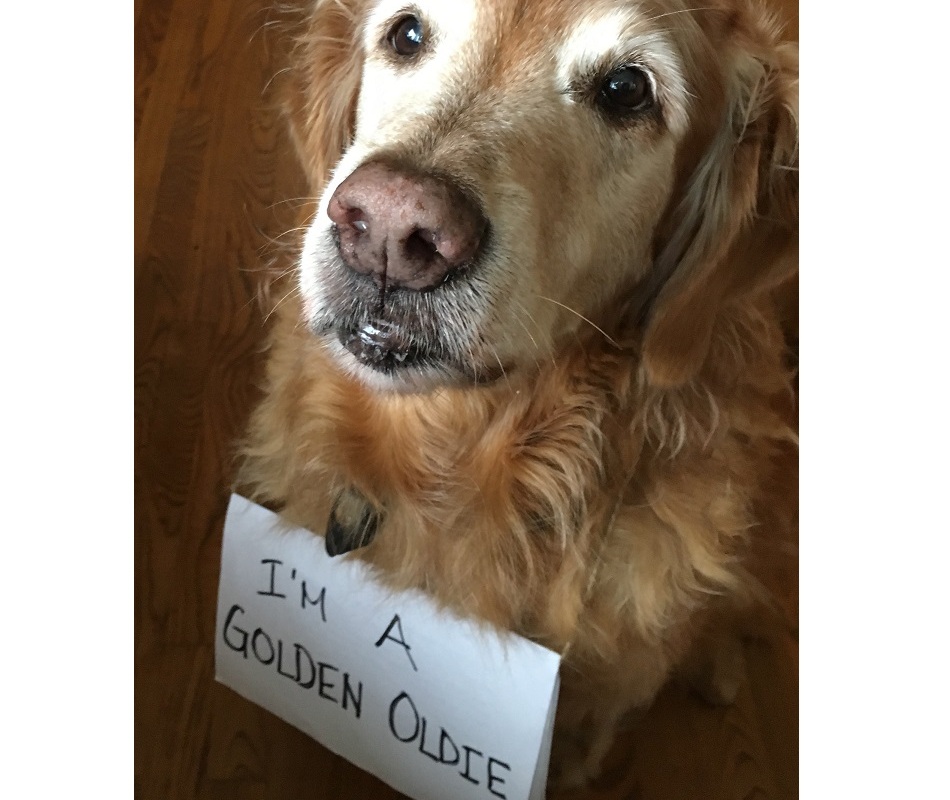
I find this so often be true – the topics that are the closest to my heart are hard to write about when the tears are still flowing. When I had to say good-bye to Biscuit, the next day the only words I could manage was to put a sign next to the cat who was also grieving the loss of his buddy:
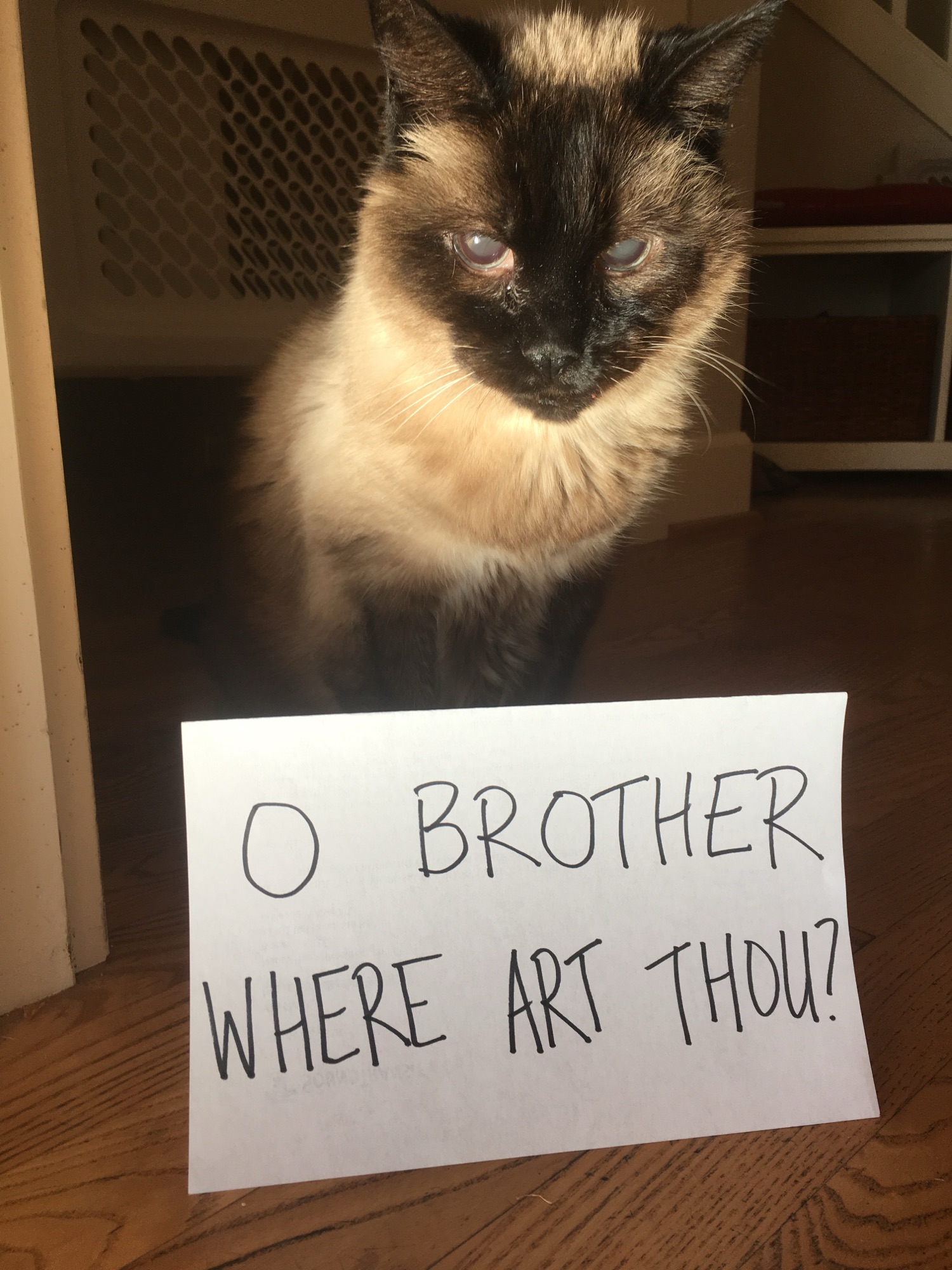
Cat missing his newly departed dog

So this set me off wondering why it is so hard. Loss of perspective? Lack of clarity so I can’t yet make meaning? Inability to see the keyboard when the tears are flowing?

Thinking it could be a left-brain/right-brain kind of thing, I looked up the neuroscience of writing and found this New York Times article: This is Your Brain on Writing. Turns out that left-brain/right-brain isn’t much of a delineation that they make these days. Instead the article describes the results an fMRI study of the brain while writing including the detail that in expert writers, there is a part of the brain, the caudate nucelus, that lights up. The same part of the brain doesn’t light up for novice writers, a result that made sense to the scientists because the caudate nucleus is the part of the brain associated with expertise. Which was interesting but didn’t get me any closer to an answer.

Then I looked to our sacred texts and the spiritual world for wisdom on those moments when I can’t write. I was reacquainted with one of my dad’s favorite quotes from 17th century mathematician and philosopher Blaise Pascal: “The heart has its reasons, that reason does not know.” My dad often cited this quote in an argument about belief in God – that our heart knows even if there isn’t any proof for the head. Maybe those topics that zing me are too close to my heart so they haven’t made it to the head yet?

Next on my list of possible explanations was poly-vagal theory about the three states of our nervous system. When I wrote about it for a post, The Unified Theory of Breathing I summarized the three states as: ventral which is calm and regulated, sympathetic the fight or flight response, and dorsal which is when the nervous system has been so stimulated that it shuts down. Perhaps when I can’t write, I’m flooded, in a dorsal state and can’t write? While this alludes to an answer, I don’t feel like I’m dysregulated and can’t write, just that I can’t find the words.

Finally, I turned to the world of yoga and meditation and found an explanation that makes sense to me. Stillness. When my waters are muddied, I have a harder time seeing into my depths. In times of life when the waves are choppy, I am all churned up inside. It’s only when I reconnect with my inner stillness that I can see well enough to cross the space between me and you.

What I found to be as fascinating as the question itself were the lenses I looked through to find my answer. Brain science, theology, physiology, and meditation – my four go-tos and I usually find the answer sitting in meditation. Must be why I do it every day. A confirmation bias loop because it works for me.

Here’s my take-away from the journey: It’s hard to write when I’m too wet and stirred up in my heart. And it’s also hard when I’m too dry and too much in my head. I have to aim for somewhere in the middle where I’m soft, warm, and clear.

What about you?

Frozen Heart

The best and most beautiful things in the world cannot be seen or even touched — they must be felt with the heart.” – Helen Keller

I was digging around in my hiking gear this weekend and came across one of my CamelBak backpacks. Such an amazing concept to carry your water with an attached hose so that you could take a drink without stopping.

CamelBaks came with their own downsides though too. Slow leaks, fast leaks, and the time my friend Jill, had a hose that was stuck open. She kept turning around to try to grab as it sprayed in 360 degrees around.

A guide on Mt. Rainier once told me why they never recommended clients wear them while climbing. It surprised me because staying hydrated is so important to performance. The issue was that on the upper mountain above 10,000 feet, CamelBaks often froze. The result is that a climber ends up carrying an ice block next to their heart. If that happens, it cools blood flowing in and out, sometimes accelerating hypothermia.

That was an aha moment for me. It totally made sense why it would be detrimental to staying warm and having functioning extremities when climbing but I’d never thought of it. And well, you know how I like climbing metaphors. It also works to describe how dangerous it is to hold some things close to the heart. In my case, I’m thinking how anger, blame, guilt, shame, or fear reduce my overall warmth if I carry them around.

For better or for worse, what we hold next to the heart affects everything that’s pumped out.

(featured photo is mine of our group leaving the 17,160 foot summit of Mt. Ixtaccihuatl, October, 2000)

A Full-Circle Story

Be kind to yourself and share it with the world.” – unknown

The other day I opened my door to an older gentleman who was going door-to-door on behalf of Greenpeace. Let’s call him John. He was warm and friendly and told me he’d grown up in this neighborhood and named the elementary school he attended.

As we were talking about plastic in the ocean, he mentioned that he’d just been talking to a neighbor. She wanted to subscribe for an annual payment. She knew she’d remember to do it because the day he came by was her birthday.

Clearly this neighbor had made an impact on his day. He went on to explain that she and her husband invited him in to sit down as they did the paperwork. It gave him some rest for his aching knees.

I hazarded a guess based on the story he’d told me, “Was it Donna and Bruce?”

Yes,” he laughingly confirmed even though they are two streets away. There are about 25 houses per block in this neighborhood so he must have knocked on about 50 doors between my house and theirs.

So, I told him the story about how I met Donna and Bruce one evening about four years ago. It was early on in the pandemic and my daughter was doing on-line Kindergarten. I was trying to optimize her desk situation. Someone up the street had put a great kids desk out on the curb to give away. I was trying to carry it home with my 5-year-old daughter, my 6-year-old neighbor, and my 1-year-old son in tow.

And then Donna, who I’d never met before, offered to step in and help. Her delightful spirit is just one of the reasons she’s one of my favorite people to run into in the neighborhood.

[The next time I saw Donna after my conversation with John, the Greenpeace guy, I told her that how John told me the story of how her warmth and kindness had made such a difference to him. It was so fun to see her reaction to one of the many touchpoints of positive impact she must deliver in a day.]

After John, the Greenpeace guy left, my kids and I went out for a walk. We came across him sitting on a garden wall on the next street over resting his aching knees. Because of the stories we’d shared, it felt like he was an old friend. We sat down for a moment and chatted with him before we all moved on, still connected by the thread of narrative.

For a story about an a-ha moment Vicki had as a child about the roots of her dad’s big heart, please listen to our Sharing the Heart of the Matter podcast: Episode 67: Love the Ones That are Different with Vicki and Wynne

Vicki Atkinson and I are big believers in the power of story – to connect us, to create intergenerational healing, and to make meaning out of the events of our lives. Each episode of our podcast will start with someone telling a story in each episode.

To listen to the podcast, Search (and subscribe!) for Sharing the Heart of the Matter on Apple, Amazon, Spotify or Pocket Casts. Or subscribe to our YouTube channel to see a video clip of each story: @SharingtheHeartoftheMatter.

Writing Last Lines That Count

Vulnerability sounds like truth and feels like courage. Truth and courage aren’t always comfortable but they’re never weaknesses.” – Brene Brown

This post was originally published on 4/19/2023. Heads up that you may have already read this.


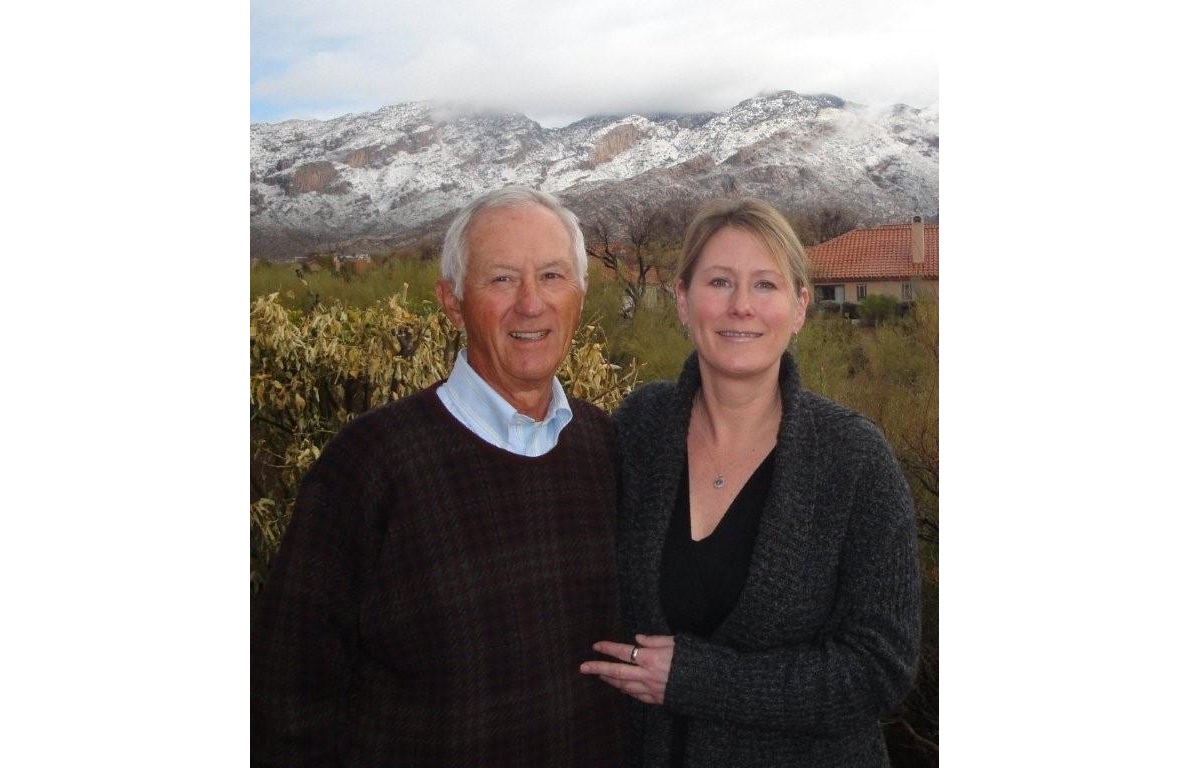
On the last morning I saw my beloved dad, he greeted me with a hearty “You look great.

His untimely death a short time later has permanently etched all the details of that breakfast into my treasure box of memories: the yellow walls of the Varsity Restaurant on NE 65th street, the booth in the open section, the jeans and sweater I was wearing, the cupcakes I gave my parents for their upcoming drive to Arizona, the eggs and waffles, but it is those words that are most precious.

Because both my dad and I both knew that he wasn’t talking about anything to do with my hair, make-up or clothes – he was talking about the light in my eyes. How did I know that it wasn’t just my dad being his effusive self? Let me explain.

Here’s the thing I’ve learned about last lines. As much as we’d like to prepare for them, many (most?) don’t happen how and when we think. Take my dad’s line – neither of us knew that in 6 days time, after arriving and unpacking for a winter in Tucson, that he’d get on a bike, hit a car, and die almost instantly.

That might be an extreme example, but even for the end of a friendship or relationship, the speeches we plan are not what end up expressed. Life, interplay, and random things happen to make things unexpected. So we have to instead do the work to speak honestly and communicate authentically whenever we can.

For me, that work began when three years before my dad’s death when I went on a whim to a meditation class. After 90 minutes of seemingly innocuous visualization and breathing exercises, I spent the rest of the day weeping. It turned out to be just what I needed to start opening all the compartmentalized boxes within and let life flow again. The grief, and shame that came from my recent divorce and that I wasn’t as successful at everything I believed I was supposed to be, came pouring out and I was given openness in return.

So that in the two years before my dad died I was able to choose to broach the subject of spiritual beliefs with him. To talk about what mattered the most to him as a Presbyterian pastor of 40 years. It was a risk because we didn’t talk about religion in my family once all of us kids were grown. Out of respect for keeping things amiable, we’d just stopped talking about our differences.

When we braved the waters of deep beliefs and possible differences to engage in conversation about why he believed what he did and vice versa with me, that meaningful dialogue changed the perception of difference between us and removed the barrier of what we thought were off-limits zones.

Peeling back that veneer of friendly and loving banter in which my dad and I always talked, to delve into deeper issues created a closeness that was precious. My dad knew I was interested in him, I’d spent hours recording our conversations, and I gained relief from my fear that I was doing life “wrong” in his eyes by focusing on meditation instead of theology.

And that is how I knew that my dad’s last line to me was not about the surface details of appearance but instead about a light that had dulled in the last years of my troubled marriage and then divorce. And then through meditation, openness, and vulnerability, that light had been stoked back to its full glow. Sharing that journey with my dad made it possible for him to comment on it.

His death affixed all the details of that breakfast in my mind. But my heart will always remember, “You look good.” It was a gift that started with changing our patterns long before the last line. It’s so hard to talk with our loved ones about the topics that seem most fraught. But in the grief of losing someone, knowing that kinship was there helps.

If we want to have great last lines, we have to risk the vulnerability to be seen.

You look good.” Which as last lines go, was pretty damn amazing.

My book about our conversations and my journey to find what fueled my dad’s indelible spark and twinkle can be found on Amazon: Finding My Father’s Faith.

Open Up, Buttercup

The opposite of faith isn’t doubt, it’s cynicism.” – Billy Bragg

I was telling my kids the other day that my mom used to say to me about my chores, “If you’re going to do a bad job, I might as well do it myself.”

My kids looked at me quizzically, an expression that I’m quite sure mirrored mine as a kid when my mom said it. As a parenting trope, that might be one of the worst.

Because I would immediately think, but not say (after all, this was parenting in the 1970’s), “Go ahead and do it yourself.”

Little did I know that a half century later, I’d come to see that it’s pattern I fight against. I tend to do things myself and not ask for help. It’s a tendency that isolates me – which I mean that I sometimes ignore the bridges others throw my direction.

I recognize that I have two different types of, “I’ll do it myself.” There’s the “It’s okay, I’m good – I’ve got this.” And there’s the “Argh, I’m disappointed with other humans. It’s enervating to just think about communicating my needs to someone else so I’m just going to hunker down and do it myself.”

It’s the second type, the one that’s a little cynical, that I need to watch for. I’m come to think of it as when I get a little heart-sore. It happens when I get tired, when someone is spinning out at work, have watched too much news, or when I’ve tried to say something that matters to someone dear to me and they miss the point.

I’ve come to recognize this state of cynicism because the dialogue in my head starts to run a roll call of my disappointments. When the litany starts to get long, involve old wounds, or last for more than a day, I know I’ve got more than a situation, I’m a little heart sore. It may be imperceptible from the outside but my willingness to be vulnerable goes down and my protective shield goes up.

It’s funny – just like with my mom’s phrase, the only person I hurt when I close in on myself is me. I work better in life when I’m open. It behooves me to recognize when I get cynical and do some movement (the modified side plank pose opens up that space so that I can breath elasticity into the heart space when it’s tight), have lunch with a friend, or write a post about it.

Ah, I feel better now…

Speaking of great conversations with friends, check out the Sharing the Heart of the Matter podcast this week. I talk with my dear friend and co-host, Vicki Atkinson about the Keys to Collaborative Success. Being open is just one of them.

Also, I’m so grateful to Edward Ortiz from the Thoughts about leadership, history, and more blog to writing a review of my book. I so appreciate his incredibly thoughtful and deep analysis about life in his writings. I couldn’t be more appreciative that he spent the time to read and review my book: Book Review: Finding My Father’s Faith

The Art and Science of Making Friends

There’s not a word yet for old friends who’ve have just met.” – Jim Henson

This was originally published on 3/15/2023. Heads up – you may have already read this.


This past Saturday night I was over having dinner at my friends’ Rachel and Karl’s house. As our kids happily played together, we talked about technology, philosophy, and their recent vacation to Mexico and I marveled at how much I enjoy their friendship. It started because their daughter and mine were in a preschool co-op class and we often worked in the classroom on the same days.

When I had kids at age 46 and again at 50, I essentially started a new phase of life that was out of sync with my friends. None of my friends from before I had kids have kids as young as mine. So I needed to expand my circle of friends if I wanted to have friends that were experiencing the same things as I was.

I found establishing friendships with people that have young children to be hard. First off, everyone has just expanded their family and is all hands-on-deck with supporting new life. Secondly, having young children doesn’t mean we have anything else in common. And thirdly, research shows that we typically have the most friends at age 25 when we are establishing our identity and from there, our friend networks get smaller, often with a focus on fewer but more in-depth friends.

A recent study revealed that only 50% of people report establishing a new friend in the last year.

[I’m going to insert a big aside here. I think this might be a much different number in the blogging community where we are “introduced” to new people regularly and form some of what I think are great blogging friendships, or as my friend Betsy calls them, Blog Buddies. The research I mention here was focused on the broader population.]

Listening to a Ten Percent Happier podcast with psychologist and professor at the University of Maryland, Dr. Marisa G. Franco who has recently written a book called Platonic, made me think about the parenting friendships I’ve established in the seven years since I’ve had kids. It’s taken some time but I’d say that I’ve established a handful of close ones.

Here are some of the things I’ve found helpful in creating new friendships interspersed with some of the wisdom from Dr. Franco.

Openness

You have to be vulnerable. This is a hard one for me because my biggest fear is to be seen as a needy person who can’t do it herself. So I’ve worked hard to open up to people who have earned my trust.

Attachment Style

Dr. Franco has found we have attachment styles that affect our ability to make friendships. There is a lot of room for interpretation in our relationships (e.g. is that person just busy or ghosting me?) and our past relationships can factor in on how we do that interpretation.

  • Securely attached people tend to not to take things as personally and to think people like them.
  • Anxiously attached people tend to cling or lose themselves because they assume they’ll be rejected.
  • Avoidantly attached people don’t want to give others the chance to reject them or use their vulnerability against them.

Dr. Franco says being aware of our styles can be really helpful so that we understand the filter we are using when interpreting new friendships.

This brings to mind a recent situation with a parenting friend. I had made overtures to do things again and again. She always said, “yes” but never made the effort herself. I tend to be the securely attached style but I started to wonder if I was the only one who valued the relationship when she offered up the comment, “Thanks for thinking of this. I have social anxiety and often forget to reach out.” Ah – awareness matters.

Continuity

What often falls off my radar is my existing friends. I confess to being not very good at planning things with my pre-parenting friends. Life feels busy and that falls into “me” time that is hard to set aside. So I’m always incredibly grateful when they reach out and suggest get togethers. I do my best to tell them I appreciate it!

On the morning after that lovely dinner with my parenting friends, Rachel and Karl, my best friend from when we were seven-years-old, Katie, came over to hang out with me and my kids. Friends, from all phases of life – what a blessing and well worth the effort.

(featured photo from Pexels)

The Dog Ate My Holiday Cards

“If we learn to open our hearts, anyone, including the people who drive us crazy, can be our teacher.” – Pema Chӧdrӧn

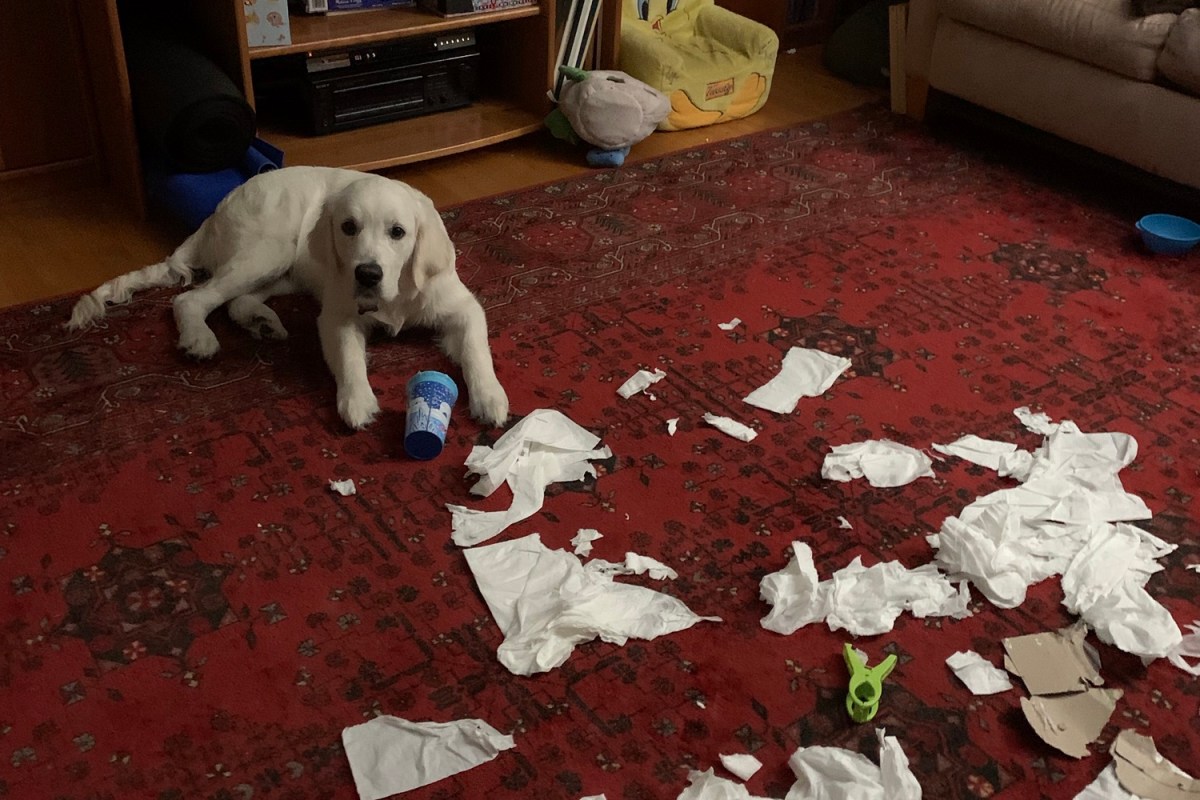
Cooper, the puppy, ate my holiday cards. Not all of them, thankfully. I managed to send quite a few out before he got into the box. But what really got me, is that he chewed some that I’d already written.

Sheesh! It’s hard enough to get it done in the midst of the holiday season. But then to have to redo some? It kind of derailed me. I’m still finishing up sending them out now.

But what’s more interesting to me than my ability, or lack thereof, to get the task done is HOW it happened that the puppy ate the Christmas cards.

When I go with the kids upstairs to do their bedtime routine, I was leaving Cooper in the family room/kitchen with the doors closed. Dealing with two young ones in that last hour when we are all so tired was all that I could handle. I thought that solution was to keep Cooper out of the mix.

One night after getting the kids to bed, I came back downstairs and Cooper had eaten the Kleenex box. I got out a new one and <doh> put it in the same place.

The next night, he ate the new Kleenex box. So I put the new new box up on the shelf and then gave him a chew to work on when we were upstairs. He ate the chew – and then the napkins in the napkin holder on the table.

Okay, Cooper likes paper. So I removed the napkins from the table. But then the next night he got the holiday cards.

Grrr. At this point I was nearing my wits end. Then a friend that came to stay with us offered, “Maybe it’s separation anxiety.”

I thought that was an interesting idea. So I tried giving Cooper his chew and left the doors open. Guess what? He’s stopped marauding the place. And he doesn’t even come upstairs to mess with our routine. Every once in a while he’ll come to visit, but he’s calm and unbothered.

If I had to count the number of times that I’ve had to learn the lesson to lean in to the problem instead of trying to shut it down or lock it away – well, it’d be a pretty high number. Funny how unintuitive it is to open up as a response to a problem instead of shut down. But it’s equally as amazing at what an effective solution it can be.

Now I just need to train Cooper to help me finish sending my holiday cards.

Do You Think I’m Stupid?

A friend accepts us as we are yet helps us be what we should.” – unknown

My best friend in college and I used to debate whether or not it meant that someone thought we were stupid if they lied to us. In those days of black and white, I definitely thought it to be a sign they thought I was stupid. Of course, the thing I feared most was being thought of as a dumb blonde so I probably was inclined to the position.

Now in these days of seeing the shades of gray in everything (and not just my hair) 🙂 I tend not to take umbrage if someone isn’t truthful. It’s the topic of my Wise & Shine post this week: Telling the Truth

(featured photo from Pexels)

Pantless in Seattle

How many cares one loses when one decides not to be something, but to be someone.” – Coco Chanel

The other day some friends came to the door to pick up Miss O for an outing. Mr. D was standing in the hallway in a shirt and nothing else. My friend asked where his pants were and he replied, “They’re broken.”

There is something so refreshing for how kids come into this world not caring about what other people think or the “correct way” to do things. Caring less as a way to be authentic and open is the topic of my post on Wise & Shine today: Caring Less Without Being Care Less

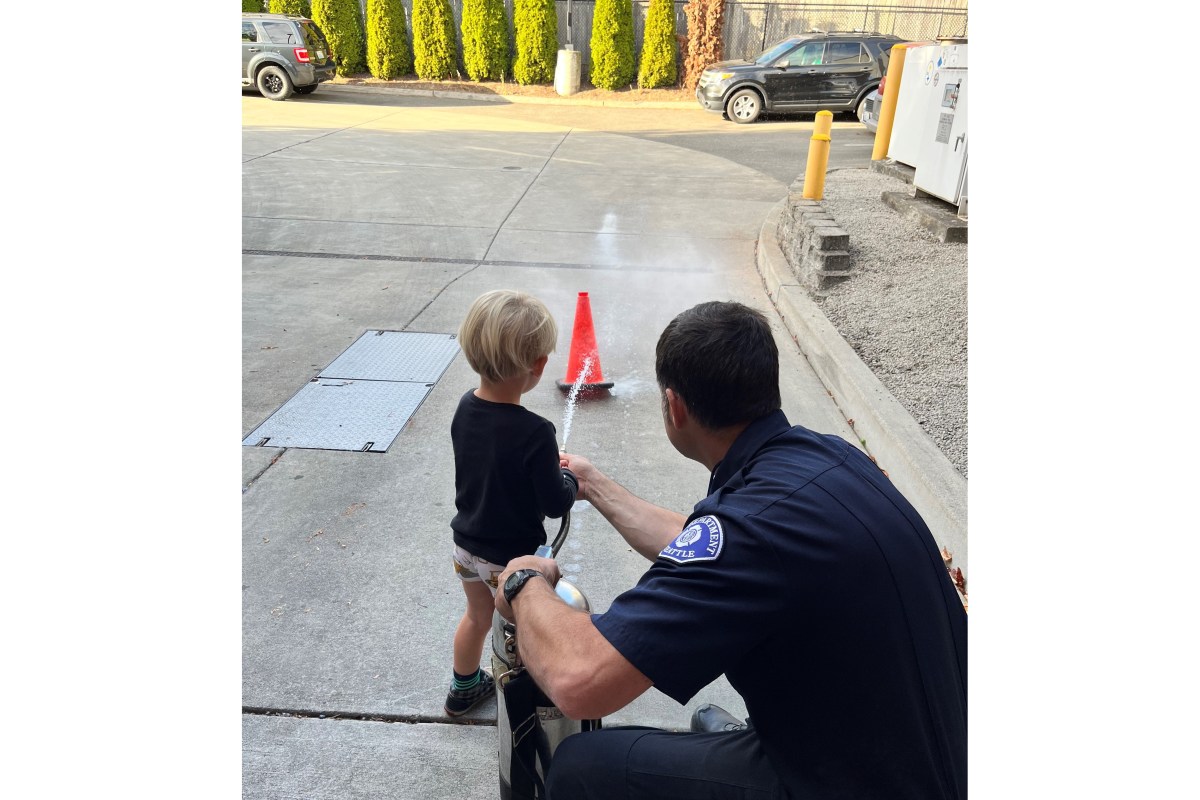
(featured photo is Mr. D at a fire station without pants)

A Question of Love

The Eskimos had fifty-two names for snow because it was important to them: there ought to be as many for love.” – Margaret Atwood

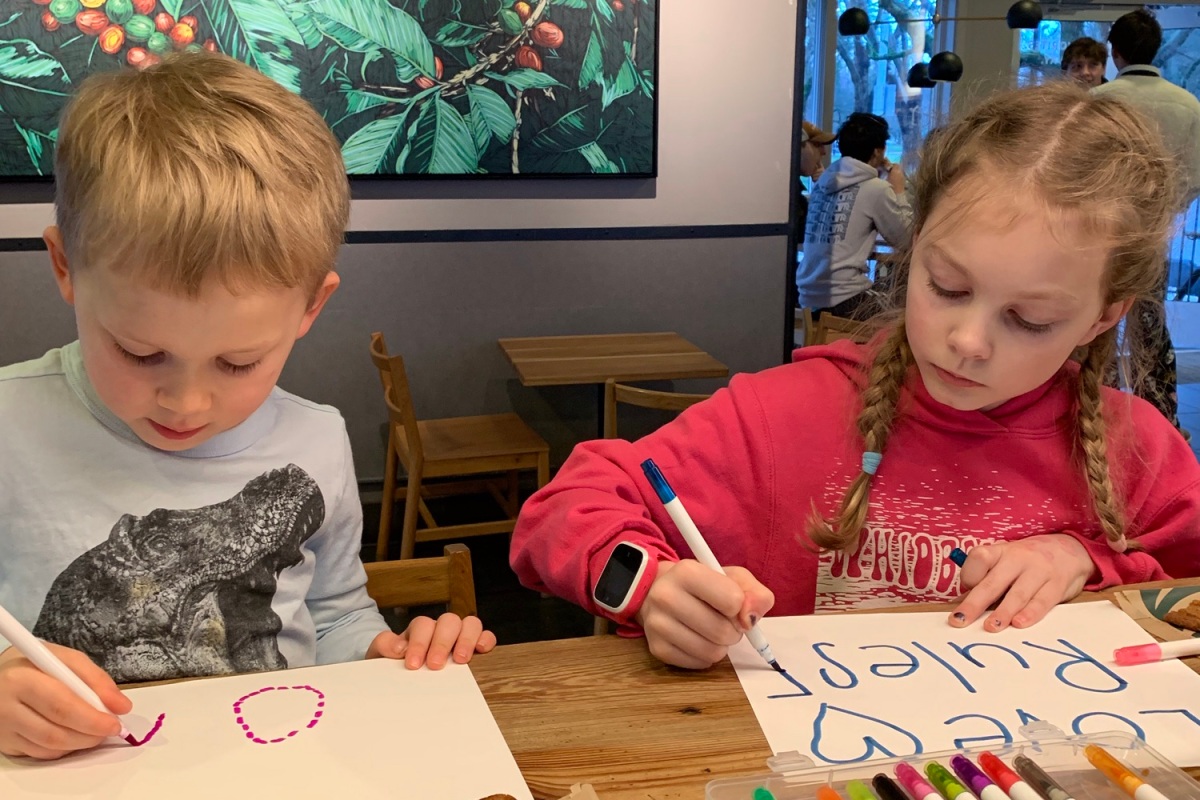
Yesterday in the car, Miss O asked me who she should marry. Off the top of my head I said, someone who is kind, honest, funny and smart and then stopped to ask what she thought. She added, “Someone who is sweet and who likes to kiss.”

I started laughing and she explained that not all boys like to kiss which I’m sure is accurate in the 7-year-old world.

But it made me think of all the times I’ve wondered who I should love and the answer started with loving myself.

And it made me think of that WHO I should love is also an acronym for HOW I should love which I found is best with conviction, patience and kindness.

It reminded me that sometimes the answer to the question isn’t who I should love but am I brave enough to try.           

Finally, I landed on what is with age becoming clearer to me is that when I tap into the Oneness of things, I find it easier to love everyone, even the people that get my goat because when I look closely there is something about them that reminds me of me.

Miss O has about 20 years until she reaches the average age of brides in this country. I hope that in that time she learns a little about love, especially self-love, before she does.

What’s your list for what to look for in a partner? And your best advice about love?

(featured photo from Pexels)