The Case for Non-Competition

A head full of fears has no space for dreams.” – unknown

I can’t get Miss O to put down the guitar. I know that’s a funny thought – why would I want to?

Here’s the situation. My nine-year-old daughter, Miss O, has a gift for music. She has nearly perfect pitch so that if she hears something, she can play it. And she’s learned piano from my mom, ukelele from YouTube videos, started clarinet in the school band, and also sings in a choir.

She’s practiced these things, and my mom has been a fantastic teacher, but mostly she has enough natural ability that she makes it look easy.

All good – until Mr. D wanted to learn to play the guitar. We have a little one that we picked up at a garage sale that was missing three strings. I ordered some replacement strings and voila, Mr. D had an instrument that he could carry around and try.

He’s not really wanting to formally learn anything quite yet. He’s five years old. But he likes putting the strap around his neck and strumming. I found a chord on YouTube and went to show it to him – he didn’t want to do it. But Miss O was standing right there and said, “Can I do it?

Of course, she picked it up easily. So I asked her not to play the guitar. To give her younger brother some space so he can have a thing that is his own. She nodded her agreement – and then by 30 minutes later had circled back to try to play it.

So I gave her a longer explanation about why that can be discouraging to her brother. She gave it a rest for about a half a day.

When I found her with it at the end of the next day, I started again tiredly. She yelled, “So I can never pick it up and strum it?” And because nuance didn’t seem to be working, I said emphatically, “Yes!” and she angrily stomped off.

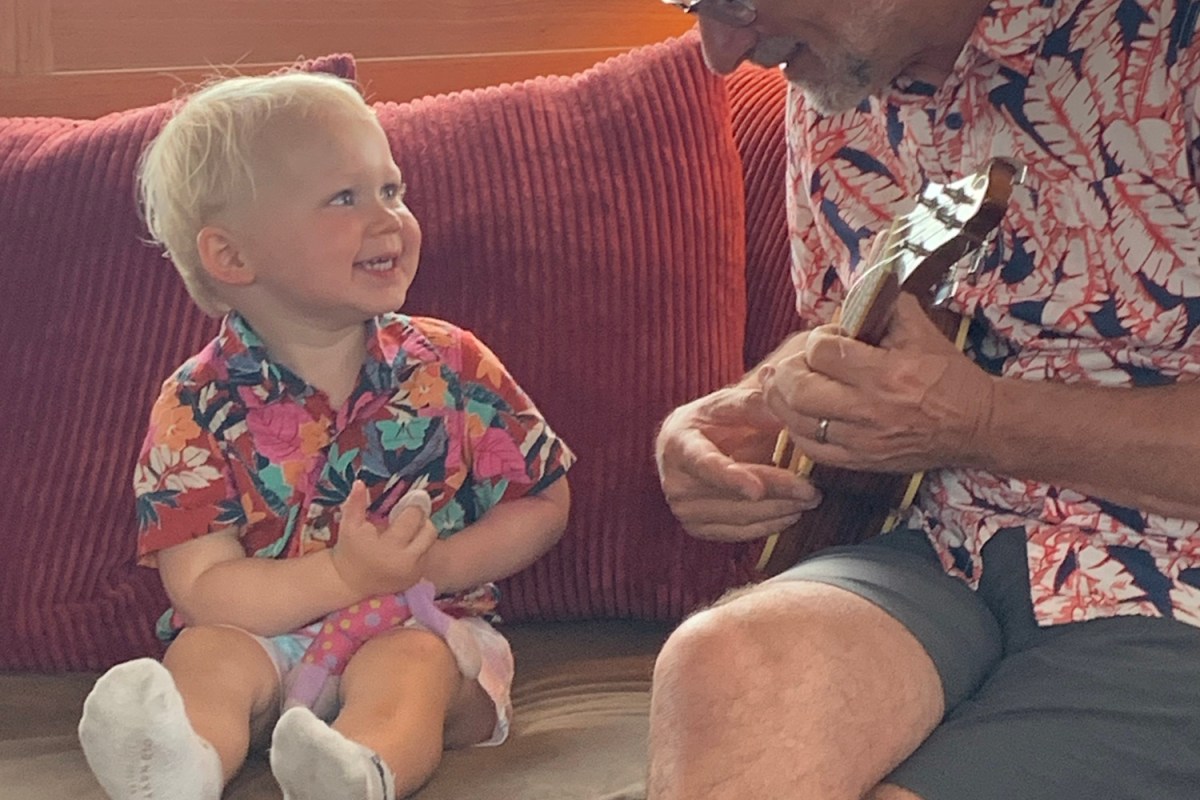
At bedtime, I told the kids the story about when Mr. D was 2-years-old and had the cutest little Hawaiian shirt. I dressed him in it every time we went to a party and everyone oohed and aahed, “What a cute baby!”

So Miss O said to me, “I hate it when he wears that shirt. He gets so much attention.” I explained that what I did to help wasn’t to get her the same shirt – or buy them both a new outfit that matched each other. I helped her find a new dress and shoes so she could feel good about what she was wearing – on the inside –even if she didn’t get all the compliments the baby did.

I summed it up that sometimes we just need to give each other space. That competing or comparing, especially over time, can often undercut someone’s confidence.

I must have flubbed the ending. Because at the end of the story, Mr. D wanted that shirt and Miss O said, “I knew I wasn’t going to like that story.

I left the bedroom with two grumpy kids still pouting. I was frustrated because I couldn’t fix it. It struck me that we were all too close on this one – perhaps telling the story when we were all together wasn’t the right timing. Or that we just needed some time. Or that bedtime wasn’t a good time to tackle this. All of the above, I suspect.

And that is why my guitar gently weeps. From under the couch where I hid it.

Let’s Stick Together

In the middle of every difficulty lies opportunity.” – Albert Einstein

Last Thursday, I had a moment of chaperone panic. I was in charge of Mr. D and another 5-year-old, a little girl named, Lydia. She was a delightful little girl who wanted to name our team, Rainbow Unicorn. So she was exactly on message for her age group.

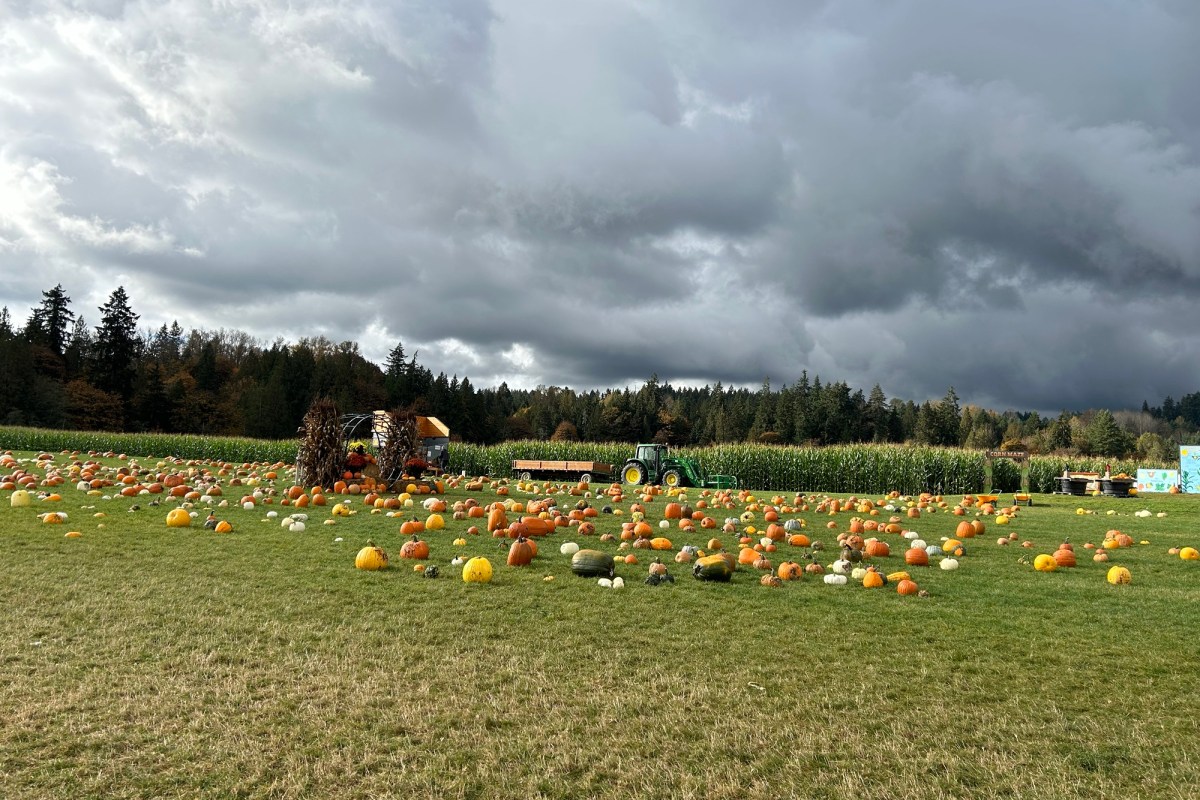
After seeing all the sights, playing the games, eating lunch and picking out pumpkins, I asked Lydia if she wanted to do the corn maze. She had said several times she wanted to do it. As we approached the entrance of the maze, it was just the three of us: Mr. D, Lydia and me.

We walked fifteen feet to the first intersection and Lydia yelled, “Let’s split up!

I bit back my scream of “Noooooo!” and eked out a mostly calm, “Let’s stick together.

It strikes me that spreading chaos is a little fun. Not that little Lydia meant anything by it. She was just injecting a little five-year-old energy into the event.

Maybe my panic struck a little harder than usual since it’s election season in the US. I’m tired of the divisiveness that stokes up fear and the conflict entrepreneurs that capitalize on it. Let’s stick together.

The Ritual of Tea

Good habits automate us, helping us get things done. Rituals animate us, enhancing and enchanting our lives with something more. The intrinsically emotional nature of rituals gives them their animating power.” – Michael Norton

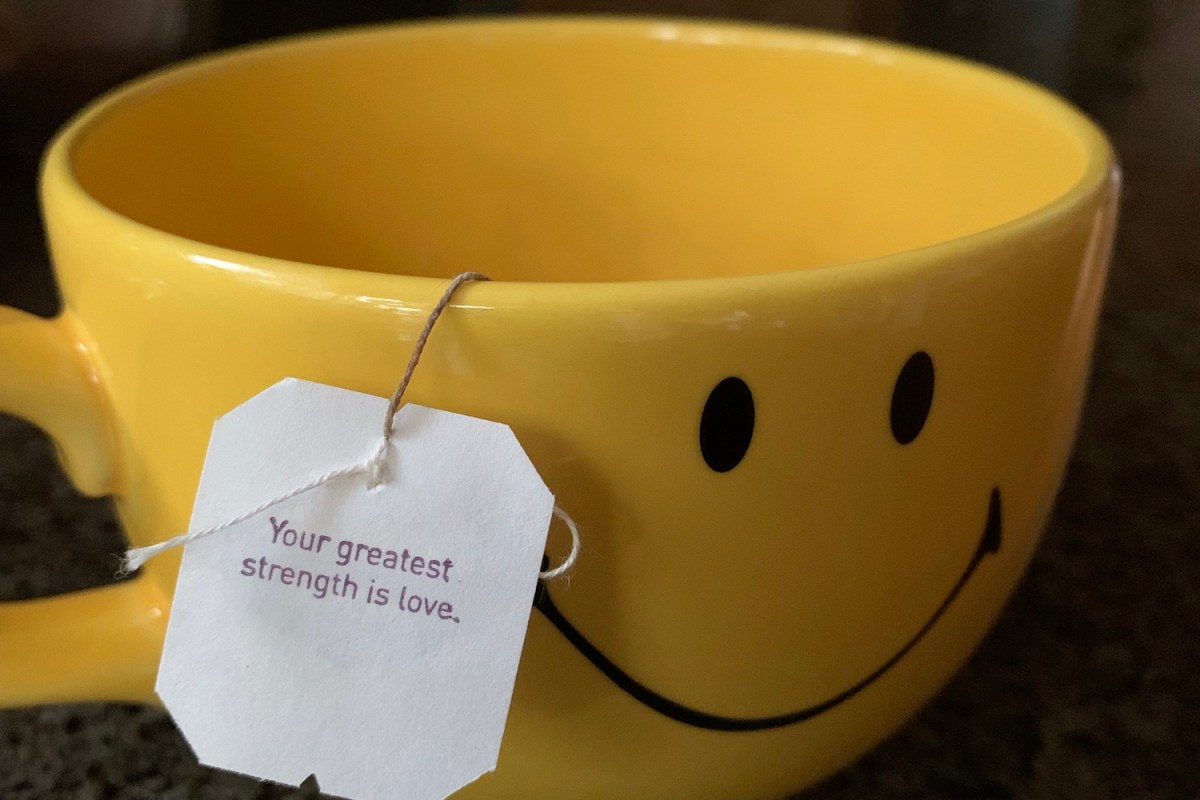
Before the pandemic, my “office” was at a favorite local coffee shop. My kids were little and at home so I needed a place to escape to. I’d walk in the door of the coffee shop, throw my backpack onto my favorite comfy chair by the window if it was available, get my cup of green tea, and then settle in to work.

For me, wrapping my hands around a hot cup of tea is like an automatic reset button. It helps me notice the moment before I move to the next. Part of the fun was just being around all the other regulars and hearing conversations. There is something so delicious about the conviviality of coffee shop comradery.

So I loved the conversation I had with Vicki Atkinson this week on the Sharing the Heart of the Matter podcast: Tea Time with Wynne and Vicki

We bring in one of my favorite quotes about tea from Mark Nepo. He likens tea to the way we make sense of our lives. From gathering the leaves, to pouring water over it, to drinking it slowly, we cultivate the aromatic blend that helps us and heals us.

Both Vicki and I like the ritual because it slows us down. Having a cup of tea is like an invitation to bring forward what we already know.

I share my secret for how long I let it steep. And Vicki shows some treasured sets from her family that hold so much more than tea.

Vicki shares a delightful book about making tea that has been a gift and a reminder to let the swirls of tea help settle our thoughts down.

I’m confident you’ll love the scenic and beautiful places we explore as we share the power of storytelling over a cup of tea.

We know you’ll love it!

Search (and subscribe!) for Sharing the Heart of the Matter on Apple, Amazon, Spotify or Pocket Casts OR Listen to it from your computer on Anchor: Episode 89: Tea Time with Wynne and Vicki

HoTM Episode 89 transcript

AND subscribe to our YouTube channel to see a video clip of each story: @SharingtheHeartoftheMatter.

Links for this Episode:

Steeping the Tea Leaves of Life by Wynne Leon

My Kind of Swirl by Vicki Atkinson

Vicki’s book about resilience and love: Surviving Sue

My book about my beloved father: Finding My Father’s Faith

The Risk Factor

Take risks: if you win, you will be happy; if you lose, you will be wise.” – unknown

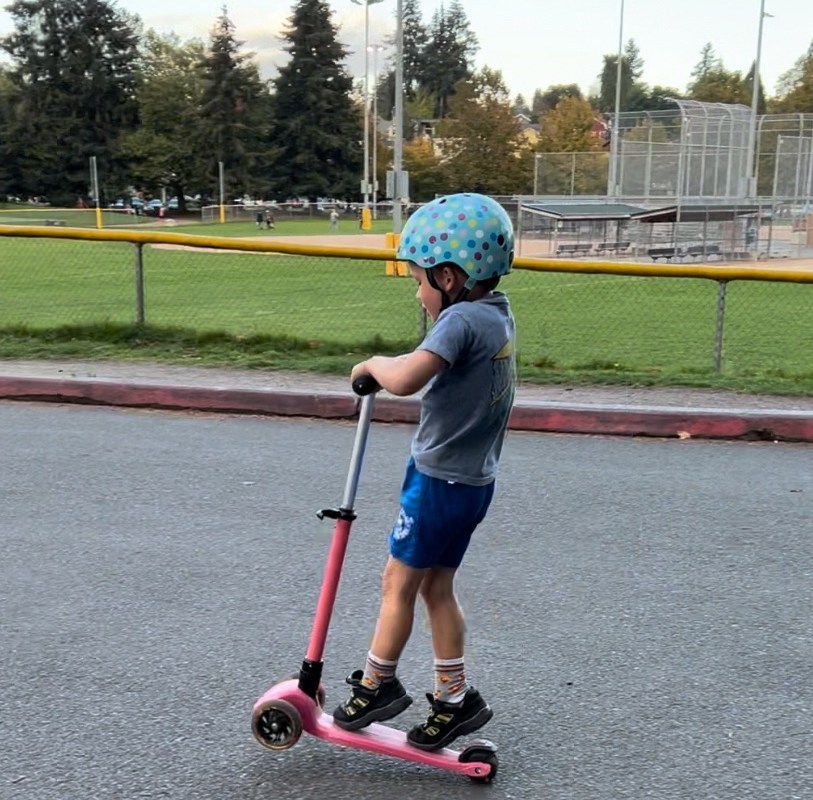
A couple of weeks ago, on the third time I took five-year-old Mr. D to the skate park, we ran into a fifth grader at school who is the boy that Mr. D admires the most. And this boy is a terrific scooter rider. Is that the right way to put it? I’m unsure of my skate park lingo.

This boy rides a scooter and can drop in to the steepest of the bowls, propel himself out, kick the base of the scooter around so it does a 360 and then land it, bringing all the energy to an elegant stop. It is truly impressive.

I watched Mr. D observing this boy and wondered if it would make him reckless. Mr. D stood quietly for a while just taking it all in and then he started scootering back and forth on the flat concrete practicing popping a wheelie.

On the next visit, he found the most gradual of the slopes and started practicing going down one side and back up the other. This sport is not in my wheelhouse so I’m of no help to him. But he figured out how to bend his knees at the bottom of the slope.

He keeps making incremental risks and discoveries with each visit. I remarked on this to my friend, Eric, and he quipped, “Even five-year-olds have a built in risk meter.

To which I’d add – “that works.A certain amount of risk is necessary in order to learn. We have to be willing to look foolish, expose ourselves as newbies, and try something in order to quit it. I mention that last one because it’s often my barrier – I hate quitting things so I often won’t start something so that I can prevent having to quit.

So, I’ll speak for myself when I say that one way that life becomes rutted for me is when my risk meter breaks. Everything new will peg too high on the meter so then I try nothing. I’ll claim my past risks as badges that insulate me from ever having to try anything new again. And then I stop learning.

The funny thing about risk is that it’s a little contagious as well. The next time we went to the skate park my nine-year-old daughter, Miss O, came along. Seeing her brother try the gradual slopes encouraged her to do the same.

So here’s to being open to taking the right risks in life.

Little Steps of Calm

These mountains that you are carrying, you were only supposed to climb.” – Najwa Zebian

Now that I’ve spent a dozen years practicing meditation and trying mindfulness, I find it interesting to take a look back at the time I spent mountain climbing. Because mountain climbing is kind of a mindless activity.

In a journey of 50,000 steps or so for a climb, you don’t necessarily want to remember each one. In fact, it might be a little painful if you did.

So while the endurance and grit is transferrable to life down low, perhaps the mindless moving forward is best left on the mountain. Speaking for myself that is. I don’t want to sleep walk through the days of my life.

This is just one of the many reasons that I love the warm and inviting conversation I had this week on the Sharing the Heart of the Matter podcast with my co-host, Vicki Atkinson.

I think it’s fair to say that we all have times where life feels frenzied. And it isn’t only because our to-do lists get too long. It’s also because of the pace of the world around us, and our exposure to the news, in whatever way we consume it.

Both Vicki and I start the day with sacred time. It’s non-negotiable for me so that I can at least start the day with a measure of faith and perspective.

But we know that doesn’t work for everyone. So we talk about our tricks to instill some calm. Vicki tells us about how she sets aside multi-tasking to focus on one thing at a time. And more than that, how to slow tasks to reap the full benefit.

For me, music can help to disrupt the stress swirl. Tuning in to songs from my youth delivers a noticeable energy lift as well. We touch on the research of Harvard psychology professor Dr. Ellen Langer about how our brains can impact our bodies.

It’s not hard to imagine that Vicki is an inveterate smile-r. She shares a story about how offering friendliness to others brings a side benefit of joy.

I’m confident you’ll love the scenic and beautiful places we explore as we share the power of storytelling.

We know you’ll love it!

Search (and subscribe!) for Sharing the Heart of the Matter on Apple, Amazon, Spotify or Pocket Casts OR Listen to it from your computer on Anchor: Episode 88: Meditative Moments with Wynne and Vicki

Episode 88 transcript

AND subscribe to our YouTube channel to see a video clip of each story: @SharingtheHeartoftheMatter.

Links for this Episode:

Episode 79: Sometimes You Have to Laugh with Author Pete Springer – The Heart of the Matter (sharingtheheartofthematter.com)

Remembering How to Bounce Back – Dr. Gerald Stein

Kindness all around us! – Brian Hannon

The Subtle Shaping of Our Brains – The Heart of the Matter (sharingtheheartofthematter.com)

Meditate on this! – The Heart of the Matter (sharingtheheartofthematter.com)

Write it Out – The Heart of the Matter (sharingtheheartofthematter.com)

From the hosts:

Vicki’s book: Surviving Sue

My book about my beloved father: Finding My Father’s Faith

Courage is Contagious

Courage doesn’t always roar. Sometimes courage is the quiet voice at the end of the day, saying, “I will try again tomorrow.” – Mary Anne Radmacher

I was listening to my neighbor talk about the anxiety she felt this past weekend when her husband took their oldest, a 12-year-old boy, up to Camp Muir on Mt. Rainier.

In her delightful British accent, she said, “It’s not that I don’t trust my husband’s skills, it’s just that if you take the three tallest peaks in the UK, Ben Nevis (Scotland), Scafell Peak (England), and Snowdon (Wales) on top of each other, then you have Mt. Rainier. It’s an American, super-sized mountain.

Fortunately, the weather held and they had a great time hiking up to and camping at base camp on our super-sized mountain.

It struck me as I listened, that there are many different types of courage in these adventures. To lead an expedition, to join as a team member, and also to stand on the sidelines and cheer for an adventure. All take a unique kind of fortitude.

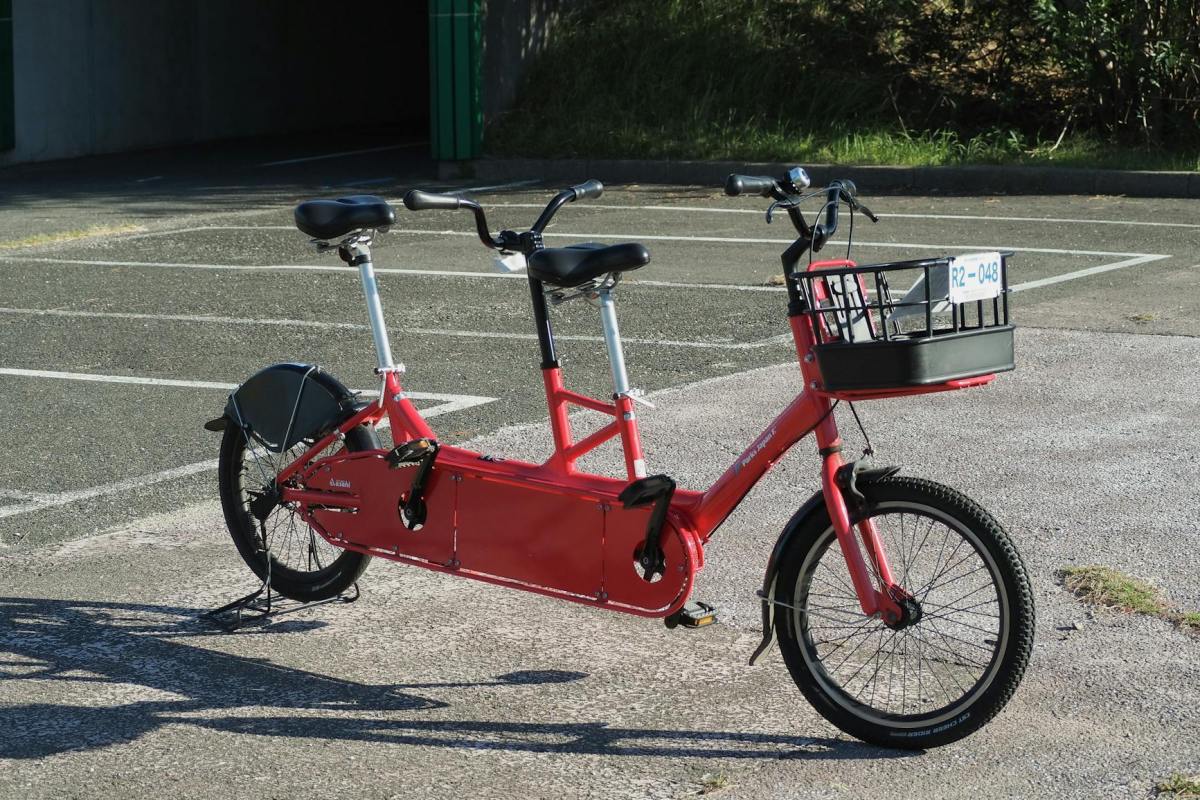
It also made me think of the adventure that Vicki Atkinson and I got to hear about from author, blogger and great story-teller, Cheryl Oreglia on this week’s Sharing the Heart of the Matter podcast, Episode 86: Tandem Riding with Cheryl Oreglia.

Cheryl recounted her experience on the Register’s Annual Great Bike Ride Across Iowa which is familiarly known as RAGBRAI. Seven hot days of riding, camping, and communing with 20,000 other riders.

Sounds fun, right? But what Cheryl does so consistently is bring the magic. She rides in tandem – both on the bike with her husband, Larry, and also in her writing. She is so good at synchronizing her inner landscape with all that she sees around.

She takes us on this journey from the Missouri River to the Mississippi River. And she leaves Vicki and me in tears about what it all means.

Cheryl is a beautiful writer and inspirational story-teller. She reminds us all what is out there when we face our fears and try hard things.

Pork chops, sunrise, kindness, and courage to name just a few.

I’m confident you’ll love the scenic and beautiful places we explore as we share the power of storytelling.

We know you’ll love it!

Search (and subscribe!) for Sharing the Heart of the Matter on Apple, Amazon, Spotify or Pocket Casts OR Listen to it from your computer on Anchor: Episode 86: Tandem Riding with Cheryl Oreglia

AND subscribe to our YouTube channel to see a video clip of each story: @SharingtheHeartoftheMatter.

Links for this Episode:

Cheryl’s blog: Living in the Gap

RAGBRAI 2024 – Living in the Gap (cheryloreglia.blog)

Other episodes with Cheryl:

Episode 61: The Writers Conference with Cheryl Oreglia by Sharing the Heart of the Matter (spotify.com)

Episode 30: True Grit with Cheryl Oreglia by Sharing the Heart of the Matter (spotify.com)

Episode 7: Grow Damn It! by Sharing the Heart of the Matter (spotify.com)

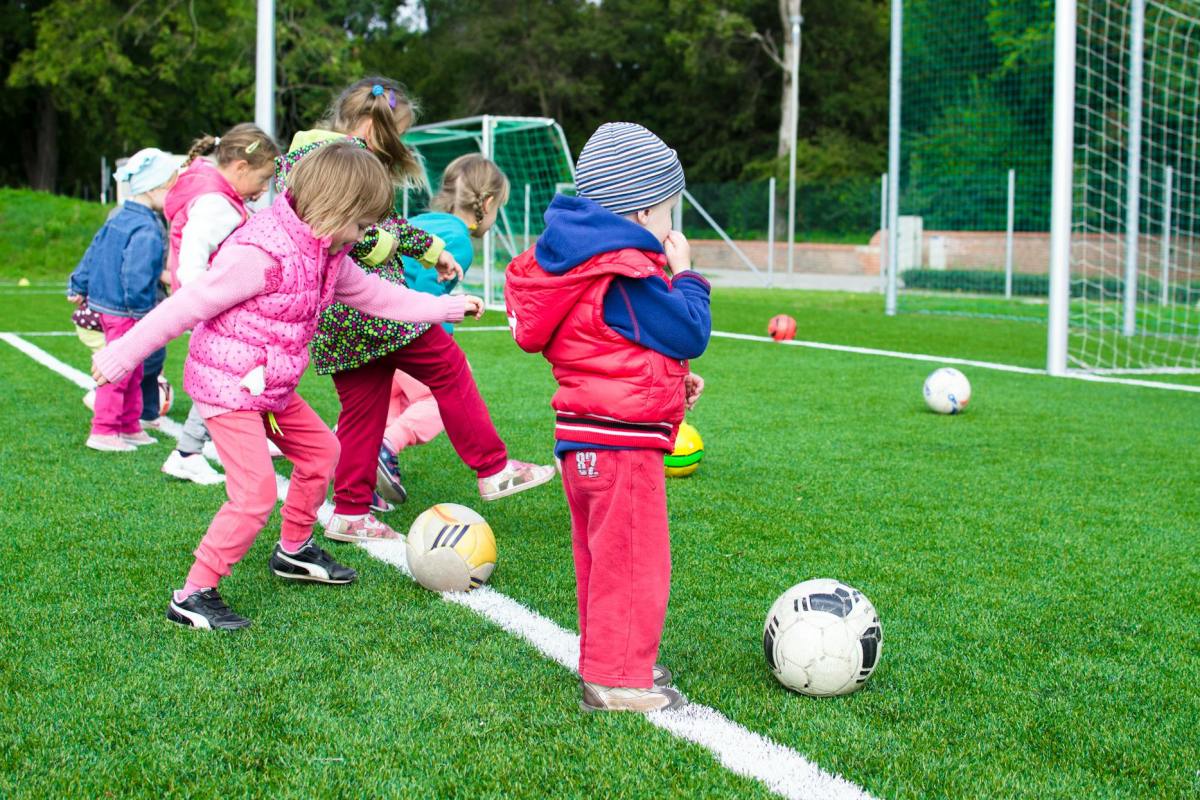
(featured photo from Pexels)

Inculcating Sustainability

“We have not inherited the earth from our parents; we have borrowed it from our children.” – Wendell Berry

A while ago we were driving and saw litter by the side of the freeway. Mr. D said, “It’s not healthy for the moon to eat.” It started a rousing discussion of not only what planet we live on but also Earth sustainability.

A lot of the climate change messaging these days doesn’t seem to resonate with kids. First, it’s rife with fear and disgust – like humans strangling the planet because they are short-sighted and selfish. I’m not sure that resonates with grown-ups but I know for certain kids can’t grok the cynicism.

Second, they have a sense that grown-ups don’t know what to do about it so it feels too big for kids to take on.

Third, they are just developing their altruism muscles so giving up things when other people are not lands as unfair.

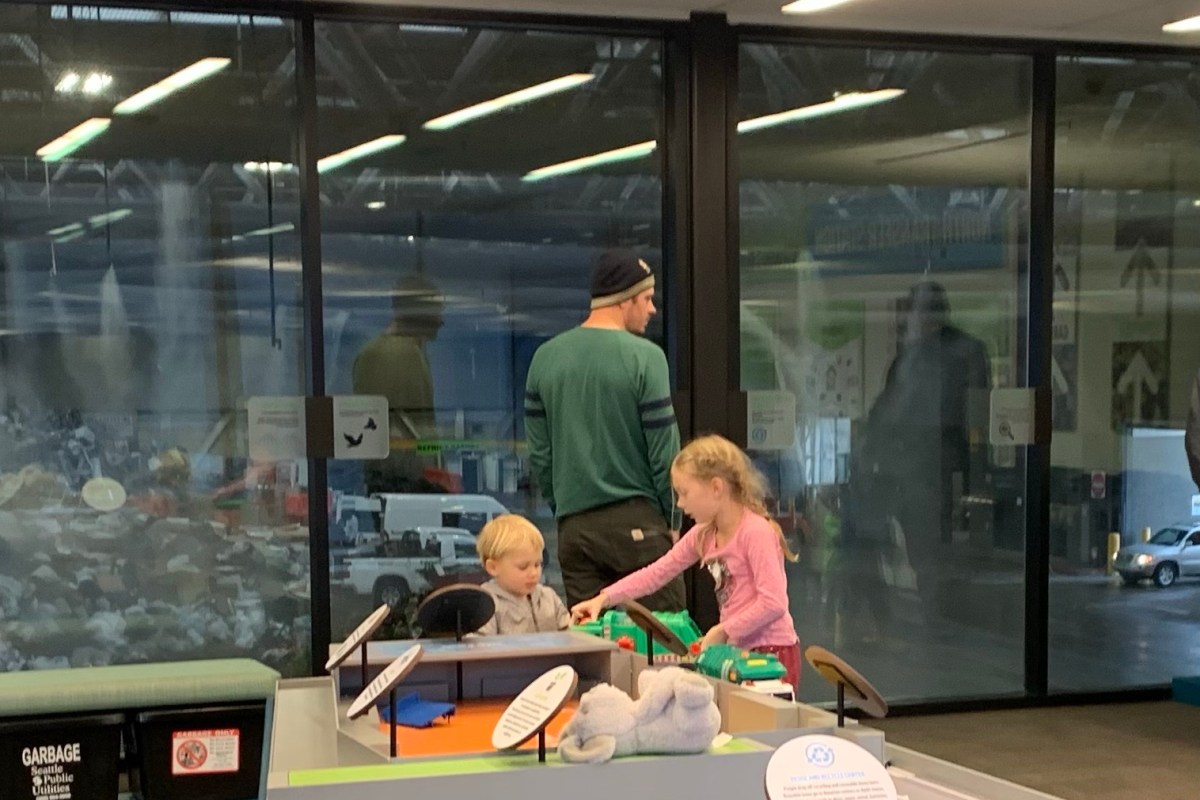
Fortunately, Seattle has a great recycling and composting program. In the winter, we’ve spent a lot of time at the dump (the transfer station) watching how it works and playing with the educational models (see pictures here). Inculcating some sustainability habits to go hand-in-hand, seemed to me like a good next step.

After trial and error, some climate change for kids books, and thinking, here are some of the things I’ve come up with to teach my kids:

One in, one out: We participate in hand-me down chains for toys, books, and clothes. We try to give away at least one thing for everything we get. I can’t claim we do this every time – but we try.

Involve them: I reuse a lot of containers – like hand soap. They love participating in refilling our containers.

Full life cycle: We grow strawberries, try to grow peas and pumpkins, visit pumpkin farms, and give away our plum crop to people who are food insecure. Even though we live in a city and are disconnected from where our food comes from, I try to connect them to the bounty of the Earth when possible.

Teach them skills: Things break and need maintenance and there are a lot of skills to repair and reuse things instead of just discarding them. I’m not much of a seamstress but I do know my way around drills, saws, caulk, and glue. Seeing that we can not only fix things but also make them better.

Selling our stuff and buying second hand: We have a great second hand kids shop in our neighborhood that makes it possible to sell what we don’t give away – and buy at the same store.

Don’t get me wrong, I’m not trying to oversell what we are doing. They are small efforts and I’m far from consistent and perfect on these things. But these things are doable and sustainable for us. They counterbalance the messages of judgment and fear that leave us feeling helpless. If nothing else, it convinces my kids that they can do something to help. And believing that might just make a difference.

Ring a Bell

There is within each one of us a potential for goodness beyond our imagining; for giving which seeks no reward; for listening without judgment; for loving unconditionally.” – Elisabeth Kübler-Ross

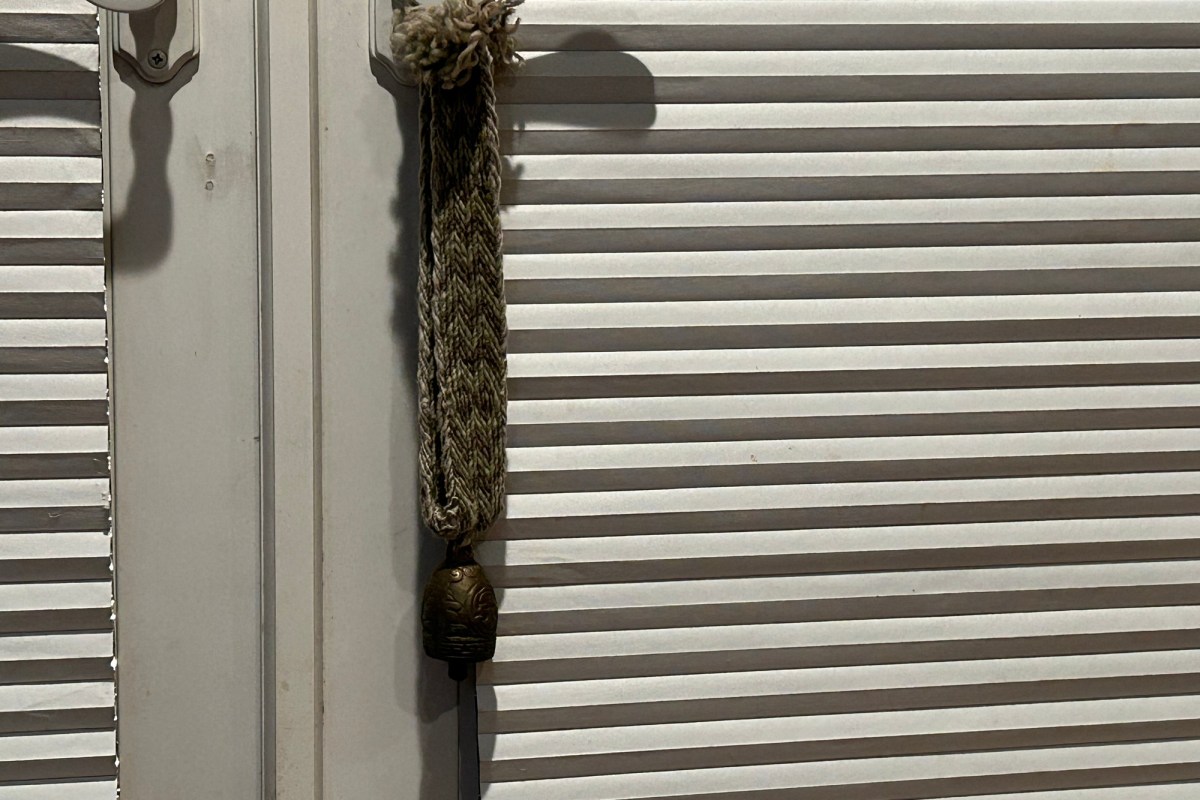
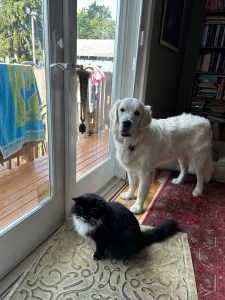
I’ve hung a yak bell on the inside handle of my back door for decades. I bought the bell in Nepal when I trekked to Everest base camp so I find it a pleasing sound for many reasons. It’s been useful so that my dogs can signal when they want to go out. Neither Cooper nor Biscuit before him were big barkers so it was pretty easy to train them to ring the bell when they want to go outside.

It’s a lot harder to train them to just do it when they NEED to go out instead of just want to go out. <Squirrel> But hey, I won’t complain about a system that works most of the time for canine to human communication.

Lately, I’ve been noticing that Cooper rings the bell for the cat. That is, if he sees her sitting outside the door wanting to come in, he’ll ring it. Or, if she’s sitting next to him and wants to go out, he’ll ring the bell. When I open the door, he sits back down and doesn’t go outside as if to say, “I’m just doing this for my friend, the cat. Who could do it for herself but doesn’t want to appear trainable.”

Who says chivalry is dead?

Your Favorite Quotes About Writing

Writing also makes you process memories in a different way. You have one idea and then remember another. It’s like each one is a cow in a field, and you have to round them all up.” – Michael J. Fox

Last week I posted my favorite quotes about writing. This week, I’m sharing the fantastic quotes shared in the comments. Each quote is posted along with the link to the thoughtful contributor (and their blog) that submitted it.

Thank you all for sharing this amazing wisdom!

“Fill your paper with the breathings of your heart.” – William Wordsworth

Contributed by Dana at Regular Girl Devos

“When in doubt, write.” – Mark Twain

Contributed by Jane Fritz from Robby Robin’s Journey

“I can shake off everything as I write; my sorrows disappear, my courage is reborn.” – Anne Frank

Contributed by Endless Weekend

“Write what you know.” – Mark Twain

Contributed by Brad Borlund

“I write entirely to find out what I’m thinking, what I’m looking at, what I see and what it means.” – Joan Didion

Contributed from Brian from Writing from the Heart with Brian

“” I want to write so well that a person is 30 or 40 pages in a book of mine … before she realizes she’s reading.” – Maya Angelou

Contributed by Rebecca Cuningham from Fake Flamenco

“If there’s a book that you want to read, but it hasn’t been written yet, then you must write it.” – Toni Morrison

Contributed by Kym Gordon Moore from From Behind the Pen

“Habitual handwriting opens up space for generating good ideas, organising them on the page and constructing nuanced vocabulary choices.” – Dr. Hetty Roessingh, professor emerita University of Calgary

Contributed by Edward Ortiz from Thoughts about leadership, history, and more

(featured photo from Pexels)

Too Mad To Listen

Anger is an acid that can do more harm to the vessel in which it is stored than to anything on which it is poured.” – Mark Twain

I saw this gas station sign and it reminded me of a story from many years ago.

The house next door to mine used to be a duplex. On the main floor lived a 40-something year old opera singer and music teacher who had lived there for nearly twenty years. She gardened and was friendly with all the neighbors so it was easy to get to know her.

One summer, a new renter moved into the top floor. She was younger than the opera singer – maybe in her early 30’s. I frequently saw her roller skating around the little lake we live near wearing bright red lipstick. She was noticeable but harder to get to know beyond a wave here and there.

The roller skater frequently walked loudly in high heels when she was home and slammed her kitchen cupboards late at night. This was keeping the opera singer in the apartment below her awake past her bedtime. She tried to ask her to stop. The roller skater didn’t want to talk about it. So, the opera singer tried sending her an email. The roller skater’s dad who lived in Florida called her to tell her to stop bothering his daughter.

Then one night the roller skater came home, parked her car in the driveway and left her car lights on. The opera singer noticed and tried to call out to her but the roller skater slammed the door. The opera singer tried to call her on the phone but the roller skater hung up on her. So the opera singer sent her an email.

The next morning, the roller skater’s car battery was dead. The opera singer watched as she slammed the door crying, eventually getting AAA to come help. The roller skater moved out shortly after.

I heard this story from the opera singer so I only have that perspective. I think the roller skater was a sensitive soul that felt every comment deeply. But even so, it’s always reminded me that not listening to others can come at a cost.

I searched my memory banks for a story of when I was too mad to listen. Funny thing is that I came up empty. I take that as a sign that someone out there is right now telling a story about me not listening. I’m just not sure if it’s a blessing or a curse that we often are oblivious to the help never taken.

What do you think?

(featured photo from Pexels)