A Legacy of Love

The one thing that we can never get enough of is love.
And the one thing that we can never give enough of is love.”
– Henry Miller

When I published my book about my dad eight years ago, there was a consistent kernel of comment that I got about it from his peers that read it. It was stated or implied that they hoped they were remembered as fondly.

I’ve sat with that nugget for a long time to try to unravel what that meant. I’ve come to believe it reveals a truth about what’s important.

Let me start off with a list of the things that my dad wasn’t good at. He worked too much. He left the hard work of parenting largely to my mom. He could be sloppy with details. He was conflict averse and would turn most anything into something funny and light so as not to have to deal with it. He didn’t show his struggles or any negative emotion in a way that would make him more relatable.

But he had one major thing he did right consistently – he loved people. He managed his own neuroses, opinions, and worries in a way that made him open to love others. He’d say that it was following the example of Jesus to love, accept, and welcome others that allowed him to do that. He believed that was Jesus was the way, the truth and the life, but he also believed that it wasn’t the only truth. He came to appreciate any practice or belief in something bigger than ourselves.

On his birthday about four months after he died, I posted a tribute to him on Facebook based on the Maya Angelou quote, “I’ve learned that people will forget what you said, people will forget what you did, but people will never forget how you made them feel.“. An acquaintance from high school with responded with a comment like, “Not everyone had a dad like that.”

Right. I was incredibly lucky to have a dad that was so effusively warm and whose face lit up every time he saw me. I think he had an advantage as a pastor in that it was part of his profession to practice meeting, accepting and loving people. His resume virtues and his eulogy virtues were aligned, to borrow a phrase from David Brooks.

But I think we all have the opportunity to prioritize supporting and encouraging others in a healthy and boundaried way, and love people the best we can. I suspect it might be the key to how fondly we are remembered. The ultimate paradox is that we give love in order to be loved.

My book about my journey to find what fueled my dad’s indelible spark and twinkle can be found on Amazon: Finding My Father’s Faith.

Mama, Why Would We Want to Feel Their Pain?

Your ability to understand and empathize with others depends mightily on having a steady diet of positivity resonance, as do your potentials for wisdom, spirituality, and health.” – Barbara Frederickson

This was originally published on 4/5/2023. Heads up – you may have already read this.


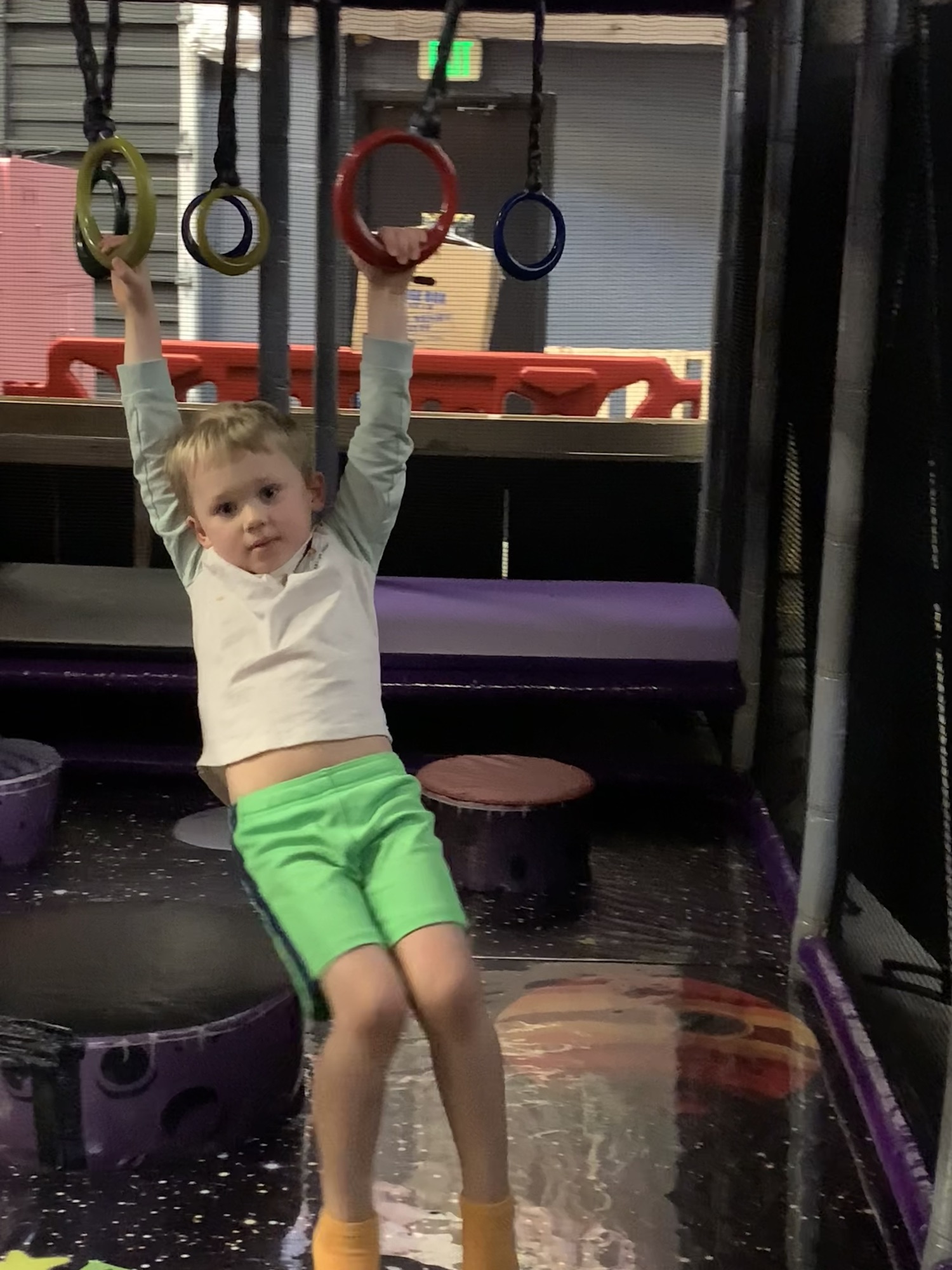
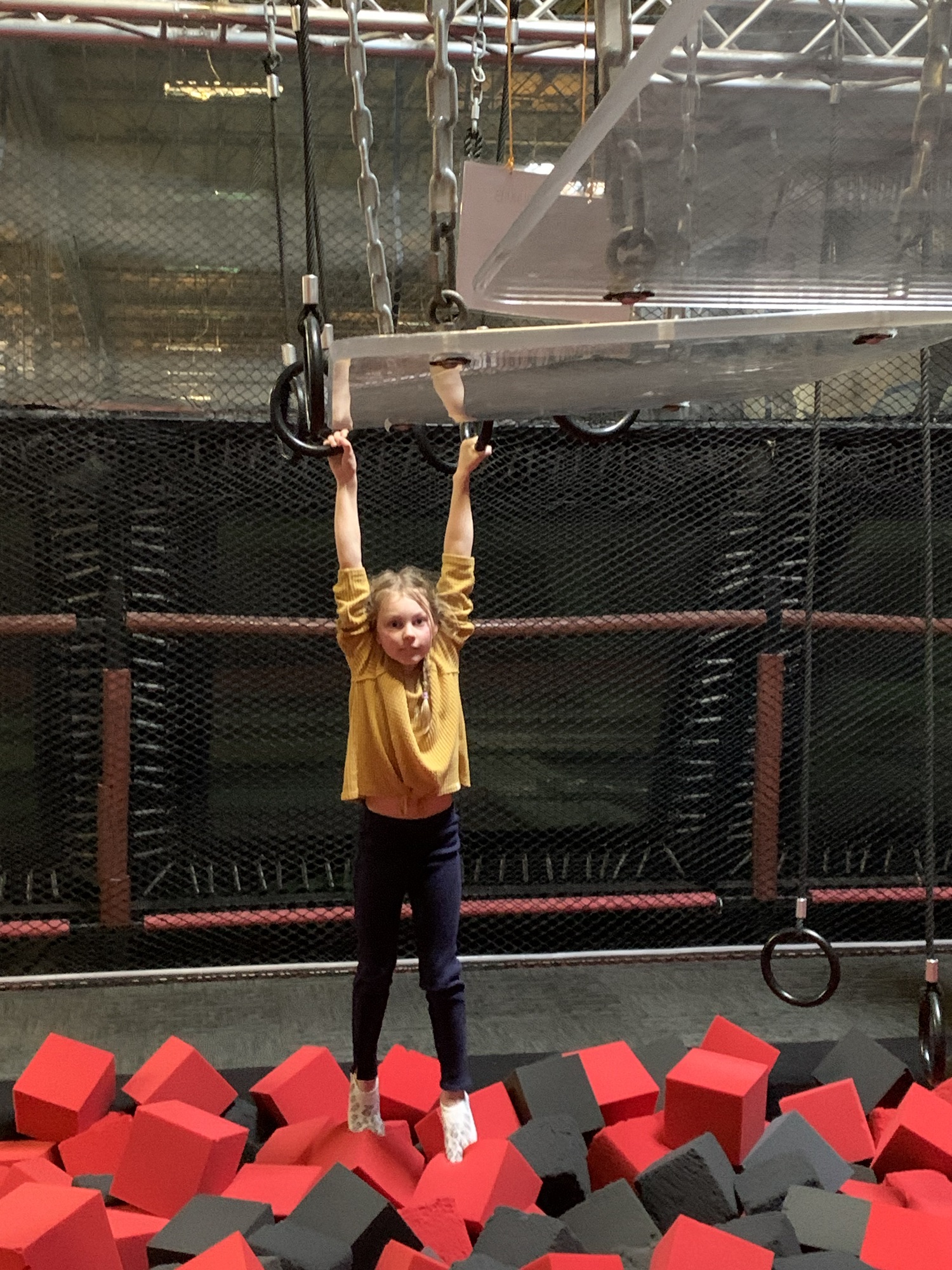
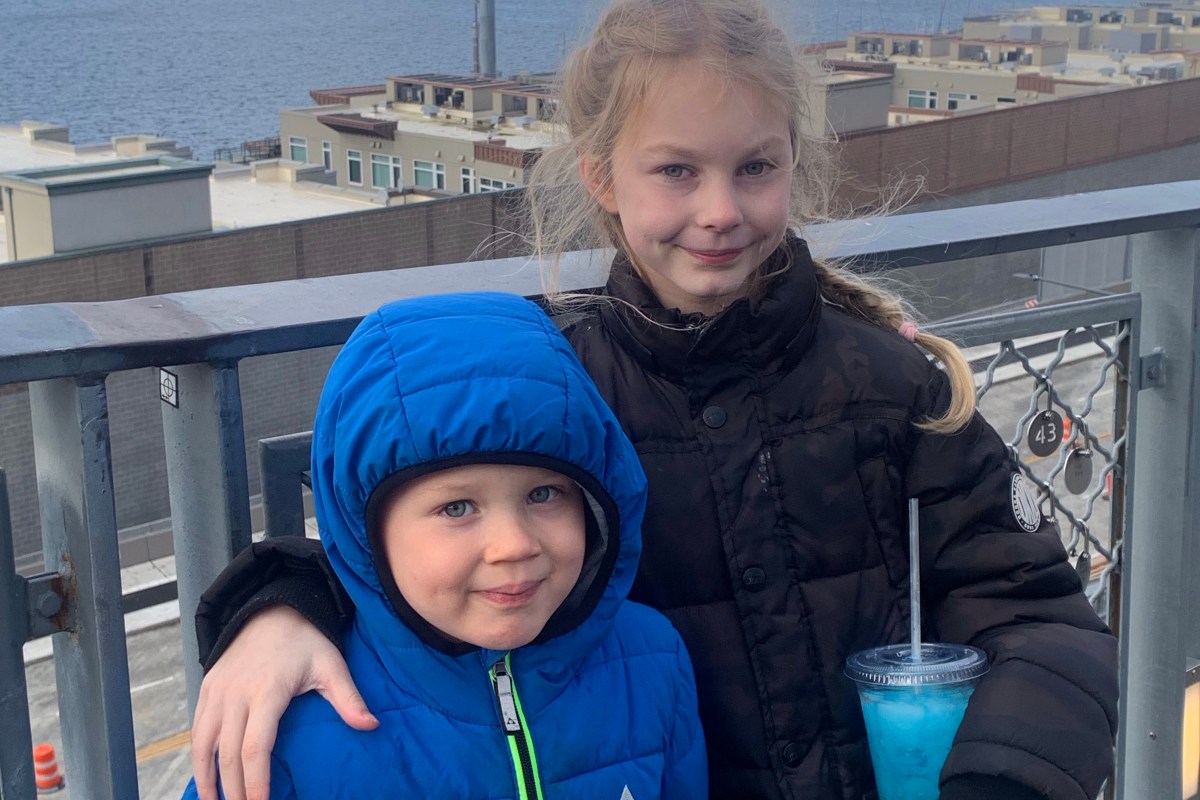
My 7-year-old daughter, Miss O, bumped her 3-year-old brother with her backpack when they were getting into the car yesterday morning. As he started to cry, she offered an uncharacteristically flippant, “Sorry, Dude.

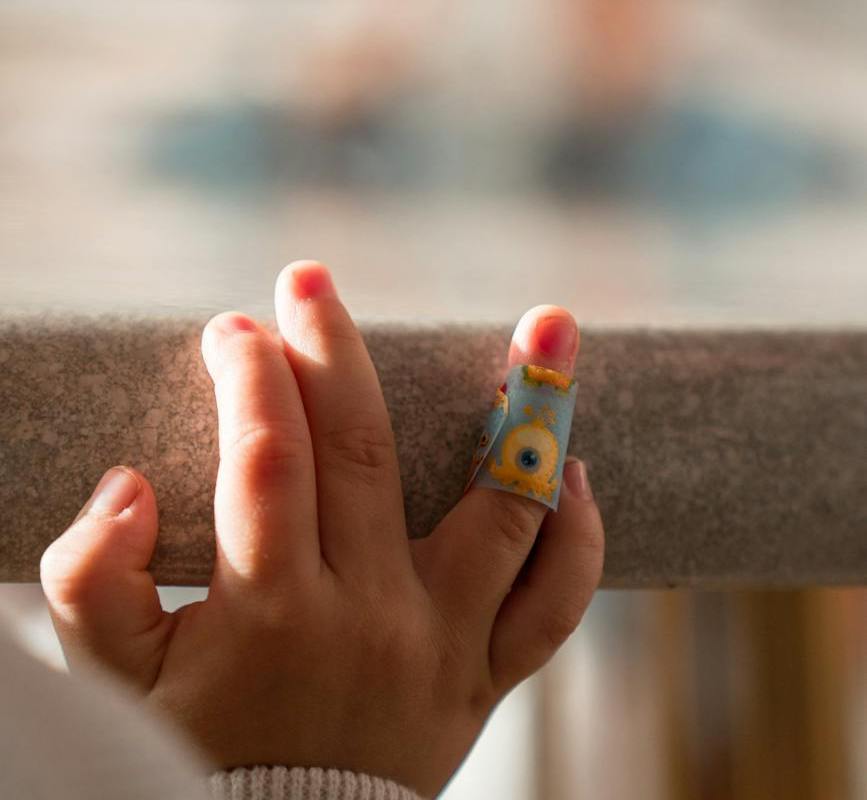
I gathered him in my arms to check on the little pinky finger that got jammed and added something like, “I’m sure your sister wants to offer some sympathy but can’t find the words right now.”

As we got underway, Miss O said, “I thought sympathy was a bad thing?” The curiosity about learning about emotions moved her away from her defensiveness and we talked about the continuum of responses in the face of pain: denying it, indifference, sympathy and empathy. Off the cuff, I said that empathy was something like leaning in to relate to someone else’s pain.

Miss O asked, “Why would we want to feel their pain?”

It seems I’ve spent the better part of my 53-years trying to understand the answer to that question. I suspect that it was becoming a parent that truly changed my willingness to really sit with the distress of others.

I’ve found that unacknowledged wounds weep the most. Jack Canfora’s post, There’s Nothing Wrong With Everything Being Wrong, spoke to me about the cleansing act of being honest. When we pretend everything is okay either with ourselves or others that are hurting, we add a layer of BS that hardens over time.

But when we talk about hard things and are able to lean in to the sorrow and pain of others, we are blessed by getting to know someone deeply. I imagine we are all a little like icebergs, carrying the pain of life as the big unseen part beneath the water. And when we empathize with each other, we get to see all of us, and even witness the growth that comes with healing after things fall apart.

Which isn’t to say that I’ve found it to be easy to embrace the discomfort of others. I find myself stumbling for words, unsure how to ask, or if to ask, and it becomes worse if I fear I’ve had a part in causing pain. But when I avoid it, it only becomes bigger, sometimes big enough to sink the Titanic.

I remember my dad, who was a Presbyterian pastor for 40 years, describing the first time he had to do a funeral and a wedding on the same day. He said the sheer emotion of going through those extreme emotions almost buckled him at the knees.

I’ve found that the times I have the most access to empathy are when I’ve done my own work to manage my emotions, to understand that I don’t have to carry other people’s loads, and to clean my own wounds. Then I have a much bigger capacity to sit in the dark with others. I can’t go deep when I’m swimming in the shallow end of my self-care and grace pool. For me, that work is in the form of meditation, writing, and creating but I know we all have different tool kits.

So I circled back to my daughter and said, “Sometimes we start trying to empathize because we think it’s the right thing to do or because our mom told us we should. But sooner or later we learn that pain is a lot like the dark – only scary because we don’t look. We lean in to feel other’s pain so that it goes away and it doesn’t become a monster in the closet, threatening to pop out when we least expect it.

We lean in because we all take turns hurting and healing and then have to do the work of repair.


I’ve also published today on the Wise & Shine blog: Just Start

(featured photo from Pexels)

The Detective’s Toolbox

“It takes courage to grow up and become who you really are.” – e.e. cummings

Mr. D hasn’t wanted to go to his pre-school lately. It’s been such a marked change that it’s evoked the inner detective in me trying to figure out why. Was it the week that the lead teacher went on vacation? Is there a shift in schedule or meals that is bugging him? Is there a particular classmate that he’s having trouble with?

At four-years-old, Mr. D doesn’t seem to have the answers to the questions. I say that like his age is the factor. I’m sure it is in part, but I think we all get stumped about what’s bugging us from time to time.

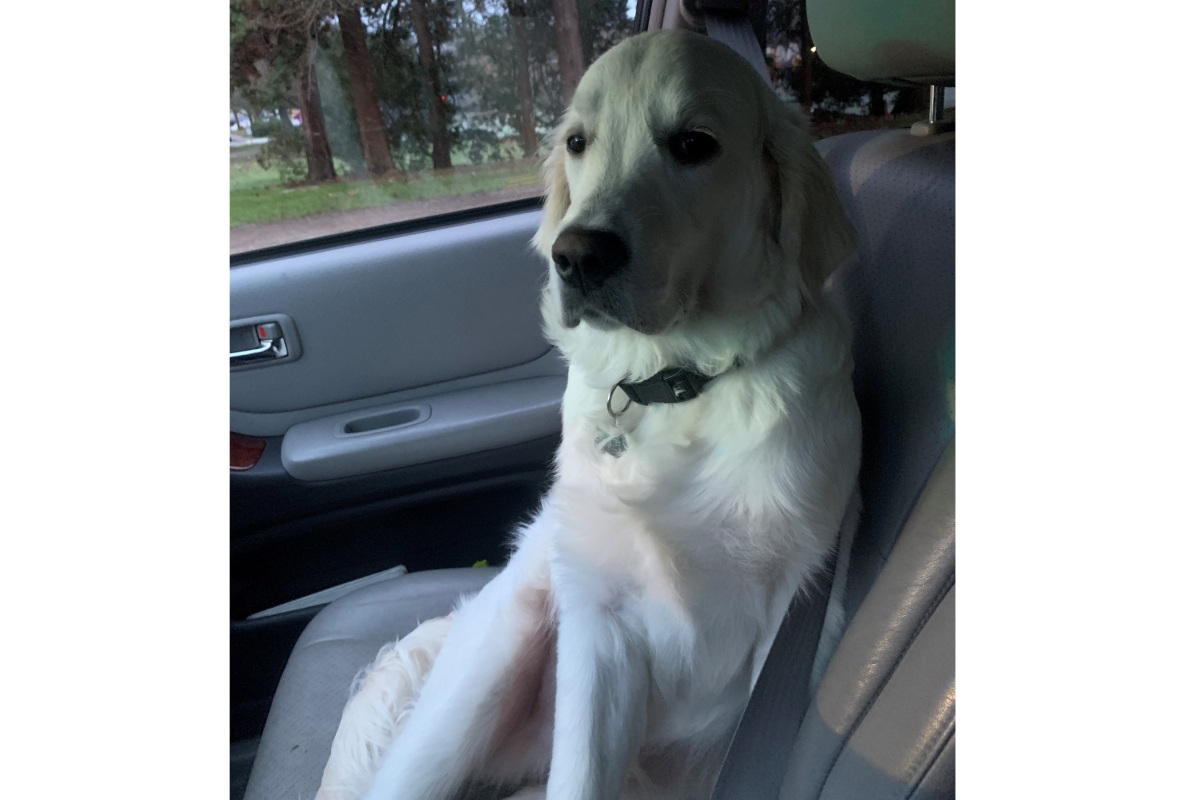
Yesterday, we’d just parked at the curb and were just sitting there collecting ourselves before we went in to school. Cooper, the dog, was in the front seat next to me. Mr. D from the back seat said, “Cooper is sad.” I asked why and he said, “Cooper is sad because he misses us.

Oooh, my first break in the case.

So I tried two more things. At the end of the day, I asked Mr. D to tell me a story about school. He told me a story about John waiting in line for the roller coaster on the playground. Another student, Molly, gave John a look and it made him sad. So Mr. D went to play with John and it made John happy.

The second thing was to have him show me something he’d learned that day. They are studying the human body this week. In their study of the stomach and intestines, they put bread into plastic bags with soda water died green to mimic stomach acid.

We repeated the experiment at home so that he could teach his older sister and me. Yes, it’s really gross, but I took one for science’s sake. And giving Mr. D a chance to showcase a bit of how he spent his day made him feel proud of his learning.

Here’s what I noticed. That when we don’t know what’s wrong, we project it on to others like Cooper the dog. We also can get to it by telling stories or acting things out. I haven’t cracked the case entirely yet but I’ve started figuring out the toolset. A similar set of tools probably works for all of us.

Speaking of telling stories, Vicki and I talk with David from the Pinwheel in a Hurricane and unwanted blogs on the Sharing the Heart of the Matter podcast this week. It is a fantastic episode where David talks about doing story work to find clarity, integration, and healing. Check it out: Episode 53: Practicing Creativity with David

Things About Parenting I Think I’ve Learned So Far

You’re an author, and the stories you write are penned across the hearts of your children. Therefore, be careful with the pen because you’re writing on some very precious paper.” – Craig D. Lounsbrough

I’m riffing the title of this post from Jack Canfora’s Things I Think I’ve Learned So Far because Jack’s post is one of my favorites and I’m too tired from parenting to think of one of my own. And that matches with my experience of parenting – you have to take small favors and lifts when you can.

Admittedly, I’m pretty early on into this parenting thing with only eight and a half years so far. Despite the best efforts of my more experienced friends to teach me everything I might need to know, I still understand I have a lot to learn. But in the interest of celebrating incremental progress, here’s the list of things I think I’ve learned so far in parenting.

Dance parties improve almost any mood.

When little people behave their worst, it’s when they need to be listened to and held the most.

Sometimes, on “those” days, you just have to declare it’s Milkshakes for Breakfast Day to shake everything up.

Try to say “yes” as often as possible, even if it’s just a qualified “yes.”

No matter how hungry you are, don’t eat that last bite off their plate until its cleared from the table.

There’s a time to push limits, and there’s a time to fold them in your arms. Knowing that balance is as mysterious as the original recipe for KFC or Coke. It’s sweet when you get it right, but you will still be guessing the next time.

Laughter is a beautiful elixir that will hold you together.

Socks are the bane of parenting. Little teeny tiny socks exploded off little teeny tiny feet are under the car seats, smooshed in the couch cushions, on the counter, behind the toy box, folded into books, and left everywhere and anywhere except the laundry basket.

My efforts to lobby Amazon to create a sock subscription service where new socks are delivered regularly have been ignored to date, mostly because I can’t ever finish an email without interruption.

A little bit of sugar works as an enticement. A great deal of sugar works like an unstable explosive.

You can use power over someone with little or no agency and it might work short-term. But, when you can, spending the time to develop power with a willing mind has a big long-term payoff.

You will screw it up. Look for the manual that came with the babies and remember there isn’t one. Be grateful for however many days you have before they figure that out too.

Insistence on anything that you previously thought you was indisputable fact before you had kids quickly becomes debatable in their eyes.
If you resist, the resistance becomes an object to focus on.
Better to use redirection.

Curiosity beats judgment any day and is one of the best tools in the box.

The line between crying and laughing is much closer than previously thought.

This is also true for irritation and awe.

On the Welch’s fruit snacks, the tear spot is between the h and the s. You’re welcome.

Every time you thoughtfully respond to a melt down you get to put a marble in the metaphorical trust jar.
Every time you lose it and yell, you take out ten marbles from the trust jar.
Every time you apologize for losing it, you get to add back your ten marbles, with bonus marbles for sincerity.

Naps aren’t just for the five and unders.

A well-rested kid can do most anything – this is true for well-rested parents too.

Save money on sorting games and instead teach them to match socks. This is a theoretical one but it would have been brilliant if I’d thought of it earlier.

You will screw it up. Apply grace liberally, get a good night’s sleep and try it again.

Your eyes should light up when your child enters the room.” – Maya Angelou
But there will be times they will enter the room covered in paint or dressed in all the contents of the laundry basket that you, for once, managed to fold. So shoot for lit up eyes MOST of the time.

It’s fun when you try to pay close enough attention to learn something about yourself and where you came from every day.

In the years before logic works, you have a wonderful opportunity to practice winning over hearts instead of minds.

Connection expands in proportion to your time sitting on the floor next to them.

Someone will cry when the milk spills. Try to make sure it’s not you.

It’s only possible to handle someone else’s big emotions when you’ve taken care of yourself.

Life is fragile; love helps us to overcome the abject fear of being responsible for it.

Relationship can handle a lot as long as you remain connected.

Whatever amount of vulnerability and patience you entered parenthood with will not be enough. Fortunately, kids come with many opportunities to exercise both.

Things will seem unbearable, and then they’ll change.

It will pain you greatly at times, but you have to big the bigger person.

Parenting is maddening; but a bigger part is gladdening.

You will screw it up. Treat yourself as gently as you can, laugh about it, apologize as necessary, and remember you are teaching them how to start again.

The big upsets are rarely about what it’s about. Take the socks, for example, which is really about the complete disruption of any order and ability to get things done you previously believed you had.

Or this list, which might not be just about parenting.
Be a Campfire, Not a Conflagration

Don’t set yourself on fire to keep others warm” – Rumi

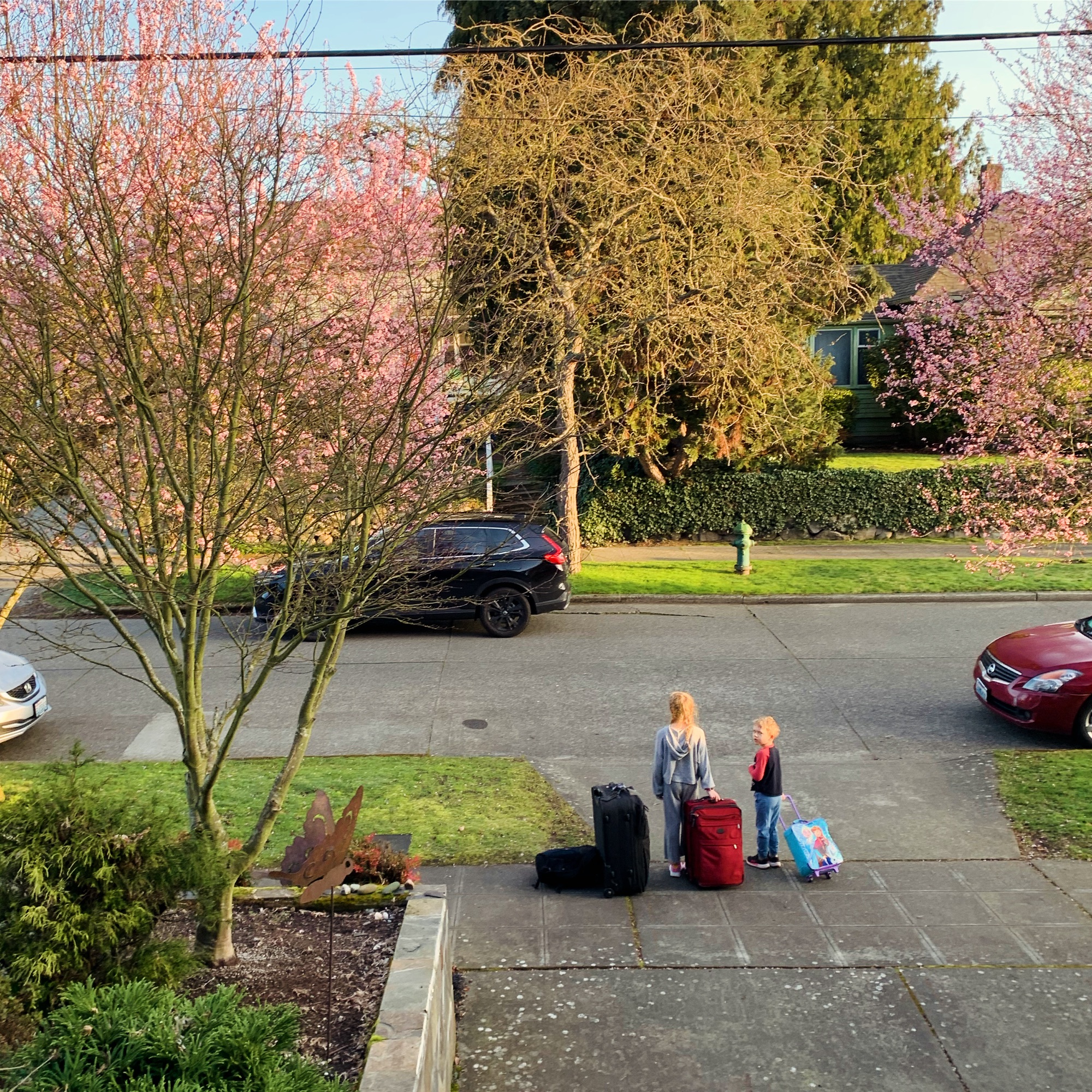
We traveled this weekend to visit a friend in Eastern Washington. On Saturday morning, I crawled out of bed early for my sacred meditation time. After I meditated, I built a fire in the wood stove to take off the chill of the early morning in the woods.

The sequence made me realize the similarities between meditation and fire building.

We accumulate the debris from our lived days – the celebrations, the joys, the annoyances, the worries. It sits like stacked wood until we are ready to coax out the heat and the warmth. Somethings are easier to ignite than others while others need some tending to burn.

It requires a spark to convert it to something other than dead wood that we carry around. The spark can come from something like writing, introspection, or meditation. It can come from people around us or circumstances can set us off. But one way or another something is likely to light us up in good ways or in bad.

Some sort of ventilation is necessary in order for the process to work. We can talk it out, sweat it out, write it out, pray it out, cry it out, or some combo of it all.

Thinking about these parallels as I sat watching the fire in the stove, I found myself mesmerized by the beauty and warmth. But there are few things that scare me as much as when fire escapes its boundaries and roars out of control.

I came home from the weekend with a new motto: Be a campfire, not a conflagration.

Waiting for the Big Answers

Our anxiety does not come from thinking about the future, but from wanting to control it.” – Kahlil Gibran

This was originally published on 8/24/2022. Heads up – you may have already read this.


My 7-year-old daughter asked me the other day, “You know how I want to be a teenager?” After a pause for me to nod my head she asked, “Do teenagers want to be kids?” I explained that teenagers want to be adults.

This is just the latest of her big questions: Where will I go to college? Who should I marry? How many kids will I have? When we get a dog, will it be so excited to see me every day after school?

And I completely understand because I have big questions of my own: Will I fall in love again? Will I be around to see my kids answer their big questions? And every time I’ve stood at the base of a mountain ready to climb, I’ve always wanted to know, before I’ve even taken the first step, whether or not I’ll summit.

Like my daughter, I want to know how the story ends. Except that I don’t want it to be the end. In the worst moments when I get too attached to how I want it to work out, it makes me anxious and keeps me up at night as my brain tries to cycle through the permutations of how to control things.

In those moments, I’m not a very good Buddheo-Christian. That is to say, I know our spiritual traditions teach us that peace comes when we leave the outcome up to the Universe. As Buddha said, “Serenity comes when you trade expectations for acceptance.” Or in the Christian tradition, I think of “Rejoice in the Lord always: and again I say, Rejoice.” (Philippians 4:4). But I have a sports metaphor that helps me settle into the tension.

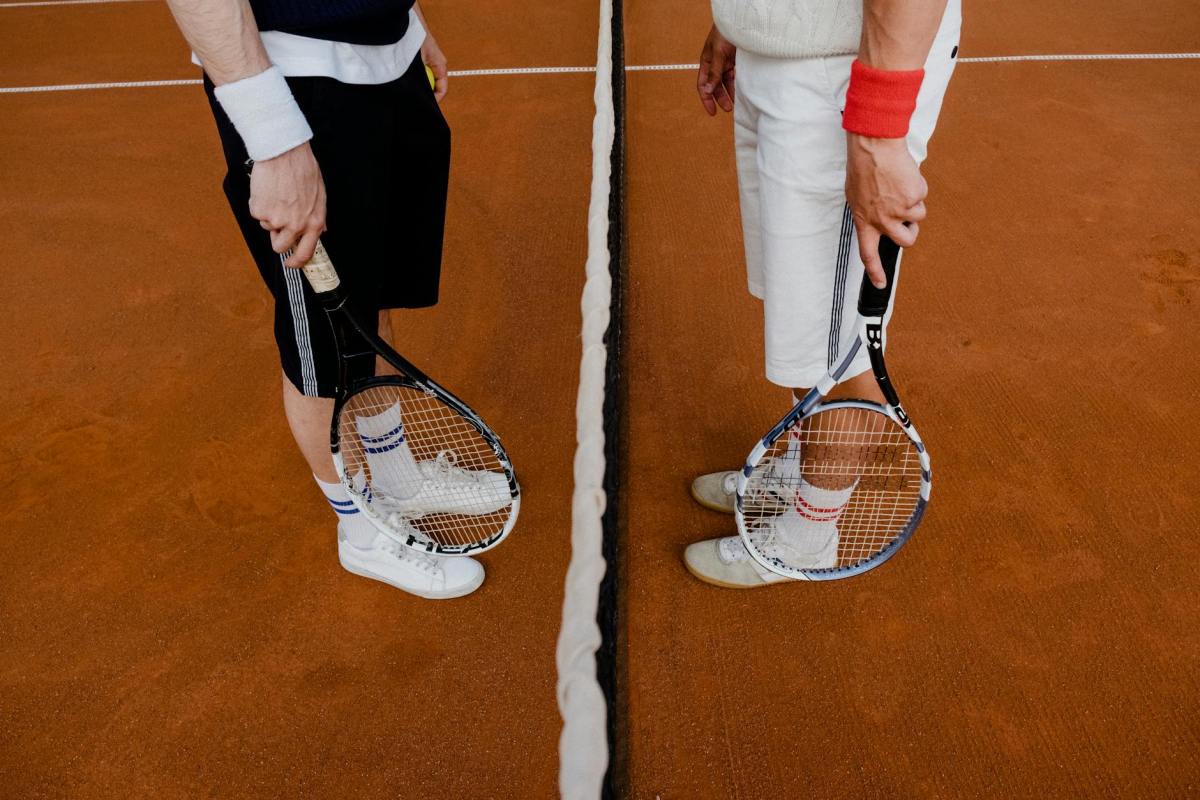
In 2001 my brother and I gave my dad tickets for the US Open Tennis Tournament in Flushing Meadows, New York. We spent the week together in the great city of New York, eating fabulous meals and watching great tennis.

The pinnacle of our experience was a night match on September 5th between Andre Agassi and Pete Sampras. The three of us sat high in the stands watching this amazing quarter-final between two great players: Pete, one of the best servers in tennis, wearing white, Andre one of the best returners in the sport, wearing black. Both were playing their A-game so as the first set unfolded, they each held serve and the set was decided by a tie-breaker that Agassi won. The second set started and again each man held serve but this time, Sampras won the tie-breaker.

One set each, nobody had lost serve and the tension in the stadium was palpable. It felt like whatever allegiances we came in with, no one was sure any longer who to root for because they were both great. The third set continued, both held serve and Sampras won the tie-break.

So it went to the fourth set. Again, they both held serve and we reached the fourth set tie-break. Here’s how Andre Agassi recalls what happens next in his memoir:

“We’ve played three hours, and neither of us has yet broken the other’s serve. It’s after midnight. The fans – 23,000 plus – rise. They won’t let us start the fourth tiebreak. Stomping and clapping, they’re staging their own tiebreak. Before we press on they want to say thanks.”

Open by Andre Agassi

I can remember feeling the tension. I started the match as an Agassi fan but somehow witnessing this great effort, I dropped my expectations and no longer wanted the answer to the big question. And yet it came – Sampras won the 4th set tiebreaker and the match.

That matched happen 6 days before 9/11. Not only did we not know what would happen with the match, but we also had no idea that the biggest terrorist attack on American soil was about to occur and change NYC forever. Had we known, we wouldn’t have sat and watched tennis. The weight of foreknowledge would have crushed us and destroyed my ability to learn the lesson of how to drop expectations and just enjoy the tension.

When I get too impatient and want to know the answers to the big questions, I think of that match. Sometimes we need to stomp and clap to stay right in the moment, relieve the tension and stay open to whatever will happen.

I tell my daughter that any flower that tries to open before its ready will rip. Which is too abstract to mean much to her. So I try to participate in the present with her as much as possible so that it becomes like that match, so exciting that you don’t want it to move on. And I learn the same lesson for myself, again and again.

(featured photo from Pexels)

Gratuitous Noise Appreciation

The quieter you become, the more you can hear.” – Buddha

The other day I was driving to pick up four-year-old Mr. D from preschool with Cooper the puppy riding shotgun. Coop looked at me and then started making noise like he was a cat spitting up a furball. “Khak, khak,” and then came a terrifying pause after which he let out a huge belch, “Gluuuuuuck” followed by a little cough.

Whew! Of course I told Mr. D about it as soon as he got into the car and he made me imitate the sounds for the next five minutes. It made me laugh and think about Click and Clack, the Magliozzi brothers. Remember their show, Car Talk? And they laughed with such glee as they had people describe what noises their cars were making.

And then writing noises down – isn’t that even more fun?

Like my vacuum who frequently chokes on all the puppy hair and traces of mud. It starts wheezing, “runk, runk, runk” til I clean out the filter.

Or the sound of eight-year-old Miss O practicing her hoverboard. “Wheeeee, ooohh.” Then “Clunk” and “ooof” combined as she stops herself against the wall.

As much as I love (and sometimes am overwhelmed by) the sounds coming from my little family, I usually sit in complete silence after my kids have gone to bed. But the other night, there was a rhythmic, and a little creepy, bomp, bomp bomp coming from the dining room. Upon further investigation, it was a balloon from the day bouncing on an air vent.

Early in the morning when I take the dog for a walk, I’m used to the steady patter of January rain. But the other day, it sounded peculiar. It was a “splonk” and “squitz” so I left my hood off to figure it out. It wasn’t actually raining at the moment, so the noise was the houses, trees, bushes, and wires pooling and then shaking off the recent precipitation in fat bursts.

I immediately start smiling when I hear the epic sound tracks for movies like Indiana Jones, Star Wars, and Out of Africa. But I love the sound track of my life.

Khak, khak, gluuuuck

Runk, runk, runk

Wheee, ooohh, clunk & ooof

Bomp, bomp, bomp

Splonk, squitz

What does your life sound like these days?

The Dog Ate My Holiday Cards

“If we learn to open our hearts, anyone, including the people who drive us crazy, can be our teacher.” – Pema Chӧdrӧn

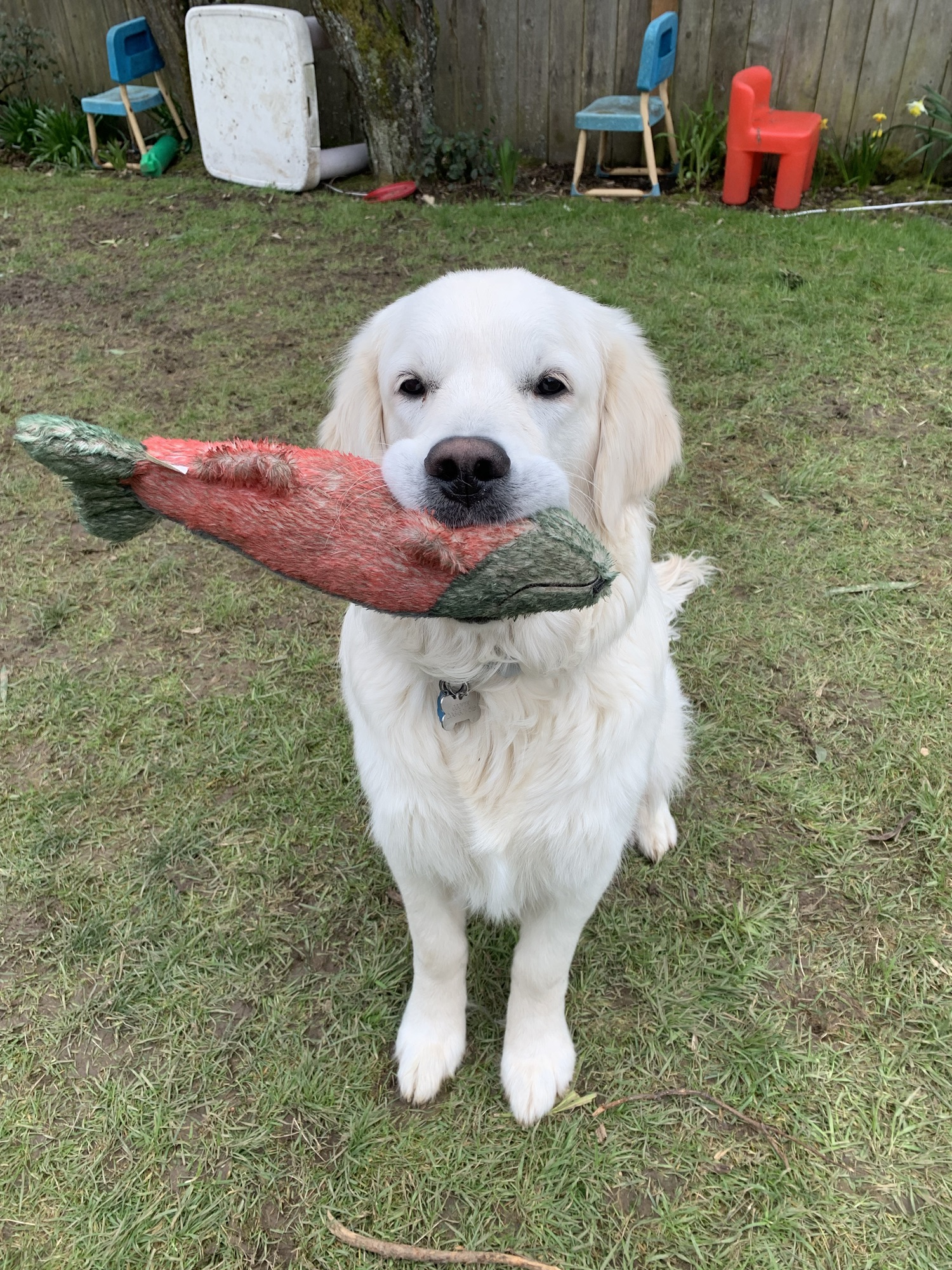
Cooper, the puppy, ate my holiday cards. Not all of them, thankfully. I managed to send quite a few out before he got into the box. But what really got me, is that he chewed some that I’d already written.

Sheesh! It’s hard enough to get it done in the midst of the holiday season. But then to have to redo some? It kind of derailed me. I’m still finishing up sending them out now.

But what’s more interesting to me than my ability, or lack thereof, to get the task done is HOW it happened that the puppy ate the Christmas cards.

When I go with the kids upstairs to do their bedtime routine, I was leaving Cooper in the family room/kitchen with the doors closed. Dealing with two young ones in that last hour when we are all so tired was all that I could handle. I thought that solution was to keep Cooper out of the mix.

One night after getting the kids to bed, I came back downstairs and Cooper had eaten the Kleenex box. I got out a new one and <doh> put it in the same place.

The next night, he ate the new Kleenex box. So I put the new new box up on the shelf and then gave him a chew to work on when we were upstairs. He ate the chew – and then the napkins in the napkin holder on the table.

Okay, Cooper likes paper. So I removed the napkins from the table. But then the next night he got the holiday cards.

Grrr. At this point I was nearing my wits end. Then a friend that came to stay with us offered, “Maybe it’s separation anxiety.”

I thought that was an interesting idea. So I tried giving Cooper his chew and left the doors open. Guess what? He’s stopped marauding the place. And he doesn’t even come upstairs to mess with our routine. Every once in a while he’ll come to visit, but he’s calm and unbothered.

If I had to count the number of times that I’ve had to learn the lesson to lean in to the problem instead of trying to shut it down or lock it away – well, it’d be a pretty high number. Funny how unintuitive it is to open up as a response to a problem instead of shut down. But it’s equally as amazing at what an effective solution it can be.

Now I just need to train Cooper to help me finish sending my holiday cards.

Style and Grace

She wasn’t doing anything I could see, except standing there leaning on the balcony railing, holding the universe together.” – J.D. Salinger

When I was 17-years-old and a senior in high school, I lived for a year with my best friend, Katie’s family. My dad had taken a job at a church across the state and they gave me the option to stay and finish high school.

Which all hinged on a family being willing to let another teenager live with them. Fortunately, Katie’s parents, Jim and Connie were willing to take me in.

I was 17 and typically self-absorbed. I didn’t think much about it at the time, but it was my first glimpse into how other families operated. Looking back now, I giggle at all the misconceptions that my teenage brain put together.

For instance, Jim and Connie were originally from North Carolina. So, I assumed that was the source of Connie’s grace and style.

She never got flustered by the trials and tribulations of life. She was poised and prepared for just about anything.

She graciously had little gifts for Katie and me for every holiday. Like for Valentine’s Day, she gave me a wire basket filled with goodies and two pairs of socks, red and white.

The holiday she exceled at was April Fools Day. Connie was wickedly good at April Fools tricks. She’d rubber band the kitchen sink sprayer so you’d get soaked. She’d split apart Oreos and insert some plastic wrap. If you don’t think of April Fools as a holiday, it’s because you never lived with Connie.

Connie was such a good listener and was genuinely interested in what others had to say.

She never said a bad word about anyone, even the next door neighbors that could be somewhat challenging.

She taught me, to the degree I was teachable, about being a lady. Our dates had to come to the door to talk to the parents. We had to wait in our rooms for at least a minute before bursting out and running off.

She made the best chicken, cream potatoes and cole slaw.

Now that I’ve got a lot more life under the belt, I understand that none of the above, with the exception of the cooking, came from North Carolina. They came from pure love. A strong, selfless, caring, gracious woman who loved family and others, and exceled at living life.

All the way until she died this past weekend. But the legacy of her grace and love continues in the beautiful and incredible family she created with her presence. RIP, dear Connie. You knew how to do life well and will be missed.

(featured photo from Pexels)

(quote from Victoria Ponders – Holding the Universe Together)

Fifteen Things I’m Grateful I Did With My Kids This Year

The soul is healed by being with children.” – Fyodor Dostoyevsky

Went to a spray park on a rainy, cold day

Chased after the ice cream truck

Traveled to my childhood home town and rode the carousel a gazillion times

Built sand castles

Walked on the beach

Went back to find the little bit of plastic that we dropped on the beach when we realized we’d accidentally littered

Held our puppy

Dragged us all to puppy kindergarten class

Watched sunrises and cried when perfect days end

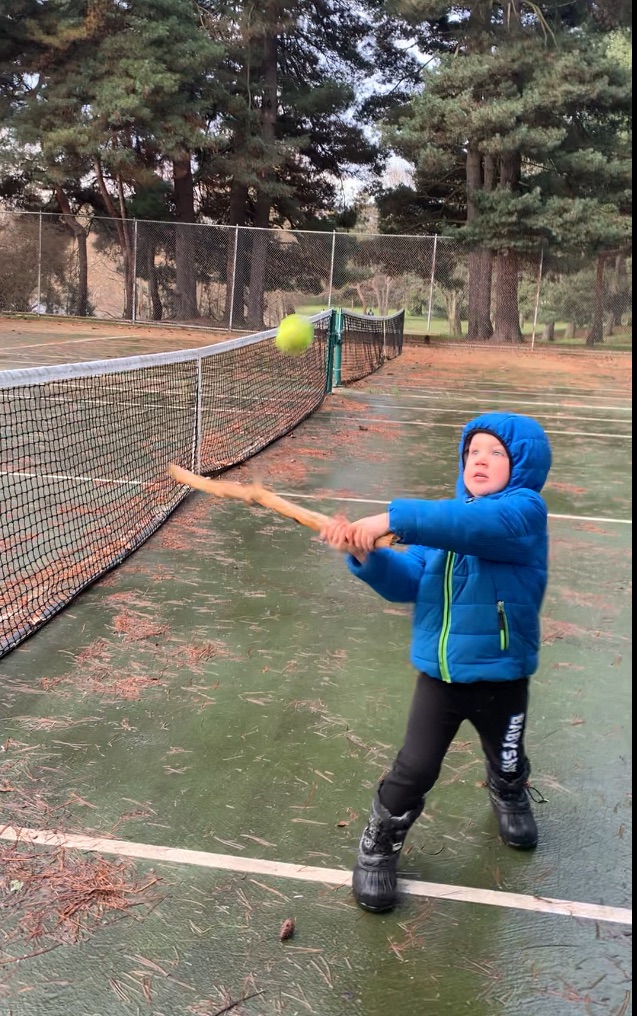
Played hockey with a tennis ball in the front hallway

Listened to their young voices telling me they are es-perts and wisdom that includes magic of fairies, hopes, and togetherness

Laughed about silly stuff

Talked about outside hurts and inside hurts

Celebrated doing hard things

Said yes… to all of the above and more