How to Share Direction

A leader is anyone who holds him or herself accountable for finding potential in people or processes.” – Brené Brown

Years ago I was talking with a man who was a member of the last church my dad led. Were we talking about my dear father and the man quipped, “You can’t say ‘no’ to Dick Leon.

I had a good laugh about the truth of that statement. My dad asked a lot of people to do a lot of things – serve on committees, volunteer, contribute to a capital campaign. And if you said, “no,” it wasn’t that my dad would judge you, get mad, try the silent treatment, or blackball you. It was worse.

He’d get to know you.

When I talked with him about his leadership style, my dad told me:

“One of the problems that I see with a lot of young pastors is that they’ve been attracted to the ministry because they have seen someone up front doing a nice job preaching or teaching and they love the presentation side.

I keep saying to them, ministry is in the details. It’s getting systems that work in terms of management of the church, people who want to get involved, you want to make sure that they have a meaningful task and that they are rewarded, listened to, and that they feel befriended.

One of the things that I would often teach is when you have an elder that is going to give themselves to leadership for three years, the question you should ask yourself is, ‘At the end of the three years, do these people love the Lord, love the church and love their sense of ministry more than when you met them?’ It’s not ‘How do I put up with them for three years?’ but ‘How can I help them grow as people during their three years?’

It changes the whole sense from how do I get my things done to how do I serve these people? How do I befriend them? How can I help them? How do we nurture them? With a committee or an elder or a deacon or an officer of the church, you’ve got a window into their life that you’ll never have again so how do you use that? How are you doing? What is going on in your life? How can I be of help?”

Yeah…very few people said “no” to Dick Leon. But it’s a hard example to put into action, especially in different industries or scenarios. When heading a volunteer team full of big personalities or working within a competitive company where everyone is super smart, how do you bring that same attitude of empowerment and sharing?

To answer that question, I recorded a How To Share podcast conversation with my friend and climbing buddy, Doug Hauger. Doug had a very successful career as a technology executive and leads personal and professional projects with a similar style to my father’s.

In this episode, Doug and I talk about the intricacies of leadership, emphasizing the importance of sharing, vulnerability, and empowerment. We explore how confidence plays a role in leadership, the necessity of embracing uncertainty, and the dynamics of team interactions, especially when faced with challenging personalities. Doug shares insights from his extensive experience in tech leadership, highlighting the value of wisdom and the importance of creating an environment where team members feel empowered to share and learn from failures. The conversation culminates in the realization that true leadership involves being open, vulnerable, and willing to adapt, ultimately leading to a more liberated and effective leadership style.

We also tell quite a few climbing stories which are very good analogies for leadership success and direction.

Takeaways

  • Leadership requires confidence and the ability to embrace uncertainty.
  • Being open to feedback is crucial for effective leadership.
  • Vulnerability fosters trust and encourages team sharing.
  • Successful leaders create an environment of two-way communication.
  • Wisdom and experience are essential in guiding teams.
  • Empowering others leads to a more productive team dynamic.
  • Acknowledging failure is part of the learning process.
  • Humility allows leaders to learn from others.
  • Navigating team dynamics requires transparency and honesty.
  • Lack of transparency can add weight that hinders success and leadership effectiveness.

This is a great episode that delves into the heart of sharing power and the power of sharing. I know you’ll love it!

Here’s a short clip from our episode to give you a taste of the great conversation with the always amazing Doug Hauger:

Here are some ways you can listen and watch to the full episode:

Please listen, watch, provide feedback and subscribe.
How to Share Our Luck with Gil Gillenwater How To Share

In this enlightening conversation, Gil Gillenwater is with host Wynne Leon and shares his experiences and insights from over 35 years of philanthropic work along the US-Mexico border. He discusses his book, 'Hope on the Border,' which highlights the transformative power of education and community service. Gil emphasizes the importance of enlightened self-interest over traditional charity, advocating for a model that empowers individuals and fosters dignity. He explores the duality of poverty, the need for sustainable opportunities, and the joy found in serving others, ultimately presenting a vision for a more connected and compassionate world.TakeawaysEducation is the key to breaking the cycle of poverty.Enlightened self-interest can lead to personal and communal growth.Charity should not be viewed as a sacrifice but as a mutual benefit.Volunteering provides a sense of purpose and fulfillment.Welfare can disempower individuals and communities.Community service fosters connections and shared humanity.The disparity in wealth is a significant issue that needs addressing.Experiencing poverty firsthand can change perspectives.Creating opportunities in one's home country can reduce migration.The joy of service is a pathway to personal happiness.Links for this episode:How to Share homeHope on the Border at AmazonGil's organization: Rancho FelizGil Gillenwater on FacebookWynne’s book about her beloved father: Finding My Father’s Faith; Blog: https://wynneleon.com/; Substack: https://wynneleon930758.substack.com/
  1. How to Share Our Luck with Gil Gillenwater
  2. How to Share 1970's Chicago with Doug. E. Jones
  3. How to Share Feedback with Dr. Vicki Atkinson
  4. How to Share the Next Generation with Mari Sarkisian Wyatt
  5. How to Share Impactfully with Social Media Friends with Amy Weinland Daughters

Links for this episode:

Doug Hauger on LinkedIn

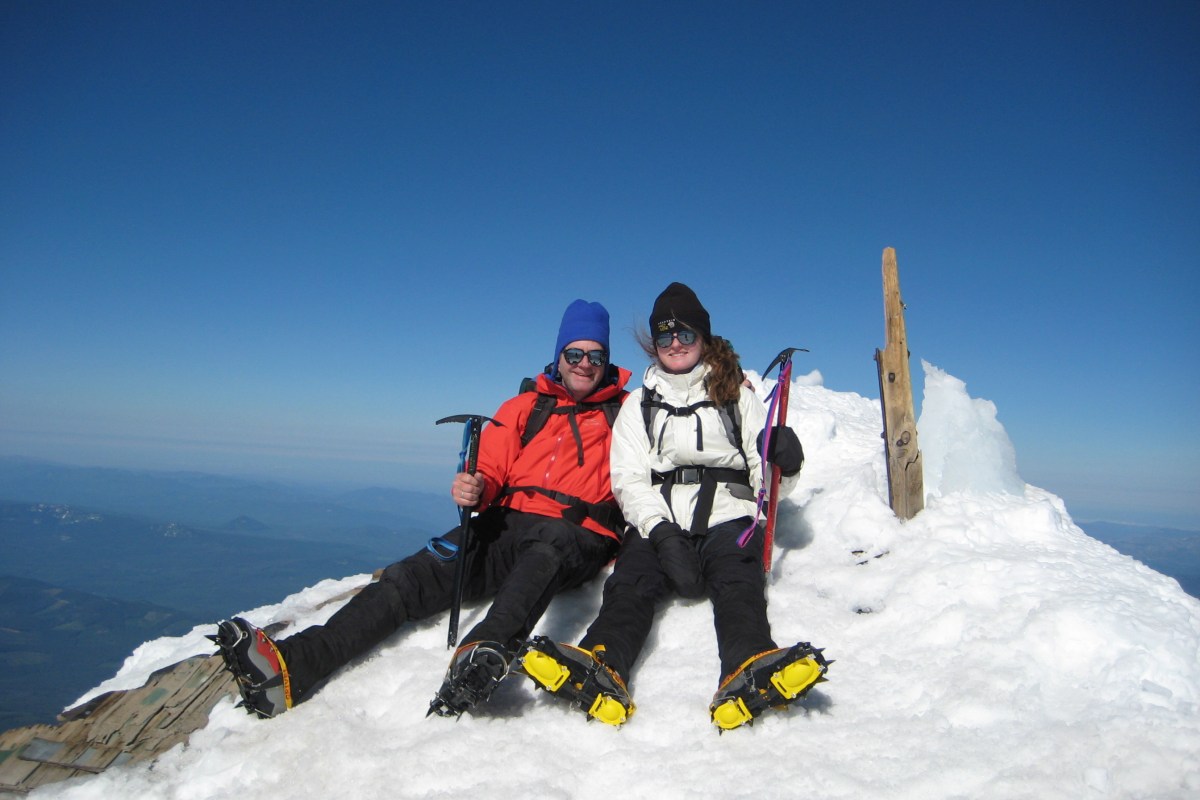
(featured photo is a picture of Doug and his daughter atop Mt. Adams – one of the climbs we talk about in this podcast)
How to Share Personal Stories

Vulnerability sounds like truth and feels like courage. Truth and courage aren’t always comfortable but they’re never weaknesses.” – Brené Brown

Growing up as a pastor’s kid, I was grateful that my dad had a protective sense of what family stories should be told in a sermon. If we did something funny, he might use it in a sermon. But if we did something wrong or outrageous, he wouldn’t.

I’m sure that informs a good deal of my judgment of what personal stories I share. And as bloggers we’re well steeped in the art of personal sharing. Right?

But until I started researching how to share personal stories for the How To Share podcast, I’d say I was mostly deciding what and when to share by gut feel. So it was helpful and interesting to find some expert guidance about some of the boundaries for personal stories.

Here are the questions I set out to answer:

  • What’s the difference between private and secret?
  • How does one know if they are being vulnerable or oversharing?
  • Should people share personal stories at work?

And here are some of the takeaways for the How to Share Personal Stories episode:

  • Sharing is essential for connection and understanding.
  • What is secret and what is private varies by person.
  • Vulnerability can foster deeper relationships.
  • Oversharing can lead to discomfort and misunderstanding.
  • Timing and context are crucial in sharing personal stories.
  • Discernment is key when feeling an urge to share.
  • Workplace friendships enhance job satisfaction and retention.
  • Personal stories can create strong bonds in professional settings.
  • Full circle moments highlight the impact of our stories.
  • Vulnerability is vital for mental health and connection.

I provide a couple of personal anecdotes to illustrate the expert insights and explore the nuances of sharing personal stories. I’d be honored if you’d listen, watch, provide feedback and subscribe.

Here are some ways you can listen and watch:

Stay tuned for next week’s episode when we get great guidance from corporate communications professional, Brian Hannon, on how to share professional communications. It’s such a helpful and informative episode to help illuminate the how, when, and way we reach out to broader groups!

How to Share Our Luck with Gil Gillenwater How To Share

In this enlightening conversation, Gil Gillenwater is with host Wynne Leon and shares his experiences and insights from over 35 years of philanthropic work along the US-Mexico border. He discusses his book, 'Hope on the Border,' which highlights the transformative power of education and community service. Gil emphasizes the importance of enlightened self-interest over traditional charity, advocating for a model that empowers individuals and fosters dignity. He explores the duality of poverty, the need for sustainable opportunities, and the joy found in serving others, ultimately presenting a vision for a more connected and compassionate world.TakeawaysEducation is the key to breaking the cycle of poverty.Enlightened self-interest can lead to personal and communal growth.Charity should not be viewed as a sacrifice but as a mutual benefit.Volunteering provides a sense of purpose and fulfillment.Welfare can disempower individuals and communities.Community service fosters connections and shared humanity.The disparity in wealth is a significant issue that needs addressing.Experiencing poverty firsthand can change perspectives.Creating opportunities in one's home country can reduce migration.The joy of service is a pathway to personal happiness.Links for this episode:How to Share homeHope on the Border at AmazonGil's organization: Rancho FelizGil Gillenwater on FacebookWynne’s book about her beloved father: Finding My Father’s Faith; Blog: https://wynneleon.com/; Substack: https://wynneleon930758.substack.com/
  1. How to Share Our Luck with Gil Gillenwater
  2. How to Share 1970's Chicago with Doug. E. Jones
  3. How to Share Feedback with Dr. Vicki Atkinson
  4. How to Share the Next Generation with Mari Sarkisian Wyatt
  5. How to Share Impactfully with Social Media Friends with Amy Weinland Daughters

Links for this episode:

 Is It a Secret or Just Private? | Psychology Today – Michael Slepian, Ph.D.

Platonic: How the Science of Attachment Can Help You Make – and Keep – Friends by Dr. Marisa Franco, professor of psychology at the University of Maryland who has written about vulnerability versus oversharing

 The Increasing Importance of a Best Friend at Work by Gallup

Best Mother’s Day Gift

You are imperfect, you are wired for struggle, but you are worthy of love and belonging.” – Brené Brown

As I type this, I can hear my kids 10 feet away slurping their hot chocolate. It’s the end of a busy weekend. We had our family over for Mother’s Day and now are winding down.

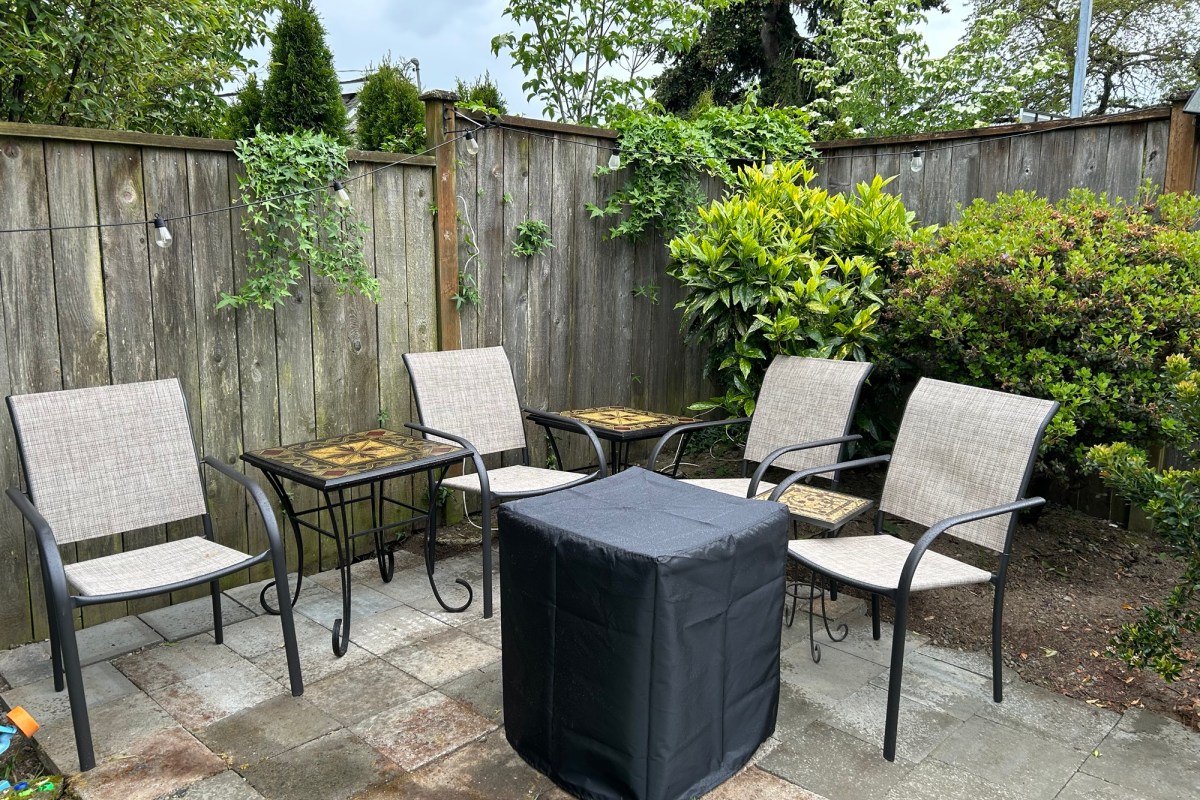
I’m trying to put my finger on the feeling. Over the course of the weekend, in addition to hosting a family party, my kids and I played a lot of baseball, done chores, cooked meals, watched movies and worked on a project outside to transform an area of our back yard. That last activity involved a lot of manual labor as we dug out a flat space and installed pavers to turn what used to be the base of the kids’ playhouse into a cozy place to sit in the garden.

In the last 48 hours, we’ve hurt our knuckles on the rough paving stones, cried some, especially when we lost our baseballs, and laughed a lot more than we cried. Along the way to finishing our project, we also bought this silly ball pitching machine that sends small 1.6 inch diameter foam balls zinging across the yard at 30 miles per hour. My body aches from moving heavy stones and gravel and chasing small yellow balls.

But my heart is so full. It’s the camaraderie with our extended family. Also this feeling that I’m right where I should be. I love my children whole-heartedly…and I like them too.

When I chose to start a family as a single parent ten years ago I had very little idea of how much work would be involved. I was listening to a God whisper about what came next for my life.

The Mother’s Day feeling I’m having right now? That I belong in this life. I suspect that might be one of the best gifts ever.

(featured photo is mine of our work in progress garden seating area)

You can find me on LinkedIn: https://www.linkedin.com/in/wynneleon/ and Instagram @wynneleon

I host the How to Share podcast, a podcast focused on the wisdom and research about how to share anything – to the appropriate audience, with the right permissions, at the most opportune time.

I also co-host the Sharing the Heart of the Matter podcast, an author, creator and storytelling podcast with the amazing Vicki Atkinson.

My other projects include work as a CEO (Chief Encouragement Officer), speaking about collaboration and AI through the Chicago Writer’s Association, and my book about my journey to find what fueled my dad’s indelible spark and twinkle can be found on Amazon: Finding My Father’s Faith.

Transforming Anger Into Something Life-Giving

Never doubt that a small group of thoughtful, committed citizens can change the world. Indeed, it is the only thing that ever has.” Margaret Mead

I witnessed a short, angry burst of aggression the other day. A driver pulled into an intersection as if to take a free right. A woman on foot with her dog in tow, crossed against the light, rapped on the car’s passenger window to tell the driver that it was “No turn on red.” Then she kept knocking on the window to continue angrily yelling the same thing over and over again.

The funny thing was that the driver had not yet taken a right turn but the woman was so incensed that it was likely to happen that she broke the rules to tell them not to. It would have been comical had she not been so apoplectic.

The light turned green, the car turned right and the interaction was over. But it stuck with me, so I went home and looked up anger in Atlas of the Heart by Brené Brown:

Anger is a catalyst. Holding on to it will make us exhausted and sick. Internalizing anger will take away our joy and spirit; externalizing anger will make us less effective in our attempts to create change and forge connection. It’s an emotion that we need to transform into something life-giving: courage, love, change, compassion, justice.

Atlas of the Heart by Brené Brown

I think this piqued my interest because the injustices of this world and our recent national politics make me angry. I need to remember to transform that into something life-giving in order to participate in creating change.

(featured photo from Pexels)

Vulnerability at Any Age

I believe that you have to walk through vulnerability to get to courage.” – Brene Brown

Let me take your temperature on something. Do you think that middle-aged and older means that you don’t have to be vulnerable any longer? Emotionally vulnerable, that is.

After all, we don’t have to go door to door with our resumes looking for our first job. And many who have life partners have had them for quite some time. We know our hobbies and interests and don’t have to try a bunch of new things to see what fits. We’ve even developed our conversational patter so that anything that comes close to a sensitive spot can be deflected without much effort.

Here’s the discovery I’ve come to after many years of searching for the things that make me feel vital. Continued vulnerability is one of them.

When I believe that vulnerability is off the table, I’m unlikely to:

Move out of my established lane

Upset the status quo of “my success”

Market or promote my writing

Try to find love

Brainstorm wild ideas

Try new things

Make new friends

Learn new technologies/applications

Express my feelings in relationships that have gone on so long that it risks the status quo

State my opinion about politics or religion

Here’s what I’m afraid of. If we retire from life, we leave so much potential and wisdom gained from 50 years or more unsaid. The things we’ve learned through trial and error that we are passionate about? We fail to bring them up.

When I was in my mid forties and wanted to have children, I found it incredibly difficult to say out loud. In one respect, it makes sense because such a precious dream is fragile in its early stages. But when I managed to broach the subject with a few of my dear friends, the incredible support they offered helped to fuel the vision.

So for me, I think I want to keep pushing myself towards openness. But I’d love to know what you think about vulnerability at any age.

(featured photo from Pexels)

Upward Spirals

Gratitude can transform common days into thanksgivings, turn routine jobs into joy, and change ordinary opportunities into blessings.” – William Arthur Ward

This was first published on 8/17/2022. I’ve been slowly moving some things I’ve published on other blogs to this one and it’s a great reflective practice for me to remember all the things that touched my heart two years ago – and still do now! Thank you for your patience as I consolidate things if you already read this.


As I was writing my post Good Mood of the Soul, I came across the research that joy and gratitude often result in an upward spiral. The more we focus on gratitude, the easier it is to perceive joy. And when in the midst of joy, we are more open to gratitude.

So here’s the list of things I’m grateful for this week:

For everyone that is willing to read why I am grateful for

That I can still hear the Click and Clack, the Car Talk brothers in the Cars movies.

The quiet way my three-year-old son says, “you are my best mom friend” to me so that I have to lean down to hear. In that position it goes directly from my ear to my heart.

That we have the ability to take pictures with our hearts.

The way it sounds when my daughter says, “I’m thankful for the tooth fairy.” while missing her two front teeth.

For out-of-the blue notes from individuals I admire telling me something I’ve done right.

That I’ve been able to learn, to some degree, how to fix the things that I’ve done wrong.

That broken eggs make food, literal and metaphorical.

For whoever invented yoga pants and made messy hair look sexy, at least on the West Coast. And if that was only in the 90’s and is no longer a thing, for anyone that continues to let me think that.

Speaking of inventions, whoever invented self-sealing water balloons that fill 20 at a time.

That life keeps giving me opportunities to learn that suffering just softens me up for the next great thing.

For every grown-up that showed me what vulnerability looked like when I was a kid.

For every grown-up that shows me what vulnerability is when I’m a grown-up.

For this necklace I bought on a whim and have worn for 20 years that says, “Strength is having a grateful life” and that I have grown into knowing what that means.

Cool sheets on a hot night.

That I have a bed to sleep in.

Green tea on dark mornings.

That connect-the-dots works in art and in life.

For the human traits of kindness, courage and generosity.

For the Divine traits of grace, faith, hope and love.

For the times I’ve been on my knees needing loyalty, courage, generosity, grace, faith, hope and love – and that what I’ve received in those moments has opened me up to knowing what those traits are in my bones.

I am grateful for upward spirals.

What are you grateful for this week? What have you learned about upward spirals?

(featured photo from Pexels)

Writing Last Lines That Count

Vulnerability sounds like truth and feels like courage. Truth and courage aren’t always comfortable but they’re never weaknesses.” – Brene Brown

This post was originally published on 4/19/2023. Heads up that you may have already read this.


On the last morning I saw my beloved dad, he greeted me with a hearty “You look great.

His untimely death a short time later has permanently etched all the details of that breakfast into my treasure box of memories: the yellow walls of the Varsity Restaurant on NE 65th street, the booth in the open section, the jeans and sweater I was wearing, the cupcakes I gave my parents for their upcoming drive to Arizona, the eggs and waffles, but it is those words that are most precious.

Because both my dad and I both knew that he wasn’t talking about anything to do with my hair, make-up or clothes – he was talking about the light in my eyes. How did I know that it wasn’t just my dad being his effusive self? Let me explain.

Here’s the thing I’ve learned about last lines. As much as we’d like to prepare for them, many (most?) don’t happen how and when we think. Take my dad’s line – neither of us knew that in 6 days time, after arriving and unpacking for a winter in Tucson, that he’d get on a bike, hit a car, and die almost instantly.

That might be an extreme example, but even for the end of a friendship or relationship, the speeches we plan are not what end up expressed. Life, interplay, and random things happen to make things unexpected. So we have to instead do the work to speak honestly and communicate authentically whenever we can.

For me, that work began when three years before my dad’s death when I went on a whim to a meditation class. After 90 minutes of seemingly innocuous visualization and breathing exercises, I spent the rest of the day weeping. It turned out to be just what I needed to start opening all the compartmentalized boxes within and let life flow again. The grief, and shame that came from my recent divorce and that I wasn’t as successful at everything I believed I was supposed to be, came pouring out and I was given openness in return.

So that in the two years before my dad died I was able to choose to broach the subject of spiritual beliefs with him. To talk about what mattered the most to him as a Presbyterian pastor of 40 years. It was a risk because we didn’t talk about religion in my family once all of us kids were grown. Out of respect for keeping things amiable, we’d just stopped talking about our differences.

When we braved the waters of deep beliefs and possible differences to engage in conversation about why he believed what he did and vice versa with me, that meaningful dialogue changed the perception of difference between us and removed the barrier of what we thought were off-limits zones.

Peeling back that veneer of friendly and loving banter in which my dad and I always talked, to delve into deeper issues created a closeness that was precious. My dad knew I was interested in him, I’d spent hours recording our conversations, and I gained relief from my fear that I was doing life “wrong” in his eyes by focusing on meditation instead of theology.

And that is how I knew that my dad’s last line to me was not about the surface details of appearance but instead about a light that had dulled in the last years of my troubled marriage and then divorce. And then through meditation, openness, and vulnerability, that light had been stoked back to its full glow. Sharing that journey with my dad made it possible for him to comment on it.

His death affixed all the details of that breakfast in my mind. But my heart will always remember, “You look good.” It was a gift that started with changing our patterns long before the last line. It’s so hard to talk with our loved ones about the topics that seem most fraught. But in the grief of losing someone, knowing that kinship was there helps.

If we want to have great last lines, we have to risk the vulnerability to be seen.

You look good.” Which as last lines go, was pretty damn amazing.

My book about our conversations and my journey to find what fueled my dad’s indelible spark and twinkle can be found on Amazon: Finding My Father’s Faith.

Good Mood of the Soul

Find a place inside where there’s joy, and the joy will burn out the pain.” – Joseph Campbell

This post was originally published on 8/10/2022. Heads up – you may have already read this.


Recently, a friend sent me a printout of a sermon that my dad, who was a Presbyterian pastor, gave on parenting 36 years ago. She had a printed copy and kept it filed away. Now that her kids are long grown, she sent it to me.

In it, my dad gives a quick synopsis of his children’s personalities, “We look at our three children and see that their responses to life were distinctly different from day one. Our first child was laid back and relaxed … our second was wound up so tight she couldn’t keep her head still to nurse … our third was happy and charming. They had those marks when they were born … they still have them today.”

I’m the third one. That was written when I was 17 years old. But there’s something about family patterns that keep us trapped in roles from which we need to move on from. For me that was moving from happy to joyful.

In her recent book, Atlas of the Heart, researcher and author Brené Brown defines happiness as “Looking at the data we’ve collected, I would define the state of happiness as feeling pleasure often related to the immediate environment or current circumstances.

And that fits pretty well with the list I can name of the things that make me happy:

  • Dance parties with my kids
  • Finishing a shower without interruption from my kids
  • Hearing a song I loved from college in the grocery store
  • A vanilla milkshake on a hot summer day

When I discovered meditation and mindfulness during my travels through the less pleasant periods of my life, it taught me that joy is a different feeling altogether. Brené Brown says she thinks of joy as “‘the good mood of the soul.’” She defines it based on her research as, “An intense feeling of deep spiritual connection, pleasure and appreciation.”

For me joy comes when I let go of seeking and preference. As poet Mark Nepo said, “One key to knowing joy is being easily pleased.” It’s cultivating my awareness of what is already present and my delight at the magic in the air. It works when I stop narrowing my field of vision to my agenda and open to all there is. Not surprisingly, researchers have connected joy to gratitude and describe the two together as “an intriguing upward spiral.’ (from Atlas of the Heart). Gratitude increases our ability to feel joy, joy makes it easier to find gratitude and so on.

And here are the things that make me joyful:

  • Every time I get to wake up and witness a sunrise
  • Catching a glimpse of my kids in a circle with the other kids in the neighborhood leaning heads in to examine some fascinating part of life
  • Holding hands
  • Hearing the clink of glasses at a dinner with dear friends
  • Witnessing a whale surface to breathe
  • Listening to the Bach Cello Suites played by Yo-Yo Ma
  • The view from the top of a mountain no matter how breathless, exhausted and cold I am
  • Anything that comes out of a conversation that starts with “How can I be of help?”

The conditions of happiness are specific and fleeting. I’m frequently happy but it certainly isn’t a constant.

The conditions of joy are deep and enduring. They represent ties in my life, beauty of this world and things I’ve worked to make priorities. It is the current underneath my mood. It’s the reward for when I’m aligned with my values.

For the times of my life where I’ve felt like I’m stuck, wading through glue or too busy taking care of others to take care of myself – it’s joy that pulled me through, making it worthwhile all the way. I might have been born happy, but I’m grateful to live joyfully.

(featured photo from Pexels)

Emotional Literacy

Let us fill our hearts with our own compassion, toward ourselves and towards all living beings.” – Thich Nhat Hanh

This was originally published on 1/11/2023. Heads up – you may have already read this.


When I was 20 years old, I went on a trip with other college kids to spend five weeks in Ecuador. On the part of the trip where we spent two weeks living with an Indian tribe in the Amazon river basin, I got into a debate with another young woman in the expedition.

She was from Brown University and she seemed to navigate the world with an air of intellectual superiority. In this case, she had moved on from the disdain of my friends on the trip who were pursuing English degrees (“what exactly will that teach you?” she’d say), and was expressing pity for the tribe we lived with because their language had primarily words that were related to the life they lived, not the spectrum of life in and out of the jungle.

So I shot back with something I’d heard about a Noam Chomsky study showing that in cultures where their language only has words for light and dark (white or black) as related to color, they still have the ability to identify specific colors. I thought I was proving that we aren’t limited by our language.

Thirty years later I look back at what I remember of this particular conversation with a little bit of a shudder. All that I think I knew at age 20 and was willing to argue about….

Because I’ve found how I’ve been limited by language – not in any way counter to Noam Chomsky who I believe was saying that the ability to think about things not named was possible, but in the practice of actually doing it.

In my family growing up, we didn’t talk about negative emotions. Words like anxiety, depression, dread, loneliness, disconnection – we didn’t talk about any of that. In fact, the only “negative” emotion that I recall that was fair game was “stressed” because it came with an assumption of Protestant productivity.

Then I had kids and somewhere in the wonderful book Brain Rules for Baby by John Medina was the guidance to help kids name emotions as they experience big feelings. Because to name them is to help tame them. And then the book counseled that parents needed to model owning and naming their own emotions. Reading that, I thought, “No way I’m doing that.

Fortunately for me and my emotional literacy, there are books like Brené Brown’s Atlas of the Heart which maps out 87 different emotions and experiences. Because a few years into this parenting experience and I see how powerful naming emotions is for our human experience. And even though I’m late to the game in both recognizing and talking about these emotions, I’ve found so much goodness in being able to start to parse them now.

Anxiety

Any time I’d climb a big mountain, I used to write out a will. It was a bit silly given that my likelihood of dying on the mountains I was climbing was small but I recognize this now as a way I was trying to curb my anxiety. Now I feel it way more frequently – every time I take my two non-proficient swimmers to a swimming pool, travel any distance far from my kids, or just those days or weeks when I can’t put my finger on the source.

Anxiety and excitement feel the same, but how we interpret and label them can determine how we experience them.

Even though excitement is described as an energized state of enthusiasm leading up to or during an enjoyable activity, it doesn’t always feel great. We can get the same “coming out of our skin” feeling that we experience when we’re feeling anxious. Similar sensations are labeled “anxiety” when we perceive them negatively and “excitement” when we perceive them positively.”

Brené Brown in Atlas of the Heart

I found this information so helpful – because I think I often am both anxious and excited. I feel it in situations that deviate from the norm and/or I don’t have control of, and I flip between the positive and negative interpretations repeatedly.

Sadness

I came into this world on the light-hearted side and I’ve worked hard to cultivate gratitude. But my lack of language around sadness has led me to grind out life a good deal of the time, all cloaked in a positive spin.  When I am not able to spend time alone, get outdoors, experience loss and doubt, and feel the weight of the world on my shoulders, I wither. And still I just push on through. No wonder my dentist made me a night-guard for my teeth years ago because of all the grinding I do.

“I’m not going to tell you that sadness is wonderful and we need it. I’m going to say that sadness is important and we need it. Feeling sad is a normal response to loss or defeat, or even the perception of loss or defeat. To be human is to know sadness. Owning our sadness is courageous and a necessary step to finding our way back to ourselves and each other.”

Brené Brown in Atlas of the Heart

When I resist sadness, I resist feeling. ANYTHING. More than that, when I communicate only the positive of my experience, it’s far less relatable.

Foreboding Joy

I can’t tell you how relieved I was to learn what foreboding joy was. I thought the feeling I experience when watching my kids sleep and then flip to “what if I lose them” was a premonition. Until I learned that there’s something called foreboding joy.

“When we lose our tolerance for vulnerability, joy becomes foreboding. No emotion is more frightening than joy, because we believe if we allow ourselves to feel joy, we are inviting disaster. We start dress-rehearsing tragedy in the best moments of our lives in order to stop vulnerability from beating us to the punch. We are terrified of being blindsided by pain, so we practice tragedy and trauma. But there’s a huge cost.

When we push away joy, we squander the goodness that we need to build resilience, strength, and courage.”

Brené Brown in Atlas of the Heart

Oh no – something else I need to learn to do better: embrace vulnerability.

Back in the jungles of Ecuador when I was 20 years-old, I was clearly experiencing some defensiveness when engaged in my debate. Another emotion defined in the Atlas of the Heart. Thank goodness I’ve learned that I have so much to learn about this thing called life.


I’ve posted on the Wise & Shine blog today: The Internet is Sometimes Desperate

(featured photo from Pexels)

Comparing Our Differences

Confidence isn’t thinking you’re better than anyone else, it’s realizing that you have no reason to compare yourself to anyone else.” – Maryam Hasnaa

This was originally published on 6/15/2022. Heads up – you may have already read this.


My 6-year-old daughter came home from school the other day and said she had a bad day. She explained saying that a kid on the playground was comparing her. Not understanding, I asked her to say more. She relayed that he was saying, “I can do the monkey bars faster. I can go longer. I can skip more bars.

Oh, I get it – comparing.

We are all different – so why do we compare? To get some perspective, I turned to research professor Brené Brown’s book Atlas of the Heart. She defines comparison as “Comparison is the crush of conformity from one side and competition from the other – it’s trying to simultaneously fit in and stand out.”

And apparently, we all do comparison: “Researchers Jerry Suls, René Martin, and Ladd Wheeler explain that ‘comparing the self with others, either intentionally or unintentionally, is a pervasive social phenomenon.’”

So we all do comparison but what we have control over is how we let it affect us. I was struck by a comment I heard on a 10 Percent Happier podcast with TV commentator and author Alicia Menendez. She talked about management assessment she once did that measured the difference between who one naturally is with the way one self-presents in the work environment to show how much one is self-correcting. The evaluator said to her “So, you are a very introverted person who is overcompensating to be very extroverted in the environment you are in. You are really tired at the end of the day, aren’t you?

Changing from who we are is exhausting. Maybe we do it because we compare or maybe we do it because we are self-conscious. When I decided to have kids as a single-person at age 46, I was self-conscious of being different. Not that there aren’t other older, single mothers in the world but because there weren’t any in my direct experience.

Comparison to what I thought was the norm made me feel ashamed. It was only after I knew I didn’t want to pass that on to my children that I started owning my differences. That has freed me to do many other things like the post I wrote last week about how I choose to use the time that I otherwise might spend being in a relationship to listen to podcasts and read great books. We are all different, might as well enjoy it. Reading the research that Brené Brown includes in her book reminds me that I don’t have to teach my children not to compare. I only have to teach them to understand how it affects them.

As Brené says about comparing herself to the swimmer in the lane next to hers, “My new strategy is to look at the person in the lane next to me, and say to myself, as if I’m talking to them, Have a great swim. That way I acknowledge the inevitable and make a conscious decision to wish them well and return to my swim.


I also written today about how creativity might be one of our biggest assets for our resumes: Creativity as a Job Skill

(featured photo from Pexels)