How To Share Our Luck

Service to others is the rent you pay for your room here on Earth.” – Muhammad Ali

I’m fascinated by the origin stories of how people start big things. I love hearing how people have done fantastic things just by following a thread that often starts in such an incidental or accidental way.

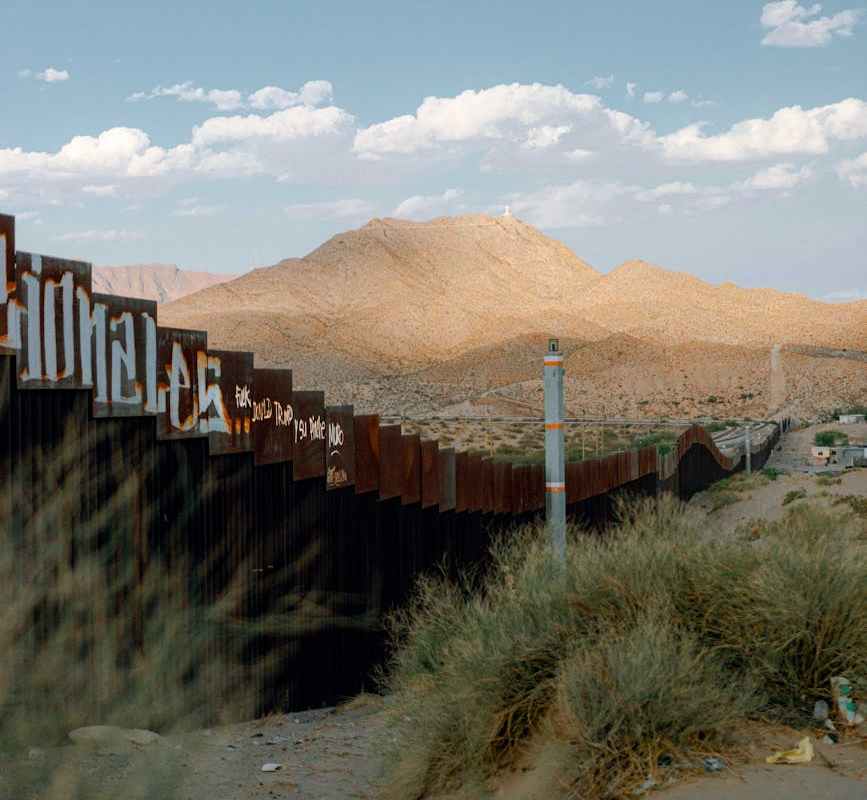
My guest on this week’s How to Share podcast, Gil Gillenwater, has a great origin story. In 1987, he and his brother, Troy, went on a Thanksgiving-inspired road trip to deliver food to a town in Mexico. They took a wrong turn and ended up in Agua Prieta, a town right on the US-Mexican border and were stunned by the living conditions and abandoned children.

Gil started a non-profit called Rancho Feliz that has served the Agua Prieta and surrounding communities in these ways:

  • Awarded 3,700 scholarships
  • Issued 6,854 graduation certificates for adults
  • Built 1,220 houses
  • Distributed 64,000 bags of food
  • Donated tons of medical supplies
  • Constructed orphanages, education centers, childcare centers, and volunteer centers

And more than that, Gil and his mission have also enriched the lives of the people who have come to volunteer. Rancho Felix has coordinated 27,462 volunteer visits. Gil documents these accomplishments and shares his experiences and insights from over 35 years of philanthropic work along the US-Mexico border in his beautiful book, Hope on the Border.

Gil tells us why me-first culture isn’t working and how enlightened self-interest provides a path out of spiritual poverty. He shares why he doesn’t like the word “charity” for either giver or receiver. Instead Gil hails the 28,000 volunteers that work with Racho Feliz as guardian warriors.

We talk about education as the ultimate tool in the border crisis and how providing that can change lives. And we talk about how the ability to see ourselves in others proves to be a life changing gift.

This is an incredible conversation with an amazing guardian warrior that shows us enthusiasm and purpose that transcends borders. I know you’ll love it.

Takeaways

  • When’s the last time you heard good news about the US-Mexico border?
  • The disparity in wealth is a significant issue that needs addressing.
  • Education is the key to breaking the cycle of poverty.
  • Creating opportunities in one’s home country can reduce migration.
  • Enlightened self-interest can lead to personal and communal growth.
  • Volunteering provides a sense of purpose and fulfillment.
  • Community service fosters connections and shared humanity.
  • Experiencing poverty firsthand can change perspectives.
  • The joy of service is a pathway to personal happiness.

Here’s a short clip of Gil describing enlightened self-interest as an antidote to our me first, greed is good culture:

Here are some ways you can watch this compelling and inspiring episode:

Please listen, watch, provide feedback and subscribe.

This is the last podcast of 2025! Thank you to all you amazing listeners/watchers/readers who have been so interested in and supportive of all these amazing guests sharing their interesting stories about learning, writing, and growing in this one wild and precious life! Stay tuned for more great episodes in 2026! I appreciate you!

How to Share Our Luck with Gil Gillenwater How To Share

In this enlightening conversation, Gil Gillenwater is with host Wynne Leon and shares his experiences and insights from over 35 years of philanthropic work along the US-Mexico border. He discusses his book, 'Hope on the Border,' which highlights the transformative power of education and community service. Gil emphasizes the importance of enlightened self-interest over traditional charity, advocating for a model that empowers individuals and fosters dignity. He explores the duality of poverty, the need for sustainable opportunities, and the joy found in serving others, ultimately presenting a vision for a more connected and compassionate world.TakeawaysEducation is the key to breaking the cycle of poverty.Enlightened self-interest can lead to personal and communal growth.Charity should not be viewed as a sacrifice but as a mutual benefit.Volunteering provides a sense of purpose and fulfillment.Welfare can disempower individuals and communities.Community service fosters connections and shared humanity.The disparity in wealth is a significant issue that needs addressing.Experiencing poverty firsthand can change perspectives.Creating opportunities in one's home country can reduce migration.The joy of service is a pathway to personal happiness.Links for this episode:How to Share homeHope on the Border at AmazonGil's organization: Rancho FelizGil Gillenwater on FacebookWynne’s book about her beloved father: Finding My Father’s Faith; Blog: https://wynneleon.com/; Substack: https://wynneleon930758.substack.com/
  1. How to Share Our Luck with Gil Gillenwater
  2. How to Share 1970's Chicago with Doug. E. Jones
  3. How to Share Feedback with Dr. Vicki Atkinson
  4. How to Share the Next Generation with Mari Sarkisian Wyatt
  5. How to Share Impactfully with Social Media Friends with Amy Weinland Daughters

Links for this episode:

Hope on the Border on Amazon

Gil’s organization: Rancho Feliz

Gil Gillenwater on Facebook

My book about my beloved father: ⁠Finding My Father’s Faith⁠

(featured photo from Pexels)

(feature quote from Enlightened Mind 622 – The Rent You Pay)
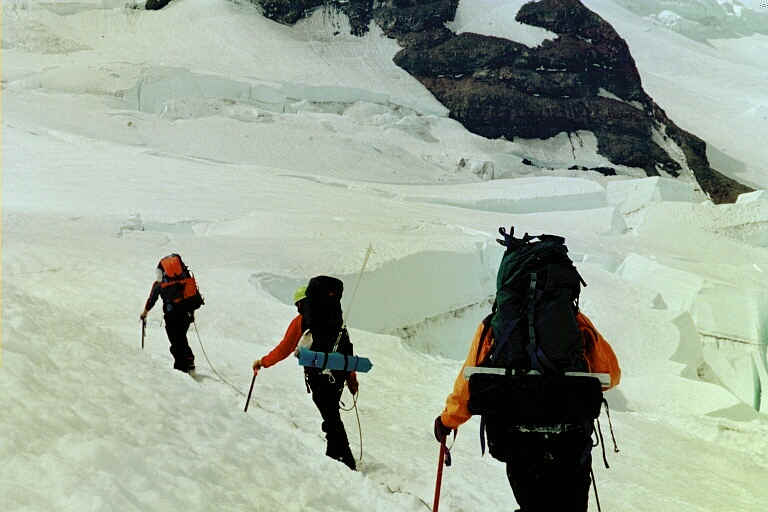
The Rope Team

“Sometimes life is too hard to be alone, and sometimes life is too good to be alone.” – Elizabeth Gilbert

When I was climbing mountains, I noticed a funny thing when we roped up on the higher slopes of a mountain. We transformed from being individual hikers to becoming a team. The physical manifestation made a psychological difference.

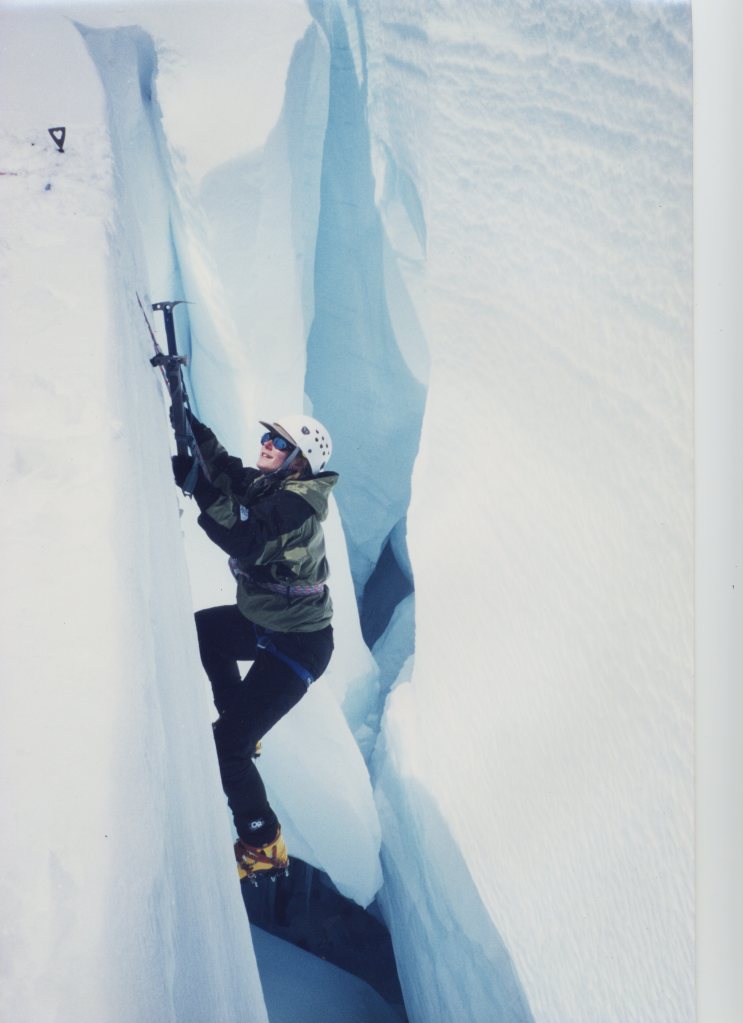
Fortunately, I’ve never had to arrest the fall of someone else while on a rope team. But I have willingly climbed into a crevasse. It made me immensely grateful for the people above holding on to the rope.

A similar team phenomenon happened to me and my kids a couple of weeks ago when we were on vacation.

It was perfectly smooth when the kids and I decided to go paddleboarding after dinner. But by the time we got our paddleboards into the water, it was starting to blow again.

We’d been paddling every day for ten days to get the feel for the tides and current. At the beginning of the vacation, six-year-old Mr. D was paddling with me riding on the back of his board. Once he’d gotten proficient enough with his strokes, he graduated to be on his own.

So Mr D was on his own paddleboard. Ten-year-old Miss O had decided she just wanted to ride along on mine. On this night, Mr. D wanted to go all the way down the bay to the pirate flag, a notable marker about a mile down the beach from where we launched.

When we were about halfway there, the wind was present but not too much of a factor. We held a family meeting to make sure we wanted to continue. Mr. D had looked at that flag for 10 days and was determined to get there.

We celebrated momentarily when we reached the pirate flag. Then Mr. D said he was tired and just wanted to rest. At nearly the same moment, the wind whipped up and started pushing us farther away from home.

I said aloud, mostly for Miss O’s benefit, “Please, God, help us.” We weren’t in immediate danger but it was going to be a hard paddle back. At any point, we could have paddled 20 yards to the to the beach and walked back. It would have been a slog pulling the boards but it was a viable option.

Miss O got philosophical about how we ask God for help. We weren’t asking for it to be easy – just for help in any form. As it was, Miss O volunteered to get on Mr. D’s board to both give it more weight and to paddle.

Even with the two of them, they were being pushed backwards by wind. So I attached my leash to their board and we paddled back as a team. I paddled on my board, Miss O and Mr. D took turns paddling on theirs. Roped together, we slowly made our way home.

The overall feeling when we hit the beach? Gratitude. Thank God Miss O had opted to ride along and had fresh arms. Thank God she made the transfer from one board to another without mishap. Thank God for making us a team.

Because that was what stuck with us. Just like with climbing, roping together turned paddling into a team building exercise -and it worked. There are so many ways we are buffeted by the winds of life. A team can make all the difference.

(featured photo is mine)

You can find me on LinkedIn: https://www.linkedin.com/in/wynneleon/ and Instagram @wynneleon

I host the How to Share podcast, a podcast about collaboration – in our families, friendships, at work and in the world.

I also co-host the Sharing the Heart of the Matter podcast, an author, creator and storytelling podcast with the amazing Vicki Atkinson.

And for anyone curious about the inside of a crevasse, here’s what it looks like:

Figuring Out Feelings

These pains you feel are messengers. Listen to them.” – Rumi

There’s nothing like watching a kid trying to figure out what they’re feeling to remind me how hard it is to name what’s wrong.

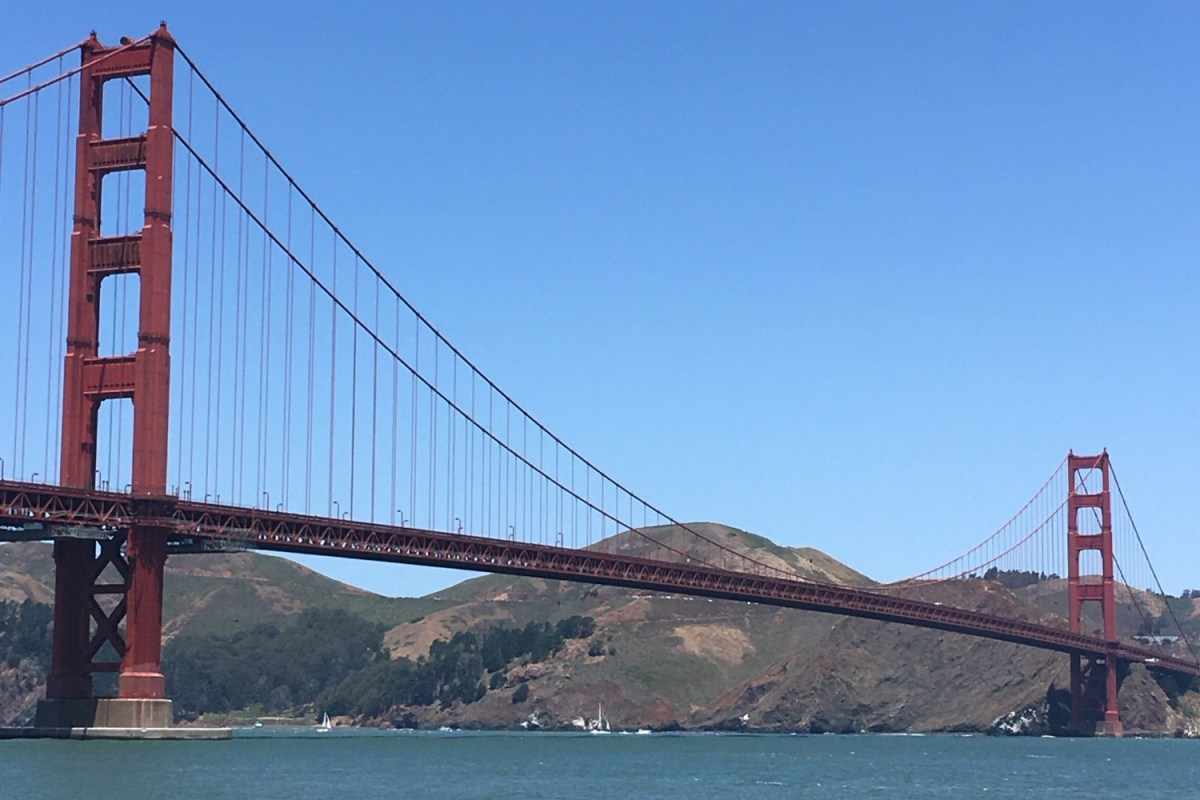
We traveled this weekend to San Francisco for a family party. Tons of fun! Also lots of people to coordinate with. I’m sure I don’t need to tell you how traveling can decrease the easy access to food, increase how far we need to walk, and obliterate the routine. All in the name of doing fantastic things, of course, but a little disorienting nonetheless.

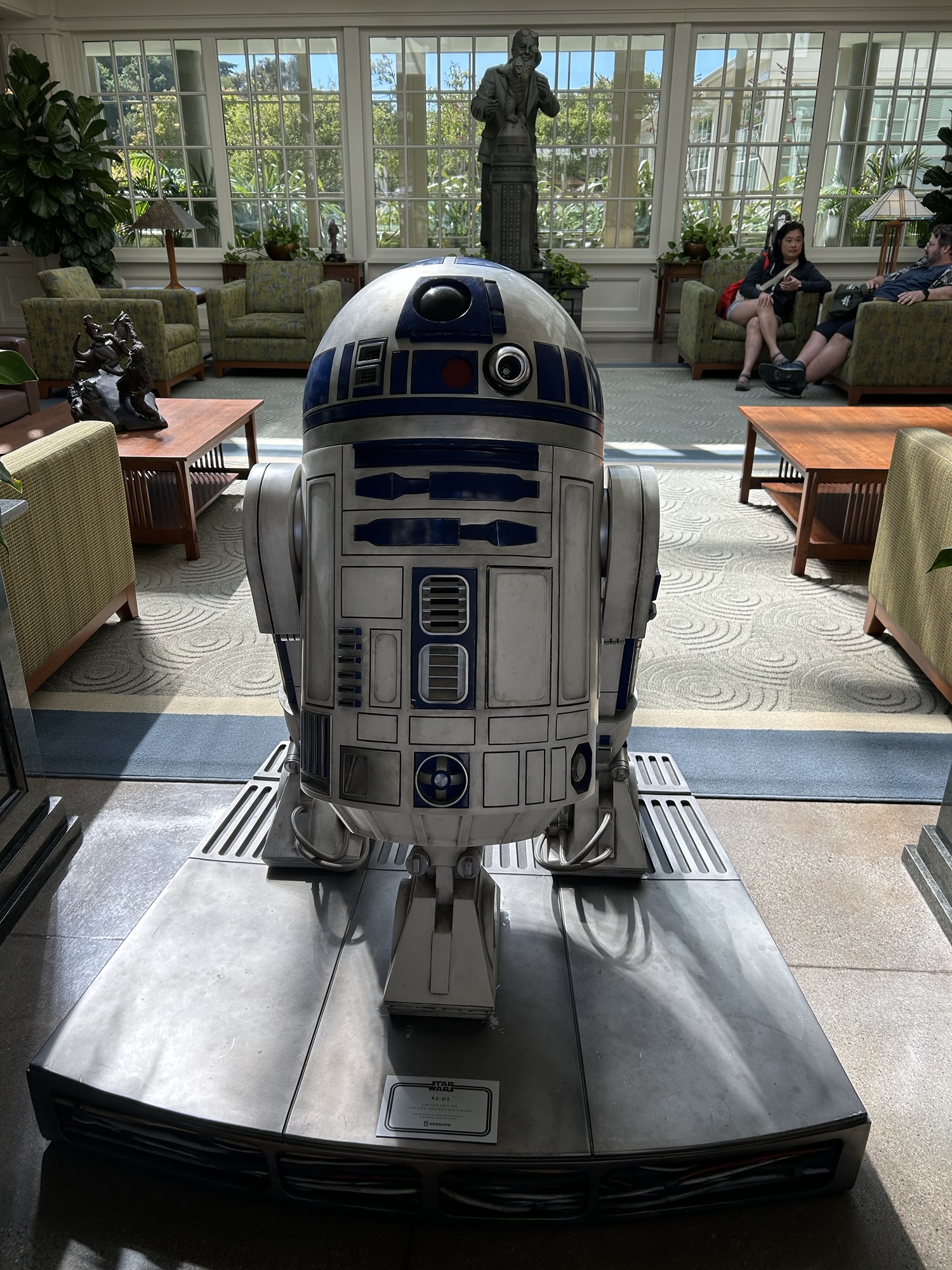
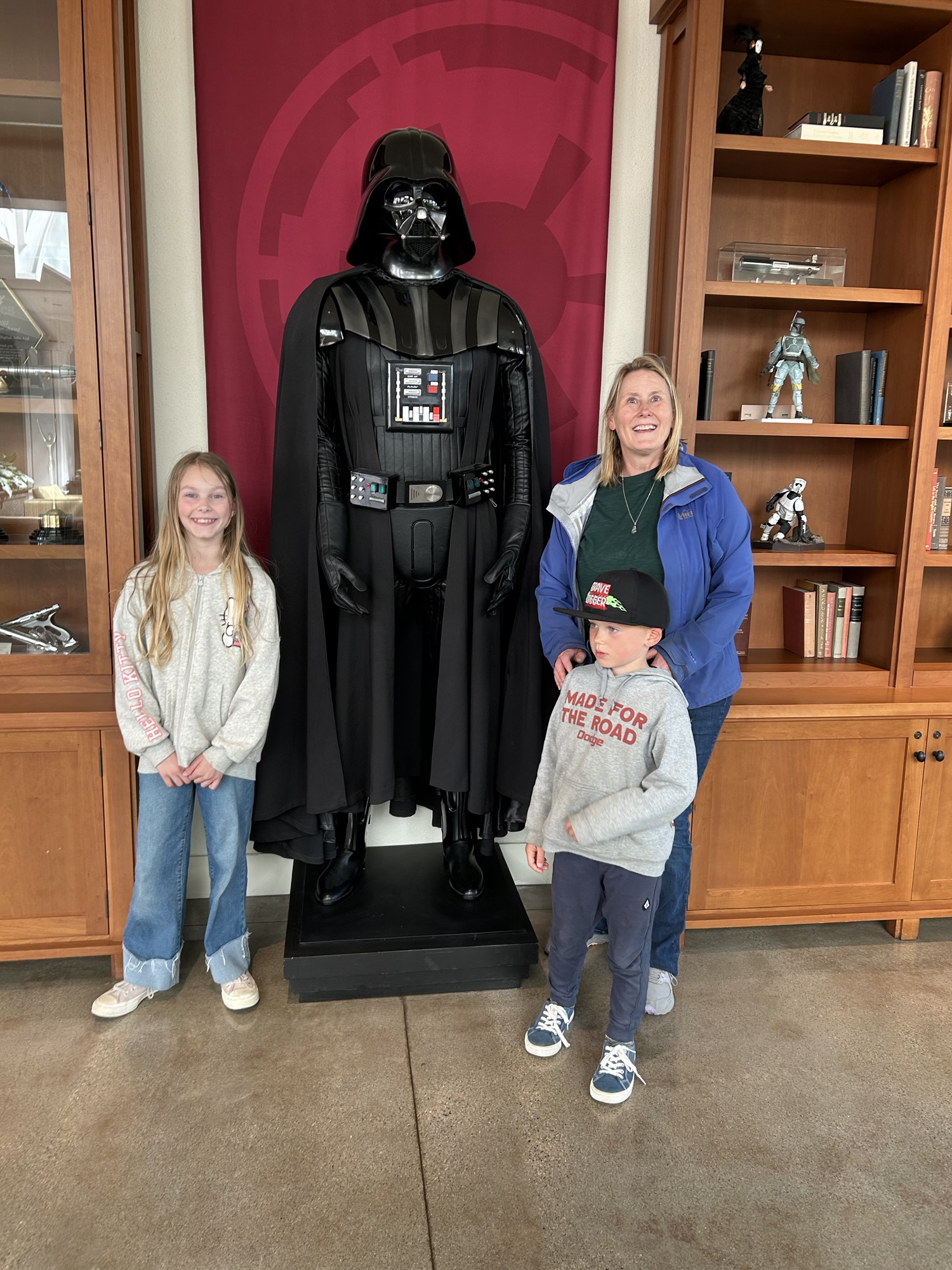
At one point on Friday afternoon, we walked to the Lucas Films office building to see the Star Wars memorabilia on display. They had the R2D2 in the lobby as well as the original Darth Vader costume. And tucked in glass shelving, they had Han Solo’s light saber and some other guns from the movie.

Yeah, you don’t even need to be a huge Star Wars buff to think that was cool!

We walked out of there and my son was upset. He wasn’t crying or saying anything but he parked himself on a wall a half dozen steps from the door and wouldn’t move. When I finally got him to talk, he said, “It’s not fair that they get to have those guns when I want one.”

Hmm… I didn’t think that was the root of it. Granted I’m not a five-year-old boy, but the guns didn’t seem amazing enough to spark a protest.

After some minutes of silent protest with his sister and me at his side and our family patiently waiting about 50 feet away, he finally could be persuaded to walk around the corner to a Starbucks. At least that was a little slice of familiar territory.

Even so, it probably was another ten minutes before he ate and drank enough to come back to himself. He still wanted a Star Wars original light saber but he could move on.

It made me wonder how many times I’ve hit the wall, mistaken the source of my depletion, and tried to climb the wrong tree to get over it. More times than there are Star Wars movies, for sure!

Being human is hard. Borrowing social psychologist Jonathan Haidt’s metaphor for the body (elephant) and the mind (rider) — the elephant stops moving and the rider, thinking it’s in charge, finds the best story why, but not necessarily the most accurate. And then we can find ourselves wanting to shoot our way into the Lucas Films lobby to steal priceless memorabilia when all we really need is a snack.

May the Force (of stopping long enough to get to the bottom of our angst) be with you.

(featured photo is mine)

You can find me on LinkedIn: https://www.linkedin.com/in/wynneleon/ and Instagram @wynneleon

I host the How to Share podcast, a podcast about how to share anything – to the appropriate audience, with the right permissions, at the most opportune time.

I also co-host the Sharing the Heart of the Matter podcast, an author, creator and storytelling podcast with the amazing Vicki Atkinson.

Distance Doesn’t Matter

Passion is what makes life interesting, what ignites our soul, drives our curiosity, fuels our love and carries our friendship, stimulates our intellect, and pushes our limit…A passion for life is contagious and uplifting.” – Jon Krakauer

I have a handful of close friends that prove that distance doesn’t matter. Whether we’ve been separated by space or time, whenever we get together it feels like only a moment has passed.

Distance also doesn’t matter when talking with the delightful author and blogger Darlene Foster. In the latest episode of the HoTM podcast, Episode 107: Travel and Adventure Vicki Atkinson and I were able to connect with Darlene from her home in Spain. Her warmth, energy and delight were just as palpable as if she was next door.

Darlene shares how she started writing her young adult series featuring Amanda Ross. It’s such a great story that captures so well the struggle for tone and perspective. And how once that key is unlocked we can keep on building!

She brings us the magic, the mystery, and discovery  that come with travel and tweens. The delight of being unencumbered enough to not be afraid to see where things lead.

Darlene does such a beautiful job of writing about travel and adventure because she lives a life of travel and adventure. She tells us what it’s like to be bi-continental and why money should not be the limiting factor.

She is so inspirational. I know you’ll agree as you listen to how she reminds us to make our dreams come true. Darlene’s story is so compelling. She beautifully shows us how to attach to goals and just keep moving.

We’re confident you’ll love the scenic and beautiful places we explore as we talk about dreams, travel and adventure!

We know you’ll love it!

Search (and subscribe!) for Sharing the Heart of the Matter on Apple, Amazon, Spotify or Pocket Casts OR Listen to it from your computer on Anchor: Episode 107: Writing and Adventure with Darlene Foster

Episode 107 transcript

AND subscribe to our YouTube channel to see a video clip of each story: @SharingtheHeartoftheMatter.

Links for this Episode:

Darlene’s website: https://www.darlenefoster.ca/

Darlene’s blog: https://darlenefoster.wordpress.com/

Darlene’s books on Amazon

More Amanda Books to our Library from Jennie Fitzkee on A Teacher’s Reflections

From the hosts:

Vicki’s book about resilience and love: Surviving Sue; Blog: https://victoriaponders.com/

My book about my beloved father: Finding My Father’s Faith

(featured photo from Pexels)

Try Not To Laugh

Watch out for the man whose belly doesn’t move when he laughs.” – Chinese Proverb

My kids love to play the game, “try not to laugh.” You know the one where you are supposed to sit stony faced while they make funny faces and do crazy things? Geez, what a silly game. Why would one ever try not to laugh?

Can you tell that I’m bad at the game? I usually start laughing before the round even starts. After all, laughter is one of the secret sauces for life. Right?

So it was such a pleasure for Vicki and I to sit down and podcast this week with retired elementary teacher, blogger, and author, Pete Springer. It’s Episode 79 of our Sharing the Heart of the Matter podcast: Sometimes You Just Have to Laugh with Pete Springer.

Pete tells us a hilarious story about a volunteer job that devolved into the giggles. And we talk about how laughter is such a great unifier and connector.

Sure, there are some things in life that need to be taken seriously. But is it okay to laugh even as we are trying to do a good job?

Pete carries that forward to another story about a recent mad dash through the airport. In his version of planes, carts, and shuttle vans, he delightfully reminds us that we will eventually get to our destination. And it’s better to go laughing.

So please join us for this delightful episode that has Vicki and me in giggles and I know you will be chuckling right alongside us.

I dare you not to laugh at this episode. 🙂

I’m certain you’ll enjoy the scenic and beautiful places we go when we share the power of story.

We know you’ll love it!

Search (and subscribe!) for Sharing the Heart of the Matter on Apple, Amazon, Spotify or Pocket Casts OR Listen to it from your computer on Anchor: Episode 79: Sometimes You Just Have to Laugh with Pete Springer

AND subscribe to our YouTube channel to see a video clip of each story: @SharingtheHeartoftheMatter.

Vicki has written a great HoTM post about this episode: Episode 79: Sometimes You Just Have to Laugh with Pete Springer

Links for this Episode:

Pete Springer – Passionate Teacher and Future Children’s Author (wordpress.com)

Sometimes You Just Have to Laugh – Pete Springer (wordpress.com)

When You Crack Yourself Up: “Wind Beneath My Wings” – Victoria Ponders

Other Episodes with Pete:

Episode 68: The Circle of Life with Pete Springer

Episode 36: They Call Me Mom with Pete Springer

From the Hosts:

Vicki’s recently released book: Surviving Sue

Wynne’s book about her beloved father: Finding My Father’s Faith

(featured photo from Pexels)

Creating Space

The world as we have created it is a process of our thinking. It cannot be changed without changing our thinking.” – Albert Einstein

When I packed up my car to go on vacation with my family last week, it was so heavily loaded that there was no floor space visible. The cereal boxes were under Mr. D’s feet and came out a little dented. I hauled the organic milk the kids drink because it is so much more expensive on the island. I even brought our own snuggly blankets because the ones at the cabin are 40 years old and scratchy.

What happened to the days when I could travel with just a toothbrush and passport?

Not claiming that I ever did go THAT light. Especially climbing trips came with duffel bags of gear. But it felt like I could.

To make this even sillier, this vacation was just going 90 minutes from home and on an island that’s the 4th biggest in the US. To put it all in perspective about how close to commerce we are, even when on vacation, there’s a Chinese restaurant 10 minutes from where we stay.

But still I loaded up the car. Even with all that brought, it wasn’t long before I realized that I forgot to bring my favorite tea. A blueberry green tea by Yogi that is pretty hard to find.

As I was lamenting the tea I forgot, I was chagrined to remember that I only discovered this tea because I was on a business trip last year and didn’t have my usual.

Sheesh, I wonder how many times I will have to learn that when we leave space – by breaking from habit or routine or just doing something differently – it creates room for discovery.

Stories Matter

I began to realize how important it was to be an enthusiast in life. Embrace it with both arms, hug it, love it and above all become passionate about it. Lukewarm is no good. Hot is no good either. White hot and passionate is the only thing to be.” – Roald Dahl

This past Tuesday, eight-year-old, Miss O was working on a school project and announced “Volcanoes are boring.”

I harumphed thinking about all the beautiful, scenic, and climbable volcanoes in our vicinity. “I love volcanoes,” I said.

She shot back, “I bet you could make volcanoes interesting.

So at bedtime that night, I told her and four-year-old Mr. D. about when I was 11-years-old and living in Spokane, Washington. We were driving home from church on a Sunday afternoon in May, 1980. We stopped to talk with a neighbor who told us that Mt. St. Helens had erupted. Mt. St. Helens was on the opposite side of the state from us. The eruption blew the top 1,300 feet and the north side of the mountain off. We nodded with interest and went about our day as usual thinking it had no bearing on us.

As we drove home from a playdate four hours later, the sunny May sky turned gun metal gray and ash started falling. We carefully drove home with our windshield wipers pushing the dusty pile off our windshield.

In Spokane where it snows usually from October through March, school is never canceled because of weather. But after Mt. St. Helens blew, they told us to stay indoors, and school was canceled for a week. Everyone tried to figure out what to do with Mt. St. Helens ash. We collected it to polish silverware. Others used it to make ceramics. My friend, Jiffy and I used it to build sand (ash?) castles. When we drove across the state on vacation that summer, we stopped on several occasions to watch impressive ash dust devils form in fields across the state.

Then I told my kids about how, in the year 2000, twenty years after it erupted it, I climbed Mt. St. Helens for the first time. It’s hard to get permits to climb in the summer. The park service limits traffic to help the flora to grow back. [And here I may have embellished a little side story imagining how excited the scientists were when they discovered the first flow to grow back after the eruption. “Look, look, the first tiny flower has come back to St. Helens!!”]

In order to bypass the permit lottery process my friend, Jill, and I climbed in the late spring when the traffic is low so it’s easy to get a permit. We climbed up 6,000 feet on a sunny April Saturday to look over the rim. Even though it wasn’t very high (any more) was a long one-day climb.

The view over the rim of Mt. St. Helens to the little pot-belly lava dome in the top center.

And the rim? Well, it was fascinating to look over the edge into gaping hole below with a little pot-belly lava dome in the middle. And then to have a sense of surreal shock that nothing was below us.

The rim of Mt. St. Helens 20 years after the top and half the mountain blew off.

For as exhilarating as it is to stand on a mountain top, it’s a little dizzying to stand on only half of one.

This bedtime story session was on Tuesday night. By Wednesday afternoon, Miss O was telling me facts about volcanoes. “Mom, did you know there are three types of volcanoes?

I didn’t even try to hide my glee.

This theme shows up for me again and again. When we share our stories – it matters. Our authentic voice telling our experiences are more than just a bedtime story. It’s the passing on of energy, passion, and warmth.

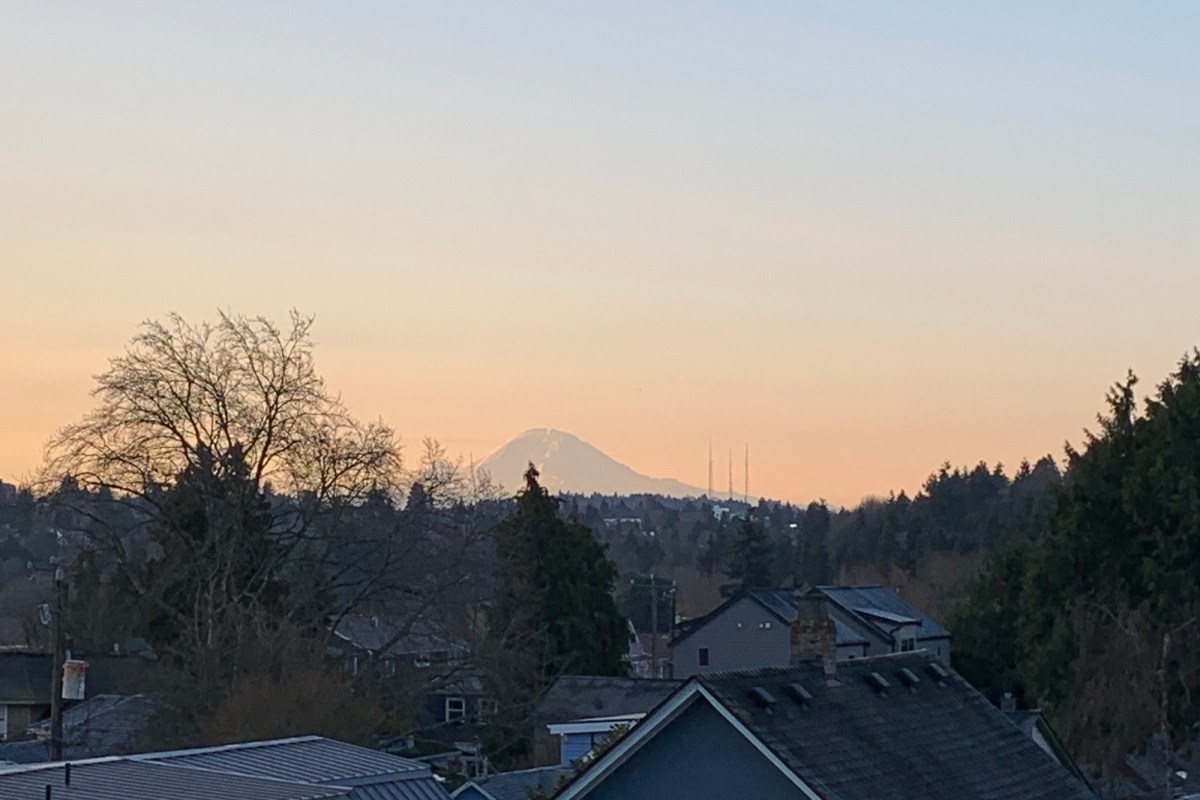
(photos in this post are mine – the featured photo is my favorite volcano, Mt. Rainier)

And speaking of authentic stories, Vicki and I talk with writer and blogger, Cheryl Oreglia on our podcast today about her experience at the San Francisco Writer’s conference. She sells us the idea that not only are we the only one to tell our stories – we might be obligated to. It’s such a great episode. Please tune in by searching for (and subscribing to) Sharing the Heart of the Matter on Apple, Amazon, Spotify or Pocketcasts

Or click through to the show notes Episode 61: The Writers Conference with Cheryl Oreglia for the link to listen on Anchor on whatever device you are using.

The Lingering Effect of One Good Person

Great things are done when men and mountains meet.” – William Blake

I was eating dinner with Mr. D this past Wednesday night when I couldn’t stop looking at the pictures on my laptop. I have a no device rule at the table but Mr. D kept getting up to do other things during dinner. In his absence, I would flip to the next picture in the slideshow from Lou Whittaker’s obituary in the Seattle Times.

Lou Whittaker, a legendary mountain climber and guide, died on Sunday, March 24 at age 95. In my book, one of the most important accomplishments for a climber is to die of old age.

Lou and his twin brother, Jim, were sometimes referred to as the First Family in American Mountaineering climbing. These two incredibly tall (6’5”) and skinny kids from West Seattle climbed Rainier at age 16, and all the peaks in Washington by age 18.

Lou started Rainier Mountaineering Inc. (RMI) which was the only guiding service on Mt. Rainier for about forty years. When I first attempted Mt. Rainier in 1998, I signed up and climbed with RMI.

Jim started REI (Recreational Equipment, Inc.) and was the first American to climb Everest. Jim is still living.

The Seattle Times obituary captured the brothers relationship well:

“After his brother gained international fame for becoming the first American to climb Everest in 1963, Lou Whittaker — who had declined to join the expedition — said if he had, “Fifty feet from the top, we’d have wrestled there in the snow to see who’d be the first up.”

The Seattle Times

Which isn’t to imply that Lou didn’t do the big peaks too. He climbed Denali, K2, Everest, and more. But more importantly, he trained generations of responsible and thoughtful guides.

My friend, Phil Ershler, the first American who climbed the North side of Everest, trained as a guide with RMI.

As did Ed Viesturs, another Seattle boy, who guided for RMI for many years. Also he climbed fourteen 8,000 meter peaks, the world’s highest mountains, without supplemental oxygen and starred in the IMAX film about Everest released in 1998.

I never met Lou but I’ve climbed with and encountered at least 40-50 guides from his company while spending time on Mt. Rainier. To a person, they were helpful people who wanted to teach others about climbing, respect and appreciation of the mountains, and safety. They made the mountain a safer place by participating in rescues and maintaining marked routes.

More than any other accomplishment, and Lou had many, it is that company ethic that stands out to me. There is a whole generation of guides and mountaineers that will likely die of old age because RMI taught them how to be safe and respectful in the mountains. And tens of thousands of mountaineers who know how to handle garbage, waste, and their impact in the mountains because of the lessons taught by RMI.

Lou’s amazing summit pictures celebrate the high points in life. But I thought it worth also memorializing the long effort and incredible impact one guide and leader can have.

(featured photo from Pexels)

P.S. I love telling stories about the remarkable guides that I’ve met or climbed with and the life lessons they passed along. Here are some of my favorites:

  • The time that Ed Viesturs reached the central summit on Shishapangma at 26,273 (8,008m) feet climbing alone. He looked over the 100 meter traverse to the true summit (26,335 feet) and decided it was too dangerous. He had to return eight years later to claim the summit in a safe way.
  • The story of Beck Weathers being left for dead on Everest and Ed Viesturs and filmmaker, David Breashears, giving up their own summit plans to help Beck descend the mountain.
  • My friend, guide, and amazing climber, Phil Ershler who taught me about objective versus subjective risks.
  • The lasting impact Phil had teaching me how to walk lightly in the mountains and in life.
  • How I learned from Phil about how different things look on the return trip.

Wide Angle Moments

We are like someone in a very dark night over whom lightning flashes again and again.” Maimonides

Last weekend, I had a moment of clarity-induced panic. Unfortunately, it happened to come while I was giving a short presentation at a company meeting to about 200+ people.

The company I work for has bi-annual events where families are invited. I’d flown with my kids to this event in New Orleans. The event planners did a great job of getting us all set up at the hotel, arranging group meals, and scheduling some fun outings. It was a nice opportunity to see people face-to-face that we only get to work with remotely.

Then came the company meeting for just the employees. I rushed Mr. D and Miss O through breakfast, got them settled down in our hotel room, and left them with three instructions:

  1. Don’t leave the room
  2. If you need anything, I’m on the 10th floor
  3. Stay together no matter what

When it came time for my five-minute presentation, I walked up to the podium and glanced at my notes. I started with a joke. Then looking at the audience, I had that moment of clarity-induced panic.

  1. I was the only woman leading a business unit and the only woman presenting at the meeting
  2. No one else with small children had traveled by themselves
  3. What the heck was I thinking?

I’ve come to think of these “what the heck” moments as wide-angle views of my life. The ones where I get a glimpse of a little bit more than just the task at hand. I’ve had them in mountain and rock climbing, my marriage, and parenting.

Often they come with panic of wondering, “Am I on the right path?” Sometimes, and I’m thinking of my marriage, the answer is “no,” but they always flash a wider view of purpose and trajectory. Whether I go forward or back, they’ve always required me to muster up some courage in order to proceed.

In the case of my presentation, it was a sense of wondering whether I’d bitten off more than I could chew and if I belonged. I felt my voice waver and looked down at my slides. I knew the material cold, I’d practiced aloud in my room, so I took a deep breath, and let my muscle memory carry me through.

(featured photo from Pexels)

Food Associations

You are the sum total of everything you’ve ever seen, heard, eaten, smelled, been told, forgot – it’s all there.” – Maya Angelou

My mention of our trip to New Orleans brought a lot of comments about trying the beignets there. Which reminded me that in addition to my favorite word associations, I also have food and drink associations for cities. Here are some:

Bagels in New York City

Pizza in Chicago

Baked beans in Boston

Rocky Mountain oysters in Denver

Irish coffee in San Francisco

Key lime pie in Key West

Arroz con pollo in Quito

Coca tea in Cusco

Momos in Kathmandu

Fish and chips in London

Prosecco in Venice

I’m curious if these match yours or what other ones you have. Tell me what’s good in the places you frequent!

P.S. for Mark from Mark My Words, I know I should put Cheese in Wisconsin – but I’ve never been to Wisconsin…yet).

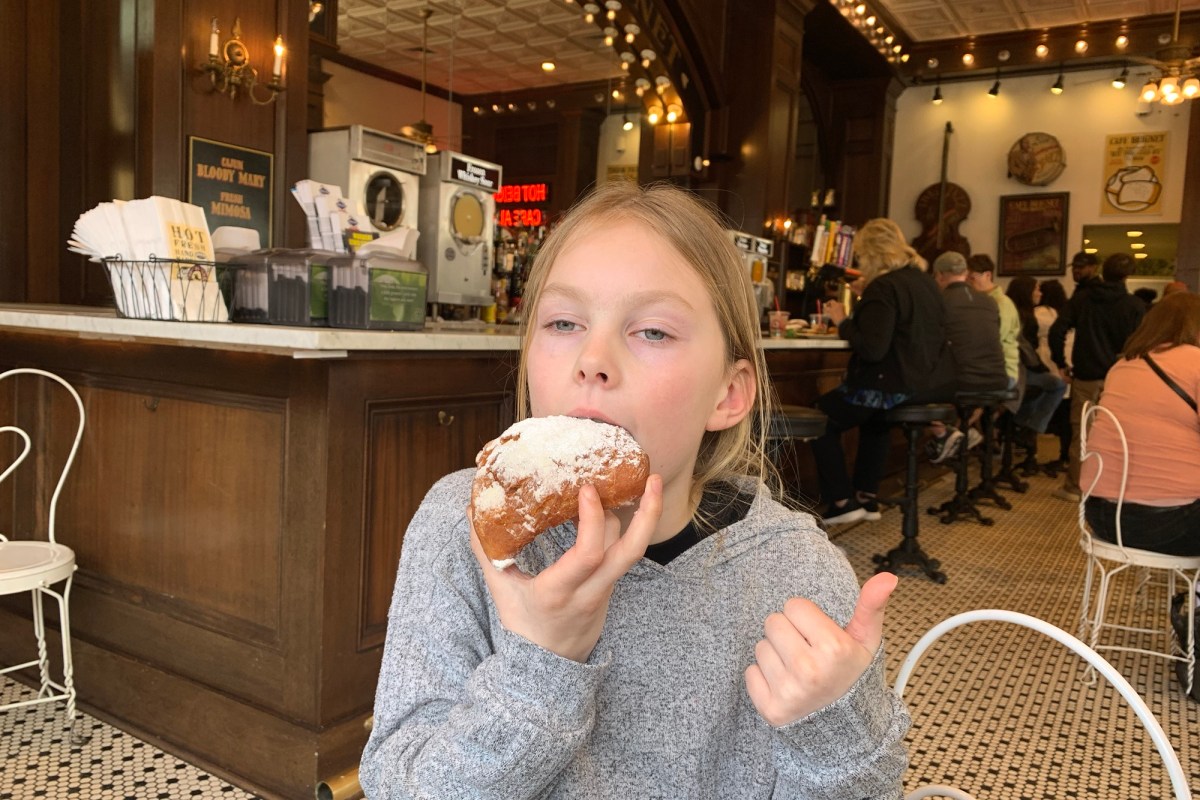
(featured photo is of Miss O enjoying a beignet)