How To Share Your Best Self

When we do the best that we can, we never know what miracle is wrought in our life, or the life of another.” – Helen Keller

My 86-year-old mother recently bought an Apple watch along with the latest generation phone. She doesn’t like upgrading her technology but problems with her old phone made it necessary.

My mom is very smart but her strengths are in music and languages. As with so many of the people that I train in my job as a technology consultant, she’d rather focus her energy on what she likes doing and not have to bother with the rest. However, she is extremely independent.

She doesn’t often ask for help from me because it seems her conscientiousness about getting things done outweighs her frustration with technology. At least that’s my guess because I’m fascinated by how our mental makeup determines how we operate.

So I love this episode of the How To Share podcast with psychologist, talent agent, educator and author Dr. Albert Bramante because he speaks with Vicki Atkinson and me about some of the factors that contribute to how we approach life. He’s written a book called Rise Above the Script to help actors and performers break free of self-limiting patterns.

 His book reads like a toolkit for self-evaluation: taking a look at self-esteem, self-efficacy, and the big five personality traits (agreeableness, conscientiousness, extraversion, neuroticism, and openness).

Albert points out the many ways we self-sabotage. As he says in the podcast clip below, once we see our patterns, it’s much easier to address them.

Albert says his book (and this episode) is for “anyone feeling the friction between their ambition and their achievement.” It is a fascinating dive into the ways we can bring our best selves to our work and to the world. We know you’ll love it.

Takeaways:

  • Collaboration is key in personal and professional growth.
  • Self-evaluation is essential for breaking self-limiting patterns.
  • Lifelong learning is crucial for personal development and confidence.
  • Self-care practices significantly impact mental health and overall well-being.
  • Understanding one’s relationship with money can improve financial stability.
  • Acknowledging achievements helps combat self-doubt and insecurity.
  • The importance of developing business acumen in creative fields.
  • Taking responsibility for one’s actions is the first step to overcoming challenges.

Here’s a clip of Albert describing the power of self-awareness:

Here are some ways you can listen and watch this fantastic episode:

Please listen, watch, provide feedback and subscribe.
How to Share Your Superpower with Roger Kastner How To Share

In this engaging conversation, Roger Kastner shares with Wynne Leon his journey of aligning heart and mind, exploring the concept of superpowers and purpose, and the importance of curiosity and empathy in personal and professional growth. Roger discusses the role of frameworks in creating thriving workplaces, the significance of connection and sharing, and the exploration of joy amidst grief. The conversation also touches on the impact of AI on human creativity and the future of the podcast as it expands to include diverse voices and experiences.TakeawaysHeart and mind alignment is essential for personal growth.Superpowers are connected to our purpose in life.Curiosity and empathy are key themes in discovering our superpowers.Creating frameworks helps individuals and teams thrive.Connection with others enhances our ability to share our superpowers.Joy is accessible even in challenging times.Grief and joy are interconnected emotions.AI can handle probabilities, but humans excel in exploring possibilities.Expanding conversations beyond our comfort zones enriches our understanding.Sharing knowledge and experiences fosters community and growth.Links for this episode:How to Share Your Superpower TranscriptWhat Do You Know to Be True? websiteWhat Do You Know to Be True? on YouTube, Apple Podcasts and SpotifyRoger Kastner on LinkedInFrom the host:My book about my beloved father: Finding My Father’s Faith
  1. How to Share Your Superpower with Roger Kastner
  2. How to Share Perspective with Andrea Simon
  3. How to Share Compassionate Stories that Inspire and Connect
  4. How to Share Music with Nancy Shear
  5. How to Share Snapshots of the American Dream

Links for this episode:

⁠Albert Bramante⁠ website

⁠Rise Above the Script: Confronting Self-Doubt and Mastering Self Sabotage for Performing Artists ⁠on Amazon

How to Share Your Best Self transcript

From the hosts:

Vicki’s book about resilience and love: ⁠Surviving Sue⁠; Blog: ⁠https://victoriaponders.com/⁠

My book about my beloved father: ⁠Finding My Father’s Faith⁠

How to Share Passwords

Rarely is anyone thanked for the work they did to prevent the disaster that didn’t happen” – Mikko Hypponen

A few weeks ago I was carpooling with another family to the kids’ camp for the week. I was responsible for dropping the kids off in the morning. When I got all four kids there on the first day, the counselors asked me for a password that would need to be given at pickup time.

I set the password and then immediately communicated it to the other family so they could successfully pickup all the kids. It reminded me that we think of passwords as secret, when in fact they are private – we just want only trusted individuals to know at the right time.

So in this episode of the How to Share podcast, I talk with banker, adventurer and my friend, Jill Jones, about the complexities of password sharing. We emphasize the importance of trusted access and the evolving methods of password management. We explore personal experiences, the impact of technology on security practices, and provide practical tips for navigating password storage and sharing in both personal and professional contexts.

Note: Passwords are a small piece of the overall planning that needs to happen in a crisis. The amazingly thoughtful and prepared Edward Ortiz of the Thoughts about Leadership, history, and more blog has a great post about What if The Unthinkable Happens at Home to help plan for household crisis.

Takeaways

  • Passwords are often thought of as secrets, but they are actually private.
  • It’s essential to have trusted individuals who can access passwords when needed.
  • Old methods of password storage, like writing them down, are becoming obsolete.
  • Digital vaults can provide a secure way to store important documents and passwords.
  • Two-factor authentication adds an extra layer of security but can complicate access.
  • Banking experiences offer valuable lessons in password security and fraud prevention.
  • Regularly changing passwords can lead to reliance on easily guessable information.
  • Technology is changing how we manage and share passwords.
  • Planning for unexpected events, like sudden death, is crucial for password access.
  • Having a system in place for sharing passwords is necessary for security.

Here’s a preview of some of the pros and cons of common password practices:

Here are some ways you can listen and watch this informative episode:

Please listen, watch, provide feedback and subscribe.

How to Share Your Superpower with Roger Kastner How To Share

In this engaging conversation, Roger Kastner shares with Wynne Leon his journey of aligning heart and mind, exploring the concept of superpowers and purpose, and the importance of curiosity and empathy in personal and professional growth. Roger discusses the role of frameworks in creating thriving workplaces, the significance of connection and sharing, and the exploration of joy amidst grief. The conversation also touches on the impact of AI on human creativity and the future of the podcast as it expands to include diverse voices and experiences.TakeawaysHeart and mind alignment is essential for personal growth.Superpowers are connected to our purpose in life.Curiosity and empathy are key themes in discovering our superpowers.Creating frameworks helps individuals and teams thrive.Connection with others enhances our ability to share our superpowers.Joy is accessible even in challenging times.Grief and joy are interconnected emotions.AI can handle probabilities, but humans excel in exploring possibilities.Expanding conversations beyond our comfort zones enriches our understanding.Sharing knowledge and experiences fosters community and growth.Links for this episode:How to Share Your Superpower TranscriptWhat Do You Know to Be True? websiteWhat Do You Know to Be True? on YouTube, Apple Podcasts and SpotifyRoger Kastner on LinkedInFrom the host:My book about my beloved father: Finding My Father’s Faith
  1. How to Share Your Superpower with Roger Kastner
  2. How to Share Perspective with Andrea Simon
  3. How to Share Compassionate Stories that Inspire and Connect
  4. How to Share Music with Nancy Shear
  5. How to Share Snapshots of the American Dream

Links for this Episode:

Jill Jones on LinkedIn

How to Share Passwords transcript

(featured photo from Pexels)

(Quote comes from Rarely Is Anyone Thanked – TheEnlightenedMind622 )

How to Share Risks

Remember: Not all positive change feels positive in the beginning.” – S.C. Lourie

This is a friendly warning: It’s risky to comment on this blog. I’m joking, of course, but have a great example of no good comment goes unpunished. 🙂

A couple of weeks ago Brian Hannon commented that he approached finding positivity from another perspective on the How to Share Optimism podcast I did with Mark Petruska. To hear Brian describe it, it’s like peeling back an onion. The outer layers are the risks of a thing, whether it be an idea, invitation, initiative, or something else. Those layers need to be dealt with before reaching the savory goodness on the inside.

At which point, I invited Brian on the podcast to talk about his approach of sharing risks.

As a corporate communications professional, Brian Hannon has incredible wisdom about identifying risks and communicating effectively. In this episode of the How to Share podcast, Brian shares his unique perspective on optimism, emphasizing the importance of acknowledging risks and challenges before moving towards a positive outlook.

Brian discusses the role of authenticity in communication, the balance between optimism and realism, and how humor can help navigate difficult conversations. Our conversation also touches on parenting and the lessons learned from life’s challenges, ultimately highlighting the value of embracing discomfort for personal growth.

Takeaways

  • Brian sees risks and challenges first before finding positives.
  • Acknowledging failure is crucial for a realistic perspective.
  • Authenticity is essential in communication and leadership.
  • Humor helps in delivering downsides without negativity.
  • Writing helps clarify thoughts and learn from experiences.
  • Embracing discomfort can lead to long-term growth.
  • Balancing perspectives can enhance collaboration and understanding.
  • Life’s challenges often provide valuable lessons.
  • Parenting influences how we perceive risks and challenges.
  • Finding a middle ground between optimism and realism is key.

Here’s a preview of Brian’s grounded and resilient approach:

Here are some ways you can listen and watch this incredible episode:

Please listen, watch, provide feedback and subscribe.

How to Share Your Superpower with Roger Kastner How To Share

In this engaging conversation, Roger Kastner shares with Wynne Leon his journey of aligning heart and mind, exploring the concept of superpowers and purpose, and the importance of curiosity and empathy in personal and professional growth. Roger discusses the role of frameworks in creating thriving workplaces, the significance of connection and sharing, and the exploration of joy amidst grief. The conversation also touches on the impact of AI on human creativity and the future of the podcast as it expands to include diverse voices and experiences.TakeawaysHeart and mind alignment is essential for personal growth.Superpowers are connected to our purpose in life.Curiosity and empathy are key themes in discovering our superpowers.Creating frameworks helps individuals and teams thrive.Connection with others enhances our ability to share our superpowers.Joy is accessible even in challenging times.Grief and joy are interconnected emotions.AI can handle probabilities, but humans excel in exploring possibilities.Expanding conversations beyond our comfort zones enriches our understanding.Sharing knowledge and experiences fosters community and growth.Links for this episode:How to Share Your Superpower TranscriptWhat Do You Know to Be True? websiteWhat Do You Know to Be True? on YouTube, Apple Podcasts and SpotifyRoger Kastner on LinkedInFrom the host:My book about my beloved father: Finding My Father’s Faith
  1. How to Share Your Superpower with Roger Kastner
  2. How to Share Perspective with Andrea Simon
  3. How to Share Compassionate Stories that Inspire and Connect
  4. How to Share Music with Nancy Shear
  5. How to Share Snapshots of the American Dream

Links for this episode:

⁠Brian’s blog: Writing from the Heart with Brian⁠

⁠Brian Hannon⁠ on LinkedIn

(featured photo from Pexels)

How to Share Advocacy

A very small degree of hope is sufficient to cause the birth of love.” – Stendhal

There are two guys I regularly see at Starbucks. I’m guessing they are in their late 60’s. One gestures animatedly and with disgust at the paper and his friend patiently listens.

Once I heard the patient one suggest to the animated one that he get involved.

The animated one replied, “But the system is broken!

I hope next time that I see them that I have a copy of Sam Daley-Harris’ book Reclaiming Our Democracy: Every Citizen’s Guide to Transformational Advocacy with me. Sam gives us a great formula for overcoming cynicism and hopelessness and suggestions for how to get started.

Vicki Atkinson and I were recently lucky enough to be able to talk with activist and author Sam Daley-Harris on the How to Share podcast. In this episode, we discuss his journey in advocacy, the importance of facing hopelessness, and the power of transformational advocacy.

We also explore the difference between transactional and transformational approaches, the impact of cynicism on political engagement, and the necessity of community support in advocacy efforts.

Sam shares personal stories and insights on how individuals can reclaim their power and make a difference in their communities and the world.

Takeaways

  • Advocacy requires facing our own hopelessness to find purpose.
  • Transformational advocacy involves deeper engagement than transactional actions.
  • Cynicism can lead to inaction; we must choose to engage.
  • Community support is crucial for effective advocacy.
  • Building relationships with legislators can lead to meaningful change.
  • The state of democracy is influenced by citizen engagement and activism.
  • Progress and positive changes are not often featured in today’s news reporting.
  • We need to encourage optimism and action in our communities.
  • Commitment to advocacy can lead to personal transformation.
  • Every individual has the power to make a difference.

Here’s a preview of Sam’s powerful story-telling and encouragement to get involved:

Here are some ways you can listen and watch this incredible episode:

Please listen, watch, provide feedback and subscribe.

How to Share Your Superpower with Roger Kastner How To Share

In this engaging conversation, Roger Kastner shares with Wynne Leon his journey of aligning heart and mind, exploring the concept of superpowers and purpose, and the importance of curiosity and empathy in personal and professional growth. Roger discusses the role of frameworks in creating thriving workplaces, the significance of connection and sharing, and the exploration of joy amidst grief. The conversation also touches on the impact of AI on human creativity and the future of the podcast as it expands to include diverse voices and experiences.TakeawaysHeart and mind alignment is essential for personal growth.Superpowers are connected to our purpose in life.Curiosity and empathy are key themes in discovering our superpowers.Creating frameworks helps individuals and teams thrive.Connection with others enhances our ability to share our superpowers.Joy is accessible even in challenging times.Grief and joy are interconnected emotions.AI can handle probabilities, but humans excel in exploring possibilities.Expanding conversations beyond our comfort zones enriches our understanding.Sharing knowledge and experiences fosters community and growth.Links for this episode:How to Share Your Superpower TranscriptWhat Do You Know to Be True? websiteWhat Do You Know to Be True? on YouTube, Apple Podcasts and SpotifyRoger Kastner on LinkedInFrom the host:My book about my beloved father: Finding My Father’s Faith
  1. How to Share Your Superpower with Roger Kastner
  2. How to Share Perspective with Andrea Simon
  3. How to Share Compassionate Stories that Inspire and Connect
  4. How to Share Music with Nancy Shear
  5. How to Share Snapshots of the American Dream

Links for this episode:

Sam’s Sign-up Sheet for resources on how to get started

Reclaiming Our Democracy website

Reclaiming Our Democracy: Every Citizen’s Guide to Transformational Advocacy, 2024 Edition on Amazon

(featured photo from Pexels)

How to Share Inner Peace

Peace is not something you wish for; It’s something you make, Something you do , Something you are, And something you give away.” – John Lennon

There is a benediction that my dad used to say at the end of church services that has stuck with me for all these years.

“May the peace of God, which passes all understanding, be with you now and forever more.”

I can see him in my mind’s eye standing in front of the church with his arms raised over the audience in blessing. He says that line and then he drops his hands, bows his head and walks out of the service. It gives me great peace to recall.

Meditation has been my go-to for practicing finding that peace. When I have it, I write better, parent more thoughtfully, lead with a fuller heart, and find myself swimming in the deeper end of the grace pool for myself and others.

So in this week’s episode of the How To Share podcast, I share a guided meditation by my meditation teacher, Deirdre Wilcox. Here is a short clip of the preamble highlighting some of my favorite quotes about inner peace:

The episode features a backpack guided meditation that resonates with me as a hiker and climber but I think we’ve all carried heavy loads enough to appreciate it.

Takeaways

  • Meditation can help cultivate internal quiet and peace.
  • Spiritual pathways include meditation, community, and acts of service.
  • Inner peace is a valuable endpoint for personal growth.
  • Nature can provide a sense of awe and tranquility.
  • Creativity is a form of spiritual expression.
  • It’s important to identify and release emotional burdens.
  • Guided meditation can facilitate emotional unpacking.
  • Self-love is crucial for personal development.
  • Acknowledging what to let go of can lighten one’s load.
  • Regularly checking in with oneself can promote emotional wellness.

I understand meditation is not for everyone. But if it is your jam, or you just like talking about packing, please give it a listen. Here are some ways you can listen and watch to the full episode:

Please listen, watch, provide feedback and subscribe.

How to Share Your Superpower with Roger Kastner How To Share

In this engaging conversation, Roger Kastner shares with Wynne Leon his journey of aligning heart and mind, exploring the concept of superpowers and purpose, and the importance of curiosity and empathy in personal and professional growth. Roger discusses the role of frameworks in creating thriving workplaces, the significance of connection and sharing, and the exploration of joy amidst grief. The conversation also touches on the impact of AI on human creativity and the future of the podcast as it expands to include diverse voices and experiences.TakeawaysHeart and mind alignment is essential for personal growth.Superpowers are connected to our purpose in life.Curiosity and empathy are key themes in discovering our superpowers.Creating frameworks helps individuals and teams thrive.Connection with others enhances our ability to share our superpowers.Joy is accessible even in challenging times.Grief and joy are interconnected emotions.AI can handle probabilities, but humans excel in exploring possibilities.Expanding conversations beyond our comfort zones enriches our understanding.Sharing knowledge and experiences fosters community and growth.Links for this episode:How to Share Your Superpower TranscriptWhat Do You Know to Be True? websiteWhat Do You Know to Be True? on YouTube, Apple Podcasts and SpotifyRoger Kastner on LinkedInFrom the host:My book about my beloved father: Finding My Father’s Faith
  1. How to Share Your Superpower with Roger Kastner
  2. How to Share Perspective with Andrea Simon
  3. How to Share Compassionate Stories that Inspire and Connect
  4. How to Share Music with Nancy Shear
  5. How to Share Snapshots of the American Dream

Links for the Episode

Deirdre Wilcox’s website

(featured photo from Pexels)

How To Share Optimism

“Light and shadow are opposite sides of the same coin. We can illuminate our paths or darken our way. It is a matter of choice.” – Maya Angelou

You know the skit about positivity? It goes something like this:

Johnny: “We have to drive three hours to have lunch with relatives I’ve never met? This is going to suck!”

Mom: “Johnny, you haven’t even met these people. You need to be more positive.”

Johnny: “I’m positive this is going to suck.”

I’m a congenital optimist. It’s taken me decades to understand my own filter and figure out how it effects others. As a parent, an entrepreneur and as a leader, I’ve come to see that optimism can be helpful when encouraging others, but it has to be tempered with genuinely acknowledging the ups and downs. In the end, I see optimism more as fuel to keep trying than an expectation about an outcome.

Which aligns with the How to Share podcast conversation I had with the incredible author and blogger Mark Petruska. He also is an inveterate optimist and together we explore the concept of optimism, discussing its definition, the importance of timing when sharing optimistic views, and the audience’s receptiveness to such messages.

We delve into the relationship between optimism and empathy, the balance between optimism and realism, and the idea that optimism can be cultivated as a skill. Our conversation emphasizes the significance of understanding individual circumstances and the stages of acceptance and grief when offering encouragement.

How To Share Optimism Takeaways

  • Optimism is defined as a favorable view of the future.
  • Timing is crucial when sharing optimism, especially during difficult times.
  • People may not be receptive to optimism until they reach acceptance
  • Empathy plays a significant role in how we share optimism.
  • Optimists may live longer due to lower stress levels.
  • Optimism can be cultivated and strengthened like a muscle.
  • It’s important to balance optimism with humility and realism.
  • Sharing personal experiences can enhance the impact of optimistic messages.
  • Understanding your audience is key to effectively sharing optimism.

This is a great episode that will get you thinking about the lens you look through – and how to share it with others. I’m optimistic that you’ll love it.

Here’s a sneak peek of the great conversation with the amazing Mark Petruska:

Here are some ways you can listen and watch to the full episode:

Please listen, watch, provide feedback and subscribe.

How to Share Your Superpower with Roger Kastner How To Share

In this engaging conversation, Roger Kastner shares with Wynne Leon his journey of aligning heart and mind, exploring the concept of superpowers and purpose, and the importance of curiosity and empathy in personal and professional growth. Roger discusses the role of frameworks in creating thriving workplaces, the significance of connection and sharing, and the exploration of joy amidst grief. The conversation also touches on the impact of AI on human creativity and the future of the podcast as it expands to include diverse voices and experiences.TakeawaysHeart and mind alignment is essential for personal growth.Superpowers are connected to our purpose in life.Curiosity and empathy are key themes in discovering our superpowers.Creating frameworks helps individuals and teams thrive.Connection with others enhances our ability to share our superpowers.Joy is accessible even in challenging times.Grief and joy are interconnected emotions.AI can handle probabilities, but humans excel in exploring possibilities.Expanding conversations beyond our comfort zones enriches our understanding.Sharing knowledge and experiences fosters community and growth.Links for this episode:How to Share Your Superpower TranscriptWhat Do You Know to Be True? websiteWhat Do You Know to Be True? on YouTube, Apple Podcasts and SpotifyRoger Kastner on LinkedInFrom the host:My book about my beloved father: Finding My Father’s Faith
  1. How to Share Your Superpower with Roger Kastner
  2. How to Share Perspective with Andrea Simon
  3. How to Share Compassionate Stories that Inspire and Connect
  4. How to Share Music with Nancy Shear
  5. How to Share Snapshots of the American Dream

Links for How To Share Optimism podcast episode:

Storyteller and writer Mark Petruska

Is Optimism Something We’re Born With? | Psychology Today

Hope and Optimism as an Opportunity to Improve the “Positive Mental Health” Demand – PMC

The Difference Between Hopeful Optimism and Toxic Positivity | Psychology Today

(featured photo from Pexels)

How to Share Reporting

Good people bring out the good in people.” – unknown

A few years ago I took my kids to a gathering where they met a lot of grown-ups. They did a few minutes of chit chat with them all and then we went off to play.

After a few minutes, my son, Mr. D, who was three years old said to me, “Where’s the New Guy?”

It took some back and forth but I figured out he was talking about one of the many grown-ups he’d met, Steve Rubenstein. As a long-time reporter for the San Francisco Chronicle and a substitute kindergarten teacher, Steve had captured Mr. D’s interest. No surprise, Steve is full of great stories and delight for all ages.

Steve heartily embraced the new moniker. My daughter, Miss O, who was seven at the time, memorialized it by making a New Guy friendship bracelet for him.

I recently had the privilege of podcasting with Steve Rubenstein and I’m sure you’ll agree – Steve has an incredible knack for sharing stories.

In this episode of the How To Share podcast, we talk about the art of storytelling that resonates with all ages. Steve shares insights from his 50-year journalism career, including his unique experiences interviewing notable figures and the therapeutic journey of writing. Learn why 13 miles per hour is the perfect speed to encounter life and how to leave a lasting impact through the stories we tell.

Takeaways:

The Art of Storytelling: Steve emphasizes the importance of knowing what to leave out in storytelling, highlighting that most of writing is about omission rather than inclusion.

Interviewing Insights: Steve shares his approach to interviewing, focusing on asking questions that resonate with both the interviewer and the audience, and getting subjects off their prepared remarks.

Therapeutic Writing: Writing can be therapeutic, as Steve experienced when he wrote about personal moments, like dropping his son off at college, which helped him process emotions.

Life at 13 MPH: Steve’s cross-country bike trip taught him that 13 miles per hour is the perfect speed to encounter life, allowing for meaningful interactions and observations.

Human Connection: Despite the contentious times, Steve’s journey across America revealed that the country is full of wonderful people, emphasizing the power of human connection beyond politics.

This is a great episode filled with how to share stories. Steve’s storytelling will leave you charmed and ready to tell your own. I know you’ll love it.

Here’s a short clip to give you a taste of the great conversation with the witty and wise Steve Rubenstein:

Here are some ways you can listen and watch to the full episode:

Please listen, watch, provide feedback and subscribe.

How to Share Your Superpower with Roger Kastner How To Share

In this engaging conversation, Roger Kastner shares with Wynne Leon his journey of aligning heart and mind, exploring the concept of superpowers and purpose, and the importance of curiosity and empathy in personal and professional growth. Roger discusses the role of frameworks in creating thriving workplaces, the significance of connection and sharing, and the exploration of joy amidst grief. The conversation also touches on the impact of AI on human creativity and the future of the podcast as it expands to include diverse voices and experiences.TakeawaysHeart and mind alignment is essential for personal growth.Superpowers are connected to our purpose in life.Curiosity and empathy are key themes in discovering our superpowers.Creating frameworks helps individuals and teams thrive.Connection with others enhances our ability to share our superpowers.Joy is accessible even in challenging times.Grief and joy are interconnected emotions.AI can handle probabilities, but humans excel in exploring possibilities.Expanding conversations beyond our comfort zones enriches our understanding.Sharing knowledge and experiences fosters community and growth.Links for this episode:How to Share Your Superpower TranscriptWhat Do You Know to Be True? websiteWhat Do You Know to Be True? on YouTube, Apple Podcasts and SpotifyRoger Kastner on LinkedInFrom the host:My book about my beloved father: Finding My Father’s Faith
  1. How to Share Your Superpower with Roger Kastner
  2. How to Share Perspective with Andrea Simon
  3. How to Share Compassionate Stories that Inspire and Connect
  4. How to Share Music with Nancy Shear
  5. How to Share Snapshots of the American Dream

Links for this post:

As student gains bearings, father loses his by Steve Rubenstein (ping pong story mentioned in the podcast)

Steve Rubenstein, San Francisco Chronicle

(featured photo is Miss O with Steve and the New Guy bracelet)

How to Share Humor

Laughter without a tinge of philosophy is but a sneeze of humor. Genuine humor is replete with wisdom.” – Mark Twain

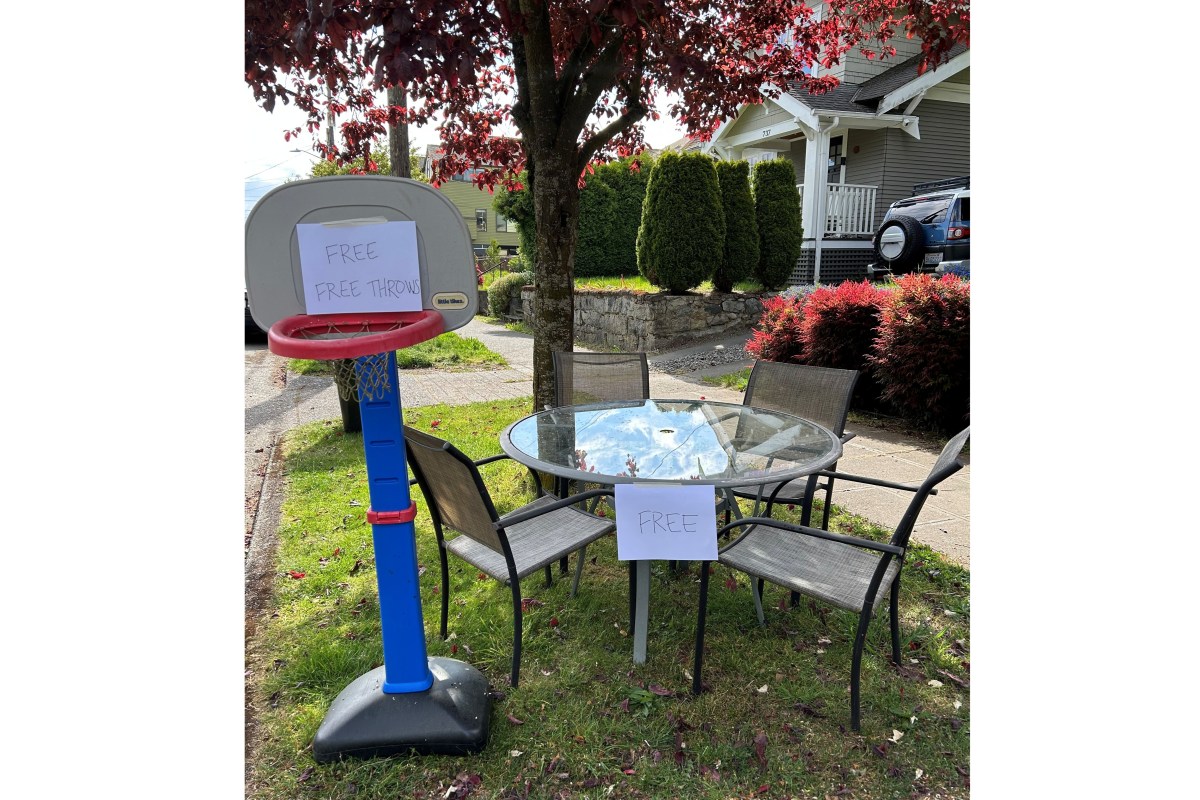
A couple of months ago, I was getting rid of a couple of disparate things from my backyard. I hauled my round patio table and chairs along with a toddler’s basketball net out to the curb and put a FREE sign on them. When I texted my friend, Eric, a picture, he replied, “Court side dining! Nice.

That reply perfectly encapsulates Eric’s witty marketing genius. So I wrangled him to come on the How To Share podcast to talk about how to share humor.

In this episode, PR and marketing professional Eric Knudson and I explore the multifaceted nature of humor, discussing its role in relationships, politics, and corporate settings. We delve into the elements that make humor effective, such as shared experiences and cultural differences, while also addressing the challenges of navigating humor in today’s society. Our conversation highlights the importance of humor as a tool for connection and communication, offering insights and tips for sharing humor effectively.

Takeaways

  • Humor is an effective tool for winning friends and influencing people.
  • Not everyone generates humor, but most people appreciate it.
  • Shared experiences are crucial for humor to resonate.
  • Cultural differences significantly impact humor appreciation.
  • Humor can serve as a coping mechanism in difficult times.
  • Political humor varies greatly among different leaders.
  • Humor can help build relationships in corporate settings.
  • Modern society presents challenges for sharing humor due to self-selection.
  • Humor is a muscle that needs to be exercised regularly.
  • Finding opportunities to use humor can invite people in.

This is a great episode filled with funny stories that will have you laughing – and thinking about how you can share laughter. I know you’ll love it.

Here’s a short clip to give you a taste of the great conversation with the clever and charming Eric Knudson:

Here are some ways you can listen and watch to the full episode:

Please listen, watch, provide feedback and subscribe.

How to Share Your Superpower with Roger Kastner How To Share

In this engaging conversation, Roger Kastner shares with Wynne Leon his journey of aligning heart and mind, exploring the concept of superpowers and purpose, and the importance of curiosity and empathy in personal and professional growth. Roger discusses the role of frameworks in creating thriving workplaces, the significance of connection and sharing, and the exploration of joy amidst grief. The conversation also touches on the impact of AI on human creativity and the future of the podcast as it expands to include diverse voices and experiences.TakeawaysHeart and mind alignment is essential for personal growth.Superpowers are connected to our purpose in life.Curiosity and empathy are key themes in discovering our superpowers.Creating frameworks helps individuals and teams thrive.Connection with others enhances our ability to share our superpowers.Joy is accessible even in challenging times.Grief and joy are interconnected emotions.AI can handle probabilities, but humans excel in exploring possibilities.Expanding conversations beyond our comfort zones enriches our understanding.Sharing knowledge and experiences fosters community and growth.Links for this episode:How to Share Your Superpower TranscriptWhat Do You Know to Be True? websiteWhat Do You Know to Be True? on YouTube, Apple Podcasts and SpotifyRoger Kastner on LinkedInFrom the host:My book about my beloved father: Finding My Father’s Faith
  1. How to Share Your Superpower with Roger Kastner
  2. How to Share Perspective with Andrea Simon
  3. How to Share Compassionate Stories that Inspire and Connect
  4. How to Share Music with Nancy Shear
  5. How to Share Snapshots of the American Dream

Links for this episode:

Eric Knudson’s company website: ⁠Basecamp Communications⁠

Eric Knudson on LinkedIn: ⁠(24) Eric Knudson | LinkedIn⁠

How to Share Inspiration

The one thing that you have that nobody else has is you. Your voice, your mind, your story, your vision. So, write and draw and build and play and dance and live only as you can.” – Neil Gaiman

The other day I was at a salon getting my hair done and I couldn’t stop reading bits of filmmaker and philanthropist Peter Samuelson’s book Finding Happy aloud to my hairdresser.

Here’s a snippet of when he made the first pitch for First Star, his organization for educating foster kids in grades 9-12 on college campuses.

I asked for a meeting with the chancellor of UCLA, Gene Block. Back then he was in charge at UCLA. I believe he still thinks I went to UCLA first because I thought it was a top-notch university, which is true. Ranked the number one public university in the United States by US News and World Report, and number eight in the whole world. But actually, I went there first because I lived down the road. I thought, “I’ll start with UCLA…. They’re probably all going to say no, so I might as well start with the closest one.”

Peter Samuelson in Finding Happy

But they did say yes. Now First Star has 10 academies in the US and 3 in the UK.

How did Peter do it? Not just for his philanthropic efforts but also to get films like Arlington Road, Wilde and Revenge of the Nerds made? And how can we borrow from his playbook to get others to join us in efforts to improve the world? I was lucky enough to have Peter Samuelson come on the How To Share podcast to talk about how to share inspiration.

In this episode, filmmaker and philanthropist Peter Samuelson discusses his new book, Finding Happy, exploring themes of inspiration, storytelling, and the importance of empathy in connecting with others. He explains why storytelling is so vital in capturing other’s hearts when pitching an idea. He shares personal anecdotes about his journey, the power of collaboration, and the significance of love and mentorship in fostering resilience among young adults, especially in the aftermath of COVID-19. The conversation emphasizes the Jewish concept of Tikkun Olam, or healing the world, and the idea of showing up to make a difference.

Takeaways

  • Selflessness can be selfish, as it often leads to personal fulfillment.
  • Success in life is rooted in storytelling and persuasion.
  • To pitch an idea you have to catch the audience’s hearts to create a window in which they can be moved.
  • Generating empathy through storytelling is essential for connection.
  • Humor can create openness and foster relationships.
  • Every young adult needs someone who loves them unconditionally.
  • People change when they feel cherished and valued.
  • Finding love often requires collaboration and shared goals.
  • Mentorship plays a crucial role in personal development and support.
  • Tikkun Olam emphasizes our responsibility to heal the world.

This is a great episode in which Peter does a fantastic job of catching our hearts to show us how to share inspiration. I know you’ll love it!

Here’s a short clip to give you a taste of the great conversation with the delightful Peter Samuelson.

Here are some ways you can listen and watch to the full episode:

Please listen, watch, provide feedback and subscribe.

How to Share Your Superpower with Roger Kastner How To Share

In this engaging conversation, Roger Kastner shares with Wynne Leon his journey of aligning heart and mind, exploring the concept of superpowers and purpose, and the importance of curiosity and empathy in personal and professional growth. Roger discusses the role of frameworks in creating thriving workplaces, the significance of connection and sharing, and the exploration of joy amidst grief. The conversation also touches on the impact of AI on human creativity and the future of the podcast as it expands to include diverse voices and experiences.TakeawaysHeart and mind alignment is essential for personal growth.Superpowers are connected to our purpose in life.Curiosity and empathy are key themes in discovering our superpowers.Creating frameworks helps individuals and teams thrive.Connection with others enhances our ability to share our superpowers.Joy is accessible even in challenging times.Grief and joy are interconnected emotions.AI can handle probabilities, but humans excel in exploring possibilities.Expanding conversations beyond our comfort zones enriches our understanding.Sharing knowledge and experiences fosters community and growth.Links for this episode:How to Share Your Superpower TranscriptWhat Do You Know to Be True? websiteWhat Do You Know to Be True? on YouTube, Apple Podcasts and SpotifyRoger Kastner on LinkedInFrom the host:My book about my beloved father: Finding My Father’s Faith
  1. How to Share Your Superpower with Roger Kastner
  2. How to Share Perspective with Andrea Simon
  3. How to Share Compassionate Stories that Inspire and Connect
  4. How to Share Music with Nancy Shear
  5. How to Share Snapshots of the American Dream

Links for this episode:

More about Finding Happy and Peter Samuelson

Order Finding Happy on Amazon (also available at Barnes & Noble, Target and other booksellers)

First Star

Starlight Children’s Foundation

How to Share Direction

A leader is anyone who holds him or herself accountable for finding potential in people or processes.” – Brené Brown

Years ago I was talking with a man who was a member of the last church my dad led. Were we talking about my dear father and the man quipped, “You can’t say ‘no’ to Dick Leon.

I had a good laugh about the truth of that statement. My dad asked a lot of people to do a lot of things – serve on committees, volunteer, contribute to a capital campaign. And if you said, “no,” it wasn’t that my dad would judge you, get mad, try the silent treatment, or blackball you. It was worse.

He’d get to know you.

When I talked with him about his leadership style, my dad told me:

“One of the problems that I see with a lot of young pastors is that they’ve been attracted to the ministry because they have seen someone up front doing a nice job preaching or teaching and they love the presentation side.

I keep saying to them, ministry is in the details. It’s getting systems that work in terms of management of the church, people who want to get involved, you want to make sure that they have a meaningful task and that they are rewarded, listened to, and that they feel befriended.

One of the things that I would often teach is when you have an elder that is going to give themselves to leadership for three years, the question you should ask yourself is, ‘At the end of the three years, do these people love the Lord, love the church and love their sense of ministry more than when you met them?’ It’s not ‘How do I put up with them for three years?’ but ‘How can I help them grow as people during their three years?’

It changes the whole sense from how do I get my things done to how do I serve these people? How do I befriend them? How can I help them? How do we nurture them? With a committee or an elder or a deacon or an officer of the church, you’ve got a window into their life that you’ll never have again so how do you use that? How are you doing? What is going on in your life? How can I be of help?”

Yeah…very few people said “no” to Dick Leon. But it’s a hard example to put into action, especially in different industries or scenarios. When heading a volunteer team full of big personalities or working within a competitive company where everyone is super smart, how do you bring that same attitude of empowerment and sharing?

To answer that question, I recorded a How To Share podcast conversation with my friend and climbing buddy, Doug Hauger. Doug had a very successful career as a technology executive and leads personal and professional projects with a similar style to my father’s.

In this episode, Doug and I talk about the intricacies of leadership, emphasizing the importance of sharing, vulnerability, and empowerment. We explore how confidence plays a role in leadership, the necessity of embracing uncertainty, and the dynamics of team interactions, especially when faced with challenging personalities. Doug shares insights from his extensive experience in tech leadership, highlighting the value of wisdom and the importance of creating an environment where team members feel empowered to share and learn from failures. The conversation culminates in the realization that true leadership involves being open, vulnerable, and willing to adapt, ultimately leading to a more liberated and effective leadership style.

We also tell quite a few climbing stories which are very good analogies for leadership success and direction.

Takeaways

  • Leadership requires confidence and the ability to embrace uncertainty.
  • Being open to feedback is crucial for effective leadership.
  • Vulnerability fosters trust and encourages team sharing.
  • Successful leaders create an environment of two-way communication.
  • Wisdom and experience are essential in guiding teams.
  • Empowering others leads to a more productive team dynamic.
  • Acknowledging failure is part of the learning process.
  • Humility allows leaders to learn from others.
  • Navigating team dynamics requires transparency and honesty.
  • Lack of transparency can add weight that hinders success and leadership effectiveness.

This is a great episode that delves into the heart of sharing power and the power of sharing. I know you’ll love it!

Here’s a short clip from our episode to give you a taste of the great conversation with the always amazing Doug Hauger:

Here are some ways you can listen and watch to the full episode:

Please listen, watch, provide feedback and subscribe.

How to Share Your Superpower with Roger Kastner How To Share

In this engaging conversation, Roger Kastner shares with Wynne Leon his journey of aligning heart and mind, exploring the concept of superpowers and purpose, and the importance of curiosity and empathy in personal and professional growth. Roger discusses the role of frameworks in creating thriving workplaces, the significance of connection and sharing, and the exploration of joy amidst grief. The conversation also touches on the impact of AI on human creativity and the future of the podcast as it expands to include diverse voices and experiences.TakeawaysHeart and mind alignment is essential for personal growth.Superpowers are connected to our purpose in life.Curiosity and empathy are key themes in discovering our superpowers.Creating frameworks helps individuals and teams thrive.Connection with others enhances our ability to share our superpowers.Joy is accessible even in challenging times.Grief and joy are interconnected emotions.AI can handle probabilities, but humans excel in exploring possibilities.Expanding conversations beyond our comfort zones enriches our understanding.Sharing knowledge and experiences fosters community and growth.Links for this episode:How to Share Your Superpower TranscriptWhat Do You Know to Be True? websiteWhat Do You Know to Be True? on YouTube, Apple Podcasts and SpotifyRoger Kastner on LinkedInFrom the host:My book about my beloved father: Finding My Father’s Faith
  1. How to Share Your Superpower with Roger Kastner
  2. How to Share Perspective with Andrea Simon
  3. How to Share Compassionate Stories that Inspire and Connect
  4. How to Share Music with Nancy Shear
  5. How to Share Snapshots of the American Dream

Links for this episode:

Doug Hauger on LinkedIn

(featured photo is a picture of Doug and his daughter atop Mt. Adams – one of the climbs we talk about in this podcast)