“Good people bring out the good in people.” – unknown
A few years ago I took my kids to a gathering where they met a lot of grown-ups. They did a few minutes of chit chat with them all and then we went off to play.
After a few minutes, my son, Mr. D, who was three years old said to me, “Where’s the New Guy?”
It took some back and forth but I figured out he was talking about one of the many grown-ups he’d met, Steve Rubenstein. As a long-time reporter for the San Francisco Chronicle and a substitute kindergarten teacher, Steve had captured Mr. D’s interest. No surprise, Steve is full of great stories and delight for all ages.
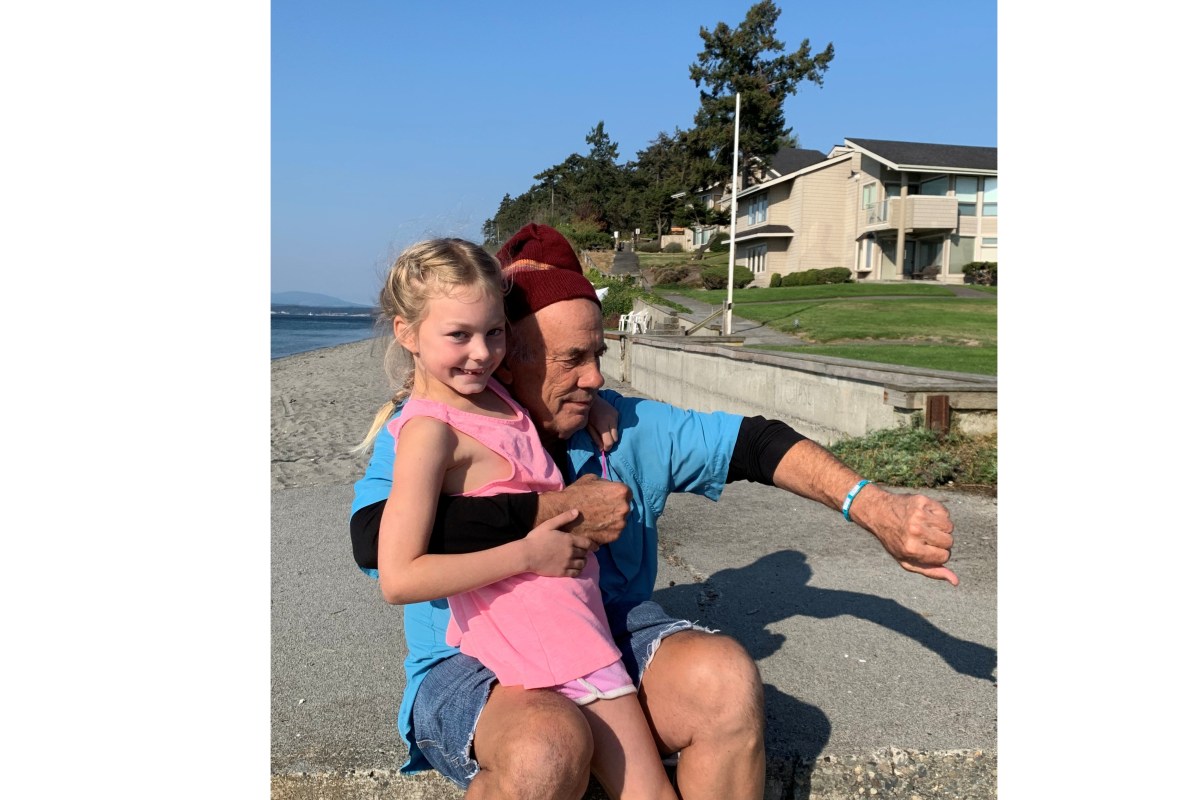
Steve heartily embraced the new moniker. My daughter, Miss O, who was seven at the time, memorialized it by making a New Guy friendship bracelet for him.
I recently had the privilege of podcasting with Steve Rubenstein and I’m sure you’ll agree – Steve has an incredible knack for sharing stories.
In this episode of the How To Share podcast, we talk about the art of storytelling that resonates with all ages. Steve shares insights from his 50-year journalism career, including his unique experiences interviewing notable figures and the therapeutic journey of writing. Learn why 13 miles per hour is the perfect speed to encounter life and how to leave a lasting impact through the stories we tell.
Takeaways:
The Art of Storytelling: Steve emphasizes the importance of knowing what to leave out in storytelling, highlighting that most of writing is about omission rather than inclusion.
Interviewing Insights: Steve shares his approach to interviewing, focusing on asking questions that resonate with both the interviewer and the audience, and getting subjects off their prepared remarks.
Therapeutic Writing: Writing can be therapeutic, as Steve experienced when he wrote about personal moments, like dropping his son off at college, which helped him process emotions.
Life at 13 MPH: Steve’s cross-country bike trip taught him that 13 miles per hour is the perfect speed to encounter life, allowing for meaningful interactions and observations.
Human Connection: Despite the contentious times, Steve’s journey across America revealed that the country is full of wonderful people, emphasizing the power of human connection beyond politics.
This is a great episode filled with how to share stories. Steve’s storytelling will leave you charmed and ready to tell your own. I know you’ll love it.
Here’s a short clip to give you a taste of the great conversation with the witty and wise Steve Rubenstein:
Here are some ways you can listen and watch to the full episode:
- The podcast player embedded below
- Click this link to watch in a browser: How to Share Reporting with Steve Rubenstein
- Subscribe to How To Share on Spotify, Amazon Music, or Apple Podcasts
- Subscribing to the YouTube channel: https://www.youtube.com/@howtosharepodcast
Please listen, watch, provide feedback and subscribe.
Unleash Your Humanity: Courage, Resilience & Purpose with Yasmine Sherif – The Life of Try: Personal growth, one try at a time.
- Unleash Your Humanity: Courage, Resilience & Purpose with Yasmine Sherif
- Stop Hustling For Your Worth: A Better Way to Grow
- Way Will Open: How To Trust Life's Timing
- How to Stop Procrastinating and Start: The 10-Minute Rule for Taking Action
- The Art of Meaningful Conversations: Lessons from 200 podcast episodes
Links for this post:
As student gains bearings, father loses his by Steve Rubenstein (ping pong story mentioned in the podcast)
Steve Rubenstein, San Francisco Chronicle
(featured photo is Miss O with Steve and the New Guy bracelet)

