How to Share Nutrition and Safety

Nutrition requires nuance—it’s personal.” – Meg Bowman

I’ve spent a good portion of my career helping people organize data in a way so that it is informative. For example, saving a file to a misnamed or wrong location makes the content practically useless. So much of passing on wisdom and goodness requires it to be in context to be helpful.

I’m thinking of context and the bigger picture because of the How to Share podcast episode this week. Vicki Atkinson and I were fortunate enough to talk with licensed nutritionist and author, Meg Bowman. Meg’s newly released book, This is Your Body on Trauma, is incredible because in it she maps out how nutrition is interconnected with our other systems. Meg explains why safety is the most important nutrient for our nervous systems.

She also explains why how you eat is as important as what you eat. She encourages us to understand that we need two strategies at play. One is the toolkit we build for when we are underwater and the second is for when we are feeling safe.

Meg tells us about how to meet our bodies with more care and less judgment. We talk about how this extends to others, especially in the food season we are in with the holidays ahead.

This is a fantastic conversation about a topic that affects us all. As Meg says, when we are well-nourished, it lessens our experience of stress at any age. This is an episode that will leave you feeling satisfied. We know you’ll love it!

Takeaways

  • Safety is the most important nutrient for the nervous system.
  • How you eat is as important as what you eat.
  • Understanding your nervous system state can influence food choices.
  • Food is often a reflection of deeper needs for safety and stability.
  • Nutrition requires a personal and nuanced approach.
  • Creating a safe eating environment can enhance well-being.
  • The FIGS protocol helps assess individual nutritional needs.
  • Storytelling and emotional state impact our relationship with food.
  • Removing shame from food choices is crucial for healing.
  • Self-care should focus on centering individual needs.

Here’s Meg’s compelling elevator pitch for This Is Your Body on Trauma:

Here are some ways you can watch this fascinating and informative episode:

Links for this episode:

How to Share Nutrition and Safety transcript

This Is Your Body on Trauma — Meg Bowman

This Is Your Body on Trauma | Book by Meg Bowman | Official Publisher Page | Simon & Schuster

This Is Your Body on Trauma on Barnes & Noble and Amazon

Nutrition Hive

From the Hosts:

Vicki’s book about resilience and love: Surviving Sue; Blog: https://victoriaponders.com/

My book about my beloved father: Finding My Father’s Faith

(featured photo from Pexels)

Body, Mind & Spirit Connection

Good health is not something we can buy. However, it can be an extremely valuable savings account.” – Anne Wilson Schaef

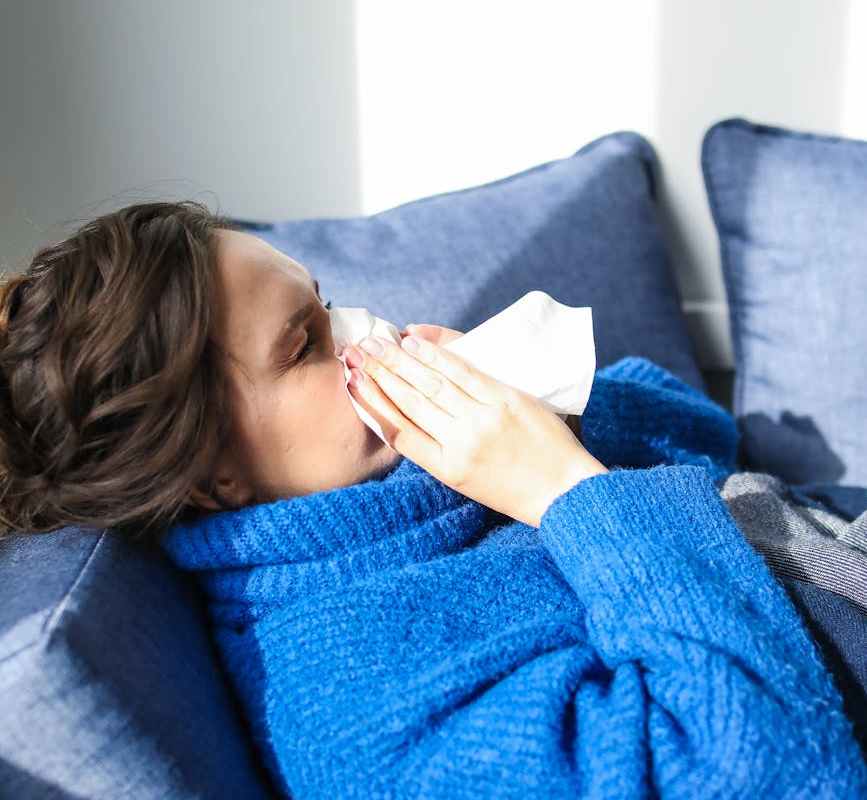
I spent the last four days on the dark side. It started about 10 days ago when my nine-year-old daughter got sick. And then my five-year-old son and I succumbed a week later. Nausea, congestion, achy joints, headache, low energy – the works.

As much as I hate being sick, it always reminds me of how integrated mind, body, and spirit are. When something interferes with my usual blend of energy, optimism and faith, I get a glimpse of the flip side of fatigue, doubt, and cynicism. The foundation of what I believe to be so solid all of a sudden is revealed as a glass floor.

In the fifteen years before he retired, my dad was a pastor of a church in an affluent community. He remarked that it was hard for people who were so successful to see their spiritual needs. Flipping through some of his sermons from that era, that theme emerges again and again. When we are doing well, do we remember to tend to the beliefs and practices that see us through tough times?

It reminds me of people who are hard to help. You know the ones in your life that always have a plan and so much self-sufficiency that they never need a favor? I don’t have to look far because I’ve just described my family, myself included. If people are out of reach for human assistance, is it hard for God to help them too?

At least when I was sick and didn’t feel like eating, I had plenty of food for thought.

(featured photo from Pexels)

You can find me on LinkedIn: https://www.linkedin.com/in/wynneleon/ and Instagram @wynneleon

I co-host a author, creator and storytelling podcast with the amazing Vicki Atkinson. To tune in, search for Sharing the Heart of the Matter on Spotify, Apple, Amazon Music or Pocketcasts (and subscribe) or click here. Or the YouTube channel features videos of our interviews. Please subscribe!

My other projects include work as a CEO (Chief Encouragement Officer), speaking about collaboration and AI through the Chicago Writer’s Association, and my book about my journey to find what fueled my dad’s indelible spark and twinkle can be found on Amazon: Finding My Father’s Faith.

The Art of Staying Flexible

Blessed are the flexible, for they should not be bent out of shape.” – unknown

The holiday season is over. I swear the collective sigh of relief that we can all get back to our routine is so big as to be palpable.

My dear friend, Katie, whose amazing daughters are grown, came over the other day and we were talking about the highs and lows of this season. The magic, the expectations, the busy-ness, the boredom of the down time, the togetherness. It’s not like the gift of the season comes in a neat package. It’s more like a gift basket put together by a five-year-old and there are some pokey and slimey things in the mix.

When I went to my annual physical with my doctor in early December, I asked her about her sons. She answered that her younger son was home from college on the east coast from Thanksgiving through Christmas. She smiled when she said it was nice, but she was getting a little tired of crumbs on the counter. We had a good chuckle about that.

For me, I wrestle with being flexible enough to go on adventures, to throw the ball around, or to play a game. Often it feels more comfortable to cling to things I need to do. Who am I if I leave dishes in the sink, the crumbs on the table, close my laptop, and start chasing butterflies?

But I’m always rewarded when I set what I’m doing down and participate in the play. I benefit from the magic when the kids share their perspective and fun. Longevity and healthspan expert, Dr. Peter Attia lists socializing as one of the ways to stave off dementia. The complexity of what we do when we interact with others helps to keep our brains well.

So, for everyone who is sipping a cup of tea or coffee and celebrating this week of getting back to normal, please give yourself a pat on the back too. Reading a book given to you that might not be your genre, drinking from a new mug, navigating niceties, trying out the new gadget – all of it helps keep us flexible.

(featured photo is mine – I love the light and dark captured together)

The Way of Unifying Energy

But where was I to start? The world is so vast, I shall start with the country I know best, my own. But my country is so very large. I had better start with my town. But my town too, is large. I had best start with my street. No: my home. No: my family. Never mind, I shall start with myself.” – Elie Wiesel

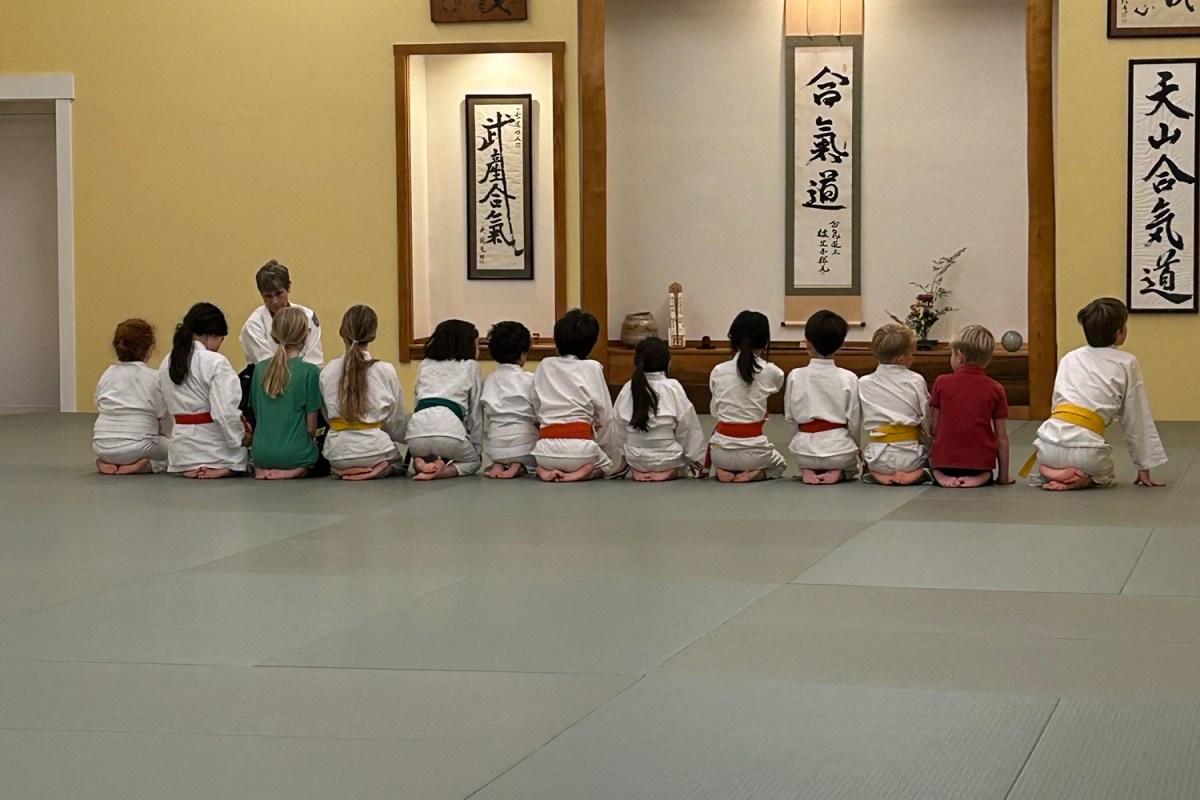
Our Aikido dojo recently had open house day. We recruited my brother, sister-in-law, and a dear young friend and all headed off to give it a try.

Let me tell you. It’s a lot easier to watch kids get up and down from the mat 30 times (or more) in an hour than to do it. Yeah, that’s not news to anyone reading this.

But I was captivated by the philosophy behind this martial art. It’s a way of redirecting energy. Or, as Wikipedia puts it, defending oneself while protecting the attacker from injury.

Aikido, the way of unifying energy, is a way of helping attackers calm down according to our Sensei. Watching my kids practice, I can see how the moves are intended to help the energy move past. It isn’t meeting a blow with a blow but instead stepping out of the way and using the attacker’s energy to pin them.

It seems like there are so many practical ways to employ this. It’s like not resisting our emotions, but instead leaning in to see what we can learn. It’s not telling others that they shouldn’t upset, but instead actively listening to understand the experience. It’s not fighting fire-with-fire but instead poking a hole in the roof so that the dangerous smoke can dissipate.

I imagine all the ways practicing Aikido, the way of unifying energy, the way of defending oneself while protecting the attacker from injury, could make a difference in this world. Our national politics come to mind. But I’m only a white belt so I’ll start by practicing on myself. That’s a head up to my inner critic.

(featured photo is one of mine of our dojo)

The Ritual of Tea

Good habits automate us, helping us get things done. Rituals animate us, enhancing and enchanting our lives with something more. The intrinsically emotional nature of rituals gives them their animating power.” – Michael Norton

Before the pandemic, my “office” was at a favorite local coffee shop. My kids were little and at home so I needed a place to escape to. I’d walk in the door of the coffee shop, throw my backpack onto my favorite comfy chair by the window if it was available, get my cup of green tea, and then settle in to work.

For me, wrapping my hands around a hot cup of tea is like an automatic reset button. It helps me notice the moment before I move to the next. Part of the fun was just being around all the other regulars and hearing conversations. There is something so delicious about the conviviality of coffee shop comradery.

So I loved the conversation I had with Vicki Atkinson this week on the Sharing the Heart of the Matter podcast: Tea Time with Wynne and Vicki

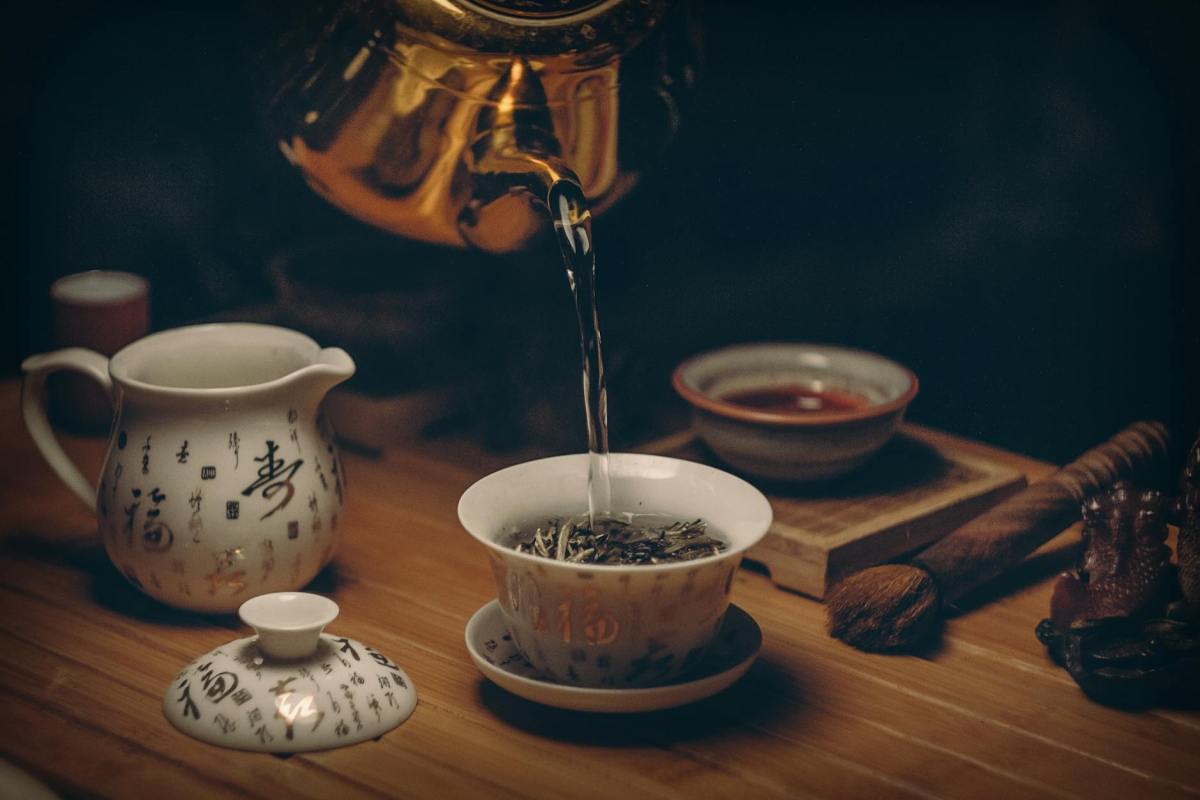
We bring in one of my favorite quotes about tea from Mark Nepo. He likens tea to the way we make sense of our lives. From gathering the leaves, to pouring water over it, to drinking it slowly, we cultivate the aromatic blend that helps us and heals us.

Both Vicki and I like the ritual because it slows us down. Having a cup of tea is like an invitation to bring forward what we already know.

I share my secret for how long I let it steep. And Vicki shows some treasured sets from her family that hold so much more than tea.

Vicki shares a delightful book about making tea that has been a gift and a reminder to let the swirls of tea help settle our thoughts down.

I’m confident you’ll love the scenic and beautiful places we explore as we share the power of storytelling over a cup of tea.

We know you’ll love it!

Search (and subscribe!) for Sharing the Heart of the Matter on Apple, Amazon, Spotify or Pocket Casts OR Listen to it from your computer on Anchor: Episode 89: Tea Time with Wynne and Vicki

HoTM Episode 89 transcript

AND subscribe to our YouTube channel to see a video clip of each story: @SharingtheHeartoftheMatter.

Links for this Episode:

Steeping the Tea Leaves of Life by Wynne Leon

My Kind of Swirl by Vicki Atkinson

Vicki’s book about resilience and love: Surviving Sue

My book about my beloved father: Finding My Father’s Faith

Steeping the Tea Leaves of Life

Above all, watch with glittering eyes the whole world around you because the greatest secrets are always hidden in the most unlikely places. Those who don’t believe in magic will never find it.” – Roald Dahl

The other day the paper on the end of my tea bag string had just two words, “Live consciously.” As I sat and sipped my tea, I thought, “say more.”

Years ago, I read a passage in Mark Nepo’s Book of Awakening that heightened my appreciation for tea.

“If we stop to truly consider it, making tea is a miraculous process. First, small leaves are gathered from plants that grow from unseen roots. Then boiling water is drained through the dried leaves. Finally, allowing the mixture to steep creates an elixir that, when digested, can be healing.

The whole process is a model for how to make inner use of our daily experience. For isn’t making tea the way we cipher through the events of our lives? Isn’t the work of sincerity to pour our deepest attention over the dried bits of our days? Isn’t patience the need to let the mixture of inner and outer brew until the lessons are fragrant and soothing on the throat? Isn’t it the heat of our sincerity that steams the lessons out of living? Isn’t it the heat of those lessons that makes us sip them slowly.”

Steeping my “live consciously” tea bag made me think of three miraculous events that happened in the last 4 weeks.

The first leaf

A few weeks ago, on the last morning we were staying at an AirBnB on Whidbey Island, I took Cooper, the dog, out to go potty. It was 5:30 in the morning and still dark enough to notice that the dome light on my car was turned on. Ugh, it must have been on for almost 24 hours since the kids and I went to the grocery store. I got the keys and tried to start the engine and it wouldn’t turn over. But the dashboard lights came on so I knew it wasn’t entirely dead.

I turned off the light, locked the doors, and went back in to meditate. I tried to dial down the worry about what I’d do if the car wouldn’t start while on vacation and away from the usual people I’d lean on. Check out wasn’t until 11am so I told myself not to fret about it until 10:30am. Instead, the kids and I packed up and went to the beach one last time.

When 10:30am came, I unlocked the doors, put the key into the ignition, prayed, and turned the key. The car started.

The second leaf

Miss O had been asking for weeks to go to the new Boba tea shop in our neighborhood. We tried once and it wasn’t open. Other times we had too much going on. Finally, on a Sunday in mid-April, we got there. Miss O carefully scanned the menu. Her taste palates are pretty selective. After much consideration, she ordered a strawberry chocolate Boba. She took one drink and didn’t like it. She wondered if we could get our money back and looked absolutely miserable. I reminded her that it’s okay to try new things and to not like them.

Mr. D had a raspberry lemon rooibos and was blissfully sucking his down without noticing his sister’s unhappiness. I was standing there pondering. I wanted her to be open to trying new things. But I also didn’t want to signal we could buy $7 teas until she liked one.

Then there was a moment when the shop cleared out, no one was waiting for a drink and there was an extra raspberry lemon rooibos on the bar. I asked the barista if we could pay for it. She said to just take it. Pure magical rescue from our misery!

The third leaf

Mr. D said a few times that he wanted to learn to become a ninja. He repeated this again on a Monday afternoon about three weeks ago when I picked him up from school. Miss O was also in the car. On a whim, we all were up for popping in to the Aikido dojo in our neighborhood to see if it would work.

We showed up right at the time of the class for kids, the sensei told us this class is for training to be a samurai, not a ninja and Mr. D was okay with that. She invited Mr. D and Miss O to join the class starting right at that moment, and they both loved it.

It was one of those moments where everything lined up like dominos. The least planning I’ve ever had to do for a great fit.

Here’s the tea I made from this

Living consciously for me means finding the magic in moments. The light touch that I can sense sometimes when I’m scared, confused, or need an easy win. It doesn’t mean that the dog doesn’t throw up, or I won’t break and spill the glass of water right before I’m supposed to lead a webinar. But it gives me a glimpse of a wider view in which I can find the current to flow with.

Cultivating Abundance and Perspective

Wear gratitude like a cloak and it will feed every corner of your life.” – Rumi

When I wrote the post the other day about The Games We Play, Jane Fritz (of the delightful, informative, and inspiring Robby Robin’s Journey blog) posed the question of why kids act that way. We bandied about some ideas like competition, and while I don’t know the answer, it made me observe my kids a little more closely to find some clues.

My completely unscientific survey of my little family, and I’m including myself in these results, reminded me of a couple things – that we don’t come hard-wired with a sense of abundance and that it takes some work to see a bigger picture.

The method that works again and again for me on both these points is to be grateful. And I say again and again because somehow I forget and have to find my way back to my gratitude practice. This makes me think of a quip that Brené Brown made on the subject – that having yoga clothes in her closet didn’t qualify to make her a yogi and neither does knowing the concept of gratitude make her grateful – it has to be practiced.

So, needing to cultivate the feeling of abundance and perspective, here’s my gratitude list today:

Let’s start with the basics – that I’m awake, alive, and typing this.
For the science and people that remind me that it’s also good to write things out longhand sometimes.

I’m grateful that spring has come to our neck of the woods to warm my bones.

That I got to sit in the warm evening last night and watch my kids in their uninhibited nakedness run around the back yard and squirt each other with (warm) water guns.
That they didn’t squirt me.
That when they need a break, they run into my arms, wet, out of breath, and loving life.

For the smell of BBQs coming out for the first time in Spring and wafting into my yard.

That I was able to do yoga this morning and since I was alone, groan and moan through all the tight places in my body.
That doing yoga reminded me of how grateful I am for my body that I often forget to thank for all that it does well.

For my neighbor that has planted an incredible garden of tulips and daffodils so that I slow down and enjoy it every time we go past.

For the neighbor that surprised me with a loving touch on my back at Costco and asked me to grab something from the top shelf. And for the warmth lingered long after the conversation ended.

For the warmth that exists between people.

For friends, near and far, that share their stories and lives with me.
That I get to talk with them about the things I haven’t even begun to process and then receive their wisdom.
That I’ve gotten old enough to be able to receive wisdom.

For the quiet feel of my house early in the morning.
For the way the glow of the candles I light each morning as I meditate makes me feel lit from within.
That I’m able to find peace at least once or twice a day.

For words like momentous and singular that wake me up to my experience.

That words come pretty easily for me.

For the tenor and vibration of male voices, the light touch of female voices, and the joy in young voices.
For my five senses that vie for attention and also allow me to shut my eyes and open my ears for a different experience.

For old friends that remind me of my journey through this life.
For new friends that come with that opportunity of discovery.
For the way we are all connected.

For the joy on my daughter’s face when she learned to whistle this week.

That I can ask Alexa to play Leonard Cohen’s Hallelujah anytime I want.

For Jack Canfora’s gratitude list: Dear Lord, Not Another Post on This Blog About Gratitude and  WritingfromtheheartwithBrian’s 100 Things I Love that inspire me.

For the opportunities that I have to keep growing.

For the technology that allowed me and Vicki to have a podcast conversation with blogger, Brenda Harrison, from three different timezones and locations and then post it so that others can be delighted and inspired by her energy and enthusiasm. (Episode 15 of the Sharing the Heart the Matter podcast – listen and subscribe!)

That this blogging journey has allowed me to meet and converse with so many interesting people from all over.

For the hour I’ve spent writing this list and that the power of gratitude will touch me every time I go back to edit it and extend with each comment.

(featured photo from Pexels)
Open the Doors, Let It Flow

Deep breathing is our nervous system’s love language.” – Dr. Lauren Fogel Mersy

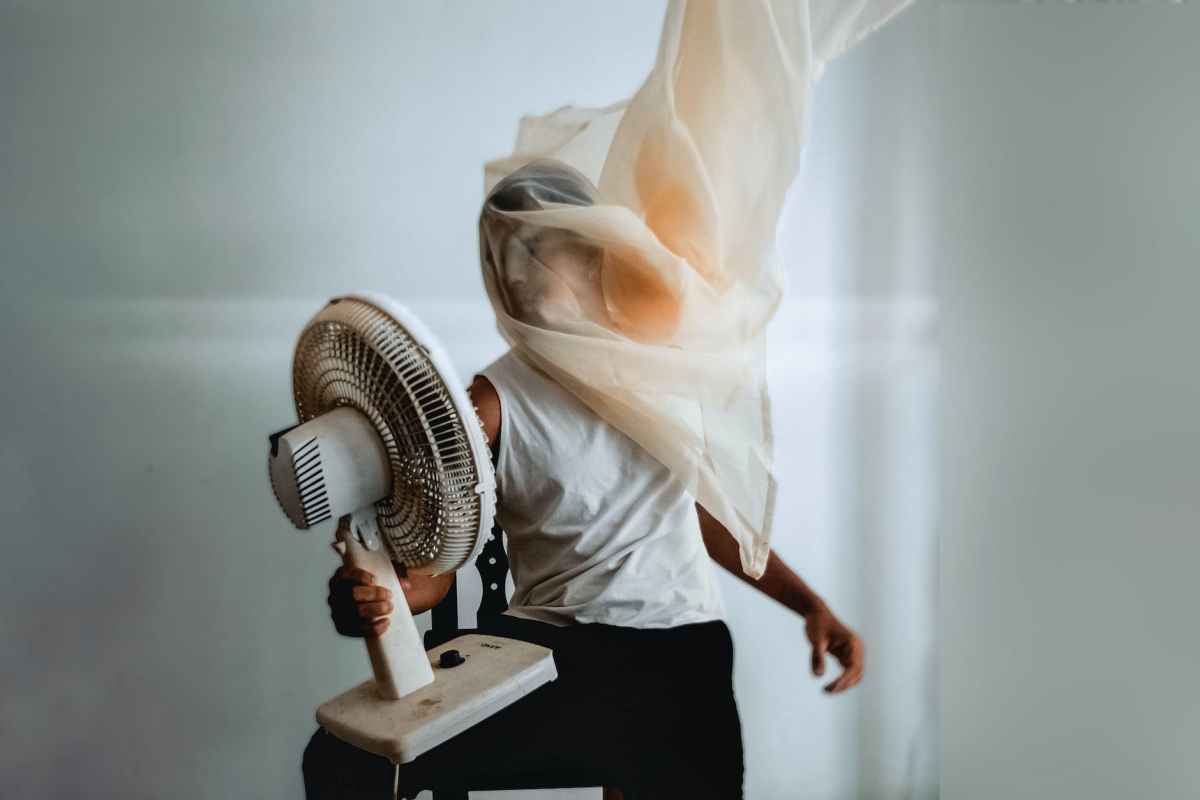
There aren’t that many hot days in Seattle – maybe 10 or 12 a year so like most Seattleites, I don’t have air conditioning. When the days are hot, I close the blinds and try to open the outside doors early in the morning to let the cool morning air in.

But inevitably, there will be a room with a closed door like the laundry room that I’ll walk into after a few hot days in a row, and just get blasted by hot, fetid air.

When I first started meditating, it felt like I was doing the work to open up and cool off all those rooms inside myself that I’d closed down. It was like breathing through the airing of grief – and I had some big ones.

I had gotten divorced but because my marriage had imploded in this spectacular drama when my business partner told me of my husband’s infidelities, I hadn’t ever owned that I had wanted out of that marriage. I was far more comfortable having it all be my ex’s fault – comfortable but not honest.

When I was 18-years-old and came to study (well, that’s what we called it at least) at the University of Washington, I ran into a group of Scientologists trying to recruit new converts one afternoon. The guy who’d stopped me said, “What about yourself do you not want anyone to know?”

Miraculously, I’d gotten to 18 without having anything in that category – or so I thought. But as I got more years under my belt, I tried to maintain that same easy-breezy exterior by hiding anything that didn’t match with that persona. I was ambitious. I almost failed religious studies in college because I never went to class and it was just an elective, but I was a minister’s daughter. I drank a bottle of wine every day. I smoked when I drank. I still bore wounds from my mean older sister growing up.

Meditation changed my life when I started airing out those rooms. I was able to let go of all the energy I was using to keep those doors shut. I no longer felt the heat coming from those rooms affecting the rest of my “house.” The secrets that I thought were so explosive turned out to be way more manageable and easier to change or heal when they weren’t hidden away.

And meditation helps me maintain that baseline level of cool. Like this morning when I sat down on the meditation cushion, felt a cut on my index finger, and I thought about myself “that was stupid.” I had no idea I was still stuck on the fact that I’d taken a band-aid off my finger yesterday and then accidentally re-opened the cut when I washed and dried my hands. Such a simple thing and I was still kicking myself 12 hours later.

Open the doors, let it flow. Like with the body, it is so much easier for me to react calmly to life when I’m not over-heated. Meditation as the air conditioning for the soul.

So I’m thrilled that I was able to do a podcast with my meditation teacher, Deirdre Wilcox. Deirdre introduced me to meditation more than 10 years ago and is my go-to person for helping me air out my hot pockets. Please listen to this wonderful woman with wisdom – I believe you will walk away from it just a little bit breezier as well.

Search for Sharing the Heart of the Matter on Apple, Amazon, Spotify or Pocket Casts or click here to listen to Episode 10: The Power of Intuition with Deirdre Wilcox on Anchor.

Then I hope you’ll leave any comments you have on the show notes page on Heart of the Matter.

(featured photo from Pexels)
Culture Shift

All joy in this world comes from wanting others to be happy, and all suffering in this world comes from wanting only yourself to be happy.” – Shanti Deva

I have contracted my son’s cold so when I went over to see my mom last night, I kept my mask on even inside her apartment. It reminded me of something one of my college-aged friends told me. She said that even before the COVID era, she observed that Asian students would wear masks if they had a cold. That way they could still be diligent about their studies and also be respectful of others.

Watching the news it makes me think that mask mandates have been controversial in this country. It seems that I regularly catch a story about some airline passenger acting out because they don’t want to wear a mask.

But walking around my neighborhood and going into stores, I haven’t seen any of that push back in person. My daughter has been able to go to first grade full-time in person this fall because the kids are really good at wearing their masks.

All this makes me hopeful that as we come out of COVID, as I’m sure one day we will, we Americans can take away that wearing masks is effective against spreading germs and is respectful of others. That maybe this era has a lasting impact enough to create a culture shift because we are so grateful that we can see each other in person, we can just remember to wear a mask if we aren’t feeling well.

(featured photo from Pexels)

Projections

“Turn your wounds into wisdom.” -Oprah Winfrey

My five-year-old daughter was sitting at the kitchen table doing her remote Kindergarten class the other day. To do the work, she needed the packet the school had sent home plus scissors and glue. I found the packet for her and then she couldn’t find her scissors and glue because she hadn’t put them back where they belong. She said to me, “You are making me have the worst day.”

Psychology Today defines the term projection as the “process of displacing one’s feeling onto a different person, animal or object.” We project our feelings onto someone or something else as a defense mechanism. Instead of owning our own BS, we can turn the issue into something else in an effort to protect our own egos.

I think of the time I found out about my husband’s infidelities. One of his friends, who was also my business partner, invited me out to lunch which was odd since we had never had a meal without my husband there too. When I arrived the sense of foreboding was amplified enormously because the friend had chosen a table in a closed section and also ordered me a beer. It was almost a relief when he started telling me of the infidelities because the build-up was so intense. But then I had to go home and tell my husband that I knew. He wasn’t home so I called my brother and four of my closest friends and then went out to dinner with my two best girlfriends. I finally saw my husband and asked, “Have you ever been unfaithful to me?” He answered “no” but seeing that I knew something, he then asked, “Who told you?” Then the next question he asked was, “Who else knows?”

The next months were a master class in projection. That is the perfect word for it. There is a source that is running the show but whenever you try to look for it, you are redirected to the pictures showing on the big screen. Any time the infidelities came up, he expressed his rage that his friend betrayed him (and yes, I saw the irony). Any time he got uncomfortable, he blamed me for revealing his secret. It made it so that we never could talk about the real problems. The message communicated was not that he was sorry, but just that he was sorry that I found out. By flipping the conversation to who I told, it made me the person who had been hurtful.

In a truly honest discourse, we would have been able to discuss not only the root issues but also my shortcomings as well. But if he was going to deflect, there was no way I was going to step forward either. I’m so grateful that marriage ended so I never wonder whether it could have been saved – but I do wonder if we could have cleaned and bandaged the wounds a lot faster had we not lingered in the defensive woods for so long. As it was, it took me many more years of my own work, reading, listening to others, and primarily having to sit with myself in meditation for me to finally own my part in the destruction. Projection might work as a defense but it does not work to heal and grow.

So I find it fascinating when I see the little examples of where my daughter projects. She moves past it and back to her happy place so quickly that it’s just a flash but when it’s calm, I try to guide her back to where it’s safe so we can remove our defenses and own our feelings and mistakes. It’s the only way we can take down the screen and really see what kind of day it is.