Turning Towards

Know all the theories. Master all the techniques. But as you touch a human soul be just another human soul.” – Carl Jung

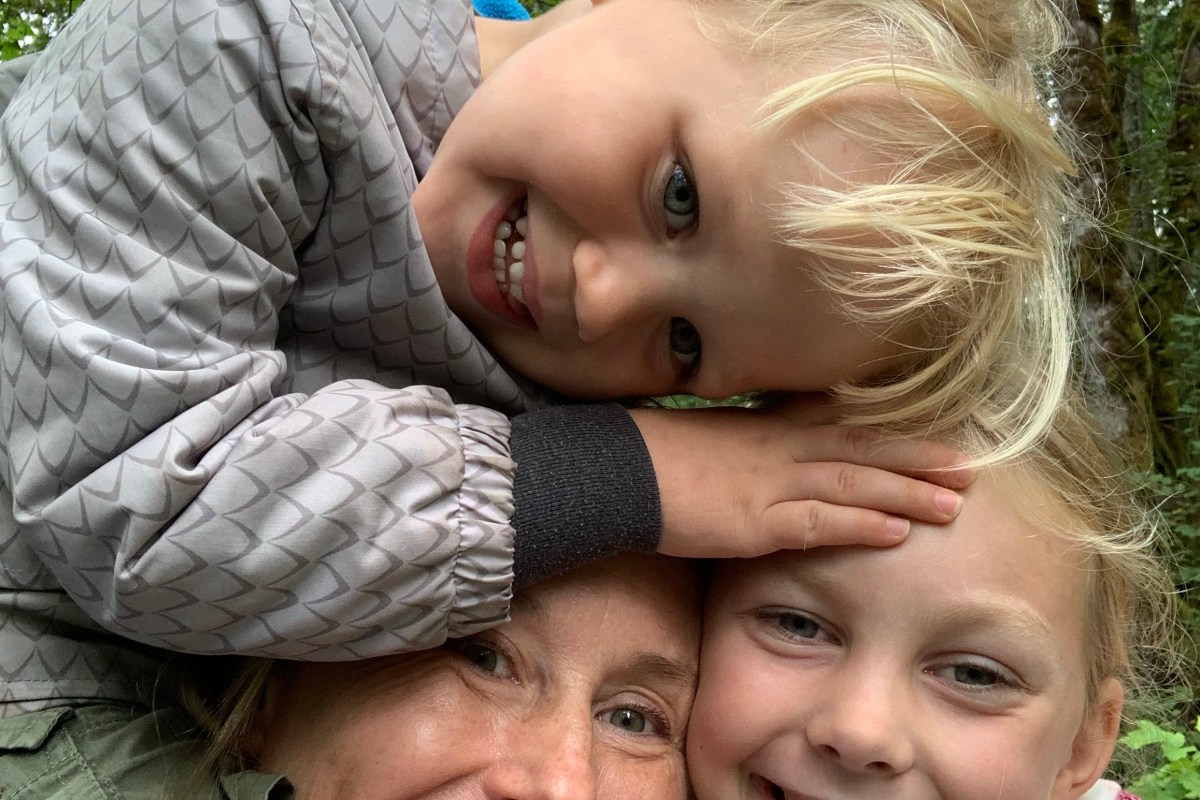
“Guess what?” Miss O says to me and when I reply, she says, “I love you.” It’s a little call and response that I started with her when she was about 4 years-old. But I stopped doing it. She asked me why the other day and I don’t know. Was it because Mr D got older and I didn’t want to leave him out? Or was it because she started to know what I was going to say every time?

These little bids for connection matter according to Drs John and Julie Gottman of the Gottman Institute. They are our ways of turning towards our loved ones and even though the Gottmans primarily focus on partner love relationships, I think it applies to children as well.

On a recent Unlocking Us podcast with Brené Brown, they were talking about their latest book, The Love Prescription: Seven Days to More Intimacy, Connection and Joy, and what caught my attention was how grounded in research their advice is. Not surprisingly since these are the psychologists and researchers who proved their ability to tell if relationships would last and be happy from just 15 minutes of observation with a 90% degree of accuracy.

They made the distinction between turning toward a bid of attention (responding or engaging when your partner says something like “look at that blue jay out the window”), turning away (ignoring) and turning against (responding with something like “why are you interrupting me?”).

In happy relationships, people turn toward their partner’s bids for attention 86% of the time, couples who were not successful only turn toward each other 33% of the time. John Gottman explained the result, “Couples who increase their turning toward wind up having more of a sense of humor about themselves when they are disagreeing with one another, when they are in conflict.

As Brené Brown summarized “Turning toward gives us a sense of confidence about our togetherness.”

“Love is a practice. It’s more than a feeling. It’s an action. It’s something you do and not something that just happens to you and you need to give and get a daily dose to maintain a healthy and thriving relationship.”

The Love Prescription: Seven Days to More Intimacy, Connection and Joy by John Gottman and Julie Gottman

The funny thing about when Miss O does the call and response with me lately is that she gets me almost every time. She says “Guess what?” and my busy head doesn’t anticipate the next part. It’s the surprise that breaks through the momentum of the day.

I can’t remember why I stopped this particular ritual but now that I’ve been reminded, I am delighted to start doing it again. Because what relationship doesn’t need to be grounded in connection and fun?

Wind Beneath My Wings

There are two types of tired. One that requires rest and one that requires peace.” – unknown

On this past Friday morning it was clear that Mr. D had caught a bug. But his 3-year-old brain hadn’t quite registered that he wasn’t feeling well yet and had big plans to go outside without a coat on to collect rocks and leaves to paint.

Fortunately I had just listened to a great Ten Percent Happier podcast that featured Lisa Feldman Barrett, a professor of psychology at Northeastern University with appointments to Massachusetts General Hospital and Harvard Medical School. She was explaining that the primary function of our brain, evolutionarily speaking, is allostasis, “to predict and anticipate the needs of the body and attempt to meet those needs before they arise.” So the brain is trying to determine the salt, glucose and oxygen needs of the body and predictively distribute those resources as appropriate.

Dr. Barrett used the metaphor of body budgeting to expand on this concept. There are activities that expensive: learning new things, experiencing persistent uncertainty, exercising, and stress. And there are some things that are savings deposits: drinking water, sleeping, eating healthy foods. If I understand this metaphor correctly, the brain is trying to balance the budget and needs the deposits to outweigh the spending.

She also added that it’s not only our body that spends the budget but other people influence the system. Others can be a tax that deplete the account or they can be a sale –  they can make things cost less for those around them.

Isn’t that a great idea? And I imagine if you are like me, people spring to mind that tax you as do the ones that make life easier. Now I’m hearing Wind Beneath My Wings by Bette Middler. 

That whole image has me inspired not to be a tax, but instead a sale – to make expensive things, biologically speaking, cost less for others. We can support them as they learn, go along when they exercise and pour a glass of water when they need it most. And while we’re at it – we can do it for ourselves, as well.

Which brings me back to Mr. D wanting to go outside. I got him bundled him and we compromised that he’d ride in the stroller. We hadn’t been out for more than 15 minutes when he started really feeling tired and crummy. For the rest of the afternoon, he alternated napping and snuggling on my lap so I had plenty of time to contemplate how children know and accept letting other people help balance their systems.

Yet another thing I’m learning from my kids.

(featured photo from Pexels)

Step 9: Five Stars

The idea is to write it so that people hear it and it slides through the brain and goes directly to the heart.” – Maya Angelou

I just finished listening to Step 9, a theatrical podcast based on a play written by Jack Canfora and produced by New Normal Rep. The description of the play includes these details,

“STEP 9 tells the story of Emily, a woman wrestling with the implications of prosecuting the man who raped her in college 30 years ago. Is she willing to relive the horror of that night in the pursuit of justice?”

I don’t think I’d normally select a drama where the description includes rape and prosecution but Step 9 is written by my friend Jack and I know from his other work that he deftly handles any topic with humor and insight.

And that is true with this theatrical drama, performed by an incredible group of actors. I’d say the two words I’d pick for this play (other than terrific and worthwhile) are resonant and healing. It speaks to our woundedness and with amazing dialogue walks us towards wholeness. A must listen.

 You can find Step 9 by searching New Normal Rep Step 9 wherever you podcast or go to: https://tinyurl.com/Step-9-NNR

A Voice From the Past

Would I rather be feared or loved? Um…Easy, both. I want people to be afraid of how much they love me.” – Michael Scott

On the first weekend of August, Seattle holds its Seafair festival. There’s a parade downtown, the Blue Angels do their airshow and at the center of the activity is the hydroplane races on Lake Washington. Most summers my brother hosts an outing on his boat to watch the Blue Angels fly. The featured photo is a picture I took from my brother’s boat this summer of the Blue Angels.

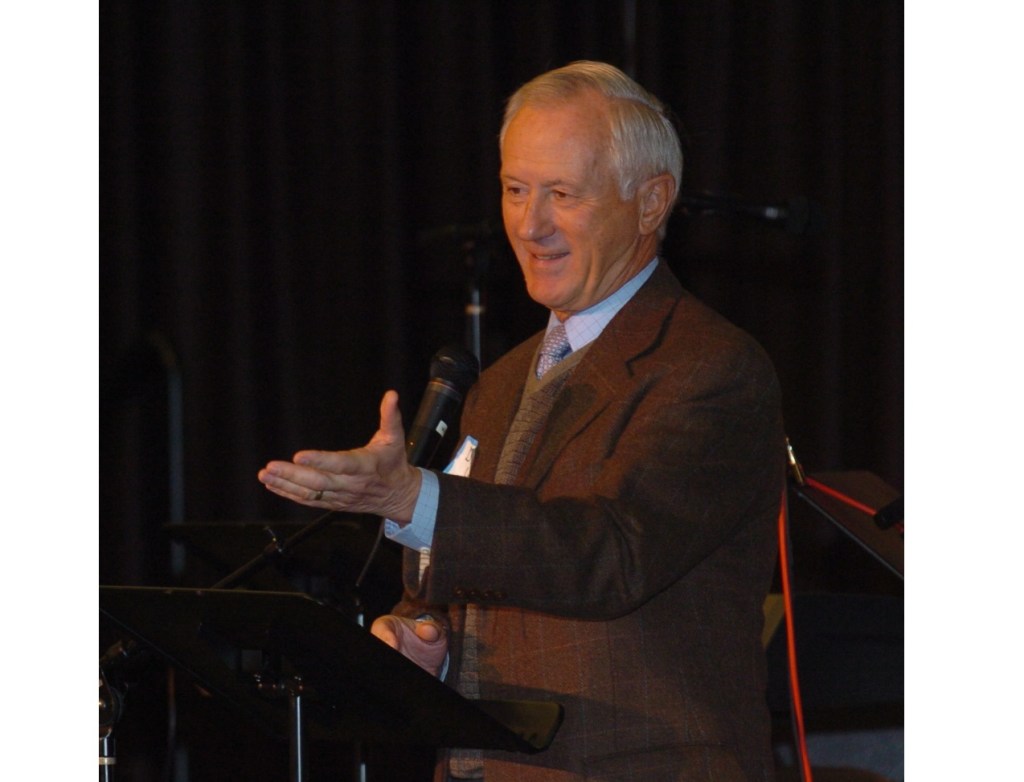
When my dad was alive and we were together watching, I’d make him recount the story of watching the first Seafair hydroplane race in Seattle when he was 15 or 16 years old. It was one of my favorite stories that Dad told.

So in light of this week of the anniversary of my dad’s death and of talking with Troy about writing about him, I put together this audio recording of my dad telling this story. It’s rough, informal and short (five minutes) – just a recording I made of him on my voice app but for anyone who loves my dad’s humor cards I feature on Sunday Funnies and is curious to hear his voice, here it is: Wynne Leon on Recording Your Loved Ones

My Book Baby

The inner life of any great thing will be incomprehensible to me until I develop and deepen an inner life of my own.” – Parker J. Palmer

The death of my dad and the birth of my daughter are forever tied together in my mind. The day that I finished all the plans and paperwork to try to get pregnant via IVF, I sat at my desk and thought, “Wow, my world is about to change.” And the next day my dad suddenly died in a bike accident and I thought, “No, not like that!”

Then I spent 9 months taking the recordings I’d made of my dad and the effort I’d begun to write about his life and creating a book about him. On a night in August, at the end of the day I’d finished the very last line edits for the book, I went into labor with Miss O.

The birth of my baby right after I’d put my metaphorical book baby, Finding My Father’s Faith, to bed has meant that I haven’t thought much about the book in the last seven years. Until someone like the wonderful and insightful Vicki Atkinson of the Victoria Ponders blog comes along and reminds me of my book baby and I revisit the delight in the midst of grief of writing that for my dear dad.

Oops – I buried the lede – a podcast episode about my book

And I recently talked about the book, being a pastor’s daughter and the value of recording our loved ones with Troy Headrick in this Wise & Shine podcast. Here’s a link if you want to listen: Wynne Leon on Finding My Father’s Faith.

Singing To the Other Side

The patterns we perceive are determined by the stories we want to believe.” – John Verndon

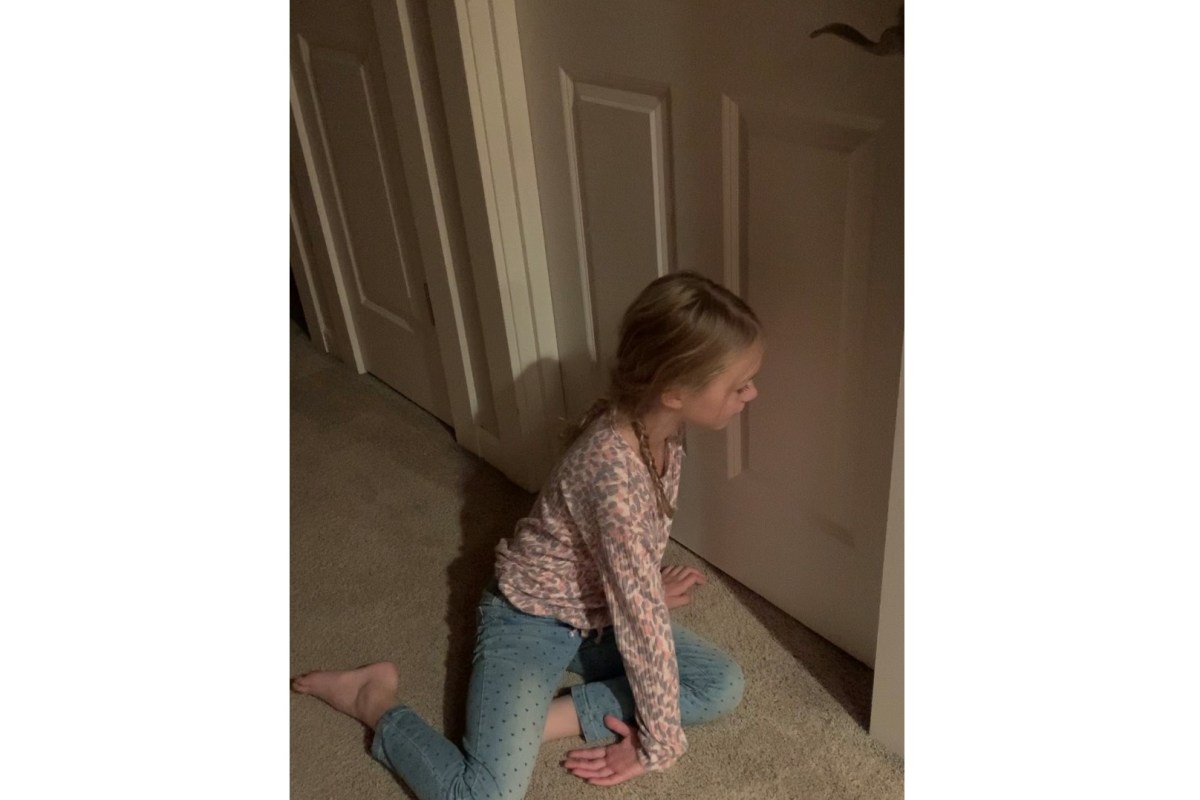
Last Friday before school, Mr. D didn’t want to come out of his room. He said there were monsters in the hallway. In a hurry to get the kids fed and ready for school, my plan was just to let him sit on his side of the door until he was ready to come out. But Miss O sat down outside his door and started singing “Do you want to build a snowman?” from the movie Frozen.

I have been reading The Persuaders after hearing a great podcast with Anand Giridharadas on Unlocking Us with Brené Brown and it helped me to see her efforts in a new light. She was meeting Mr. D where he was at, applying the song to the situation at hand.

It seems fitting on this day before mid-term elections to talk about this book in which Giridharadas, a former correspondent for the NY Times, talks about what he sees as the biggest danger to democracy – dismissing each other. When we stop believing that we can have fruitful discussions, we stop talking to each other.

Instead he interviews community organizers who are on the ground working for change and tells their stories of what works. One of the main points being meeting people where they are at – not expecting that we’ll all talk from the same language, perspective and assumptions. From there we can have conversations that move us all along.

Here’s where I admit that I haven’t finished the book. But it makes sense to me that when we are more united because we talk to each other, it’s harder for people to stoke the divide in our politics, whether it be politicians or trolls. Giridharadas spends time detailing what the Russians did with their troll farms in 2016 and I thought it was fascinating that a large part of what they did with their far-left and far-right trolls was to foment disgust about the other side. Much of what they tweeted about wasn’t facts – more like gossip that was like “Can you believe what the other side thinks?”

What I love about what Miss O’s effort is that she didn’t just leave Mr. D sitting on the other side of the door. She didn’t walk away and just leave him alone to do it his way, but instead through a little song that is sweetly sad, made him laugh and want to join in. It took her 44 seconds to get him to come out – I know, because I took a video.

Meeting people where they were at was a special talent of my dad’s as well. On this eighth anniversary of his death, I find it warming to write about how that skill is playing out across generations and if we make an attempt, can make a difference in our communities too.

Do You Want To Build a Snowman?

Do you want to build a snowman?
Come on let’s go and play
I never see you anymore
Come out the door
It’s like you’ve gone away!
We used to be best buddies
And now we’re not
I wish you would tell me why.
Do you want to build a snowman?
It doesn’t have to be a snowman

Going Round in Circles

While the world is full of wondrous sights, inner peace comes from staying home.” – The Tao Teh Ching

I live next to a little lake in Seattle. A lake that is about 2.8 miles in circumference. In the morning, I take Miss O to school on the north end of the lake, Mr. D to daycare on the east side of the lake and then home to work on the west side of the lake.

And then most afternoons I do the circuit again and pick up my little family.

I’ve been trying to put my finger on why sometimes it just seems like I’m going in circles and others it feels like a beautiful rhythm.

When I feel like I’m just going in circles, it’s when I’m in a rut or really impatient for what comes next. In those moments, what I’m doing just feels like something rote especially because I’ve lived somewhere around this lake in one place or another ever since I graduated from college 30 years ago.

The cure I’ve found for this is to slow down and notice what I’m seeing – the ducks, the water, the runners, the sky. Anything to tether me more closely to the sensation of today instead of the culmination of all that I’ve seen in the yesterdays.

And when I’m in the space to appreciate the rhythm of my trip around the lake, I have this beautiful sensation of knowing what’s important to me. It’s an exceptionally warm sense of gathering my family and the idea that we’ll all be together again and bundled in close.

So I’m growing to appreciate the metaphor of this full circle trip. The letting go and then collecting. It reminds me of all the other cycles: being fully open but then needing to shut down, time of great productivity and then needing to relax. Or, as I wrote about in the When I Write post, the mystical, depth of my mood in the morning contrasted with the state of the evening when I’m a shallow as a muddy puddle and just as unclear.

For all of these contrasts, there is always one that I prefer – being open, greatly productive and deep. Or in the bigger cycles of life like birth and death, or seasons of light and dark, I’d choose birth and light every time.

But unless I’m resisting, I always learn from the less favored part of the cycle. Usually that’s when I get to see the connections and meanings. When I can lean in to what I don’t like, I find the heart of the matter.

So round and round the lake I go, dropping off and picking up which allows me to honor all the other cycles and hold my little ones more dear.

(featured photo is a picture of the lake that I took from the plane on my return from my trip about 6 weeks ago)

To Dance or Not to Dance?

We’re fools whether we dance or not, so we might as well dance.” – Japanese Proverb

The other day a friend and I were talking about a conflict that’s arisen in her multi-decades marriage. She’s taken up ballroom dancing and loves it. It engages her mind and body in a way that feels like something generative and renewing. She loves studying the movements and the thrill of putting it all together.

Her husband doesn’t have any interest in doing it with her but also has a problem with her dancing with other partners. At times the thought of her dancing with someone else makes him feel queasy. He wants her to quit.

Before I continue, I must interject that these are both very smart, well-intended, committed and gracious people. This particular conflict occurs amidst the backdrop of a loving marriage, not as a crack in something that is already falling apart.

As my friend has progressed with ballroom dancing, she’s learned a great deal – but there have also been injuries that come with learning something new and moving in different ways (usually minor). Every time she has an injury, she wonders if this is a sign that she should quit or if she is learning to push through adversity. And every time it renews the conflict in her marriage. To push through both an injury and the resistance of having her husband against the idea is more than twice as hard but the idea of her hanging up her dancing shoes makes her feel sad and a little robbed of joy.

This is where things become muddy for me. First as someone who has been single for over a decade, I am sorely out of practice at compromise. But mostly because it seems to me that this conversation, and maybe most conversations where we can’t be supportive of what someone else wants to pursue with good intentions, are about something else. Unresolved conflict, old stories, wounds that haven’t healed, insecurity?

When I look at the situation, I can see the ripple effect that comes from one person forcing another to quit something they love. But it’s of course far more complex with that when you have more than two decades of history. It seems like my friend and her husband are already dancing but somehow have gotten out of sync.

So how do they find the wisdom to get back in step?

(featured photo from Pexels)

Generationally Speaking

You can never really live anyone else’s life, not even your child’s. The influence you exert is through your own life and what you’ve become yourself.” – Eleanor Roosevelt

Back when I was interviewing my dad about his faith, I came across a passage in psychiatrist and author Dr. Scott Peck’s book Further Along the Road Less Traveled that described four stages of faith. He described an experience of what can happen generationally when kids grow up in stable, religious homes:

What happens to a child raised in such a stable, loving home and treated with dignity and importance? That child will absorb his parents’ religious principles – be they Christian, Buddhist, Muslim, or Jewish – like mother’s milk. By the time the child reaches adolescence, these principles will have become virtually engraved on his heart or ”internalized,” to use the psychiatric term. But once this happens, they will no longer need to depend upon an institution for their governance. It is at this time, which in healthy human development is usually at adolescence, that they start saying, “Who needs these silly myths and superstitions and this fuddy-duddy old institution?” They will then begin – often to their parents’ utterly unnecessary horror and chagrin – to fall away from the church, having become doubters or agnostics or atheists. At this point they have begun to convert to Stage Three, which I call “skeptic/individual.”

Further Along the Road Less Traveled by Scott Peck

I’ve heard this progression described in other contexts as well. From social psychologist Jonathan Haidt who described kids who grow up as beneficiaries of capitalist wealth demanding more socially and environmentally responsible policies as they come of age.

And from therapist Jacob Ham who talks about first generation survivors of war being primarily focused on physical and financial security with little capacity to talk about their emotions. It isn’t until the next generation comes along that they start to unpack emotional intelligence.

How life changes between generations is the topic of my latest post on Wise & Shine: Enough is Enough.

More Than a Cup of Coffee

When we do the best that we can, we never know what miracle is wrought in our life, or the life of another.” – Helen Keller

Yesterday morning I had a house guest. I could hear that she was ready to come downstairs so before I went upstairs to wake the kids, I made her a cup of coffee and left it on the counter with a note.

When I returned with the kids, she said, “I can’t believe you had time to make me a cup of coffee.

She turned to Mr. D and said, “Your mom is a miracle worker.” I smiled because it really was not a big deal. But no one need worry that I’ll get all puffed up because Mr. D replied,

My mom is a mommy.

It reminded me that as we go through our day, what we do is largely interpreted by the roles we play: parent, friend, sibling, daughter/son, grandparent, neighbor, project manager, boss, boy/girl scout, whatever. Those around us expect us to perform our duties as per our roles. And when we do, it seems then we don’t stand out for all the many things we do.

But that doesn’t make our best efforts any less miraculous. Especially when we are getting it done under tough or stressful circumstances, we are touching others as we do our “jobs.” The stretch that it takes to be a little more intentional, a little more careful or put in a little more effort to do it right will change us and the people around, even if it’s not immediately visible.

We can’t control how or whether other people will see us. But as the Helen Keller quote says, when we do our best, we never know how it’ll touch others. Hopefully for the better.

And if nobody notices, perhaps they have not yet had their cup of coffee. 😊

Has anyone noticed what you have done recently? Or do you have a story about noticing someone else’s best efforts?