How to Share Risks

Remember: Not all positive change feels positive in the beginning.” – S.C. Lourie

This is a friendly warning: It’s risky to comment on this blog. I’m joking, of course, but have a great example of no good comment goes unpunished. šŸ™‚

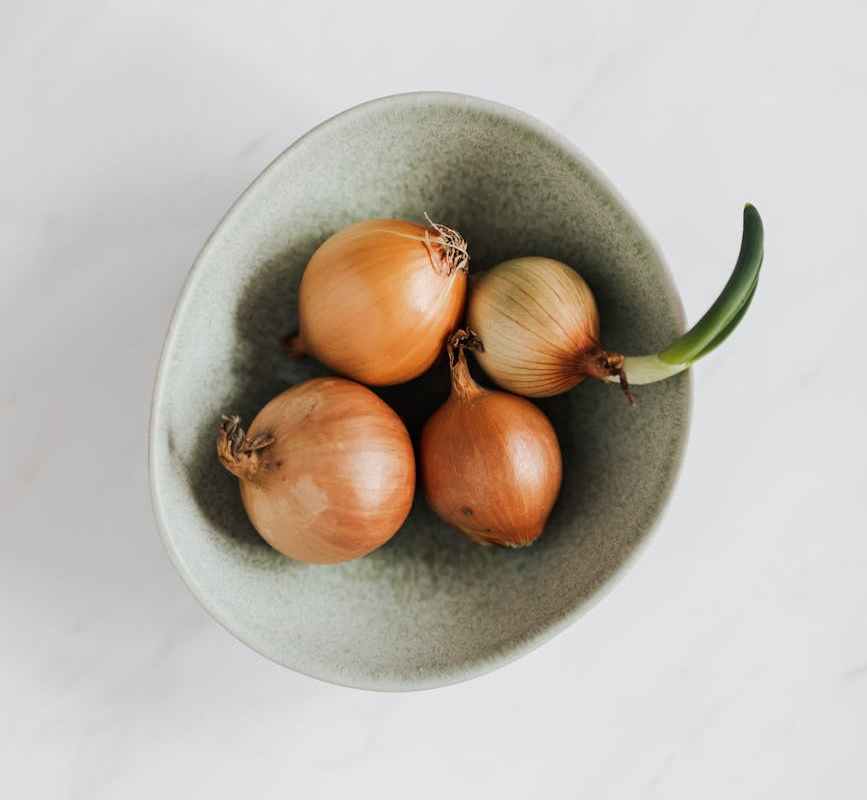
A couple of weeks ago Brian Hannon commented that he approached finding positivity from another perspective on the How to Share Optimism podcast I did with Mark Petruska. To hear Brian describe it, it’s like peeling back an onion. The outer layers are the risks of a thing, whether it be an idea, invitation, initiative, or something else. Those layers need to be dealt with before reaching the savory goodness on the inside.

At which point, I invited Brian on the podcast to talk about his approach of sharing risks.

As a corporate communications professional, Brian Hannon has incredible wisdom about identifying risks and communicating effectively. In this episode of the How to Share podcast, Brian shares his unique perspective on optimism, emphasizing the importance of acknowledging risks and challenges before moving towards a positive outlook.

Brian discusses the role of authenticity in communication, the balance between optimism and realism, and how humor can help navigate difficult conversations. Our conversation also touches on parenting and the lessons learned from life’s challenges, ultimately highlighting the value of embracing discomfort for personal growth.

Takeaways

  • Brian sees risks and challenges first before finding positives.
  • Acknowledging failure is crucial for a realistic perspective.
  • Authenticity is essential in communication and leadership.
  • Humor helps in delivering downsides without negativity.
  • Writing helps clarify thoughts and learn from experiences.
  • Embracing discomfort can lead to long-term growth.
  • Balancing perspectives can enhance collaboration and understanding.
  • Life’s challenges often provide valuable lessons.
  • Parenting influences how we perceive risks and challenges.
  • Finding a middle ground between optimism and realism is key.

Here’s a preview of Brian’s grounded and resilient approach:

Here are some ways you can listen and watch this incredible episode:

Please listen, watch, provide feedback and subscribe.

How To Share a Ghost Story with Alyson Richman (updated) How To Share

In this episode, hosts Wynne Leon and Vicki Atkinson talk with best-selling author, Alyson Richman. They talk about Alyson's latest historical novel, 'The Missing Pages', inspired by the true story of Harry Elkins Widener, who perished on the Titanic. The conversation delves into Alyson's research process, her writing style, and the emotional themes of grief and memory woven throughout her work. They also touch on the adaptation of her previous best-selling book, 'The Lost Wife', for film and Alyson's current writing projects.TakeawaysAlyson Richman's novel 'The Missing Pages' is inspired by a true story.The book intertwines the past and present through a ghost narrative.Richman emphasizes the importance of being open to unexpected gifts.Her research process involves extensive historical exploration.She writes organically, without a strict outline.The themes of grief and memory are central to her storytelling.Richman's characters are deeply developed and emotionally engaging.Historical facts serve as building blocks for her narratives.The adaptation process for film can be lengthy and complex.Richman is currently working on a new novel about Edith Wharton.Links for this episode:The Missing Pages on ⁠Barnes & Noble⁠ and ⁠Amazon⁠⁠Alyson Richman's website⁠From the Hosts:Vicki’s book about resilience and love: ⁠Surviving Sue⁠; Blog: ⁠https://victoriaponders.com/⁠Wynne’s book about her beloved father: ⁠Finding My Father’s Faith⁠; Blog: ⁠https://wynneleon.com/
  1. How To Share a Ghost Story with Alyson Richman (updated)
  2. How to Share a Ghost Story with Alyson Richman
  3. How to Share Nutrition and Safety with Meg Bowman
  4. How to Share the Ball with Glenn Mutti-Driscoll
  5. How to Share a Sandwich with Karen Olson

Links for this episode:

⁠Brian’s blog: Writing from the Heart with Brian⁠

⁠Brian Hannon⁠ on LinkedIn

(featured photo from Pexels)

Recycling and Enlightenment

Do the best you can until you know better. Then, when you know better, do better.” – Maya Angelou

Seattle has great recycling. I know that’s probably not on the list of things that makes you want to come visit but I think it’s pretty cool. We don’t have to sort things into separate bins for aluminum, plastic and cardboard anymore and it’s free.

Also in 2015, Seattle declared that food waste was no longer okay to put in the garbage. They improved the composting capabilities so that food waste can be put in our yard waste bins for weekly curbside pickup service. The estimate was that a third of food in America is thrown away. When put in garbage, it rots and produces methane but if composted, it can become rich material to facilitate growth.

Here’s the complication – it makes it awkward when we travel. We’ve been on Whidbey Island for a week. One of my favorite places in the world. But they don’t have composting and they don’t pick up recycling.

To be fair, there are big garbage dumpsters at the place we are staying so there’s plenty of space to just throw everything in to go out with the garbage service. Except that I can’t do it – and none of my Seattle friends can either. We make our little piles of recyclables and create schemes to haul them away.

I find this incredibly hopeful. Just like the Maya Angelou quote for this post. Because as we up our game, whether it be in how we dispose of things, or our relationships to others and the world, it becomes very hard to go back.

Isn’t it interesting that when you stumble on enlightenment, that you can’t unsee it? Perhaps this is a stretch but I’m recycling the analogy – it’s kinda like self-awareness. Once I notice that I see something through a lens of fear, greed, or selfishness, it’s harder to maintain that lens.

It means that when we know better, we do better. Also, that progress can be sticky and have an impact. We just need to keep upping the game.

(featured photo from Pexels)

You can find me on LinkedIn: https://www.linkedin.com/in/wynneleon/ and Instagram @wynneleon

I host the How to Share podcast, a podcast about collaboration – in our families, friendships, at work and in the world.

I also co-host the Sharing the Heart of the Matter podcast, an author, creator and storytelling podcast with the amazing Vicki Atkinson.

How To Share Optimism

“Light and shadow are opposite sides of the same coin. We can illuminate our paths or darken our way. It is a matter of choice.” – Maya Angelou

You know the skit about positivity? It goes something like this:

Johnny: “We have to drive three hours to have lunch with relatives I’ve never met? This is going to suck!”

Mom: “Johnny, you haven’t even met these people. You need to be more positive.”

Johnny: “I’m positive this is going to suck.”

I’m a congenital optimist. It’s taken me decades to understand my own filter and figure out how it effects others. As a parent, an entrepreneur and as a leader, I’ve come to see that optimism can be helpful when encouraging others, but it has to be tempered with genuinely acknowledging the ups and downs. In the end, I see optimism more as fuel to keep trying than an expectation about an outcome.

Which aligns with the How to Share podcast conversation I had with the incredible author and blogger Mark Petruska. He also is an inveterate optimist and together we explore the concept of optimism, discussing its definition, the importance of timing when sharing optimistic views, and the audience’s receptiveness to such messages.

We delve into the relationship between optimism and empathy, the balance between optimism and realism, and the idea that optimism can be cultivated as a skill. Our conversation emphasizes the significance of understanding individual circumstances and the stages of acceptance and grief when offering encouragement.

How To Share Optimism Takeaways

  • Optimism is defined as a favorable view of the future.
  • Timing is crucial when sharing optimism, especially during difficult times.
  • People may not be receptive to optimism until they reach acceptance
  • Empathy plays a significant role in how we share optimism.
  • Optimists may live longer due to lower stress levels.
  • Optimism can be cultivated and strengthened like a muscle.
  • It’s important to balance optimism with humility and realism.
  • Sharing personal experiences can enhance the impact of optimistic messages.
  • Understanding your audience is key to effectively sharing optimism.

This is a great episode that will get you thinking about the lens you look through – and how to share it with others. I’m optimistic that you’ll love it.

Here’s a sneak peek of the great conversation with the amazing Mark Petruska:

Here are some ways you can listen and watch to the full episode:

Please listen, watch, provide feedback and subscribe.

How To Share a Ghost Story with Alyson Richman (updated) How To Share

In this episode, hosts Wynne Leon and Vicki Atkinson talk with best-selling author, Alyson Richman. They talk about Alyson's latest historical novel, 'The Missing Pages', inspired by the true story of Harry Elkins Widener, who perished on the Titanic. The conversation delves into Alyson's research process, her writing style, and the emotional themes of grief and memory woven throughout her work. They also touch on the adaptation of her previous best-selling book, 'The Lost Wife', for film and Alyson's current writing projects.TakeawaysAlyson Richman's novel 'The Missing Pages' is inspired by a true story.The book intertwines the past and present through a ghost narrative.Richman emphasizes the importance of being open to unexpected gifts.Her research process involves extensive historical exploration.She writes organically, without a strict outline.The themes of grief and memory are central to her storytelling.Richman's characters are deeply developed and emotionally engaging.Historical facts serve as building blocks for her narratives.The adaptation process for film can be lengthy and complex.Richman is currently working on a new novel about Edith Wharton.Links for this episode:The Missing Pages on ⁠Barnes & Noble⁠ and ⁠Amazon⁠⁠Alyson Richman's website⁠From the Hosts:Vicki’s book about resilience and love: ⁠Surviving Sue⁠; Blog: ⁠https://victoriaponders.com/⁠Wynne’s book about her beloved father: ⁠Finding My Father’s Faith⁠; Blog: ⁠https://wynneleon.com/
  1. How To Share a Ghost Story with Alyson Richman (updated)
  2. How to Share a Ghost Story with Alyson Richman
  3. How to Share Nutrition and Safety with Meg Bowman
  4. How to Share the Ball with Glenn Mutti-Driscoll
  5. How to Share a Sandwich with Karen Olson

Links for How To Share Optimism podcast episode:

Storyteller and writer Mark Petruska

Is Optimism Something We’re Born With? | Psychology Today

Hope and Optimism as an Opportunity to Improve the ā€œPositive Mental Healthā€ Demand – PMC

The Difference Between Hopeful Optimism and Toxic Positivity | Psychology Today

(featured photo from Pexels)

Rose-Colored Glasses

“You know what’s funny? When you look at someone through rose colored glasses all the red flags just look like flags.”- Wanda Pierce

This was previously published on 7/27/2022. Heads up – you may have already read this.


A few weeks ago I had plans to take my kids to a wedding in Leavenworth, WA a couple of hours away from where I live. On the day we were to leave, my stomach hurt. I chalked it up to a deli sandwich that I’d eaten the day before and loaded the kids into the car anyway. My only concession was to bring a can of Ginger Ale to calm my stomach but I judged my ability to go and take care of two young children was fine because that was as bad as I was going to feel.

I’m a congenital optimist. That is to say, I don’t work at having an optimistic attitude and it took me at least 40 of my 53 years to figure out how deeply my outlook is colored. And even that is an optimistic estimate because I’m still working it out. There are a few things that my optimism has categorically gotten wrong:

  • Dating: Nothing in common? No problem, I just figure that makes it interesting.
  • Traffic: Despite living in a metro area with consistently bad traffic, I always go with the low end estimate of travel time.
  • Weather: When it’s raining, as it does often in Seattle, I think it’s great because that means it going to stop when I want to go out for a walk.

The Ancient Greeks inscribed ā€œKnow thyselfā€ at the Temple of Apollo at Delphi. I’ve found that self-awareness to be a powerful tool to help correct for my inclinations. Specifically, to help me peel back the rose colored layer that my mind adds to pretty much every scenario. It helps me to add 15 minutes to my travel time, dress appropriately for the weather and realize that I don’t need to sign up for every date.

Even as I’m optimistic that I’ve learned how to adjust for my optimism, life presents me with new opportunities to be self-aware. As I traveled on that trip with my kids out of town, my stomach pains got worse and I had a couple of sleepless nights crammed in a hotel room with my 2-year-old and 6-year-old. Now I realized my optimism had told me that how sick I was when I first got the symptoms was as bad as it was going to get. Oops!

Fortunately, it wasn’t all that bad and I just needed to power through getting us home safely. And since optimism has signed me up for a lot things I think are going to go great and turn out to require a lot of resolve (I can think of at least 2 mountain climbing trips in this category), I am plenty experienced at powering through.

Mark Twain said, ā€œThere is no sadder sight than a young pessimist, except an old optimist.ā€ Maybe that’s because if optimism hasn’t killed us before we reach old age, then it’s poor form if we haven’t figured out that it’s all a trick of the mind. I don’t think my optimism is going to ever go away but when I see it now I laugh and say, ā€œHi, Old Friend!ā€

(featured photo from Pexels)

The Road to Gratitude is Paved With Things Going Wrong

Let gratitude be the pillow upon which you kneel to say your nightly prayer. And let faith be the bridge you build to overcome evil and welcome good.” – Maya Angelou

A couple of weeks ago Mr. D was silent on the way home from school on a Thursday. It was a special, I’m 3-years-old and I have no words for it but I’m about to be sick kind of quiet. And sure enough, within a couple of hours, he had a temperature of 101 and was coughing.

As I kept him home from school on Friday, I was so grateful that he’d have the weekend to heal. Then charting out the typical course of illness for my little family, I was grateful that Miss O would probably make it until her mid-winter break before she caught the cold. And then I was grateful that it wasn’t Covid.

In other words, I was filled with all sorts of gratitude in the midst of something going wrong. As I was juggling my work schedule to take care of a sick child, I felt the full force of what I had to be thankful for.

ā€œWithout exception, every person I interviewed who described living a joyful life or who described themselves as joyful, actively practiced gratitude and attributed their joyfulness to their gratitude practice.ā€

BrenƩ Brown in the Gifts of Imperfection

BrenĆ©’s quote ties together gratitude and joy. But for me, I think there’s another relationship at play – that is with optimism. When I’m feeling hopeful and optimistic, I don’t spend much time on gratitude because I assume everything is going to work out. It’s only when they aren’t going swimmingly that I reconnect with gratitude and begin the upward spiral.

I’ve described myself as a congenital optimist. But I have a daily rhythm where I slide from hope to hopelessness. By the end of the day, I’m exhausted, my inner critic is in full force, and I find myself feeling more often than not, that my efforts in any or every area or all for naught.

Listening to my inner voice at 8pm the other night when my kids went to bed, I noticed this different tone. I was critical at myself for not putting away their cups of special sparkling apple juice when my kids went to brush their teeth so that when my son drank a sip of it after he brushed his teeth, all I could imagine were little sugar cavity bugs eating his enamel all night. And, in my head, I was angry at my kids for leaving a squishy toy on the floor that I veered away from only to hit my knee on the cabinet.

It’s easy to blame my bad nightly attitude and tiredness on my kids. But before I had kids, it was the same time of day that I’d start drinking wine so perhaps I just naturally accumulate dust during the day that makes me less sparkly.

But it’s during those hours when I’m less sparkly that I’m most grateful. That helps me to sleep and re-attach to my optimism.  It’s a cycle from optimism to darkness, then to gratitude which fills me with joy. I’ve noticed it is a full-circle that feeds itself as it progresses. It keeps me in touch with what’s important – which is most obvious when I’m in the down part of the loop.

In part I noticed this cycle because of a podcast I did with Libby Saylor (aka The Goddess Attainable) about her post Really Listen to the Way We Talk To Ourselves. In this delightful and illuminating conversation, we talk about self-compassion, dating and the mirror of love, and healing wounds from our families of origin. It was Libby that got me really listening to myself and focused on a lovely goal – to listen to myself (in any part of the cycle) with love.

I’d love for you to listen to our podcast.  Join us by following this link: Episode 6: Really Listen to the Way We Talk To Ourselves to listen on Anchor. You can also find it on Apple, Amazon, Spotify and Pocket Casts by searching for Sharing the Heart of the Matter.  Please subscribe!

A Better Perspective On The Glass

Be confident, not certain.” – Eleanor Roosevelt

When looking through the profiles of the potential donors that I had to choose from for my kids, the sperm bank provided very thorough profiles of the candidates. The one I chose had rated every one in his direct family and extended family except one aunt as an optimist. I thought that would fit perfectly with my family history.

But the older I get and the more that I practice meditation, I’m realizing that optimism is a trait with a downside. In fact, the most common suffering I experience these days is when I let my optimism go unchecked. This is the topic of my latest Wise and Shine blog post: The Glass is Refillable

(quote from David Folstad of the Life and Random Thinking blog and featured photo is from Pexels)

Know Thy Self

The man who is a pessimist before 48 knows too much; if he’s an optimist after it he knows too little.” – Mark Twain

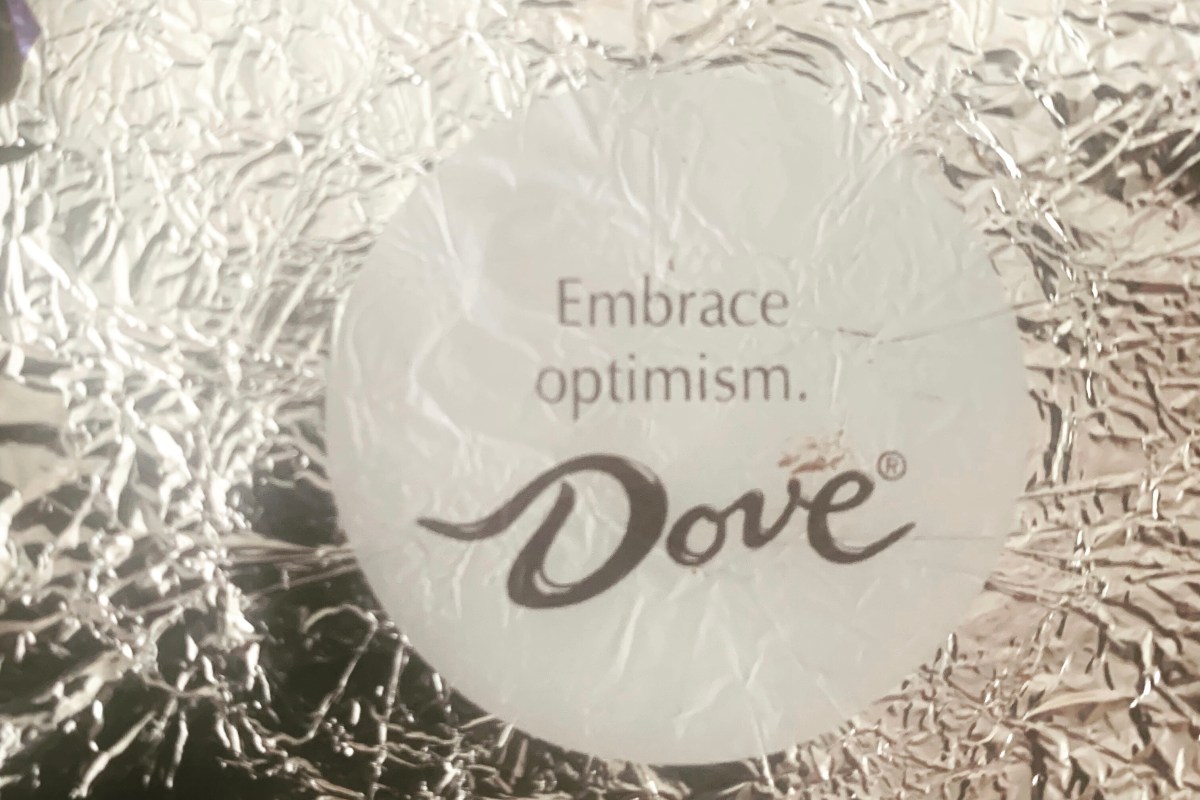
The other day I posted a picture of a Dove chocolate wrapper that said, “Embrace optimism” on Instagram. One of my friends from college commented, “I think it’s safe to say you’ve been giving optimism a bear hug for your whole life!

She’s right – I’m a congenital optimist. It took me 42 years to realize year to realize it’s a trick of the mind because I came with it installed. And then it’s taken me 10 more years to figure out what things I get wrong because of my outlook. That puts me a little behind the curve according to my Mark Twain quote, but I’m working on it. It’s the subject on my post for the Pointless Overthinking blog: Rose Colored Glasses.

Fear of the Dark

Go into yourself and see how deep the place is from which your life flows.” – Rainier Maria Rilke

I have a clock that projects the time and temperature onto the ceiling of my bedroom so that lying in my bed I can open my eyes and when they finally focus, I can see what time it is without so much as moving a muscle. It’s a pretty silly gadget but I’ve had it for more than 10 years and since it continues to display the time, I can’t very well justify getting a new clock. But it has to be dark enough in the room to see the numbers so I was surprised this morning when I awoke at 5:24am and could see it on the ceiling. The 16-hour days of summer have passed and even though it took me a couple more minutes to adjust to that and get myself out of bed, I loved getting up in the dark, it has an extra layer of quiet.

When I was younger, my sister used to call my ā€œPollyanna.ā€ Which I think was a compliment but our relationship is fraught so it’s hard to tell for sure. Whether she meant it kindly or not, she definitely was using it according the Meriam-Webster definition ā€œa person characterized by irrepressible optimism and a tendency to find good in everything.ā€ In other words, I’m a little bit sunny – or maybe a lot.

So it’s taken me a long time to appreciate my dark sides. Like how uncomfortable I am when things are edgy and pessimistic. And my inability to foresee that things just might not work out. The era of COVID has been a terrible time to be an optimist – I’ve been wrong on every prediction of when things would go back to ā€œnormal.ā€

Just as I’m enjoying the shorter days, I’m also learning to accept that I can be both light and dark. In fact, sunniness without some down time is exhausting. There’s very little I can do about my optimism which seems to be innate but as I’ve learned to listen to my fears, anxieties and wounds I’ve found a deeper humility by leaning into all of me. As I help my kids name their frustration, disappointment, envy and jealousy, I am finding it easier to name mine. The other day when I was feeling envious of a professional colleague who seemingly has no trouble promoting themselves, something that is very difficult for me, I named it and instantly felt more human.

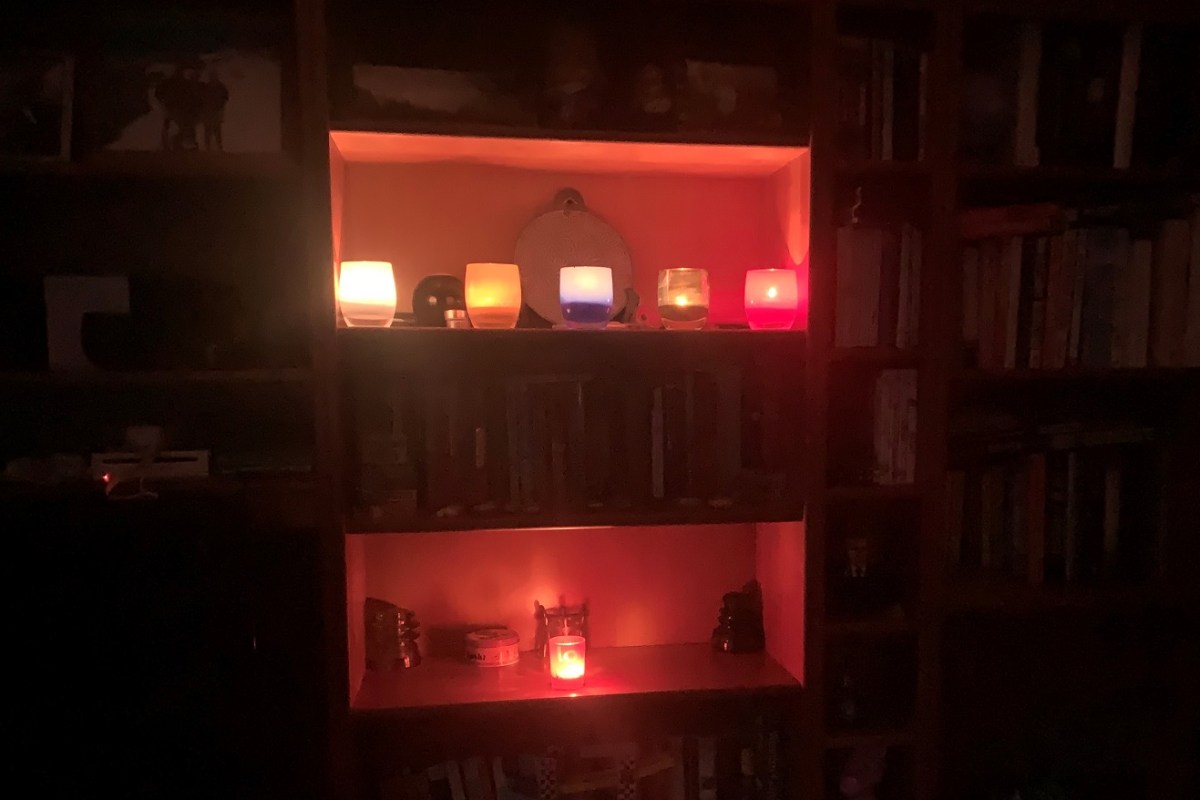
When I rolled out of bed in the dark this morning, I found it more accepting of my sleepiness and more sacred in the quiet. Somehow, it’s easier to bring all of me, light and dark, to the meditation cushion when the sun hasn’t yet come out. The candles I light every morning glow brighter in the dark and I’m starting to discover that I need to accept both in order to fully see.

Last Day of School

“Ah, life grows lovely where you are.” – Mathilde Blind

Today is the last day of school. I’m not very experienced as a parent of a schoolchild since this was our first year and the pandemic conditions have made it a strange year. Virtual learning for most of the year and then they split the class in two sessions, morning and afternoon, to reduce the size and we had half days of in-person learning since April. But we have finished the year such as it was and there is great excitement in the air for the last day of the year.

The feeling of impending freedom. Freedom from schedules, work and worry. Nothing to do and nowhere to be. The pure promise of childhood. If I remember from my childhood, this was the best day of the summer – the one where it all looms before you.

Before it turns into boredom. Nothing to do and nowhere to be. The agony of childhood where there is so much that you are not allowed to do yet. Then you wander through the days of summer and get to August and all of a sudden wonder how you wasted all your freedom.

Funny that I seem to experience time as either too much or too little and I don’t think I’m alone in that. The only remedy that I’ve managed is to be grateful for today. And grateful is a great way to celebrate today because I have a long list specific to the last day of school:

My child learned to read.

For a warm and loving teacher who was able to connect even over the screen.

That we got to practice leaving the house and going to school even for just a couple months.

That there were no COVID outbreaks in the school which bodes well for next year.

That we seem to be starting to repair the social awkwardness caused by a year apart.

And that we are still here and healthy.

So I celebrate the excitement of today for all of us because we made it through a doozy of a year! May the promise of summer freedom bring a bump of joy to us all!

Optimism in the Time of Covid

“When you realize how perfect everything is, you will tilt your head back and laugh at the sky.” – Buddha

My toddler dropped a plate the other day and it broke. I thought, ā€œWell, at least it didn’t shatter.ā€ And had it shattered, I would have thought, ā€œAt least we’re wearing shoes.ā€ Because I’m an optimist. If that sounds like bragging I don’t mean it to – after all, I did nothing to create this attitude, I came this way.

But I have had to find out that optimism doesn’t work for everything. Dating for instance. Let’s just say that optimism that it will all work out might not be the best philosophy for carefully evaluating whether or not one should get married. All I can say about that one, is thank goodness I realized that before we had kids.

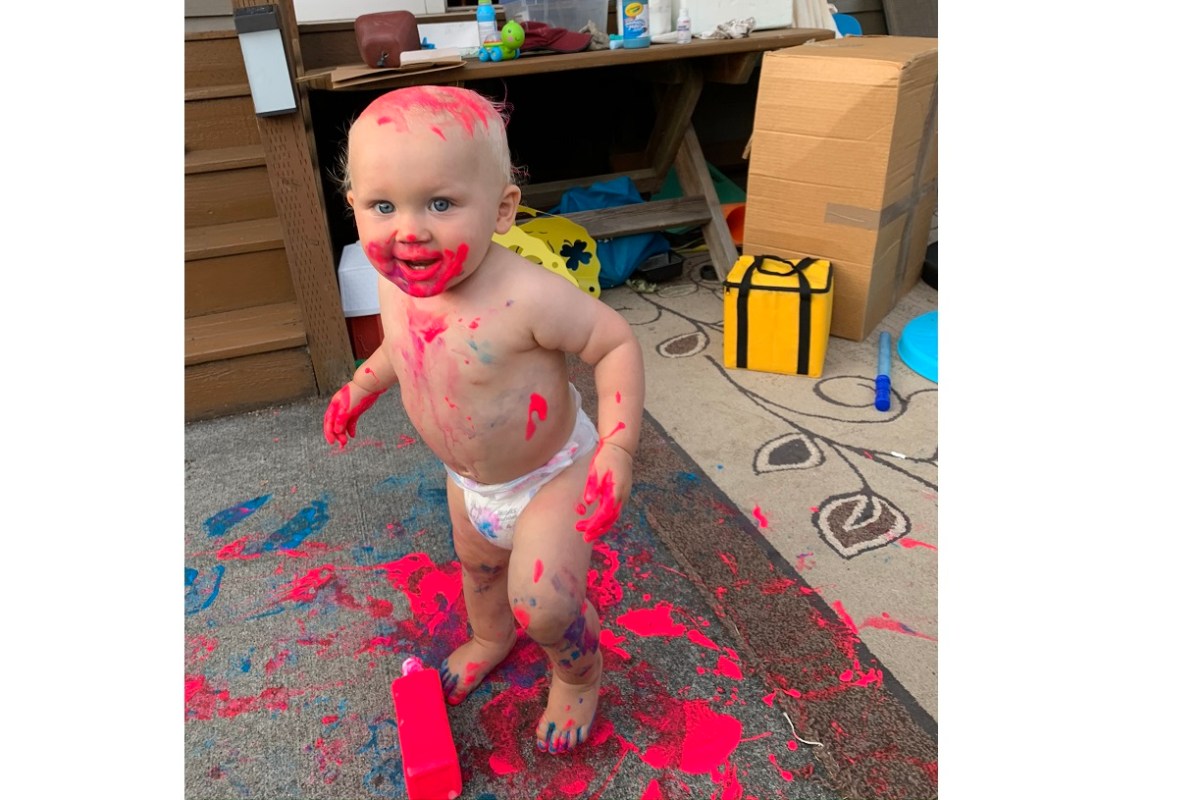
Oh, and optimism often doesn’t work well for planning art projects with kids. For instance the time I thought we could use neon paint to leave cute footprints over the back patio. Uh oh, the paint didn’t stay just on the feet.

And it turns out, optimism isn’t so good in a pandemic. I thought surely schools would only be closed for 2 weeks when Covid hit last March 11th. Then accepting that, I thought for sure summer camps would still happen. Okay so there were no summer camps but certainly school would open in the fall of 2020. Whoops! I definitely will never have a job as a prognosticator!

Acknowledging my limitations that come with my congenital point of view has come with an upside (of course!). Faith. I’ve come to see how flawed my thinking can be so that I follow the small, insistent God-whisper in my heart instead. That’s how I came to be a single parent at age 46 (and again at 50). It was a pull from my heart that was insistent. It’s why I write even though I don’t have two free minutes to rub together. It’s way deeper than sunny, bubbliness of my head.

My faith leads me to know that it will all be great. It takes me out of the game of prognostication and helps me rest in the ease of knowing what I take on in any given day is exactly what I need. Which sounds optimistic but in a more rooted and less controlling way. I still find my optimism quite useful though. Once I’m right where I’m supposed to be, it helps me see the fun of it. Like the upside of parenting chores – a lot of messy diapers means we’re eating well! Oh and I’m very good at parking. That’s right – you guessed it, ā€œI can totally fit in that spaceā€ has given me a lot of practice. And yes, now I am bragging.