Waiting for a Break

“We learn how to be resilient and handle difficult things by PRACTICING dealing with difficult things.” – Tina Payne Bryson

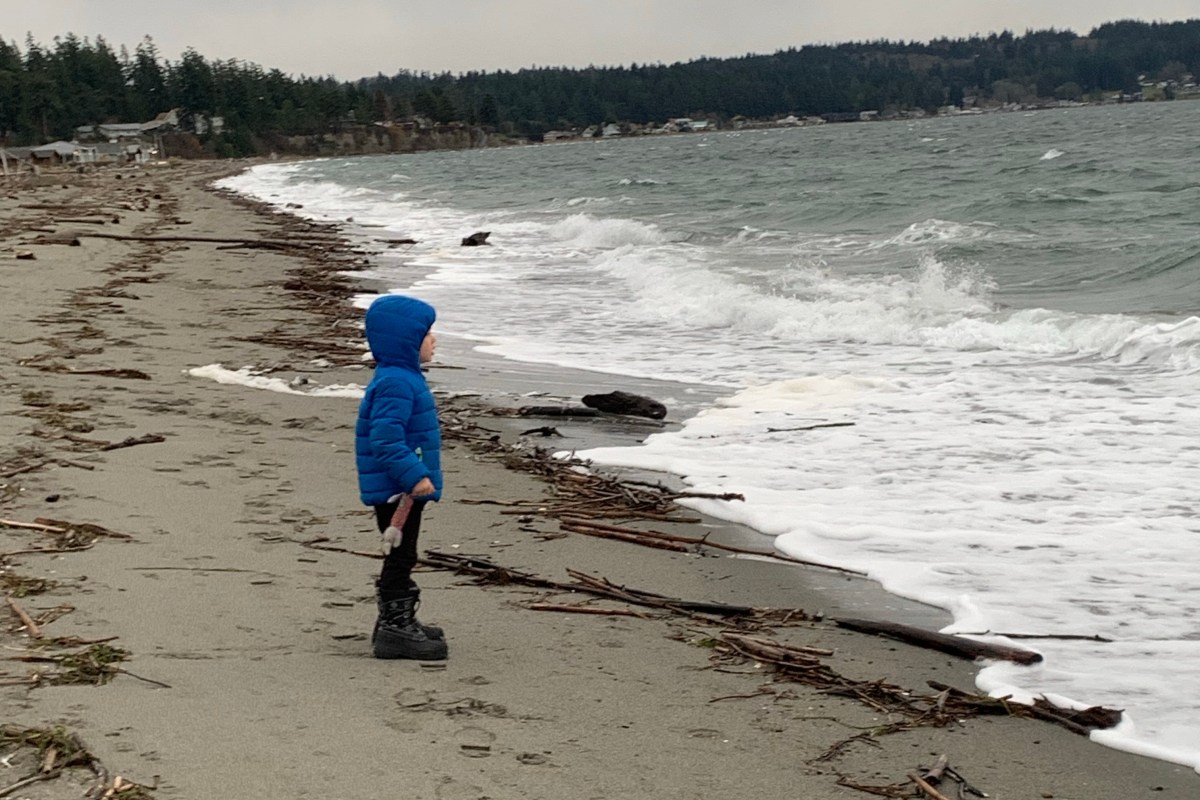
We went to our favorite beach on Whidbey Island this weekend. We rented an AirBnB that allowed dogs so it was our puppy, Cooper’s, first vacation.

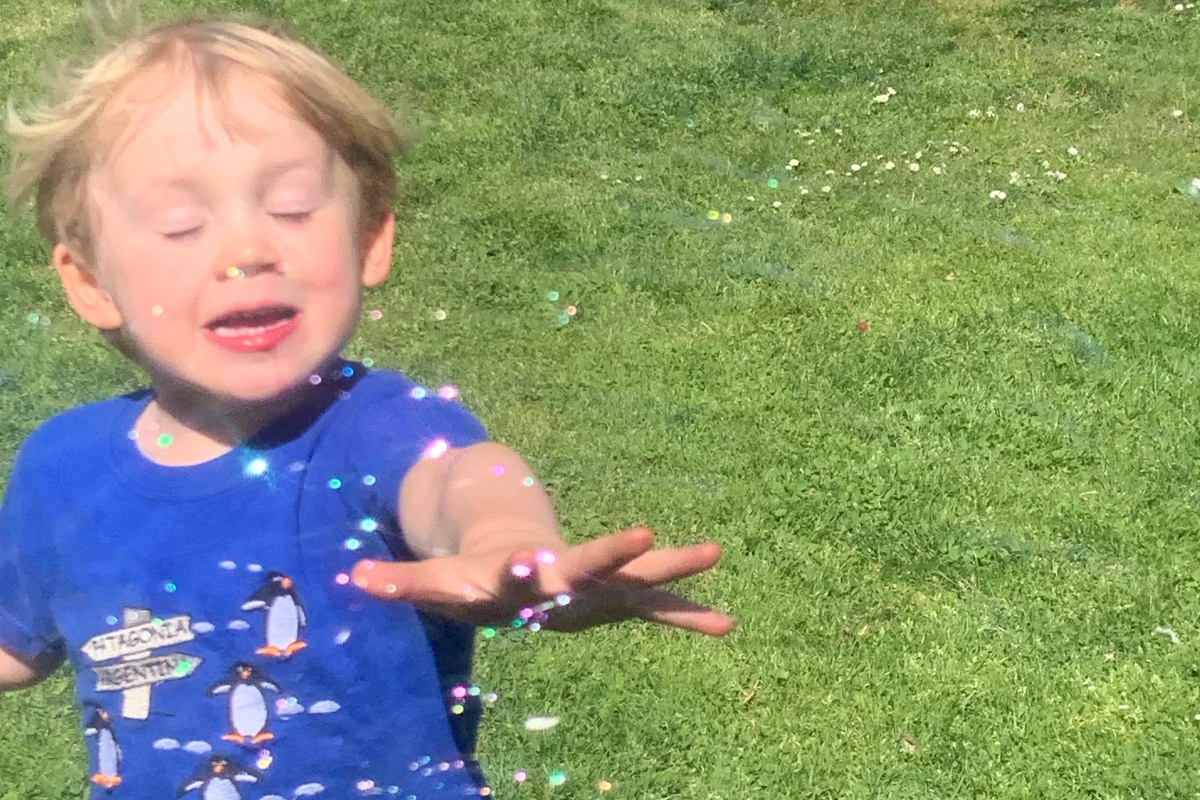
The weather was really blustery. After a particularly stormy week in the Seatle area, there was driftwood all over the beach. When my son, four-year-old Mr. D and my friend, Eric, went down to the beach, Mr D busied himself throwing huge pieces of wood into the water. And by huge, I mean almost as big as he is.

When Eric remarked on this, Mr. D turned to him and said, “I can do hard things.”

Here’s the thing about that. Every day for the ten days preceding the vacation, I’d sent Mr. D to school with a note. In the note, it counted down how many sleeps until vacation, explained that we had to go to school/work in order to be able to go on vacation, and ended with the sentence, “We can do hard things.”

Normally Mr. D doesn’t need coaxing to go to school. But coming off of some crud he caught at Thanksgiving, and the dark and stormy days of the last couple of weeks, it felt like he was tired. You know that deep, soul-level tired where even after good night’s sleep it feels like you are exhausted.

Of course, Mr. D cannot yet read but he carried the note with him anyway. He didn’t say much about it. But I knew he was paying attention because the note started ripping in places because it’d been opened and refolded so many times.

Sometimes we have to push through to earn a break. And I’m incredibly heartened to know that when we do, it builds the confidence that “We can do hard things.”

Fatherly Wisdom

“I cannot do all the good that the world needs, but the world needs all the good that I can do.” – Jana Stanfield

I met a friend when I was in my 20’s who summed up his dad’s advice to him:

  1. Always buy the best tires you can afford
  2. Never buy a cheap garden hose
  3. Buy tools with a lifetime guarantee

I marveled upon hearing that about how straightforward that fatherly advice was. Because my dad’s advice was a lot more ephemeral – not surprising given his profession as a Presbyterian pastor.

Jane Fritz of the Robby Robin’s blog recently asked what my dad would say about answering the big questions and challenges of our time: war, climate change, inequality. If you haven’t read her incredible post, Profound questions, seeking our attention and deserving action that builds on Rose’s wonderful and thought-provoking post Meaningful Intelligent Conversations, please do.

Our exchange reminded me of three pieces of advice from my dad, Dick Leon:

  1. Do the next right thing: This is a continual instruction, not a one time thing. Do the right things to make this planet a better place to live in whatever way that you can and according to your passions. Stand up for those that have been treated unfairly. Be kind. Take action on the social issues that are meaningful. Do all that you can to work, support, and encourage a better planet.

    The Dick Leon approach was not to play it safe either. Over the years he worked for Civil Rights, on behalf of Russian citizens during the Cold War, and at the end of his life he was working on land rights for peaceful Palestinian Christians in the West Bank. Most of those issues got him in trouble with some factions of his congregations and his life.
  2. Be cheerful about it: My dad often said that doing the right thing often means doing the hard thing. He recognized that it wasn’t/isn’t easy. So his instruction to be cheerful was two-fold. First, do what you can, and be happy about it. Because if you’re gritting your teeth every step of the way, it’s not sustainable. 

    The second part is that when you are in the groove of doing what you can cheerfully, you attract other people to the cause. Even if they don’t agree, others are more likely to engage in conversation with someone who appears not to already be irritated. Hence how my dad managed controversial topics within a church congregation of varying viewpoints.

    Cheerfulness is not synonymous with toxic positivity. Some of the issues my dad advocated didn’t work out. Others took a long time. My dad’s definition of cheerfulness was what one can do with a happy heart.
  3. When you’ve done all that you can, give up the rest to God: Or a higher power or whatever thing bigger than yourself that you believe in. This was my dad’s way of not worrying about the stuff that was outside of his control. Less energy spent on anxiety equals more energy for doing the next right thing.

I envied my friend from my 20’s for the simplicity of a list of dad advice. But now that I’m middle-aged, appreciate my father’s wisdom more. I believe his list is the reason that I’m still paraphrasing him almost a decade after he died. I’m not sure my dad had any awareness of his impact beyond his lifetime. But I think his advice guaranteed that he did have impact because it was the way he created legacy with his actions every day.

It’s harder to check off things from my dad’s list. But when I follow it, I find great comfort. And cheerfulness, of course!

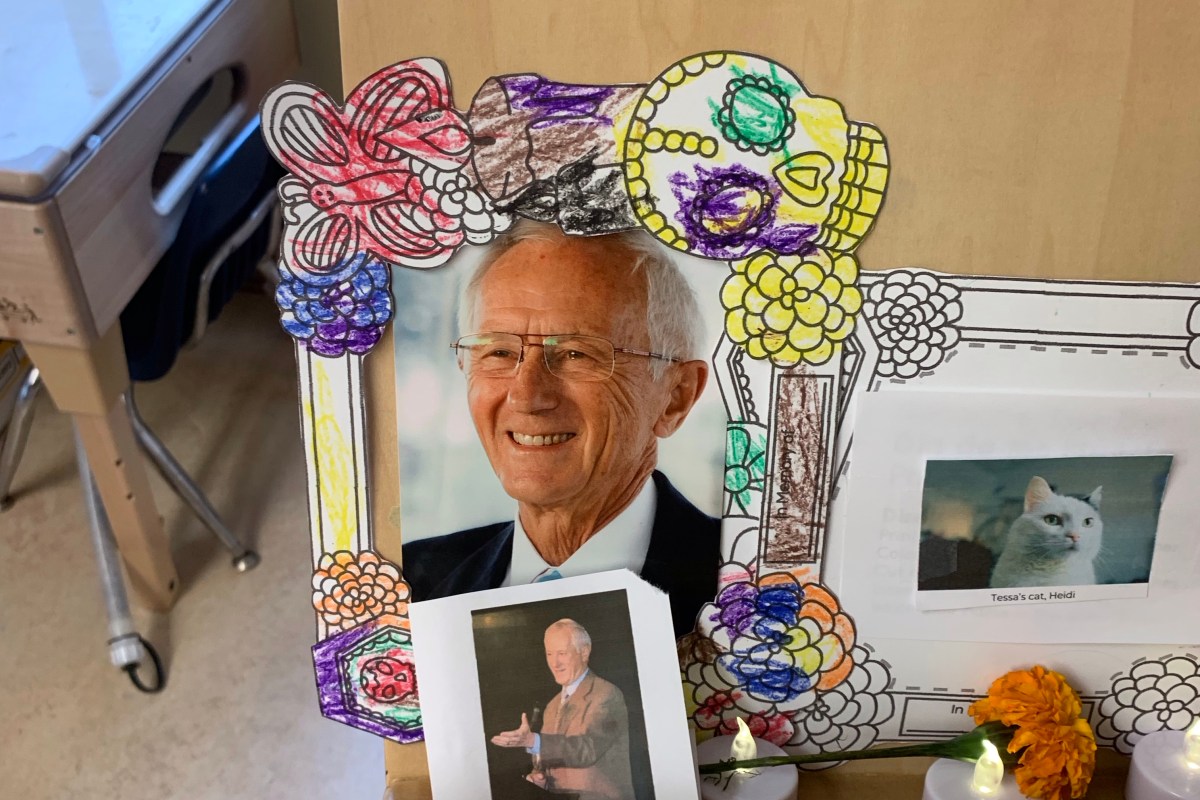
(featured photo is mine: Dick Leon, on a Dia de los Muertos ofrenda)

For another great list, please listen to Dr. Gerald Stein on the Sharing the Heart of the Matter podcast talk about Being Your Own Best Friend. Dr. Stein comes through with such wisdom and warmth as he provides some great tips for living our best lives.

Schools of Thought and Feeling

“A teacher is never a giver of truth; he is a guide, a pointer to the truth that each student must find for himself.” – Bruce Lee

I once had a client tell me, with a hint of irritation in his voice, that he believed the schools of today in America were teaching kids to become socialists. There was so much in that sentence to unpack that I didn’t even touch it. But I remembered thinking at the time, that it probably had more to do with his relationship with his kids than anything else.

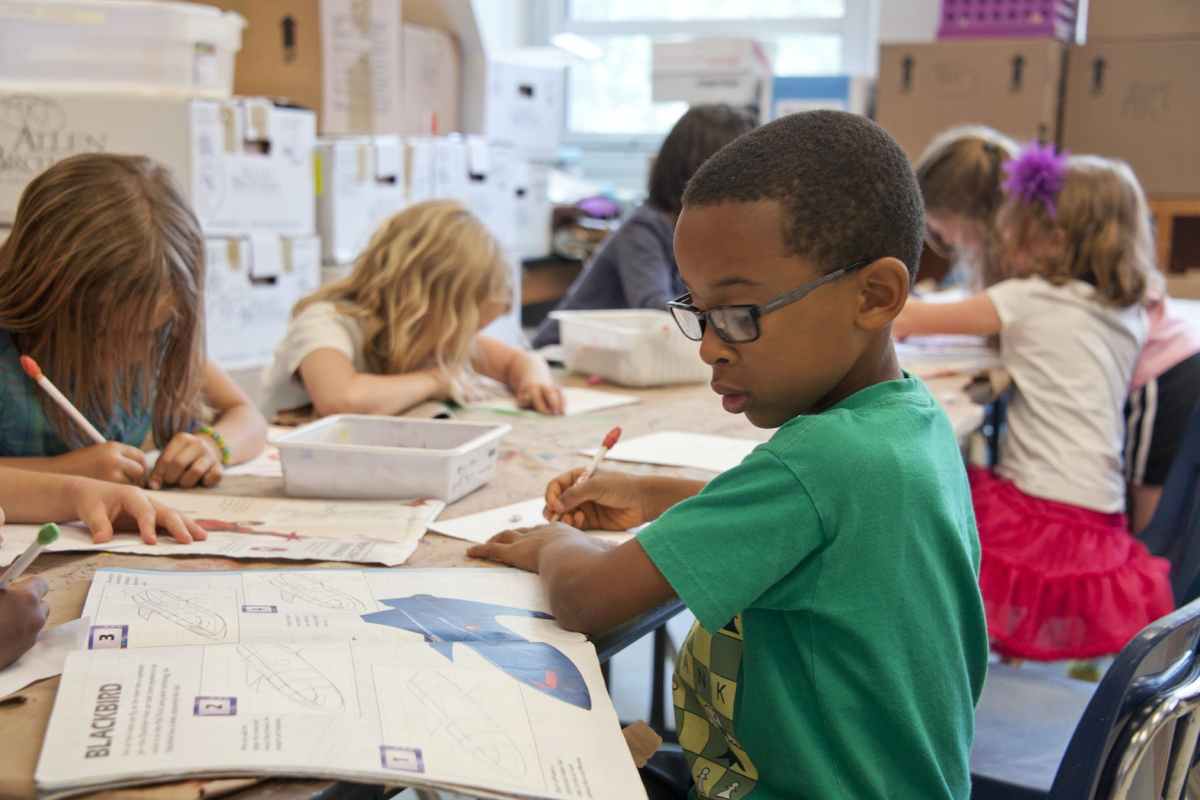
My kids weren’t school age when my client said that but now that eight-year-old Miss O has a few years in the public school system, it is interesting to notice what has and hasn’t changed since I was a kid. What hasn’t changed is the great teachers and administrators who are dedicated, imaginative, and delightful and somehow make it all work.

What I’ve noticed that has changed since I was young is how much social emotional learning they include. The kids get to school and do their mood meters and they talk about feelings, inclusion, and helping.

My kids seem to love way-back-when stories so the other day I was telling them that I remember when not-littering became a campaign and something punishable by fines. My two delightful young ones were amazed that people thought it was okay to just throw things out a car window when they were done with it.

Four-year-old Mr. D, who is not yet in the public school system, has gone on “garbage walks” since he was two-years-old. The kids would point out garbage and a teacher would pick it up with gloved hands.

So the other day when there was a piece of garbage on the ground, Mr. D pointed it out to me and said, ”It’s not healthy for the earth to eat.”

The other day, Miss O was struggling with what to do next with a project and she suggested, “Instead of erasing unfairness, I could draw fairness.”

All this makes me think that what kids these days are learning in school today, in addition to the three R’s, is to be stewards. Stewards of themselves, the environment, and of others.

(featured image from Pexels)

Perfect Moment

“We love what we attend.” – Mwalimu Imaru

The other day something touched me at a deep level. I’ve been trying to peel back why ever since.

I’d picked four-year-old Mr. D up from preschool and he’d scrambled in the car and closed the door. I’d stopped to talk to a man walking his dog, and so it was a minute or two before I got around to my side of the car and realized Mr. D was crying. He’d tried to do his own seat belt and had gotten frustrated when the thing wouldn’t click. Then he got more frustrated when the belt got tangled as he tried to fix it.

When I opened his door to help, he reached up and with the back of both hands, swiped away the hot, frustrated tears from his eyes.

Something about that gesture just hit me deep down where it counts. I’m not sure I can even put it into words why. To the best of my translation, it’s some combination of the following:

Witnessing the dignity of another person

Gratitude that my kids’ problems are small at this age and I can mostly fix them

Realization of Mr. D’s sudden self-consciousness about crying

Commiseration with how frustrating technology and systems can be

Relating to how fiercely we want to do things for ourselves

The deep gut punch of how much I love my kids.

Whatever it was, it started to change how I think of perfect moments. They may have nothing to do with when we’re smiling and posing for a picture or spending a gazillion dollars on an experience.

I think perfect moments might be when the inside of me meets the inside of another, and in the process learns something real about being human.

Cookie Cutter Faith

“There are two ways to live your life. One is as though nothing is a miracle. The other is as if everything is a miracle.” – Albert Einstein

This was originally published on 7/6/2022. Heads up that you may have already read this.


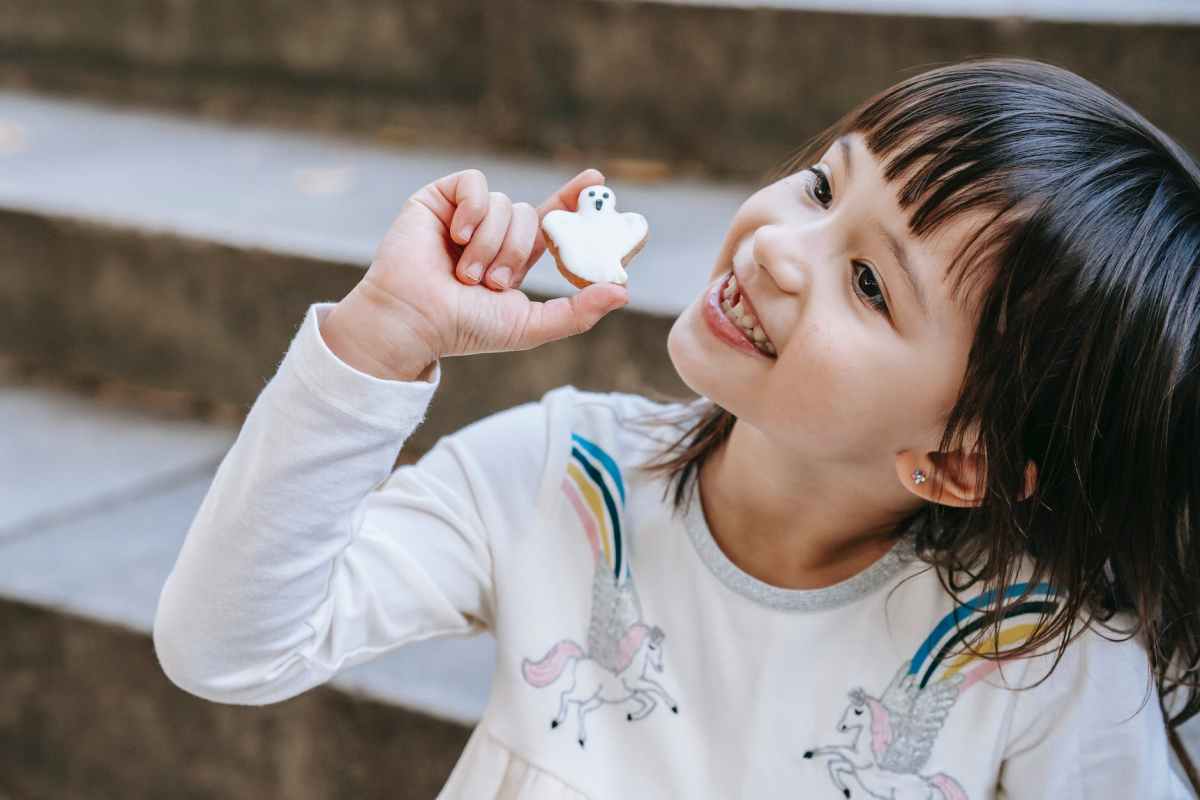
My kids and I went to a wedding out-of-town this past weekend. At the wedding, they gave out fortune cookies. My 6-year-old daughter opened hers and read “You will find a treasure soon.”

The next morning we were driving around looking for an alternative to the planned hike because it was raining. I turned in at a sign that said, “Horseback riding.” It was a holiday weekend and we didn’t have reservations so I didn’t think we’d be able to ride but maybe we could see some horses, my daughter’s favorite animal even though she’d never actually touched one. Yet.

But they booked us for a ride. As my daughter sat atop a big quarter horse named Comanche, I could hear her tell the guide. “I got a fortune cookie and it said that I would find a treasure. It was right – THIS IS MY TREASURE.”

I chuckled but as the weekend went on she repeated the story a few more times adding at the end, “I need another fortune cookie.” I grew a little uneasy. Surely I needed to inject a little reality to this fortune cookie madness.

Wait a minute – one of my favorite quotes is from Albert Einstein’s “There are two ways to live your life. One is as though nothing is a miracle. The other is as if everything is a miracle.” And I’m clearly on Team Miracle. So why was I feeling the need to put the kibosh on her finding some magic in fortune cookies?

Because I’m a parent and I want her to believe in something more substantial that involves some responsibility and transcendence. Because I don’t want her to be disappointed.

It made me think of all the years that I didn’t discuss my faith with my beloved dad because I feared my spiritual beliefs weren’t religious enough. When I finally found the chutzpah to do it, we had deep and meaningful conversations about life, family and love. And it turned out that life and his 40 years as a pastor had instilled in him a bigger idea than the Presbyterian party line. In the end, he called himself a big tent guy. “In a way I have become less cocky or confident because I thought I had things all figured out early on, but now I know I have general things figured out, but the fact is that we differ in this huge tent of the family of faith on different things.”

And then he went on to paint a picture of how my yoga/meditation/spiritual practice related to his beliefs in a unifying way:

“I’ve thought this often about you and your world with all the disciplines that are so wonderfully therapeutic. It seems to me that Christ is equally as present and could be equally named and known to you. The disciplines in a sense are more along the horizontal level than perhaps the vertical level (reaching up to God) and Christ honors anything that makes us more what God wants us to be.

I am thrilled with what is happening in you in this journey and one of the great benefits is that it brings us closer.  When kids follow in a trail similar to their parents, it creates one more way they can be close and can relate with each other … and in this case relate deeply and lastingly.”

Dick Leon

Thinking back to what I learned from talking with my dad, I think of all the time I didn’t talk about faith because of fear that it wouldn’t measure up. In the end, I realized that no two people see faith in exactly the same way, no matter how unified their theology is. Instead, there’s room in the tent for all of us.

I have faith that my daughter will grow up to experience God in her own nuanced way and I don’t need to fear it will be Fortune Cookie religion. So why not find some magic in it? After all, my fortune was “Your hard work will pay off soon.”

What about you? Do you talk about faith in your family? Do fortune cookies count as miracles?


As a related post to this one, I’ve published a post on the Wise & Shine Blog: Do You Believe In Magic? Do You Write About It?

(featured photo from Pexels)

The Fruits of Our Labor

“Each life creates endless ripples.” – Frank Herbert

This summer I was idly chatting with the mom of one of Miss O’s school friends at a pool party. Our conversation switched to careers and she mentioned that she is a nurse at the fertility clinic that I used to become pregnant via IVF (in-vitro fertilization). What’s more, she works on the team of Dr. Dudley, my fertility specialist.

When I revealed that, her eyes grew wide. She looked at me for a long moment, she looked at eight-year-old Miss O, she looked at four-year-old Mr. D, she looked back at 54-year-old me, and her eyes were full. She’d never met a baby of one of her patients. Even though I wasn’t directly her patient, it was like seeing the fruit of her labor.

There are times that I forget that I had kids in a non-traditional way. I have no problem talking about it, as I recently did on the Sharing the Heart of the Matter podcast with the amazing Vicki Atkison. But often it’s just that life right NOW is so busy, I forget about way back then.

Everything is timed to a T in the IVF process. This drug here, that test there, the implantation of the embryo, then a blood draw on day 10 to see if you’re pregnant. If you are, the due date is an exact calculation from the calendar. The fertility clinic, at least in my case, sees you until you are at ten weeks along. Then you transfer to an obstetrician and may never see them again.

One of my dad’s favorite parts of being a pastor was that he felt it was such an honor to be a part of the many sacred moments of people’s life – birth, baptism, marriage, death. To see the whole story.

But my acquaintance, the nurse, usually only gets to see that one part of the story. I remember sending a birth announcement to the fertility clinic when I had my babies. I gather from her wet and twinkling eyes that’s not the same as seeing these kids do a cannonball at a pool party.

There are a lot of times we never see the impact of our life – the way we touch other people with a smile, a question, or a reply. So, I love the stories of the full circle moments when we do get to see the fruits of our labor, even if “those fruits” just got you wet at a pool party. All the better to hide the tears.

For a related story about the IVF process, please see my Heart of the Matter post, The Courage To Try.

(featured photo from Pexels)

Master Negotiators

“When we were children, we used to think that when we were grownup we would no longer be vulnerable. But to grow up is to accept vulnerability. To be alive is to be vulnerable.” – Madeleine L’Engle

I’ve found that daycare drop-off is an incredible place to observe negotiation skills. These young people who are still very comfortable asking for what they need are masters. Speaking for myself, I think I often give away the power in the negotiation because I’m more concerned about Mr. D’s needs than my own.

At 4-years-old, he’s pretty comfortable going to school so we don’t have really tough drop-offs, but lately he’s been negotiating for upside-down hugs. No, I don’t have to go upside down, thankfully. I pick him up and flip him upside down. It’s a good arm and core workout.

Yesterday morning after I’d done the three we’d agreed upon, Mr. D negotiated for more. He started to hold up four fingers but saw that he was going to get push back and lowered it to two. And then asked for one more after and then one final one, managing to get the four he wanted after all.

I’m thinking about this because in my job we’re negotiating a new contract with an existing client. Here are the ways I think we could learn from the five and under set:

  • Grown-ups, myself included, seem to fear the negotiation process. The idea that someone might use it as an opportunity to walk away is terrifying.
  • It seems like we do a lot of guessing what the other side will do before even making an opening bid. And what they do, is rarely what we’ve guessed. Sure, it’s strategically sound to think through pros and cons, but it stops being fruitful when it freezes us in place.
  • When we lean in to the process, it feels like connection. We seem to have forgotten what many little people know intuitively, that we can just ask for what we need.

Negotiation is vulnerable. Maybe all scenarios where we’re scared we won’t get what we want or need are. But watching these pre-schoolers reminds me that we won’t get anything unless we ask.

For more about negotiating, specifically the role of silence in negotiation, Vicki and I had another great podcast conversation with Dr. Gerald Stein – this time about the waiting game. See Episode 37: The Waiting Game with Dr. Gerald Stein to listen.

(featured photo from Pexels)

Pick Three Affirmations

With all the stress and change at the beginning of the school year, I’ve been writing notes for Miss O in her lunch every day. Mr. D can’t yet read but his teachers asked for notes to read to kids when they miss their families.

The notes I find myself writing aren’t exquisite masterpieces that have any poetic resonance. They are simply affirmations in the stye of The Help by Kathryn Stockett

To the degree that I’ve figured out what works best, it is things that are specific, not too aspirational, and that resonate with what they might already believe about themselves. Writing them for my children is not very hard.

But if I was to turn the lens around the other way and have to pick three things to say to myself? Well, it’s a hard practice. So I’ve written some down for you all. Pick three things that you could really believe about yourself. Just so you know, I’ve written these with you all in mind:

You are clever.

You are kind.

You bring out the best in others.

You have come so far and are so generous to share your lessons with others.

You are a bright light.

You make others laugh.

You make others cry, in the best way ever.

You are such a good encourager.

You make the world a better place.

You are resourceful.

You are resilient.

You are creative.

You are so faithful.

You are a good listener.

You are wise.

You are patient.

You are a great storyteller.

You can figure anything out.

You have integrity.

You are empathetic.

You carry your load well.

You are strong.

You are brave.

You make me laugh.

You are a person I am delighted to know.

Really — pick three. Write them down and look at them when you eat lunch. I have it on good authority that they make the day better.

The podcast I did with Dr. Vicki Atkinson about how to Savor September goes nicely with lunch as well: Episode 35: September … Savor with Vicki and Wynne

The Next 100,000 Miles

“There’s a sunrise and a sunset every single day, and they’re absolutely free. Don’t miss so many of them.” – Joe Walton

This is a post I originally published on 2/8/2023. Heads up – you have have already read this.


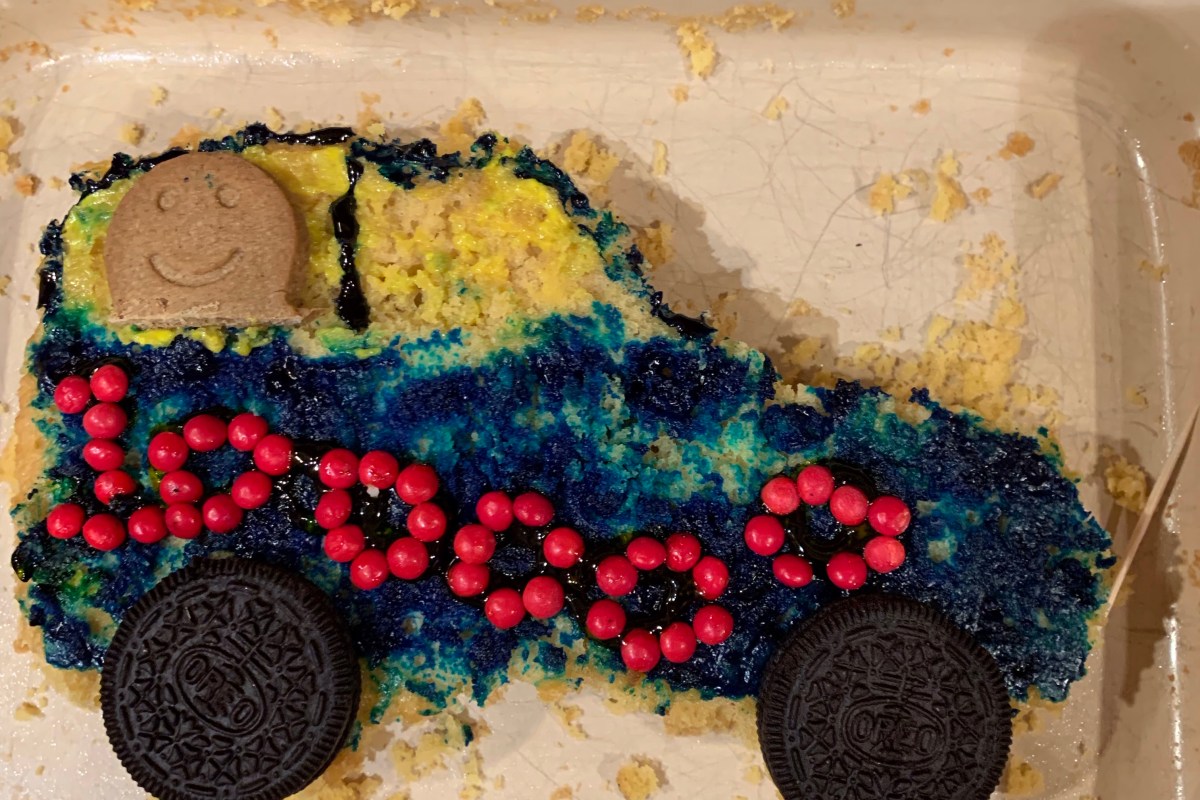
When we celebrated our car turning 100,000 miles in December, we made the car a cake. After blowing out the candles, my seven-year-old daughter turned to ask me, “Are you going to be alive when this happens to me?”

I stalled for time by asking if she was talking about getting her own car to 100k. When she nodded “yes,” I replied “I hope so.”

My engineering brain wanted to calculate how many miles we drive a day while factoring in variables based on the future of transportation. But my existential brain kicked in and reminded me that I don’t know how many miles I have left in me. I just know what kind of miles I want to put in.

The Destinations

Get togethers with friends, adventures to find new ones, crossing bridges to help anyone who needs it are all on my priority list of destinations.

I want to use a good portion of the miles I have left to drive to trailheads and view points. And speaking of miles, I’ve put a lot of them on my knees and hips so the amount of hiking and climbing, if I ever get back to it, might be limited. But if we are driving to be among trees and mountains, I hope I can be happy no matter the activity.

Gathering supplies for silly things like car cakes that help us celebrate any and every milestone together, or just even a good day, seems worth doing. But overall, I want to spend my miles going on vacation together and fewer miles to IKEA to get more stuff.

When I can opt out of driving these miles in a car and instead travel them in an ecofriendly manner that gives our environment and world a healthier and longer life, I’m happy to change vehicles.

The Route

I want to set my internal GPS towards spontaneous miles finding love and purpose and away from those routine destinations ticking the box for obligation. And I want to heed that directional voice as it gives me help me find places that unlock the sense of adventure and possibility, instead of spinning wheels in the muck and mire. If given the option, I’d eliminate miles to to-do list meetings, corporate bullshit, and fruitless gatherings with ineffective leadership or heart.

If learning and laughter is part of where we are going, I’ll be happy to detour from any well-traveled road. I want to drive proactive miles to the things that keep us healthy and NO miles to the emergency room.

The Atmosphere

I want to put in connected miles, ones where we talk, laugh, or sit in companionable silence and gaze at the same scenery. I don’t want to put in disconnected miles where we zone out on attached devices. I understand that this will soon be out of my control, and that I’m part of the problem already when I encourage them to do it on mornings we have trouble getting into the car. But even when they choose their devices, I want my kids to know that I’d prefer to talk and listen to them.

Traveler’s Log

I know that regardless of the intentions I’ve put into the list, I get to control very few of these things except to choose to lean in when I take a “wrong” turn. Also, when lost, reconnecting to a desire to make meaning out of the detours.

I’d like to spend my remaining miles trying not to be locked in conflict or with my heart hardened towards people that have pissed me off. I want to stop avoiding my anger, sadness, or suffering but instead moving to approach all of the emotions of this amazing journey with empathy, awe & curiosity.

I hope to take fewer trips to regret. I’d like to be more readily willing to reroute to repair, apology, and appreciation of the unexpected path of life.

While I recognize I need to spend less time in overdrive and more time in idle, I also want to pass these miles not metaphorically (or actually) asleep at the wheel wondering how I got here but instead marveling at the scenery with gratitude.

When we reach our destination, I hope to remember, more often than not, to say a prayer of gratitude for safe travel.

I don’t know if I’ll be here when my daughter gets a car to 100,000 miles. If it takes til she’s my age (53), I’d be 99-years-old and the odds are slim. But if we are driving an open road between our hearts for any good portion of those miles, I’ll call it good.


I written a related post on the Wise & Shine blog about a road trip and making meaning from our experiences: The Universal You.
The Wisdom of Dogs

“Dogs do speak, but only to those who know how to listen.” – Orhan Pamuk

When my beloved dog, Biscuit, was alive he was one of the wisest creatures I knew. That is a bold claim to make about a golden retriever who loved people so much that when his favorite ones came over he’d start running at one end of the house, and then end up sliding the last ten feet before gently slamming into them. Not really the image of wisdom that is tip of mind when the word is uttered, but I just think of that as part of his charm.

Because his wisdom showed up in other ways. Loving people being one of them. Also the ability to be excited about life wherever it took him, even if he wasn’t in the driver seat, and he embodied the Carl Jung quote, “Please remember, it is who you are that heals, not what you know.”

I’d put signs on him and take pictures and while it seemed like I was the one doing the work, I swear it was just some observational connection to what he was telling me.

I say goodnight to dear departed Biscuit on my way to bed every night. I go into the living room, pick my way past the toys on the floor in the darkened room lit only by the street lights outside, to touch the cherry wood box that holds his ashes, and simply say “hi” or “love you” or a sentence about my day.

On the night before we were to pick up the new puppy, Cooper, I delivered the news to Biscuit and to my great surprise, he answered back. I know, it sounds like a Peanuts cartoon, but I swear the thought just came into my head, “Okay, you’ve gotten a new dog sooner than you’ve found new love.”

Yikes! In the six and a half years he’s been gone, that has never happened before. Of course, the effect was much more impactful since that’s the case. If I thought I’d been talking to my dead dog for all these years, I wouldn’t have much listened.

So what was Biscuit teaching me in this instance?

My observation about life is that life follows our intention, even for things like love that aren’t in our control. It reminds me of a podcast with Mark Petruska where he explained being a master manifester – really picturing what we want, clearly setting the intention, and then participating in the way things fall in place.

I think dear Biscuit was pointing out that my intentions have been ambivalent where romantic love is concerned. I haven’t spent much energy on it, and every time I try to imagine it in the life that I have now, I waver a bit.

When I went back to talk to him the next night, he was silent so I can only guess he’s said as much as he’s willing on that subject. Like all the wise ones, he knows not to talk too much and let the listener fill in their own blanks. Okay, my wonderful dog, I’ve hear you.

Speaking of podcasts, and listening, Vicki and I are doing a two part series about what we’ve learned so far about starting a podcast. This first part is about what we’ve learned about trying from doing a podcast: Episode 31: Trying Podcasting Part 1 with Vicki and Wynne. Check it out if you’re interested!