“Life isn’t about getting and having, it’s about giving and being.” – Kevin Kruse
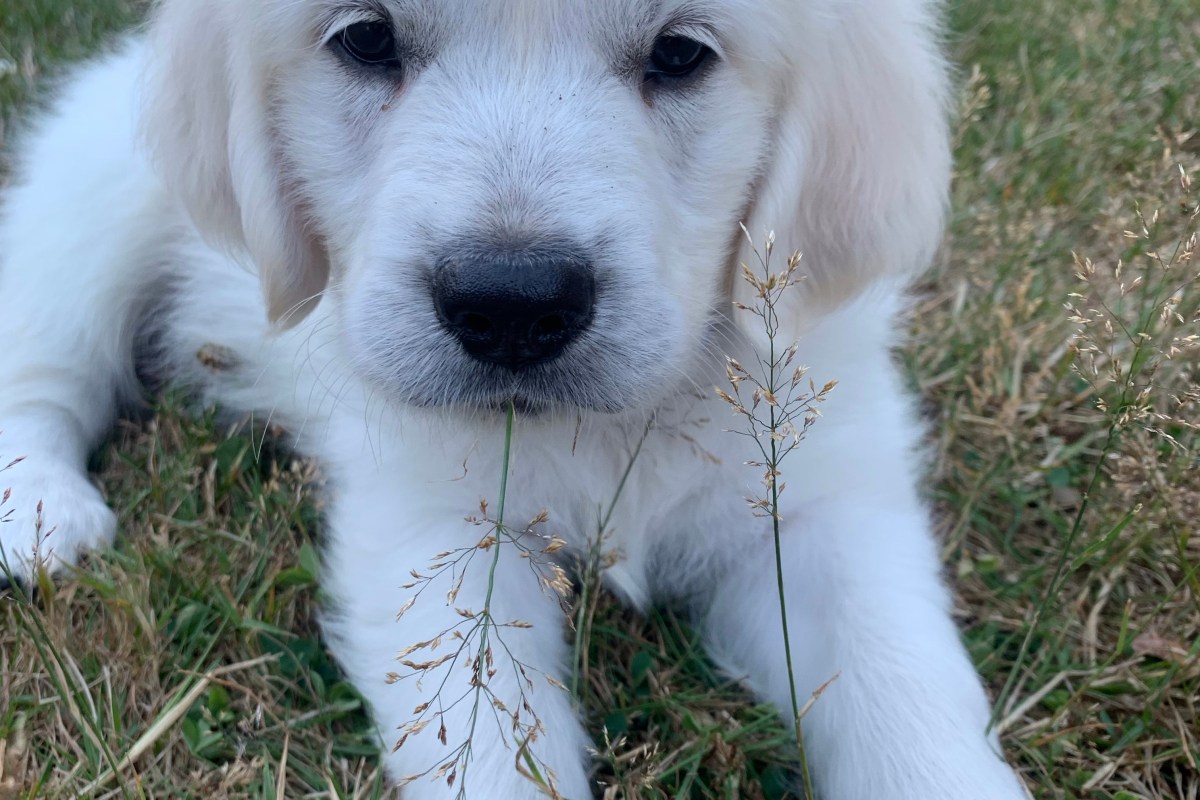
I was chatting with another parent at a party the other night. Let’s call her Casey, because, well, that’s her name. Casey was telling me about spending the night prior sleeping on the floor next to their new puppy’s crate. Since I was fresh off of sleeping on the couch for my puppy when he was getting adjusted, I was nodding along.
Then Casey said that a friend of hers told her she had made a mistake by getting a puppy. The opinion was logical: she laid out all the plans Casey had said she wanted to do like rebuilding her acupuncture practice in a new location and thought the puppy was not conducive to Casey’s goals.
Hmm, is love ever directly conducive to our goals?
Perhaps when it is the goal itself but from my experience, love is the big disruptor that often interrupts our progress on the things we can measure.
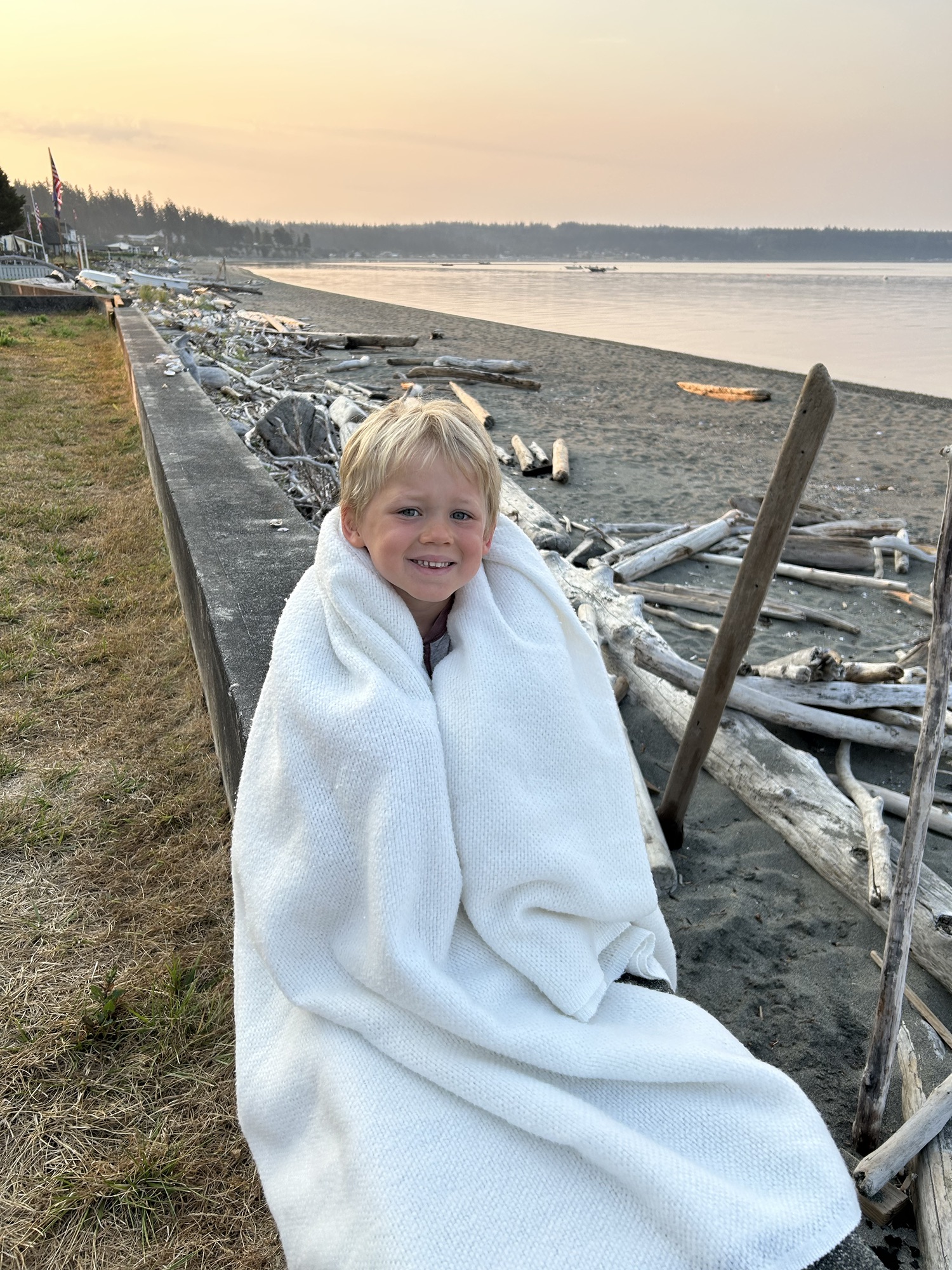
I’m thinking of this past weekend when my four-year-old son wanted to sit on my lap as I was writing a post so I switched to typing one-handed.
Or the time 20 years ago when I screwed up a work presentation because my new love wanted to spend time and so I forgot to practice.
And the swollen eyes I had for weeks after I had to say goodbye to my last dog, making it nearly impossible to concentrate or pull myself together.
And yet:
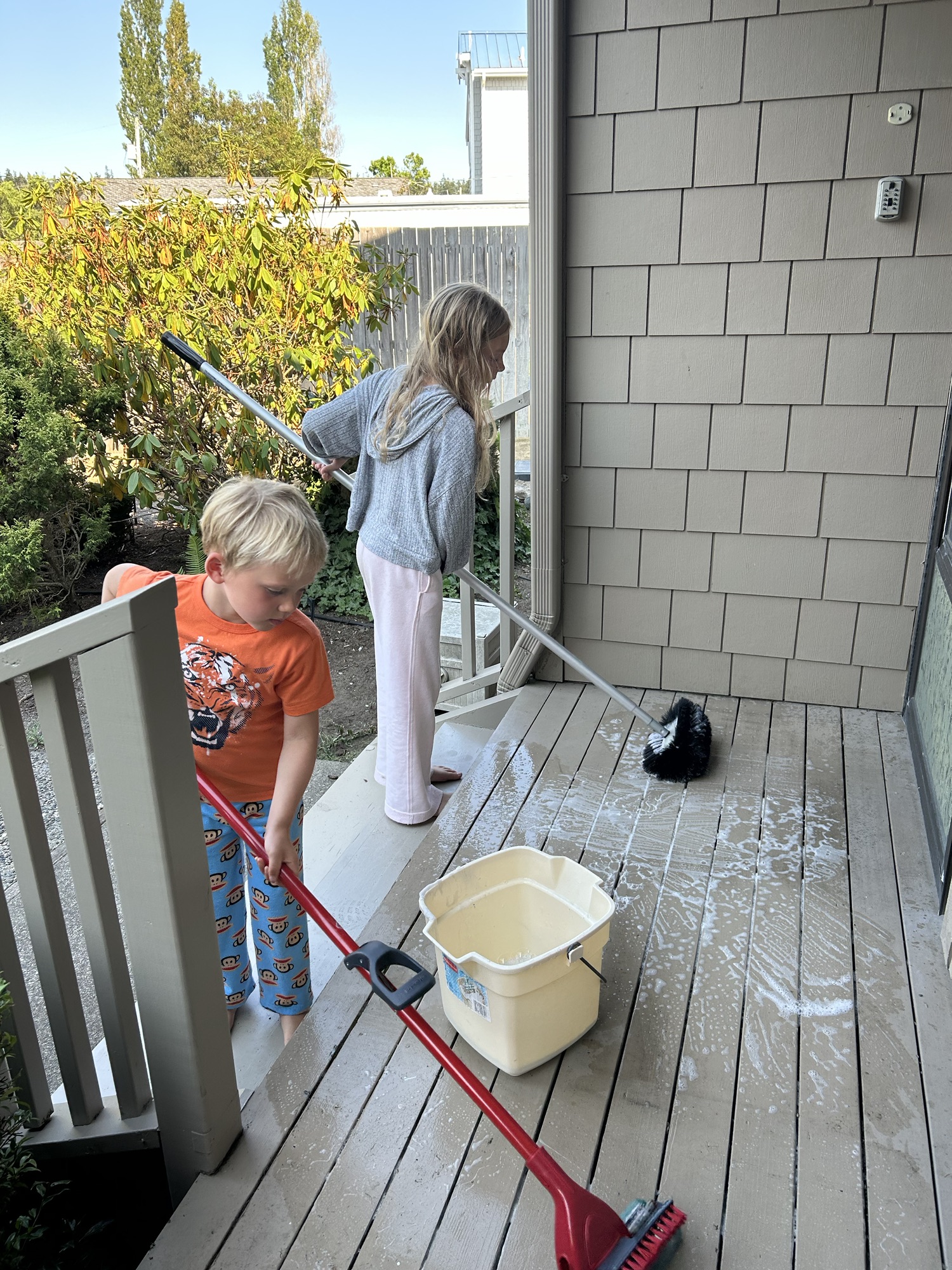
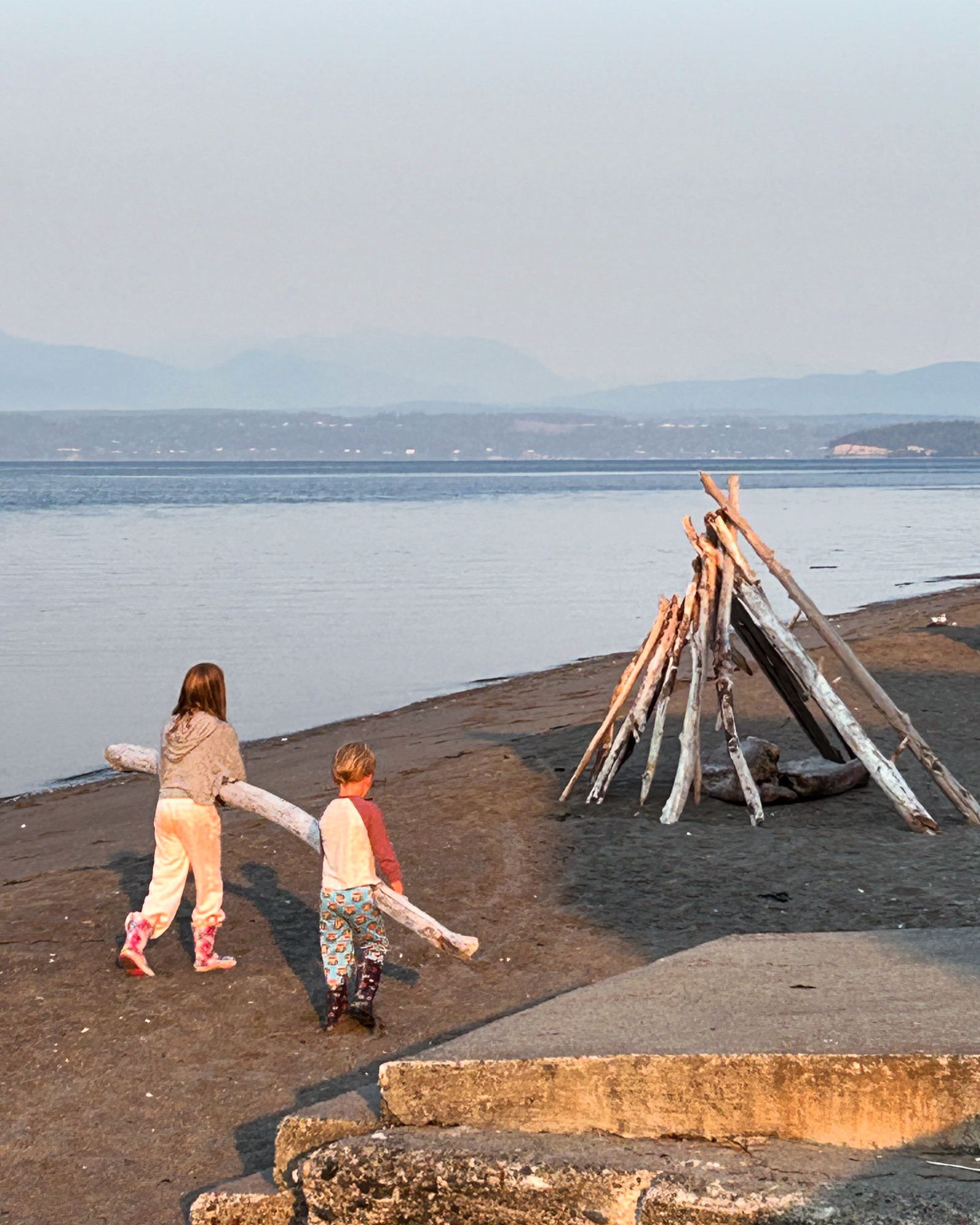
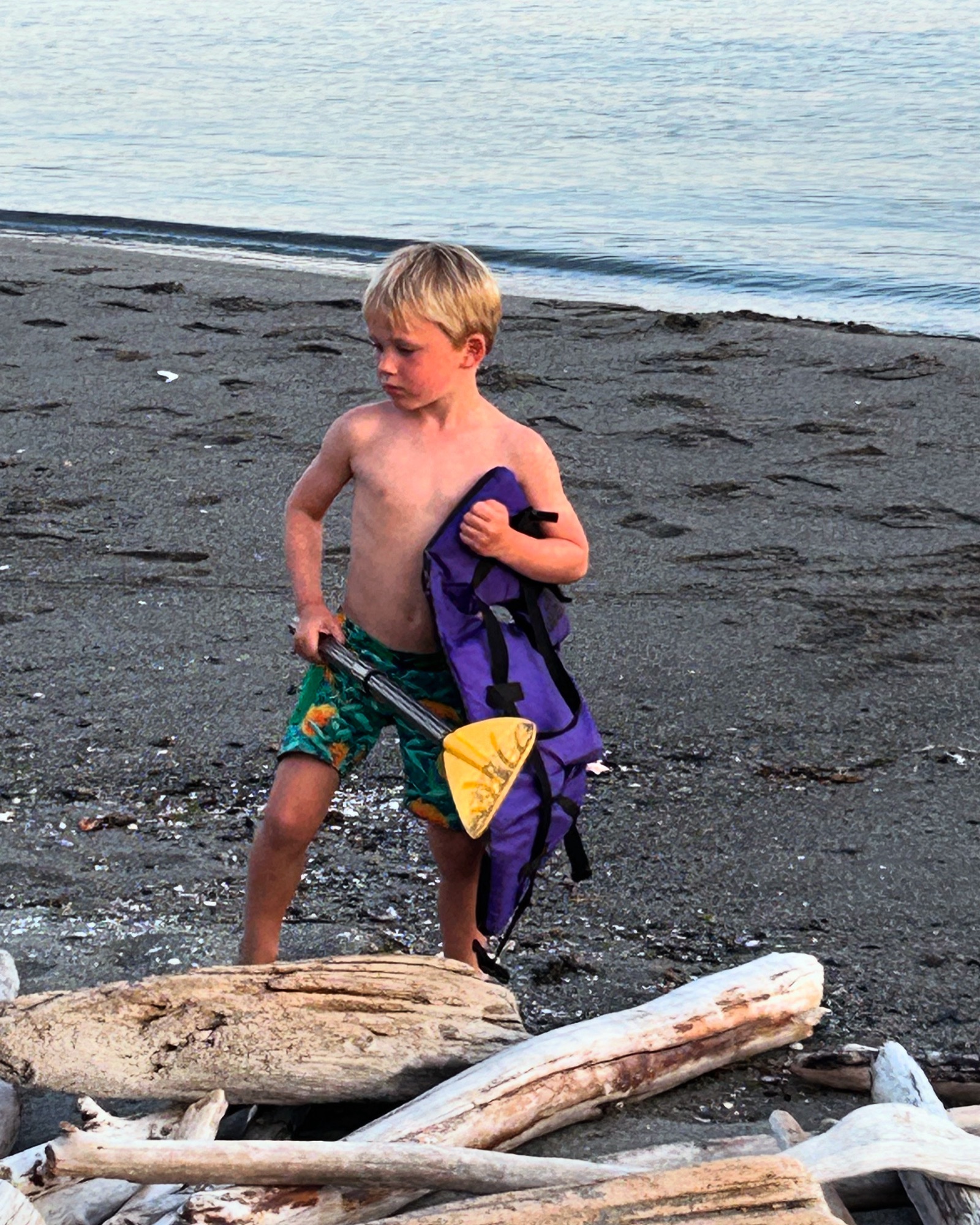
My four-year-old, Mr. D, has been bounding out of bed in the morning to say “hi” to the puppy. I find him with his arm around the dog or the cat as he tries to broker peace for his new best friend. And having a puppy has also made him more organized to keep track of his Bun Bun stuffy so that it stays out of the dog’s sharp teeth.
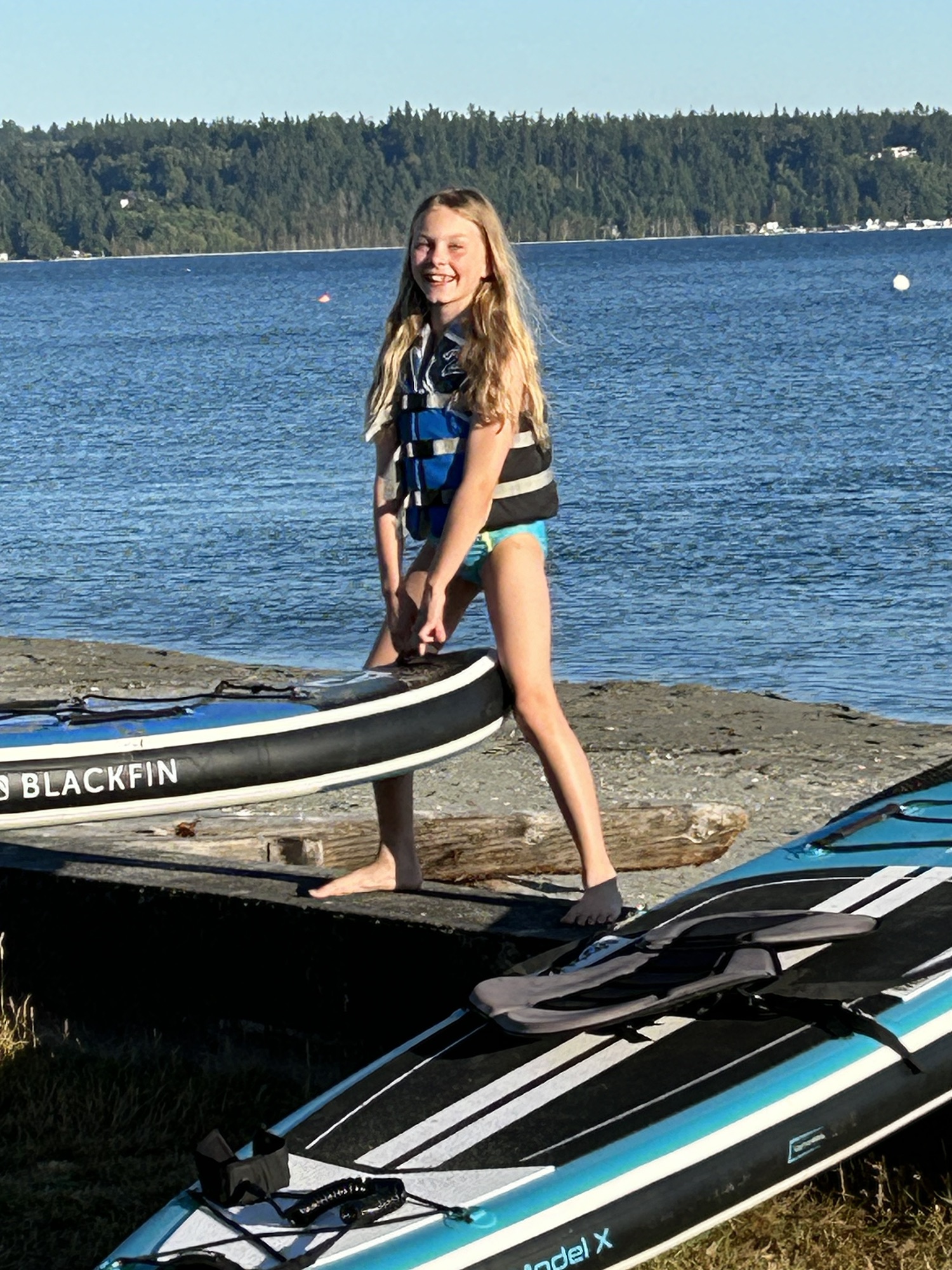
My eight-year-old daughter, Miss O, has a new way to make friends. We stood outside the school gate this afternoon letting kid after kid pet the puppy while she proudly showed them how she’s trained him to sit. And the puppy is also making her grow up because she’s having to find her inner discipline in order to deliver clear commands to him.
I feel the rumbling at my feet of puppy snores as I type this and feel less alone. I’m also feeling the exhaustion that comes with the extra discernment, communication, and enthusiasm I’m expending to train my kids to train the puppy.
We’re loving and learning. I’m not sure there is anything more conducive to my parenting goals than that. I’ve lost sleep for far less worthy reasons!
What do you think is worth losing sleep for?





 Surprised By Joy