“What a good day to be proud of all the progress you made.” – unknown
Last week, my six-year-old son, Mr. D accidentally stepped on a bee and got stung. “Oh, my life is over,” he repeatedly moaned as I struggled to pick out the stinger. And he’s my less dramatic child. Yowsa – those stings hurt.
But most of the pain was gone in an hour and while the swelling and itchiness lasted about four days, there was a clearly an end in sight. How do you still show up when the pain is chronic? What does it mean to keep showing up when life asks more of you than seems possible?
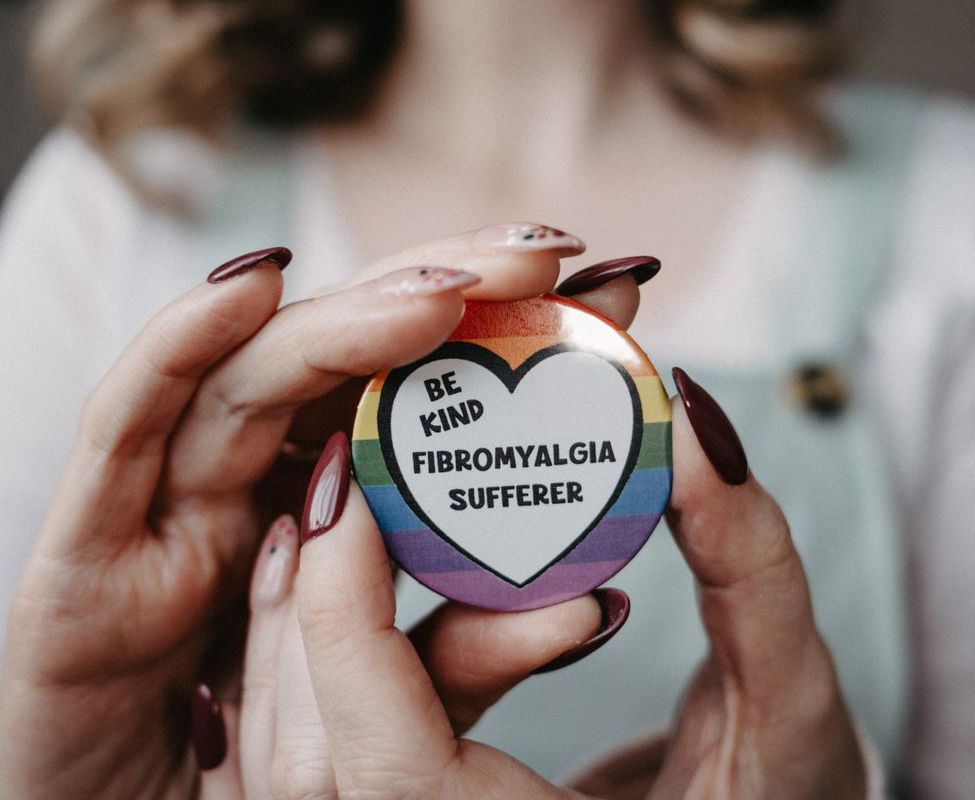
In this episode of The Life of Try, I talk with Kathryn M. B. Johnson, author of Invisible, Until I’m Not, a memoir-in-essays about chronic illness, caregiving, grief, and resilience. Together, we explore what it means to live with fibromyalgia and invisible illness, how caregiving reshapes identity, and why being seen matters so deeply when pain is hard to explain.
Our conversation offers honest insight, emotional validation, and hope for anyone navigating chronic pain, caregiver burnout, loss, or the daily work of endurance.
Key Takeaways:
- Chronic illness can reshape identity, relationships, and daily life in ways that are often invisible to others.
- Caregiving is an act of love, but it also carries grief, exhaustion, and the need for self-compassion.
- Writing can become a lifeline—a way to process pain, preserve connection, and reclaim a sense of self.
- Being believed and truly seen matters deeply for people living with chronic pain or complex health conditions.
- Rest is not laziness; caring for yourself is part of being able to care for others.
If you’re looking for a thoughtful podcast episode about chronic illness, caregiving, trauma, faith, and finding strength in difficult seasons, this episode is for you.
Here are some other ways you can listen and watch Liza’s amazing journey:
- The podcast player embedded below
- Click this link to watch in a browser: How Writing Helps Save Us From Chronic Illness and Loss
- Subscribe to The Life of Try on Spotify, Amazon Music, or Apple Podcasts
- Subscribe to the YouTube channel: https://www.youtube.com/@thelifeoftry
Growth Takes Energy| How Rest Helps Habits Stick – The Life of Try: Personal growth, one try at a time.
Links for this episode:
How Writing Helps Save Us From Chronic Illness and Loss transcript
Invisible, Until I’m Not on Amazon
Kathryn’s weekly newsletter on Substack
The Crossing: My Near Death Experience with Jesus by Liza Anderson on Amazon
Other Episodes you Might Enjoy:
Letting Go Of Outcomes: The Mindset That Keeps You Moving
48: How to Get Unstuck: Michael Yang on Saying Yes, Resilience and Coming Alive
How to Reclaim Fun in Adult Life | Mike Rucker, PhD, on Joy, Burnout and the Fun Habit
(featured photo from Pexels)
 Surprised By Joy