Do It Again: The Magic of Repetition

Next time you’re afraid to share your ideas, remember someone once said in a meeting let’s make a movie with a tornado full of sharks.” – unknown

This post was originally published on 8/9/2023. Heads up – you may have already read this.


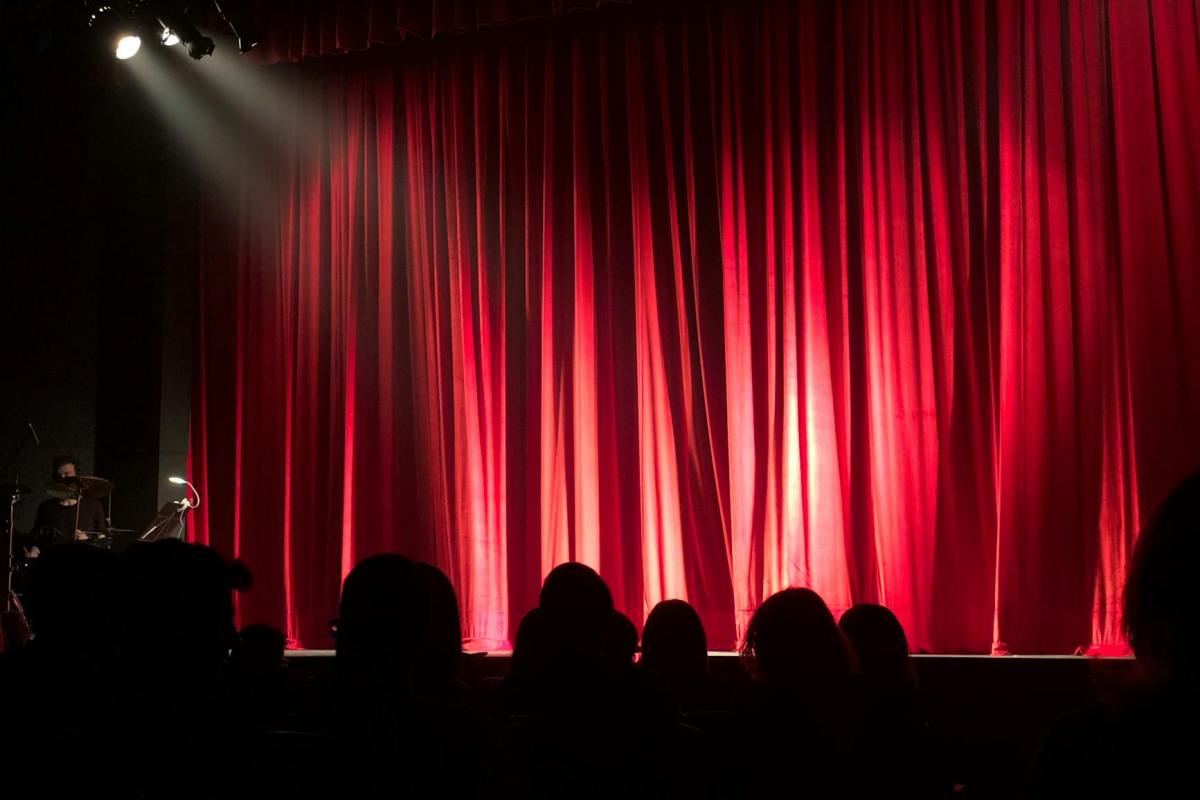
I was recently lucky enough to be able to talk about the magic of theater in a podcast conversation with writer, playwright, and Wise & Shine colleague, Jack Canfora. As we talked about the powerful feeling of a night in the theater when it all comes together and just works, he told me a story about Laurence Olivier and young Maggie Smith.

After a night where the performance was particularly magical, Laurence Olivier angrily stormed into his dressing room. Maggie Smith inquired after him, asking him “What’s the matter, Larry? It was brilliant.” Laurence replied, “I know. And I have absolutely no idea how I did it, and it’ll be gone tomorrow.”

Wow, that story speaks to me! About how I want to capture magic, to define it, and put it into a bottle. Also about the repetitive nature of life. Preparing a meal, writing a post, or having a moment with friends – there are so many things that I do repeatedly and when it goes well, want to know why. Laurence Olivier’s reply gets to the desire to capture it in a formula so that we know exactly how to do it again.

The elusive nature of life seems to ensure that there is no perfect replica. Even for someone with the talent of a great actor cannot control all the factors that go into a delivery.  Yet we still strive for those wonderful moments when it all comes together.

If you’re anything like me, that striving actually takes away from the moment. Instead of savoring the now moment, when everything went wonderfully well, and being grateful, I start thinking of what I have to do next, or how things might go differently in the future.

Fortunately, I keep getting the chance to do it again. I’ve found that life requires us to repeat ourselves and then begs us to stay present for each show. I feel this most starkly when it comes to writing. Every time I sit down to write, it feels like breaking through my barrier of protectiveness and layers of my own BS to try to write something meaningful. Then I post something, for better or for worse, and then think, “I’ve got to do that again?”

Of course I do, because life isn’t static. I’ve found that writing rubs off that tarnish or moss that grows when I don’t do the work to show up authentically. For me, that’s where the magic happens. I can only imagine that something similar was at work for Laurence Olivier.

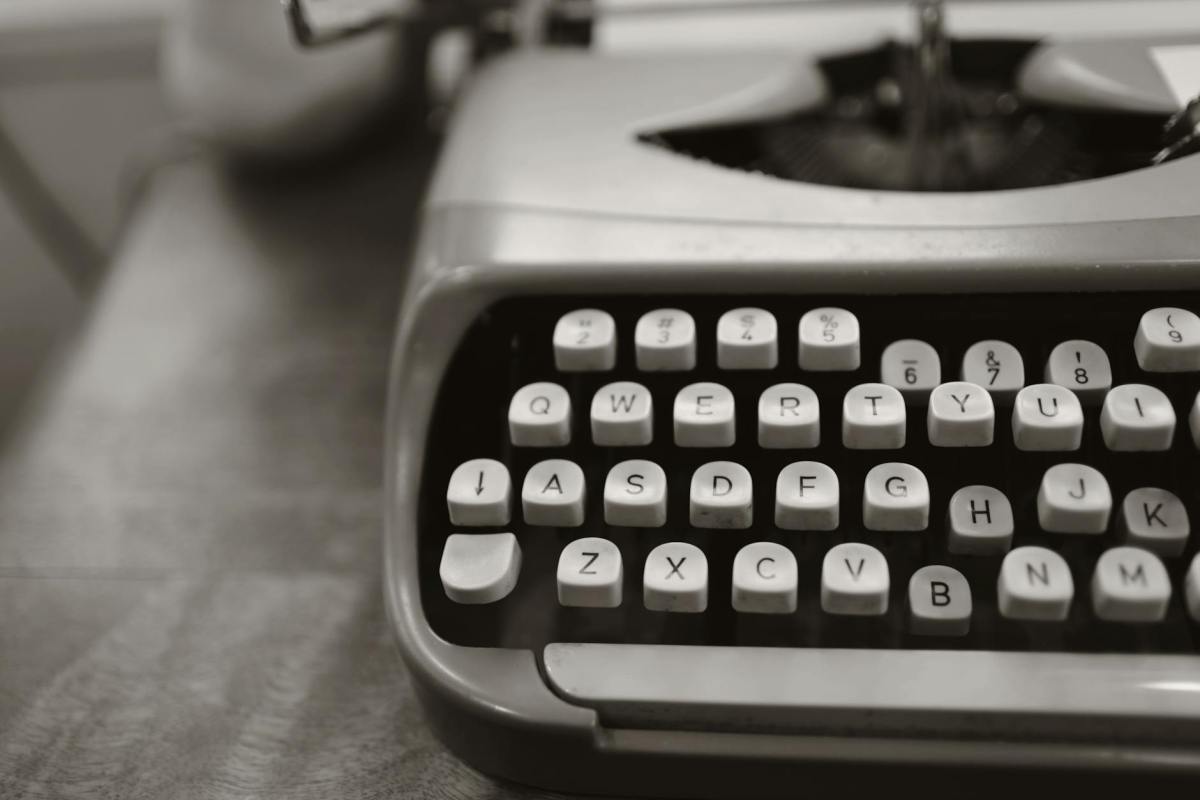
(featured photo from Pexels)

Creatively Unwinding

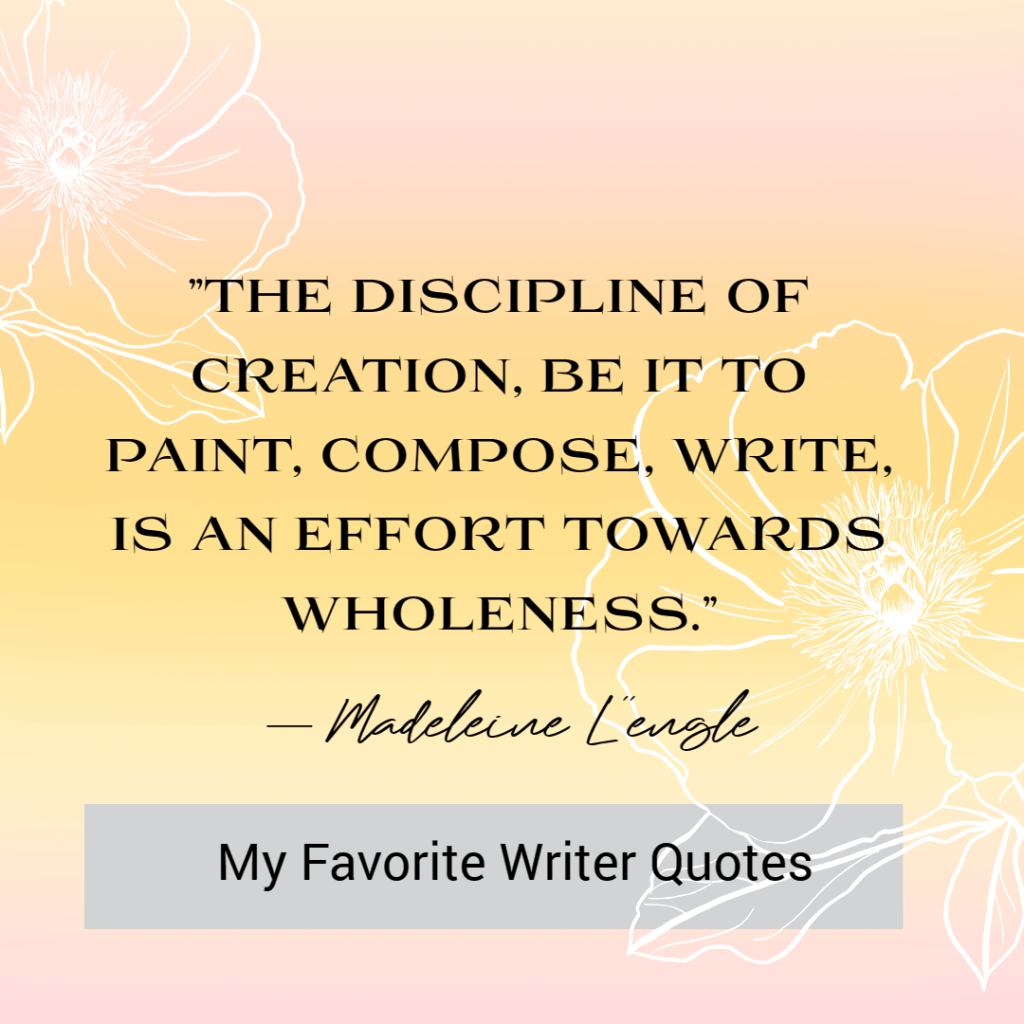
The discipline of creation, be it to paint, compose, write, is an effort towards wholeness.” – Madeleine L’Engle

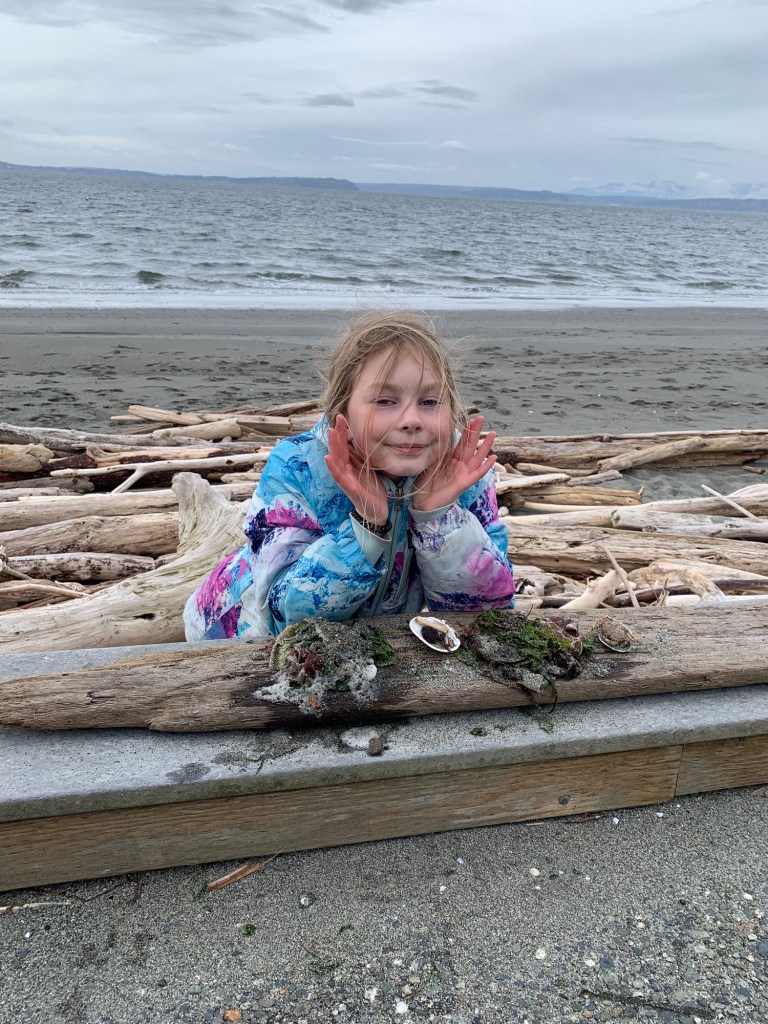
It’s captivating to watch all the different types of creativity at the beach. Unless someone has found a way to monetize sand castles, I believe what I’m watching is some of the unique ways people use their leisure time.

There are all sorts of way to unwind, aren’t there? Here on this beach in the Pacific Northwest, building forts and sand castles top the list.

Almost nine-year-old Miss O likes to create some version of a crab café every time we come to this beach. It’s got scalloped dishes, seaweed garnish and salt and pepper (sand) shakers made from crab claws.

Others have made beautiful and intricate forts out of driftwood. Some of these structures are so sturdy that they last for months and years between our visits.

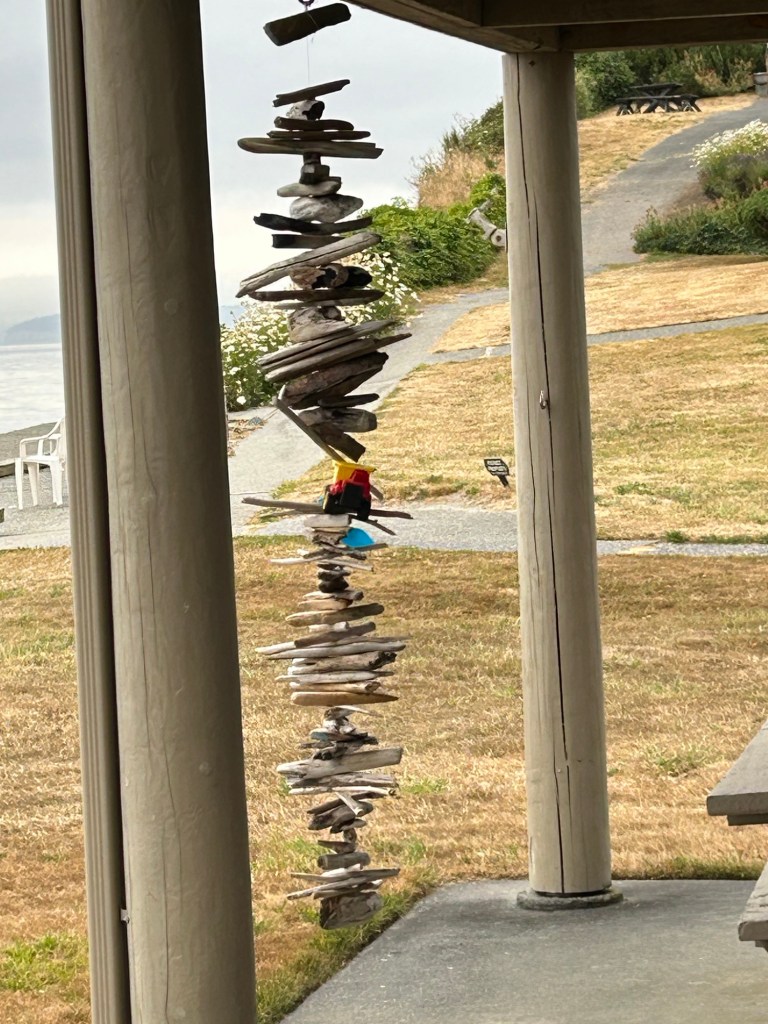
Someone else makes driftwood sculptures. And our neighbor on this trip has made a sort of hanging sculpture from the wood on the beach.

When my friend, Katie, was here, she challenged the kids to come up with their own Beach Olympics. Would their event be Shell Shotput or Beach Balance Beam?

As I jot all this down, it reminds me that writing is another activity to add to the list. Not only am I writing this down for a post, but I can also imagine all the poetry, prose, and photography inspired by time away at this place.

I’m struck by how intertwined creativity is in what we do, even when unwinding. Maybe as the quote for this post from Madeleine L’Engle suggests, it’s all part of working towards wholeness.

Writing Worth Doing

Words have magical power. They can bring either the greatest happiness or deepest despair.” – Sigmund Freud

Last Friday was Mr. D’s last day at his pre-school/daycare. He’s been there for nearly four years. In three different classrooms with so many great teachers, this school has been such a wonderful influence.

When I went to write the amazing staff a thank you note, I did so through a veil of tears. When I was done, it felt like a piece of writing as worthy as anything else I’ve composed because:

  1. It was from my heart
  2. I provided others with a perspective on their impact that would be hard for them to know otherwise
  3. The feelings it elicited were worth rippling out in the world

Here’s the note:

This morning before [Mr. D] left for school, he took his plate to the sink, washed his hands after going to the bathroom, and used his words when he wanted to play with something his sister had. Those three skills are just some of the wonderful building blocks that he learned in his time at GLPCC.

I know it’s hard to measure the positive impact that you have on one child or one family’s life. Just as a stream doesn’t count the rocks it touches as it flows, the kindnesses and fundamentals you all bestow with your patience, creativity, and caring make such a difference.

I get choked up thinking about all the ways your consistency and hard work have made my life better during the years D has been at GLPCC. From the pandemic to surviving the hard drop off days, I have been able to navigate life and work because I was absolutely certain D was in good, kind and loving hands.

So I send you all immense gratitude for the amazing work that you do. And if there is any day that feels tough – think about what our world would look like if everyone took their dishes to the sink, washed their hands, and used their words when they wanted something. It would be amazing. You all are building a better world.


Have you written something simple that turned into a worthwhile project?

(featured photo from Pexels)

Memoir Writing: Understanding the Why

Growing up as a kid, we don’t notice that our parents are growing up too.” – unknown

This post was originally published on 6/7/2023. Heads up – you may have already read this.


In the summer of 2015, I was pregnant with two projects. The most obvious was my daughter, but I was also about to give birth to a memoir about my father. My father had died in a bike accident the day after I finalized plans to become pregnant by invitro fertilization. His death kicked off an urgency to take the recordings I’d made of my conversations with him, and finish the effort I’d begun before he died to write about his life.

I spent the nine months of my pregnancy nurturing both projects, afraid that if I didn’t finish the book I might not be able to after my daughter was born. Then on a night in August 2015, at the end of the day on which I’d finished the very last line edits for the book, I went into labor with my daughter.

Essentially, I gave birth to both at the same time. And both events were joyous, scary, and full of “what now?”

I’ve also come to realize that there is another parallel between book projects and children – our understanding of them grows with time. This is the thing that surprises me the most – that with the benefit of hindsight, I continue to learn about what I myself have written. Who knew that was possible?

Here’s what I mean. I recently was reading Vicki Atkinson’s book Surviving Sue which is about Vicki’s journey with her mom, Sue, who suffered from anxiety, depression, alcoholism, Munchausen’s by Proxy, and Alzheimer’s. On the surface, I wouldn’t have drawn parallels between that and my memoir about my beloved father who didn’t suffer from any of those things.

But reading Vicki’s incredibly insightful, entertaining, and reflective words about her mom as she charted a trail through Sue’s life, I realized that we all navigate a path in our parents’ shadow. Whether we dig deep into what that was and write a memoir about it, or choose to go our own way and not think about it, the influence of a parent, present or absent, is powerful.

I think my beloved dad was an incredibly helpful influence on my life – and yet there are habits of his that I still carry, like aversion to conflict, that I need to heal. Maybe even more so because he didn’t do that work.

As I devoured Vicki’s well-written and insightful book about Sue, I found myself engrossed in the themes that Vicki wrote about, including:

  • Rethinking our parents as people
  • Understanding complicated family members and finding ways to love them anyway
  • Tending to unresolved childhood pain
  • Secrets and lies and how the weight of distortion impacts mental health
  • Dads and daughters and special bonds
  • Grace and patience

Whether the themes related to something in my life or not, reading a memoir from someone like Vicki who has done the work to understand the patterns in theirs is so inspirational. Whether our parents were hurtful or helpful, being able to tell their stories is an incredible gift to ourselves to uncover the a-ha of how their touch continues.

As we search for our “why’s” in life – the power behind what motivates us and defines us, figuring out our parent’s why’s is incredibly illuminating. Watching the way that Vicki uncovers that for her mom in Surviving Sue is like being at an archeology dig. Instructive to see the way she teases out the gems, suspenseful as we wade through the project, and thought-provoking for how we can apply it to our own lives. Then we can uncover, as Vicki does so masterfully, the objects and knowledge that give us the power and a chance for intergenerational healing.  

(featured photo from Pexels)

My book about my beloved father is available on Amazon: Finding My Father’s Faith

Vicki’s book: Surviving Sue print edition

Vicki’s book Surviving Sue Kindle edition

Writing From the Heart

There is a wisdom of the head, and…a wisdom of the heart.” – Charles Dickens

This post was originally published on 3/1/2023. Heads up – you may have already read this.


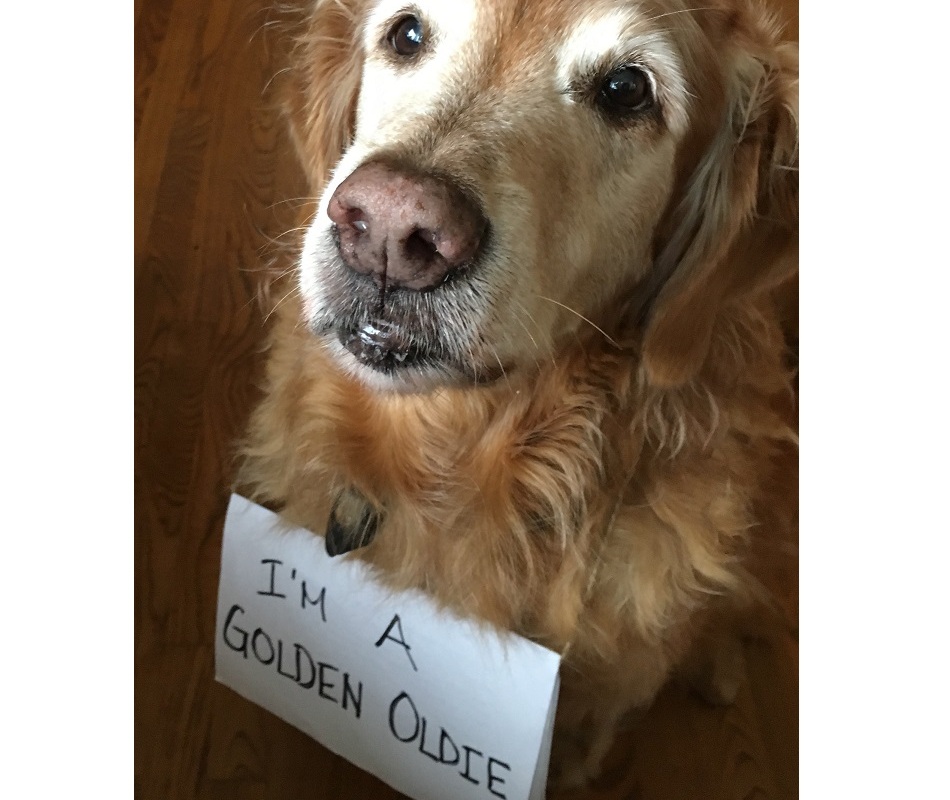
The other day I read a beautiful post that was a tribute to a dearly departed pet. It was so touching and zinged me right where there’s a sore spot from missing my beloved dog, Biscuit, that died six years ago. I had to walk away for about 30 minutes before I could write a comment.

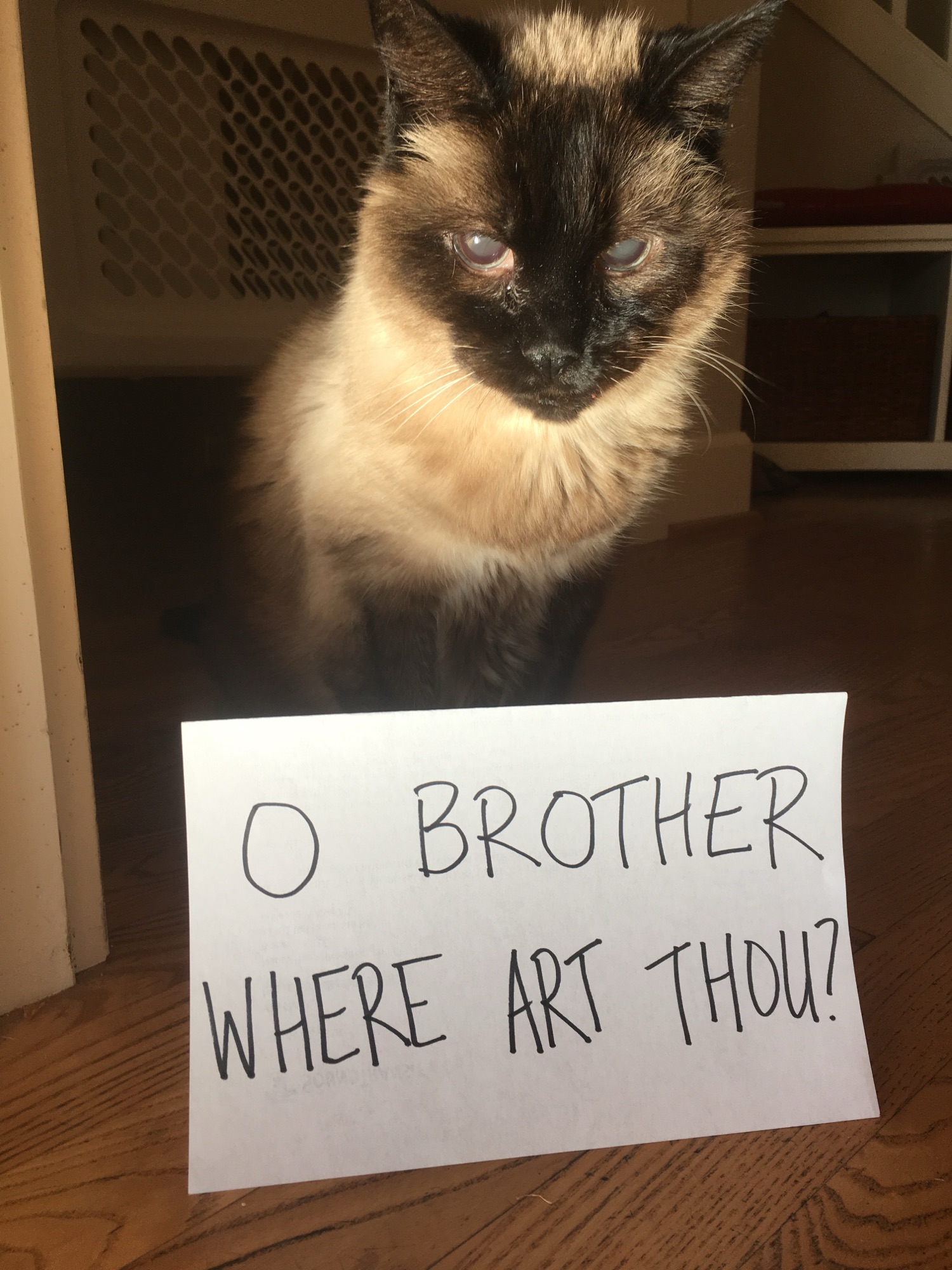
I find this so often be true – the topics that are the closest to my heart are hard to write about when the tears are still flowing. When I had to say good-bye to Biscuit, the next day the only words I could manage was to put a sign next to the cat who was also grieving the loss of his buddy:

Cat missing his newly departed dog

So this set me off wondering why it is so hard. Loss of perspective? Lack of clarity so I can’t yet make meaning? Inability to see the keyboard when the tears are flowing?

Thinking it could be a left-brain/right-brain kind of thing, I looked up the neuroscience of writing and found this New York Times article: This is Your Brain on Writing. Turns out that left-brain/right-brain isn’t much of a delineation that they make these days. Instead the article describes the results an fMRI study of the brain while writing including the detail that in expert writers, there is a part of the brain, the caudate nucelus, that lights up. The same part of the brain doesn’t light up for novice writers, a result that made sense to the scientists because the caudate nucleus is the part of the brain associated with expertise. Which was interesting but didn’t get me any closer to an answer.

Then I looked to our sacred texts and the spiritual world for wisdom on those moments when I can’t write. I was reacquainted with one of my dad’s favorite quotes from 17th century mathematician and philosopher Blaise Pascal: “The heart has its reasons, that reason does not know.” My dad often cited this quote in an argument about belief in God – that our heart knows even if there isn’t any proof for the head. Maybe those topics that zing me are too close to my heart so they haven’t made it to the head yet?

Next on my list of possible explanations was poly-vagal theory about the three states of our nervous system. When I wrote about it for a post, The Unified Theory of Breathing I summarized the three states as: ventral which is calm and regulated, sympathetic the fight or flight response, and dorsal which is when the nervous system has been so stimulated that it shuts down. Perhaps when I can’t write, I’m flooded, in a dorsal state and can’t write? While this alludes to an answer, I don’t feel like I’m dysregulated and can’t write, just that I can’t find the words.

Finally, I turned to the world of yoga and meditation and found an explanation that makes sense to me. Stillness. When my waters are muddied, I have a harder time seeing into my depths. In times of life when the waves are choppy, I am all churned up inside. It’s only when I reconnect with my inner stillness that I can see well enough to cross the space between me and you.

What I found to be as fascinating as the question itself were the lenses I looked through to find my answer. Brain science, theology, physiology, and meditation – my four go-tos and I usually find the answer sitting in meditation. Must be why I do it every day. A confirmation bias loop because it works for me.

Here’s my take-away from the journey: It’s hard to write when I’m too wet and stirred up in my heart. And it’s also hard when I’m too dry and too much in my head. I have to aim for somewhere in the middle where I’m soft, warm, and clear.

What about you?

The Imposter Syndrome In Blogging

Write without pay until somebody offers to pay.” – Mark Twain

The was originally published on 5/3/2023. Heads up – you may have already read this.


On a recent podcast, Dan Harris was telling a story about when he suggested to his wife, a physician who graduated top in her class from a prestigious medical school and has practiced at some of the best teaching hospitals, that she might suffer from Imposter’s Syndrome. His wife’s response made me laugh out loud. Dan said it was something like “It’s interesting that some other people felt like that but I really AM an imposter.”

This Ten Percent Happier podcast with Dr. Valerie Young, an expert on the syndrome for more than 40 years, is fascinating for their deep dive in Imposter Syndrome or “feeling like a fraud, despite evidence to the contrary.” She also noted that some areas are more susceptible to this kind of thinking and being creative is one of them. According to Dr. Young, “when you are in a creative field, you are only as good as your last book or your last performance.

Or, to expand on the professor’s point — your last blog post. That really resonated with me. Here’s why I think that.

I didn’t go to school for it.

In my professional life, I’m an expert in Microsoft collaboration software – things like creating structure and process about where people put and find their files, and workflow (e.g. how do I submit something for approval?).

Does my electrical engineering degree have any bearing on that? No. Outside of some basic troubleshooting and thinking skills, there isn’t any relationship between my degree and what I do now. I could draw a similarly loose relationship between the writing classes and I took in college and writing now, but I wouldn’t ever call myself an expert because….

Writing has been around a long time.

Writing has been around for about 5,500 years. I’m pulling that number from this delightful Psychology Today article about The Evolution of the Written Word. It’s a lot easier to feel like I know a good deal about collaborative software even though it changes daily and I’m always have to look something up. But writing? Well, there’s been Shakespeare, Fitzgerald, Garcia Marquez, Rushdie, and Hemingway and just typing that list makes me remember all that I don’t even know about the great writers, much less about writing.

No one pays me to write

For whatever I do and do not know about Microsoft software, I’ve been able to make a living out of a career providing consulting services around it. I’ve even published a couple of technical books, some of the least profitable parts of my career, which doesn’t bode well for me making a living from writing. But no one pays me to write, or at least not that I’ve managed to figure out yet, which makes me lack in the most basic form of transactional affirmation.

For some people, and I’m thinking of my colleague, Jack Canfora, who have made a go of writing as a career, the mantel of a writer seems to fit a lot better. Which affirms my inclination to think of myself as just a hobbyist.

And yet…

So why persist as a writer? Because writing feels more meaningful than any single consulting project I’ve ever done. Because writing requires me to dig deep and put myself out there is a way that is not required with computer consulting. Because writing about life creates a goodness in my experience that increases my enjoyment in life.

Here’s what I’ve concluded. Sure, sometimes (or a lot of times), I feel like an imposter as a writer and I know I’m not alone in that feeling. But every one who lives their authentic words out on paper can’t be an imposter to their experience. Any one who has hit the word “publish” has indeed created something. No one who uses words to create feelings in others and communicate should suffer from the distinction that others may have done it better. All who bleed, figuratively speaking, to put themselves out there should be proud of the effort.

What about you? Do you feel like you’ve suffered from Imposter Syndrome as a creative? What have you done to combat it?

(featured photo from Pexels)

Writing In the Dark

Go into yourself and see how deep the place is from which your life flows.” – Rainier Maria Rilke

This post was originally published on 4/12/2023. Heads up – you may have already read this.


I wrote this post early Monday morning. Around 3:43am that is. I have all sorts of things I do in the middle of the night when I can’t sleep. Mostly worry. Then I review my to-do list. Then I go back to worrying some more. Usually after about a half an hour of tossing and turning, I remember to start meditating and praying. After a few minutes of meditating, I kinda just flow into writing.

It’s all in my head in the dark. I know that there’s a lot of sleep wisdom that says to keep a notebook beside the bed for writing things down. But this composing in my head works for me. It’s not that I remember everything I write, it’s just that it slips me into a different mode. Eventually I’ll write myself back to sleep. The best part is that I even retain some of it when I awaken.

I recently learned of some interesting research from a Ten Percent Happier podcast with Professor Lindsey Cameron. She studied whether meditation helps at work, specifically focused on customer facing jobs, and the results were fascinating. She found that traditional breath work meditations helped with centering the person in a bigger perspective so that the ups and downs weren’t as jarring. And she found that loving-kindness meditation increased the ability to place ourselves in other’s shoes.

There’s research that shows loving-kindness practice reduces activity in part of the brain that’s active when we are anxious. And a study that showed we don’t want to practice mindfulness when doing emotionally taxing work. The example I heard in that case was a flight attendant who is having to pleasantly telling people to buckle their seat belts over and over again does not benefit from being more mindful in those moments.

Back to the point about writing in the dark. It seems our brain research is catching up with what our spiritual traditions have taught us for millennia. There are practices that help to literally change our minds. They’ve given us a tool set that we can use to help put ourselves in the best frame of mind to create, to understand, to be less anxious, to change, to be more altruistic, and so on. It’s no wonder I start writing in the dark after I start meditating, because the practice helps to shut down worry, and then I open up to creativity.

And it matches what works for me during daylight hours. In my post When I Write, I looked at what time of day works for me and it’s always after I’ve done the work to be quiet, to meditate, and to get a little perspective on life.

It feels a little clinical to separate out the meditation and prayer practices from the spiritual traditions and beliefs that tie us to a Higher Power. But in the middle of the night as I’m settling into a rhythm of breathing and repeating “faith over fear,” it’s also kind of fun to know I’m setting up the conditions for calming my brain. And that I might even get a post out of it.

(featured photo from Pexels)

My Love Affair With Words

Be sure to taste your words before you spit them out.” – unknown

The other night I was fixing dinner while my seven-year-old daughter was in the family room working on her very first short story. “Momma, how do you spell persevere?” she asked. As I replied, I took in the really sweet scene and thought to myself “there’s another leaf that’s going to stick on my word associations tree.”

Because that’s how my brain likes to work — by creating associations to words. Like with smells or sights, words themselves conjure memories and the older I get, the more associations I have – or in my mental image, leaves on my word tree.

For example, enthusiasm – from en-Theos or with God – reminds me of my beloved father who was a Presbyterian pastor. There isn’t a word that describes his remarkable energy better and I can’t hear it without thinking of him.

Or plethora which is my best friend’s favorite word. And since we’ve been friends since we were seven-years-old, there are a plethora of memories that come to mind when I hear that word, especially of high school when life was abundant in opportunity, boys, and screw ups to learn from.

Then there’s the phrase “pit stop” that with the hard “t” and “p” sounds reminds me of my sister. She used the phrase in a letter she sent to the whole family when we were in 20’s when she was mad at my brother for not breaking off a relationship with one of her friends properly. In trying to smear him for using others as a “pit stop from himself,” she instead attached that phrase in my mind to my image of her, along with “misdirection” for her ability to distract from the work she needs to do.

Plenitude is a recent favorite that comes in accordance with meditation which almost always leaves me with the reminder that at that moment I have enough.

When I first started going to meditation class ten years ago as I was healing from my divorce, there was a bowl of inspirational words on a table to pick from. I kept getting “transformation” and I was so completely tired of it I just want to scream, “Haven’t I changed enough for a life time? Leave me alone.” And fortunately when I vented that thought, I was usually down on my knees in prayer pose and from there could bend to accept more renewal.

Because renewal has a friendly association for me. That means my cup is being refilled and hopefully my energy too. I’m friends with renewal in a way that I will never be with transformation.

Calibrating sentences” is one of my recent favorites that comes from playwright and writer, Jack Canfora, on a podcast that he did bout the creative process. Isn’t that a beautiful way to measure the weight and balance the best utterances come with? And given that it comes from such a gifted writer, it gives me hope that if I work at it too, I might be able to calibrate a few great sentences in my lifetime.

Fledgling gained new attachment for me when I had kids. Never before had I been able to appreciate the delicate nature of holding newness in my arms combined with the potent desire to provide a platform strong enough to see them take flight.

Bivouac reminds me of my climbing friend, Phil, who is always joking that it’s French for mistake. It’s not, it means a temporary camp without cover according to Oxford languages, but since Phil bivouacked high on Mt. Everest during the climb when he became the first American to climb the North Side of Everest, it’s a well-earned attachment.

Say the word “authentic” and I think of my meditation teacher and friend, Deirdre. It’s the attribute that makes it so she can somehow manage to lead a yoga class and yell, without missing a beat, “Move on, Motherf*$)#^!” out the door at someone she thinks is casing her car.

The word I associate with me three-year-old son is observer. The other day I turned on some kitchen lights I don’t usually use for a house guest. When my son saw them, he took me by hand to show me where other lights of that same type were in the house. He sees the quarter moon and says, “The moon is missing a piece.” And most recently, in one of his most profound observations, we were watching a storm out the window and he said to his sister, “Sshh, I can’t see.

There’s “constellation” and it reminds me of my brother and one of his favorite songs by the same name by Jack Johnson and Eddie Vedder. It also is attached because my brother is always seeing the patterns in things.

Love has so many associations that it has become cluttered. But dedication, commitment, intimacy, fun, play, expansiveness, laughter, loyalty, selflessness and desire each conjure a particular person or memory in my life so that all together, they jumble into a delicious mix of how love feels to me.

I can’t hear the word “condensation” without thinking of my very verbal daughter. As a four-year-old, someone was telling her he had water forming on the inside of his camper van on cold nights and she responded, “You mean condensation?”

My love of words has infected me so much that for almost any person in my life, I have a word association for them. It makes me wonder that if, by the time I’m really old, if I’m lucky enough that my body perseveres that long, every time I construct a sentence, there will be a memory and person hanging off of it.

Maybe that will be my tree of life and I’ll be able to enjoy each delightful word with the memory that comes with it.

(featured photo from Pexels)
Vulnerability

To share your weakness is to make yourself vulnerable; to make yourself vulnerable is to show your strength.” – Criss Jami

This post was previously published on 2/2/2022. Heads up – you may have already read this.


The other day my friend, Doug called when I was working on a blog post. When I responded to his question to tell him what I was doing, he said, “Oh, that’s awesome. Send me the link to that blog.”

I did and then….<nothing.>

Did he not like my latest post? Did he not like any post? Maybe he didn’t read it? But he asked for it? <Gulp>

Vulnerability is hard.

When I applied to be a writer for the Pointless Overthinking blog (now Wise & Shine), I didn’t tell anyone in my in-person life. I was excited that I might have the opportunity to be a writer for a shared blog but telling someone seemed too scary — I didn’t have the guts to admit it out loud.

Six weeks went by. Because it was well within the window of expected response, I didn’t think about it much one way or the other.

Then from deep inside, my courage to follow-up won over the vulnerability of confessing that it mattered. I sent a follow-up email pointing out how well I can pointlessly overthink. And I got a response within the day.

This internal struggle reminds me how much I’ve learned about vulnerability in recent years, primarily from Dr. Brené Brown’s research. She defines vulnerability as “the emotion that we experience during times of uncertainty, risk and emotional exposure.” It is where we go when things matter and yet they are out of our control. Which I believe is the heart of life.

But she has researched extensively the connection between vulnerability and courage.  “In my most recent research on courage and leadership, the ability to embrace vulnerability emerged as the prerequisite for all of the daring leadership behavior.” Or said more succinctly in one of her most oft repeated quotes, “I believe that we have to walk through vulnerability to get to courage.

Whether it is leadership, creativity or intimacy, we have to risk emotional exposure in order to show up. If something matters, it will hurt if not met with success, acclaim or acceptance. But I’ve learned that showing up always results in SOMETHING that keeps moving me forward on my journey. I’ll never be able to say that I don’t consider what the potential audience might think as I write this – but I get closer to knowing what it is that I think of my effort.

And what about what my friend Doug thinks? Something I read in a book published by blogger, Julia Preston’s “Voices: Who’s In Charge of the Committee In My Head?” about her life and blogging experience gave me insight into the reactions, or lack thereof, of my non-blogging friend.

“One of the most valuable lessons that I ever learned about vulnerability is that the more willing I am to tell the truth about myself to a trusted listener – someone who will not judge me for whatever heinous crime that I believe I may have committed, the more of me there is to love. The more others trust me enough to share from within the depths of their being, the more that I realize that we’re all struggling with the same human foibles.”

Voices: Who’s in Charge of the Committee In My Head? by Julia Preston

My mountain climbing friend and former IT work colleague, Doug, isn’t a blogger or writing in any format that I know of to share his authentic life. If I took up knitting, I certainly wouldn’t expect any insightful commentary from him on that pursuit. So why do I expect it about writing?

Because to speak to anyone else, writing has to be vulnerable and authentic. Sometimes opening that vein to pour onto the page takes a lot of guts but it’s the only way to reach to others who are willing to walk through vulnerability to get to courage.


I’ve written a related post on the Wise & Shine blog inspired by Miss O’s 3rd grade teacher about the reader’s experience: Writing Windows and Mirrors

(featured photo from Pexels and featured quote from Mitch Teemley: Be Humble. Or Be Humbled )

Give Me A List

To meditate means to go home to yourself. Then you know how to take care of things that are happening inside of you, and you know how to take care of the things that happen around you.” – Thich Nhat Hanh

This post was originally published on 10/26/2022. Heads up – you may have already read this.


Have you thought about the effectiveness of lists in writing? Take a moment and think of the famous lists that come to mind like My Favorite Things from The Sound of Music or the Ten Commandments from the Bible. Even when we can’t name them all, I bet we can name a few or most.

Lists can help us as writers be concise, ordered and on topic. They also let the reader draw their own inferences. One of my favorite lists is Jack Canfora’s post, Dear Lord, Not Another Post on This Blog about Gratitude and I’m grateful it made me want to continue to write. AP2 polled the readers on the Wise & Shine blog and created 9 Pieces of Indispensable Life Advice From Your Future Self. And Dr. Gerald Stein’s list of How to Become Your Own Best Friend has so many nuggets of wisdom to mine. I can name those lists as impactful off the top of my head plus some items on them because at least I find lists are more memorable.

So, here’s a list I’ve written.

Why I Meditate

I meditate because it is the one thing that has improved the quality of my life the most.
The quality prior to meditation was only manageable if I drank a bottle of wine a day.

Meditation helps me live in my heart, not my head.
Because the voice in my head is an asshole.*
And I was sometimes an asshole when I listened to it.

Meditation has helped me to eat at the table of what IS and stopped begging at the table of what ISN’T.

I meditate to so that at least once I day I’m listening to the right things instead of the wrong things.
Right things include love, empathy, patience, wonder, awe, curiosity, grace, laughter.
Wrong things include judgment, self-flagellation, anxiety, comparison.

Meditation has helped me give up two key stories: that situations are win/lose and that choosiness leads to joy.

Instead I believe in bowing down to openness and creating porous boundaries where I try not to hang out to things as they come and go.

I meditate because it helps me exercise my grace muscle instead of my judgment reflex.

Sitting quietly in meditation has helped me to hear the heartbeat of life and trust in its timing and flow.
I almost always get this wrong and push ahead of the envelope but I’ve learned to respect it, especially in hindsight.

Meditation has helped me find internal quiet and be able to rest there.
When resting in that space, I can more easily find my way to others.

It takes repetition but meditation in five-fifteen minute daily increments has been the most gentle way of changing my life.
The other ways change has come to my life through loss, suffering and chaos have been a lot less fun.

And when I get all of the above wrong, which I do all the time, meditation helps me not judge myself too harshly, breathe and begin again.

How’s that for a list? Do you use lists in your writing? How about meditation?

*I give credit to former newsman Dan Harris, a self-described cynical but committed proponent of meditation and mindfulness for the phrase “the voice in my head is an asshole.” His podcast, Ten Percent Happier has great guests who discuss the science of mindfulness and it also has free, short 8-10 minute guided meditations. And for anyone looking for an app, Healthy Minds has 5-minute meditations. I am not affiliated with either.

** Update on 9/5: Another related post on meditation: Does Loving-Kindness Actually Matter?


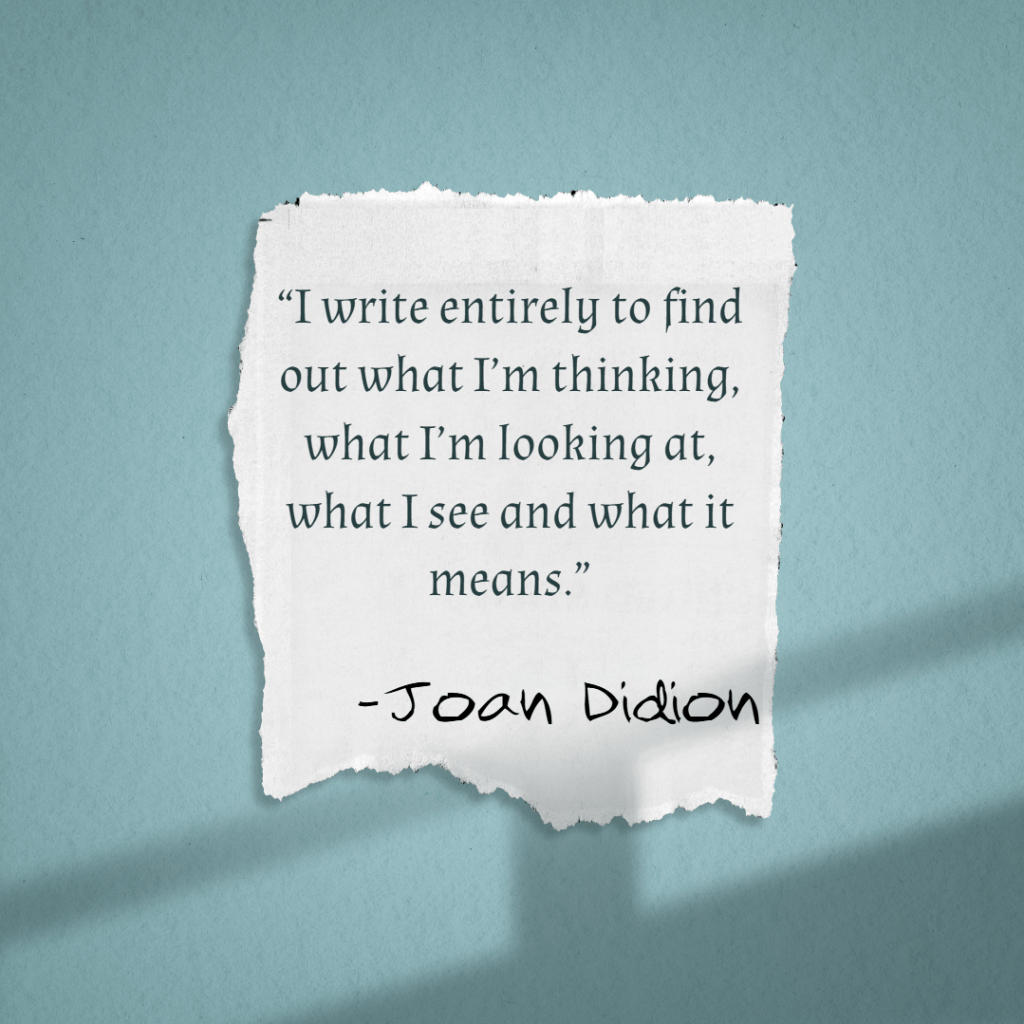
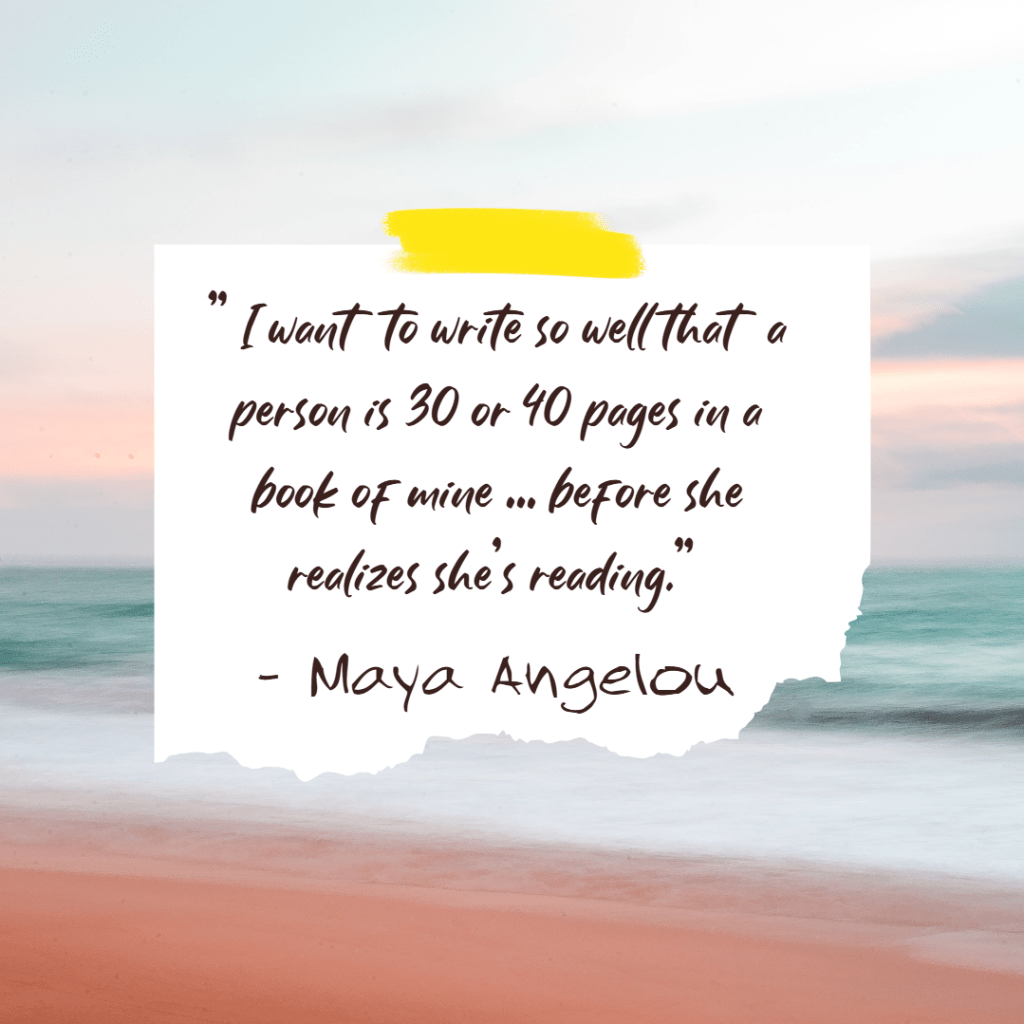
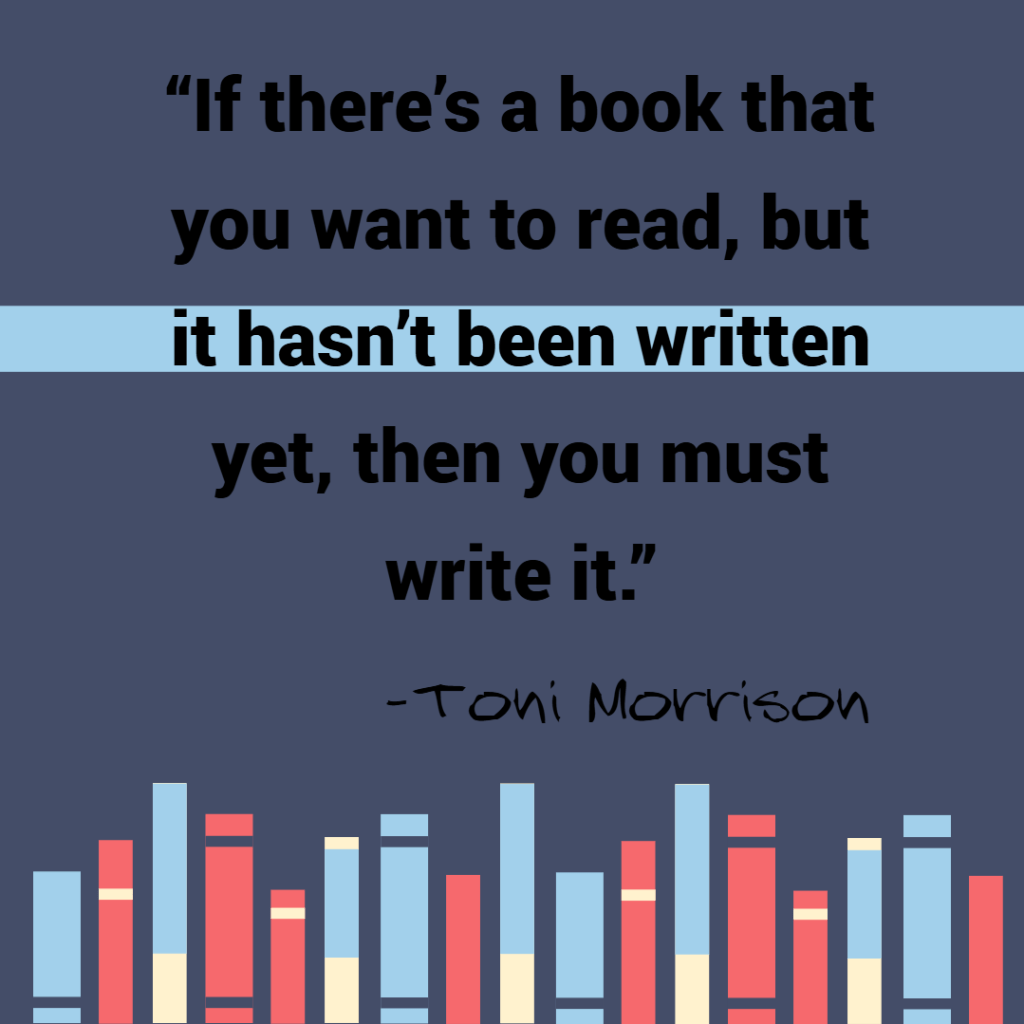
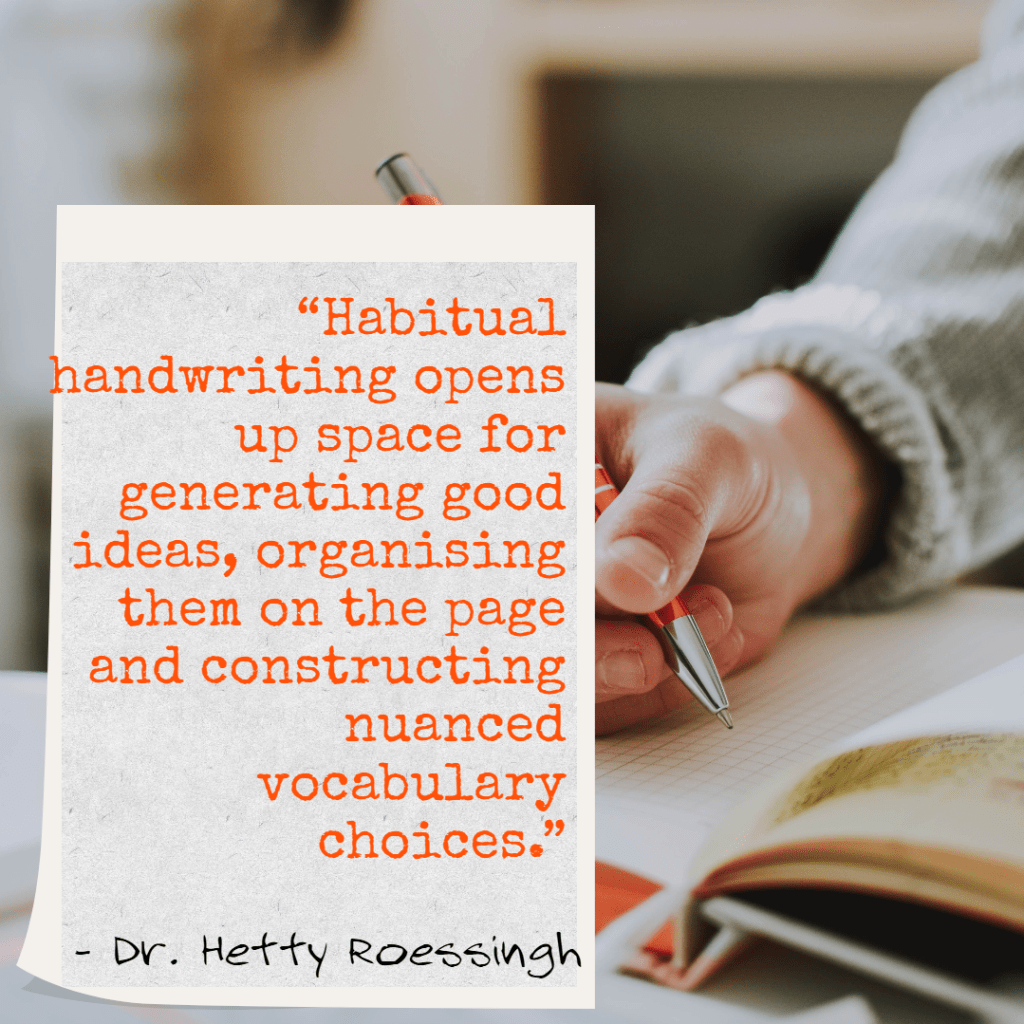
Speaking of lists, I’ve compiled a list of favorite writer quotes submitted by bloggers in response to my poll of favorites on the Wise & Shine blog: Your Favorite Writer Quotes

(featured photo from Pexels)