The Scarcity Loop

Enough is abundance to the wise.” – Euripides

Fair to say that Cooper the dog steals something in our house nearly every day. I think most of my photos of the week posts capture him with some contraband. It’s easy to do the math and figure out that he must be doing that a lot in order for me to have that many photographs.

I learned of some research this week that was a huge a-ha for me. It shed light not only on Cooper’s habits but also some of my own. On the Ten Percent Happier podcast, journalist and author Michael Easter (his most recent book is Scarcity Brain) was talking about how our ancient brain mechanisms loop us in to always wanting more.

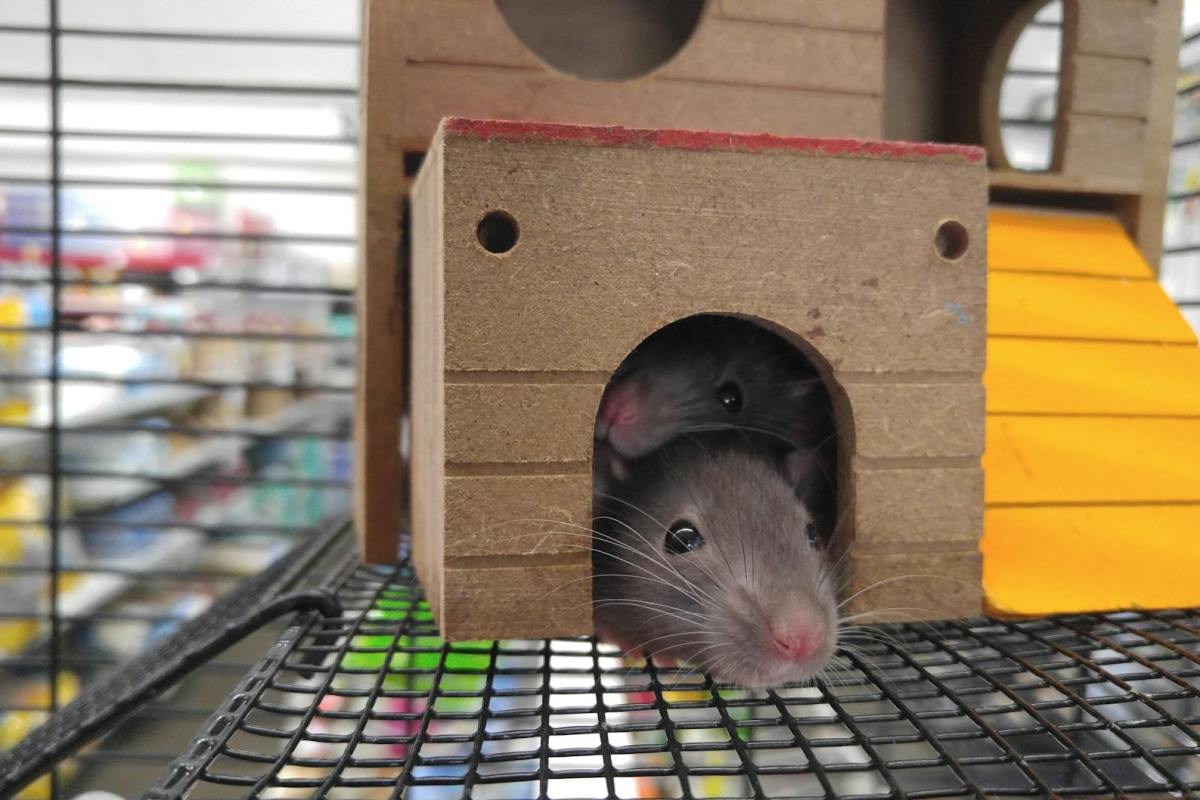
He described a research project in which rats were given a choice. The first choice was one reward system that gave them food every other time they pushed a button. The other choice was a reward system that didn’t have predictable cadence but gave them slightly more food when it did pay off (like an average of every 5th time).

The rats were choosing the second choice withe the unpredictable payoff which was surprising to the researchers. Usually they will choose what gets them the most food. The payoff of the first choice, the predictable every other time system was much higher.

The rats were living in small, plain cages. Then they changed the rats’ environment so they were living amongst plants in an environment that mimicked a natural habitat for rats. Once they changed the habitat, the rats switched to picking the every other time reward system.

The conclusion was that when we don’t have enough stimuli, we’ll make odd choices in order to spice things up. Like doomscrolling through social media, thinking we’re hungry when we aren’t, or in Cooper’s case, stealing the Christmas gnome.  

And Michael Easter’s take away on that research and other studies about what one of the best ways to get more stimuli? Getting out of our climate controlled houses to spend time in nature.

It’s funny but when I took Cooper out for a hike last week, he didn’t steal anything after we got home. Not even a dirty, sweaty sock that smelled of the trail. And for that matter – neither did I.

(featured photo from Pexels)

You can find me on LinkedIn: https://www.linkedin.com/in/wynneleon/ and Instagram @wynneleon

I host the How to Share podcast, a podcast celebrates the art of teaching, learning, giving, and growing.

I also co-host the Sharing the Heart of the Matter podcast with the amazing Vicki Atkinson.

Figuring Out Feelings

These pains you feel are messengers. Listen to them.” – Rumi

There’s nothing like watching a kid trying to figure out what they’re feeling to remind me how hard it is to name what’s wrong.

We traveled this weekend to San Francisco for a family party. Tons of fun! Also lots of people to coordinate with. I’m sure I don’t need to tell you how traveling can decrease the easy access to food, increase how far we need to walk, and obliterate the routine. All in the name of doing fantastic things, of course, but a little disorienting nonetheless.

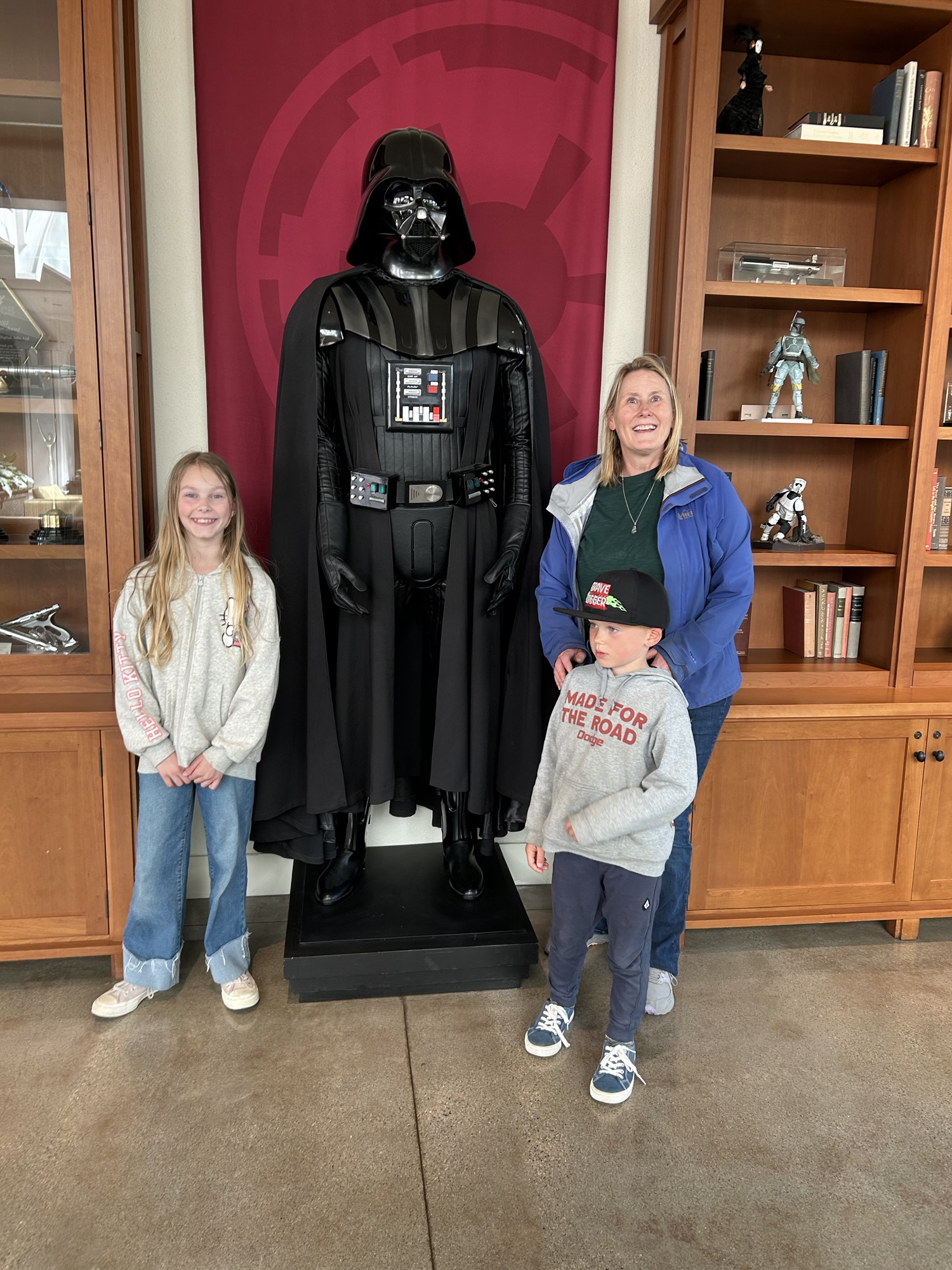
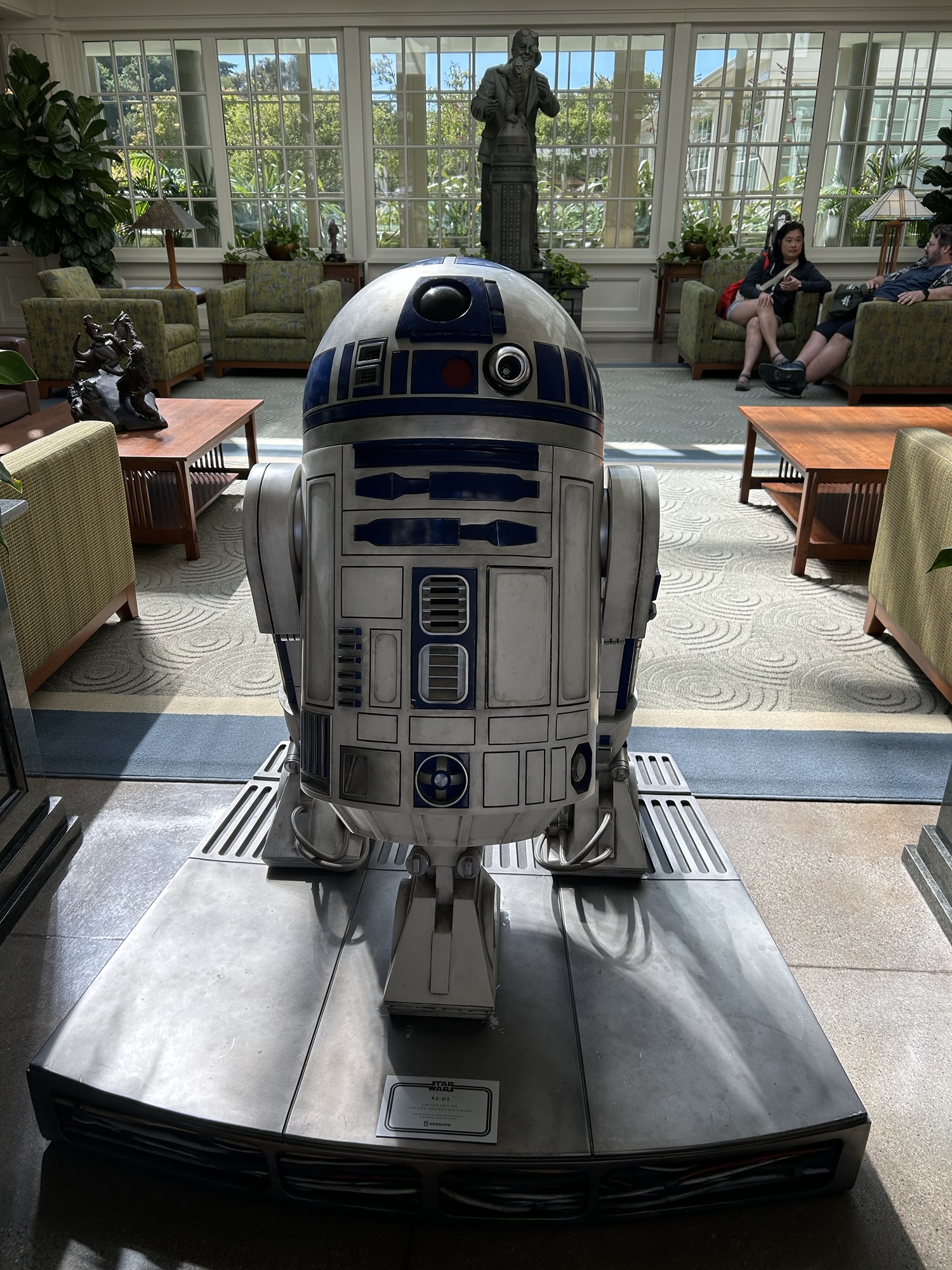
At one point on Friday afternoon, we walked to the Lucas Films office building to see the Star Wars memorabilia on display. They had the R2D2 in the lobby as well as the original Darth Vader costume. And tucked in glass shelving, they had Han Solo’s light saber and some other guns from the movie.

Yeah, you don’t even need to be a huge Star Wars buff to think that was cool!

We walked out of there and my son was upset. He wasn’t crying or saying anything but he parked himself on a wall a half dozen steps from the door and wouldn’t move. When I finally got him to talk, he said, “It’s not fair that they get to have those guns when I want one.”

Hmm… I didn’t think that was the root of it. Granted I’m not a five-year-old boy, but the guns didn’t seem amazing enough to spark a protest.

After some minutes of silent protest with his sister and me at his side and our family patiently waiting about 50 feet away, he finally could be persuaded to walk around the corner to a Starbucks. At least that was a little slice of familiar territory.

Even so, it probably was another ten minutes before he ate and drank enough to come back to himself. He still wanted a Star Wars original light saber but he could move on.

It made me wonder how many times I’ve hit the wall, mistaken the source of my depletion, and tried to climb the wrong tree to get over it. More times than there are Star Wars movies, for sure!

Being human is hard. Borrowing social psychologist Jonathan Haidt’s metaphor for the body (elephant) and the mind (rider) — the elephant stops moving and the rider, thinking it’s in charge, finds the best story why, but not necessarily the most accurate. And then we can find ourselves wanting to shoot our way into the Lucas Films lobby to steal priceless memorabilia when all we really need is a snack.

May the Force (of stopping long enough to get to the bottom of our angst) be with you.

(featured photo is mine)

You can find me on LinkedIn: https://www.linkedin.com/in/wynneleon/ and Instagram @wynneleon

I host the How to Share podcast, a podcast about how to share anything – to the appropriate audience, with the right permissions, at the most opportune time.

I also co-host the Sharing the Heart of the Matter podcast, an author, creator and storytelling podcast with the amazing Vicki Atkinson.
The Art of Apology

And now that you don’t have to be perfect, you can be good.” – John Steinbeck

This piece was originally posted on 3/9/2022. Heads up – you may have already read this.


The other night my two-year-old son wanted me to get a step stool out of the closet. As I was lifting it out of the storage space, he reached for it and his littlest pinky finger got pinched in the hinge that connects the sides of the ladder as it opens.

Yikes! I put the step ladder down, scooped him up and said, “I’m so sorry.”

I wanted to say, “But you need to wait til I get it all the way out.” And “That’s why these things are grown-up things.” And probably 15 other things in order to make myself feel better because I very much didn’t like being responsible for an action that pinched his finger.

But I didn’t, because I remember listening to a podcast with psychologist Harriet Lerner on Brené Brown’s Unlocking Us series that was like a master class on apologies. It was 2 years ago and so well done that I still remember some talking points. One being “When ‘but’ is tagged on to an apology, it undoes the sincerity.” If there is a genuine counter point or excuse to the apology, it needs to happen as a separate conversation.

So I looked up some more details from Dr. Lerner’s book, Why Won’t You Apologize: Healing Big Betrayals and Every Day Hurts. She notes there are cultural differences when it comes to apologies. There are also gender differences – males are more likely to be non-apologizers, women are more likely to be over-apologizers. But for anyone trying to craft a sincere apology, here are some pointers she provides of things not to do:

  • Saying I’m sorry you feel that way: These are apologies that don’t address what happened but instead try to target the emotions of the other party.
  • The “IF” apology: I’m sorry IF you thought is a weaselly effort to not own what happened.
  • The mystifying apology: What is it that the apologizer just said? Apologies that usually are too wordy and talk around the issue, leave the other party feeling confused.
  • The apology as instant expectation of forgiveness: I apologize now you must forgive me is a quid pro quo that undermines the apology as a genuine offering and not just a means to an end.
  • Not listening: If we don’t hear the injured party out, they will not feel heard and any apology will fall short of the entire wound.

So what is a good apology? A simple statement expressing remorse for the action we are apologizing for, owning what we did, not taking more that our share of blame (because that comes across as insincere) and not trying to speak to how the other person feels.

Just thumbing this book reminded me of some old wounds that I was surprised to find hadn’t fully healed over because I can still think of the poor apologies I’ve received. The down-played sorry – “I’m sorry that I called you a ‘brat’ when I was feeling crappy” when that wasn’t the word used at all. The blame-shifting excuse: “I was feeling sick, what was I to do?” when someone no-showed/no-called to the birthday party I threw for her. And the non-apology because the person who caused the injury paraded around all his own hurts as a way to claim he couldn’t be responsible for his actions.

And it also brought to mind incidents where I owed an apology and fell short. The little hitches where I still feel a little guilty or ashamed because my actions were thoughtless, careless, or uninformed and I never had the guts to address it properly.

All these memories make the case of how important a good apology is. As Dr. Lerner says, “I believe that tendering an apology, one that is authentic and genuinely felt, helps the other person to feel validated, soothed and cared for and can restore a sense of well-being and integrity to the one who sincerely feels she or he did something wrong. Without the possibility of apology and repair, the inherently flawed experience of being human would feel impossibly tragic.”

This makes me think of one of the best apologies I’ve ever heard. When my friend Jill was feeling tender because something her partner did, he said, “Please tell me what I did so I can never do it again.”

Fortunately having two young kids gives me plenty of opportunity to apologize. Thankfully it’s usually for skinned knees and stubbed toes for which I have no responsibility but am still sorry they happen. Then I get to participate in the healing. As my son said for the pinched finger incident, “Mama, kiss it?” And then we get to continue growing and learning, all the while in relationship to each other.


Saying “I’m sorry” reminds me of the power of keeping it simple. I’ve posted about The Power of Short Sentences on the Wise & Shine blog today.

(featured photo from Pexels)

The Power of Story

Quiet the mind and the soul will speak.” – Ma Jaya Sati Bhagavati

This is a piece was published previously on 10/19/2022. Heads up, you may have already read this.


Among the many stories my ex-husband told me of his precarious childhood, there is one that sticks out. He was five or six years old, living in Florida and his mom was dating the Hat Man, a man who wove and sold palm frond hats to tourists by the side of the road.

One night after he went to bed, my ex-husband woke up and smelled smoke. He tried to get out of his bedroom but his mom had locked him in from the outside. Finally he escaped out of a window to discover that his mom and the Hat Man had fallen asleep while smoking and drinking too much and set the house on fire.

Now that I’m a parent, I often think of my ex-husband’s story even though we divorced years before I ever had kids. The story of the precocious and energetic young boy who was probably a little bit of a pain in the ass locked into a room so his mom could drink in peace and set the house on fire.

I think of it when I need more patience to coax cooperation instead of compel it. I think of the story when I need extra capacity to provide good care to little ones when I am needing care myself. I think of it when I’m digging deep to do my best when my kids seem to be bringing their worst. I think of the story when I’m grateful that my parents modeled kind and consistent care with me as I was growing up.

When we tell our stories, or when we as writers tell other people’s stories, we often can’t see the effect they have on those who read them. Our narratives have the power to inspire others and become fuel for good and bad decisions. When we do a good job of humanizing the trauma that comes with life, we pass on the comfort of being seen and open the source for healing. We can lay the ground for growth by telling the stories of when life wasn’t so good.

I thought of my ex-husband’s story again the other day when I heard a Ten Percent Happier podcast with therapist Dr. Jacob Ham. He was talking about relational trauma, the small moments of neglect, abuse and fear some children experience from a very early age.

Dr. Ham described this trauma, “What’s really screwed up is as a baby that the only way to deal with fear and terror is to run toward your caregivers. They are supposed to protect you. You scream out hoping that they’ll come to your rescue but if they are the ones hurting you, then it puts you in a terrifying loop where you want to run from them but at the same time your body tells you to go find them. And then you spend the rest of your days trying to figure out how to resolve that paradox.

I have seen it [the paradox] be worked through. The key term that and I haven’t found a good layman’s term for is reawakening the capacity for mentalization. And mindfulness is a very close overlap to mentalization but the term means knowing that other person has a mind and that I have a mind and being curious about what’s happening in your mind as well as being curious about what’s happening in my mind.”

Which I interpret as that Dr. Ham works with his patients uses mindfulness to notice the deep stories in their minds and unpack their reactions that are fueled by them. In other words, the power of the story runs through this all – to tell where we’ve been, to inspire and inform others and to discover our internal paradoxes when we face ourselves.

No wonder being a writer is such a rich pursuit. Rich in power to change that is, because rich in monetary reward doesn’t necessarily follow. But it should – because it’s important work.


I’ve also published a post today on the Wise & Shine blog today with my favorite quotes about writing: My Favorite Writer Quotes

(featured photo from Pexels)

Photos of the Week: June 3

It is very important that we relearn the art of resting and relaxing. Not only does it help prevent the onset of many illnesses through chronic tension and worry; it allows us to clear our minds, focus, and find creative solutions to problems.” – Thich Nhat Hanh

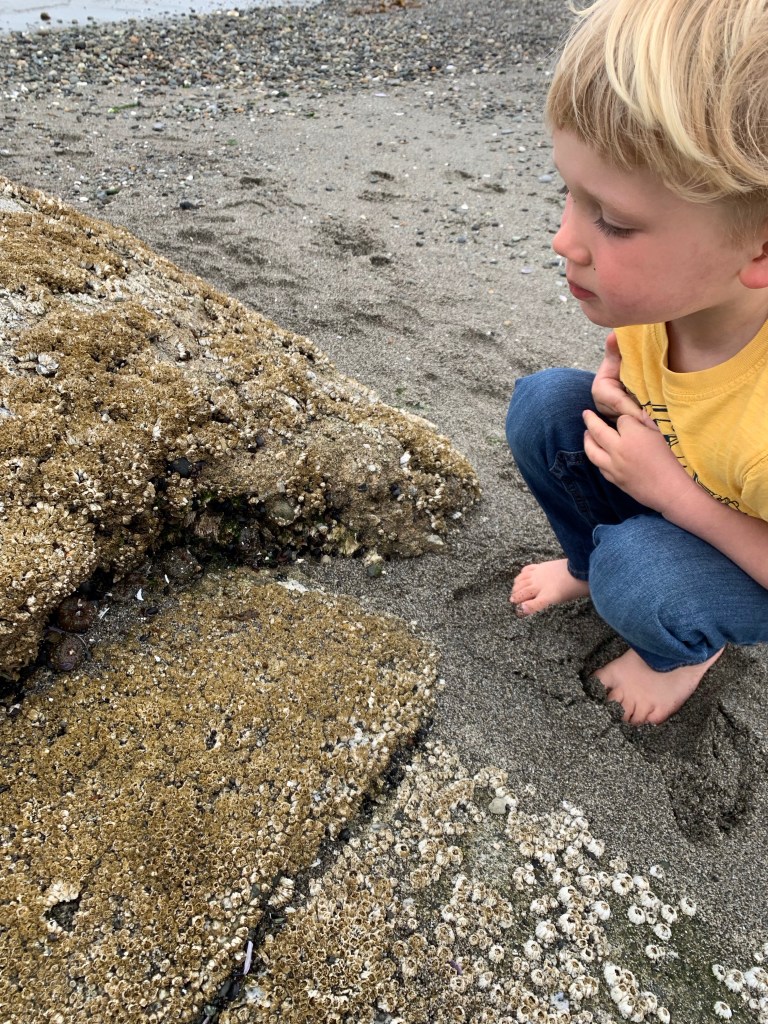
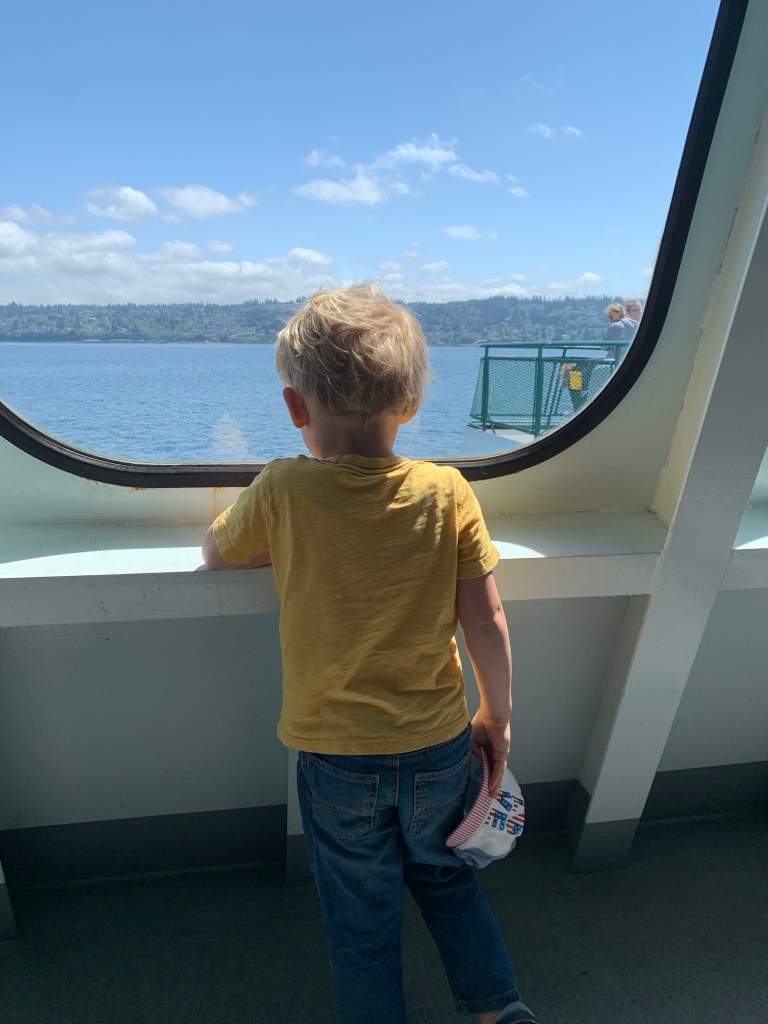
In accordance with this quote, all these pictures are from our long weekend on Whidbey Island.

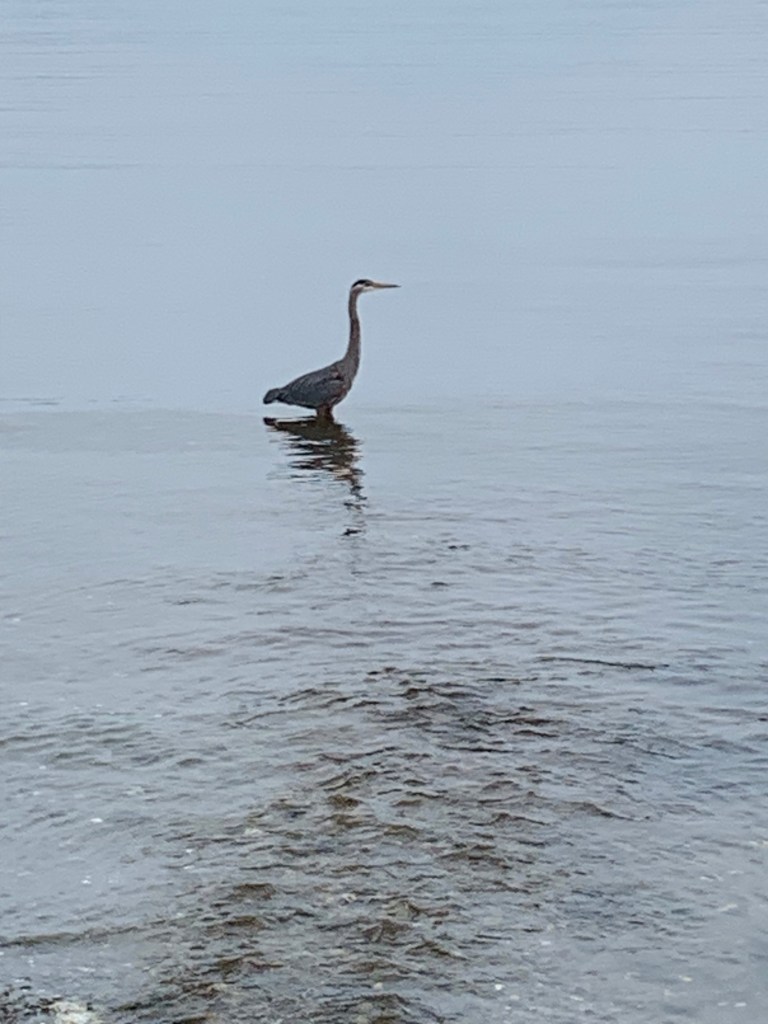
Whidbey wildlife. And yes, that’s an eagle standing on the beach.

I’m showing great restraint to only post three pictures of my evening beach walks because it was such a highlight of the weekend away for me.

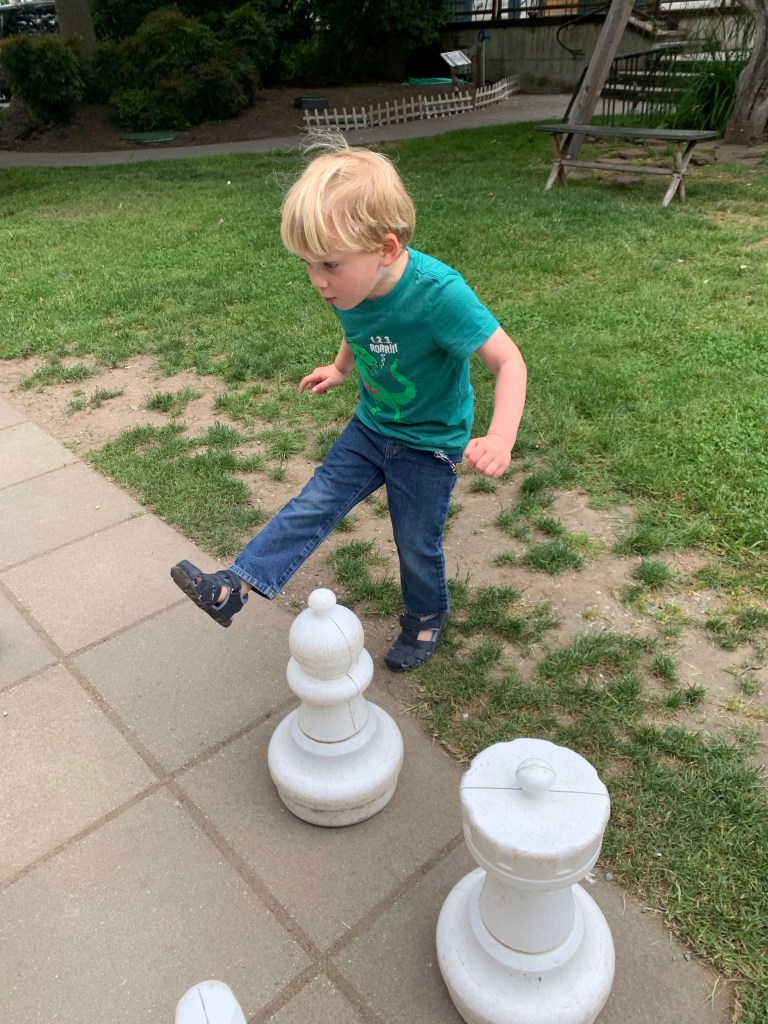
Swimming season has started. Mr D is applying the lessons in kicking to other pursuits but I don’t see the “kick gambit” becoming a trend in chess.

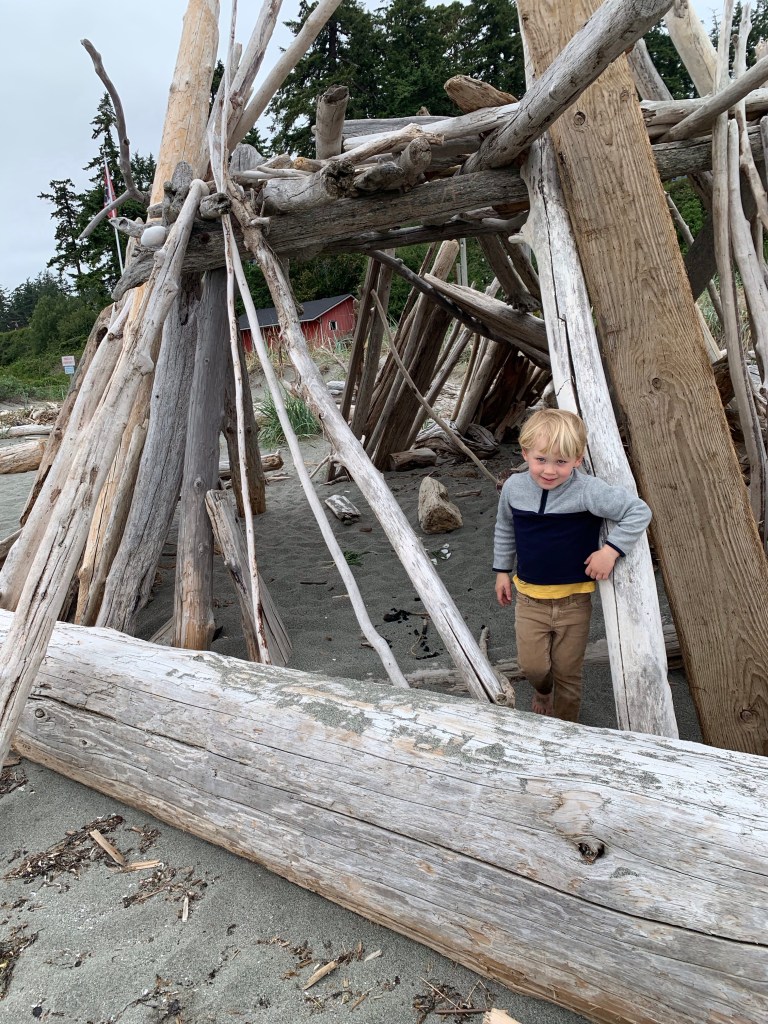
Driftwood David (caption courtesy of my friend, Eric). It’s hard to resist the gazillion bawdy puns that come to mind but I’m doing my best.

As the 4th largest island in the contiguous US, there are a fair number of farms and ranches near where we stay on the beach. We are always happy to horse around when not at the beach or pool.

Forts (not built by us) and windows

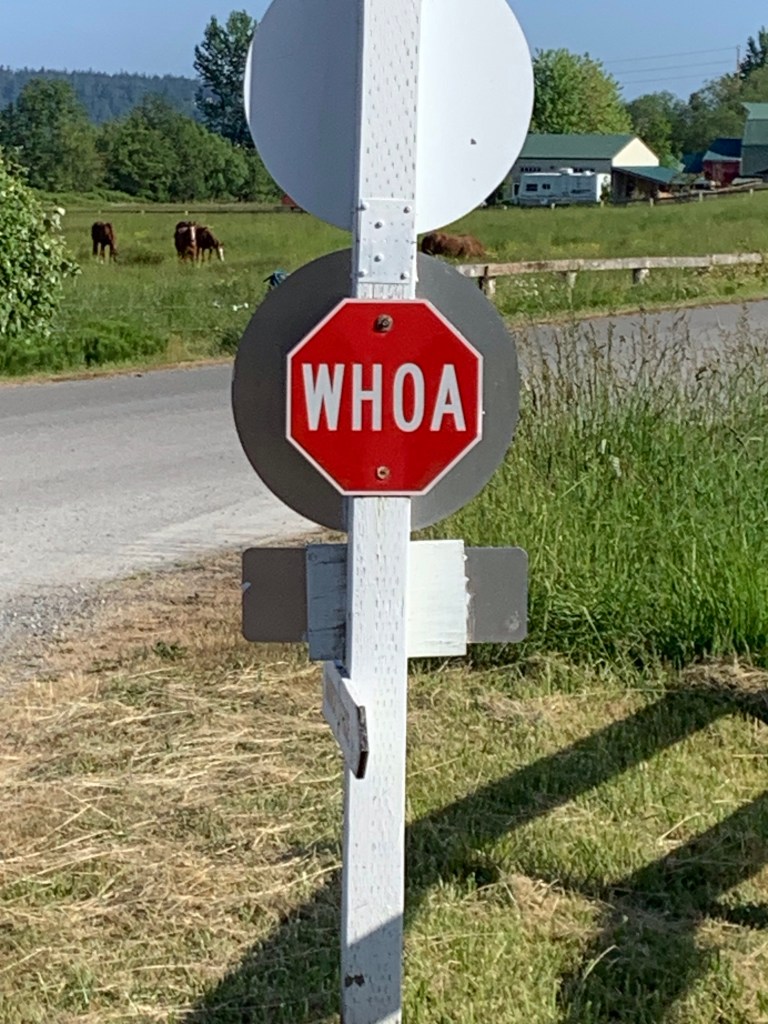
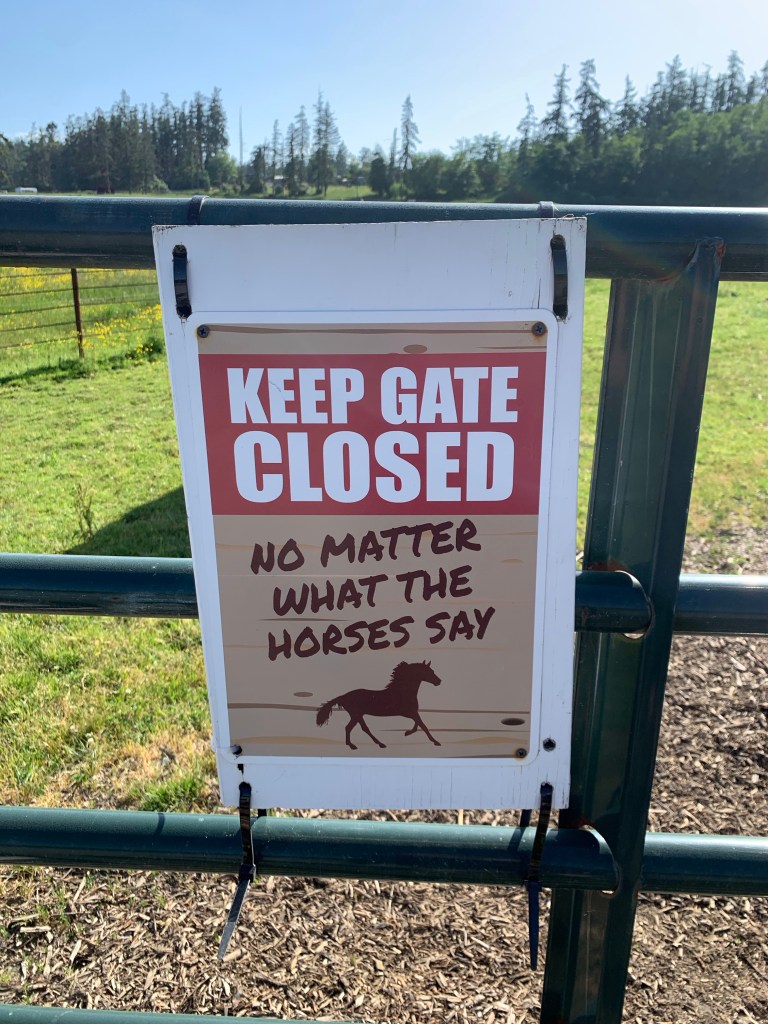
Signs of the week.

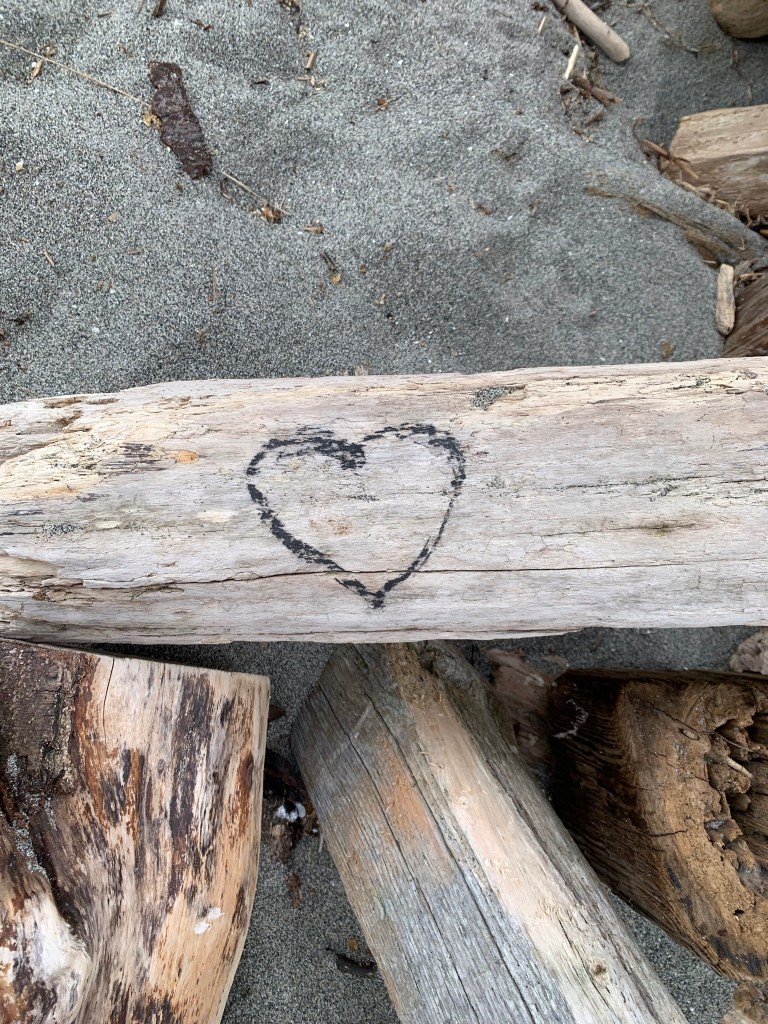
And the heart of the week is charcoal on driftwood to fit with the beach theme.

Useful at Any Age

A lifetime is so precious, and so brief, and can be used so beautifully.” – Pema Chödrön

A while back, Miss O asked me if teenagers wanted to be little kids. When I said I didn’t believe so, she explained the question – if she, at age seven, wants to be a teenager, and her aunt in her 50’s wants to be younger, then what age do teenagers want to be?

I recently learned from Jennifer Senior, a staff writer at The Atlantic, that it is fairly common, especially in people over 40-years-old, to think of themselves as an age different than their years. This concept has the name “subjective age.” In her piece, The Puzzling Gap Between How Old You Are and How Old You Think You Are, she explains that, “Adults over 40 perceive themselves to be, on average, about 20 percent younger than their actual age.” People under 25 tend to think of themselves as older.

The article is delightfully filled with data, anecdotes, and links to research, as one would expect from The Atlantic and Jennifer Senior. A few things stood out to me:

David C. Rubin, a psychology and neuroscience professor at Duke, has found “the adults have an outsize number of memories from the ages of about 15 to 25. They call this phenomenon ‘the reminiscence bump.’ (This is generally used to explain why we’re so responsive to the music of our adolescence)”

Also, the gap of perceived age is greater in Western cultures than in Asia or Africa, or places where elders are more respected.

And one of Jennifer Senior’s conclusions about this mental trick really stuck with me, “If you mentally view yourself as younger—if you believe you have a few pivots left—you still see yourself as useful; if you believe that aging itself is valuable, an added good, then you also see yourself as useful.

The three ways of seeing our subjective age: wanting to be older like Miss O does, seeing ourselves as younger than our actual years, or liking the age we’re at because we’re seen as respected and valuable, share the common ground of wanting to have agency and feel generative. It reminds me of my dad whose motto of service to others was “I just want to be useful.

May we all feel useful, at whatever age we believe ourselves to be.

For a related post, about the perspective gained when I met someone that reminded me of who I was 15 years ago, check out my Heart of the Matter post: Better Off Without

(featured photo from Pexels)

Owning This Emotional Ride

Diaper backward spells repaid.” – Marshall McLuhan

I read Brain Rules for Baby by John Medina when I was pregnant with Miss O. It had these great categories for nature versus nurture (which the author re-branded as seed and soil) and what we can do as parents and caregivers to influence and understand both.

It said that as our little ones’ brains developed, it was helpful to help them identify the emotions that they were feeling. And it advised that to do that, we need to own our own emotions.

I remember laughing and thinking there was no way I was doing that. I was going to be the one parent that could help their child be emotionally mature without doing it myself. Ha, ha, ha!

So, add one more thing to the list of things I thought I’d never do that parenting has taught me how to do. Identifying some of my negative emotions is the topic of my Wise & Shine post today: Emotional Literacy

Freedom of the Mind

Forces beyond your control can take away everything you possess except one thing, your freedom to choose how you will respond to the situation.” – Victor Frankl

Mr. D’s daycare opened 3 hours late yesterday because there was a possibility of snow the night prior. When I asked Miss O if for special, special she wanted to go to school late since Mr. D was going to go to school late, her response after carefully considering her 2nd grade schedule was, “I’m flexible to miss first recess.

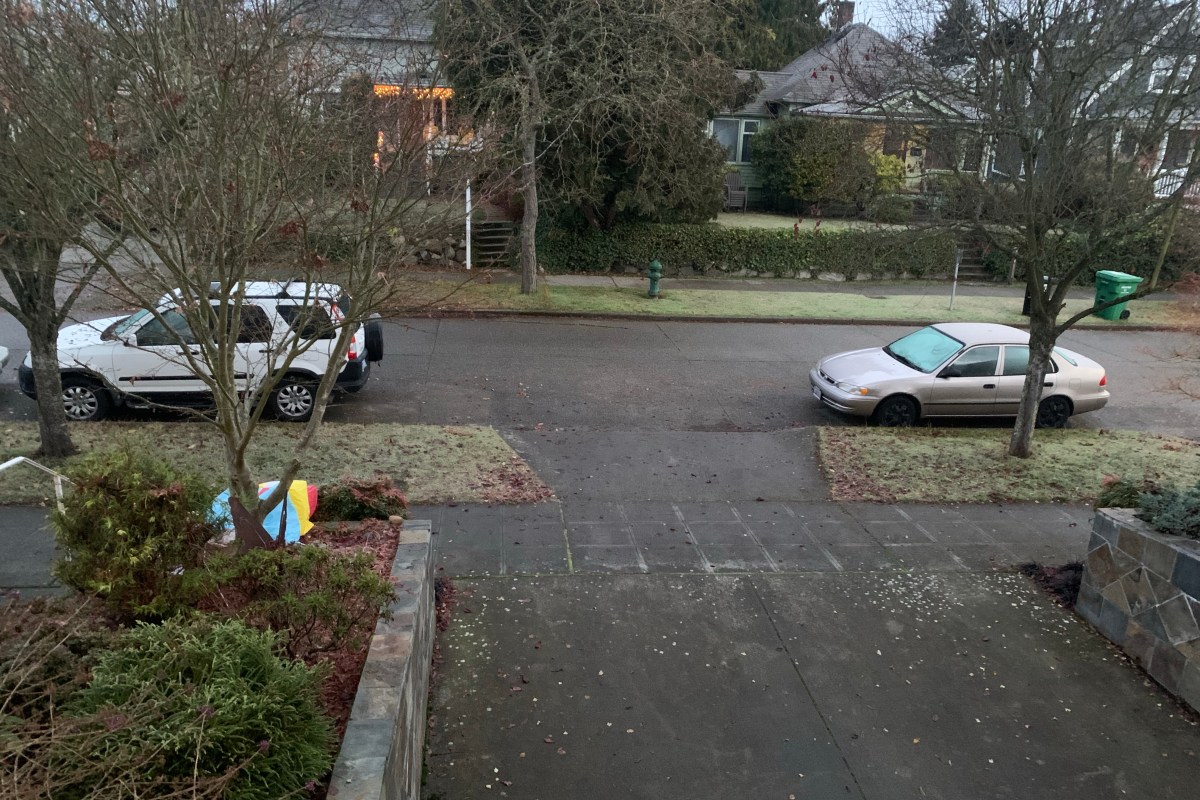
Of course this is all a bit ridiculous because there wasn’t any actual snow on the ground (see featured photo). But Seattle is notoriously bad at handling snow. We once had a mayor who was supposedly not reelected because he did a bad job with snow removal the prior year. Not sure that really is true because every mayor seems to do poorly in that regard and some get reelected so there’s some faulty logic in there.

Just the threat of snow has meant Mr. D’s daycare closed early one afternoon so the teachers could get home in case it snowed. Then it did snow in the middle of the night but warmed up to 40 degrees and all melted before the kids looked out the window in the morning.

And then there was the late opening of daycare yesterday morning because of the possibility of snow. Not all of the teachers live near the school so it was a concession to getting them to school safely in case it snowed in the areas surrounding Seattle. I’m very sympathetic to this. I want the teachers of his daycare or any other facility to be able to travel safely.

But this change in routine for a weather event that never actually materialized caused me to feel crunched. Like when life changes unexpectedly, I’m the one squashed in the middle needing to adapt. It’s a little mix of self-pity and tiredness that seeps in because I know I’m going to have to work harder both at work and in taking care of two people because the routine is different.

I suspect that my irritation has two sources really. The first is that things were cancelled based on the forecast that never came to pass. It reminds me of how often I’ve not done or tried something because the conditions might not be right instead of outlasting the uncertainty to make a better decision. As Dr. Phil used to say (and he still might), “There is something about that guy that bothers me about myself.”

The second is that of course I need to get my work done no matter what the weather does. But I probably have more wiggle room than I’m willing to admit. It’s just hard for me to pivot enough to relax when factors outside my control force the option.

In my struggle to regain my equanimity, I thought of the quote Endless Weekend contributed in the comments on the Negotiation with Others post that I used at the top of this post. It’s by Victor Frankl, “Forces beyond your control can take away everything you possess except one thing, your freedom to choose how you will respond to the situation.

My feeling of being crunched is entirely under my control. Freedom can be achieved by doing the mental work to restore equanimity, regardless of the weather or other people’s decisions.

Which brings me back to Miss O’s decision. It turns out she really wasn’t flexible to miss first recess. It showed me that most of us, at least in my family, even without concrete pressures of work and money, have a hard time diverging from the routine. But life will force us to – and we just get to choose whether we’ll enjoy it or not.

So, thinking about the quote from Frankl, I finally worked myself around and rearranged my day, did a little more email before the kids went to school, dropped Miss O off in time for first recess and then took Mr. D to Starbucks for hot cocoa. It was pretty fun so it turns out there are some things worth being flexible for…

Wind Beneath My Wings

There are two types of tired. One that requires rest and one that requires peace.” – unknown

On this past Friday morning it was clear that Mr. D had caught a bug. But his 3-year-old brain hadn’t quite registered that he wasn’t feeling well yet and had big plans to go outside without a coat on to collect rocks and leaves to paint.

Fortunately I had just listened to a great Ten Percent Happier podcast that featured Lisa Feldman Barrett, a professor of psychology at Northeastern University with appointments to Massachusetts General Hospital and Harvard Medical School. She was explaining that the primary function of our brain, evolutionarily speaking, is allostasis, “to predict and anticipate the needs of the body and attempt to meet those needs before they arise.” So the brain is trying to determine the salt, glucose and oxygen needs of the body and predictively distribute those resources as appropriate.

Dr. Barrett used the metaphor of body budgeting to expand on this concept. There are activities that expensive: learning new things, experiencing persistent uncertainty, exercising, and stress. And there are some things that are savings deposits: drinking water, sleeping, eating healthy foods. If I understand this metaphor correctly, the brain is trying to balance the budget and needs the deposits to outweigh the spending.

She also added that it’s not only our body that spends the budget but other people influence the system. Others can be a tax that deplete the account or they can be a sale –  they can make things cost less for those around them.

Isn’t that a great idea? And I imagine if you are like me, people spring to mind that tax you as do the ones that make life easier. Now I’m hearing Wind Beneath My Wings by Bette Middler. 

That whole image has me inspired not to be a tax, but instead a sale – to make expensive things, biologically speaking, cost less for others. We can support them as they learn, go along when they exercise and pour a glass of water when they need it most. And while we’re at it – we can do it for ourselves, as well.

Which brings me back to Mr. D wanting to go outside. I got him bundled him and we compromised that he’d ride in the stroller. We hadn’t been out for more than 15 minutes when he started really feeling tired and crummy. For the rest of the afternoon, he alternated napping and snuggling on my lap so I had plenty of time to contemplate how children know and accept letting other people help balance their systems.

Yet another thing I’m learning from my kids.

(featured photo from Pexels)

Generationally Speaking

You can never really live anyone else’s life, not even your child’s. The influence you exert is through your own life and what you’ve become yourself.” – Eleanor Roosevelt

Back when I was interviewing my dad about his faith, I came across a passage in psychiatrist and author Dr. Scott Peck’s book Further Along the Road Less Traveled that described four stages of faith. He described an experience of what can happen generationally when kids grow up in stable, religious homes:

What happens to a child raised in such a stable, loving home and treated with dignity and importance? That child will absorb his parents’ religious principles – be they Christian, Buddhist, Muslim, or Jewish – like mother’s milk. By the time the child reaches adolescence, these principles will have become virtually engraved on his heart or ”internalized,” to use the psychiatric term. But once this happens, they will no longer need to depend upon an institution for their governance. It is at this time, which in healthy human development is usually at adolescence, that they start saying, “Who needs these silly myths and superstitions and this fuddy-duddy old institution?” They will then begin – often to their parents’ utterly unnecessary horror and chagrin – to fall away from the church, having become doubters or agnostics or atheists. At this point they have begun to convert to Stage Three, which I call “skeptic/individual.”

Further Along the Road Less Traveled by Scott Peck

I’ve heard this progression described in other contexts as well. From social psychologist Jonathan Haidt who described kids who grow up as beneficiaries of capitalist wealth demanding more socially and environmentally responsible policies as they come of age.

And from therapist Jacob Ham who talks about first generation survivors of war being primarily focused on physical and financial security with little capacity to talk about their emotions. It isn’t until the next generation comes along that they start to unpack emotional intelligence.

How life changes between generations is the topic of my latest post on Wise & Shine: Enough is Enough.