“Our anxiety does not come from thinking about the future, but from wanting to control it.” – Kahlil Gibran
This was originally published on 8/24/2022. Heads up – you may have already read this.
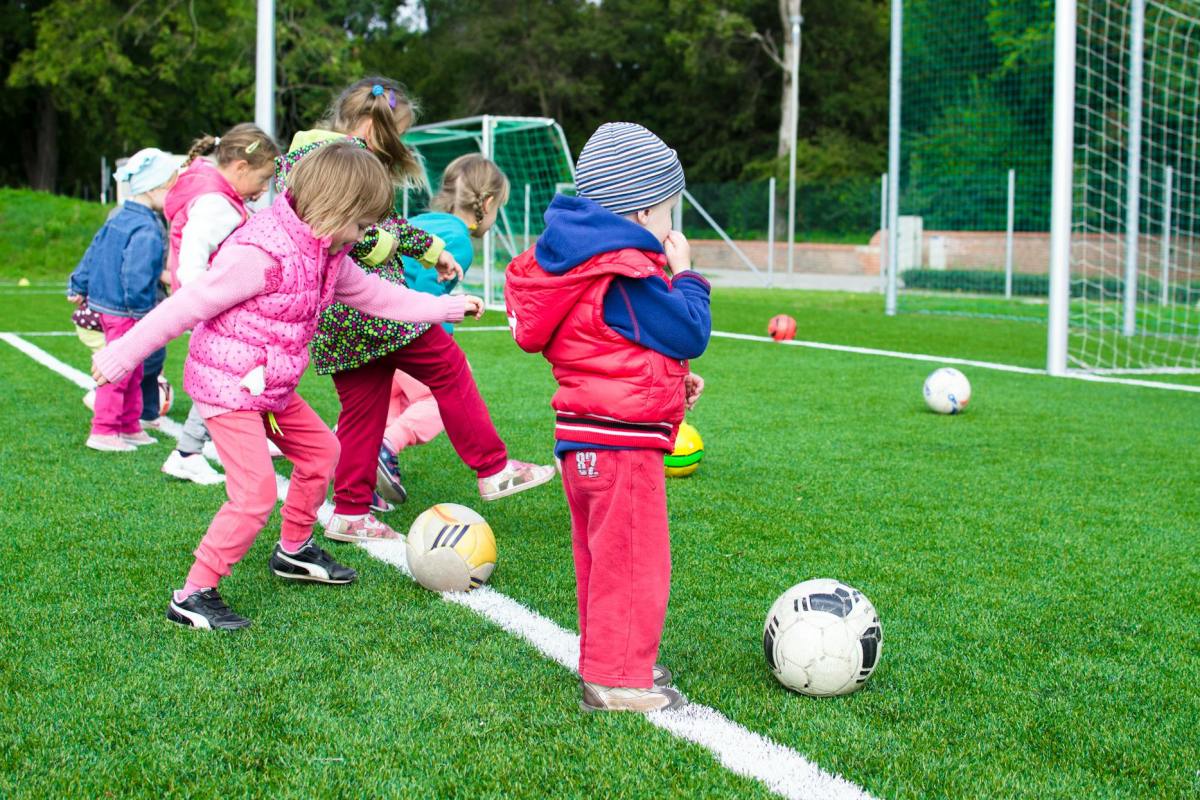
My 7-year-old daughter asked me the other day, “You know how I want to be a teenager?” After a pause for me to nod my head she asked, “Do teenagers want to be kids?” I explained that teenagers want to be adults.
This is just the latest of her big questions: Where will I go to college? Who should I marry? How many kids will I have? When we get a dog, will it be so excited to see me every day after school?
And I completely understand because I have big questions of my own: Will I fall in love again? Will I be around to see my kids answer their big questions? And every time I’ve stood at the base of a mountain ready to climb, I’ve always wanted to know, before I’ve even taken the first step, whether or not I’ll summit.
Like my daughter, I want to know how the story ends. Except that I don’t want it to be the end. In the worst moments when I get too attached to how I want it to work out, it makes me anxious and keeps me up at night as my brain tries to cycle through the permutations of how to control things.
In those moments, I’m not a very good Buddheo-Christian. That is to say, I know our spiritual traditions teach us that peace comes when we leave the outcome up to the Universe. As Buddha said, “Serenity comes when you trade expectations for acceptance.” Or in the Christian tradition, I think of “Rejoice in the Lord always: and again I say, Rejoice.” (Philippians 4:4). But I have a sports metaphor that helps me settle into the tension.
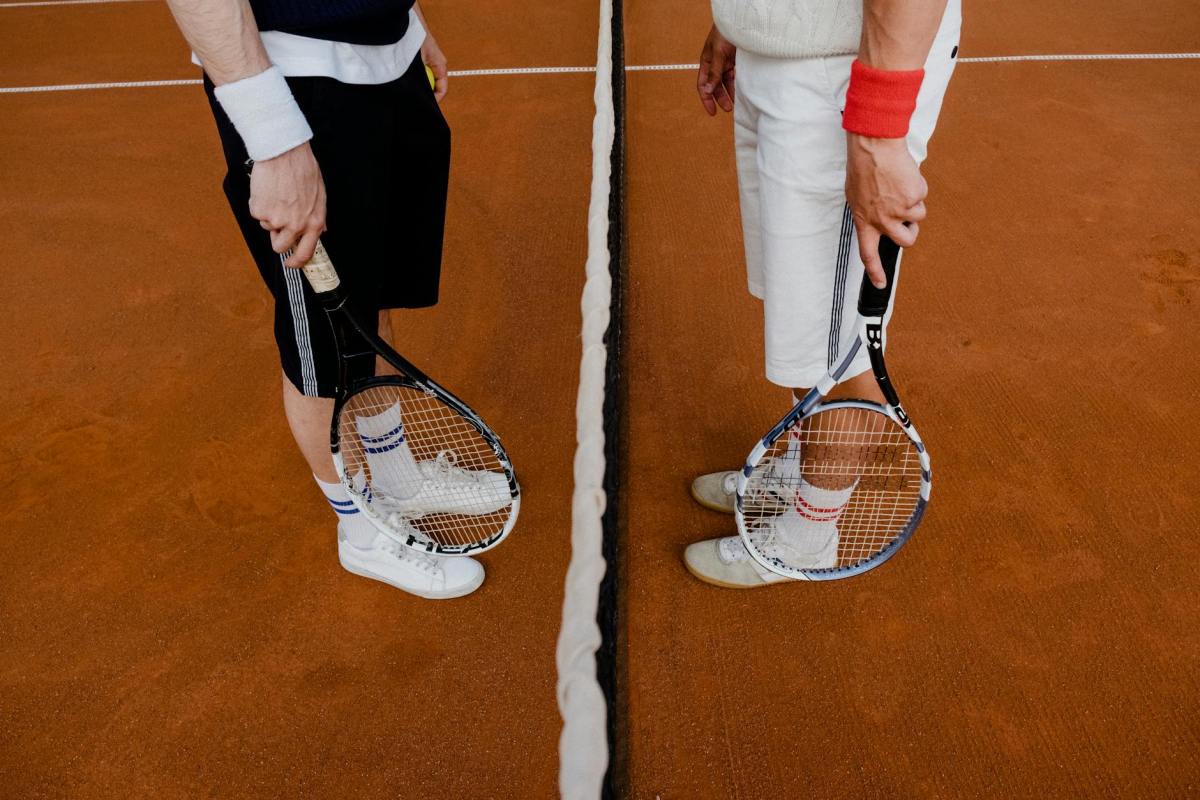
In 2001 my brother and I gave my dad tickets for the US Open Tennis Tournament in Flushing Meadows, New York. We spent the week together in the great city of New York, eating fabulous meals and watching great tennis.
The pinnacle of our experience was a night match on September 5th between Andre Agassi and Pete Sampras. The three of us sat high in the stands watching this amazing quarter-final between two great players: Pete, one of the best servers in tennis, wearing white, Andre one of the best returners in the sport, wearing black. Both were playing their A-game so as the first set unfolded, they each held serve and the set was decided by a tie-breaker that Agassi won. The second set started and again each man held serve but this time, Sampras won the tie-breaker.
One set each, nobody had lost serve and the tension in the stadium was palpable. It felt like whatever allegiances we came in with, no one was sure any longer who to root for because they were both great. The third set continued, both held serve and Sampras won the tie-break.
So it went to the fourth set. Again, they both held serve and we reached the fourth set tie-break. Here’s how Andre Agassi recalls what happens next in his memoir:
“We’ve played three hours, and neither of us has yet broken the other’s serve. It’s after midnight. The fans – 23,000 plus – rise. They won’t let us start the fourth tiebreak. Stomping and clapping, they’re staging their own tiebreak. Before we press on they want to say thanks.”
Open by Andre Agassi
I can remember feeling the tension. I started the match as an Agassi fan but somehow witnessing this great effort, I dropped my expectations and no longer wanted the answer to the big question. And yet it came – Sampras won the 4th set tiebreaker and the match.
That matched happen 6 days before 9/11. Not only did we not know what would happen with the match, but we also had no idea that the biggest terrorist attack on American soil was about to occur and change NYC forever. Had we known, we wouldn’t have sat and watched tennis. The weight of foreknowledge would have crushed us and destroyed my ability to learn the lesson of how to drop expectations and just enjoy the tension.
When I get too impatient and want to know the answers to the big questions, I think of that match. Sometimes we need to stomp and clap to stay right in the moment, relieve the tension and stay open to whatever will happen.
I tell my daughter that any flower that tries to open before its ready will rip. Which is too abstract to mean much to her. So I try to participate in the present with her as much as possible so that it becomes like that match, so exciting that you don’t want it to move on. And I learn the same lesson for myself, again and again.
(featured photo from Pexels)




 Surprised By Joy