Standing Up for Democracy: Lessons from Kids

To understand where you stand in own your life, you cannot remain seated.” – Christine E. Szymanski

I can rely on my kids to have a nose for what’s authentic. At 6 and 10 years old, they might not be able to tell me exactly why, but they can tell the difference between people who are phoning it in and others who are genuinely present.

At the end of the day this past Saturday, I asked them what they liked most about the day and what they could have done better. It’s part of our nighttime routine. Unless we are so tired that we’ve flipped our lids. That happens sometimes too.

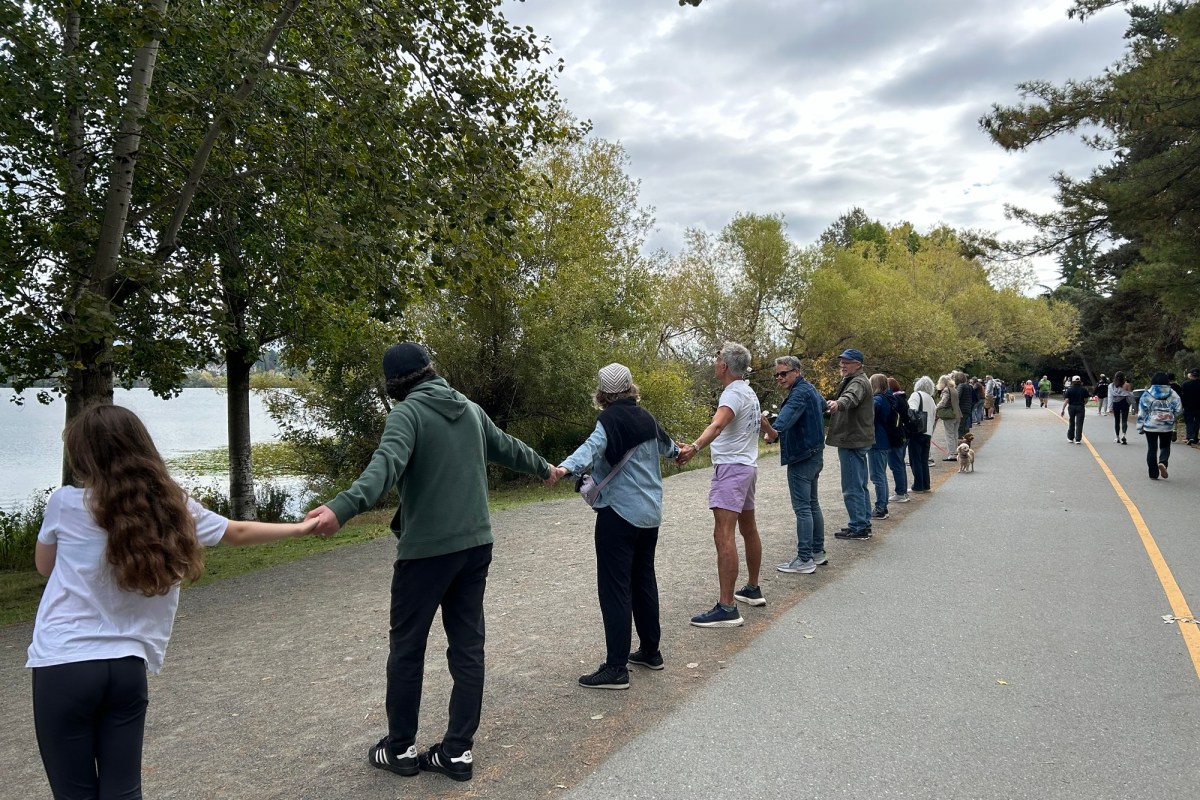
They both answered that their favorite part when we went down to the little lake that is a five minute walk from our house and participated in a Stand Up For Democracy event. The organizers were trying to gather enough people to create a continuous loop of people to encircle the lake which is three miles in circumference.

What surprised me about the answer was they liked that even more than watching the Mariners down at the pub with our friend, Eric. Or playing with their friends, skateboarding, or building imaginary spaceships.

My kids can’t yet spell out the details of what makes a democracy, monarchy, or autocracy. But they can tell the good feeling of standing up for what matters and the sense of community that comes from people trying to quietly show their commitment. It’s authentic, it’s strong, and it feels better than worry.

I think they’ve got that right.

(featured photo is mine)

You can find me on LinkedIn: https://www.linkedin.com/in/wynneleon/ and Instagram @wynneleon

I host the How to Share podcast, a podcast about collaboration – sharing leads to success.

I also co-host the Sharing the Heart of the Matter podcast, an author, creator and storytelling podcast with the amazing Vicki Atkinson.

How to Share Advocacy

A very small degree of hope is sufficient to cause the birth of love.” – Stendhal

There are two guys I regularly see at Starbucks. I’m guessing they are in their late 60’s. One gestures animatedly and with disgust at the paper and his friend patiently listens.

Once I heard the patient one suggest to the animated one that he get involved.

The animated one replied, “But the system is broken!

I hope next time that I see them that I have a copy of Sam Daley-Harris’ book Reclaiming Our Democracy: Every Citizen’s Guide to Transformational Advocacy with me. Sam gives us a great formula for overcoming cynicism and hopelessness and suggestions for how to get started.

Vicki Atkinson and I were recently lucky enough to be able to talk with activist and author Sam Daley-Harris on the How to Share podcast. In this episode, we discuss his journey in advocacy, the importance of facing hopelessness, and the power of transformational advocacy.

We also explore the difference between transactional and transformational approaches, the impact of cynicism on political engagement, and the necessity of community support in advocacy efforts.

Sam shares personal stories and insights on how individuals can reclaim their power and make a difference in their communities and the world.

Takeaways

  • Advocacy requires facing our own hopelessness to find purpose.
  • Transformational advocacy involves deeper engagement than transactional actions.
  • Cynicism can lead to inaction; we must choose to engage.
  • Community support is crucial for effective advocacy.
  • Building relationships with legislators can lead to meaningful change.
  • The state of democracy is influenced by citizen engagement and activism.
  • Progress and positive changes are not often featured in today’s news reporting.
  • We need to encourage optimism and action in our communities.
  • Commitment to advocacy can lead to personal transformation.
  • Every individual has the power to make a difference.

Here’s a preview of Sam’s powerful story-telling and encouragement to get involved:

Here are some ways you can listen and watch this incredible episode:

Please listen, watch, provide feedback and subscribe.
How to Share Our Luck with Gil Gillenwater How To Share

In this enlightening conversation, Gil Gillenwater is with host Wynne Leon and shares his experiences and insights from over 35 years of philanthropic work along the US-Mexico border. He discusses his book, 'Hope on the Border,' which highlights the transformative power of education and community service. Gil emphasizes the importance of enlightened self-interest over traditional charity, advocating for a model that empowers individuals and fosters dignity. He explores the duality of poverty, the need for sustainable opportunities, and the joy found in serving others, ultimately presenting a vision for a more connected and compassionate world.TakeawaysEducation is the key to breaking the cycle of poverty.Enlightened self-interest can lead to personal and communal growth.Charity should not be viewed as a sacrifice but as a mutual benefit.Volunteering provides a sense of purpose and fulfillment.Welfare can disempower individuals and communities.Community service fosters connections and shared humanity.The disparity in wealth is a significant issue that needs addressing.Experiencing poverty firsthand can change perspectives.Creating opportunities in one's home country can reduce migration.The joy of service is a pathway to personal happiness.Links for this episode:How to Share homeHope on the Border at AmazonGil's organization: Rancho FelizGil Gillenwater on FacebookWynne’s book about her beloved father: Finding My Father’s Faith; Blog: https://wynneleon.com/; Substack: https://wynneleon930758.substack.com/
  1. How to Share Our Luck with Gil Gillenwater
  2. How to Share 1970's Chicago with Doug. E. Jones
  3. How to Share Feedback with Dr. Vicki Atkinson
  4. How to Share the Next Generation with Mari Sarkisian Wyatt
  5. How to Share Impactfully with Social Media Friends with Amy Weinland Daughters

Links for this episode:

Sam’s Sign-up Sheet for resources on how to get started

Reclaiming Our Democracy website

Reclaiming Our Democracy: Every Citizen’s Guide to Transformational Advocacy, 2024 Edition on Amazon

(featured photo from Pexels)

Singing To the Other Side

The patterns we perceive are determined by the stories we want to believe.” – John Verndon

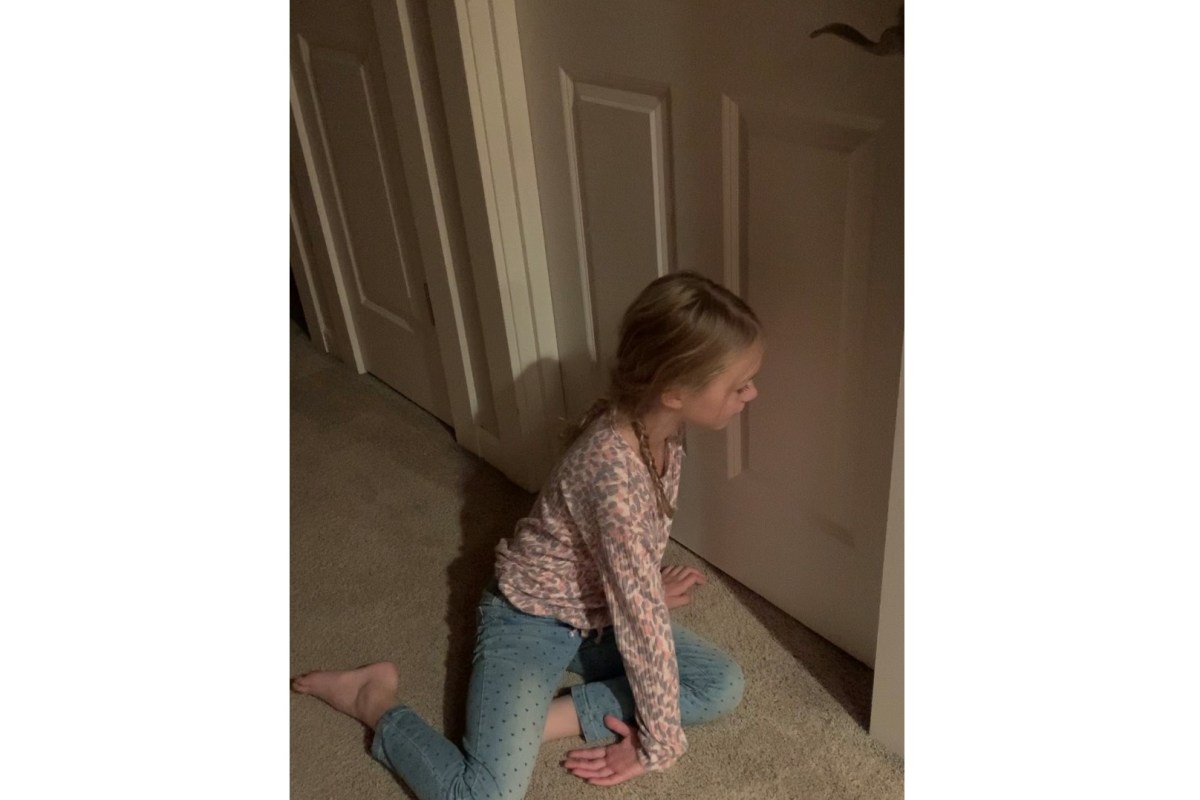
Last Friday before school, Mr. D didn’t want to come out of his room. He said there were monsters in the hallway. In a hurry to get the kids fed and ready for school, my plan was just to let him sit on his side of the door until he was ready to come out. But Miss O sat down outside his door and started singing “Do you want to build a snowman?” from the movie Frozen.

I have been reading The Persuaders after hearing a great podcast with Anand Giridharadas on Unlocking Us with Brené Brown and it helped me to see her efforts in a new light. She was meeting Mr. D where he was at, applying the song to the situation at hand.

It seems fitting on this day before mid-term elections to talk about this book in which Giridharadas, a former correspondent for the NY Times, talks about what he sees as the biggest danger to democracy – dismissing each other. When we stop believing that we can have fruitful discussions, we stop talking to each other.

Instead he interviews community organizers who are on the ground working for change and tells their stories of what works. One of the main points being meeting people where they are at – not expecting that we’ll all talk from the same language, perspective and assumptions. From there we can have conversations that move us all along.

Here’s where I admit that I haven’t finished the book. But it makes sense to me that when we are more united because we talk to each other, it’s harder for people to stoke the divide in our politics, whether it be politicians or trolls. Giridharadas spends time detailing what the Russians did with their troll farms in 2016 and I thought it was fascinating that a large part of what they did with their far-left and far-right trolls was to foment disgust about the other side. Much of what they tweeted about wasn’t facts – more like gossip that was like “Can you believe what the other side thinks?”

What I love about what Miss O’s effort is that she didn’t just leave Mr. D sitting on the other side of the door. She didn’t walk away and just leave him alone to do it his way, but instead through a little song that is sweetly sad, made him laugh and want to join in. It took her 44 seconds to get him to come out – I know, because I took a video.

Meeting people where they were at was a special talent of my dad’s as well. On this eighth anniversary of his death, I find it warming to write about how that skill is playing out across generations and if we make an attempt, can make a difference in our communities too.

Do You Want To Build a Snowman?

Do you want to build a snowman?
Come on let’s go and play
I never see you anymore
Come out the door
It’s like you’ve gone away!
We used to be best buddies
And now we’re not
I wish you would tell me why.
Do you want to build a snowman?
It doesn’t have to be a snowman