Pick Three Affirmations

With all the stress and change at the beginning of the school year, I’ve been writing notes for Miss O in her lunch every day. Mr. D can’t yet read but his teachers asked for notes to read to kids when they miss their families.

The notes I find myself writing aren’t exquisite masterpieces that have any poetic resonance. They are simply affirmations in the stye of The Help by Kathryn Stockett

To the degree that I’ve figured out what works best, it is things that are specific, not too aspirational, and that resonate with what they might already believe about themselves. Writing them for my children is not very hard.

But if I was to turn the lens around the other way and have to pick three things to say to myself? Well, it’s a hard practice. So I’ve written some down for you all. Pick three things that you could really believe about yourself. Just so you know, I’ve written these with you all in mind:

You are clever.

You are kind.

You bring out the best in others.

You have come so far and are so generous to share your lessons with others.

You are a bright light.

You make others laugh.

You make others cry, in the best way ever.

You are such a good encourager.

You make the world a better place.

You are resourceful.

You are resilient.

You are creative.

You are so faithful.

You are a good listener.

You are wise.

You are patient.

You are a great storyteller.

You can figure anything out.

You have integrity.

You are empathetic.

You carry your load well.

You are strong.

You are brave.

You make me laugh.

You are a person I am delighted to know.

Really — pick three. Write them down and look at them when you eat lunch. I have it on good authority that they make the day better.

The podcast I did with Dr. Vicki Atkinson about how to Savor September goes nicely with lunch as well: Episode 35: September … Savor with Vicki and Wynne

Does Loving-Kindness Actually Matter?

All joy in this world comes from wanting others to be happy, and all suffering in this world comes from wanting only yourself to be happy.” – Shanti Deva

Two mornings after a puzzling encounter with a Hispanic man on the bus, his face came to mind during my morning sacred time as I was doing the loving-kindness meditation. Actually I couldn’t picture his face with much detail but the feeling of his leathery hands was still palpable. They were as wide as they were long, giving me the impression, along with the texture, of catchers’ mitts.

May I be happy, may you be happy

May I be at peace, may you be at peace

May I be loved, may you be loved

I wondered as I did it – does doing this meditation do anything for him? Here’s a man who randomly gave us $100 for no reason I could discern, the language barrier prevented any meaningful dialogue. But in so doing, changed the course of our day plus the day of the five people who received parts of his gift. (See my post on Heart of the Matter for the story of what we did with the money).

Then two days later I’m doing the loving-kindness meditation and sending him good vibes. Does it matter to him?

Here’s the image that came to me. If we all are a great big audience, some of us will be facing the stage, others are facing away, and the rest are looking at their phones. For anyone that comes on the stage, they can feel the love of those looking toward them, the antipathy of those facing away, and the indifference of those who are distracted. How the person on the stage reads the crowd is probably mostly based on their experience and viewpoint, but is also influenced by the energy of the audience.

If you asked me whether I wanted to be a part of this man’s audience the other day, my head would have voted for remaining indifferent. But my heart has been softened by enough loving-kindness meditation specifically, and by life in general, so that it opts for leaning in.

So perhaps the time spent in prayer and meditation does matter to the man on the bus. Maybe not directly, but it opens me for receiving others known and unknown.

See my post on the Heart of the Matter for the story of what we did with the $100: One Thing Led To Another

What to Do With Our Inner Meanness

The worst loneliness is to not be comfortable with yourself.” – Mark Twain

This is something I published on 9/7/22. Heads up – you may have already read this.


The other night my seven-year-old was being short-tempered with her younger brother and snippy with me. I asked her not to take out her mood on others and she replied “I don’t know what to do with the meanness!

Huh. Isn’t that a great question? I was raised in a household that believed “If you can’t say anything nice, don’t say anything at all.” Which I think has it about half right – not saying mean things is an admirable goal. But since just stuffing it down is likely not to work long-term, what do you do with the meanness?

Tend the Body

On the night in question, my daughter was both tired and stressed. In fact, I think I can pretty accurately say that if one of my kids is grumpy, there’s about a 90% chance it’s because they are tired, hungry, cold or sick.

And that goes for me too. If I’ve depleted my energy reserves with a hard work out or am tired because I haven’t slept well, I’m much more likely to think, if not say, unkind things.

As my colleague on this blog, Jack Canfora said in his brilliant post on Things I Think I’ve Learned So Far, “There will be things you do and say in an offhand way that will stay with others their entire lives, for better or worse.” So how do we tip the scales so that those things are more often for the better?

Mind the Mind

Dr. Dan Siegel, neuropsychiatrist and author, talks about the structure of our brains. In his terms, fear and anger reside in our downstairs brain, the brain stem and limbic region, whereas thinking, planning and imagining reside in the upstairs brain, the cerebral cortex and its various parts. The more we exercise integration of these two parts by making sound choices, delving into self-understanding, practicing empathy, posing hypothetical moral questions, the better we can apply higher-level control over our instinctive reactions. From The Whole-Brained Child, those are the recommendations of what we can do to help kids integrate the upstairs and downstairs brains but they work equally as well to mold adult brains too.

As Daniel Kahneman notes in his book Thinking Fast and Slow, “People who are cognitively busy are also more likely to make selfish choices, use sexist language, and make superficial judgments in social situations.” Cognitively busy being shorthand for when we tax our brains with concentration, complex computations and choices.  So we need to find a way to give our busy minds a break.

Feed the Soul

For me, giving my mind a break comes from meditation. I call sitting down on my meditation cushion “Irrigating the Irritation” because it so often helps soften where I’m stuck. It delivers me from the petty complaints by introducing a bigger sense of perspective.

This matches the experience reported by brain scientist Dr. Jill Bolte Taylor when she had a stroke that quieted the mental chatter of her mind and opened her up to a sense of deep inner peace and loving compassion. Studies of Tibetan meditators and Franciscan nuns have shown a similar shift of neurological activity for those engaged in prayer and meditation.

From a recent study published by the Oregon State University, they found that meditation can help replenish mental energy in a way similar to sleep. In fact, according to the lead author of the study, Charles Murniek, “As little as 70 minutes a week, or 10 minutes a day, of mindfulness practice may have the same benefits as an extra 44 minutes of sleep a night.

Of course meditation is hard practice for kids. There are techniques like box breathing and just counting to ten that help in the throes of big emotions but I haven’t gotten my kids to sit for more than five minutes at a time on a meditation cushion. However, I’ve also noticed that just sitting and coloring also brings about some mental rest, both for kids and for me when I do it alongside them.

What to Do with the Meanness

I tell my kids that my job is to keep them healthy, safe and kind. I know the kind part is a stretch because kindness is a choice they’ll have to make. Also because I have my hands full just trying to practice kindness myself. But at the very least, I can help find ways they can manage their meanness and in doing so, help myself to do the same.


I’ve also posted today on the Wise & Shine blog about first sentences that draw us in: Great First Lines. Check it out!

(featured photo from Pexels)

Useful at Any Age

A lifetime is so precious, and so brief, and can be used so beautifully.” – Pema Chödrön

A while back, Miss O asked me if teenagers wanted to be little kids. When I said I didn’t believe so, she explained the question – if she, at age seven, wants to be a teenager, and her aunt in her 50’s wants to be younger, then what age do teenagers want to be?

I recently learned from Jennifer Senior, a staff writer at The Atlantic, that it is fairly common, especially in people over 40-years-old, to think of themselves as an age different than their years. This concept has the name “subjective age.” In her piece, The Puzzling Gap Between How Old You Are and How Old You Think You Are, she explains that, “Adults over 40 perceive themselves to be, on average, about 20 percent younger than their actual age.” People under 25 tend to think of themselves as older.

The article is delightfully filled with data, anecdotes, and links to research, as one would expect from The Atlantic and Jennifer Senior. A few things stood out to me:

David C. Rubin, a psychology and neuroscience professor at Duke, has found “the adults have an outsize number of memories from the ages of about 15 to 25. They call this phenomenon ‘the reminiscence bump.’ (This is generally used to explain why we’re so responsive to the music of our adolescence)”

Also, the gap of perceived age is greater in Western cultures than in Asia or Africa, or places where elders are more respected.

And one of Jennifer Senior’s conclusions about this mental trick really stuck with me, “If you mentally view yourself as younger—if you believe you have a few pivots left—you still see yourself as useful; if you believe that aging itself is valuable, an added good, then you also see yourself as useful.

The three ways of seeing our subjective age: wanting to be older like Miss O does, seeing ourselves as younger than our actual years, or liking the age we’re at because we’re seen as respected and valuable, share the common ground of wanting to have agency and feel generative. It reminds me of my dad whose motto of service to others was “I just want to be useful.

May we all feel useful, at whatever age we believe ourselves to be.

For a related post, about the perspective gained when I met someone that reminded me of who I was 15 years ago, check out my Heart of the Matter post: Better Off Without

(featured photo from Pexels)

Changing Someone’s Ride – Small Acts of Kindness

Some stranger somewhere, still remembers you because you were kind to them when no one else was.” – unknown

Miss O was 3-years-old when I got a bike seat for the back of my bike and took her for our first ride around the neighborhood. She loved being in that seat, even though she could primarily only see my back. As we rode around in the September sunshine, she would exclaim. “This is fantastic!” and also yell “hi” to everyone.

Her delight and enthusiasm were so infectious. It reminded me of my favorite lines from Salman Rushdie’s Midnight Children,

It seems that in the late summer of that year my grandfather, Doctor Aadam Aziz, contracted a highly dangerous form of optimism. Bicycling around Agra, he whistled piercingly, badly, but very happily. He was by no means alone, because, despite strenuous efforts by the authorities to stamp it out, this virulent disease had been breaking out all over India that year, and drastic steps were to be taken before it was brought under control.”

Midnight’s Children by Salman Rushdie

It also reminded me of the summer I did a lot of tandem bike riding with my friend, Eric. I was in the back seat so I had no responsibility for steering and braking. All I had to do was stay on the bike and pedal. That left a lot of time for looking around and waving to people as we passed them.

I must have been going about this quietly because Eric didn’t have any idea I was waving madly from the back of the bike. Until one day when we passed a group of tough looking teenage boys and he was surprised that they smiled and did kinda of a cool, low-down wave at him. The next time we passed someone, Eric watched the shadow of the bike and saw me waving. He stopped, laughed, and then asked, “Have you been doing that all summer?”

Well, sure I had. And listen, I came by it honestly because my dad when we’d go hiking would greet every group we passed. “How much farther to the Starbucks?” or “You’re doing great. Almost there!”

What did I learn from riding with Miss O, my dad, and tandem biking? It doesn’t take much to change the experience of those around us.

This is also the topic of the HoTM podcast today, Episode 16: Nuggets of Kindness with Stuart Perkins Vicki and I talk with Stuart about one of my favorite posts of his — and how his powerful writing touches on parenting, kindness, inspiration, people paying attention to how they can help others.

It’s such a fun podcast – you may even find yourself shouting, like Miss O, “This is fantastic!” 🙂 I hope you enjoy listening!

Links for Episode 16:

Listen on Anchor: Episode 16: Nuggets of Kindness with Stuart Perkins or search for Sharing the Heart of the Matter on Apple, Amazon Music, Spotify and Pocket Casts

Stuart’s blog: https://storyshucker.wordpress.com

Stuart’s post: A Nugget of Kindness

(featured photo from Pexels)

It’s the Little Things

Kindness and politeness are not overrated at all. They’re underused.” – Tommy Lee Jones

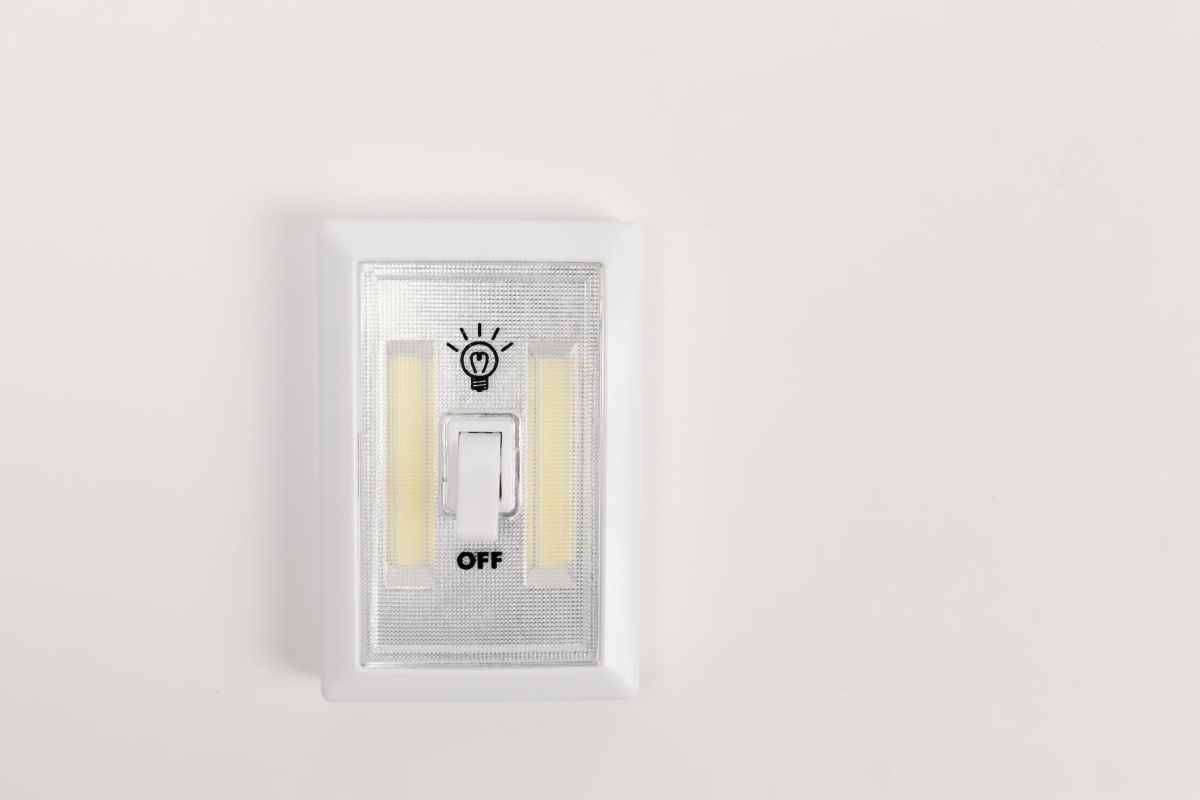
When I met with Mr. D’s lead preschool teacher for a parent-teacher conference, I asked a general question at the end, “What else can I do to be of help to you?” Her reply was interesting. She said, “Nothing. You already turn on the bathroom light.”

She was referring to an incident from several weeks before. Early in the morning when there is only one teacher in the classroom, they can’t leave the class to go with a child to the bathroom. The teacher stands in the door to the classroom so they can both see the kids in the classroom and the bathroom, but the child has to cross the five or six feet to go to the bathroom themselves.

One day, I was dropping Mr. D off and the teacher was encouraging a child that needed to use the bathroom. His body was antsy but his face was fearful. It didn’t take much to connect the dots that the teacher couldn’t reach the light switch from her position in the doorway and the child was reluctant to walk into a dark bathroom.

So I asked, “Can I turn on the light?

When she alluded to this incident at our conference, a light came on for me. I drew the only conclusion that makes sense. It doesn’t take much to help.

For great lessons I learned from another teacher in our lives, please check out my Heart of the Matter post: Lessons From An Artist

The Practice of Kindness

As rain falls equally on the just and the unjust, do not burden your heart with judgment but rain your kindness equally on all.” – Buddha

For Christmas, Miss O bought Mr. D a Buzz Lightyear spaceship. It was a big deal for her – she picked it out and paid for it all by herself. Then she hid it away in a spot in the laundry room she thought was safe and guarded his access to that room for three or four weeks. I cut the wrapping paper for her but she wrapped the present herself and placed it in the perfect spot under the tree.

Then on Christmas morning when he opened the present, she was right next to him. She helped him opened the box and then started assembling the few pieces that needed to be attached. She was being really helpful and had so many reasons to be proud but there was a point where the gift really became more important to Miss O than Mr. D.

Watching this all, I thought of all the times that I’ve tried to control how my kindness lands or had that done to me. It perfectly illustrated for me how letting go of control is so essential so I wrote it about this topic for my Heart of the Matter post today: When Kindness Falls Like Rain.

(featured photo from Pexels)

Sunday Funnies: Oct 30

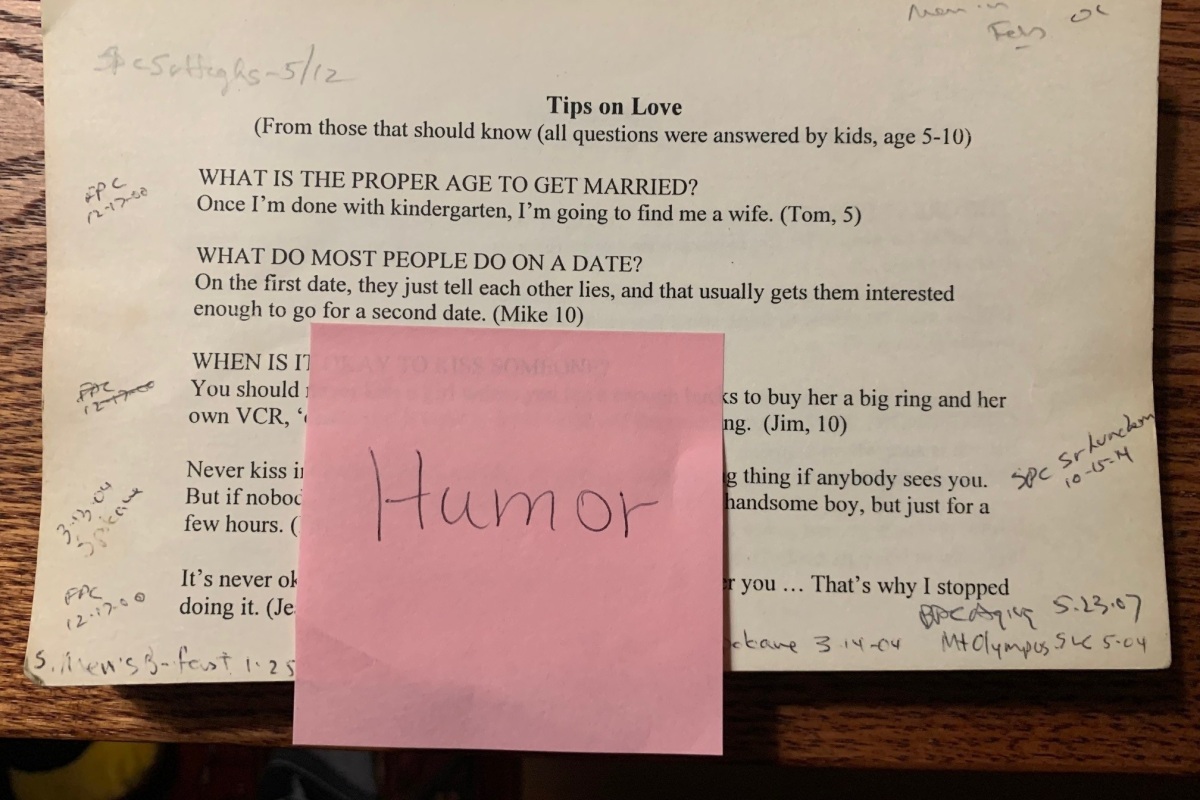
Another installment from my dad’s humor cards.

The backstory: My dad was a Presbyterian pastor for 40 years. He kept a well curated stack of humor cards – little stories or observations that he typed onto 5×7 cards. Then he wrote in the margins when he used that particular item. His humor was often an easy way to settle in to something deeper – by laughing and thinking about the buried truth in these little nuggets, it paved the way to an open heart.

When we cleaned out his desk after he died 7 years ago, I was lucky enough to stumble on this stack. I pull it out regularly to have a little laugh with my dear Dad. Now when I post one of them, I write my note next to his and it feels like a continuation.

A Neat Story

His name was Fleming, and he was a poor Scottish farmer. One day, while trying to eke out a living for his family, he heard a cry for help coming from a nearby bog. He dropped his tools and ran to the bog. There, mired to his waist in black muck, was a terrified boy, screaming and struggling to free himself.

Farmer Fleming saved the lad from what could have been a slow and terrifying death. The next day a fancy carriage pulled up to the Scotsman’s sparse surroundings. An elegantly dressed nobleman stepped out and introduced himself as the father of the boy Farmer Fleming had saved.

“I want to repay you,” said the nobleman. “You saved my son’s life.”

“No, I can’t accept payment for what I did,” the Scottish farmer replied, waiving off the offer.

At that moment, the farmer’s own son came to the door of the family hovel.

“Is that your son?” the nobleman asked.

“Yes,” the farmer replied proudly

“I’ll make you a deal. Let me take him and give him a good education. If the lad is anything like his father, he’ll grow to a man you can be proud of.”

And that he did. In time, Farmer Fleming’s son graduated from St. Mary’s Hospital Medical School in London and went on to become known throughout the world as the noted Sir Alexander Fleming, the discoverer of Penicillin.

Years afterward, the nobleman’s son was stricken with pneumonia. What saved him? Penicillin. That name of the nobleman? Lord Randolph Churchill. His son’s name? Sir Winston Churchill.

Someone once said what goes around comes around. When you help someone else you are bringing joy into your life also….

Authentic Pride

Doing stuff is hard, shout-out to anyone doing anything.” – unknown

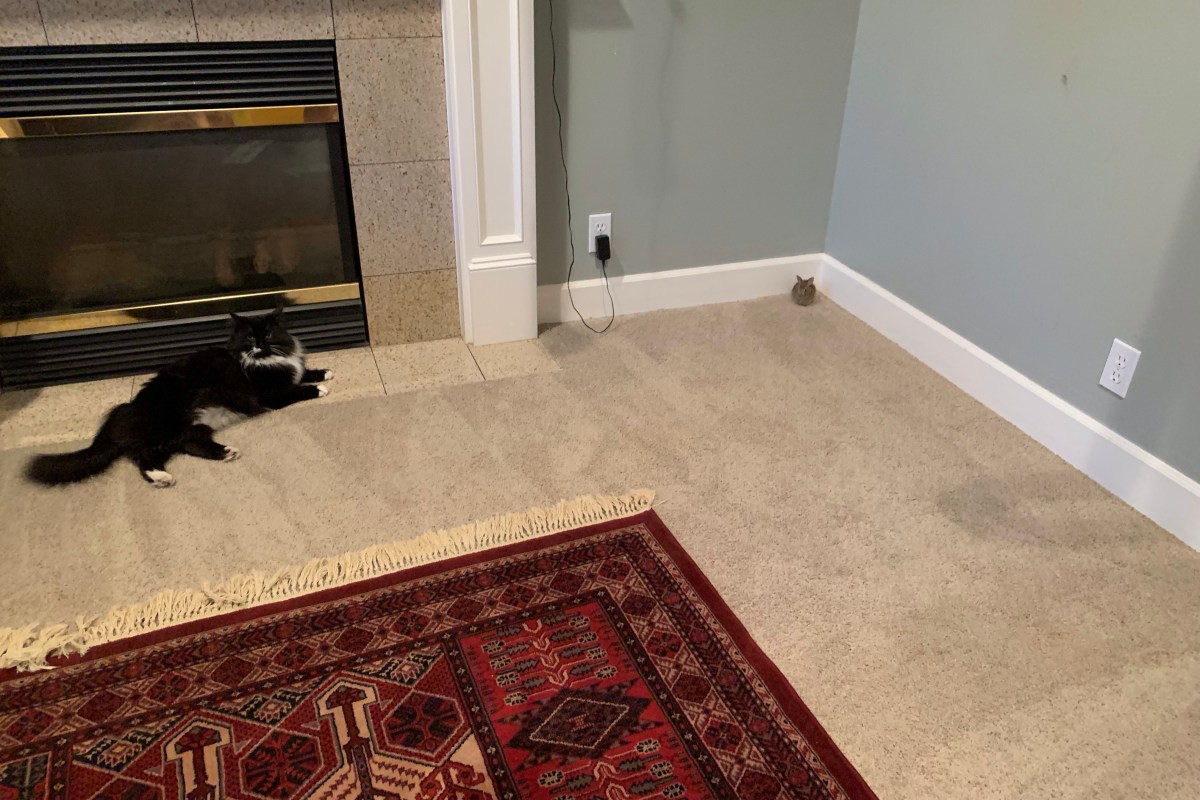
Last night as I was taking out the food scraps to the compost bin, I saw a bunny nestled by a tree. I got down low in the evening light to try to get a closer look. It was the same color as the bunny I saved when my cat brought a baby bunny in the house a couple of months ago. I started to feel some kinship and pride with this little creature – maybe this was the bunny I rescued from the jaws of my cat.

And as soon as I did that, I felt the reflex to believe pride was a bad thing. You know, one of the seven deadly sins and all that. Perhaps I shouldn’t personalize this bunny at all because its survival was 99% not about me.

Here’s the thing that I’m thinking as I type this. Is there a middle ground? Because on the morning the cat brought a baby bunny in, I managed to get the cat put away downstairs and shooed the bunny safely away. ALL without waking my kids and I got a video so I could show them.

No, I’m not responsible for the survival of the bunny in the big picture. But I did step in for a moment when the bunny’s life teetered between chaos and freedom. I got my butt off the meditation cushion for long enough to feel the pulse of life and opted for action. Which is a great of why I bother to meditate – to pay attention to the sacred moments as I described in my post Sacred Time.

If we can’t feel the reward for moments when we do act well because pride is a sin, do we undercut our own feedback cycle? And I’m not talking about a conscious decision not to celebrate the win – I’m talking about generations upon generations of family tradition to endeavor to be humble, maybe even falsely humble.

So I checked Brené Brown’s definition of pride from Atlas of the Heart. “Pride is a feeling of pleasure or celebration related to our accomplishments.” She added that pride related to an accomplishment has a positive connotation and is differentiated from hubris. Sometimes we refer to this authentic pride.  

I officially write this post feeling proud. I saved a bunny and maybe I even saw that bunny again last night. I think celebrating our good moments is worth mentioning. Don’t you?

It Starts Small

In some ways, repeated acts of kindness are preferable to solitary, extraordinary and heroic acts of sacrifice.” – Malcolm Gladwell

It was almost exactly three years ago when I invited a family of strangers to come stay with me for an extended period of time. Here’s how it happened. A young woman attending the university near me was hit by a car while she was jogging. It threw her 30 feet onto a walking path and shattered much of the upper left side of her body – shoulder and neck, resulted in a brain injury and the need to fuse her spine to the base of her skull.

The young woman’s mother, Dawn, lived in Minneapolis and immediately flew out to be with her daughter. I’d never met Dawn but she was a friend of a friend and I’d heard she was sleeping first in the hospital room and then on the floor of her daughter’s room during the recovery so I invited her to use my guest bedroom anytime she needed a good night’s sleep.

Dawn came and then the injured young woman’s living situation got complicated, the young woman came to stay as well. Then the young woman’s boyfriend came for a few weeks when he had a break from school. And on some nights her brother who also lived in the area came to stay too.

They’d joke with me, “Who invites a family of people that they don’t know to come stay with them when they have a 4-month-old baby?” And I’d joke back – “To be fair, my son was only 2-months-old when I invited you.

I recently heard a segment on kindness and sacrifice with Malcolm Gladwell on a Ten Percent Happier podcast that gave me a interesting perspective on why it was do-able to invite this family to live with me and maybe even why I did.

When Malcom Gladwell was in high school, his parents along with about eight others, sponsored three Vietnamese refugees to come live in Southern Ontario. Malcolm remembers this as a magical kind of experience so he went back to talk to those families about it and gather the stories. Here was his take:

“I was struck by how untraumatic the stories were. That nobody gave up their lives to bring in these people. Nobody took on an extra job to support them. No one. It was this kind of lots of people do small acts that added up to something big thing.”

Malcolm Gladwell on Ten Percent Happier

And that matched my experience. First of all, what I did was simple and small – it was just one single woman inviting another single woman to stay when she could. I didn’t invite a family of four strangers to stay with me for ten weeks – I worked up to that.

The second part was that it didn’t require any sacrifice for me. That is to say, Dawn and her kids were self-sufficient and supportive. My guest bedroom and the little nook on the top floor were not being used. More than that, Dawn would hold my baby on her lap every morning while she checked for email and I made breakfast and the whole family provided entertainment for Miss O who at four-years-old was undergoing a major transition of accepting a new brother into the house.

Then Gladwell noted that there was a hereditary component to what his parents had done. Both his mother and father had welcomed in strangers in their respective homes when they were kids and then when his mother went from Jamaica to school in England, she was welcomed in people’s houses. As Gladwell summarized:

“It was thing kind of practice that was being passed down from generation to generation. Not some kind of heroic thing but just what you do as a human being is you welcome strangers into your home. I see that kind of hereditary practice as being a powerful part of how kindness persists in the world. That you see it being modeled and it becomes part of your repertoire of behavior.”

Malcolm Gladwell on Ten Percent Happier

This resonated with me as well because when I was a senior in high school and my dad took a job as a pastor across the state, my best friend’s family invited me to live with them for the year and so I was the recipient of a similar act of kindness.

Gladwell also reflected on the necessity of kindness having to be do-able to be sustainable and spreadable. If we think we have to do huge things to be kind, it’s less likely to happen. Deb from the Closer to the Edge blog has often remarked that its little things that can make such a difference. And that’s how Malcolm Gladwell summarized it as well:

“In some ways, repeated acts of kindness are preferable to solitary, extraordinary and heroic acts of sacrifice.”

Dawn and her family are now an extended part of my family. Incredible people who touched our lives deeply. I got to experience that gift because it started small, it didn’t require sacrifice and was part of my history to welcome and be welcomed into other people’s homes. Apparently that is part of the formula for how kindness catches fire and spreads!

What’s your experience with acts of kindness?

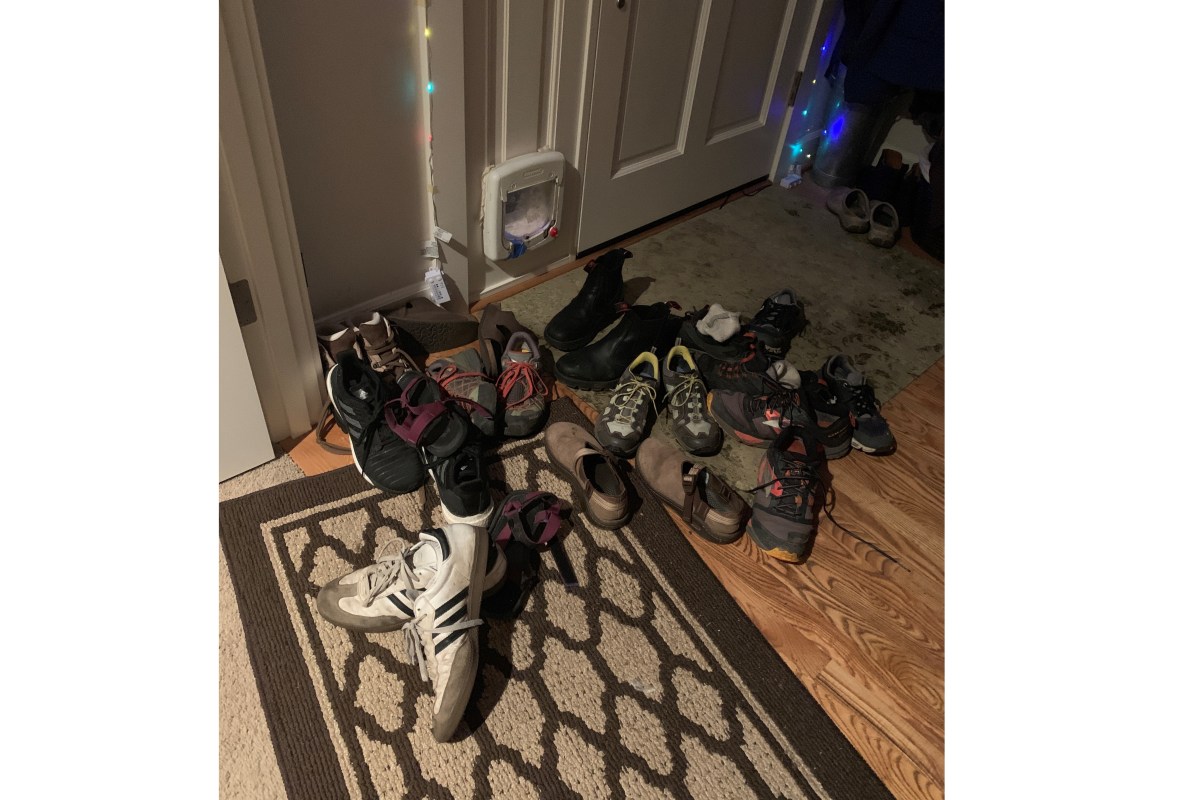
(featured photo is the pile of shoes that would accumulate at my door when I had these guests and it came to symbolize when my house and my heart was full)