The Body of Humor

The human race has one really effective weapon, and that is laughter.” – Mark Twain

The other day in the privacy of my back yard, my 6-year-old daughter and her friends were using water balloons to pretend to pee. I started to say something about that being crude humor but then thought of back when I was climbing mountains. I had a She Wee which was a urinary redirector so that girls can stand and pee.

On one climb of Mt. Rainier, I was roped to three of my guy friends and had to pee at 13,500 feet. I walked as far away as I could while roped up, turned my back and used the She Wee. When I turned back to the group, one of my friends was looking at me and said, “Sorry, I couldn’t look away, that was fascinating!” I laughed because it WAS funny and not at all creepy.

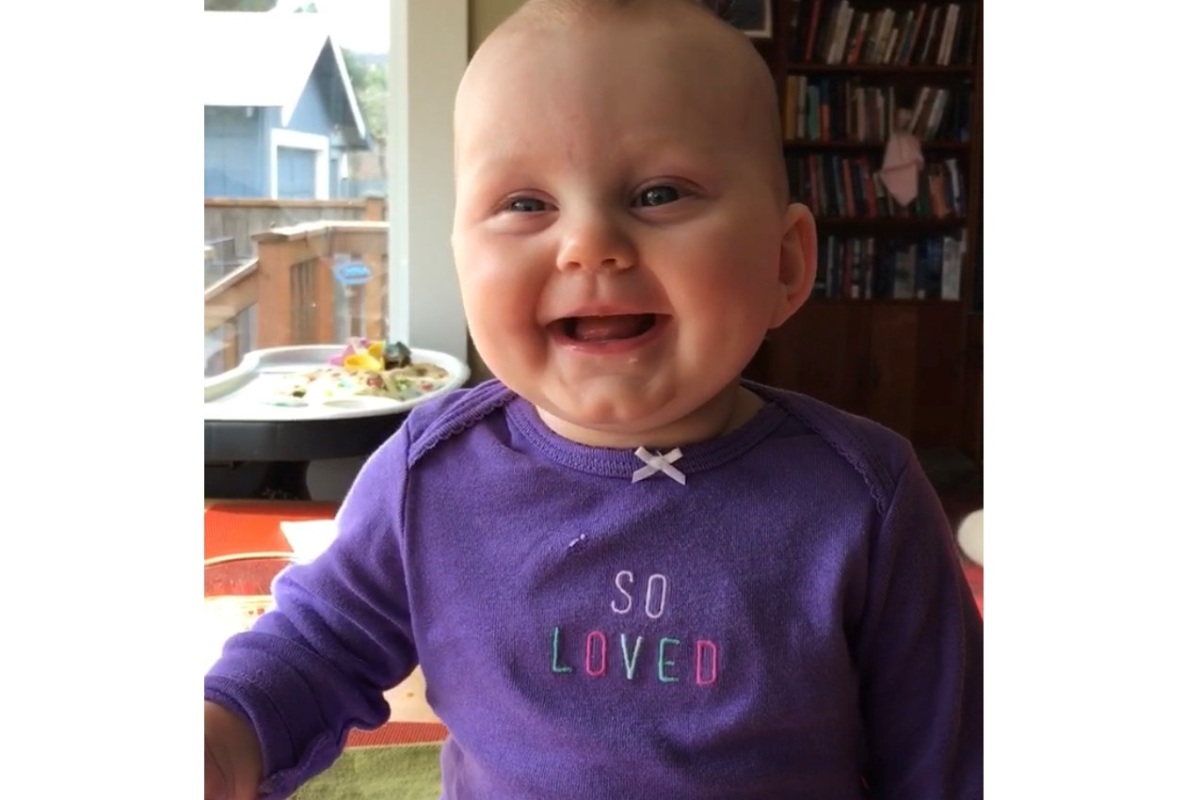
What kids know that grown-ups seem to have forgotten is that bodies are funny, amazing and full of wonder. Both of my kids started laughing at “a-choo” by the time they were 6 months old and now most any sneeze, burp or fart makes them break into laughter. Pop a knuckle or get a scratch and they are fascinated. And though they cry when they skin their knees, both are completely entranced by the sight of blood.

The body is great at getting out what it no longer needs. We grow up and try to keep it in – emotions, bad meals, sickness and somehow in the process take it all too seriously. At my age, any twinge of adrenaline and I break out in a full sweat. And when I do yoga in the mornings, I close the doors to the family room just so my groans won’t wake the kids. Instead of trying to pretend it isn’t happening, perhaps I should laugh about it.

Back to funny stories from the mountains. There was the guy I wrote about who came back from the outhouse at 12,500 feet in the Caucasus Mountains saying, “I just spent five minutes dancing with my toilet paper.” And there was another incident on the way to Everest Base Camp in Nepal. We had set up our tents outside Namche Bazar at about 13,000 feet and our guides had created a toilet tent for us – a hole in the ground with a toilet seat sitting atop small luggage rack covered by a tall, skinny tent shaped like a telephone booth. One afternoon the wind came up and knocked over the toilet tent with someone inside. Once we helped him out of all that fabric and determined he wasn’t hurt, it was hilarious.

Perhaps it is because we are vulnerable while we are relieving ourselves that makes us forget that it’s funny. And even this cycle of life, as inglorious as it is, teaches us something. So we might as well eat, drink, and pee merry!

Is your body doing anything funny these days?

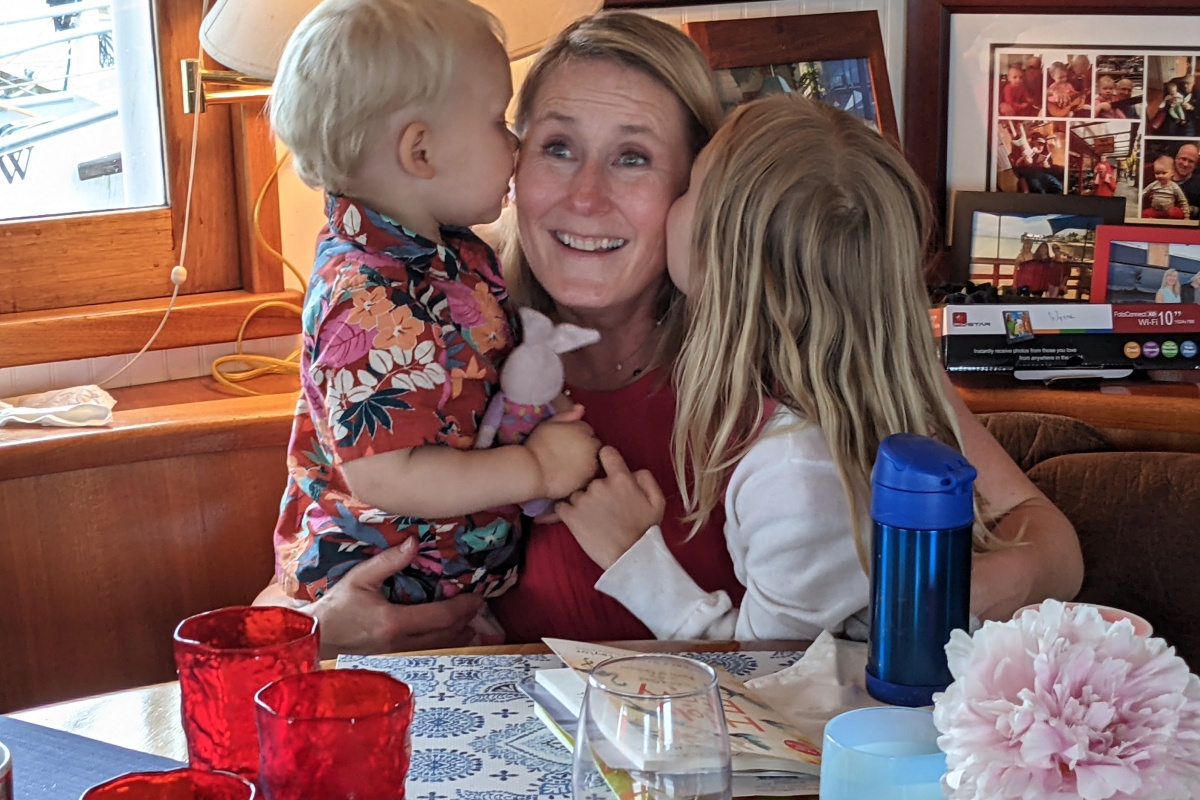
(featured photo is Miss O at 6 months laughing at a-choo!)
Patience To Stay Open

Fear wants us to act too soon. But patience, hard as it is, helps us outlast our preconceptions. This is how tired soldiers, all out of ammo, can discover through their inescapable waiting that they have no reason to hurt each other. In is the same with tired lovers and with hurtful and tiresome friends. Given enough time, most of our enemies cease to be enemies, because waiting allows us to see ourselves in them.” – Mark Nepo

I have a friendship that is in trouble. When I ask my friend questions about herself, she doesn’t answer but instead redirects the question. This is change in our 10+ year friendship. I’m not sure the cause but I’ve supported my friend and her husband through some difficult issues so my suspicion is that it’s more important to her to have a seemingly friendly relationship where I remain “on her side” rather than an authentic one where she has to tell me what’s bothering her or what I’ve done.

Just writing about this makes me a little light-headed. Because it touches on the divide between barely living and living barely. That is to say, I spent too many years barely living when I pretended that life was great and I buried all suffering deep down. Then I discovered that living barely, trying to keep the thinnest possible covering between my heart and the world actually lets more things in and more importantly, more things out.

But just because I want to try to live without pretense doesn’t mean my friend can right now. And what I understand from my tentative attempts to open a space between us to speak is that she isn’t ready to talk.

So I’m trying not to break things in my impatience. To declare the friendship over because I can’t stand the uncertainty or to insert a defensiveness because I don’t understand. Or to assume or imagine anything.

My dad told me of a group of olive farmers he met who owned a prime piece of land in a contested part of the world. Even though they had a deed of property they were regularly hassled by local soldiers. They developed a motto, “We refuse to become enemies.

That phrase has stuck with me of a reminder that no matter what the other side is doing, we can keep open the channel of our hearts. The motto tells me that we can be in conflict without stirring up that fear within.

When something reminds me of my friend, I’ve found that instead of ruminating on the problem with all the dark alleyways of anxiety I can say a quick loving-kindness chant: “May I be happy, may you be happy; May I be at peace, may you be at peace; May I be loved, may you be loved.” It helps keep me from closing down.

What do you do when things aren’t going well with a friend?

(featured photo from Pexels)

Miracle or Coincidence?

There are two ways to live your life. One is as though nothing is a miracle. The other is as though everything is a miracle.” – Albert Einstein

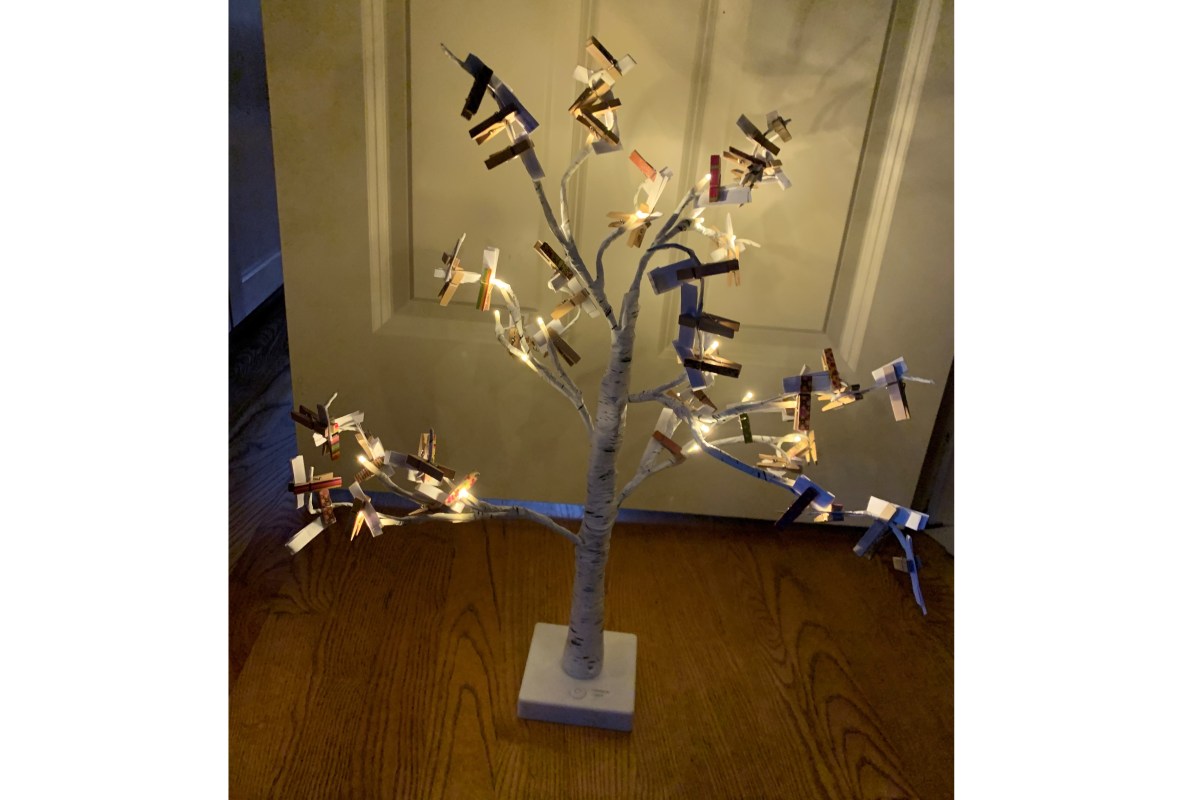
When a friend turned 60 recently, I tried to think of 60 things I could give her that would be relevant, useful and fun. She really didn’t need anything so I created her a little tree with 60 of my favorite quotes.

During the unveiling, my friend and I were looking through the little quotes, taking them down, reading them and then reclipping them. We were rotating the tree so it wasn’t clear which ones we’d already tried and we kept on grabbing one quote, the quote for this post, “There are two ways to live your life. One is as though nothing is a miracle. The other is as though everything is a miracle.” – Albert Einstein

And then just as I was writing a piece about the quote for the Pointless Overthinking blog, Eddie Two Hawks posted that exact quote yesterday.

Coincidence? Or a miracle? It feels as if we are collectively in need of a miracle. Whatever the shade of our belief in God, the Creator, the Universe, optimism, or goodness, we can do the work to develop eyes that see.

I’m better at spotting miracles in the small circumstances of my life but I believe they apply to the bigger view of our world as well. The key is practicing seeing the world that way. Here’s my post about Creating Eyes That See at Pointless Overthinking.

Holding Space

True friends are those who lift you up when no one else has noticed you’ve fallen.” – unknown

The other night I was reading books with my two-year-old and he whispered in my ear, “You are the best girl.” It was such a sweet and tender moment that gave me the shiver of recognition of what happens when we hold space for one another.

In the Disney Cars movie, Lightning McQueen starts out as the hot shot rookie that only cares about himself until he discovers the feeling of community and values in Radiator Springs and then finally emerges as the worthwhile competitor that knows that there is more to life than winning.

It’s actually in the third installment, Cars 3, that they use the line that Doc Hudson, Lightning’s gruff mentor (voiced by Paul Newman), “Saw something in you that you couldn’t see in yourself.” It’s a wonderful statement about hope and potential.

When we hold space for others, we store the image of their highest, purest selves so that when they are in the messy middle of anything, we can reflect it back to them. This reminds me of friend who became disoriented and demoralized while trying to reach a goal and we sat on a bench overlooking Puget Sound and unraveled why it was she started.

When we hold space for others, we capture the essence of who they are they are in the squishy, vulnerable core underneath any job or external validation so that if they get lost in work or a relationship, we can huddle with them and tell them we still see them.

This brings to me the moment when my friend Doug called to ask if I would climb Mt. Adams with him and his son this summer. He knows I am knee deep in raising these two kids, have been distracted by all that entails and I’ve not been a very present friend, but his offer stirred me deep within and I was so grateful he remembered me.

When we hold space for others as they age, we become the safety line back to the boat of their life, even when they don’t remember themselves. When my great-aunt Wilma was suffering from Alzheimers and nearing the end of her life, her son arrived on his weekly visit to talk with her and bring her favorite treats. She sweetly said to him, “You are so nice. You remind me so much of my beloved son Gary.”

When my son uttered, “You are the best girl.” he was just parroting back what he’s heard said. But he also reminded me that there’s a purity in the simple way he sees me that has everything to do with our relationship and nothing to do with what I accomplish. It made me think that relationships, parenting and families, when they are functional, can be repositories for our essential selves. We hold space for each other for the moments we need to come “home” and recharge.

What does the phrase holding space mean to you? Do you have a good holding space story?

Proving the Positive

One moment can change a day. One day can change a life and one life can change the world.” – Buddha

The other day I took my kids to an outdoor shopping center. They’d been excited for three days because I said we could go there to visit the one store that makes honest to goodness cotton candy. Not the stuff you can buy prepackaged on shelves in the grocery store but a machine that spins a cone of it. I don’t like cotton candy but my daughter wanted to try it so I agreed she could if we got the real stuff.

On the way to the cotton candy machine, my kids were playing in a fountain and my daughter put her face down to lick the water. “Arghh” I said, “Don’t drink the water. It isn’t treated and probably has dirt, bird poop and maybe worse. It could make you sick.” She stopped but two minutes later she made the same motion and I had to stop her again. “Listen” I said “I know as a kid you are programmed to test the limits, but this is one where you need to believe me. Even if you don’t drink it, your little brother is going to see you, imitate you and he might actually drink it. So you are just going to have to trust me and not drink it.

I could see the wheels of her 6-year-old brain working. She was thinking something like
I’ve never tried it so I’ve never gotten sick. How can I know what Mom is saying is right?

There’s no way to prove a negative. If we don’t do something and it the consequence is avoided, how do we know what didn’t happen to us?  I heard an interview once with Matthew Weiner, the creator of the TV series Mad Men, and he said the show’s driving philosophy was actions have consequences. But what about inaction?

What if we don’t do the work to deal with our internal BS so we can see others more clearly?

What if we don’t write the letter to a sick friend?

What if we don’t go out of our way to compliment or help someone?

What if we don’t put the grocery cart back in the return slot at the store?

What if we just aimed for a grade C life? Not great, not bad, just average. Would anything happen to us?

Perhaps the consequence for inaction is nothing. Nothing exciting happens, nothing revelatory occurs, no random goodness pops up, nobody remembers us. Nothing. We aren’t a hero – just a zero.

On the other hand, we’ve done acts of kindness and felt the afterglow, we’ve made the effort to reach out to friends and experienced the relationships that carry us through tough times, and we’ve done the work to clean our internal windows because we see how more light gets in. In addition to these rewards, we’ve heard the thinkers throughout human history telling us to do our work:

Good actions give strength to ourselves and inspire good actions in others.” – Plato

Go into the world and do well. But more importantly, go into the world and do well.” – Minor Myers, Jr.

When we do the best we can, we never know what miracle is wrought in our life, or the life of another.” – Helen Keller

We all have our different ways of doing our best and our personal limits. But part of the we likely do it is because our mom, dad or someone else with authority told us and we believed them. Like with my daughter, there’s no way to prove the negative – what would happen if we did nothing, so we take the advice and continue to try. Thank goodness for that.

When We Look Closely

Who sees all beings in his own Self and his Self in all beings, loses all fear.” – The Isa Upanishad

The other day my son was nose to nose with our cat then turned to me and said, “I see me in kitty’s eyes.“

It reminded me of a story from the Talmud that I read in Mark Nepo’s Book of Awakening:

A Rabbi asks his student, “How do you know the first moment of dawn has arrived? After a great silence, one pipes up, “When you can tell the difference between a sheep and a dog.” The Rabbi shakes his head no. Another offers, “When you can tell the difference between a fig tree and an olive tree.” Again the Rabbi shakes his head no. There are no other answers. The Rabbi circles their silence and walks between them, “You know the first moment of dawn has arrived when you look into the eyes of another human being and see yourself.”

The Book of Awakening by Mark Nepo

I was talking with a friend the other day about Monsters, Inc. which is my son’s favorite movie these days. She asked the question, “Wouldn’t it be great if we as humans figured out how to harness laughter & love instead of screams & fear?”  

To me, it feels with almost 8 billion people on the planet like an almost overwhelming task for the dawn to break so that we can all see we are all different yet we share the same aches and pains of life. But then I breathe and remember, it happens one person at a time. It happens when I remember to be open and take the time to look into someone else’s eyes and gather the power of laughter and love.

And maybe when we exercise gentleness and closeness, it happens too between species like with my son and the cat. That is hopeful too.

We Carry Them With Us

“At some point, you have to realize that some people can stay in your heart but not in your life.” – Sandi Lynn

When I woke my daughter up last Friday for the last day of school, she had a frown. I thought perhaps it was just the fog of sleepiness still lifting but she told me otherwise.

I was happy that it was the last week of school but I’m not happy that it is the last day. It’s not like you can ever go back.

She didn’t want to leave her beloved 1st grade teacher. I thought the buildup and anticipation of summer would carry the day so I was caught off-guard, something fairly common for me as a parent.

The grief of the school year ending reminded me of a Ten Percent Happier podcast about the science of loss and grieving with Mary-Frances O’Connor, Associate Professor of Clinical Psychology at the University of Arizona. She talked about what happens when we bond with someone – it actually changes the brain so that we encode that person is special. In the brain imaging studies O’Connor recounted, yearning for someone lit up the part of the brain that is the reward center of the brain, the nucleus accumbens.

Her conclusion was that even when our memories tell us that something has changed – someone is gone, an experience has ended – even when we know all that, the part of our brain that was transformed when we bonded still lights up. In O’Connor’s example, when she goes to pick an Easter dress, she’s still impacted by her mother. She may pick the dress her mother would like or the one that her mother would hate, but either way her mother is still present.

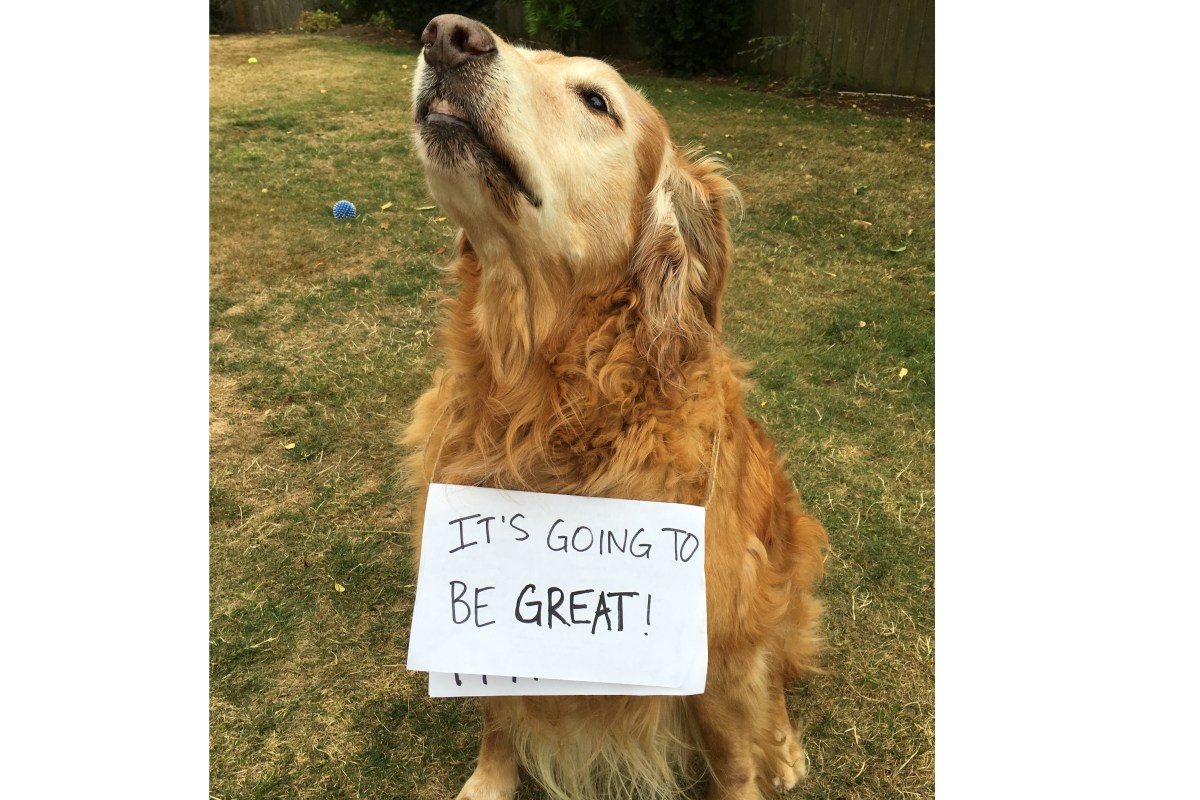
This explanation resonated with me. It explains that warmth I get when I think of my dad putting his arm around me and saying “It’s going to be great, Kid!” Or the little skip in my step I experience when I hike a trail my beloved dog Biscuit liked and I think of how he’d run back and forth.

I’ve often said that the longer my dad is gone, the more that I feel him inside me as if I have to act out the parts that I used to rely on him playing. O’Connor’s research says that in a way, that is true because he lives on inside my brain. I’d say that same about my dog which is true but also I’ve always had a personality much like a golden retriever.

Knowing that I’ll always exist in my kid’s heads gives me a little perspective on what that voice should say. Is the soundtrack that wants them to pick up after themselves or the one that says that they are lovable, kind and capable of anything? I’m aiming for a little bit of the former but mostly the latter.

As we moved through this past weekend, my daughter kept asking, “what would I be doing at school now?” She was processing the experience of being done by remembering all her school activities and quoting her teacher to me. Knowing a little about the science of how we record things didn’t help me know what to say, but it did give me a lot of patience for her yearning.  

By the end of the weekend, my daughter said, “I’m so happy for the Kindergartners that will have my teacher next year.” To get to our new experience, we have to cross the threshold of leaving the old. But the bonds we formed in the old experience go with us.

Sorry Your Head Hurts, Do You Want Something to Eat?

I am becoming water; I let everything rinse its grief in me and reflect as much light as I can.” – Mark Nepo

Last night we were having dinner on my brother’s World War II era tugboat. He has lovingly renovated it over more than 20 years so that it’s very comfortable for him and my sister-in-law to live on, but it still has a lot of steel edges to bump into. Which is what happened – my 2-year-old son was looking out a port hole, stood up quickly and bonked his head. My sister-in-law was standing there with me, saw him do it and as I picked him up, showered him with sympathy.

But 30 seconds later (maybe longer but not much), my sister-in-law said to my son, “What’s the matter, Buddy? Are you hungry?”

It struck me as a common thing we do as humans. It’s hard to witness someone else’s pain. So we express sympathy and then we are ready to move on. Three things strike me about this.

First, we often move to trying to solve the problem. I find this impulse, especially as a parent, to be so alluring.

Second, if things last longer than we expect, we try to conflate the pain with something else as my sister-in-law did. Is it not surprising that we grow up confused about what our feelings are if the grown-ups around us think that what is wrong is that we are hungry when really our head hurts?

Third, we compound the original pain with our discomfort at sitting with someone in pain. So that they often are moved to pretend the pain has stopped so that they don’t have to contend with both their own pain and the pain of the people who are witnessing it.

It’s hard but sometimes the best thing to do when someone is in pain, is just sit with them. As a mom, I want to reach for the ice pack, the bandage or the song but I’m working on just letting the tears fall onto my arms as I hold them. We have to clean our wounds before we bandage them and, in a way, letting the injured party cry for as long as necessary is the best first step.

Still Waters

God leads me to still waters that restore my spirit.” – Psalm 23

Today is my birthday. When my 6-year-old daughter realized that earlier this week, she said “Great, can you wake us up early on your birthday so we can make you a surprise?”

Wait a minute…this is a trick. So sweet of her but that morning time is my sacred time. Waking my kids up early is the opposite of a birthday present.

I’ve often thought that the transition between my quiet morning time when I do yoga, meditate, read and write to the time when I get the kids up and ready for school was a hard transition because I was selfish and wanted more quiet time. But something I read this week sparked the thought that it’s really something deeper.

In those quiet morning moments, I find my own stillness. I breathe into the space beyond myself and feel that unity with the Universe. And in that place, the feelings settle, the rush quiets down and it feels like I see beyond all of our physical boundaries if just for a moment.

And I feel that love for my kids that came the moment they became real for me. It’s bigger than a reaction to something they’ve done or the way we express ourselves. It’s that pure connection between the core of them and the core of me, not complicated by any movement. It’s that overwhelming feeling that I get when I creep in and watch them sleep. They are quiet and I’m quiet.

When I’m still, it feels like I’m standing in one of the clear lakes in Northern Idaho we used to visit in my childhood on a hot day without wind. I can see all the way to my feet and beyond.

Then it’s time to wake them up – and any movement stirs the waters. I reach for them and stir up the waters between us. It’s time to accomplish things, meet a timeline and respond to any worries. It’s like going from my peaceful standing in the lake to a full-on water fight. I have trouble traversing that threshold because I miss the quiet view of my little loves.

It’s not just these relationships either. When I’m quiet and peaceful, all my relationships seem clearer and easier to understand than when we are in front of each other talking and stirring up all the things that come with interplay. It’s harder to feel the full appreciation for the depth of each relationship in the busier moments, I just have to hold the quiet snapshot in my heart.

My friend Betsy, who is a more experienced parent than I am, suggested what to do about my birthday. Get them up just a couple of minutes early – so I get my morning quiet time and then also get to feel their love in full audio as well.

Comparison

Comparison is the thief of joy.” – Theodore Roosevelt

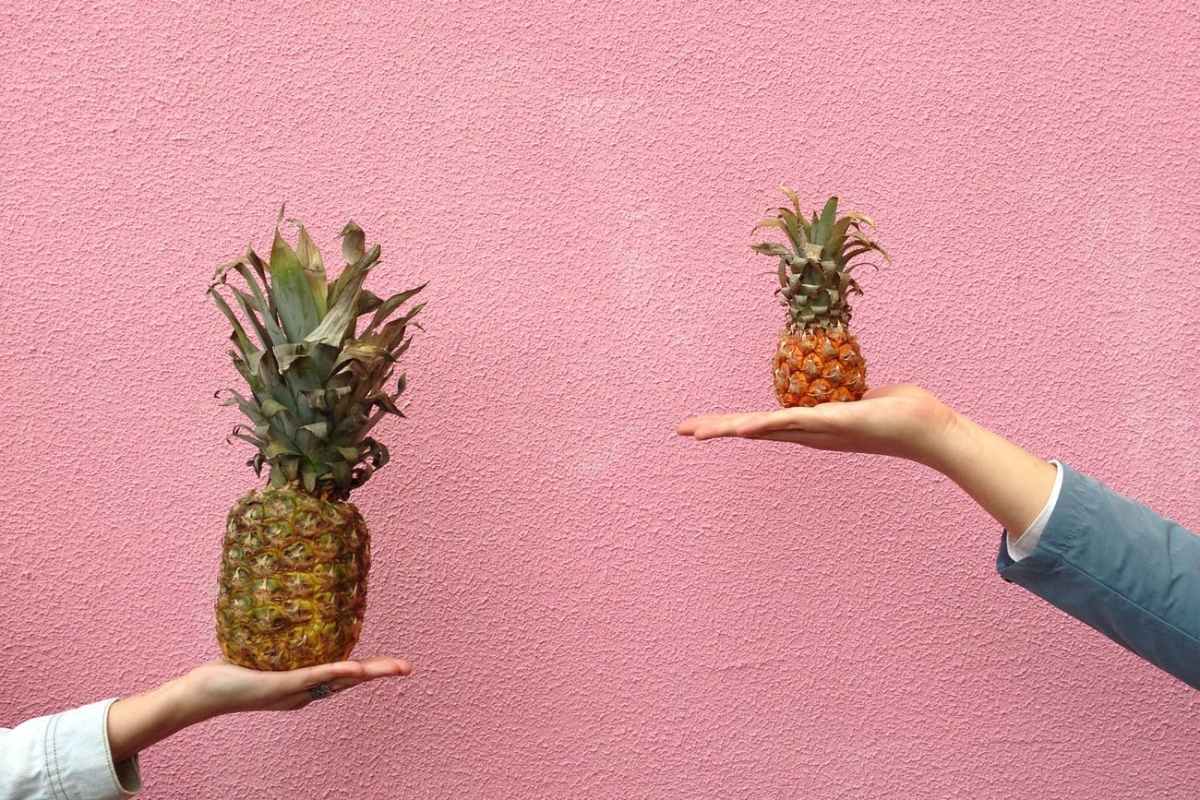
Yesterday as we were getting ready to leave for school, I asked my 6-year-old, Miss O, to put on her shoes and then I told the 2-year-old Mr. D I was putting on his shoes. Miss O said, “Wait a minute, you are putting on his shoes for him? What about mine?”

It seems that in a household with two young children, the opportunities to compare are endless. They compare with each other, they compare my actions with other mothers, our rules with friends’ rules. Not to mention that I compare them all the time (hopefully 100% in my head). “Did Miss O do that when she was 2?” I’ll wonder?

In her book Atlas of the Heart, Brené Brown cites research that shows that comparison is more or less ubiquitous. We might all be different, but we share the trait to compare. It’s what we do with the feelings that comparison brings that makes a difference.

So I wrote about it for my post this week on the Pointless Overthinking blog: Comparing our Differences

(featured photo from Pexels)