A few weeks ago as I was making dinner, feeding the animals, and trying to fit in one more work task, my eleven-year-old daughter said something surprising. “I don’t have any friends.” As the person who sits next to where her Apple Watch charges, I wanted to counter with how often her watch buzzes with texts and phone calls.
But parenting has taught me the power of believing people when confess how they feel.
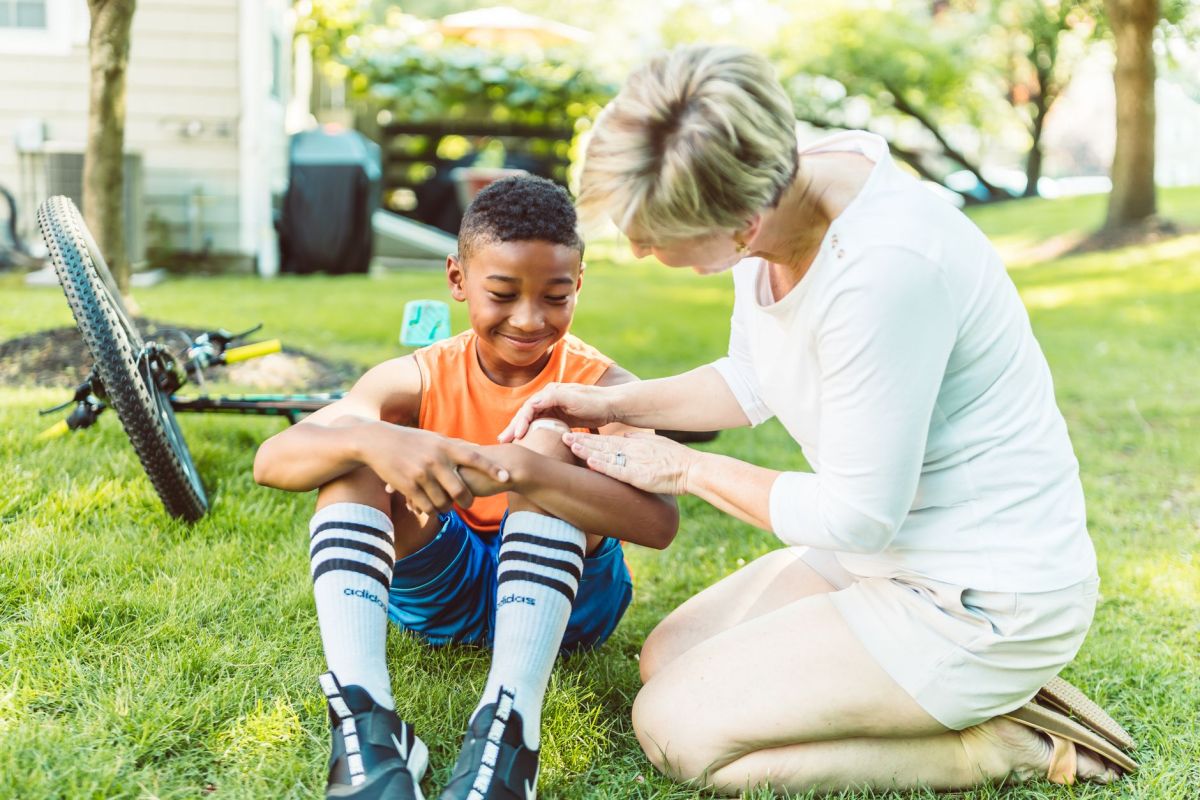
It started with my kids when they were toddlers and told me they had an owie. I believed them. Seeing the curative effect, I learned to extend it to accepting that when someone says they are lonely, scared, happy, hurting, or whatever else they may be feeling, that it’s true.
It doesn’t have to be objectively true or even true over time. But taking what they say at face value for that moment has turned out to be a good place to start.
When I can do it, that is. It’s often inconvenient to believe people when they tell you how they feel. The other night in order to really listen to my daughter it meant having to pause dinner prep, close my laptop, and tell the pets to wait.
In other cases, it sometimes means having to change plans. Or even more disruptive, adjusting a perception of their lives in relation to mine. I have to stop being a fixer because some of the utility of talking people out of their feelings is so that you don’t have to fix it.
On the flip side, I’ve seen the power of being believed. It removes any defensiveness because there is no need to prove the statement. And it often shares the weight of the load. It eases the path because the person who is believed doesn’t have to add feeling unheard to their burden.
Simply for me, it’s moved me from listening with my head to relating with my heart. It opens moments of connection.
Which was the case with my daughter. When I asked her to tell me more about her friends, we figured out that sense showed up because the friend who she was eating second lunch with had a schedule change and was moved to first lunch. My daughter was feeling the loss.
Feelings are sometimes hard to nail down. Finding people who believe you shouldn’t be so hard.
(featured photo from Pexels)
If my work has encouraged, inspired, or helped you try something new, consider supporting it with a small “cup of coffee” donation. Your support helps me keep creating conversations, stories, and resources that cheer people on as they do brave, meaningful work.
You can find me on LinkedIn: https://www.linkedin.com/in/wynneleon/ and Instagram wynneleon


Hugs to O. I like how open she is. Hope she gets more lunch companions soon!
LikeLike
This was a great post and great point about when someone feels heard or believed (for what they feel at face value) it does drop defensiveness – and helps processing and bonding etc
Oh and hope your daughter finds a great group or person to enjoy lunch with
LikeLike
Oh, that’s a tough one for Miss O. The lunch routine has definitely shifted during middle school and can feel so hard when a friend is suddenly not there. We’re going through something similar with T where they now have to sit with kids from their class, and so he can’t sit with his friends from last year and he’s feeling the effect. It’s a good thing you have an open ear to listen to Miss O and that makes a huge difference.
LikeLike
The Apple Watch detail really landed for me — how easy it is to reach for evidence that contradicts what a child just said, instead of sitting with the feeling itself. I also liked the toddler “owie” thread, because it shows this is not a new skill for older kids; it is the same practice, just with bigger feelings attached. Asking “tell me more” instead of fixing it, and finding out it was really about a second-lunch schedule change, is such a clear example of how a small logistical loss can feel like a much bigger social one at eleven. Pausing dinner and closing the laptop sounds inconvenient, and that is exactly why it mattered.
LikeLike
Thanks, Wynne. That’s really helpful. Having spent my working life learning something of that skill (probably without realising it) dealing with children I’m now finding that it’s an equally necessary skill when relating to friends with dementia. Having been brought up to believe that ‘facts’ are important, the need for empathy is sometimes more important.
LikeLike
To be seen, heard and believed is so important Wynne.
I hope Miss O will have a new friend to take lunch with soon.
LikeLike