Dreams, Writing and Creativity

Without leaps of imagination or dreaming, we lose the excitement of possibilities. Dreaming, after all, is a form of planning.” – Gloria Steinhem

I had a friend who once told me that when his wife woke up from dreams in which he was behaving badly, he’d pay for it all day. He didn’t actually have to be dismissive or philandering – because on those days, she’d treat him as if he already done it.

I can attest to the lingering effect of dreams. Even if I don’t remember exactly what happened, I can awaken powerfully emboldened or ambiguously scared. So I love this podcast episode in which Vicki Atkinson and I are talking with author, blogger, and former newspaper writer, Melanie McGauran about decoding our dreams. We love our conversations with Melanie – she is so engaging and insightful.

This is such a fascinating episode. The interior of our minds is an interesting, and sometimes scary, place. But it is so fun how Melanie brings her love of mysteries to this practice of sifting through the clues.

Melanie talks about her fascination with dreams and how she both remembers hers and extends them. It’s a wonderful practice to not only appreciate the dreamscape but also focus the mind in the middle of the night.

She introduces us to the work of Matthew Walker, author of Why We Sleep: Unlocking the Power of Sleep and Dreams and his insight that in dreaming, we access our memory tree but without the guardrails of logic.

Melanie combines that memory mixology with her unstoppable creativity, joy and problem-solving to decode dreams.

This episode is such a fun take on dreaming, writing and creativity. We love Melanie’s passion and interest and get to see that in action as she helps us make stories from our dreams.

I’m confident you’ll love the scenic and beautiful places we explore as we share the power of storytelling – in podcasts, in conversation, and in dreams.

We know you’ll love it!

Search (and subscribe!) for Sharing the Heart of the Matter on Apple, Amazon, Spotify or Pocket Casts OR Listen to it from your computer on Anchor: Episode 94: Decoding Our Dreams with Melanie McGauran

Episode 94 transcript

AND subscribe to our YouTube channel to see a video clip of each story: @SharingtheHeartoftheMatter.

Links for this episode:

Late and Lost by Vicki Atkinson

Melanie’s blog: https://leavingthedooropen.com/

“Why We Sleep” – Matthew Walker, Ph.D

From the hosts:

Vicki’s book about resilience and love: Surviving Sue; Blog: https://victoriaponders.com/

My book about my beloved father: Finding My Father’s Faith

(featured photo from Pexels)
The Way I See It

Be sure to taste your words before you spit them out.” – unknown

I’m fascinated by the different ways our brains work. Most recently, I’ve had the chance to watch my kids as they approach the world with their “lantern awareness.” That’s a phrase from Dr. Alison Gopnik, the cognitive psychologist from UC Berkley, who talks about young brains being rewarded for what teaches them the most so they see the world as if they are holding a lantern high and they see everything in their vicinity. Whereas our adult brains have spotlight awareness, which most of the time is like tunnel vision towards our objectives.

In addition to that, it’s things like my friend, Doug, who can remember every route we’ve ever climbed in like a 360 degree view. “Remember that tree when we turn to head up the ridge?” he ‘ll ask. And I shake my head no.

Or my brother who has such great spacial awareness that to work with him to assemble the 300 bars of a jungle gym into a dome is a marvel.

When I was young, I used to memorize license plates which earned me the nickname Rain Man (do you remember that movie?). Fortunately my brain has given that up and now it hangs memories onto my favorite words. So when I hear the word luminous, it reminds me of Julia Preston because of her ability to bring light.

These word associations are the topic of my Wise & Shine post: My Love Affair with Words.

(featured photo from Pexels)

Reach Out and Touch Someone

Compliment people wherever you go. Praise every single thing you see. Be a ray of sunshine to everyone you meet.” – Rhonda Byrne

A couple of weeks ago my friend, Scott was watching the movie The Net and it reminded him of me. When that movie came out 27 years ago (I looked it up), it was in the brief time we worked together and I commented on a small technical detail about an IP address that pertained to the work we were doing at the time. He saw that detail as he watched the movie again and texted me.

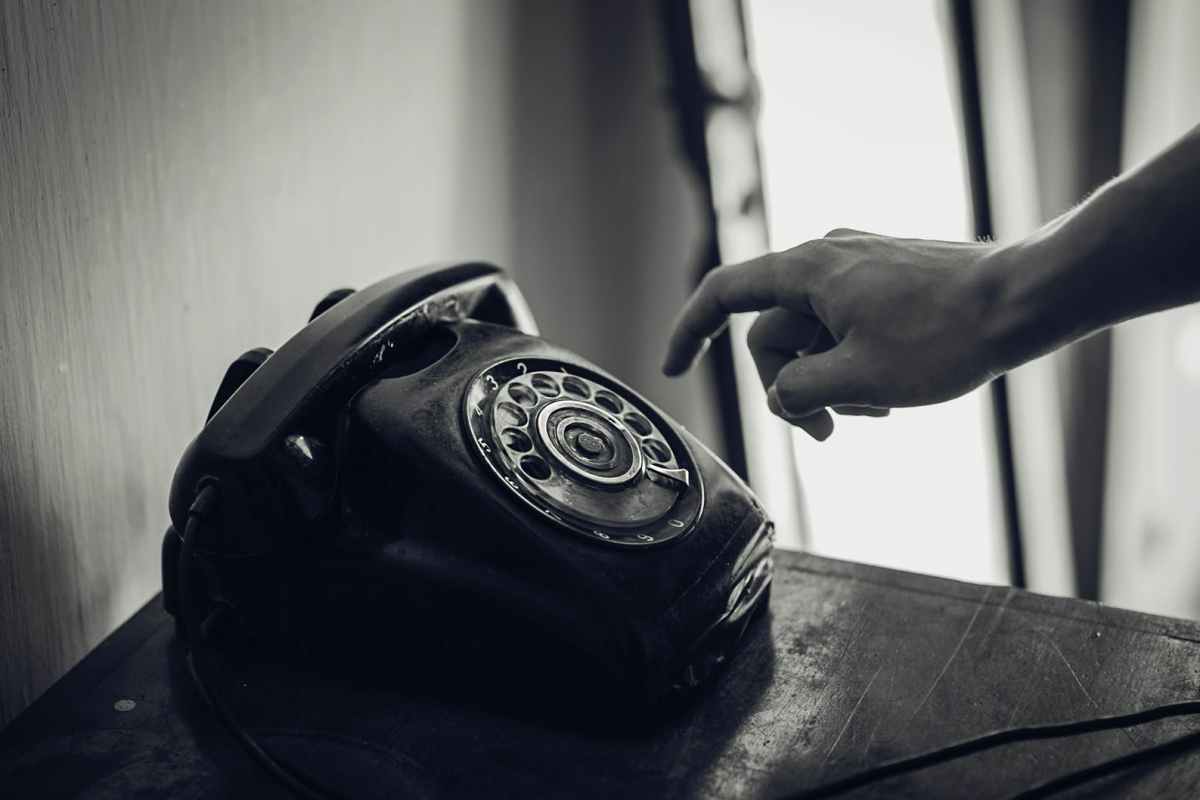
I wonder what it is that makes us pick up the phone when reminded of someone from a long time ago – or answer when someone else does.

It seems like our imaginations often get in the way because I think more often than not I think we think of people and DON’T pick up the phone – we can’t imagine what their reaction will be because it’s been too long or we imagine that it will take more time that we have. And then we stop before we’ve even dialed or written the note.

Many years ago, I had a friend who was writing a novel and was trying to think of a plausible way to introduce time travel. We brainstormed ideas and I remember not having much to offer. Thinking about it now – I realize that reaching out to someone when we think of them is a great way to travel in time.

Because whenever I take the time to pick up the phone, write a letter or make a comment, I get a boost of good feeling. Even in the cases that it doesn’t work out the way I expected, I feel more connected to others for making the effort. It is another way of experience the goodness of our interconnected humanity.

So when Scott texted, I said “yes” to meeting him for tea to catch up. Not only did I get to find out how he, his wife and kids are doing, I got a little chance to travel in time and remember the energy and promise of those days when we were getting paid to wire people to the Internet. It probably was back when AT&T ran the commercials reminding us, “Reach out and touch someone.”

Have you called an old friend lately?

(featured photo from Pexels)

The Peak-End Rule

All’s well that ends well.” – William Shakespeare

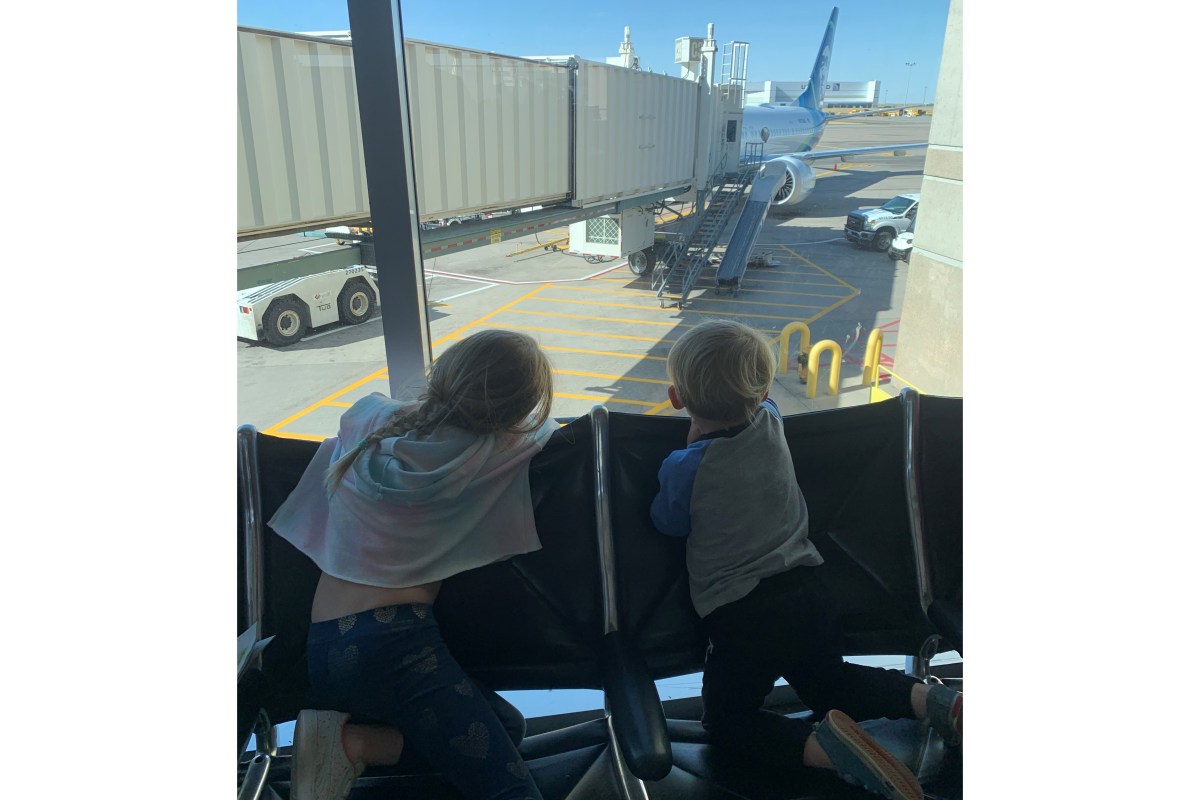
On our way home from the airport after 9.5 hours of traveling, my kids broke into a scrum. Mr. D was saying, “This is not our car. This is not a Toyota!” and Miss O had discovered on the trip that giggling softly when he talks is a truly effective way to make Mr. D mad. After doing so well on all the different legs of our journey including all the waiting when our plane was delayed, we were at risk for falling apart.

It made me think of the research of Daniel Kahneman, psychologist, behavioral economist and author of Thinking, Fast and Slow who found the way that we remember both painful and pleasureful experiences as defined by the peak moment and the end moment. So, if we are getting a painful medical procedure, we’ll generally not remember how it felt all the way through, just how it felt at the end and at its most intense. Research bears this out for positive experiences as well.

Applying this to life, it made me think of my relationship with my ex-husband. Over 8 years of marriage, we laughed a lot. In fact, that was probably what we did best. But I have a hard time remembering that because I most often think of the moment my business partner told me of my exes infidelities and I not only had to deal with that in my personal life but also walk into work the next business day and face all the people I worked with who knew. And I think of the end of the marriage, when no amount of talking could overcome the defenses we’d built.

Now, a dozen years later with the remove of time and healing, I strain to think of the fun times and I honestly can’t. I come back to the peak moment and the end moment.

Conversely when I think of every mountain I’ve ever climbed, even though I know it was a lot of hard work, what I picture is the summit and having beers with friends at the end. The peak-end rule as applied to fun stuff is capable of filtering out a lot of discomfort.

Not wanting the same rule of memory to apply to our very enjoyable recent vacation, I sat in the car trying to think of how to turn around these last moments when we were all tired and past our limits. But the kids did it for me when they started singing The Lion Sleeps Tonight from the Lion King and we bopped along to wim-o-weh. I needn’t have worried – it felt so good to be home, we all ended on a good note!

Foreshadowing

Where there is love, there is life.” – Mahatma Gandhi

My dear friend Katie came to pick up her dog and as the kids ran around and showed her how well they took care of the dog she looked at me and said, “I’ll call to update you tomorrow.”

Which was weird because she was standing right in front of me. Update me about what?

Then she called to tell me that her wonderful mom had been diagnosed with Alzheimer’s. In an ironic conversation, she said that her mom called to tell Katie that something was going on with her and when Katie gently prompted, “What’s going on, Mom?” She said, “I have something but I can’t remember what the name of it is.” Until Katie’s sister that was sitting next to her mom reminded her it was Alzheimer’s.

Katie was the first person that I called when I found out my dad died in a biking accident so we’ve shared these hard milestones of life before. When I was a senior in high school, I lived with Katie and her family when my parents moved across the state so my dad could take on a new job. Katie’s gentle and loving mom, Connie, shared their family traditions with me, bought me matching socks for Valentine’s Day and helped me get dressed for Prom. Her mom is in many ways my second mom.

As Katie and I cried on the phone, I thought about foreshadowing. Which is great for fiction but seems tortuous in life.

When I visited Katie’s parents this summer, they were doing great. It was clear Connie was losing her memory but especially because of her gracious social skills and the way she and her husband of 60 years work together, it isn’t really noticeable as a problem. Her 82-year-old body is still strong and the love and joy she emanates is as powerful as ever.

So we were crying over the fact that we will lose her and it seems more dire today than it did yesterday because there’s a word attached. And that word brings with it a lot of connotations of loss and sadness before the person dies. All of a sudden we started leaving today to imagine the future.

We did our best to return what’s going on now. Connie went fishing with her husband, daughters and son-in-laws last week and Katie and her daughter are going to visit her next week. Then Katie’s parents are off for a road trip south.

If one of these days Connie doesn’t remember the past, at least we can all be with her in the present instead of borrowing trouble and worrying about the future.