Be a Campfire, Not a Conflagration

Don’t set yourself on fire to keep others warm” – Rumi

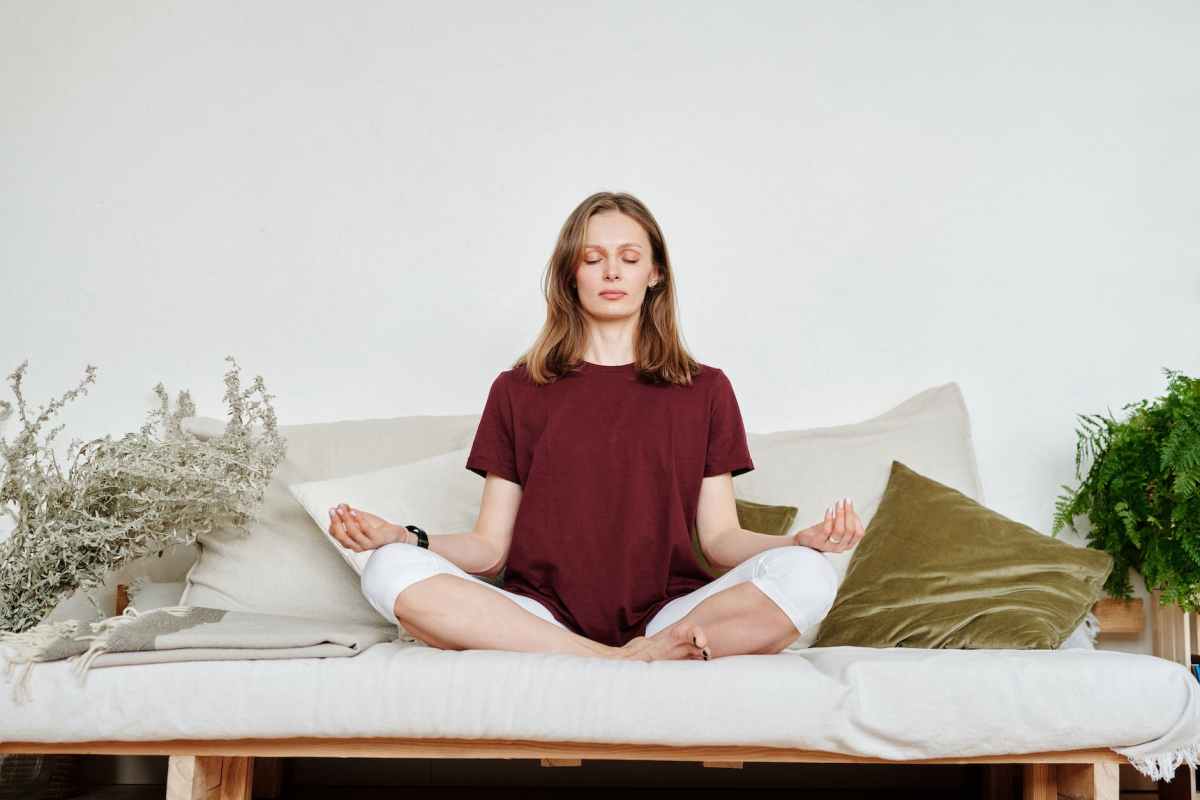
We traveled this weekend to visit a friend in Eastern Washington. On Saturday morning, I crawled out of bed early for my sacred meditation time. After I meditated, I built a fire in the wood stove to take off the chill of the early morning in the woods.

The sequence made me realize the similarities between meditation and fire building.

We accumulate the debris from our lived days – the celebrations, the joys, the annoyances, the worries. It sits like stacked wood until we are ready to coax out the heat and the warmth. Somethings are easier to ignite than others while others need some tending to burn.

It requires a spark to convert it to something other than dead wood that we carry around. The spark can come from something like writing, introspection, or meditation. It can come from people around us or circumstances can set us off. But one way or another something is likely to light us up in good ways or in bad.

Some sort of ventilation is necessary in order for the process to work. We can talk it out, sweat it out, write it out, pray it out, cry it out, or some combo of it all.

Thinking about these parallels as I sat watching the fire in the stove, I found myself mesmerized by the beauty and warmth. But there are few things that scare me as much as when fire escapes its boundaries and roars out of control.

I came home from the weekend with a new motto: Be a campfire, not a conflagration.

Waiting for the Big Answers

Our anxiety does not come from thinking about the future, but from wanting to control it.” – Kahlil Gibran

This was originally published on 8/24/2022. Heads up – you may have already read this.


My 7-year-old daughter asked me the other day, “You know how I want to be a teenager?” After a pause for me to nod my head she asked, “Do teenagers want to be kids?” I explained that teenagers want to be adults.

This is just the latest of her big questions: Where will I go to college? Who should I marry? How many kids will I have? When we get a dog, will it be so excited to see me every day after school?

And I completely understand because I have big questions of my own: Will I fall in love again? Will I be around to see my kids answer their big questions? And every time I’ve stood at the base of a mountain ready to climb, I’ve always wanted to know, before I’ve even taken the first step, whether or not I’ll summit.

Like my daughter, I want to know how the story ends. Except that I don’t want it to be the end. In the worst moments when I get too attached to how I want it to work out, it makes me anxious and keeps me up at night as my brain tries to cycle through the permutations of how to control things.

In those moments, I’m not a very good Buddheo-Christian. That is to say, I know our spiritual traditions teach us that peace comes when we leave the outcome up to the Universe. As Buddha said, “Serenity comes when you trade expectations for acceptance.” Or in the Christian tradition, I think of “Rejoice in the Lord always: and again I say, Rejoice.” (Philippians 4:4). But I have a sports metaphor that helps me settle into the tension.

In 2001 my brother and I gave my dad tickets for the US Open Tennis Tournament in Flushing Meadows, New York. We spent the week together in the great city of New York, eating fabulous meals and watching great tennis.

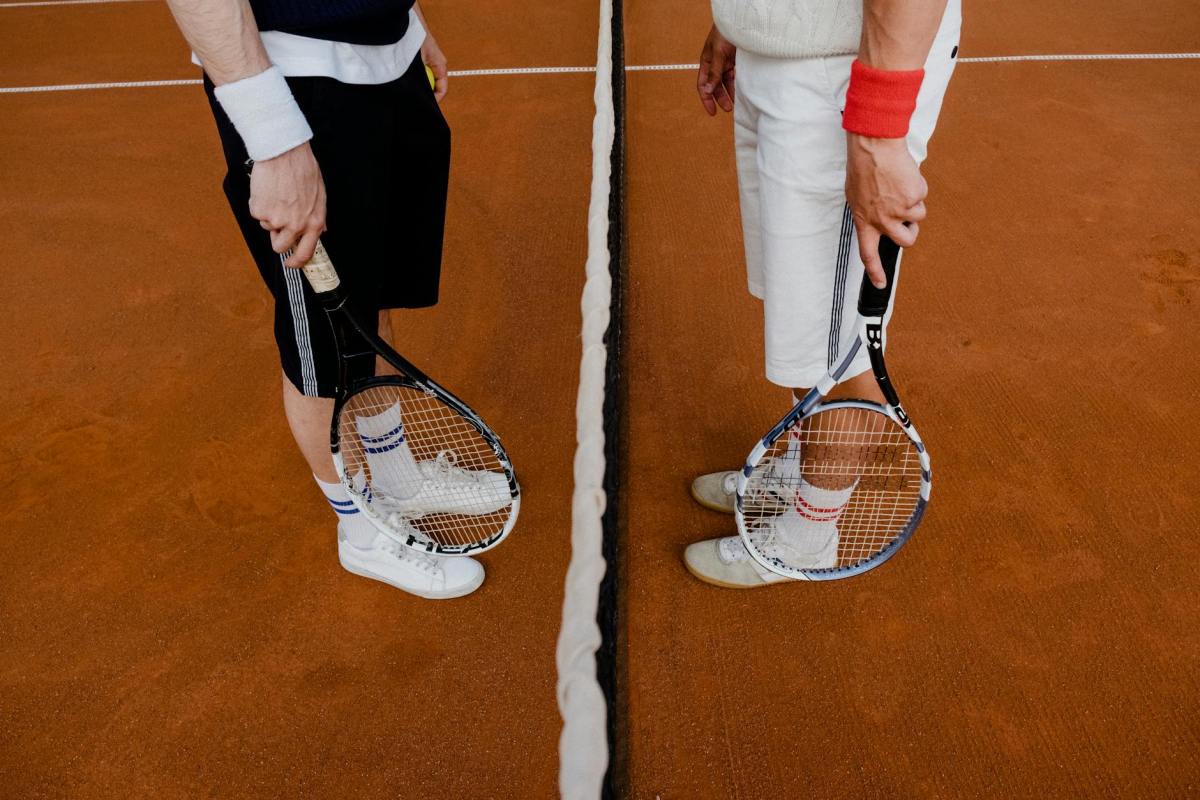
The pinnacle of our experience was a night match on September 5th between Andre Agassi and Pete Sampras. The three of us sat high in the stands watching this amazing quarter-final between two great players: Pete, one of the best servers in tennis, wearing white, Andre one of the best returners in the sport, wearing black. Both were playing their A-game so as the first set unfolded, they each held serve and the set was decided by a tie-breaker that Agassi won. The second set started and again each man held serve but this time, Sampras won the tie-breaker.

One set each, nobody had lost serve and the tension in the stadium was palpable. It felt like whatever allegiances we came in with, no one was sure any longer who to root for because they were both great. The third set continued, both held serve and Sampras won the tie-break.

So it went to the fourth set. Again, they both held serve and we reached the fourth set tie-break. Here’s how Andre Agassi recalls what happens next in his memoir:

“We’ve played three hours, and neither of us has yet broken the other’s serve. It’s after midnight. The fans – 23,000 plus – rise. They won’t let us start the fourth tiebreak. Stomping and clapping, they’re staging their own tiebreak. Before we press on they want to say thanks.”

Open by Andre Agassi

I can remember feeling the tension. I started the match as an Agassi fan but somehow witnessing this great effort, I dropped my expectations and no longer wanted the answer to the big question. And yet it came – Sampras won the 4th set tiebreaker and the match.

That matched happen 6 days before 9/11. Not only did we not know what would happen with the match, but we also had no idea that the biggest terrorist attack on American soil was about to occur and change NYC forever. Had we known, we wouldn’t have sat and watched tennis. The weight of foreknowledge would have crushed us and destroyed my ability to learn the lesson of how to drop expectations and just enjoy the tension.

When I get too impatient and want to know the answers to the big questions, I think of that match. Sometimes we need to stomp and clap to stay right in the moment, relieve the tension and stay open to whatever will happen.

I tell my daughter that any flower that tries to open before its ready will rip. Which is too abstract to mean much to her. So I try to participate in the present with her as much as possible so that it becomes like that match, so exciting that you don’t want it to move on. And I learn the same lesson for myself, again and again.

(featured photo from Pexels)

Speaking of Meditation…A Note of Self-Awareness

To meditate means to go home to yourself. Then you know how to take care of things that are happening inside of you, and you know how to take care of the things that happen around you.” – Thich Nhat Hanh

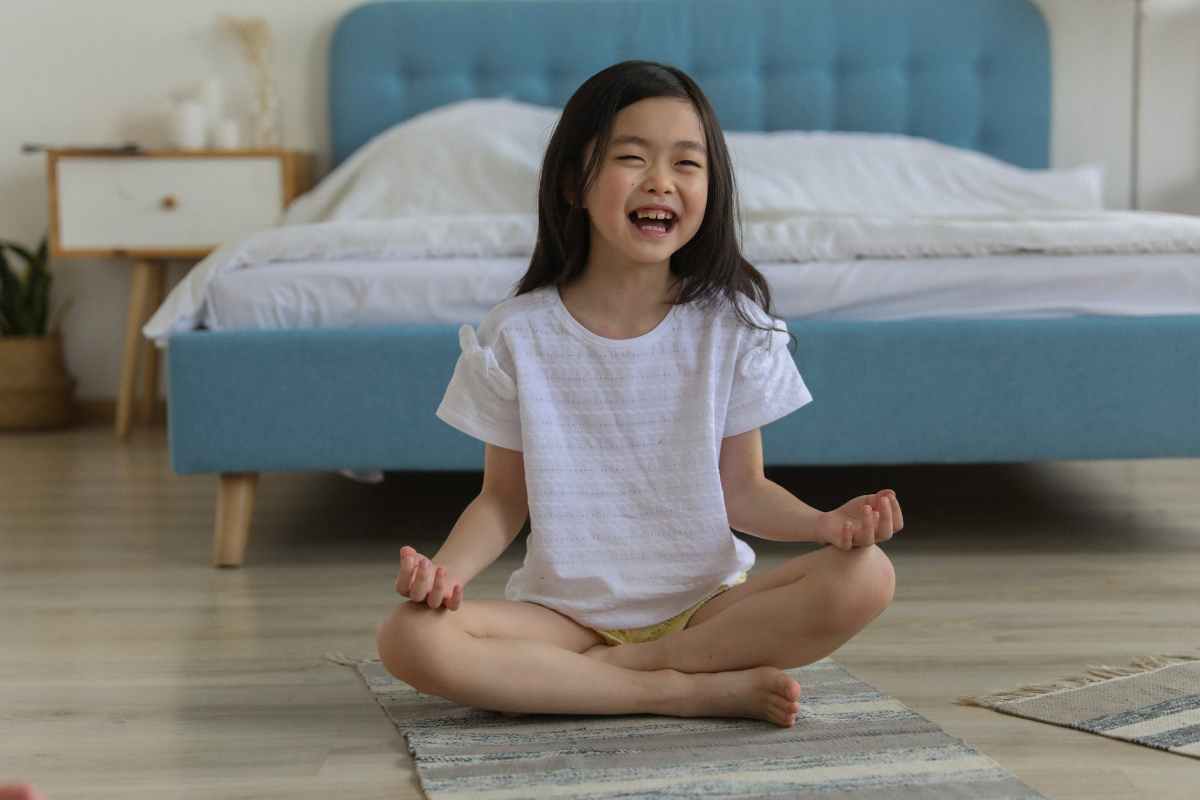
Recently eight-year-old Miss O has chosen to do some meditation in the bedroom while I’m reading to four-year-old Mr. D. Since the bedtime routine could use any injection of calm possible, I’m all for it.

The first night she tried it, she’d sat for about 90 seconds. Then she popped up and said as she walked by me, “Do things you’ve forgotten to do pop into your mind when you meditate?

Hello, have you met the inside of my brain?” I wanted to quip.

On the second night she tried, she sat for about five minutes before joining Mr. D and me in our little reading nook. When Mr. D started a little shoving, she calmly said something like, “Oh, I’m so glad I meditated because otherwise I’d be all [switch to impatient and angry voice] ‘Mr. D, cut it out. You are being so awful.’ “

I had to look away to hide my grin. Congratulations to Miss O for managing in one sentence to be smug about her practice, self-aware of what she shouldn’t say, and say it anyway. Goodness knows I’ve been guilty of all three so my chuckle was both knowing and self-deprecating.

[Note to self: spiritual practices usually work better when they come with keeping the heart open and the mouth shut.]

(featured photo from Pexels)

Cookie Cutter Faith

There are two ways to live your life. One is as though nothing is a miracle. The other is as if everything is a miracle.” – Albert Einstein

This was originally published on 7/6/2022. Heads up that you may have already read this.


My kids and I went to a wedding out-of-town this past weekend. At the wedding, they gave out fortune cookies. My 6-year-old daughter opened hers and read “You will find a treasure soon.

The next morning we were driving around looking for an alternative to the planned hike because it was raining. I turned in at a sign that said, “Horseback riding.” It was a holiday weekend and we didn’t have reservations so I didn’t think we’d be able to ride but maybe we could see some horses, my daughter’s favorite animal even though she’d never actually touched one. Yet.

But they booked us for a ride. As my daughter sat atop a big quarter horse named Comanche, I could hear her tell the guide. “I got a fortune cookie and it said that I would find a treasure. It was right – THIS IS MY TREASURE.”

I chuckled but as the weekend went on she repeated the story a few more times adding at the end, “I need another fortune cookie.” I grew a little uneasy. Surely I needed to inject a little reality to this fortune cookie madness.

Wait a minute – one of my favorite quotes is from Albert Einstein’s “There are two ways to live your life. One is as though nothing is a miracle. The other is as if everything is a miracle.” And I’m clearly on Team Miracle. So why was I feeling the need to put the kibosh on her finding some magic in fortune cookies?

Because I’m a parent and I want her to believe in something more substantial that involves some responsibility and transcendence. Because I don’t want her to be disappointed.

It made me think of all the years that I didn’t discuss my faith with my beloved dad because I feared my spiritual beliefs weren’t religious enough. When I finally found the chutzpah to do it, we had deep and meaningful conversations about life, family and love. And it turned out that life and his 40 years as a pastor had instilled in him a bigger idea than the Presbyterian party line. In the end, he called himself a big tent guy. “In a way I have become less cocky or confident because I thought I had things all figured out early on, but now I know I have general things figured out, but the fact is that we differ in this huge tent of the family of faith on different things.

And then he went on to paint a picture of how my yoga/meditation/spiritual practice related to his beliefs in a unifying way:

“I’ve thought this often about you and your world with all the disciplines that are so wonderfully therapeutic. It seems to me that Christ is equally as present and could be equally named and known to you. The disciplines in a sense are more along the horizontal level than perhaps the vertical level (reaching up to God) and Christ honors anything that makes us more what God wants us to be.

I am thrilled with what is happening in you in this journey and one of the great benefits is that it brings us closer.  When kids follow in a trail similar to their parents, it creates one more way they can be close and can relate with each other … and in this case relate deeply and lastingly.”

Dick Leon

Thinking back to what I learned from talking with my dad, I think of all the time I didn’t talk about faith because of fear that it wouldn’t measure up. In the end, I realized that no two people see faith in exactly the same way, no matter how unified their theology is. Instead, there’s room in the tent for all of us.

I have faith that my daughter will grow up to experience God in her own nuanced way and I don’t need to fear it will be Fortune Cookie religion. So why not find some magic in it? After all, my fortune was “Your hard work will pay off soon.

What about you? Do you talk about faith in your family? Do fortune cookies count as miracles?


As a related post to this one, I’ve published a post on the Wise & Shine Blog: Do You Believe In Magic? Do You Write About It?

(featured photo from Pexels)

Forced Flexibility

Blessed are the flexible, for they shall not be bent out of shape.” – unknown

I had to get rid of a settee from my bedroom. It was a holdover from my marriage, beautiful but useless. It sat in the corner holding books. But my kids have been arguing at night when we read together about who gets to sit where so I put the settee on the curb with a free sign. It was gone within hours and then I was free to build out a reading space on the floor.

That’s not the only change going on around here. I’ve been shuffling up my morning routine and have landed on feeding and walking the dog before I meditate. It isn’t really how I envisioned my feet hitting the floor. But it works well enough to create the calm I need for my sacred morning time.

I’ve been thinking about these as examples of how I’m being flexible for the beings in my home. But I suspect that I’m the biggest beneficiary of this practice. Left to my own devices, I would do the same routine every day in perpetuity.

But that sameness doesn’t loosen me up so I stiffen over time. It reminds me of the aphorism, “what doesn’t bend, breaks.” I’d like to think I’d bob and weave if I wasn’t being “flexible for the kids” but I’m not so sure.

It’s all part of their plan to keep me young. It’s like yoga for my soul – these exercises that keep my innards loose enough to go with the flow. I get a lot of practice being a tree that will sway with the wind instead of a stick dropped in the mud.

I write this to encourage myself to be flexible. Because I don’t like it much at all. I’m stubborn and dogged by nature and that has taken me far in pushing through to mountain summits and every other metaphorical summit. Yet I see the goodness practicing this acceptance and letting go of what is. It frees me up to create and be the next thing.

(featured photo from Pexels)

Give Me A List

To meditate means to go home to yourself. Then you know how to take care of things that are happening inside of you, and you know how to take care of the things that happen around you.” – Thich Nhat Hanh

This post was originally published on 10/26/2022. Heads up – you may have already read this.


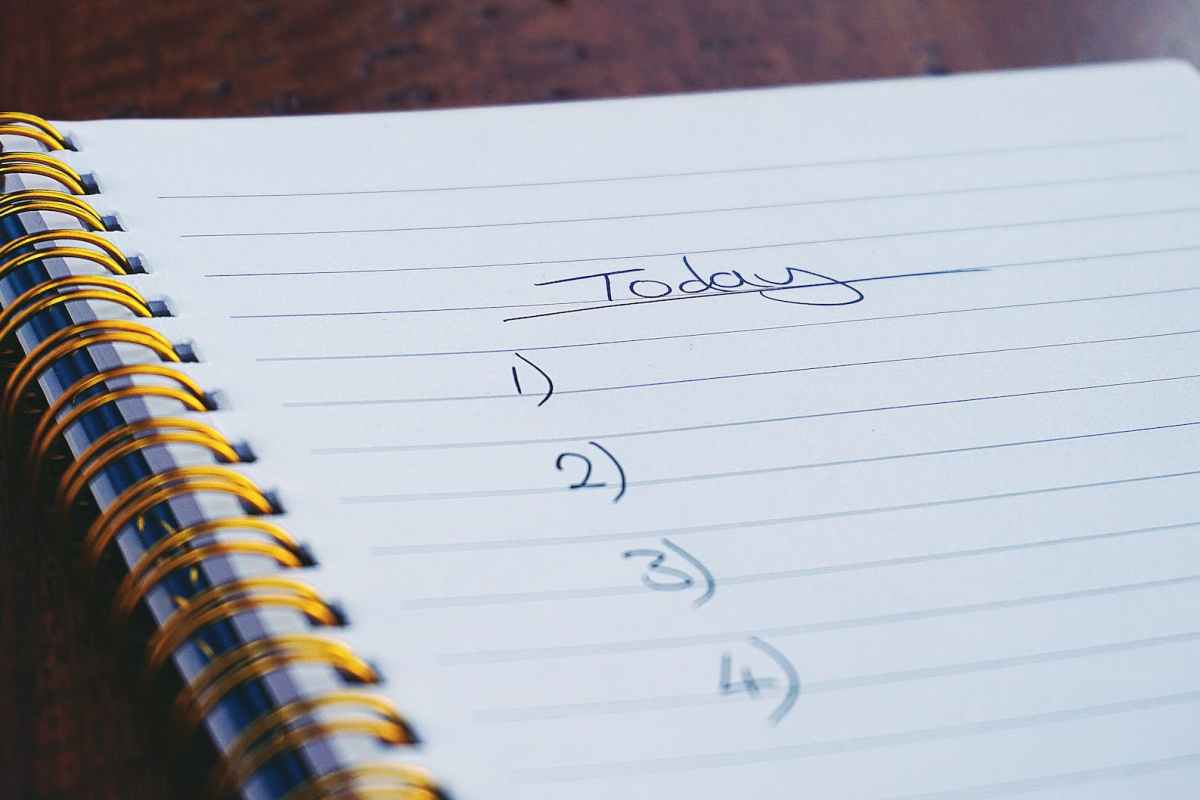
Have you thought about the effectiveness of lists in writing? Take a moment and think of the famous lists that come to mind like My Favorite Things from The Sound of Music or the Ten Commandments from the Bible. Even when we can’t name them all, I bet we can name a few or most.

Lists can help us as writers be concise, ordered and on topic. They also let the reader draw their own inferences. One of my favorite lists is Jack Canfora’s post, Dear Lord, Not Another Post on This Blog about Gratitude and I’m grateful it made me want to continue to write. AP2 polled the readers on the Wise & Shine blog and created 9 Pieces of Indispensable Life Advice From Your Future Self. And Dr. Gerald Stein’s list of How to Become Your Own Best Friend has so many nuggets of wisdom to mine. I can name those lists as impactful off the top of my head plus some items on them because at least I find lists are more memorable.

So, here’s a list I’ve written.

Why I Meditate

I meditate because it is the one thing that has improved the quality of my life the most.
The quality prior to meditation was only manageable if I drank a bottle of wine a day.

Meditation helps me live in my heart, not my head.
Because the voice in my head is an asshole.*
And I was sometimes an asshole when I listened to it.

Meditation has helped me to eat at the table of what IS and stopped begging at the table of what ISN’T.

I meditate to so that at least once I day I’m listening to the right things instead of the wrong things.
Right things include love, empathy, patience, wonder, awe, curiosity, grace, laughter.
Wrong things include judgment, self-flagellation, anxiety, comparison.

Meditation has helped me give up two key stories: that situations are win/lose and that choosiness leads to joy.

Instead I believe in bowing down to openness and creating porous boundaries where I try not to hang out to things as they come and go.

I meditate because it helps me exercise my grace muscle instead of my judgment reflex.

Sitting quietly in meditation has helped me to hear the heartbeat of life and trust in its timing and flow.
I almost always get this wrong and push ahead of the envelope but I’ve learned to respect it, especially in hindsight.

Meditation has helped me find internal quiet and be able to rest there.
When resting in that space, I can more easily find my way to others.

It takes repetition but meditation in five-fifteen minute daily increments has been the most gentle way of changing my life.
The other ways change has come to my life through loss, suffering and chaos have been a lot less fun.

And when I get all of the above wrong, which I do all the time, meditation helps me not judge myself too harshly, breathe and begin again.

How’s that for a list? Do you use lists in your writing? How about meditation?

*I give credit to former newsman Dan Harris, a self-described cynical but committed proponent of meditation and mindfulness for the phrase “the voice in my head is an asshole.” His podcast, Ten Percent Happier has great guests who discuss the science of mindfulness and it also has free, short 8-10 minute guided meditations. And for anyone looking for an app, Healthy Minds has 5-minute meditations. I am not affiliated with either.

** Update on 9/5: Another related post on meditation: Does Loving-Kindness Actually Matter?


Speaking of lists, I’ve compiled a list of favorite writer quotes submitted by bloggers in response to my poll of favorites on the Wise & Shine blog: Your Favorite Writer Quotes

(featured photo from Pexels)

Does Loving-Kindness Actually Matter?

All joy in this world comes from wanting others to be happy, and all suffering in this world comes from wanting only yourself to be happy.” – Shanti Deva

Two mornings after a puzzling encounter with a Hispanic man on the bus, his face came to mind during my morning sacred time as I was doing the loving-kindness meditation. Actually I couldn’t picture his face with much detail but the feeling of his leathery hands was still palpable. They were as wide as they were long, giving me the impression, along with the texture, of catchers’ mitts.

May I be happy, may you be happy

May I be at peace, may you be at peace

May I be loved, may you be loved

I wondered as I did it – does doing this meditation do anything for him? Here’s a man who randomly gave us $100 for no reason I could discern, the language barrier prevented any meaningful dialogue. But in so doing, changed the course of our day plus the day of the five people who received parts of his gift. (See my post on Heart of the Matter for the story of what we did with the money).

Then two days later I’m doing the loving-kindness meditation and sending him good vibes. Does it matter to him?

Here’s the image that came to me. If we all are a great big audience, some of us will be facing the stage, others are facing away, and the rest are looking at their phones. For anyone that comes on the stage, they can feel the love of those looking toward them, the antipathy of those facing away, and the indifference of those who are distracted. How the person on the stage reads the crowd is probably mostly based on their experience and viewpoint, but is also influenced by the energy of the audience.

If you asked me whether I wanted to be a part of this man’s audience the other day, my head would have voted for remaining indifferent. But my heart has been softened by enough loving-kindness meditation specifically, and by life in general, so that it opts for leaning in.

So perhaps the time spent in prayer and meditation does matter to the man on the bus. Maybe not directly, but it opens me for receiving others known and unknown.

See my post on the Heart of the Matter for the story of what we did with the $100: One Thing Led To Another

What to Do With Our Inner Meanness

The worst loneliness is to not be comfortable with yourself.” – Mark Twain

This is something I published on 9/7/22. Heads up – you may have already read this.


The other night my seven-year-old was being short-tempered with her younger brother and snippy with me. I asked her not to take out her mood on others and she replied “I don’t know what to do with the meanness!

Huh. Isn’t that a great question? I was raised in a household that believed “If you can’t say anything nice, don’t say anything at all.” Which I think has it about half right – not saying mean things is an admirable goal. But since just stuffing it down is likely not to work long-term, what do you do with the meanness?

Tend the Body

On the night in question, my daughter was both tired and stressed. In fact, I think I can pretty accurately say that if one of my kids is grumpy, there’s about a 90% chance it’s because they are tired, hungry, cold or sick.

And that goes for me too. If I’ve depleted my energy reserves with a hard work out or am tired because I haven’t slept well, I’m much more likely to think, if not say, unkind things.

As my colleague on this blog, Jack Canfora said in his brilliant post on Things I Think I’ve Learned So Far, “There will be things you do and say in an offhand way that will stay with others their entire lives, for better or worse.” So how do we tip the scales so that those things are more often for the better?

Mind the Mind

Dr. Dan Siegel, neuropsychiatrist and author, talks about the structure of our brains. In his terms, fear and anger reside in our downstairs brain, the brain stem and limbic region, whereas thinking, planning and imagining reside in the upstairs brain, the cerebral cortex and its various parts. The more we exercise integration of these two parts by making sound choices, delving into self-understanding, practicing empathy, posing hypothetical moral questions, the better we can apply higher-level control over our instinctive reactions. From The Whole-Brained Child, those are the recommendations of what we can do to help kids integrate the upstairs and downstairs brains but they work equally as well to mold adult brains too.

As Daniel Kahneman notes in his book Thinking Fast and Slow, “People who are cognitively busy are also more likely to make selfish choices, use sexist language, and make superficial judgments in social situations.” Cognitively busy being shorthand for when we tax our brains with concentration, complex computations and choices.  So we need to find a way to give our busy minds a break.

Feed the Soul

For me, giving my mind a break comes from meditation. I call sitting down on my meditation cushion “Irrigating the Irritation” because it so often helps soften where I’m stuck. It delivers me from the petty complaints by introducing a bigger sense of perspective.

This matches the experience reported by brain scientist Dr. Jill Bolte Taylor when she had a stroke that quieted the mental chatter of her mind and opened her up to a sense of deep inner peace and loving compassion. Studies of Tibetan meditators and Franciscan nuns have shown a similar shift of neurological activity for those engaged in prayer and meditation.

From a recent study published by the Oregon State University, they found that meditation can help replenish mental energy in a way similar to sleep. In fact, according to the lead author of the study, Charles Murniek, “As little as 70 minutes a week, or 10 minutes a day, of mindfulness practice may have the same benefits as an extra 44 minutes of sleep a night.

Of course meditation is hard practice for kids. There are techniques like box breathing and just counting to ten that help in the throes of big emotions but I haven’t gotten my kids to sit for more than five minutes at a time on a meditation cushion. However, I’ve also noticed that just sitting and coloring also brings about some mental rest, both for kids and for me when I do it alongside them.

What to Do with the Meanness

I tell my kids that my job is to keep them healthy, safe and kind. I know the kind part is a stretch because kindness is a choice they’ll have to make. Also because I have my hands full just trying to practice kindness myself. But at the very least, I can help find ways they can manage their meanness and in doing so, help myself to do the same.


I’ve also posted today on the Wise & Shine blog about first sentences that draw us in: Great First Lines. Check it out!

(featured photo from Pexels)

Unstructured Flow

“To meditate means to go home to yourself. Then you know how to take care of things that are happening inside of you, and you know how to take care of the things that happen around you.” – Thich Nhat Hanh

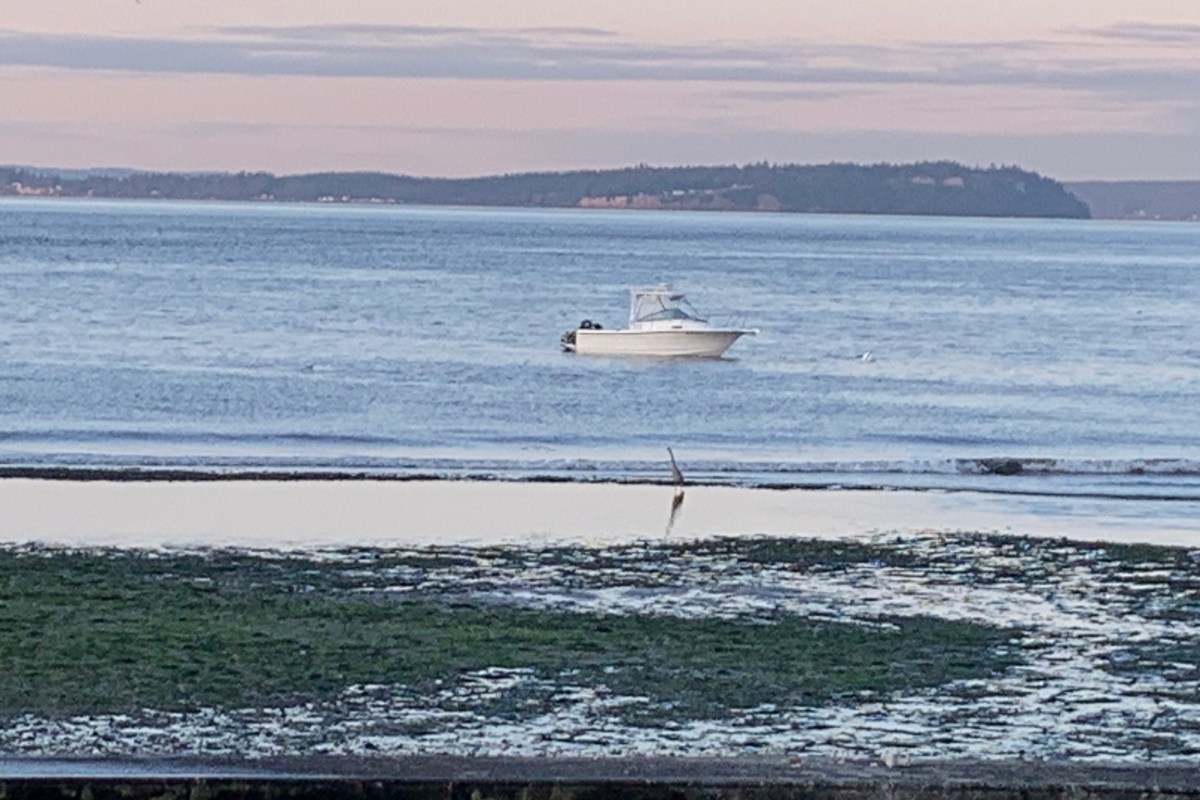
My kids and I on vacation this week at a beautiful spot on Whidbey Island – one of my favorite places in all the world and only a couple of hours away from home. We’ve rented a place right on the beach and it is stunning. I’m typing this on a crisp summer morning sitting at the picnic table on our patio. It’s an extremely low tide so one of the local herons is fishing in a tide pool 100 yards front of me. The morning is so calm that I can see the shadow of the heron reflected on the water. The boat just beyond it is glinting in the first light.

My 84-year-old mom joined us here for a few nights, my friend Eric is coming for another few nights, and then my kids and I have had a couple nights and days on our own. Given the proximity to Seattle, we’ve had a parade of other visitors – my meditation teacher, Deirdre, came for a few hours, a gang of Eric’s long-distance cycling friends paraded through, and a different friend is coming today.

Now the heron in front of me is chasing a seagull away from its tide pool that it must consider to be its own. I could be anthropomorphizing here but it seems to have lost its focus on its own peaceful pursuit of what it was doing and now has concerned itself with what the seagull is doing instead.

Which is a lovely allegory for how vacation feels to me. Without the regular routines and structure to key off of, it seems like vacation is a constant negotiation of what we all need and want to do. The wide openness of it makes me feel I have to maintain some definition of my own in order not to be swept away in the tide of what everyone else wants, and my own desire to please.

Like the heron, I spent the first part of the week maintaining definition of what’s mine – my sacred time, my bed, my plate, my activities – and that left me feeling like I was playing defense. Then I read this paragraph from Mark Nepo during MY sacred time and it helped me to realize that the key is permeability:

“Another paradox I continually struggle with is how to let others in without becoming them. How to open the door to compassion without the things and people we feel for overpowering us.”

The Book of Awakening by Mark Nepo

For me it has come down to relaxing my boundaries so that I can feel the flow. It’s not guarding my space like the heron, but instead finding the play and playfulness in being with others. Coming closer when we are exploring on the beach, and snuggled up after time in the pool, and then moving away when I need a moment just to expand my senses and take it all in.

Which brings me to the quote from the Buddhist monk Thich Nhat Hanh that I used for this post. When I meditate, I almost always find some answer or ease that helps me to navigate life. When everything else is unstructured, as it is here on vacation, or hectic, as it is in regular life, this is the practice that helps me with both. Usually by finding that I can release whatever I’ve dammed up and find that flow and faith in the Universe again and again.


Vicki Atkinson and I talk about meditation and how self-care can make us better humans on this week’s episode of the Sharing the Heart of the Matter podcast. Search (and subscribe!) for Sharing the Heart of the Matter on Apple, Amazon, Spotify or Pocket Casts OR Listen to on Anchor Episode 28: How Self Care Can Make Us Better Humans with Vicki Atkinson

(featured photo is mine – the beautiful beach in front of me)

Writing a Good Ending

The discipline of creation, be it to paint, compose, write, is an effort towards wholeness.” – Madeleine L’Engle

At this point 30 years into my career as a computer consultant, I’m always surprised when I go through periods of not knowing. When I was younger, I thought that I’d surely know it all – if not by 30, then by 40, and for certain by 50!

But now here I am in my 50’s and I still face periods when what I’m doing is a little fuzzy, as has been the case the last few weeks. Of course, it rarely has to do with the technology even though the tech is always changing, but often has to do with the people. In this case, I’ve been working with a new client on a lot of projects and fitting into their team and especially their process has left me feeling tentative and kinda stupid.

Here’s the secret that I have to rediscover every time I face certainty like this. When feeling out of sorts, I just need to stay open. When I do, I’m able to ask more questions, and to listen better. My instinct, however, is to retreat. To say something like, “I’m not sure this is a good fit” and run for the safety of my familiar clients and projects.

And yet sooner or later, I find myself back on mostly solid footing. Yesterday, after weeks of feeling low-grade dread, I woke up, and I knew what my next step on two of my new projects with this client were. Yay! I suspect I wouldn’t have always surfed these waves in my past, preferring to feel like I know what I’m doing, and by being spoiled by usually knowing how.

Here’s the thing that I think has helped me, especially this time. Writing. Yes, because it’s self-care and therapy. But also because I’ve grown used to not knowing where I’m going when I sit down to write. I often start with an idea, but then have to type my way there. Sometimes, it’s getting two sentences on the page, erasing one, and inching forward in that fashion. Other times it flows more naturally. Either way, I’m often surprised at the progress I make just by dedicating myself to sitting down, and letting it flow.

As is the case with this new team and project. I found myself reluctant to sit down every day and engage with them, especially with one chap who admits to getting a “little cranky as he gets older.” [A little???] I felt as unsure as I did when I was just starting out 30 years ago. Okay, maybe it wasn’t that bad but still.

So I’d sit on my meditation cushion every morning with the image of breathing out the anxiety, dread, and self-doubt, and breathing in fresh inspiration and renewal from God, the Universe, my guides – any Power bigger than me. The image was all the dingy-gray clutter leaving via my feet on the out breath, and yellow, white, gold inspiration streaming into the top of my head with the in breath.

Now as I type this, I’m a little surprised at the ending – of this piece, of the period of uncertainty, of the week. I’m glad that I don’t know it all – the a-ha moments and surprise are always better than I could have imagined.

(featured photo from Pexels)