With Me Everywhere

There is no where you could go that I won’t be with you.” – Moana

In a tradition suggested by a Jewish friend, I burn a Yahrzeit candle every year on the anniversary of my dad’s death. The ritual, as I understand it, is supposed to celebrate our loved ones and bring them close as the candle burns for 24 hours.

I’ve had to modify the tradition slightly since I’ve had kids since Mr. D in particular is fond of blowing out candles. So I light the candle and then hide it around the house until the kids leave. [“Sorry if the candle brings you to the laundry room, Dad.”]

With or without the candle ritual, my dad seems to be especially close at this time of year. The anniversary of his death is November 7th. On November 6th of last year, I received an incredible email from my soon to be dear friend, the amazing, talented, and incredibly wise Vicki Atkinson, with notes from a wonderfully deep read of my book about my dad, Finding My Father’s Faith.

The conversation then went on to be the beginning of our close friendship, even though we’ve never met in person, as well as our partnership in creating the Sharing the Heart of the Matter blog and podcast. But it started with my dad. And Vicki’s incredibly open heart, of course.

And then on November 4th of this year, I got a delightful email from another wonderful blogging friend, Jane Fritz of the Robby Robin’s Journey blog with some great humor. In our email exchange, Jane said, “They made me think of your father, and I never even knew him!

Two things that strike me about this. [I’d like to make it three because my dad loved having three points in his sermons but I’ll just leave it at two for now.]  

The power of writing is amazing. In these examples provided by Vicki and Jane, they have a sense of my dad because I write about him so often. Putting words around the people we love creates connection to know us and them. Writing about my dad has not only helped me to clarify and cement what I learned from him, but it has also allowed others to meet him, even after his death.

Which is my segue to the next point – death isn’t as final as it seems. Of course I don’t know what happens when our loved ones are beyond the veil, but I can feel times when they are tantalizingly close. I’ll forget it’s the anniversary of my beloved dog Biscuit’s death until I see the golden patch of sunlight on his favorite place to lie that oddly shows up on January 13th, even though sunshine that time of year is not a given.

Or the touch of my dad in these emails from others, bringing him close and making me comprehend that there is no where that I can go that he won’t be with me.

For a post about a way that I found to move through my grief, please see Gratitude versus Greed on the Sharing the Heart of the Matter blog.
I’m Trying To Do Better

And then the day came when the risk to remain tight in a bud was more painful than the risk to bloom.” – Anais Nin

In the ten years or so before my dad died, my parents started spending their winters in Tucson. I’d go visit whenever my bones needed drying out, usually in February.

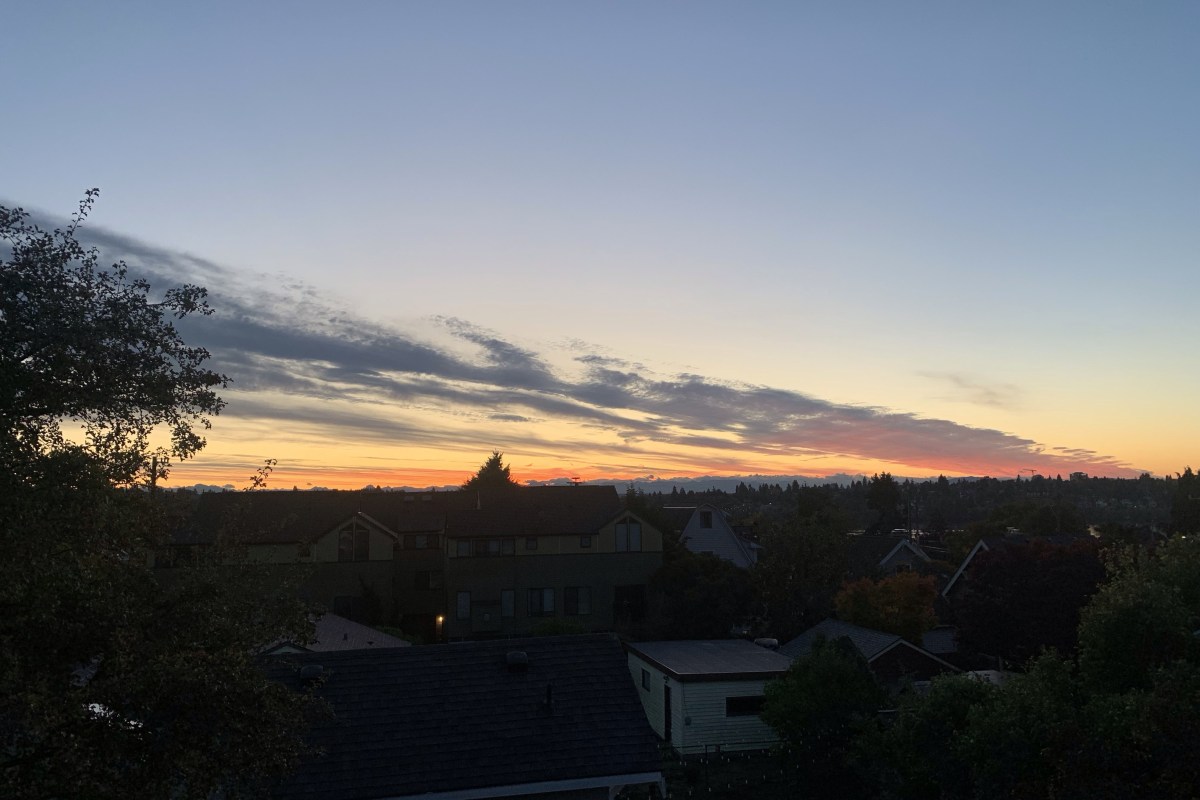
In one of my favorite stories that I tell in my book, on a visit to Tucson three years before my dad died, my mom and I were in the living room and Dad yelled to us from his study, “Isn’t the sunrise beautiful this morning? We are so lucky.”

And Mom yelled back, “Dick, it’s absolutely wonderful!

I could see my mom wasn’t really paying attention and said to her in a low tone, “It’s okay, Mom, I won’t tell him you didn’t even look.”

Mom replied, “He can’t even see the sunrise from where he’s sitting.”

I love that story because it showcases my dad’s enthusiasm as well as my mom’s delightful ability to go along. But it also reminds me of the flip side of our family. My parents didn’t argue at all when I was growing up. There was no playing Mom off Dad because they were a unified front. Certainly they must have had conflict but they were so good at covering it up or having it out behind closed doors that there was no sign of it in front of the kids.

This is all to say that I suck at communicating hard feelings, and I come by it honestly. It doesn’t help that when I was married, my ex-husband”s response when I told him something I felt or was concerned about that he didn’t want to hear was, “What’s the big deal?

I’ve worked on this in two ways. First, through meditation, I’m able to better discern what is and isn’t important for me to speak up about and let go of the stuff that isn’t. It’s one of the reasons meditation works for me to irrigate the irritation. Am I irritated because I’m tired, my ego is out of whack, etc.?

And my second way? My children. They provide me a steady flow of boundary-pushing, soul-wearying, things I can’t live with examples that I have to find the words to express. The beautiful thing is that it’s this expansive relationship of love and constancy that’s allowed me to grow into expressing my wounds.

Like last night when Mr. D’s toenail cut into my shin. I said, “ouch.” He said, “Sorry.” I replied, “It’s okay.” And we went on with the night. Such a small thing – but I’m learning the risk the little ones in order to be brave for the big ones.

I adore my dad, as anyone that has read my writing knows. He could manufacture sunshine just like he did that morning in Tucson. His job as a pastor made him very good at carrying everyone else’s hurts. But I’m not sure he ever learned how to express his own.

I’m hoping that I can grow my own willingness to be vulnerable so that I can do that better. I can hear my dad saying to me, “You’ve got this, Kid.

For more on the topic, please check out my podcast with Dr. Vicki Atkinson about risking disappointment. Please search (and subscribe!) for Sharing the Heart of the Matter podcast in Apple, Amazon Music, Spotify or Pocket Casts. Or click here for show notes and a link: Episode 42: Risking Disappointment with Vicki and Wynne

(picture is my own)

Cookie Cutter Faith

There are two ways to live your life. One is as though nothing is a miracle. The other is as if everything is a miracle.” – Albert Einstein

This was originally published on 7/6/2022. Heads up that you may have already read this.


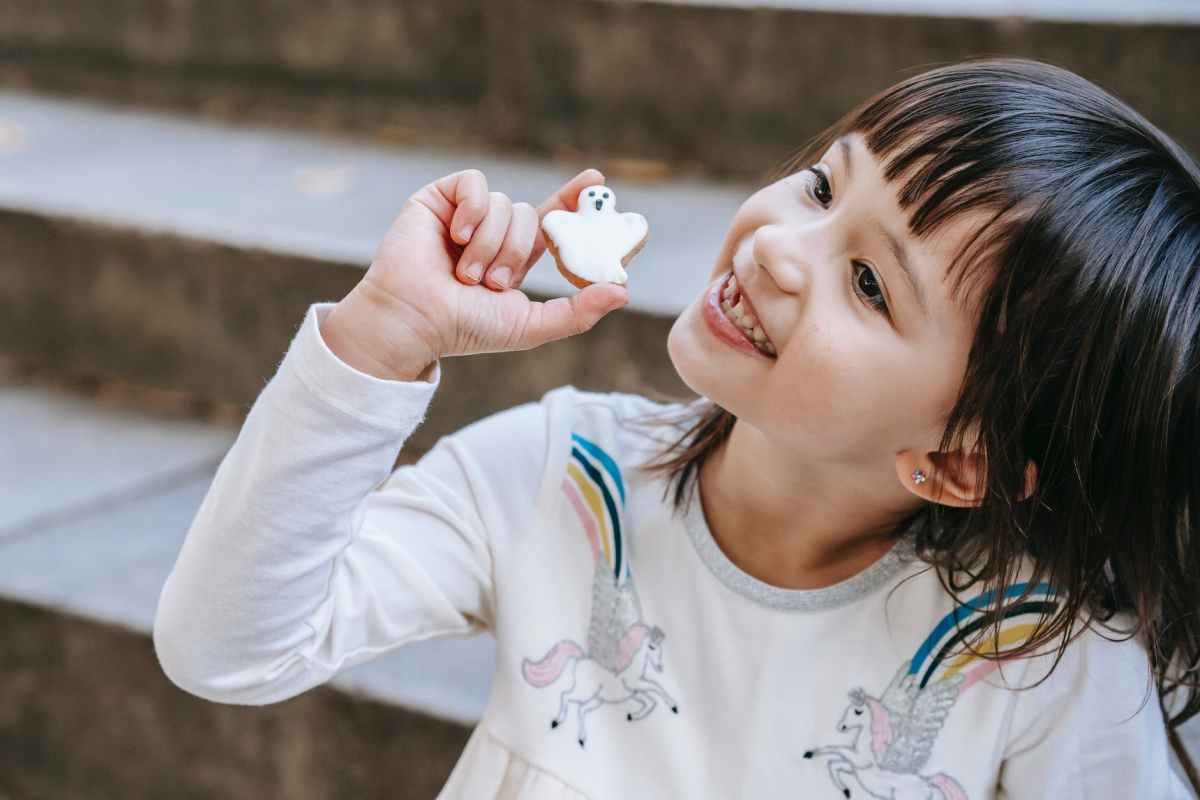
My kids and I went to a wedding out-of-town this past weekend. At the wedding, they gave out fortune cookies. My 6-year-old daughter opened hers and read “You will find a treasure soon.

The next morning we were driving around looking for an alternative to the planned hike because it was raining. I turned in at a sign that said, “Horseback riding.” It was a holiday weekend and we didn’t have reservations so I didn’t think we’d be able to ride but maybe we could see some horses, my daughter’s favorite animal even though she’d never actually touched one. Yet.

But they booked us for a ride. As my daughter sat atop a big quarter horse named Comanche, I could hear her tell the guide. “I got a fortune cookie and it said that I would find a treasure. It was right – THIS IS MY TREASURE.”

I chuckled but as the weekend went on she repeated the story a few more times adding at the end, “I need another fortune cookie.” I grew a little uneasy. Surely I needed to inject a little reality to this fortune cookie madness.

Wait a minute – one of my favorite quotes is from Albert Einstein’s “There are two ways to live your life. One is as though nothing is a miracle. The other is as if everything is a miracle.” And I’m clearly on Team Miracle. So why was I feeling the need to put the kibosh on her finding some magic in fortune cookies?

Because I’m a parent and I want her to believe in something more substantial that involves some responsibility and transcendence. Because I don’t want her to be disappointed.

It made me think of all the years that I didn’t discuss my faith with my beloved dad because I feared my spiritual beliefs weren’t religious enough. When I finally found the chutzpah to do it, we had deep and meaningful conversations about life, family and love. And it turned out that life and his 40 years as a pastor had instilled in him a bigger idea than the Presbyterian party line. In the end, he called himself a big tent guy. “In a way I have become less cocky or confident because I thought I had things all figured out early on, but now I know I have general things figured out, but the fact is that we differ in this huge tent of the family of faith on different things.

And then he went on to paint a picture of how my yoga/meditation/spiritual practice related to his beliefs in a unifying way:

“I’ve thought this often about you and your world with all the disciplines that are so wonderfully therapeutic. It seems to me that Christ is equally as present and could be equally named and known to you. The disciplines in a sense are more along the horizontal level than perhaps the vertical level (reaching up to God) and Christ honors anything that makes us more what God wants us to be.

I am thrilled with what is happening in you in this journey and one of the great benefits is that it brings us closer.  When kids follow in a trail similar to their parents, it creates one more way they can be close and can relate with each other … and in this case relate deeply and lastingly.”

Dick Leon

Thinking back to what I learned from talking with my dad, I think of all the time I didn’t talk about faith because of fear that it wouldn’t measure up. In the end, I realized that no two people see faith in exactly the same way, no matter how unified their theology is. Instead, there’s room in the tent for all of us.

I have faith that my daughter will grow up to experience God in her own nuanced way and I don’t need to fear it will be Fortune Cookie religion. So why not find some magic in it? After all, my fortune was “Your hard work will pay off soon.

What about you? Do you talk about faith in your family? Do fortune cookies count as miracles?


As a related post to this one, I’ve published a post on the Wise & Shine Blog: Do You Believe In Magic? Do You Write About It?

(featured photo from Pexels)

Automatic Rules

“We are what we repeatedly do. Excellence, therefore, is not an act but a habit.” – Aristotle

I’ve been thinking about my rules for life. Inspired by a Ten Percent Happier podcast where host Dan Harris interviews blogger and author, Shane Parrish, about making good decisions, I’ve been reviewing the rules that serve me and the ones I need.

Shane described these automatic rules as the ones that can help us overcome a particular inertia or tendency. His example came from a time he was hanging out with Daniel Kahneman (author of Thinking Fast and Slow) and heard Daniel say to someone on the phone, “My rule is to never say ‘yes’ on the phone.

When Daniel ended the call, Shane asked him to say more about the rule. He explained that his inclination to want to be a nice guy was leading him to say “yes” to things that he really didn’t want to do. So he implemented a rule.

Isn’t that a fascinating example? It made me think of turn-around time on mountains. When we head for the summit knowing that we will turn around at 2pm (or whatever the cut-off is), it helps to curb the bad decisions that come with fatigue and ambition (e.g. but we’re so close, how about a half an hour more?). It brings to mind the story of Rob Hall, a guide on Mt. Everest, who died trying to get a client to the top after they ignored the turn-around time.

I have some rules that were instilled from growing up, they are way less dramatic:

  • Do your chores first thing before you go out to play
  • If something needs to be done, start right away
  • Say what you’ll do and do what you say

And the rules that I’ve added over time:

  • I get up early every morning to meditate and write (this keeps me from wondering if I should sleep in or get up)
  • I don’t read emails after 9pm (this makes for way better sleep)
  • I turn off all phone notifications after 9:30pm (so I actually get to bed)
  • Say “yes” when my kids ask me to play with them anytime I can

And the ones that I need:

  • Don’t buy Halloween candy before the day of or at the very most the couple of days before (the train has left the station this year but I’m going to try to remember it for next)
  • Have a hard cut-off of my writing time at 6:40am, even if I’m mid-sentence, so I can wake the kids on time. (I have been fudging this and then we all end up late)

Shane got his start as a blogger when he was working for an US intelligence agency in the wake of 9/11. Not only do I like his suggestions for reviewing the automatic rules to curb impulses, but I also like to believe that people like him are making good decisions behind the scenes in the country.

Oh, and one more rule I have for Fridays – listening to the Sharing the Heart of the Matter podcast on Amazon Music, Apple Podcasts, Spotify, or Pocket Casts. This week’s episode is Episode 41: Enter if you Dare with Mark Petruska

(featured photo from Pexels)

Caring Less Without Being Careless

Be teachable. Be open. You’re not always right.” – unknown

This was originally published on 11/2/2022. Heads up – you may have already read this.


When American actor James Caan died in July of this year, I heard that his least favorite words were “I don’t care.”

Obviously, I can’t ask him to elaborate on that. But if I’m trying to take his point, I’m guessing he was aiming for “I don’t care” – as in, it is of no consequence to me. I don’t care – as in, it will fail to penetrate my reality one way or the other. I don’t care – as in, it or you are not worth getting worked up about.

But sometimes I think we take caring too far. As if we should have an opinion about everything from what kind of brands are okay to wear, the exact specifications for the type of liquor we’ll drink and whether we can only shop at boutique and artsy stores.

When I’ve mistakenly worn my opinions as some armor of sophistication, I’ve found that it’s closed me off from life. It becomes a barrier between me and experience so that I have to surmount my own expectations before I can taste curiosity.

My dad had a mantra that he used for golf, “You need to care less without being careless.” And I think it works for more than just that silly sport (sorry golf lovers). It speaks to a balance that we can create between being involved in the world without gripping too tight.

We can have opinions, beliefs and wisdom while still holding space for not knowing. It means that sometimes we can embrace our lack of control and be entirely open to what comes next. And it suggests that we can maintain a curiosity even when we think we are right.

There is one more way that I believe caring can get in our way, especially when trying to find our authentic voice. We can care too much about the opinion of others, especially in our social media age. And then what we say and what we write becomes performative instead of real. This brings to mind a quote from Mark Nepo, one of my favorite poets:

This is at once the clearest of spiritual intents and yet the hardest to stay true to: how to stay open to what others feel and not what they think.

The Book of Awakening by Mark Nepo

So, I applaud James Caan for having a phrase that he said often enough to make it repeatable. But I have to admit, I don’t care for it.


I written about some of the ways we use language on the Wise & Shine blog today: Use Your Words

(featured photo from Pexels)

The Art of Apology

And now that you don’t have to be perfect, you can be good.” – John Steinbeck

This piece was originally posted on 3/9/2022. Heads up – you may have already read this.


The other night my two-year-old son wanted me to get a step stool out of the closet. As I was lifting it out of the storage space, he reached for it and his littlest pinky finger got pinched in the hinge that connects the sides of the ladder as it opens.

Yikes! I put the step ladder down, scooped him up and said, “I’m so sorry.”

I wanted to say, “But you need to wait til I get it all the way out.” And “That’s why these things are grown-up things.” And probably 15 other things in order to make myself feel better because I very much didn’t like being responsible for an action that pinched his finger.

But I didn’t, because I remember listening to a podcast with psychologist Harriet Lerner on Brené Brown’s Unlocking Us series that was like a master class on apologies. It was 2 years ago and so well done that I still remember some talking points. One being “When ‘but’ is tagged on to an apology, it undoes the sincerity.” If there is a genuine counter point or excuse to the apology, it needs to happen as a separate conversation.

So I looked up some more details from Dr. Lerner’s book, Why Won’t You Apologize: Healing Big Betrayals and Every Day Hurts. She notes there are cultural differences when it comes to apologies. There are also gender differences – males are more likely to be non-apologizers, women are more likely to be over-apologizers. But for anyone trying to craft a sincere apology, here are some pointers she provides of things not to do:

  • Saying I’m sorry you feel that way: These are apologies that don’t address what happened but instead try to target the emotions of the other party.
  • The “IF” apology: I’m sorry IF you thought is a weaselly effort to not own what happened.
  • The mystifying apology: What is it that the apologizer just said? Apologies that usually are too wordy and talk around the issue, leave the other party feeling confused.
  • The apology as instant expectation of forgiveness: I apologize now you must forgive me is a quid pro quo that undermines the apology as a genuine offering and not just a means to an end.
  • Not listening: If we don’t hear the injured party out, they will not feel heard and any apology will fall short of the entire wound.

So what is a good apology? A simple statement expressing remorse for the action we are apologizing for, owning what we did, not taking more that our share of blame (because that comes across as insincere) and not trying to speak to how the other person feels.

Just thumbing this book reminded me of some old wounds that I was surprised to find hadn’t fully healed over because I can still think of the poor apologies I’ve received. The down-played sorry – “I’m sorry that I called you a ‘brat’ when I was feeling crappy” when that wasn’t the word used at all. The blame-shifting excuse: “I was feeling sick, what was I to do?” when someone no-showed/no-called to the birthday party I threw for her. And the non-apology because the person who caused the injury paraded around all his own hurts as a way to claim he couldn’t be responsible for his actions.

And it also brought to mind incidents where I owed an apology and fell short. The little hitches where I still feel a little guilty or ashamed because my actions were thoughtless, careless, or uninformed and I never had the guts to address it properly.

All these memories make the case of how important a good apology is. As Dr. Lerner says, “I believe that tendering an apology, one that is authentic and genuinely felt, helps the other person to feel validated, soothed and cared for and can restore a sense of well-being and integrity to the one who sincerely feels she or he did something wrong. Without the possibility of apology and repair, the inherently flawed experience of being human would feel impossibly tragic.”

This makes me think of one of the best apologies I’ve ever heard. When my friend Jill was feeling tender because something her partner did, he said, “Please tell me what I did so I can never do it again.”

Fortunately having two young kids gives me plenty of opportunity to apologize. Thankfully it’s usually for skinned knees and stubbed toes for which I have no responsibility but am still sorry they happen. Then I get to participate in the healing. As my son said for the pinched finger incident, “Mama, kiss it?” And then we get to continue growing and learning, all the while in relationship to each other.


Saying “I’m sorry” reminds me of the power of keeping it simple. I’ve posted about The Power of Short Sentences on the Wise & Shine blog today.

(featured photo from Pexels)

Leaning In To Answers

I’ll choose honesty over perfection every single time.” – unknown

Have you been faithful to me?” was the question I asked that essentially ended my marriage. It took three years for us to be completely done but that question was a dividing point. Not a particular brave one because I already knew the answer (my business partner had told me), but it was a conversation starter for sure.

But what it divides is more than just my marital status. In the aftermath of my divorce, what I’ve learned is to be able to ask questions, even ones that might change the status quo of a relationship.

  • Do you still want to do this?
  • Is this a meaningful job for you?
  • Does this make sense?
  • This way we have of talking doesn’t meet my needs. Can we do better?

As I was healing from my divorce, I was introduced to the Buddhist nun, Pema Chӧdrӧn’s writings about leaning in. Those words, leaning in, became one of the defining points between before the question and after the question. I learned that I can ask the tough questions and survive. Moreover, I learned the wisdom that the answer exists, whether I want to know or not. So I might as well lean in.

This whole practice has removed a patina of fear from my life. It doesn’t make asking big questions any easier since I’m a conflict-averse, people-pleaser. But does make me less fearful of doing so. There were many questions that I could have asked in my marriage that might have might have started the conversation sooner – Why are your needs more important than mine?  Why do you say, “What’s the big deal?” when I tell you something that is bothering me? I feel suffocated by your need for constant affirmation, can we change this?

I don’t think the outcome would have changed but I do think the dialogue would have been more brave and real. I didn’t ask those questions at the time because I was quite adept at looking away. There have been many good things that have come from my divorce – my meditation practice, inner peace, the freedom to find my own path. But one of the most fruitful is the willingness to lean in to ask and answer meaningful questions.

Somehow asking that first one taught me I could handle any other answers that came my way.

Please see my Heart of the Matter post for a response to a recent question I asked my mom. The Courage to Ask Questions

(featured photo from Pexels)

Everything I Needed To Know About Socialization I Learned In Puppy Kindergarten

Ancora Imparo. I’m still learning.” – Michaelangelo

Okay, not everything but a few key things. Cooper has started puppy kindergarten and has been kind enough to take us along with him. Here are some of the things I learned.

It takes training to become best friends.

We listen better when treats are involved.

Gifted dog people are not necessarily people people or business people
If you’re good enough at what you do, the people who love their dogs will pay you anyway.

Enthusiasm can’t be fenced in.

We come in all shapes and sizes, colors and combinations.

There are some breeds that will be judged harshly based on their appearance. The people that love them feel that they have to train them to be perfect to overcome bias.

We can learn things through positive reinforcement, but it takes a plan and a lot of practice.

Learning is exhausting. Set aside time to nap afterwards.

Our attention goes where the treats are; this can be used to great effect.

It’s great to practice for emergency situations. But preparing for it all the time is counter-productive.

Be consistent and those around you will benefit from knowing your cues.

Use your words. Even non-verbal beings can’t tell what you want without words.

Tell people to take their sh!t home with them.

Suggesting what we SHOULD do is more effective than just telling others what NOT to do.

Our natural desire to please and be social will drive a lot of behavior, good and bad.

Loyalty is a two-way street. When you find a creature that will turn to you upon hearing their name, treasure it.

This fits well with the post I wrote for Heart of the Matter today. I think we all deserve a Congratulations for Staying In the Game.

Choose You

If you want happiness for an hour, take a nap. If you want happiness for a day, go fishing. If you want happiness for a year, inherit a fortune. If you want happiness for a lifetime, help someone else.” – Chinese Proverb

I had a friend the other day tell me to “choose me” sometimes. The funny thing about it was that I wasn’t groaning about my life or anything else when she came up with that. In fact, I was wishing her safe and fun travels on her trip to Africa. So her comment was out of the blue and off topic which made me notice it more.

When I was about 17 or 18-years-old, my mom once made a pointed remark to me that I shouldn’t be such a caretaker. It’s taken me 30+ years to understand that the comment might have been more about her resentments in life, not mine. Also, I’ve come to see that there are people we should take care of, like children and pets, and people that we shouldn’t, like grown-ups who haven’t done their work.

But nonetheless, my mom was right about one thing, and that is I’m a pretty good caretaker. I can pretty readily set aside what I need in the moment and push through to make sure others are fed and cared for. But my friend’s comment has made me cognizant of some ways that I can “choose me”:

Steeping tea. I’ve written so much about my morning sacred time – the hour or so I take to do yoga, meditate, and write in the morning before my kids wake up. But I’ve found such reward when I take micro-moments throughout the day. Like instead of cleaning the kitchen, choosing to take a moment to focus on the scene out the window when I’m steeping my tea. Of course, my kitchen is a mess…but I’m a lot calmer to deal with it.

Morning walk. I’ve added a short walk with Cooper the puppy to my morning routine. I thought it was because it helped release some of his energy so we can settle into the day. But I’ve found, that especially when I stop my endless iteration of the to-do, to “be here now”, to look at the sky and take in the feeling of the morning, it helps to settle my energy as well.

Back rubs. At night, my kids and I snuggle into a nook we’ve built on my bedroom floor to read books. Often I rub their backs while we’re reading. It’s something I do reflexively but when I can choose to feel the smooth skin and precious life force under my hands it gives me a beautiful shiver.

Naps. I take 15 minutes to lie down every afternoon. There are times I don’t fall asleep but often I do. I find that short time to reboot the system instead of slogging through makes such a difference in my experience of the day.

I don’t know what my friend envisioned when she told me to “choose me.” Funny how that comment has made me think of the little things we can do to put on our oxygen masks throughout the day.

What things do you do to “choose you?”

One suggestion for something to do when you are choosing you – listen to Todd Fulginiti’s new album “Jazz on King, Volume 1” on Spotify, Amazon Music or Apple. Vicki and I talk with him about it on our pocast: Episode 38 Jazz on King with Todd Fulginiti

Community

Know all the theories. Master all the techniques. But as you touch a human soul be just another human soul.“- Carl Jung

This was originally published on 4/20/2022. Heads up – you may have already read this.


This last weekend, I was out listening to live music for the first time in two years and suddenly the people, the place and the context overran me with a sublime feeling of community. I was with my brother and his wife. The lead singer of the blue grass group we were listening to went to high school with my brother so the audience was filled with many of his high school friends and families that I’ve known from 40 years ago.

The place stirred up this feeling of connection because it’s a community center in my neighborhood that holds classes, the farmers market in the summer and my daughter went to pre-school there.

And the context struck me because the last time I was in this performance hall, two years ago before the abrupt pandemic shutdown, it was for a story-telling night for all the kids of my daughter’s preschool and the same twinkle lights were hanging from the ceiling.

As a consultant, I work alone and as a single-parent, I parent alone. Although I see, email and text family and friends all the time, it’s different than being in a room filled with people listening, singing and clapping.

It reminded me of a powerful mediation led by my meditation teacher. We close our eyes and picture an aspen grove. We see the individual trees, the way they stand tall, the singular leaves that blow in the wind. Then as we focus on those trees and start to relate to them, we go underground and see how all the roots are connected. The health of an aspen grove is a web of interdependence because it’s one root system. They, like us, all come from One, and the image of separateness is just an illusion.

And so it was with my moment in the auditorium last weekend. It was if I have been going about spinning the threads of my life and then I received one beautiful moment of perspective that gave me a glimpse of how they all tie together. Which went beautifully with the music. Here’s the thread of a story about a couple spun through one of the band’s hit songs, Be Here Now by True North:

They were on their honeymoon, and the bride said to the groom

I just can’t forget the dream I had last night.

I saw John, Paul, George and Ringo, In the church yard playing bingo on the gravestones

This is how the groom replied:

He said “Be here now

Be with me, look into my eyes, kiss me

Make this a moment we will savor, and will put aside for later

We are young , our lives begun

But it will not last forever, they’ll be days we’re not together

So be here now.”

They’re in their middle years, pretty deep in their careers

And he called her from the plane in Amsterdam

I just heard John, Paul, George and Ringo , from that dusty old single on the muzak

It made me want to hold your hand

He said, “Be here now

Be with me, look into my eyes, kiss me

Though our hearts still feel this hunger, we won’t get any younger

From the start our days were numbered

So be here now.”

It was after visiting hours

And he’d rearranged the flowers

And she hadn’t recognized him in a week

And the nurses heard him sing “Hey you’ve got to hide your love away”

And she opened up her eyes and began to speak

She said “Be here now

Be with me, look into my eyes, kiss me

Every breath becomes a treasure, in my heart we’re young forever

My race is nearly run, I no longer feel the sun

But I can face whatever comes just…

Be here now.”

The word community is defined by Merriam Webster as “a unified body of individuals” – maybe because of living in a particular area, or a common interest, whether it be social, professional or religious. But community brings unity – a sense of togetherness.

As I was sitting in that audience last weekend, I felt the ease of collective energy in a room full of great music. The physical reminder that we are in this experience together and it was a thin place. Thin place as explained by Bishop Michael Curry of the Episcopal church as those places, moments, people, experiences when you get a sense, “Wait a minute, God just touched me.” Something beyond me just happened to me. Those moments when time is intersected by eternity.

As I got that tell-tale shiver, all I could think was “Be here now.”


I’ve written a related piece on the Wise & Shine blog about how community helps to make our writing findable: Promoting Your Writing With Search

(featured photo from Pexels)