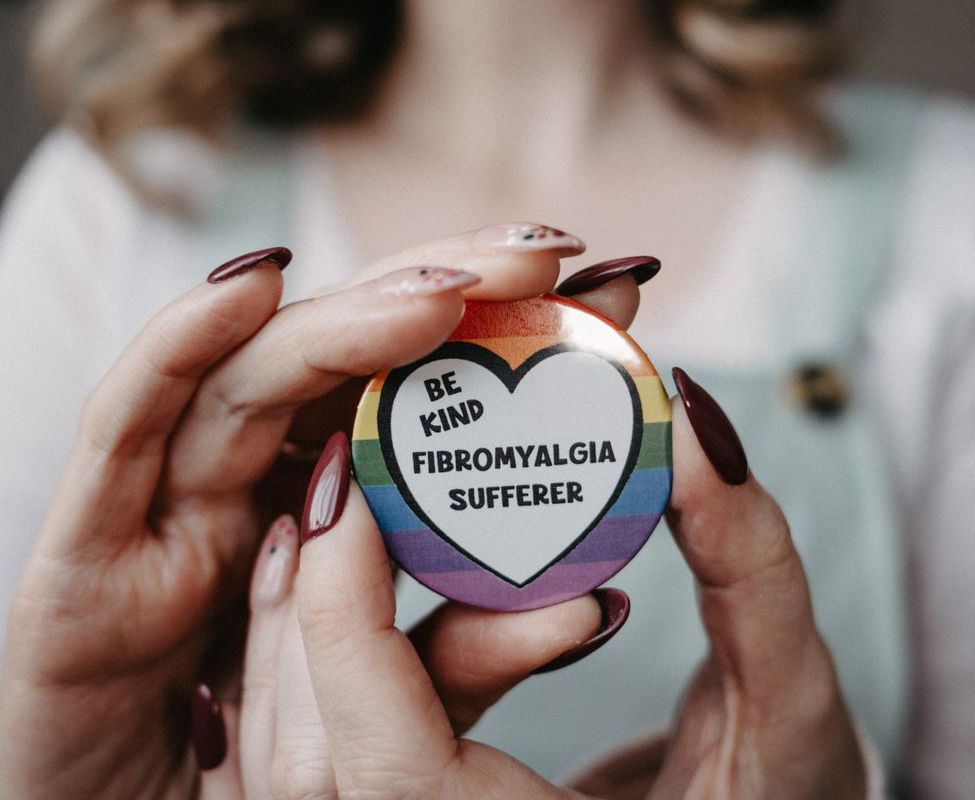
“What a good day to be proud of all the progress you made.” – unknown
Last week, my six-year-old son, Mr. D accidentally stepped on a bee and got stung. “Oh, my life is over,” he repeatedly moaned as I struggled to pick out the stinger. And he’s my less dramatic child. Yowsa – those stings hurt.
But most of the pain was gone in an hour and while the swelling and itchiness lasted about four days, there was a clearly an end in sight. How do you still show up when the pain is chronic? What does it mean to keep showing up when life asks more of you than seems possible?
In this episode of The Life of Try, I talk with Kathryn M. B. Johnson, author of Invisible, Until I’m Not, a memoir-in-essays about chronic illness, caregiving, grief, and resilience. Together, we explore what it means to live with fibromyalgia and invisible illness, how caregiving reshapes identity, and why being seen matters so deeply when pain is hard to explain.
Our conversation offers honest insight, emotional validation, and hope for anyone navigating chronic pain, caregiver burnout, loss, or the daily work of endurance.
Key Takeaways:
- Chronic illness can reshape identity, relationships, and daily life in ways that are often invisible to others.
- Caregiving is an act of love, but it also carries grief, exhaustion, and the need for self-compassion.
- Writing can become a lifeline—a way to process pain, preserve connection, and reclaim a sense of self.
- Being believed and truly seen matters deeply for people living with chronic pain or complex health conditions.
- Rest is not laziness; caring for yourself is part of being able to care for others.
If you’re looking for a thoughtful podcast episode about chronic illness, caregiving, trauma, faith, and finding strength in difficult seasons, this episode is for you.
Here are some other ways you can listen and watch Liza’s amazing journey:
- The podcast player embedded below
- Click this link to watch in a browser: How Writing Helps Save Us From Chronic Illness and Loss
- Subscribe to The Life of Try on Spotify, Amazon Music, or Apple Podcasts
- Subscribe to the YouTube channel: https://www.youtube.com/@thelifeoftry
When You Know You're Not Going to Make It – The Life of Try: Personal growth, one try at a time.
Links for this episode:
How Writing Helps Save Us From Chronic Illness and Loss transcript
Invisible, Until I’m Not on Amazon
Kathryn’s weekly newsletter on Substack
The Crossing: My Near Death Experience with Jesus by Liza Anderson on Amazon
Other Episodes you Might Enjoy:
Letting Go Of Outcomes: The Mindset That Keeps You Moving
48: How to Get Unstuck: Michael Yang on Saying Yes, Resilience and Coming Alive
How to Reclaim Fun in Adult Life | Mike Rucker, PhD, on Joy, Burnout and the Fun Habit
(featured photo from Pexels)
 Surprised By Joy
This is so true: caregiving is an act of love. Hugs to all caregivers and ill people. Moving episode and podcast, Wynne.
LikeLike
Thanks to Ms. Johnson and to you, Wynne. There is a complexity to the understanding of pain and one that is often beyond us. We do not know the pain of another as a lived experience in our bodies. Indeed, we don’t fully remember (as a “felt” experience) what severe pain was like in our own bodies once it is gone, although we do know of it as a “factual” experience after it has departed — as something that was “really bad” that happened to me. I could go on. Best wishes to Ms. Johnson. May she have the best possible life going forward.
LikeLiked by 3 people
What a wonderful and understanding statement about our pain, Dr. Stein. Thank you for adding that wisdom!
LikeLiked by 1 person
I remember my first bee sting- I thought I might die too 😵💫 Looking forward to the episode!
LikeLiked by 1 person
Right?? They’re bad!! Thanks, Todd!
LikeLiked by 1 person
Thank you for sharing this, Wynne. I can relate to the chronic pain issue. I agree with what Kathryn says about knowing your own body and continuing to do what is best for yourself. It seems doctors just want to issue you the latest pill, no matter the side effects. It is really frustrating and demoralizing.
LikeLiked by 2 people
Such a good point, Dana! Yes, charting a course through that is so difficult! Thanks for tuning in and for sharing your experience!
LikeLiked by 1 person
This episode stirs memories and feelings for when I was caregiving mom at the end of her life. I can relate to the challenge of self care while caring for another with chronic pain. I did what I could but still wish I could have done more and been more present for her.
LikeLiked by 1 person
Oh, that’s so tough, Brad. I know Kathryn felt the same — but I’m sure your mom appreciated all you gave her!
LikeLiked by 1 person
Thanks, I believe she did.
LikeLike
Caregivers are heroes 🙏
LikeLiked by 1 person
So true! Thanks, Maggie!
LikeLiked by 1 person
Oof, poor Mr D! Hope he feels better.
I had chronic Shingles for around 10 years, on and off, mostly on, starting when I was in my mid 20s. I’ve never felt more unsupported and judged by people, and the worst were in the churches I attended. Chronic illness and pain wasn’t supposed to happen to a you g person, so many chose to believe I was just making g it up or exaggerating. Chronic pain quickly leads to sleep deprivation which then leads to depression, no e of which was understood or supported. I learned to suffer in silence and be invisible in the ranks of those who did receive sympathy, for dealing with their judgmental behavior was very hurtful. I’m happy to be out of that health crisis and out of the congregations. Interestingly, my health improved a lot when I left church.
LikeLiked by 2 people
That is so interesting about the pain clearing up when you left the church, Tamara. Hmm, I do believe the Universe sends signs. I’m so sorry for both the pain and the judgment. Terrible! You’ve done so much healing – it is so impressive!
LikeLiked by 1 person
Thanks for seeing and understanding Wynne. It was a long journey for both my daughter and I. Thankfully we’ve put the worst behind and are fully engaged in following our joy.
LikeLike
Looking forward to the listen, Wynne! This, especially, draws me in:
“Writing can become a lifeline—a way to process pain, preserve connection, and reclaim a sense of self.”
💝💝💝
LikeLiked by 1 person
Ah, a statement you have lived so well. Thank you, dear Vicki! ❤
LikeLiked by 1 person
I imagine how hard it would be to accept one’s chronic illness physically, mentally, and emotionally. How hard would it be to have no idea how you’re going to feel from day to day! It sounds like Kathryn had an incredible, compassionate doctor.
LikeLiked by 1 person
You have such a good ear for the heart of it, Pete. Yes, so true! Thanks for tuning in, my friend!
LikeLiked by 1 person
this is so timely, as i’ll be visiting a family member today who is suffering with pain and illness that is only getting worse, and i’m bringing him a journal to write what he feels, and tell his story, whatever he needs to get out. it’s hard as a caregiver or even a visitor, to know what to say and do, so i try to let the other person lead and tell me or show me. maybe it’s just listening, and maybe more, but it is important to care for yourself as well. i remember this after being my mother’s caretaker, my children said one day, ‘you look emotionally exhausted.’ they made me soup and bread and we ate a quiet dinner together, it was such a kind and understanding gesture.
LikeLiked by 1 person
Oh, what an incredible full-circle comment. From the care you are providing to your family member, caring for your mom and your kids caring for you. So sweet! Love the idea to bring a journal, Beth. Hope your visit went well.
LikeLiked by 1 person
To be fair, I got stung by a bee or wasp or something (I never saw it, but yowza, I felt it) last summer and briefly thought my life was over. Then again, Tara often throws around the word “melodramatic” when describing me…
LikeLiked by 1 person
No, but really — that pain is AWFUL, isn’t it? It’s not melodramatic at all!! Glad you survived! 🙂
LikeLiked by 1 person
It was pretty bad.
LikeLike
This tidbit enticed me, Wynne, so I’ll listen later. The topic resonates because we have been caregivers. And I have dealt with invisible pain. It’s hard when we’re hurting but others can’t see why. Thankfully, mine is under control. My only wish is that things would stay the same (even as my body ages) for another 20-25 years. 🙂 Anyway, thanks for sharing!
LikeLiked by 2 people
Oh, thanks for tuning in Lauren! Amen to having our bodies hold together, Lauren. May it be so!!
LikeLiked by 1 person
A great and timely podcast! These two points are spot on, “Being believed and truly seen matters deeply for people living with chronic pain or complex health conditions. Rest is not laziness; caring for yourself is part of being able to care for others.”
LikeLiked by 2 people
So true! You have a gift for picking out gems, Mary. Yes! Thank you!
LikeLike
Oh wow, what a powerful episode and very timely Wynne. We find so many people who try to get through chronic pain the best way possible. It certainly gives you the motivation to find options to get through such diagnosis. Liza’s story is amazing. Thanks so much for sharing her story! 🙏🏽
LikeLiked by 1 person
What a lovely comment! Thank you, Kym!
LikeLike
Seems like the most important lesson–especially for women– is to tend to our well-being, not run ourselves to the ground trying to do and be everything. Learn to calm our nervous system, prioritize sleep, spend time in nature, and other preventative health measures. I’ve had to learn this the hard way.
LikeLiked by 2 people
So good to see you, Evelyn! I think you’ve said it well. And I love your comment about calming our nervous system. So true – it helps everyone around. Thank you for the great comment!
LikeLike
I heard it a couple of hours ago. Another good one, my friend. 👍
LikeLike
“Make room for love” is a wonderful guidelines and principle for life – and can be fuel and mantra for caregiving, especially in the sandwich generation and dealing with one’s own chronic illness.
What an inspiring story, Wynne, of care, kindness, patience and perseverance. Love the tidbits about Michael and the care and love he introduced into Kathryn’s life as well. 💕🥰
LikeLiked by 1 person
“rest is not laziness” I feel like some people need to hear that on repeat for a while before it actually sinks in. We’re so wired to equate rest with giving up. Going to listen to this one properly, Wynne.
LikeLike
Oh ouch!! Those times that sting us do feel as Mr D said and yet a good chance to strengthen his resolve that we do get through them. Nicely shared and thoughtful conversations, Wynne! Can’t wait to listen and catch up but now I’m supposed to be sleeping and I best hurry before the light finds me! Excellent post, Wynne!
🐝❤️🙌🏽
LikeLike