Loving Our Differences, or at Least Understanding Them

Bless the people who see life through a different window. And those who understand their view.” – unknown

Sometimes the people closest to us see things differently. I’m throwing that out there as my opening line although I suspect that it surprises no one. But it is one of the conundrums that fascinates me.

Here’s an example. My 84-year-old mom and I were recently talking about the information I learned from the Ten Percent Happier podcast, The Science of Longevity with Dr. Peter Attia, a longevity specialist. Specifically, we were talking about exercise and how it really is the wonder “drug” of aging well. I shared with my mom the measures that I wrote about in my Healthspan post: that longevity research has found we should be doing both aerobic and strength training for the best outcomes. For aerobic fitness, VO2 max which measures lung capacity among other things, is the longevity predictor and grip strength is what they use for strength training.

About a month after that conversation, my mom told me that she’d been using a stress ball to increase her hand strength. Then she added she’s been working on lung capacity using the breath device they gave her after she broke her ribs in the ping pong accident when her competitive nature got the best of her common sense.

Huh, I marveled – she’s directly working to improve the two factors we’d discussed. As an aside, let me say that my mom exercises a lot – golf, bike riding, strength training – so these are not the only things she’s doing. But given the information from Dr. Attia, I would have never thought to work specifically on lung capacity and grip strength. Since they are indicators, I took the information to remind me that I should work out more, both aerobically and strength training, figuring that if I did that, it would affect the things they measure. Sort of the indirect method. In fact, as I type this, I realize that I think that it’s kinda cheating to affect the things directly as I worry that I’d miss the point of overall fitness.

Two people and two different reactions to the same information. Not only that, two people from the same family so it’s not like some different cultural bias is at play. It highlights a difference between my mom and I that I’ve often thought of as the forest and the trees. My mom is incredibly detail-oriented and often sees the details I miss.

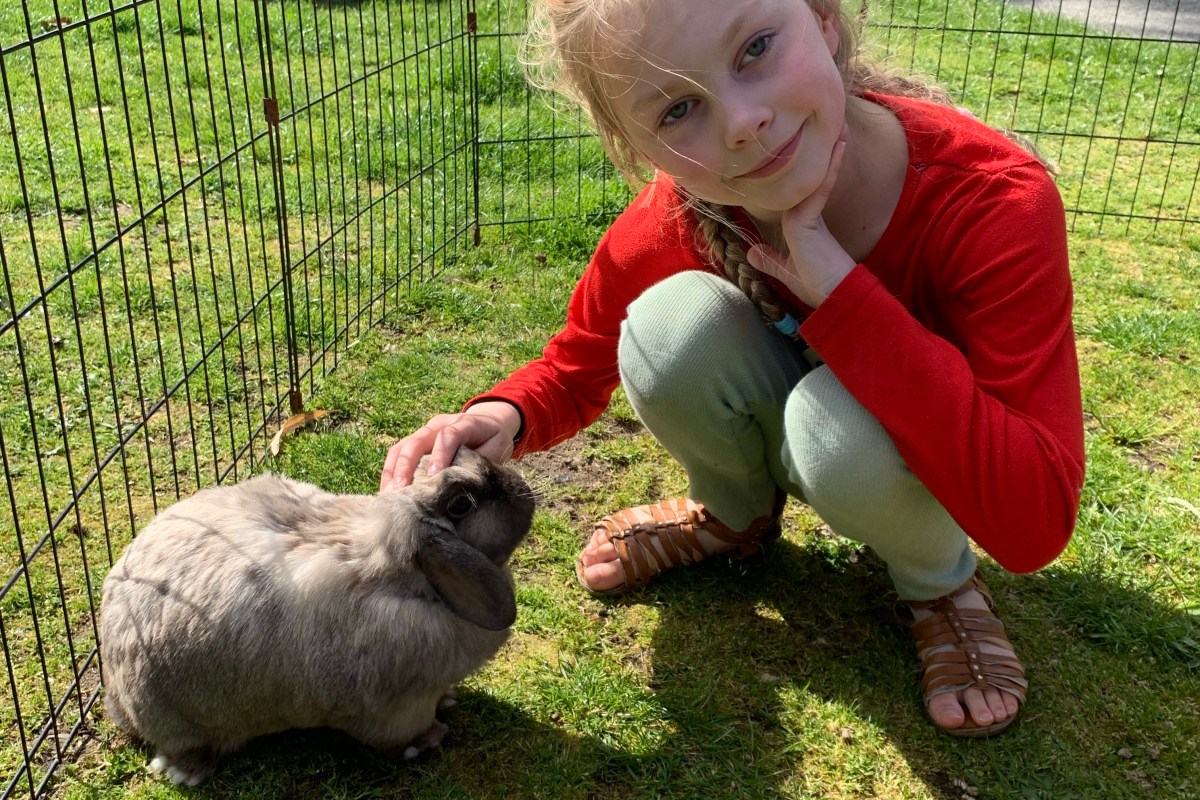
I recently sent her an adorable picture of Miss O petting a bunny and her response was, “Do you think Miss O minds the hair in her eyes?” I had to go back to look at the picture to see the one wisp of hair out of place. (see featured photo) My reaction was, “Sheesh, Miss O’s hair was pretty tidy that day because usually it’s way worse than that!”

Because I’m a forest person. If most things are flowing towards the end result in a somewhat reasonable fashion, I’m happy. Picking out the details in a day or a project that are a little out of order is not something I’m good at. Really, I don’t really care if something is a little wonky. It would take a lot of energy for me to get worked up about it – so I don’t. To put it succinctly, my mom is a great line editor. I am not. But give me an idea you are working on, and I can contribute a lot of enthusiasm about the big picture.

Here’s where I appreciate aging. I have come to find that the truth of life is not my way or my mom’s way. I think we’re both right. I no longer feel like I have to convince anyone, especially my mom, that she needs to see it my way.

But I still find it absolutely fascinating how differently people see things and that it presents a challenge when communicating, to find a way to speak my truth and feel seen. Often that is much harder to do with my mom because it feels like she gets stuck on the details. That’s where I’m thankful that I’m a big picture person, because I can rest easy knowing she loves me dearly and given her exercise regimen, will probably be around to do so for quite some time!

What to Do With Our Inner Meanness

The worst loneliness is to not be comfortable with yourself.” – Mark Twain

This is something I published on 9/7/22. Heads up – you may have already read this.


The other night my seven-year-old was being short-tempered with her younger brother and snippy with me. I asked her not to take out her mood on others and she replied “I don’t know what to do with the meanness!

Huh. Isn’t that a great question? I was raised in a household that believed “If you can’t say anything nice, don’t say anything at all.” Which I think has it about half right – not saying mean things is an admirable goal. But since just stuffing it down is likely not to work long-term, what do you do with the meanness?

Tend the Body

On the night in question, my daughter was both tired and stressed. In fact, I think I can pretty accurately say that if one of my kids is grumpy, there’s about a 90% chance it’s because they are tired, hungry, cold or sick.

And that goes for me too. If I’ve depleted my energy reserves with a hard work out or am tired because I haven’t slept well, I’m much more likely to think, if not say, unkind things.

As my colleague on this blog, Jack Canfora said in his brilliant post on Things I Think I’ve Learned So Far, “There will be things you do and say in an offhand way that will stay with others their entire lives, for better or worse.” So how do we tip the scales so that those things are more often for the better?

Mind the Mind

Dr. Dan Siegel, neuropsychiatrist and author, talks about the structure of our brains. In his terms, fear and anger reside in our downstairs brain, the brain stem and limbic region, whereas thinking, planning and imagining reside in the upstairs brain, the cerebral cortex and its various parts. The more we exercise integration of these two parts by making sound choices, delving into self-understanding, practicing empathy, posing hypothetical moral questions, the better we can apply higher-level control over our instinctive reactions. From The Whole-Brained Child, those are the recommendations of what we can do to help kids integrate the upstairs and downstairs brains but they work equally as well to mold adult brains too.

As Daniel Kahneman notes in his book Thinking Fast and Slow, “People who are cognitively busy are also more likely to make selfish choices, use sexist language, and make superficial judgments in social situations.” Cognitively busy being shorthand for when we tax our brains with concentration, complex computations and choices.  So we need to find a way to give our busy minds a break.

Feed the Soul

For me, giving my mind a break comes from meditation. I call sitting down on my meditation cushion “Irrigating the Irritation” because it so often helps soften where I’m stuck. It delivers me from the petty complaints by introducing a bigger sense of perspective.

This matches the experience reported by brain scientist Dr. Jill Bolte Taylor when she had a stroke that quieted the mental chatter of her mind and opened her up to a sense of deep inner peace and loving compassion. Studies of Tibetan meditators and Franciscan nuns have shown a similar shift of neurological activity for those engaged in prayer and meditation.

From a recent study published by the Oregon State University, they found that meditation can help replenish mental energy in a way similar to sleep. In fact, according to the lead author of the study, Charles Murniek, “As little as 70 minutes a week, or 10 minutes a day, of mindfulness practice may have the same benefits as an extra 44 minutes of sleep a night.

Of course meditation is hard practice for kids. There are techniques like box breathing and just counting to ten that help in the throes of big emotions but I haven’t gotten my kids to sit for more than five minutes at a time on a meditation cushion. However, I’ve also noticed that just sitting and coloring also brings about some mental rest, both for kids and for me when I do it alongside them.

What to Do with the Meanness

I tell my kids that my job is to keep them healthy, safe and kind. I know the kind part is a stretch because kindness is a choice they’ll have to make. Also because I have my hands full just trying to practice kindness myself. But at the very least, I can help find ways they can manage their meanness and in doing so, help myself to do the same.


I’ve also posted today on the Wise & Shine blog about first sentences that draw us in: Great First Lines. Check it out!

(featured photo from Pexels)

Unstructured Flow

“To meditate means to go home to yourself. Then you know how to take care of things that are happening inside of you, and you know how to take care of the things that happen around you.” – Thich Nhat Hanh

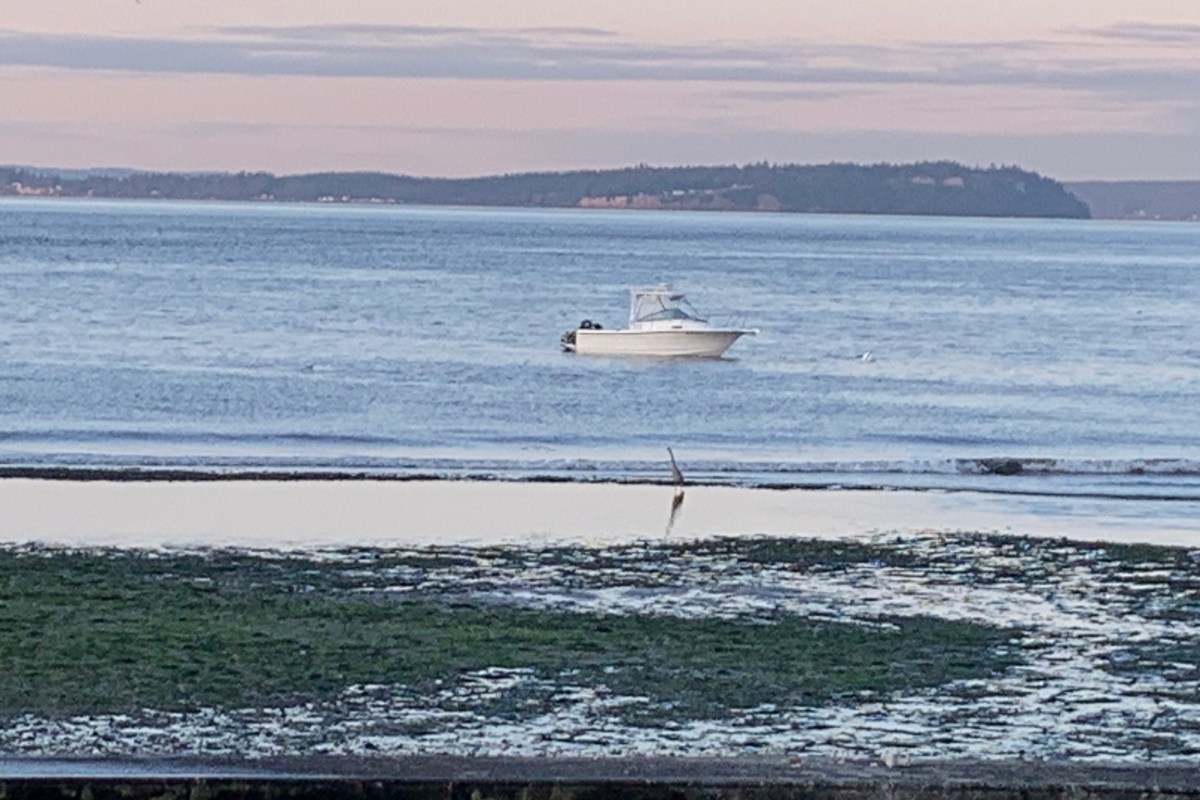
My kids and I on vacation this week at a beautiful spot on Whidbey Island – one of my favorite places in all the world and only a couple of hours away from home. We’ve rented a place right on the beach and it is stunning. I’m typing this on a crisp summer morning sitting at the picnic table on our patio. It’s an extremely low tide so one of the local herons is fishing in a tide pool 100 yards front of me. The morning is so calm that I can see the shadow of the heron reflected on the water. The boat just beyond it is glinting in the first light.

My 84-year-old mom joined us here for a few nights, my friend Eric is coming for another few nights, and then my kids and I have had a couple nights and days on our own. Given the proximity to Seattle, we’ve had a parade of other visitors – my meditation teacher, Deirdre, came for a few hours, a gang of Eric’s long-distance cycling friends paraded through, and a different friend is coming today.

Now the heron in front of me is chasing a seagull away from its tide pool that it must consider to be its own. I could be anthropomorphizing here but it seems to have lost its focus on its own peaceful pursuit of what it was doing and now has concerned itself with what the seagull is doing instead.

Which is a lovely allegory for how vacation feels to me. Without the regular routines and structure to key off of, it seems like vacation is a constant negotiation of what we all need and want to do. The wide openness of it makes me feel I have to maintain some definition of my own in order not to be swept away in the tide of what everyone else wants, and my own desire to please.

Like the heron, I spent the first part of the week maintaining definition of what’s mine – my sacred time, my bed, my plate, my activities – and that left me feeling like I was playing defense. Then I read this paragraph from Mark Nepo during MY sacred time and it helped me to realize that the key is permeability:

“Another paradox I continually struggle with is how to let others in without becoming them. How to open the door to compassion without the things and people we feel for overpowering us.”

The Book of Awakening by Mark Nepo

For me it has come down to relaxing my boundaries so that I can feel the flow. It’s not guarding my space like the heron, but instead finding the play and playfulness in being with others. Coming closer when we are exploring on the beach, and snuggled up after time in the pool, and then moving away when I need a moment just to expand my senses and take it all in.

Which brings me to the quote from the Buddhist monk Thich Nhat Hanh that I used for this post. When I meditate, I almost always find some answer or ease that helps me to navigate life. When everything else is unstructured, as it is here on vacation, or hectic, as it is in regular life, this is the practice that helps me with both. Usually by finding that I can release whatever I’ve dammed up and find that flow and faith in the Universe again and again.


Vicki Atkinson and I talk about meditation and how self-care can make us better humans on this week’s episode of the Sharing the Heart of the Matter podcast. Search (and subscribe!) for Sharing the Heart of the Matter on Apple, Amazon, Spotify or Pocket Casts OR Listen to on Anchor Episode 28: How Self Care Can Make Us Better Humans with Vicki Atkinson

(featured photo is mine – the beautiful beach in front of me)

Navigating the Gray Area

Love is a feeling, marriage is a contract, and relationships are work.” – Lori Gordon

This is a repost of something I posted on 11/30/2022. Heads up, you may have already read this.


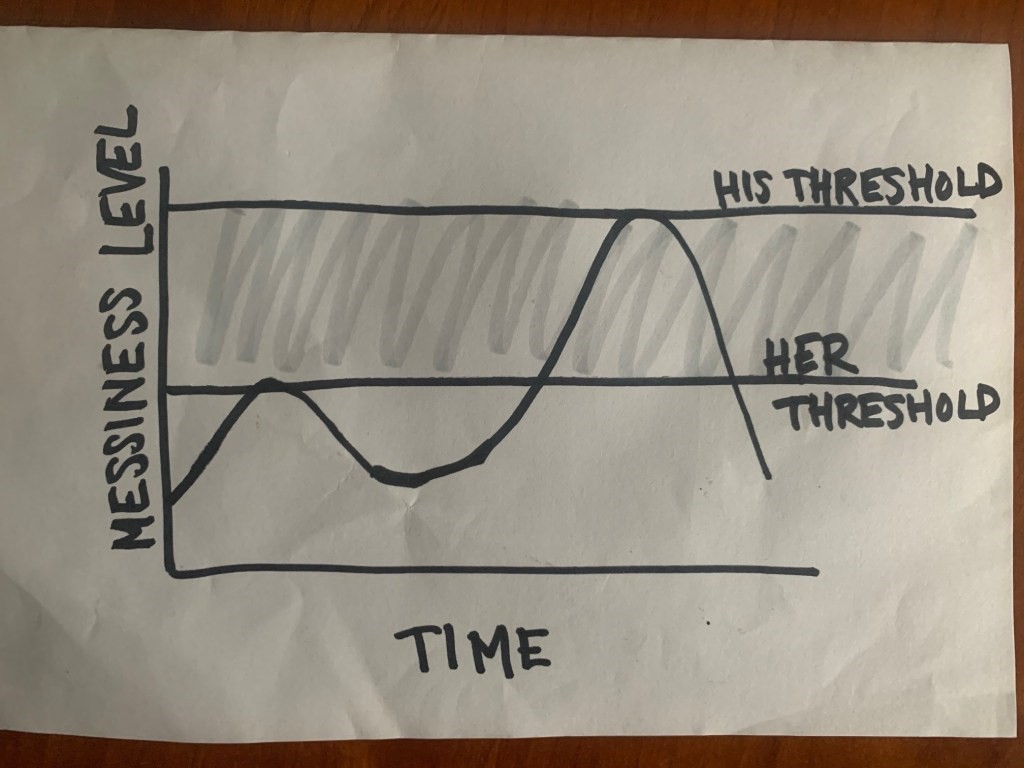
When my brother was in his twenties and a couple of years into marriage, he explained to me his theory about the cleanliness threshold. He drew out a chart where he illustrated the state of the household mess and that when it increased, it hit his wife’s threshold for a messy house long before it hit his. Therefore, she was always cleaning it and he never thought it was messy. The diagram looked something like this with the gray area as the space between her threshold and his:

Since I am six years younger and wasn’t married at the time he told me, I thought he was imparting some great wisdom about marriage. It wasn’t til later that I realized that his diagram depicted a way of looking at all our relationships.

Because our thresholds on any number of subjects will likely vary in a great number of areas from those around us: what qualifies as noise, when do we experience hunger, pain tolerance, ability to withstand uncertainty, desire to take risks, and our willingness to express ourselves or seek relief when we are exhausted, overwhelmed and sad to name just a few. So how do we live with others in the gray area between our tolerance level and theirs?

Believe Them

My years as a parent of young kids have taught me that it goes better when I believe them when they tell me how they feel. In that way, we don’t end up debating the truth of the feeling but instead can move to finding out what to do about it.

There are times they’ll tell me they are sad, frustrated, disappointed and I might say, “It’ll be okay” if we need to move on. But I try not to argue that they should be feeling something else like grateful, happy or blessed because it compounds the feeling. They stay stuck trying to prove what they are feeling instead of transitioning to the next phase of how to make it better.

Try to Laugh About It

The other day my 7-year-old daughter was goofing around before bed. Despite my numerous admonitions that she was too tired to keep safely doing cartwheels and should instead try to quiet her body, she kept throwing herself around the room until she ended up hurting her arm pit and her crotch. At that moment, I had the choice of being irritated that she didn’t listen or making a joke about those being two very unlikely body parts to get hurt at the same time. We ended up laughing all the way to bed about how that happened.

On a recent Unlocking Us podcast with Brené Brown, Drs. John and Julie Gottman were talking about their latest book, The Love Prescription: Seven Days to More Intimacy, Connection and Joy. They made the distinction between turning toward a bid of attention (responding or engaging when your partner says something like “look at that blue jay out the window”), turning away (ignoring) and turning against (responding with something like “why are you interrupting me?”).

In happy relationships, people turn toward their partner’s bids for attention 86% of the time, couples who were not successful only turn toward each other 33% of the time. John Gottman explained the result, “Couples who increase their turning toward wind up having more of a sense of humor about themselves when they are disagreeing with one another, when they are in conflict.

As Brené Brown summarized “Turning toward gives us a sense of confidence about our togetherness.” From there, it’s easier to find what’s funny about this daily existence.

Live Directly

In his book, The Book of Awakening, Mark Nepo gives an example of being at an ice cream shop with a friend and eating their cones when the table next to them became boisterous. As he became more irritated, he asked if she wanted to go. But his friend was fine and in saying so, she noticed the look on his face and asked, “Do you want to go?”

He laughed as he realized he was couching his needs into some form of thoughtfulness instead of owning his own feelings. Relationships are so much easier when we claim our own stuff and live directly.

Navigating the Gray Area

My brother’s marriage from his 20’s, the source of the threshold theory, didn’t work out. Turns out his wife had a different standard for telling the truth about significant things. I suppose there needs to be another line on the chart for boundaries. Regardless, I learned a lot vicariously about living in the gray area with others. The longer I live, the more gray it gets but also easier to navigate if I believe others, laugh about it and own my own stuff.


I’ve written a companion piece to this one on the Wise & Shine blog about WordPress relationships: Do You Like My Writing or Are We Just Friends?

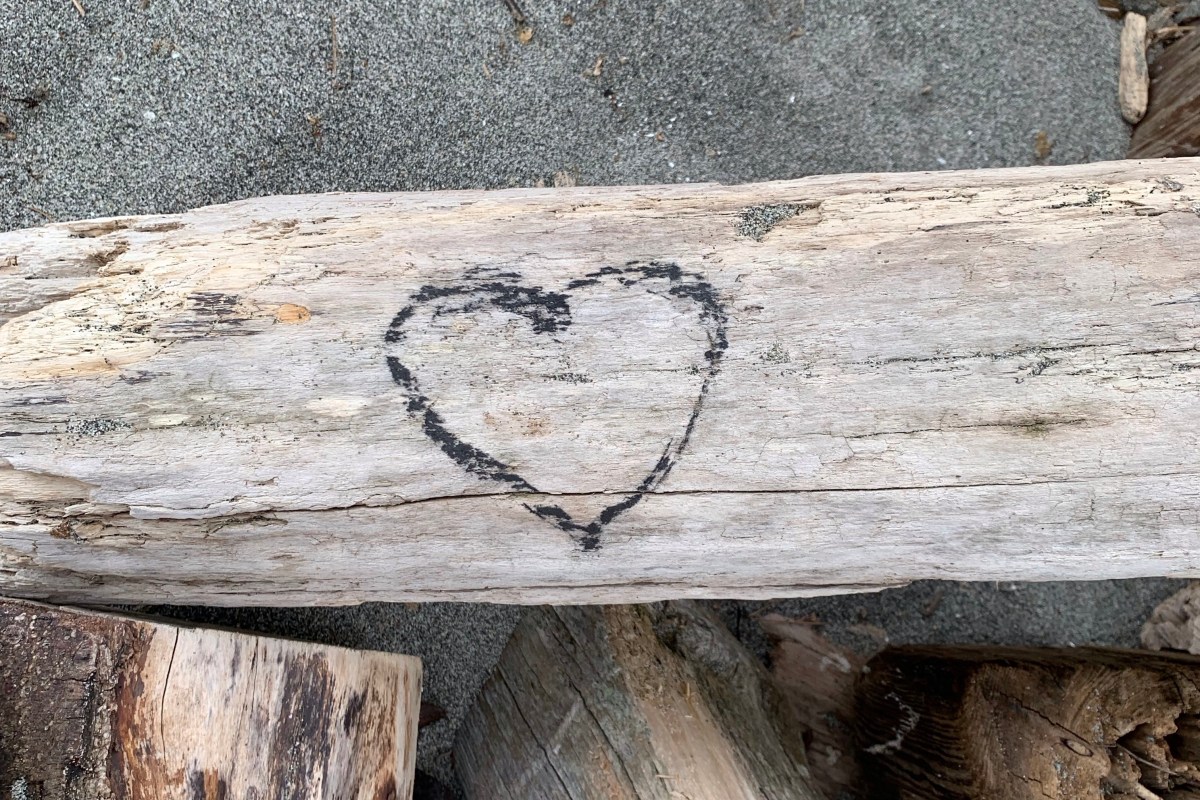
(featured photo is mine – a heart of the week from Whidbey Island)

Let’s Be Unreasonable

Life is full of surprises and serendipity. Being open to unexpected turns in the road is an important part of success. If you try to plan every step, you may miss those wonderful twists and turns. Just find your next adventure-do it well, enjoy it-and then, not now, think about what comes next.” Condeleeza Rice

When Miss O was about six months old, I went out to dinner with a couple of business acquaintances that had kids were teenagers and young twenty-somethings. As I was enjoying fantastic Chinese food in the dark atmosphere of a fancy downtown Seattle Asian fusion restaurant, one of the women slipped in an aside that has stuck with me for all these years. It was something like, “You can’t reason with kids that are 2 ½ to 4 years old.” Wide-eyed with new motherhood, I wondered what holy hell that would be.

Now that Mr D is about to turn four years old, I’ve gone through the window that the woman mentioned twice. That’s enough to realize that it isn’t as precise as I took her comment to be at the time. And also enough to find some interesting lessons about what lies underneath “reasonableness.”

I consider myself to be a pretty reasonable person. This is a perfect spot to insert some joke about whether others in my life would say the same. But more or less, I think they would. There may be an exception about my propensity to bite off a lot but as I wrote in my Being a Yes-Sayer post, I’ve got Shonda Rhimes on my side on that one.

But watching the small examples of humanity I see in my children has made me realize three things:

Routine: When reason doesn’t work, routine often does. I’m guessing this is how most parents of small children manage to make things happen. But looking at my life I see how much I do simply by routine – yoga, meditation, writing, showering, making breakfast to name just one routine that I do every morning. And it flows because I don’t question it. Also, when it’s interrupted, I’m very unsettled.

Override: There’s a lot of things little kids don’t want to do. I’m thinking specifically about inserting a stick with bristles and flavored paste in their mouths to scrub all sides of every surface, and then go to bed. But when some parental influence is exerted, it usually happens.

Cue to the end of the night when I’m sitting in my chair reading. Guess what? I often don’t feel like getting out of the chair, brushing my teeth, putting on face creams (there’s a lot more these days), and going to bed. But I do it. Watching kids makes me think about how many things we do in a day that we don’t really want to do – eat vegetables, go to school/work, brush our teeth, wash our hands. I’m sure the list varies for everyone but to one degree or another we are doing a ton of things that we don’t “feel” like doing. I think we all deserve some recognition and applause.

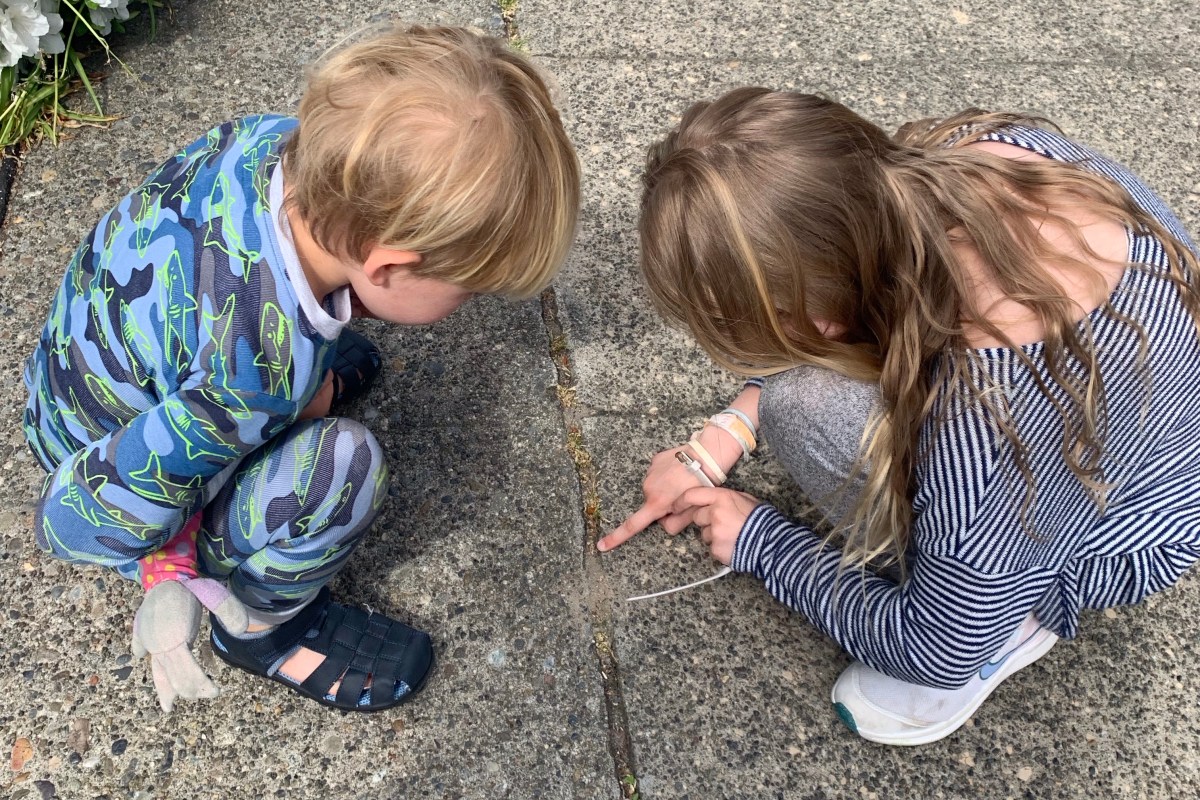
Delight: Reason is not a pre-requisite for delight. In fact, my observation is that reason might hinder delight when we are too focused on the above routines and overrides. Mr. D was riding his training wheeled bike in a bike lane along a well-traveled route the other day when he got off to crouch down and point out the ants he saw also commuting down the road. He was fascinated by the activity and direction and wanted me to join in on his delight. I, however, was almost too preoccupied by trying to get us out of the lane of bike traffic even though no one was coming.

It’s a scene that plays out over and over with my kids. There are a myriad of wonders up, down, and around, and these beautiful young minds around me point them out to me. Only then do I notice, and when left on my own I only tune into a FRACTION of what they see.

Maybe this is why I feel a little sad leaving this “window of unreasonableness” as coined by my colleague. Sure, we’ll get a lot more done – but I’d like to keep the congratulations and delight.

The Changes We Choose

Yesterday I was clever, so I wanted to change the world. Today I am wise, so I am changing myself.” – Rumi

The other day I watched from the back door as almost 8-year-old Miss O walked up to my mom as she was gardening in my back yard in the late afternoon glow, and announced, “We have some news. We are growing our family.”

I could have done a spit-take on the micro-expression that crossed my mom’s face. I’m 99% certain she knows that I’m not going to have any more children, but there might have been a fleeting second that my mom wasn’t sure. And then Miss O saved her by explaining we are getting a puppy in three weeks.

Which in many ways is nuts. I love order and getting things done. I’m pretty clear that a puppy isn’t going to tip the balance in that direction. But here’s my counter argument – doesn’t change usually feel like it’s nuts? Of course, I’m speaking of the changes we choose. I think often the changes we don’t choose feel to me like grief.

But there’s another thing I’m noticing as we prepare to “grow our family.” Now that we’ve decided, it’s already started mixing up the patterns we have at home.

I’ve told Miss O and Mr. D that I can’t be one person taking care of three creatures. Miss O has picked up on that and calls it five creatures because she’s including the cat and me. Whatever the number, it’s caused her to step up her game – get her own breakfast, learn how to do the dishes, and follow me around asking, “what can I do to help?”

It’s forcing me to accept the help and start expecting more of my children. For me to see all that they are capable of, and break the patterns started in toddlerhood where I just did things because it’s faster (and usually not as messy).

My requirement for a puppy was that Mr. D had to be potty trained – and he mastered that months ago. But there’s still a little porta-potty sitting in the corner of the family room that has to go away when the puppy comes. Not to mention, that the beloved stuffy Bun Bun will be at great risk if Mr D continues to carry him around, and sometimes leave behind randomly, so there’s another opportunity to step up to more thoughtful patterns.

Yes, we are growing our family. But as I watch in anticipation of this change, I see that we are also “growing-up” our family. Maybe that’s what every change we choose offers us the opportunity to do.

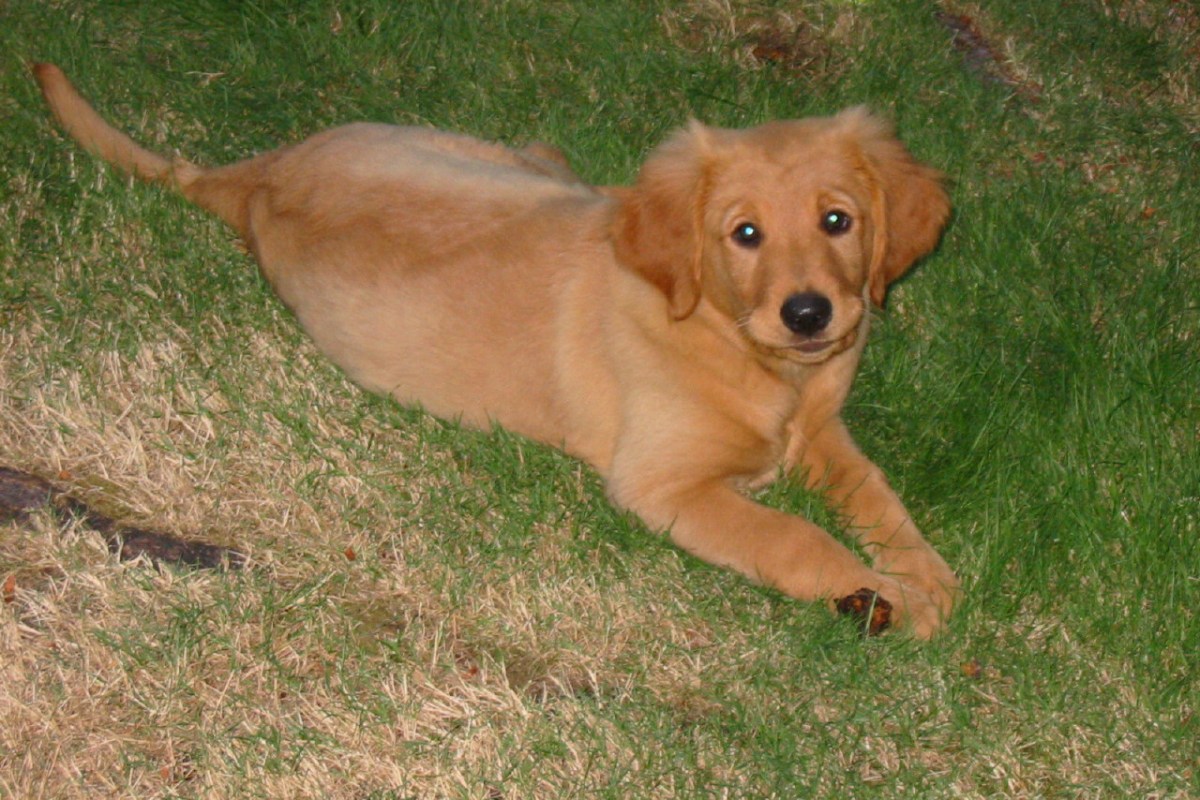
(featured photo is my last dog, Biscuit, as a puppy)

Life: Risky Business

Pushing through your fear. If there’s something you want, it usually worth the risk. I’ve found that on the side of fear is rebirth.” – Paula Whaley

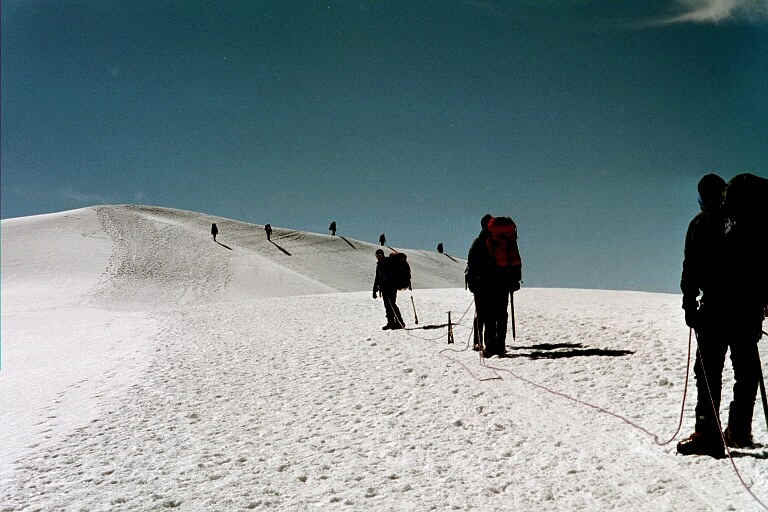
One of the guides that I climbed mountains with, Phil, taught the skill of weighing objective risks versus subjective risks. Objective risks in the mountains include avalanche danger, weather forecast, rock fall areas, and navigating around crevasses. It is because of objective risk that we’d often leave for the summit in the middle of the night, when things like big blocks of rocks and ice are still frozen to the mountain. That way we reduced the risk of climbing in the heat of midday when the sun warms things up and they pop off to crush you.

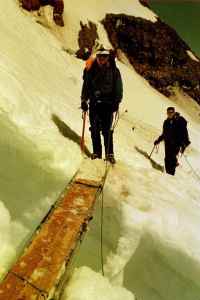
As an aside, I found climbing at night to be one of the most beautiful things to do. While it was exceedingly painful to leave a warm sleeping bag, the intimacy of my steps enveloped only in the circle of my headlamp was a way to be both big and small. In a huge arena but only focused on a small area. Groups ahead look like a caravan crossing through the desert because the landscape could be anything. And, crossing things like ladders laid horizontally over crevasses is way more doable when you can’t see the gaping hole below.

A friend ready to cross a crevasse on Mt. Rainier (image mine)

But subjective risk, as I understood it from Phil, is what we internally sense and measure. How do I feel? Does this seem doable today? Subjective risk is more personal, trickier to plan for, and different for everyone.

But this is a post about life, not climbing

I’d argue that in my life now, I have very little objective risk. Perhaps the most hazardous thing I do is forget to wear eye protection when I’m using the weed whacker.

But the subjective risks I’ve found in middle age to be plentiful. Daring to be vulnerable, trying to learn something new, opening to new friendships, asking to be seen, and offering grace instead of judgment – all those things lay bare my heart in a way that can be terrifying and precarious.

I think meditating and writing both are huge subjective risks to my perceived well-being. Hazarding a look inside at the goopy mix of who I am, taking on attempts to change myself, the conditions for my children, and generational patterns of my family. Geez, that’s harder stuff than I ever faced in the mountains.

And yet, I find when I try these things that are subjectively risky, they get me somewhere. Not always, and I haven’t kept track but I think it’s safe to say not usually, where I intend to go but with a receptiveness that moves me forward.

It’s a round-trip sport

As my guide friend, Phil, says, “Climbing is a round-trip sport.” It’s both the up and the down. And the risks are often greater on the down when I’m exhausted from the climb. And now have to cross the crevasse on a ladder in the daylight when I can see the gaping hole beneath me. It’s the same in life for me, taking the risk to extend myself in vulnerability and openness is hardest when I’m tired and depleted but it’s often necessary to lead me home.

I don’t think you have to have climbed to imagine how life can be a slog, both uphill and downhill. But whatever the slope looks like, thinking about it this way has helped me to take the steps to evaluate and take on subjective risks in order to get to my best and highest place.

There is no way to get to the summit, whatever our personal summit may be, without exposing ourselves to risk. But the view from the top and the learning from the trip change us forever.

View from Mt. Adams (image mine)

What do you think about risk? Any tips for how you face risk?

(featured photo is mine from Ixtacchuatl a 17,160ft mountain in Mexico)

Use Your Words

Raise your words, not voice. It is rain that grows flowers, not thunder.” – Rumi

Last Friday my almost four-year-old Mr. D responded to me when I told him that the next day we were going to Olympia for a hike, “Mine Bumblebees and me hate that place.” [Bumblebees is the name of his pre-school classroom so he was going for the group effect, I guess.] I had to laugh. Olympia is about 60 miles south of Seattle and Mr. D has never been there. What’s more – he loves hiking!

I also understand from the lead teacher at his school that the usually affable Mr. D has been recently trying out the phrase, “If you don’t let me, my mom will be mad at you.” Another gem since expressing anger is something I’m woefully bad at.

But I can relate the desire to attach to the most powerful presence I can find and try to borrow some influence. I remember seeing a sign in my neighborhood when I was going through my divorce that said something like, “We don’t want you to park here…” And I felt a mournful tug that I wasn’t no longer a part of a “we” I could hide behind.

Here’s how I unpack it for me. When I feel vulnerable, I’d like to borrow the biggest shield I can find instead of baring my naked underbelly for all to see. I think there’s more than just a little instinctual resistance to leaning in to the things that make me feel exposed. I have a well-guarded list of my weaknesses, fears, and the things I love so much that I regularly worry about losing them.

I come from a long line of smart women whose agency and power were in large part conferred upon them by the men in their life. In that system, their judgment was the sharpest tool they could wield. And I don’t mean judgment as in discernment but instead judgment of others.

But I want to live in curiosity instead of judgment, so I’ve worked hard to break that pattern. That has meant reaching deep inside me to stoke my own fire. I’ve noticed that when I borrow power from someone else, I forget to believe in my own.

I don’t have the worldly power to affect change, command resources, or make people listen but I’ve found that the most important person that needs to believe in my voice is me. When I don’t believe that I, by myself, have anything to say, it suddenly becomes true. I stop in my tracks trying to work for change in my own life.

And when I remember that I do have power to decide and make things happen in my own life, often a curious thing happens – I find helpers. Not people who I need to borrow influence from but others who are swimming the same direction and we can draft off each other.

So I come back to the thing I often say to my kids when they are upset. “Use YOUR words.” It works as advice on many levels for all ages.

(featured photo from Pexels)

Giving Lift

If you want to lift yourself up, lift up someone else.” – Booker T. Washington

Yesterday afternoon my kids and I had two hours left of a six hour road trip when we came across a man walking down the interstate with his son, who looked to be about two or three years old. The man was carrying a gas can in one hand and holding his son’s hand in the other.

The mood in my car at the time we happened upon these time was best described as stable. Six hours is a long time for me, not to mention Miss O and Mr D, at almost 8 and 4-years-old respectively. We were tired after a great weekend of playing at the lake cabin of my best friend’s family, a little sad to be on our way home, but also heartened by the fun of being together and with our incredibly fun, generous, and delightful friends.

So I polled my kids as to whether we should stop and help the man and little boy. They asked great questions – were we going to give them a ride? how much longer would it take? – and I told them we’d just take the gas can, fill it up, and return it to them. It would probably add 20 minutes to our trip but save them two or three hours of dangerous walking. The decision was unanimous that we should help them.

By the time we found a gas station, looped back far enough to find their car and then figured out how to turn around to be going in our original direction, it was a good 20 minutes. In that time, the mood in my car had lifted exponentially. Mr. D had grand plans that he was going to hop out and deliver the gasoline himself, and Miss O was mapping out her strategy to find out all that she could about them. When I delivered the news that there was no way I was letting them out of the car on the highway, they were disappointed, but so buoyant by the fun helping adventure that even a little disappointment couldn’t dent the mood.

And why did I do it? It was clear how I could help and seemed low risk. And I had benefitted greatly from the weekend with the fun and relaxing time with our amazing and thoughtful friends. But probably mostly, because the weekend away had given me a glimpse of the long view of life. (For more on that final point, The Long View is my post on the Heart of the Matter blog today).

I only exchanged about a dozen words with the man and his boy during our quest for more gasoline, but the whole thing carried us safely and happily home for the remaining two hours. It reminded me of the quote from Booker T. Washington at the top of this post – there truly is great lift that comes from helping others.

(featured photo from Pexels)

At the Pace of Love

To lose balance, sometimes, for love, is part of living a balanced life.” – Elizabeth Gilbert

The last two weeks have been really busy. Traveling, birthdays, my 7-year-old is out of school – wonderfully fun things that have made it so I have to schedule time to breathe. It’s all good – I’m just setting up my excuse for what’s to come next.

Because when I get busy like this, I don’t want to take the time to teach or do things collaboratively. I just want to get things done and the extra time and patience it takes to direct small hands with inquisitive minds attached? I feel like I don’t have it.

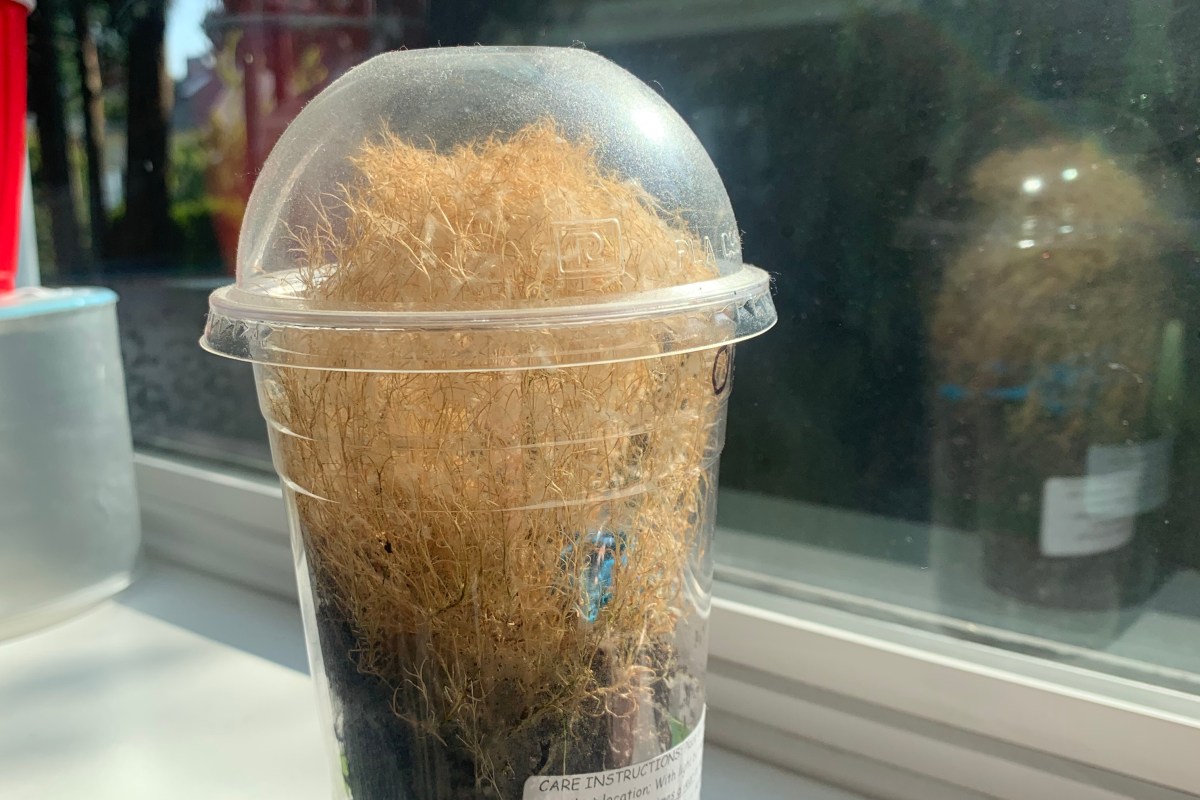
For example, Miss O brought a little terrarium project home from school about six months ago. It only needs water once or twice a year but I noticed that the grass in it is all brown. Seemed like a good cue for adding water.

I know that it would be a bad thing to just do it. It’s not my project and we all need to learn sooner or later the steps to keep something alive. Right?

So I mentioned it to Miss O. She took one look and then started wondering about the calendar. She had it in mind that it wouldn’t need care until her classmate, Jonas G’s birthday and then she was off and running down that track of wondering when his birthday is and what to get him.

All that chatter and no watering. <groan> I just want to water the damn thing.

It reminds me that I often want to just do things for other people, grown-ups and kids alike. That way I can do it my way, in my time, and get it done. But that’s not the way that life works, is it?

This is when a particular phrase from my dad comes to mind. “We just need to love people where they are at, wherever that is.” It works for me because it slows me down to the pace of loving which is A LOT slower than my pace of doing.

What good is getting stuff done if we miss the opportunities to learn and love in the meantime? In weeks like this one, I’m tempted to answer that there’s a lot of good in getting stuff done…but then I grumble that I know that’s not the right attitude. After all, I’m teaching something to my kids whether I just water the terrarium myself or support them doing it. Maybe when I model what we need to do, I can also groove new habits for myself about slowing down to the pace of love.