Learning the Essentials

The pursuit of truth and beauty is a sphere of activity in which we are permitted to remain children all our lives.” – Albert Einstein

The other day my friend Eric asked my son, five-year-old Mr. D, how he was liking Kindergarten.

Mr. D said he loved it [thank God] and he was learning a lot.

Eric followed up to ask what he was learning.

Mr. D replied, “I’m learning about recess, the lunchroom, art, and music.

I know you are laughing alongside me as you read this.

Learning his way around the school, including the specialist classes (art and music), has been a huge part of the first three weeks. I can’t imagine how many neurons are firing just to create a mind map of this new experience.

But as you’re smiling, consider this. Aren’t recess, the lunchroom, art and music still a big part of your days today?

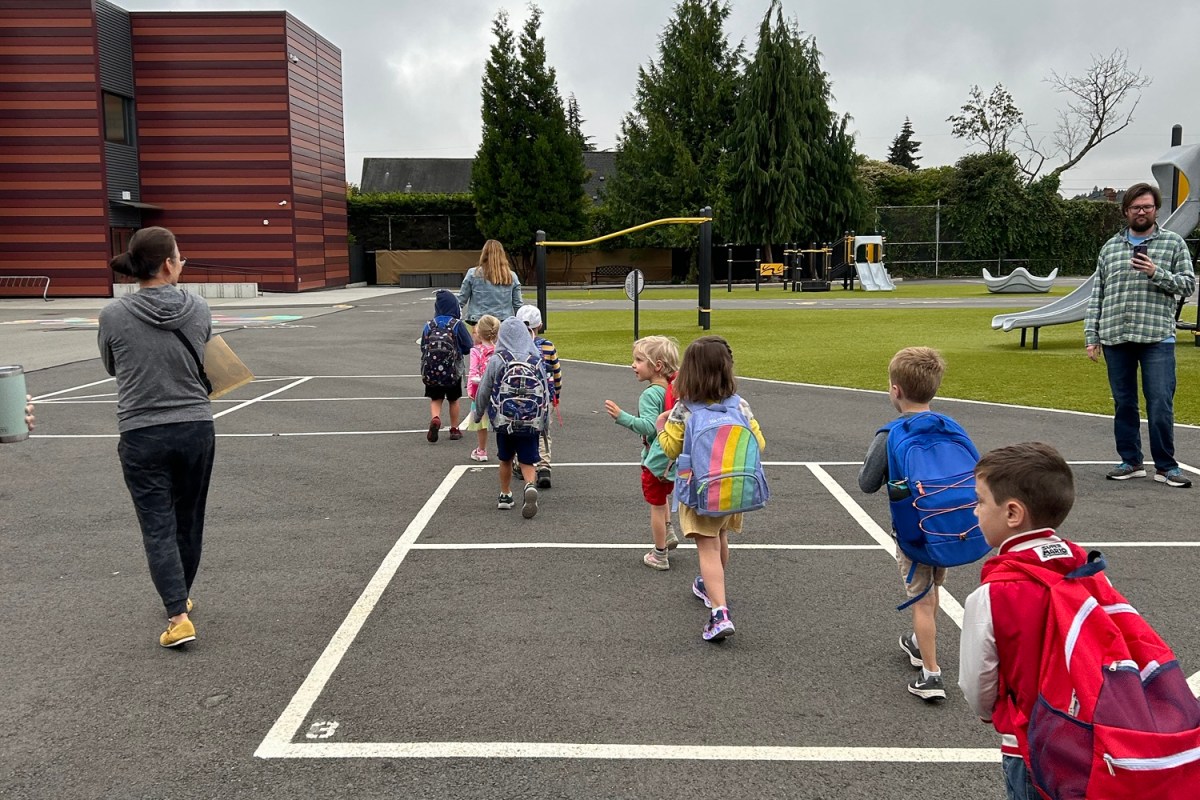
(featured photo is Mr. D’s line heading in to class on the first day of school)

Let’s Play

When one teaches, two learn.” – Robert Half

Last Saturday morning, four-year-old Mr. D wanted to drive his remote control car down the sidewalk. Since we were still in our pajamas, I tried to lobby for a back yard activity. But the sun was shining, the birds were singing, and Mr. D wanted to go out front, so I covered up with a coat and followed.

Funny thing – it’s hard to drive those remote control cars straight. We spent a fair amount of time just getting to two doors down, the side walk in front of my favorite neighbors. They are a retired couple in their 70’s. They’ve lived here for almost fifty years, I lived here for twenty and so we’ve got some history under our belt.

My neighbors are interesting, generous, and kind. We’ve shoveled five yards of delivered bark from the street to the yard together. I’ve gotten to know their kids and grandkids. My kids tell them all that’s top of mind every time they see them. They often rake my strip of grass between the sidewalk and curb in the fall. I bought them toilet paper at Costco during the pandemic.

When we got in front of their house, Mr. D said, “Let’s go ask them to play.” Some polite part of me thought we’d be pests asking them to do that on a Saturday morning. I said we shouldn’t. But Mr. D put his hand on his hip and said, “Follow my lead.

When we got up to the front door and they answered, Mr. D handed the remote control to them and said, “want to drive?” We had a lovely time standing on the porch and talking while Mr. D chased down the car any time it went astray. It was so enjoyable to chat with my neighbors that I don’t see nearly enough this time of year with short days and cozy couches inside.

My kids keep teaching me how important play is. For myself. And to keep inviting others to play. It connects us and relaxes us. And it’s fun. It isn’t an interruption – it’s what we need more of.

The Usefulness of Play

We are what we repeatedly do. Excellence, therefore, is not an act but a habit.” – Aristotle

In 2006 I went to a book reading and slide show by legendary alpine climber Ed Viesturs. He’d just published his book about summiting the world’s 14 peaks over 8,000 meters (26,26 feet) without supplemental oxygen, No Shortcuts to the Top and my friends and I had a front row seat for his show.

We were there early watching as he got his slide show ready. Ed came off the stage that was about 2 ½ feet above the level of the auditorium floor to fix the angle of the projector and then walked around to climb the stairs back onto the stage. As he did this when it would have been so easy for him to jump up, I joked, “No shortcuts to the top” and we howled in laughter.

There’s a famous story about Ed getting to the central summit (8,008m or 26,273 feet) of Shishapangma in Tibet and looking across the 100 meters of knife-edge climbing to get to the true summit that was a few meters higher in elevation (8,027m or 26,335 feet). He was by himself and decided it was too dangerous so he went home without summitting. Then he returned 8 years later to do it all again, this time shimmying across the knife ridge to get there.

So Ed has earned the reputation of being the boyscout of the climbing world and perhaps it’s no surprise he’d live out the motto of no shortcuts to the top. But I’ve revisited that scene in my head again and again when pondering the consistency of life on and off the mountain or more generally speaking, consistency between who we are at play versus “real” life.

I was recently moved to think differently about play by an interview I heard with Nikki Giovanni, the poet laureate of Virginia Tech. She said that her “grandmother didn’t waste anything. There was nothing that came into her kitchen that she didn’t find a use for.” Then she continued, “I feel the same way about experiences and words. Nothing is wasted.”

Looking back on the things that I’ve chosen as my hobbies, I see that they have not just been pastimes but instead the proving grounds to work through ideas and attributes that I would come to and continue to need.

When I took up amateur mountain climbing in my late 20’s, I thought it was a way to see the world from a different viewpoint. Now I see it was a way to build my endurance to push through in those moments when I’m physically exhausted, something I’ve needed a lot in these early years of parenting.

Rock climbing at the indoor climbing gym was a way to get a workout and build upper body strength. There is almost always a move, the crux move, on a route that requires flexibility and faith to push through, bending your body in a way that allows you to reach past the obstacle or overhang without seeing the next hold. Now I see it as a physical way to practice the ability to move through the many challenging changes and tough transitions in life.

Recently I got a mosaic art kit for my daughter so that she could create designs by gluing small pieces of colored glass near each other. It was so fun that I’ve started doing it myself. It has very little to do with what I create and a great deal to do with seeing how all the small things in life come together to create the arc of life.  

Here’s what I’ve come to believe: that play helps simulate the tough moments of life when you have to make decisions, have faith and maybe even carry on in conditions when you are tired, hungry and feeling defeated. The choices we make in those situations carry through to the paths we follow in life. We build confidence and get to know ourselves one step at a time on the proving ground and then know how to live.

Aristotle said, “We are what we repeatedly do. Excellence, therefore, is not an act but a habit.” We are what we practice, in play and in real life. Perhaps that’s how Ed Viesturs managed the fourteen 8,000 meter peaks without supplemental oxygen. By practicing who he was, on and off the stage.
Making Good Choices

Creative people are curious, flexible, persistent, and independent with a tremendous spirit of adventure and a love of play.” – Henri Matisse

Yesterday we were driving to Parkour camp when Miss O said, “I really like Coach Kurt because he’s always teaching us about making good choices. Which is important in Parkour.” Then after a short pause she added, “I think it might be really important in life.”

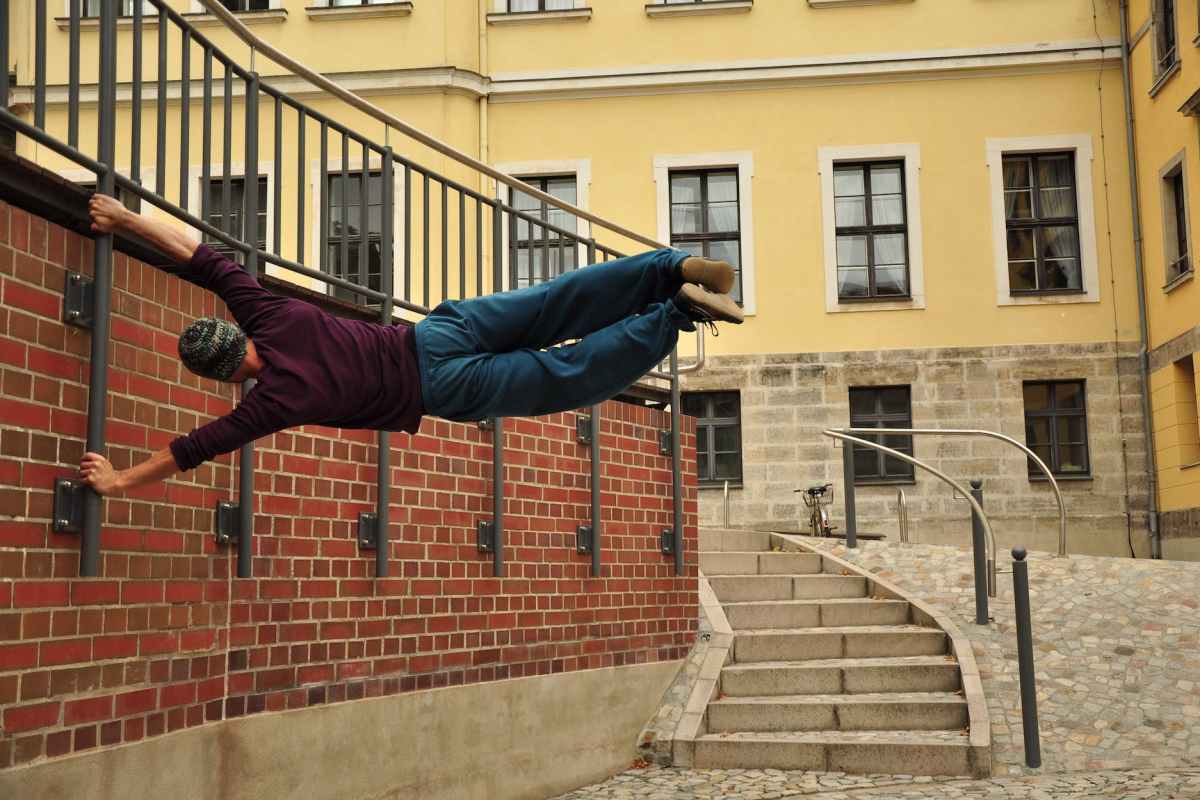
Parkour derives its name from the French phrase meaning obstacle course. A year into the pandemic, I think I would have signed Miss O up for any in-person class that gave her an outlet to use all the extra energy building up from having to do online Kindergarten but I was fortunate enough to make the good choice of Parkour.

Watching the kids learn Parkour, it appears that they are just running, vaulting, climbing, and dodging. But what Coach Kurt as the founder of his Parkour training company and his other coaches seem to be emphasizing is that we have choices in how we navigate an environment. Social emotional learning shows up in most curricula for kids these days but as I digested Miss O’s statement, it struck me just how much she was learning… from play.

Thinking about this sent me to my copy of Gifts of Imperfection by author and researcher Brené Brown. She cites the work of psychiatrist Dr. Stuart Brown about the benefits of play as derived from his research and work in the fields of biology, neurology and psychology. “Brown explains that play shapes our brain, helps us foster empathy, helps us navigate complex social groups, and is at the core of creativity and innovation.”

More than that, Brené Brown’s entire book is on the choices we make in life and how cultivating the right things can help us to live more whole-heartedly, as she terms it. “Wholehearted living is about engaging in our lives from a place of worthiness.” It is all about making the right choices in life, to build on Miss O’s statement. Here are the ten guideposts that Brené offers:

Guidepost #1: Cultivating Authenticity: Letting Go of What People Think

Guidepost #2: Cultivating Self-Compassion: Letting Go of Perfectionism

Guidepost #3: Cultivating a Resilient Spirit: Letting Go of Numbing and Powerlessness

Guidepost #4: Cultivating Gratitude and Joy: Letting Go of Scarcity and Fear of the Dark

Guidepost #5: Cultivating Intuition and Trusting Faith: Letting Go of the Need for Certainty

Guidepost #6: Cultivating Creativity: Letting Go of Comparison

Guidepost #7: Cultivating Play and Rest: Letting Go of Exhaustion as a Status Symbol and Productivity as Self-Worth

Guidepost #8: Cultivating Calm and Stillness: Letting Go of Anxiety as a Lifestyle

Guidepost #9: Cultivating Meaningful Work: Letting Go of Self-Doubt and ‘Supposed To’

Guidepost #10: Cultivating Laughter, Song and Dance: Letting Go of Being Cool and ‘Always in Control’

The Gifts of Imperfection by Brené Brown

(Anyone interested in these guideposts might want to take the assessment that Brené Brown offers for free on her website.)

Thinking about how we are always making choices on how to navigate this obstacle course of life, I think Miss O summed it up that it’s important to make good ones. Or at least the choices that are meaningful to us. So when I saw Coach Kurt at Parkour camp yesterday, I made the choice to pause and tell him what my daughter had learned from this company and curriculum he so thoughtfully has put together. With glittering eyes he thumped his hand to his heart a couple of times and then said, “Thank you for sharing that with me.”

(featured photo from Pexels)

The Inner Hustler

We drink the poison our minds pour for us and wonder why we feel so sick.” – Atticus

I woke up this morning in a sheer panic at 5am worried about money. Getting up at that time isn’t unusual but the panic is. And I wasn’t worried about money now – I was worried about money in 6 months for no particularly good reason because as a self-employed person (or maybe even an employed person), the future that far out is never possible to see.

Sitting on the meditation cushion 15 minutes later, I went diving to find the source of the panic. As I peeled back the layers, I kept stumbling on the idea that I hadn’t been working hard enough.

Taking two days off to take care of Mr. D as he’s recovered from his cough had been enough to awaken my inner hustler. And this beast was telling me I wasn’t keeping up with my hustle for self-worth.

I find it so insidious that the more work I do to meditate and be aware of my internal state, the more I sometimes have to face the things that are as natural as breathing. Hustling for self-worth being one of them. As the daughter of two parents with a strong Protestant work-ethic, I like to say that I come by my productivity panic honestly.

Sure, I have to be responsible for my little family and that means constantly juggling trade-offs and boundaries as they relate to the work I do. But managing practicalities is a completely different reality from appeasing my inner hustler – you know the one that tells me that I have to DO something to be WORTH something.

Looking for some perspective on this panic, I found this passage from The Gifts of Imperfection by researcher, professor and author Brené Brown. “We convince ourselves that if we stay busy enough and keep moving, reality won’t be able to keep up. So we stay in front of the truth about how tired and scared and confused and overwhelmed we sometimes feel. Of course, the irony is that the thing that’s wearing us down is trying to stay out in front of feeling worn down.”

The remedy that Brené prescribes for letting go productivity as self-worth is cultivating play and rest. She quotes psychiatrist, clinical researcher and author Dr. Stuart Brown, “Play helps us deal with difficulties, provides a sense of expansiveness, promotes mastery of our craft, and is an essential part of the creative process.”

Play, as in activities that have no purpose, isn’t a part of my life that I have been focusing on even though I have two very willing playmates. I count this morning’s panic as my wake-up call to incorporate more of it.

(featured photo from Pexels)

Photo of the week: Nov 13

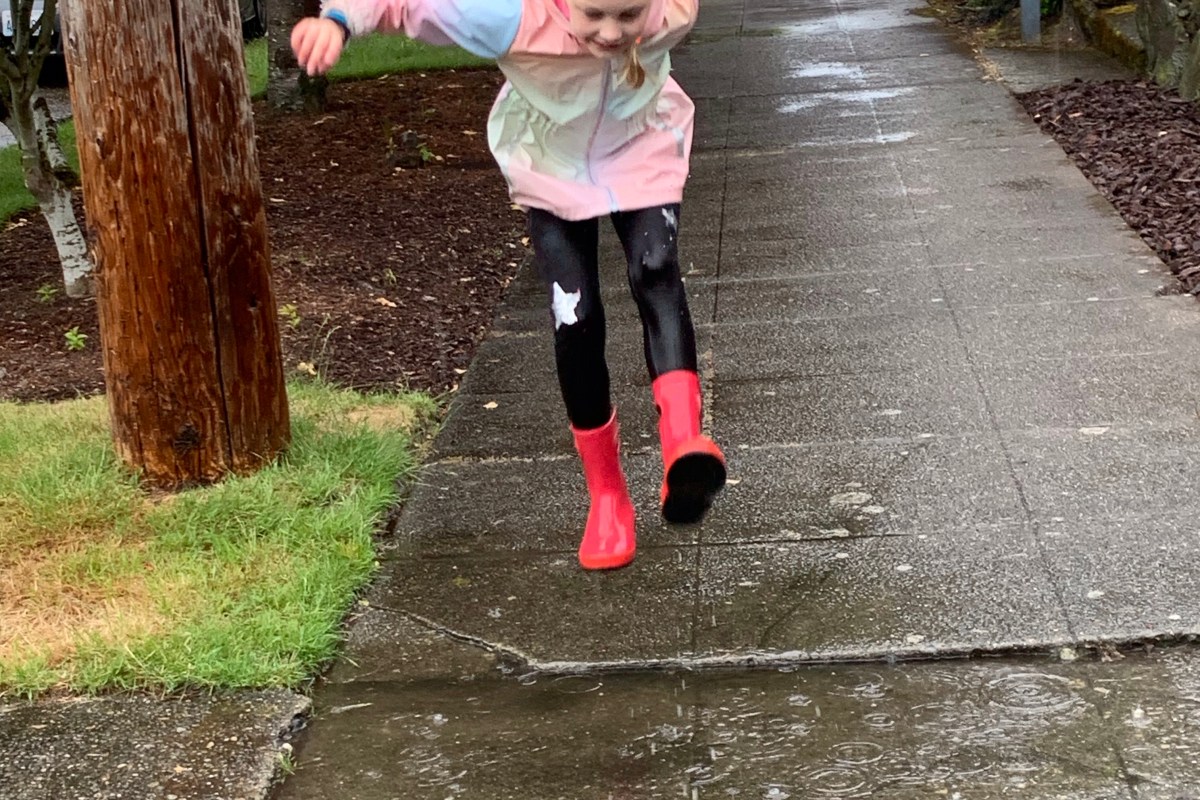
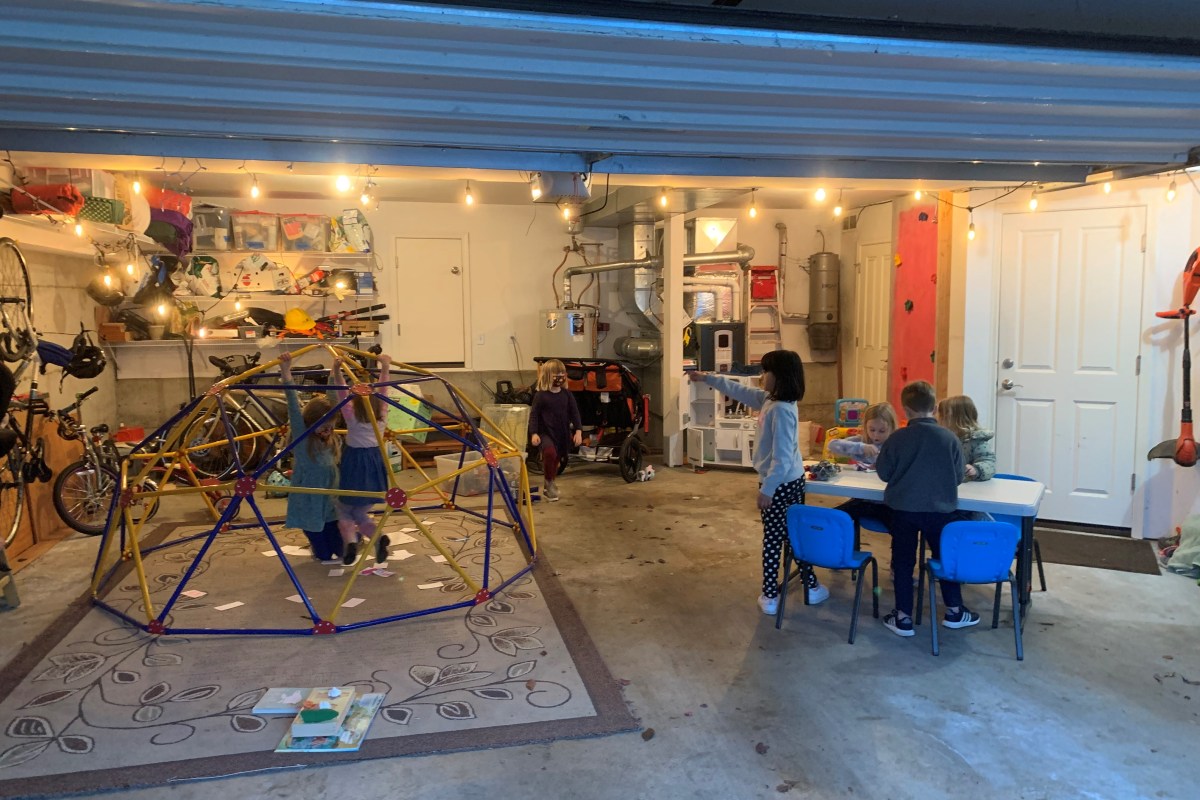
Covid has brought us closer together with our neighbors. There are 10 kids on the block under age 8, median age 4-years-old and they’ve found a rhythm of playing in each others yards or in this case, when it was raining, in my garage. I know that the lasting effects of this pandemic have yet to be seen in full but locally, I love how these kids have bonded. When everything shut down, they all become less “scheduled” and have learned the art of old-fashioned play.

Cultivating Play and Rest

Not everything that can be counted counts, and not everything that counts can be counted.” – Albert Einstein

Yesterday my sister-in-law took my daughter for the day and my son was in daycare, I had an entire day to myself. This is so rare, especially since COVID came and we have all been packed into the house on most days. I’ve had a few hours here and there but a whole day?? Of course I needed to work, the house was a mess and I had a to-do list as long as my arm so I was far from bored but the real question was, did I know what refills my cup?

Brené Brown has been doing this podcast series on The Gifts of Imperfection as it’s the 10 year anniversary of that book. And there is a particular guidepost in it “Cultivating Play and Rest – letting go of exhaustion as a status symbol and productivity as self-worth.” It was a reference that Brené made in a podcast to this guidepost and the work of Dr. Stuart Brown, psychiatrist, clinical researcher and founder of the National Institute for Play, that got me interested to read the Gifts of Imperfection in the first place. That to be whole-hearted, that is to say, fully awake and involved in life, we need to play.

My first thought when hearing about cultivating play was that I am a mother of young children, I should be all about play. My second thought was I have no idea what play is for me anymore. When I got my first night off from parenting when my daughter was about two years-old, I went out to drink wine with a friend. It was fine but I ended up feeling like I wasted that precious time. The second time I had an overnight break from parenting was when my daughter was three years-old and I went on a meditation retreat. It was so lovely to eat organic food, do yoga, meditate and cut out pictures for my vision journal. It really worked to refill my cup but isn’t very practical to do very often. The same goes for hiking which is my all-time go-to for refilling my cup but often takes too much time driving to do on these rare days off.

Here’s what I’m slowly realizing about cultivating play and rest for me. I know I’m still learning because I’m trying to be the most productive at rest. 🙂 But with that said, rest for me always involves some combination of reading, writing and exercise. Being quiet including turning off extraneous noise like the tv in the background is important. I never clean my house when my kids are gone unless it’s part of tackling a project that is fun for me. I try to reach out to at least one person that is key to my health and sanity. And when I’m very lucky, I go to a rarely visited neighborhood and find a place to eat lunch with a book.

Last night when my kids were returned to me, I listened to their reports from the day and we galivanted around the neighborhood and talked with neighbors, I felt like a new (renewed?) person. Someone who had a refilled cup to share with everyone else.

Eat, Play, Love: Part III

“The one thing we can never get enough of is love. And the one thing we never give enough of is love.” – Henry Miller

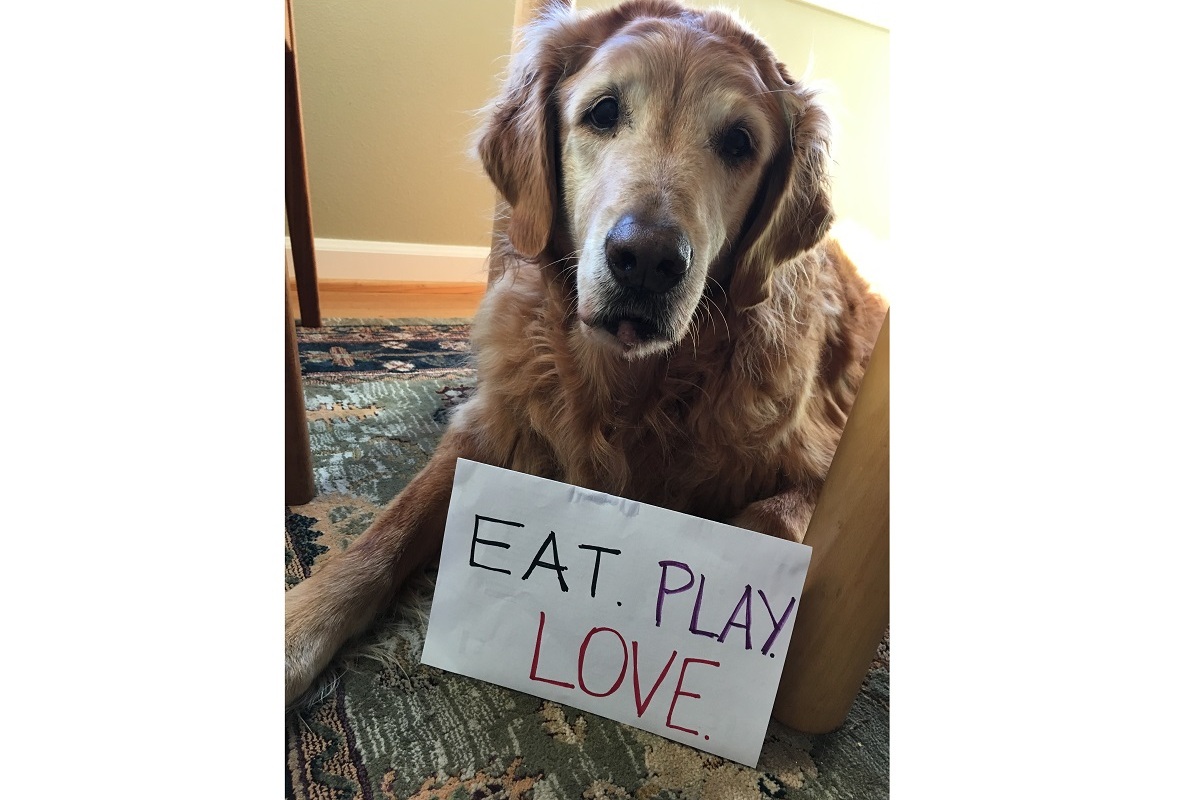
Intro: I had a beloved golden retriever named Biscuit who in addition to being a goofy, energetic, enthusiastic and LOYAL friend was an old soul. In his older years I started taking his picture with signs. Although it’s my writing and initiative, these were somehow his words in a way I can’t explain. He’s been gone four years and in a tribute to him on his birthday, here’s a book we wrote. Eat, Play, Love.

Back to chapter 1: Eat

Back to chapter 2: Play

Chapter 3: Love

Eat, Play, Love: Part II

“Creative people are curious, flexible, persistent, and independent with a tremendous spirit of adventure and a love of play.” – Henri Matisse

Intro: I had a beloved golden retriever named Biscuit who in addition to being a goofy, energetic, enthusiastic and LOYAL friend was an old soul. In his older years I started taking his picture with signs. Although it’s my writing and initiative, these were somehow his words in a way I can’t explain. He’s been gone four years and in a tribute to him on his birthday, here’s a book we wrote. Eat, Play, Love.

Back to chapter 1: Eat

Chapter 2: Play

Chapter 3 – Love