The Scarcity Loop

Enough is abundance to the wise.” – Euripides

Fair to say that Cooper the dog steals something in our house nearly every day. I think most of my photos of the week posts capture him with some contraband. It’s easy to do the math and figure out that he must be doing that a lot in order for me to have that many photographs.

I learned of some research this week that was a huge a-ha for me. It shed light not only on Cooper’s habits but also some of my own. On the Ten Percent Happier podcast, journalist and author Michael Easter (his most recent book is Scarcity Brain) was talking about how our ancient brain mechanisms loop us in to always wanting more.

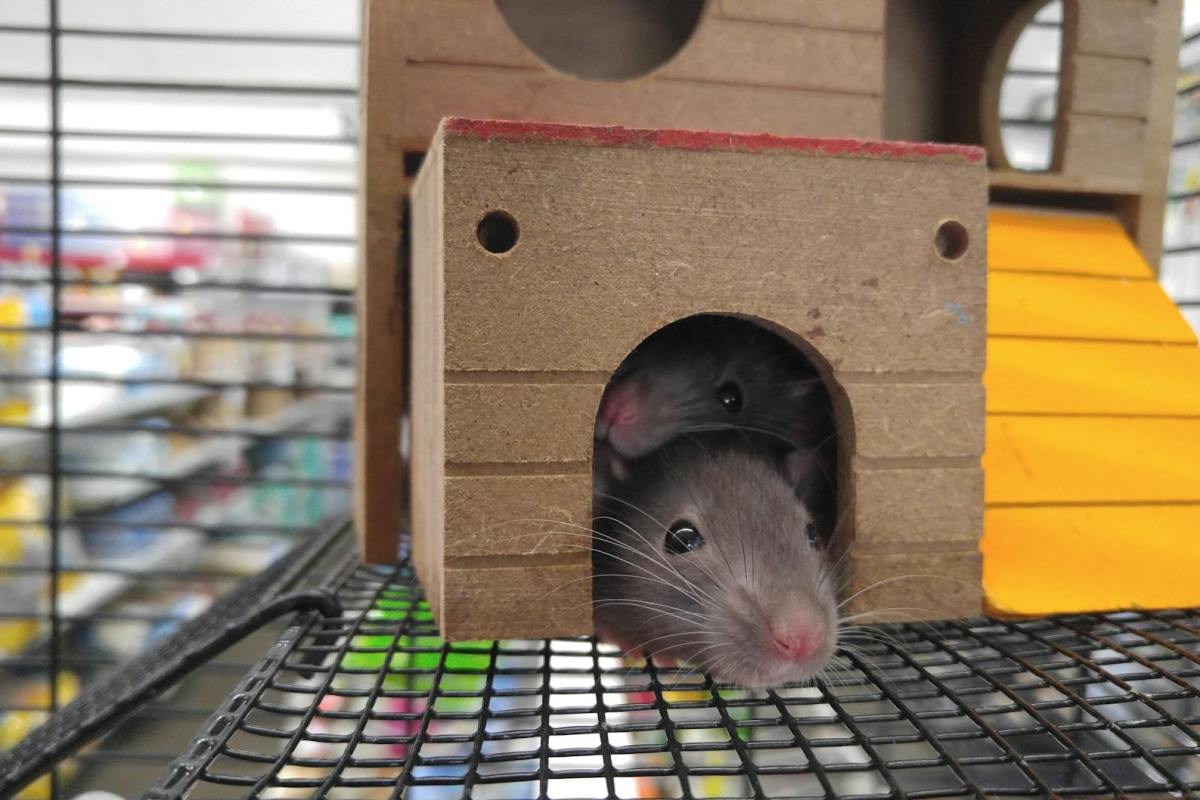
He described a research project in which rats were given a choice. The first choice was one reward system that gave them food every other time they pushed a button. The other choice was a reward system that didn’t have predictable cadence but gave them slightly more food when it did pay off (like an average of every 5th time).

The rats were choosing the second choice withe the unpredictable payoff which was surprising to the researchers. Usually they will choose what gets them the most food. The payoff of the first choice, the predictable every other time system was much higher.

The rats were living in small, plain cages. Then they changed the rats’ environment so they were living amongst plants in an environment that mimicked a natural habitat for rats. Once they changed the habitat, the rats switched to picking the every other time reward system.

The conclusion was that when we don’t have enough stimuli, we’ll make odd choices in order to spice things up. Like doomscrolling through social media, thinking we’re hungry when we aren’t, or in Cooper’s case, stealing the Christmas gnome.  

And Michael Easter’s take away on that research and other studies about what one of the best ways to get more stimuli? Getting out of our climate controlled houses to spend time in nature.

It’s funny but when I took Cooper out for a hike last week, he didn’t steal anything after we got home. Not even a dirty, sweaty sock that smelled of the trail. And for that matter – neither did I.

(featured photo from Pexels)

You can find me on LinkedIn: https://www.linkedin.com/in/wynneleon/ and Instagram @wynneleon

I host the How to Share podcast, a podcast celebrates the art of teaching, learning, giving, and growing.

I also co-host the Sharing the Heart of the Matter podcast with the amazing Vicki Atkinson.
The Rope Team

“Sometimes life is too hard to be alone, and sometimes life is too good to be alone.” – Elizabeth Gilbert

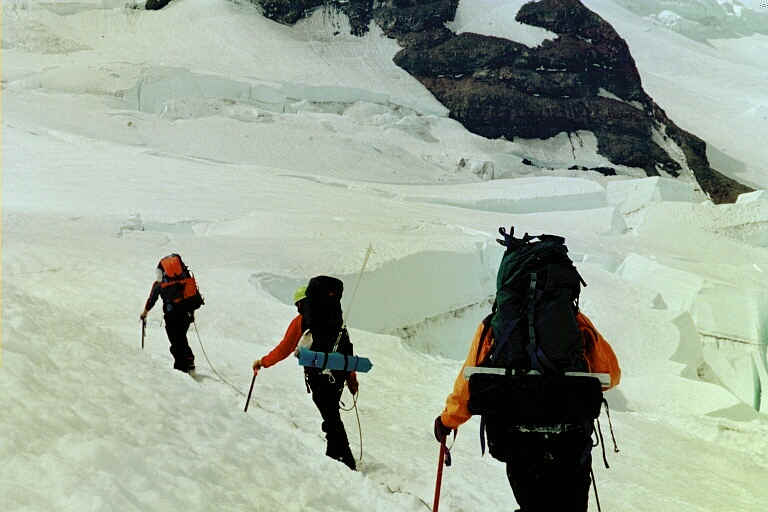
When I was climbing mountains, I noticed a funny thing when we roped up on the higher slopes of a mountain. We transformed from being individual hikers to becoming a team. The physical manifestation made a psychological difference.

Fortunately, I’ve never had to arrest the fall of someone else while on a rope team. But I have willingly climbed into a crevasse. It made me immensely grateful for the people above holding on to the rope.

A similar team phenomenon happened to me and my kids a couple of weeks ago when we were on vacation.

It was perfectly smooth when the kids and I decided to go paddleboarding after dinner. But by the time we got our paddleboards into the water, it was starting to blow again.

We’d been paddling every day for ten days to get the feel for the tides and current. At the beginning of the vacation, six-year-old Mr. D was paddling with me riding on the back of his board. Once he’d gotten proficient enough with his strokes, he graduated to be on his own.

So Mr D was on his own paddleboard. Ten-year-old Miss O had decided she just wanted to ride along on mine. On this night, Mr. D wanted to go all the way down the bay to the pirate flag, a notable marker about a mile down the beach from where we launched.

When we were about halfway there, the wind was present but not too much of a factor. We held a family meeting to make sure we wanted to continue. Mr. D had looked at that flag for 10 days and was determined to get there.

We celebrated momentarily when we reached the pirate flag. Then Mr. D said he was tired and just wanted to rest. At nearly the same moment, the wind whipped up and started pushing us farther away from home.

I said aloud, mostly for Miss O’s benefit, “Please, God, help us.” We weren’t in immediate danger but it was going to be a hard paddle back. At any point, we could have paddled 20 yards to the to the beach and walked back. It would have been a slog pulling the boards but it was a viable option.

Miss O got philosophical about how we ask God for help. We weren’t asking for it to be easy – just for help in any form. As it was, Miss O volunteered to get on Mr. D’s board to both give it more weight and to paddle.

Even with the two of them, they were being pushed backwards by wind. So I attached my leash to their board and we paddled back as a team. I paddled on my board, Miss O and Mr. D took turns paddling on theirs. Roped together, we slowly made our way home.

The overall feeling when we hit the beach? Gratitude. Thank God Miss O had opted to ride along and had fresh arms. Thank God she made the transfer from one board to another without mishap. Thank God for making us a team.

Because that was what stuck with us. Just like with climbing, roping together turned paddling into a team building exercise -and it worked. There are so many ways we are buffeted by the winds of life. A team can make all the difference.

(featured photo is mine)

You can find me on LinkedIn: https://www.linkedin.com/in/wynneleon/ and Instagram @wynneleon

I host the How to Share podcast, a podcast about collaboration – in our families, friendships, at work and in the world.

I also co-host the Sharing the Heart of the Matter podcast, an author, creator and storytelling podcast with the amazing Vicki Atkinson.
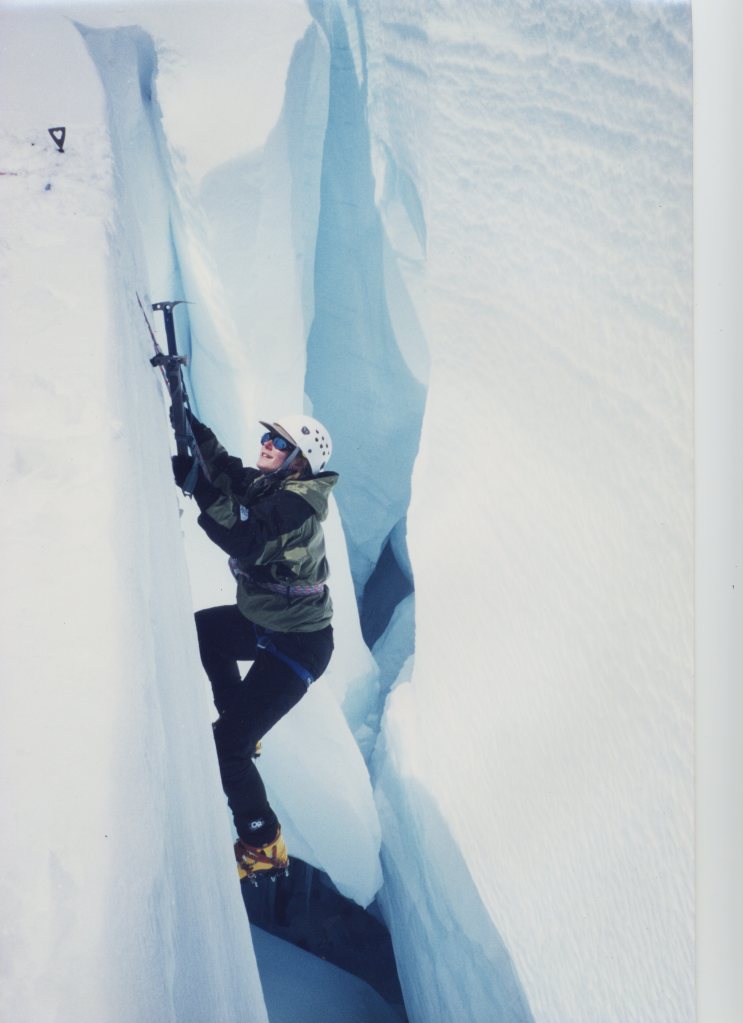
And for anyone curious about the inside of a crevasse, here’s what it looks like:

Awe in Nature

Awe is the feeling of being in the presence of something vast that transcends your current understanding of the world..” – Dacher Keltner

We were at our favorite beach this weekend and it had the intended restorative effect after being sick for a couple of weeks. I had no idea of the timing when I booked the AirBnB months ago, of course. Don’t you just love it when life works out?

When I was beachcombing with my kids, five-year-old Mr. D ran up to me to ask, “Can I keep this stick?”

I said, “But we already have collected a couple today.”

And he answered, “Yes, but this one is so interesting. It’s covered in stuff.

I laughed and agreed it was unique.

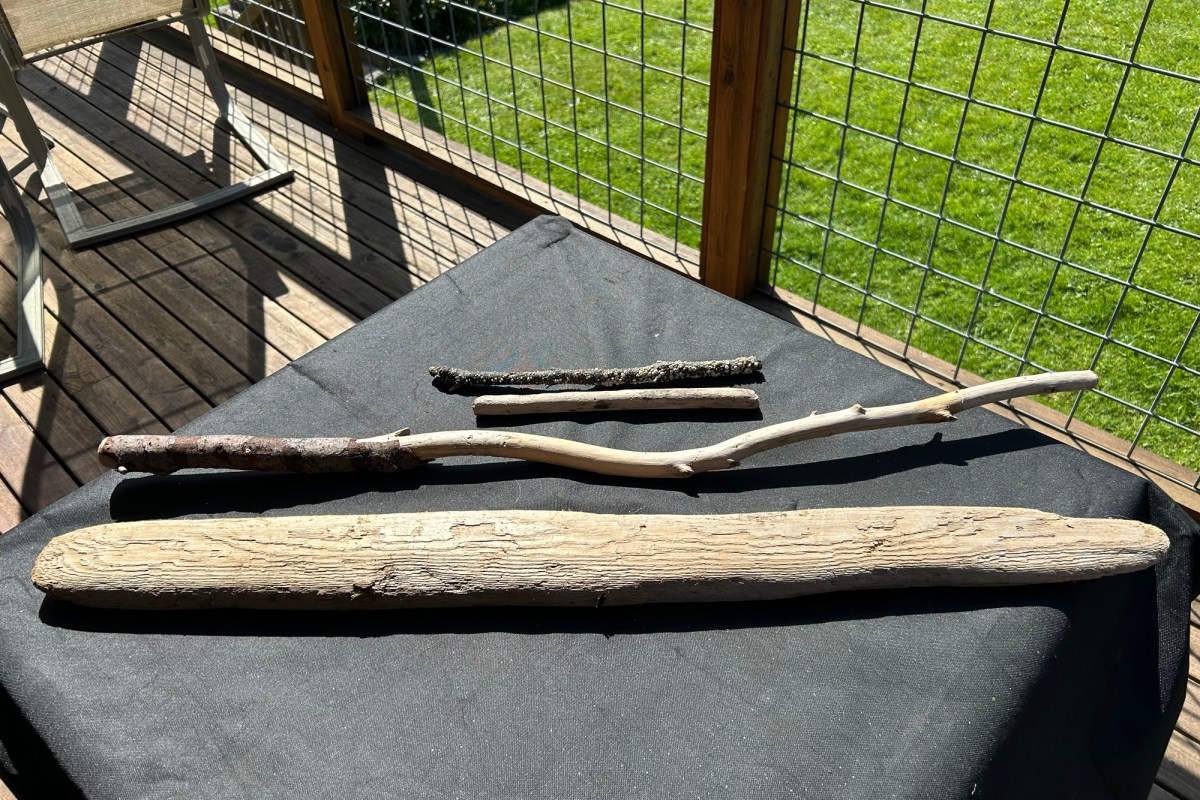
The back of our car has a section for interesting sticks, shells, and rocks because there’s something to love about each. One stick is one half covered with bark and the other half bare. Another is flat. And by contrast, Mr. D also really likes the one that’s perfectly round.

Miss O does the same thing. It used to be with rocks until she filled her pockets up so much that her shorts would sag. Now its tiny sea shells.

But I go along with it because I’m a sap for connecting to nature in all its beautiful variations.

In his book, Awe: The New Science of Everyday Wonder and How It Can Transform Your Life, UC Berkley professor of psychology Dacher Keltner writes about the goodness that comes from the awe we can experience in nature:

“In fact, it’s hard to imagine a single thing you can do that is better for your body and mind than finding awe outdoors. Doing so leads to the reduced likelihood of cardiovascular disease, respiratory disease, diabetes, depression, anxiety, and cancer.”
– Dacher Keltner in Awe: The New Science of Everyday Wonder and How it Can Transform Your Life

When put that way, I guess we’ll stick (pun intended) with the restorative time on the beach collecting little bits of nature that help remind us of the awe all around. It works for me!

(featured photo is mine of our latest collection of sticks)

You can find me on LinkedIn: https://www.linkedin.com/in/wynneleon/ and Instagram @wynneleon

I co-host a author, creator and storytelling podcast with the amazing Vicki Atkinson. To tune in, search for Sharing the Heart of the Matter on Spotify, Apple, Amazon Music or Pocketcasts (and subscribe) or click here. Or the YouTube channel features videos of our interviews. Please subscribe!
My other projects include work as a CEO (Chief Encouragement Officer), speaking about collaboration and AI through the Chicago Writer’s Association, and my book about my journey to find what fueled my dad’s indelible spark and twinkle can be found on Amazon: Finding My Father’s Faith.

Tent Associations

And into the forest I go, to lose my mind and find my soul.” – John Muir

When my daughter told my mom’s 83-year-old gentleman friend that we were going to camp out in the backyard this weekend, he turned to me and said, “After I got out of the army, I told myself I’d never spend another night in a tent.” It seemed like a reasonable vow for him.

My friend, Phil, who was the first American to climb the north side of Everest quips that bivouac is French for mistake. It isn’t – it’s derived from a French word that means “by guard” according to Merriam Webster but since Phil had to once bivouac high up on Everest, he’s earned the right to that joke.

My association with tents comes from the first time I spent an extended amount of time in them. It was 5-week trip through Ecuador I did in college with a group. We lugged the tents up there in our backpacks and then huddled in them to stave off the cold of the Andes. I remember one of my tentmates, Ted, retelling the entire movie of Dead Calm with no interruption since we had nothing else to do. Then we sweltered in the humidity of the Amazon jungle in tents where we squished ants and spiders and talked about our dreams of what we’d be when we were full-fledged adults. I can still replay my tentmate, Lisa, talking at length of how great an ice cube would feel sliding over her forehead. We’d take to our tents every afternoon on a beach near the Galapagos that had no shade and told stories about things we’d seen on the trip.

So for me, tents are not only a base for adventure but also a safe place to lie on your back and just listen. Listen to your tentmates, listen to the wind and the rain on the nylon, listen to your heart beat in a new place where nothing is familiar.  To me they smell like hard work, feel like closeness, look like a kaleidoscope view of the world outside them, taste like crappy food that you are just so grateful to be eating and sound like everything you can’t hear when you are too close to life as usual.

No wonder I’m excited about back yard camping with my little ones even though the ground feels a little harder than when I was young. It was hard to go to sleep with all the excitement and the steady rain on the tent and we only made it til 4:20am and the birds woke us up. And maybe they’ll need their own adventures before we’ll really know but I can’t wait to find out what they associate a tent with!

How about you – how do you feel about tents?

Photo of the Week: Jan 8th

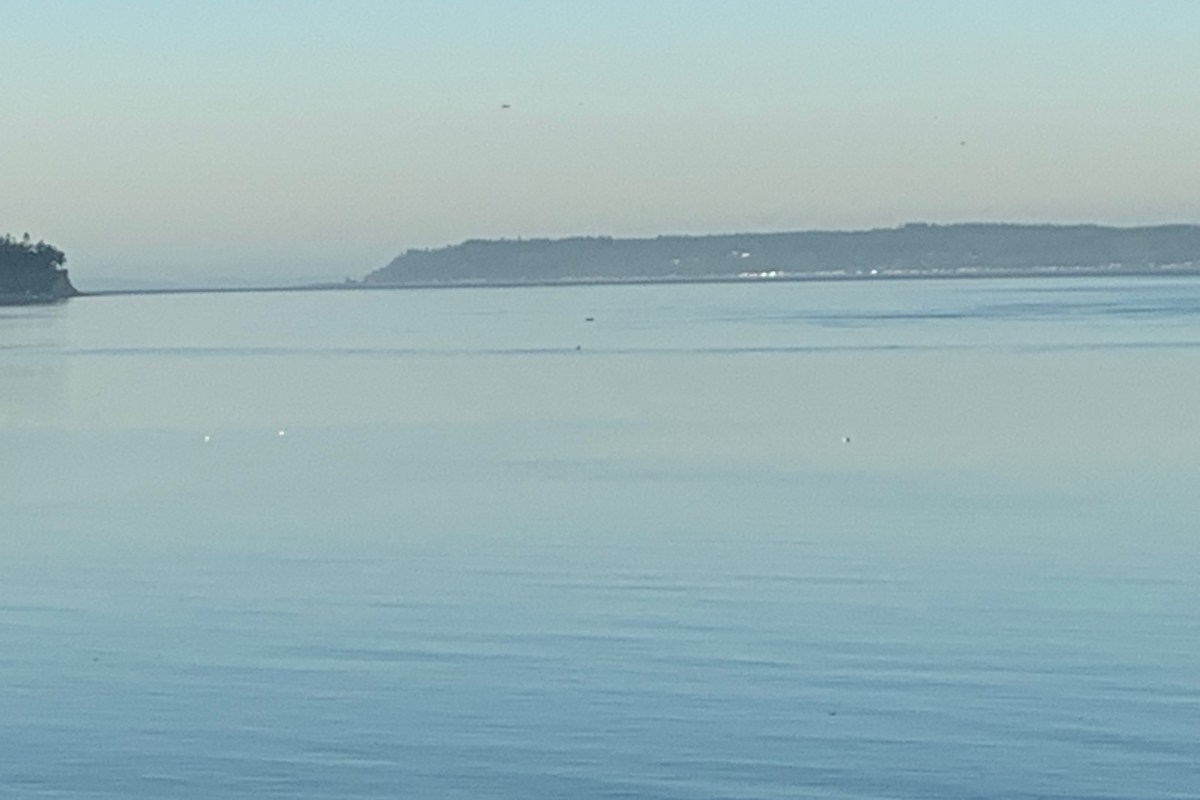
When I was writing the post on Silence for the Pointless Overthinking blog this week, I was reminded of an early morning six months ago when I was sitting on the porch of a cabin on Whidbey Island meditating and heard the sound of a whale exhale in the bay 150 yards or more away. In the calm of the morning quiet, that sound was so exhilarating and intimate. I hustled closer to get a better glimpse of the 3 whales in the bay and took this picture where you can see one tiny little Orca whale fin in the upper middle. But it was the ability to hear them in the quiet that was most gripping.

So I’ve chosen this picture of stillness and calm to post for this week to celebrate all the amazing things we can hear when we are quiet. And also because Seattle has been dark and rainy this week with no great views of much other than rainboots and umbrellas. 🙂