Healthspan

Aging is an extraordinary process where you become the person you should have always been.” – David Bowie

Listening to a recent Ten Percent Happier podcast, The Science of Longevity, with Dan Harris and his guest, Dr. Peter Attia introduced me to a new word: healthspan. Dr. Attia specializes in longevity and he was talking about his recently published book Outlive: The Science and the Art of Longevity

“There is this other component that if really I think push people will acknowledge is more important to them and that is healthspan. Which is harder to understand and define because it’s not binary but it’s an indication of quality of life. The medical definition of healthspan is the period of time from which you are free of disability and disease. I think some definition of healthspan needs to touch on physical robustness, cognitive robustness, and emotional resilience and health.”

Dr. Peter Attia, Ten Percent Happier Podcast

As I celebrate another birthday, this seems like a topic worth digging into. After all, when I grow up, I want to be just like our blogger friend, Julia Preston, who published a fantastic book at age 83, Voices: Who’s In Charge of the Committee in My Head?, and who regularly sprinkles this blogging community with delight, joy, and encouragement.

So how do we do it? Dr. Attia had five main areas: exercise, nutrition, sleep, pharmaceutical tools, and emotional health.

Exercise is the tool that turns out that it impacts lifespan (and healthspan) the most. The more exercise the better – he describes it as “the most potent longevity drug in our arsenal.” I found his breakdown on what we need to be very interesting – of the time we spend exercising, he gave the rough rule of thumb as half aerobic and half strength training. And of the aerobic half, 80% low intensity, 20% high intensity. For the strength half – 80% strength and 20% stability.

His comment on what we should do was more nebulous. It turns out that measuring our VO2 max is the best predictor of longevity, which matches what I remember when writing The Unified Theory of Breathing drawing from James Nestor’s book Breath. So the exercise we choose should ultimately improve our VO2 max because it is the best “predictor of length of life.”

Strength they measure by grip strength. Dr. Attia threw out this comparison: “If you compared the top 10% of grip strength to the bottom 10% – there is a 70% reduction in both incidence and mortality from dementia.” He followed that up with that it isn’t that they believe a strong grip protects the brain, but it works as an indicator.

The other bucket that really interested me was emotional health. Dr. Attia made the point that this one is different because it’s not age dependent but it affects the quality of life throughout. If we don’t have emotional health, we can make life more difficult for ourselves and those around us. Which makes me think of one of my favorite Oscar Wilde quotes, “Some cause happiness wherever they go; others whenever they go.

For me, my emotional health toolkit contains faith, meditation, writing, and love. When I start the day with meditation, faith, and writing, I have a better chance of facing the challenges of the day with openness and less worry. These tools help me put down the stuff I don’t need to carry and keep so that I can face the day, and my loved ones, with open arms.

Growing up with two parents who made emotional health look easy, I didn’t develop my toolkit until life tossed me around a bit. I thought enthusiasm and optimism could cover everything over. Maybe we all have maladaptive ways of doing things we have to relearn but don’t have the opportunity until life gives us something to practice. It makes me think of all the tools I carried when climbing to help in the case of falling into a crevasse or needing to rescue someone else. Thank goodness I never had to use them – because all I knew was the theory of what I should do, not the adrenaline packed reality of facing the tough situations.

But now that I’ve had plenty of opportunities to find out just how important emotional health is in the quality of life, I’ve found that doing my work, just like exercise, truly makes such a difference. There might not be the statistics to compare what happens when we do or do not do our work as it relates to emotional health, but I know for me, it is the key to enjoying each day that I’m lucky enough to walk on this green earth. And for each of these days I have in my life span, I’m so grateful. So thank you all for being part of my tool kit!

Speaking of someone who has done her work, I was lucky enough to have a wonderful podcast conversation with Vicki Atkinson about her book, Surviving Sue. As we talked through the themes in the book, she told me about doing the work to turn her well-deserved anger at her mother into compassion and positive regard. Episode 22: Themes in Surviving Sue with Vicki Atkinson

It’s a great episode, please give it a listen and subscribe! Search for Sharing the Heart of the Matter on Apple Podcasts, Amazon Music, Spotify, or PocketCasts or click on the link above.

The Top 5 Report

The guides who accompany the great expeditions in Kilimanjaro, one of the highest mountains in the world, use a Swahili expression to comfort fatigued walkers: ‘Polé, polé’, which means ‘slowly, slowly, one step at a time’.” – Cristiana Branchini

When I first started my own computer consulting business, I had a project that required a software developer. Since I don’t write code, I hired a smart friend of mine to do that piece of the project. He was delightfully full of ideas and capable, but getting things done on time wasn’t his strong point, and he was also a little lax on attention to detail.

One of the reports we had to deliver to the client was a Top 5 report. It was supposed to pull the top 5 results based in descending order from a database. Some requirements can be hard to define but this wasn’t one of them – the name of the report said it all.

When the day came for me to show the client our work, my developer friend was still working on it. I left to drive to the meeting and he assured me that it would be fine by the time I got there.

I pulled up the screen to show the client and the top 5 report returned 13 results. <groan> And then the client and I burst into laughter.

I thought of this particular project fail the other day when I was trying to prioritize what needed to get done. My top 5 list was returning 13 results:

  1. Meditate
  2. Be present to play with and listen to the kids
  3. Get my billable work done
  4. Write and podcast to ensure I’m focusing on the right things in life
  5. Exercise
  6. Sleep
  7. Cook healthy meals
  8. Take care of the cat
  9. Make meaningful connections with friends and family
  10. Plan the kids’ activities so they make meaningful connections with friends and family
  11. Laundry
  12. Hygiene/Cleaning/De-cluttering
  13. House maintenance, gardening, and mowing the lawn

Okay, so not all of those things need to be done every day. But most days require at least 1-8. I know you are worried that hygiene is item 12 but I promise I’m getting that done, more or less.

When I told the developer that 13 results were showing up, he said, “Maybe some have exactly the same value so it’s showing additional entries.” No, that wasn’t it. But maybe it’s a clue to the thing I need to work out now in life. Not everything has the same value so in the juggling of priorities, I can stay focused on what truly has the highest importance. The interesting thing about putting meditation at the top of the list is that it helps me stay centered for whatever else needs to be done.

And I just need to laugh. Whoever promised that life would fit in a box? Or a report?

It’s fitting that I’m posting this on the day that the Sharing the Heart of the Matter podcast Episode 20: The Art of the Interview with Dr. Gerald Stein goes live. In the discussion, that Vicki and I have with the illustrious Dr. Stein, he tells an incredibly poignant story about a man who’s brush with death at an early age made him realize that life is a lagniappe.

I wasn’t familiar with that word – it’s French/Creole for something extra. If you buy 12 rolls, the baker throws in another. A lagniappe. Kind of a cute tie in to my Top 13 items. Perhaps I should just consider it all “something extra” that at least I get to try to live this delightful life with its many priorities.

It’s a great episode, please give it a listen and subscribe! Search for Sharing the Heart of the Matter on Apple Podcasts, Amazon Music, Spotify, or PocketCasts or click on the link above.

The quote at the top of the post from blogger Cristiana Branchini is from her post Cultivating Trust in Life

(featured photo from Pexels)

The Return Trip

You must understand that there is more than one path to the top of the mountain.” – Miyamoto Musashi

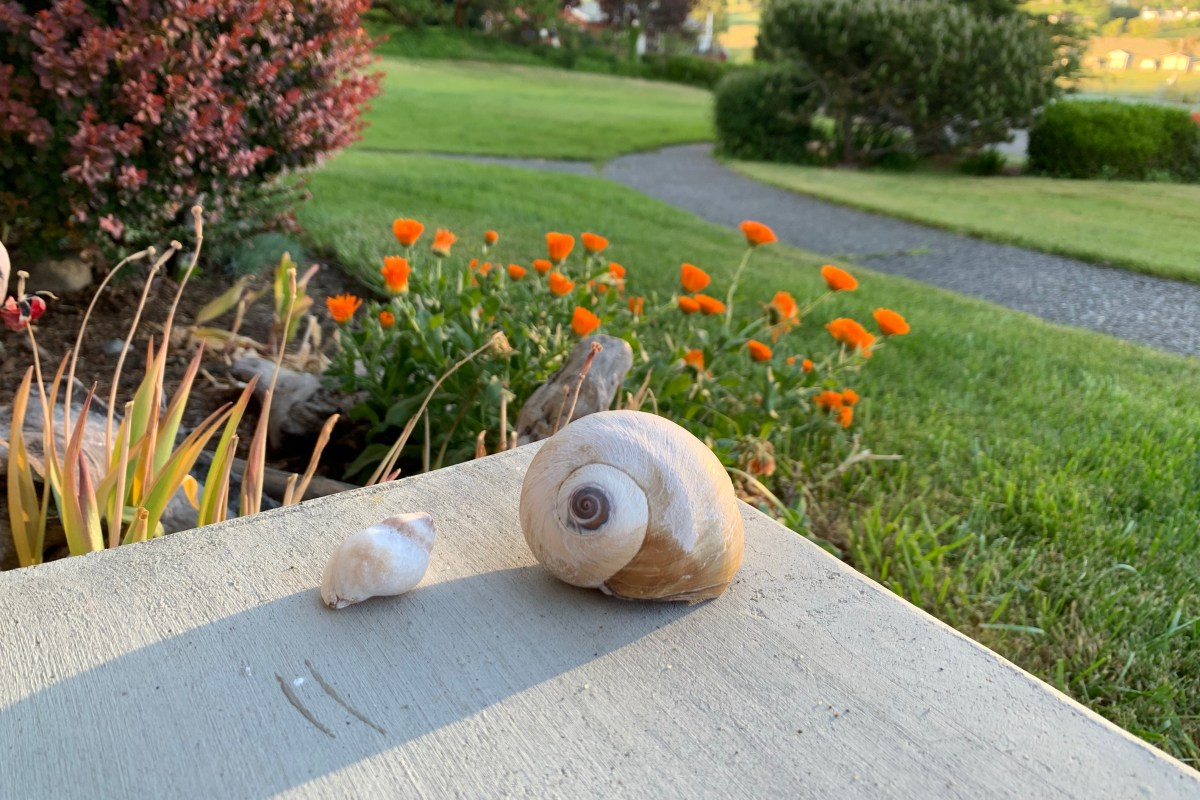
I was walking on the beach right at twilight on the first night on my mini vacation on Whidbey Island. I walked past a shell and went about five paces before I registered that I wanted to pick it up. I turned around to look for it and couldn’t find it – the tide line looked completely different.

It reminded me of a lesson I learned climbing Mt. Ixtaccihuatl in Mexico. My guide friend, Phil, brought along a roll of crepe paper – lightweight, colorful, and paper, not plastic. At every decision point, Phil tied a small bit of crepe paper to a tree branch or stick.

When I asked for more detail about route-finding, Phil told me that when we make the choices about which fork to take and think we’ll remember, we often forget to turn around and look at what it will look like coming back. He pointed out that the light, the contrast with the surroundings, the angle, it all looks different on the return. What we think is memorable going one way looks completely different when we turn around.

This rings true for me in life as well. The choices I’ve made on the route I’ve taken through life – the scary, vulnerable, or leap-of-faith ones – they look different when I look back at them. Sometimes the return view has me asking why it took me so long while other times I just want to get on my knees and pray in gratitude that I choose the way I did.

The past few months I’ve been struggling with charging my iPhone. Every time I went to charge the phone, I’d have to fiddle with it for upwards of five minutes to get the plug in just right so that it could charge. Then I’d carefully pin the cord in its position with a book so that nothing would move. Then when it was charging, I’d try not to use it, or if I ABSOLUTELY had to, touch it so tenderly as not to disturb any part of the delicate configuration.

Finally this past week, I couldn’t get the cord in to charge it at all. In the middle of my workday, I just had to suck it up and go to the Apple store. It took about 20 minutes of waiting but the helpful tech dug out a small particle jammed in the charging port and now it takes all of 5 seconds to get the plug in. During the time I waited, I realized that I’d avoided doing it not only because it was time that I felt I didn’t have but also because I was scared the news would be that I had to buy a new phone.

Yes, things look different on the return trip. It something that I’m reminded of when I’m deciding something – that there’s another perspective I can’t even see yet, but as soon as I decide and move on, I’ll get the benefit of looking back. Knowing that helps me to keep fluid.

Like when I went back to find the shell, it took me some time to get adjusted to the new perspective, but I eventually found it.

This is a sister post to A Brief Interlude Provided by Nature on the Heart of the Matter blog.

The Art of Packing

Strip away the non-essential, and the essential will reveal itself.” – Tao Te Ching

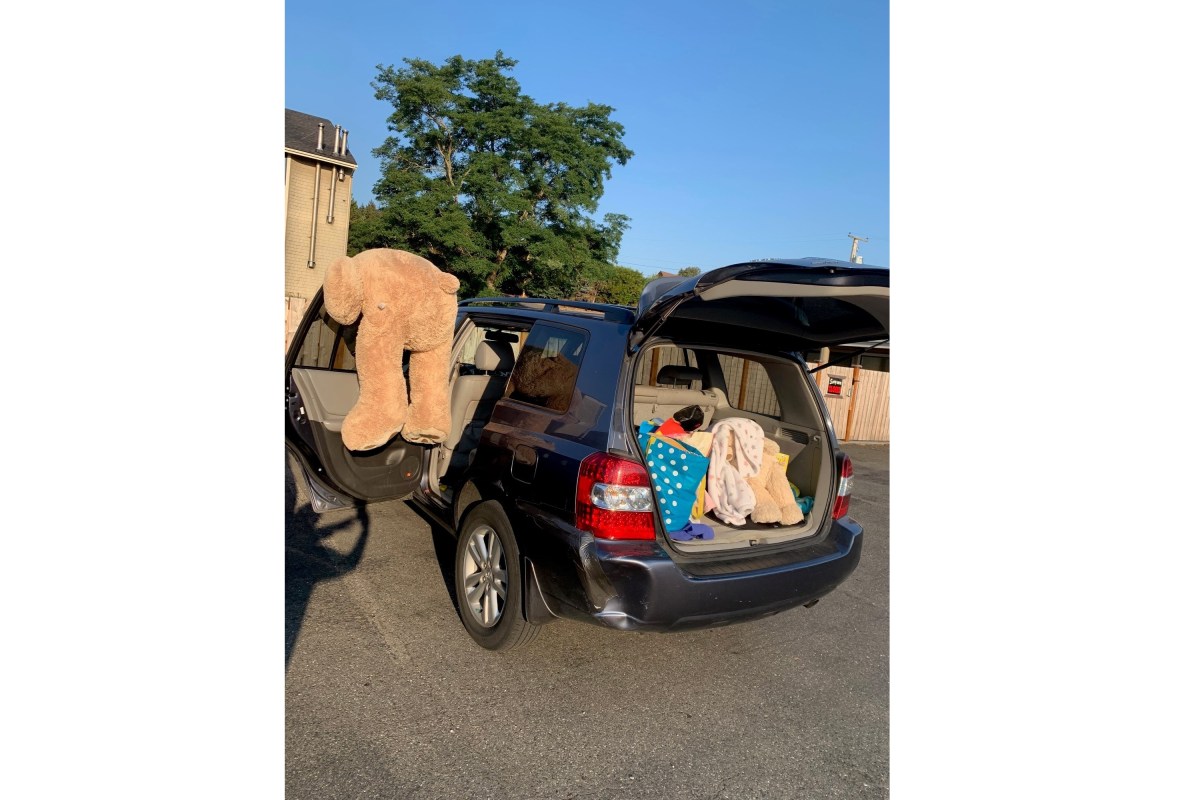
Mr. D has been really excited about vacation, or as he says it “bacation.” For several days now he’s been piling rocks into the car for us to take TO the beach. He tells me, “This is a rock for vacation water.” Also, in his suitcase – two pairs of pjs, a robe, three books, and a toy boat.

What’s not in his suitcase? Undies, socks, or shoes. But hey, he’s only three-years-old.

Miss O at seven-years-old is a little more practical. She’s got her toiletries, two pairs of pajamas, some skorts and tank tops, her iPad, and a lot of room for stuffies.

Also, no undies, socks, or shoes.

Packing fascinates me. Mostly because it can be so illuminating to see what’s top of the list. Like on mine is a scrub brush for dishes because we’ve rented this AirBnB before and they have no tools for scrubbing dishes. Also, undies and socks because last time I was so focused on packing those for everyone else that I forgot my own.

Isn’t that terribly utilitarian? What about remembering to not bring my busy-ness? And speaking of things to leave at home: my penchant for schedules, the belief that I have to get everything done on my to-do list, and my expectation that I’ll time while on vacation to catch up on some emails I missed. Instead, I can have room to bring an expanded sense of wonder.

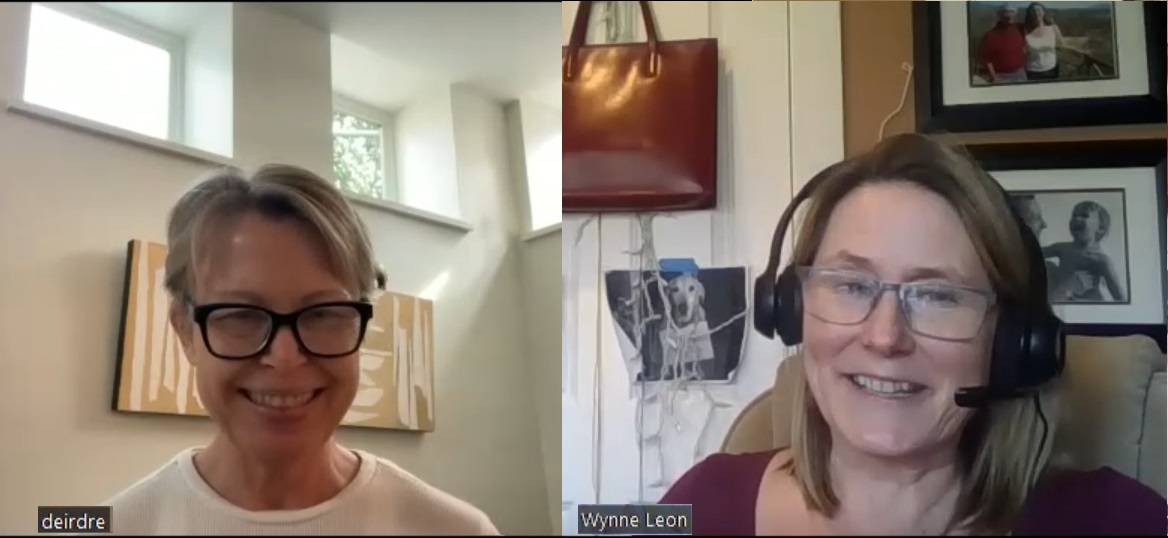
My inspiration for this is from one of my favorite meditations from my meditation teacher, Deirdre. With our eyes closed, she leads us through feeling the pack on our backs as we hike down a trail. We feel the breeze tickle across our skin, the sun peak through the trees to create occasional warm patches as we glide along the path. But then, when we are a couple of minutes in, we realize that the pack on our backs feels heavier than the water and snack we put in there for the trip.

Deirdre offers us the opportunity to sit down and unpack what we don’t need. For me that is when I get a good look at the things I carry along without thinking about it: the worries, the hidden expectations, the weight of past failures, the anxiety about where I’m going in the big picture. Then, as I repack my backpack, I can decide which one of those things, if any, are worth bringing along.

To me it’s an exercise of intention. It’s okay if I want to bring along whatever agenda I have for a vacation as long as I’m doing it purposefully. As soon as I say that, I know that I don’t want to. As much as I gently tease my kids for what they don’t bring along, it also reminds me that they might have the right spirit.

When I was coordinating with my friend, Eric, when we should meet up to leave for “bacation,” he offered we better meet earlier. Because after hearing what Mr. D was packing to bring to the beach, he quipped it might take him some time to get his driftwood in the car…

Flipping the Script So We’re Not Parked In Our Small Spaces

The more spacious and larger our fundamental nature, the more bearable the pains in living.” – Wayne Muller

The headlines from the news this week included a 6-year-old and her parents getting shot after a ball rolled into someone else’s yard, a cheerleader shot after realizing she had gone to the wrong car in a parking lot and trying to apologize, a teenager shot after pulling into the wrong driveway, another teenager (thankfully) healing after being shot when he went to the wrong address to pick up his siblings, a passenger on an airplane losing his cool over a crying baby.

Holy smokes – it just sounds like everyone is sitting a state of pain and fear just waiting to be lit up like a powder keg! That list makes me think of what happens when we get “parked in our small space” as my meditation teacher, Deirdre, describes. The state of being when everything and anything triggers us because we are already highly activated.

It goes without saying that most of us don’t react in any of the ways listed in the stories above. But I’ll speak personally to say that even when I keep my mouth shut and don’t show a surface reaction, being parked in my small space feels awful as I mutter obscenities in my head.

As opposed to when I’m feeling expansive and not only can I absorb the indignities of living but also I can even sometimes sit with others in their pain to help regulate their load. The small space/expansive state reminds me of a great story from the Book of Awakening by Mark Nepo:

“An aging Hindu master grew tired of his apprentice complaining, and so, one morning, sent him for some salt. When the apprentice returned, the master instructed the unhappy young man to put a handful of salt in a glass of water and then to drink it.

‘How does it taste?’ the master asked.

‘Bitter,’ spit the apprentice.

The master chuckled and then asked the young man to take the handful of salt and put it in the lake. The two walked in silence to the nearby lake, and once the apprentice swirled his handful of salt in the water, the old man said, ‘Now drink from the lake.’

As the water dripped down the young man’s chin, the master asked, ‘How does it taste?’

‘Fresh,’ remarked the apprentice.

‘Do you taste the salt?’ asked the master.

‘No,’ said the young man.

At this the master sat beside this serious young man who so reminded him of himself and took his hands, offering, ‘The pain of life is pure salt; no more, no less. The amount of pain in life remains the same, exactly the same. But the amount of bitterness we taste depends on the container we put the pain in. So when you are in pain, the only thing you can do is to enlarge your sense of things…Stop being a glass. Become a lake.'”

The Book of Awakening by Mark Nepo

When we flip our script and access our big space, everything seems less bitter. And we might even be able to help others flip their scripts as well. Or at the very least, not make it worse.

In the latest episode of Sharing the Heart of the Matter podcast, I talk with my meditation teacher, Deirdre, about how to flip the script on small spaces so that we can thrive in the big spaces of empowerment. We also dig into holding space – how to sit with others in their pain and discomfort. We talk about breathing – inspired by Patti’s comment on the last podcast and her suggestion of the song “Breathe” by Anna Nalik.

If you need an antidote from the news, or just even want the calm balm of Deirdre’s voice and wisdom, I know you’ll love this episode.

Search (and subscribe!) for Sharing the Heart of the Matter on Apple, Amazon, Spotify or Pocket Casts or click here to listen to the podcast on Anchor: Episode 14: Holding Space with Deirdre Wilcox

And here are the show notes on the Heart of the Matter site: Episode 14 show notes

Just Beyond the Veil

Death is just a door that only love can come and go through.” T.L. Moffitt

Last week when I was walking in to Costco, the man in front of me turned and for an instant I was sure it was my dad. Next to me, Miss O was startled by the unexpected break in my fast stride and turned to look at me. I put my hand on my heart and said, “that man looks just like Bumpa.” Wide-eyed, she nodded – she’s only seen pictures but she recognized him too.

Then later last week, I was doing a technical training at the church that my dad used to be senior pastor of and was surprised by someone in the audience who asked me to say a few words about him. It wasn’t my prepared topic but since my dad is one of my favorite subjects, it was fairly easy to ramble on about him as a few errant tears rolled down my cheek.

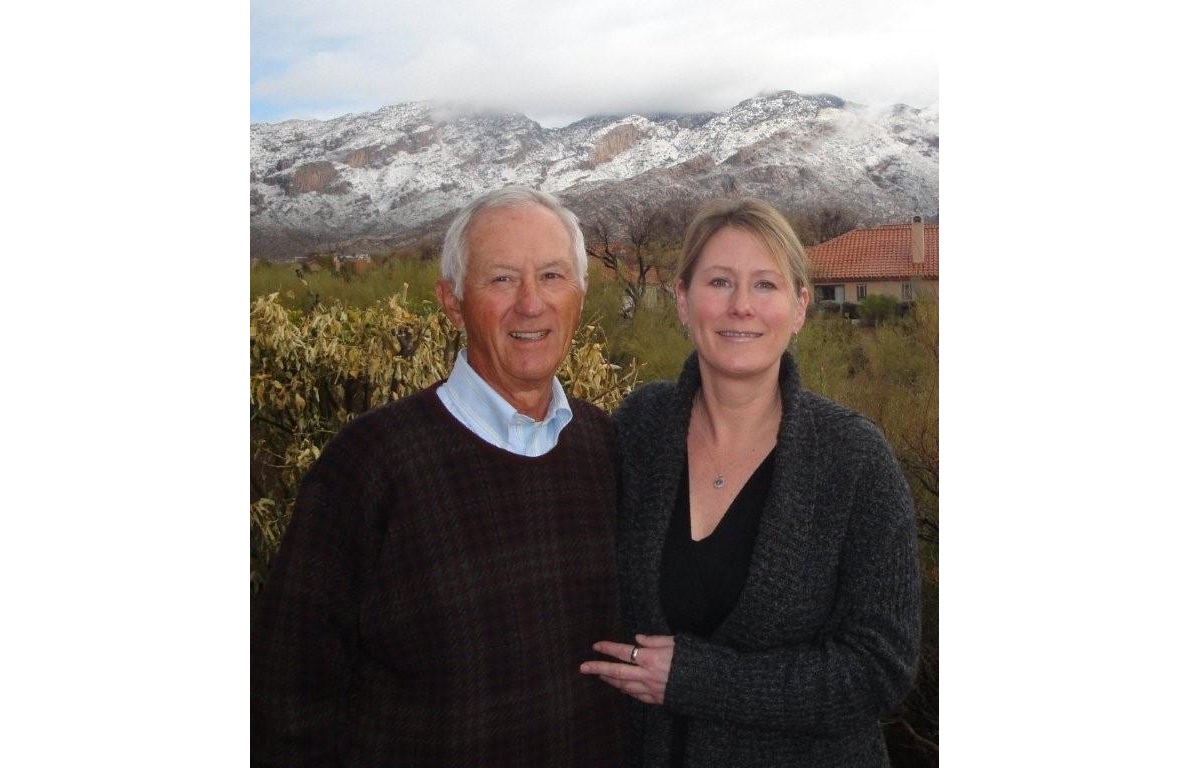
All of this to say, my dad feels very near in recent days. He would talk about this phenomenon as someone being “just beyond the veil.” The way I’ve come to see it, I don’t exactly where he is but somehow he comes near, and then I feel the brush of his touch.

I know I’m not alone in this as I’ve heard so many great stories that give me that spine tingle of mystical knowing. Someone who picks up their voice mail and there’s an old message from a departed loved one. Or someone thinking of their loved one who has passed, and they cross paths with their loved one’s favorite animal in a completely unexpected place. Or a gift that arrives just after praying to our dearly departeds for help.

Why do I think my dad is near right now? He didn’t often tell me what to do when he was alive so I doubt he’s doing it now. I think he’s sending his love — a love that’s even more meaningful to me because we did the work to make our relationship closer in the years before his death. So that even though he died unexpectedly, he still left me with words that mean so much to me. That is what my post on W&S is this morning: Writing Last Lines That Count

(Featured photo is from my book about my dear dad, Finding My Father’s Faith.)

Catalysts for Change

“Life is a series of natural and spontaneous changes. Don’t resist them; that only creates sorrow. Let reality be reality. Let things flow naturally forward in whatever way they like.” – Lao Tzu

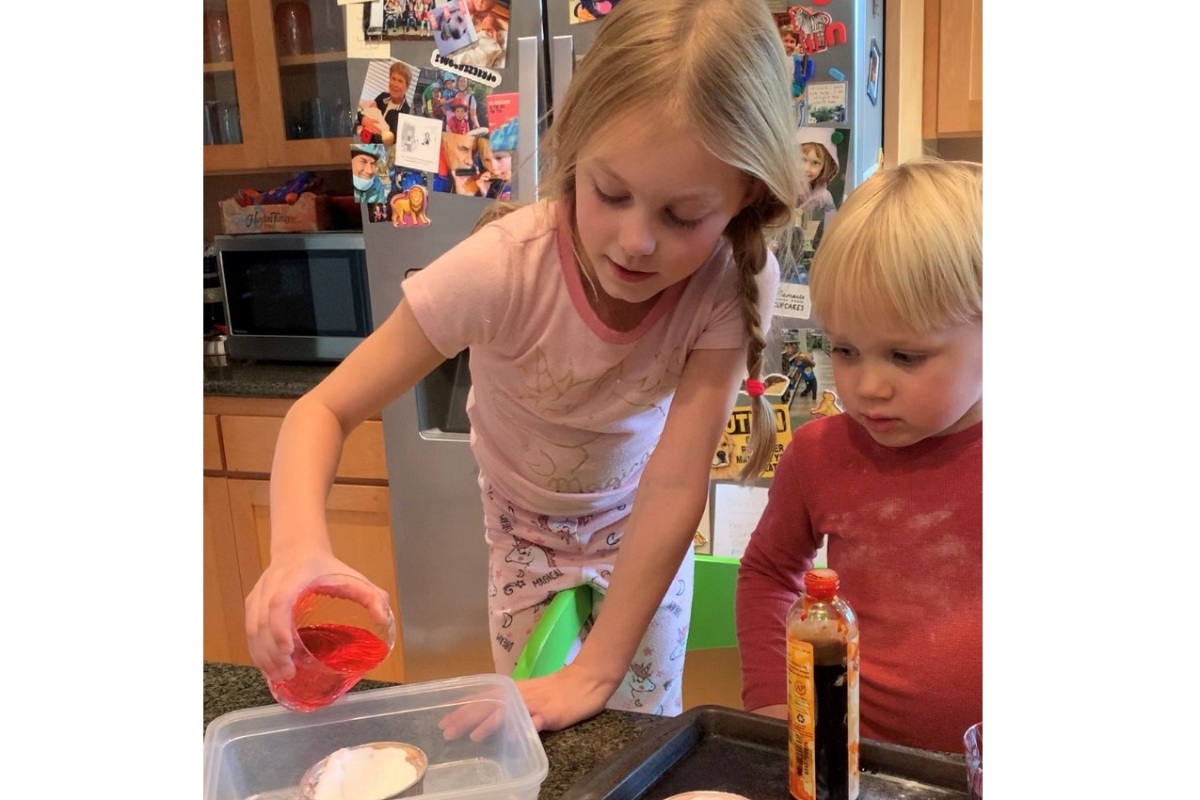
I like to joke that any day that I have my kids yelling “run for your lives” by noon is a fun one. My most consistent tool in the bag is having them make baking soda “volcanoes” and then pour vinegar over the top to start the “lava.” Then we yell “run for your lives” and laugh ourselves silly.

I’ve been thinking about catalysts lately. Was the baking soda (Sodium Bicarbonate with a formula of NaHCO3) looking to be changed? Did the vinegar (formula CH 3 COOH) want to catalyze a reaction?  (By the way, I looked up why the reaction happens. According to Stem Mayhem, it is a very common acid-base reaction. The reaction releases carbon dioxide which bubbles up as gas.)

When I did my podcast with my meditation teacher, Deirdre, last week, she talked about transformation as exactly what we need to live our best lives – a process of continued growth into our best selves. In my experience, we aren’t left to do this all by ourselves. Often people (or things) show up to catalyze the change, walk us to the threshold of what we need to learn next, or maybe even join in as we yell “run for your lives.” It’s the topic of my Wise & Shine post this week: Guides for Transformation

Practicing Abundance

Plant seeds of happiness, hope, success, and love; it will all come back to you in abundance. This is the law of nature.” – Steve Maraboli

When I was in college, I was in a sorority with a lot of young women from well-off families. This wasn’t a stated objective in the recruiting process, as evidenced by the fact that I got in, but probably the result of legacy and connections. If some of my friends asked their parents for money, they’d come back to find $100 bills in their mail slot. They drove new cars – like beautiful convertibles – and they didn’t even have to share them with their siblings.

I was envious of their money. It seemed like they had it so much easier to me.

Thankfully, I’ve gotten over my envy of money. And not because I drive a brand-new car or have piles of $100 bills lying around.

It’s because I’ve moved on to being envious of people with time. I read something the other day about someone who had time to sit in their garden for a half hour and listen to the birds. I loved it except for the envy hangover I got. And my friend, Eric, has been off for the past three weeks driving through Joshua Tree and connecting with friends to do long-distance bike rides down the California Coast. Oh, how I long to have the time for a lengthy workout free of worry of whether it’ll make me too tired to be a good parent.

I’ve already given up cooking anything complicated, doing the dishes, and folding the laundry so what else am I to do?

I can rationalize away my lack of time – justify that I had oodles of time in my 30’s and 40’s when others were raising their kids. But it doesn’t help. Here’s the only cure I’ve found: practicing abundance.

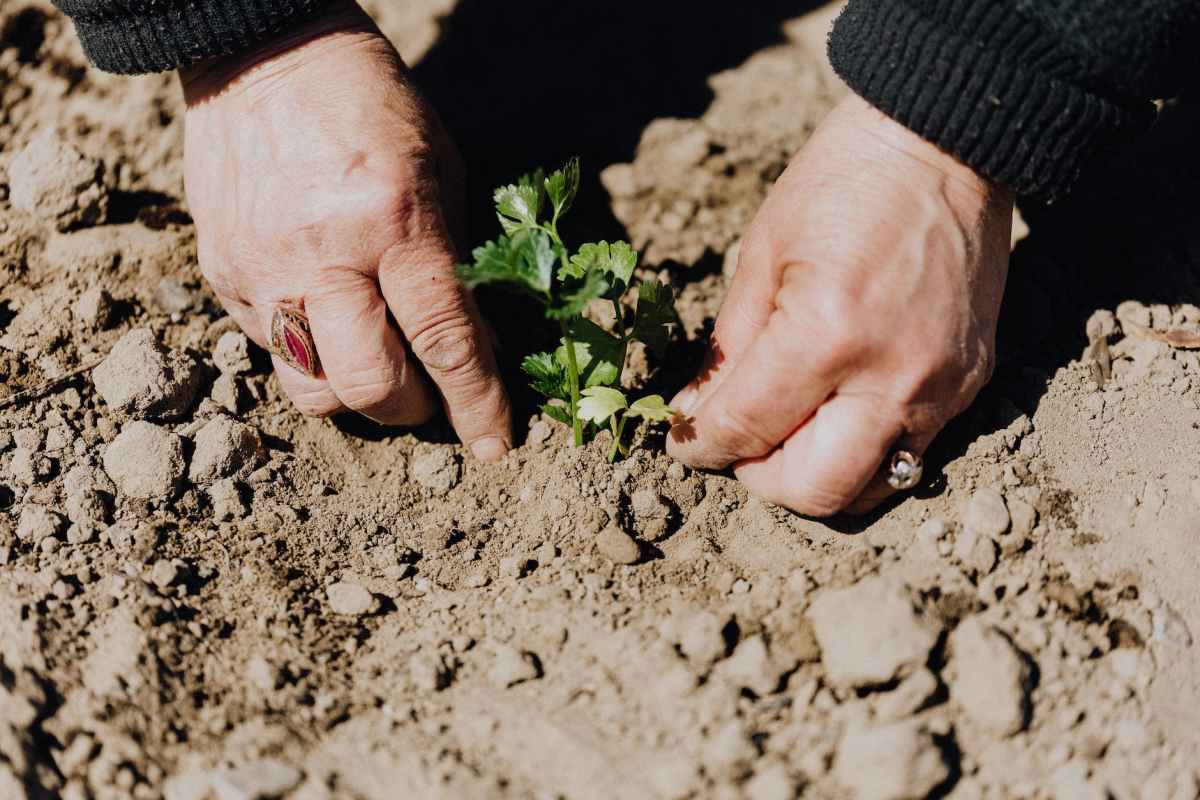
If I can stop looking for a day to do yard work, I open to the possibility of doing it for fifteen minutes and getting some dirt therapy. Especially this time of year when I find it so cathartic to dig out what’s dead to make room for new growth, I get so much benefit when to keep my head down and only focus on the little patch in front of me. When I do, the same healing that comes from digging in to feel our roots arises. I can make a big difference in a small place.

I’d love to have many moments to string together to have lunch with a friend. Sometimes the pressure of knowing I can’t do this with ALL my friends keeps me from reaching out to ANY of my friends. Ridiculous, I know. When I do schedule something with a dear friend, I try to tack an extra 15 minutes on the end. It’s a cushion that rarely matters to the rest of my schedule and helps me feel the luxury of really being there.  

While I rarely feel the burn of a great workout, I’m often sore so it reminds me that I am always doing something. It might not be a lengthy workout that goes from cardio, strength training, and then a little fun interval at the end, but I have plenty of opportunities to exercise something other than my patience. When I’m on the floor playing, I can be intentional about getting up off the floor without pushing off anything. And I can repeat the exercise a few times to get the extra burn. If I’m out walking with young bike riders, I can run along a little bit too. It’s reminding myself to be conscious of the little steps I’m already doing that seems to make a difference.

My abundance practice is not perfect – but as my meditation teacher, Deirdre, says – that’s it’s called a practice, not a perfect. It’s these little things I learn that keep me from moving on to being envious of youth. Because I wouldn’t give up these pearls of wisdom that I’ve picked up along the way to go back.

(featured photo on Pexels)

Speaking of abundance, I’m grateful for all the places that I have to post and interact. This morning, I’ve also published a complementary piece on the Heart of the Matter blog: The Subtle Shaping of Our Brains

Open the Doors, Let It Flow

Deep breathing is our nervous system’s love language.” – Dr. Lauren Fogel Mersy

There aren’t that many hot days in Seattle – maybe 10 or 12 a year so like most Seattleites, I don’t have air conditioning. When the days are hot, I close the blinds and try to open the outside doors early in the morning to let the cool morning air in.

But inevitably, there will be a room with a closed door like the laundry room that I’ll walk into after a few hot days in a row, and just get blasted by hot, fetid air.

When I first started meditating, it felt like I was doing the work to open up and cool off all those rooms inside myself that I’d closed down. It was like breathing through the airing of grief – and I had some big ones.

I had gotten divorced but because my marriage had imploded in this spectacular drama when my business partner told me of my husband’s infidelities, I hadn’t ever owned that I had wanted out of that marriage. I was far more comfortable having it all be my ex’s fault – comfortable but not honest.

When I was 18-years-old and came to study (well, that’s what we called it at least) at the University of Washington, I ran into a group of Scientologists trying to recruit new converts one afternoon. The guy who’d stopped me said, “What about yourself do you not want anyone to know?”

Miraculously, I’d gotten to 18 without having anything in that category – or so I thought. But as I got more years under my belt, I tried to maintain that same easy-breezy exterior by hiding anything that didn’t match with that persona. I was ambitious. I almost failed religious studies in college because I never went to class and it was just an elective, but I was a minister’s daughter. I drank a bottle of wine every day. I smoked when I drank. I still bore wounds from my mean older sister growing up.

Meditation changed my life when I started airing out those rooms. I was able to let go of all the energy I was using to keep those doors shut. I no longer felt the heat coming from those rooms affecting the rest of my “house.” The secrets that I thought were so explosive turned out to be way more manageable and easier to change or heal when they weren’t hidden away.

And meditation helps me maintain that baseline level of cool. Like this morning when I sat down on the meditation cushion, felt a cut on my index finger, and I thought about myself “that was stupid.” I had no idea I was still stuck on the fact that I’d taken a band-aid off my finger yesterday and then accidentally re-opened the cut when I washed and dried my hands. Such a simple thing and I was still kicking myself 12 hours later.

Open the doors, let it flow. Like with the body, it is so much easier for me to react calmly to life when I’m not over-heated. Meditation as the air conditioning for the soul.

So I’m thrilled that I was able to do a podcast with my meditation teacher, Deirdre Wilcox. Deirdre introduced me to meditation more than 10 years ago and is my go-to person for helping me air out my hot pockets. Please listen to this wonderful woman with wisdom – I believe you will walk away from it just a little bit breezier as well.

Search for Sharing the Heart of the Matter on Apple, Amazon, Spotify or Pocket Casts or click here to listen to Episode 10: The Power of Intuition with Deirdre Wilcox on Anchor.

Then I hope you’ll leave any comments you have on the show notes page on Heart of the Matter.

(featured photo from Pexels)

Preparing to Meet

My heart laughs with joy, because I am in your presence.” – Chitmachas Chief

How do you prepare to talk with someone that you have great admiration and respect for? I once read a discussion of this question. It’s an interesting one, isn’t it? It combines the need to be courageous along with the ability to master your anxiety.

I recently wrote a quick recap of the moment that my kids and I came face to face with grammy-winner Macklemore and his kids. Did I say anything to him? Nope.

Along those lines, I can think of the time when I was in my 20’s and I got onto an elevator and it was just Bill Gates and me. All I did was squeak out a high-pitch, “Hi.” Wow – that’s profound… <eye roll>

Podcasting with fellow bloggers, creatives, and writers has given me a new opportunity to practice the skill of meeting people I admire, even if it’s just over a video call. Of course, I prepare by reading as much as I can and also writing out discussion prompts.

But it’s the quelling of the nerves that is most interesting to me. I’ve found if I can quiet the noise, it allows me to access a deeper kind of question that arises out of curiosity instead of judgment (of myself). Unsurprisingly, my go-to method is meditation. It allows me the practice of quieting my ego before stepping in to a shared conversation with another human. Sometimes, it evens allows me to listen to my intuition.

And the answer I read about to this question was in Mark Nepo’s Book of Awakening. Here’s Mark’s answer:

“’If I only have this time on Earth with this person, if I may never see them again, what is it I want or need to ask, to know? What is it I want or need to say?’”

Mark Nepo in The Book of Awakening

On that note, Vicki and I talked with blogger, film-maker, producer, director and overall story-teller, Mitch Teemley on the episode of the Sharing the Heart of the Matter podcast released today.

I hope you’ll to listen to this podcast so you can be inspired by this wonderful man. Search for Sharing the Heart of the Matter on Apple, Amazon, Spotify or Pocket Casts or click here to listen to Episode 9: The Audacity to Believe with Mitch Teemley on Anchor.

Show notes and more links for Mitch Teemley plus a space to share the take-away gems that you glean are on the Heart of the Matter: Episode 9.

(featured photo from Pexels)