Let’s Not Be Grabby

Be kind whenever possible. It is always possible.” – Dalai Lama

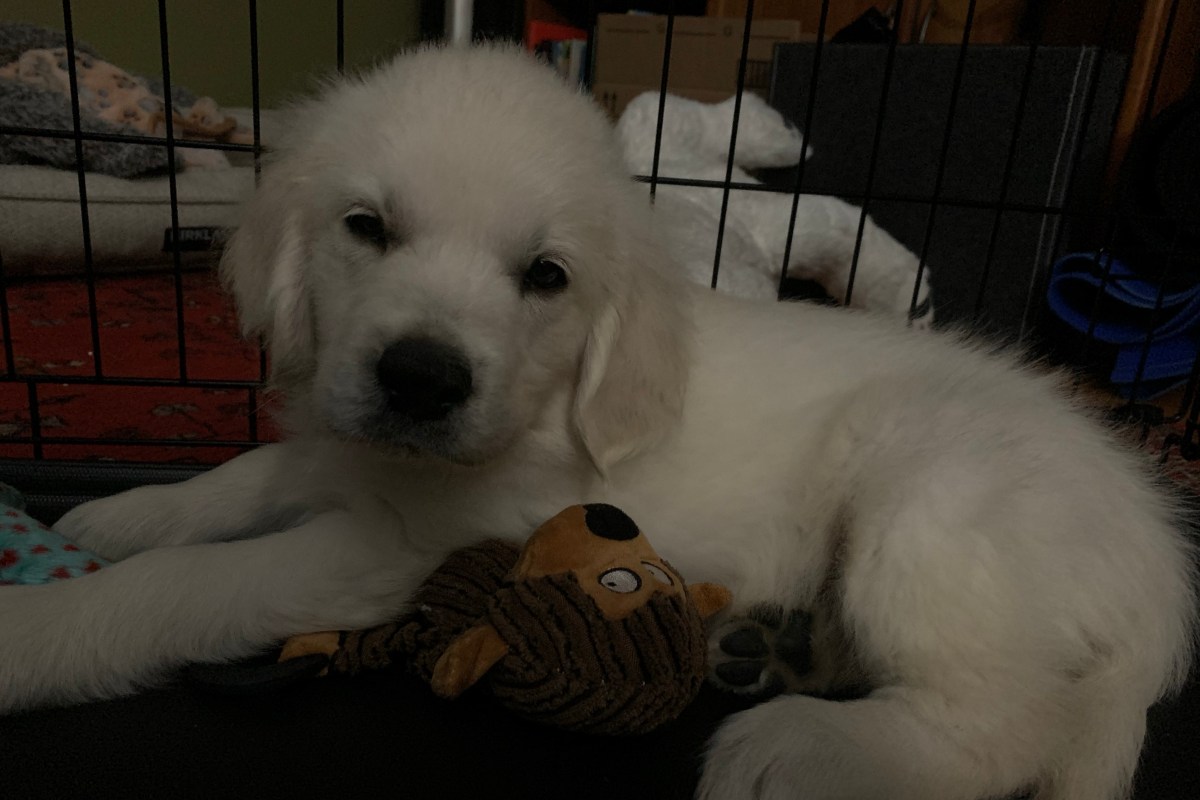
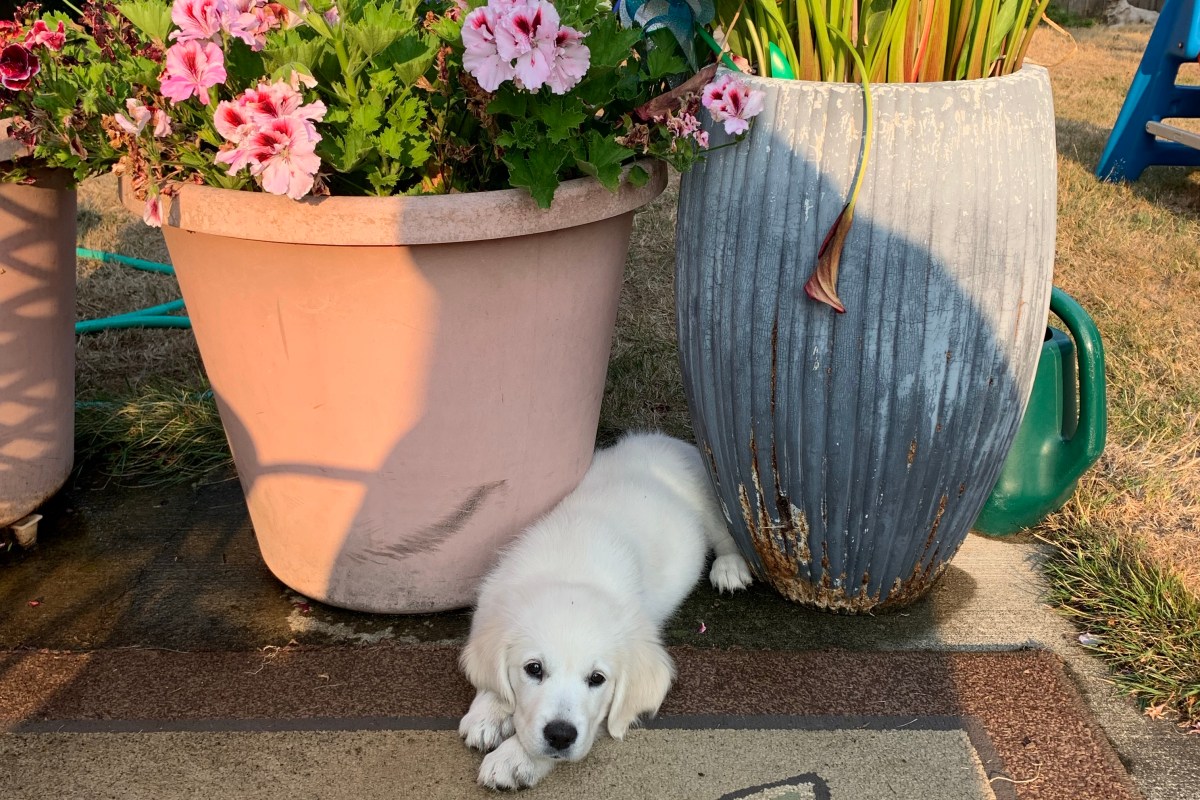
The other evening, I was out walking with my little family. We’d managed to get our puppy Cooper to walk a whole block in a semi-efficient fashion before we ran into some friends and it became a puppy love fest. Then more friends pulled up in their car and the whole family piled out after a three week road trip, with that day being a seven-hour stretch. Their three kids got into the puppy/kid mix and it was an excited muddle of energy.

Amidst all the noise and excitement, I heard Miss O trying to help the 6-year-old neighbor girl get the juggling balls from the girl’s older brother.  Miss O advised the girl, “If you ask nicely, maybe he’ll just give them to you.”

This thing is something we’ve worked on again and again in my family – the practice to ask for something from someone else instead of just trying to grab it or take it because you fear they are going to say “no.”

Watching my kids has made me connect with how strong an impulse it is to just take something. The way I experience it, it’s an incredibly powerful fear that if you ask that you’ll just get turned down so it’ll be better to craft another way by force or trickery to get what you want. Is it the beginning of vulnerability?

When I was telling Miss O and Mr. D stories at bedtime the other night, I told them the story of when I was in preschool and found some brand-new erasers in a box. They were absolutely beautiful – never used and had the alphabet on them. I wanted them so badly, so I filled my pockets with them. And then to create a back story, I dropped the erasers on the way home from school and pretended to find them. Yep, my mom didn’t buy it, and I had to give them back.

 But I feel it even now when I’m working with others. I’m inclined to forge a path that doesn’t involve having to ask someone else, mostly because of impatience. When I’m working with Vicki Atkinson, on the Heart of the Matter blog, I find myself having to consciously slow my roll to run something by her before making a decision or sending out an invitation to someone we want to podcast with. Thank goodness she is so incredibly smart and fast in responding because both reinforce the wonderful benefits of collaborating.

Given my own inclinations, I’ve worked and worked with my kids to ask before they take something from each other – even if it’s just goldfish crackers. And then our rule is that we have to abide by that answer, even if we have the strength and power just to take it. I’ve noticed that if they just ask straight off, the answer is often “yes.” If they ask after they’ve already been tussling about it, the answer is frequently “no.”

It is so hard to fight against the fear we won’t get something that we want. But hearing Miss O advise our young neighbor to ask made me think we’re making some progress. And guess what? The girl asked nicely and her older brother happily handed her the balls she wanted.

Now if I could just get Cooper not to nip when he wants attention.
When You Want to Give it Back

The strongest of all warriors are these two – Time and Patience.” – Leo Tolstoy

The other night as we were getting ready for bed, Miss O asked me, “Mama, with the dogs you’ve had, did you ever wish you didn’t have them?

Oh, oh, oh, my heart. This was after a tough evening of puppy training with Cooper. He had been nipping at the edges of shorts, knees, and feet, the kids were running from him which he thought was a game. There wasn’t an ounce of calm to be found.

When everyone got settled down to watch a little bit of the Cars movie before bed, there were a few minutes when Miss O got to calmly pet Cooper when he was being good, but it wasn’t enough to heal the tiredness and irritation that come with getting chewed on and chased.

As we headed up the stairs to do the kids bedtime routines, I pondered Miss O’s question and the follow-on that led from it: Is there a gift in this world that doesn’t come with a downside or a moment when we wish we didn’t have the gifts we’ve been given?

I absolutely adore, treasure, and love my kids, but there are occasions when I’m flat out exhausted or sick, and don’t have the sense of humor to understand why they think sitting on my head is the right choice and funny. It’s fleeting, but I certainly long to only take care of myself in those moments. But thank goodness, I always bounce back after I get some sleep, or even just a moment to myself.

Any other gifts that we don’t momentarily doubt? Job? A new car? The place where we live? Our family?

All I could think to say to Miss O is that the work put in on the front end of relationships usually results in great dividends.

With a puppy, training pays off in spades when they are 7 times their original size.

With romantic relationships, authenticity and vulnerability allow true intimacy.

With friendships, when we keep looking for people with whom we can let down our hair.

With kids, when we create secure attachments.

It was just two weeks ago when I overheard Miss O’s mic drop moment in the car bringing the puppy home and explaining to him, “And you are something called my new best friend.” The problem with her new best friend is that he can’t automatically understand when she wants to play and when she wants to snuggle.

Funny how much I relate to wanting all my friendships to be effortless, only to discover that they grow when effort is applied. I suspect that for Miss O and Mr. D, learning that through raising a puppy might be one of the best gifts of all.

False Positives

A friend accepts us as we are yet helps us be what we should.” – unknown

Recently I was driving my eight-year-old daughter and her friend to camp. In the back, one was teaching the other to blow bubbles with Hubba Bubba bubble gum and between spit, pops, and crackles, they were talking about a girl they were in camp with.

She doesn’t like it when we cheer her on and give encouragement,” one said.

Yeah, it makes her grumpy,” the other replied.

At which point I couldn’t hold my silence any longer and asked my daughter, Miss O, why she doesn’t like it sometimes when I give her encouragement. She teased out that she doesn’t like it when I cheer her on and she’s not close to her goal, when it feels like the gap of accomplishment is too big for the praise she’s receiving.

But, I countered, sometimes the person doing something can’t actually see how close they are.

Our conversation made me think of the work of friendship. How we hold a space for each other that’s based on who we know the other can be. And yet, it can sometimes miss the mark if our ideas get outsized, are based on an old idea of who our friend was, or comes across as inauthentic.

Miss O’s comment reminds me that no amount of perceptiveness or encouragement on the part of a friend works if we haven’t done our own inner work to be able to hear. Listening to these two young girls talk, made me realize that some of our self-limiting beliefs can start really early in life. It left with me a feeling of introspection that I chewed on for most of the day: patterns, beliefs, encouragement, friends. It made me want to drive carpool every day just to heart two eight-year-olds remind me of the basics of life.

For more of the wisdom of children, please check out my Heart of the Matter post about what my 4-year-old son taught me about the power of working for something, Working for Joy.

The Wisdom of Dogs

Dogs do speak, but only to those who know how to listen.” – Orhan Pamuk

When my beloved dog, Biscuit, was alive he was one of the wisest creatures I knew. That is a bold claim to make about a golden retriever who loved people so much that when his favorite ones came over he’d start running at one end of the house, and then end up sliding the last ten feet before gently slamming into them. Not really the image of wisdom that is tip of mind when the word is uttered, but I just think of that as part of his charm.

Because his wisdom showed up in other ways. Loving people being one of them. Also the ability to be excited about life wherever it took him, even if he wasn’t in the driver seat, and he embodied the Carl Jung quote, “Please remember, it is who you are that heals, not what you know.”

I’d put signs on him and take pictures and while it seemed like I was the one doing the work, I swear it was just some observational connection to what he was telling me.

I say goodnight to dear departed Biscuit on my way to bed every night. I go into the living room, pick my way past the toys on the floor in the darkened room lit only by the street lights outside, to touch the cherry wood box that holds his ashes, and simply say “hi” or “love you” or a sentence about my day.

On the night before we were to pick up the new puppy, Cooper, I delivered the news to Biscuit and to my great surprise, he answered back. I know, it sounds like a Peanuts cartoon, but I swear the thought just came into my head, “Okay, you’ve gotten a new dog sooner than you’ve found new love.

Yikes! In the six and a half years he’s been gone, that has never happened before. Of course, the effect was much more impactful since that’s the case. If I thought I’d been talking to my dead dog for all these years, I wouldn’t have much listened.

So what was Biscuit teaching me in this instance?

My observation about life is that life follows our intention, even for things like love that aren’t in our control. It reminds me of a podcast with Mark Petruska where he explained being a master manifester – really picturing what we want, clearly setting the intention, and then participating in the way things fall in place.

I think dear Biscuit was pointing out that my intentions have been ambivalent where romantic love is concerned. I haven’t spent much energy on it, and every time I try to imagine it in the life that I have now, I waver a bit.

When I went back to talk to him the next night, he was silent so I can only guess he’s said as much as he’s willing on that subject. Like all the wise ones, he knows not to talk too much and let the listener fill in their own blanks. Okay, my wonderful dog, I’ve hear you.

Speaking of podcasts, and listening, Vicki and I are doing a two part series about what we’ve learned so far about starting a podcast. This first part is about what we’ve learned about trying from doing a podcast: Episode 31: Trying Podcasting Part 1 with Vicki and Wynne. Check it out if you’re interested!

Gratitude Over Fear

“Dogs have given us their absolute all. We are the center of their universe. We are the focus of their love and faith and trust. They serve us in return for scraps. It is without a doubt the best deal man has ever made.” – Roger Caras

It’s our day to go pick up our new puppy. I’ve found myself feeling tight and nervous, unable to plan out all the things of how this will play out with a puppy and two kids in the mix. So, I’ve indulged my brain by writing out two lists: my fears and my gratitude.

Here are the things I’m afraid of:

I won’t have time to pay attention to my kids

The puppy will be a distraction from my work

That this will be my undoing when I finally find that I’ve pushed it too far and I end up exhausted

That we collectively won’t be good puppy trainers and dog owners

That the puppy will find a box of crayons and a box of Cheez-Its, eat both, and leave rainbow throw up all over the house.

That Mr. D will be displaced as the baby of the family and won’t get some focus, not yet identified, that he needs

That I’ll have to get better at asking for help.
Or that I’ll have to let something else that I personally love go in order to support this bigger collective

I fear Mr. D’s beloved stuffy, Bun Bun, will be torn to shreds.

I won’t be able to train the puppy to understand my morning sacred time

What I’m grateful for:

That we have so much love to give
That the default for my little family is to be willing to try

The excitement that comes with new family members
That my faith and my heart tell me we are ready for this, even when my head forgets.

For the ability of puppies and dogs to love, listen, and lean in.

That I’ve worked out many of my problems in life while walking my dogs.

For the melting way that puppies and dogs look at their owners to show loyalty and trust
That my kids will get to experience that from a young age

The way that dogs can lighten up almost any situation with a wag, a toot, or a yowl.
That my kids will get to experience what a loyal friend is as they maneuver through their own growing friendships.

That being a head of family has taught me that I don’t have to figure out all the details, just set people in the right direction

That tears, anger, and exhaustion lead to opportunities for repair.

That typing out this list has made me feel better.

As I put these down on paper, I find the gratitude is far more substantial on the scale of importance. Funny how big my fear feels until I actually write it down and find it’s really just uncertainty. But I have to give it its moment in the sun, as I did here, in order to fully let it go.

Post-script: I wrote this post before we went to pick up the puppy, Cooper. Then on the way home, Miss O had Cooper in a box on her lap. She was explaining the world to him – this is a car, that is a phone, and overhead we see an airplane. And then I heard her say, “And you are something called my best friend.” I’d already dispelled most of my fears by writing out my gratitude. Whatever remained was blown away by that.


For something almost as sweet and fun as that last comment, check out the latest Sharing the Heart of the Matter podcast with the amazing writer and blogger, Cheryl Oreglia: Episode 30: True Grit with Cheryl Oreglio or search (and subscribe!) for Sharing the Heart of the Matter on Apple, Amazon Music, PocketCasts or Spotify.

Try, Try, and Try Again

Courage doesn’t always roar. Sometimes courage is the quiet voice at the end of the day, saying, “I will try again tomorrow.” – Mary Anne Radmacher

I’m sure I’m not the first parent to say that my kids are making me insane. I don’t mean that in a pull-my-hair out kind of way though. I mean it according to the phrase, “insanity is doing the same thing and expecting a different result.”

Because it feels to me that letting my kids do the same thing over and over again, often comes with the different result.

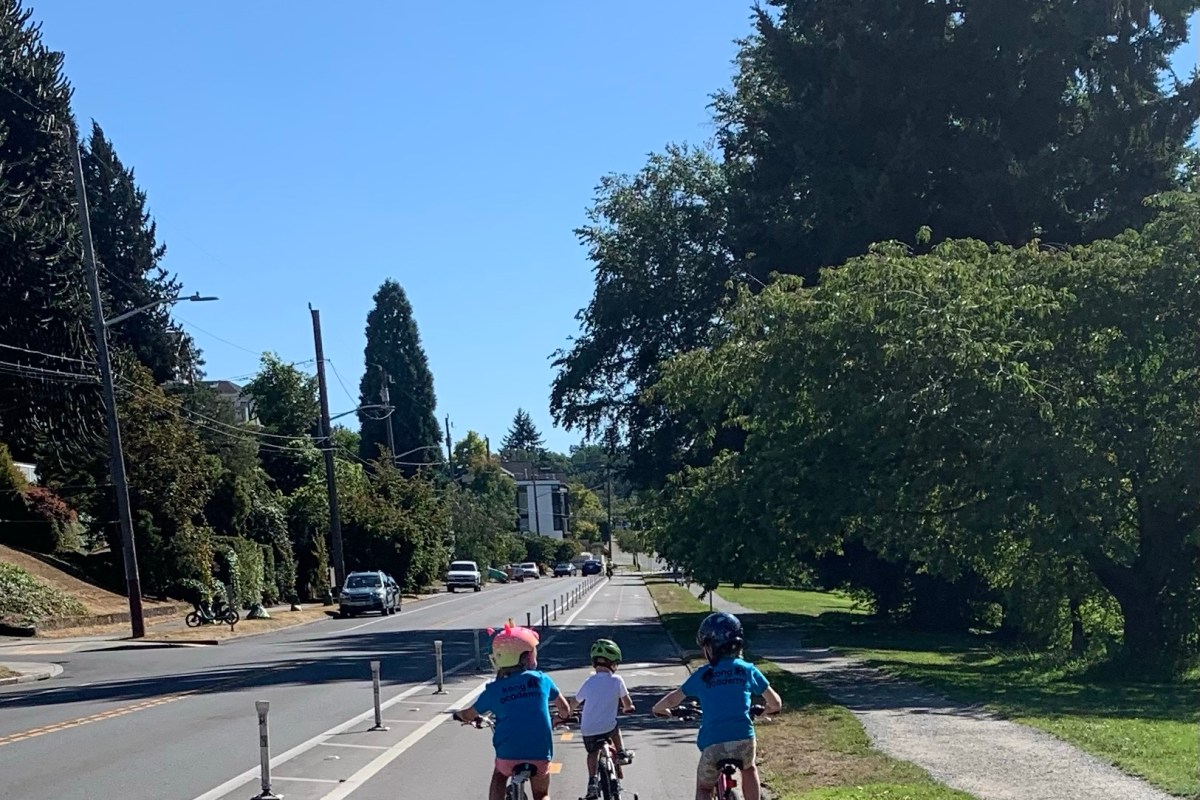
Last week, Mr. D wanted to ride his bike home from pre-school. We couldn’t do it on Monday or Tuesday. But when Wednesday rolled around, I dropped him at school with his bike, that he proudly rolled in to park next to his teacher’s bike, so that we could ride home.

I had Miss O and her friend with me that afternoon so the three of us rode to Mr. D’s school to pick him up. It took us about 10 minutes to get there. Mr. D sagely choose to walk his bike down the hill to the bike path to begin the mile-and-a-half home. Which is a long way on a bike with training wheels, but he, as our leader, bravely started out.

And then 50 yards later stopped and said he couldn’t do it. Uh-oh. We were a long way from home. So I suggested we take a snack break. After a nice snack break in the shade, we were back on the bikes. Mr. D again set off as the leader and this time went about 100 yards before stopping and declaring he couldn’t do it. That time we stopped to look at ants.

In that fashion, we slowly made our way home with a great deal of tension between the two girls who were antsy to race ahead and Mr. D taking breaks. It took us almost an hour-and-a-half.

The next day, Thursday, when we got in the car to take Mr. D to school, he said, “I want to ride my bike home from school.”

Oh boy. I might have rolled my eyes when no one was looking. But here’s the thing – I know he can do it. He’s done it before, just not at the end of the day. So I loaded his bike in the car and dropped him at school. This time when I picked him up, Miss O wasn’t with me and I attached a third wheel seat to the back of my bike so that if he chose not to ride his own, he could sit back there.

For that attempt, he made it about halfway round the lake before he decided to try out the third wheel. I chained his bike to a tree and we rode home that way, even though he’d never wanted to try that “trail-a-bike” before. Then I had to pack up both kids into the car, drive back around the lake to pick up his bike chained to the tree. The result – another hour-and-a-half expedition to pick up Mr. D from school a mile and a half away.

So then Friday rolled around. When we got in the car to take Mr. D to school, he said, “I want to ride my bike home from school.”

This is where the insanity comes in — I said “Okay” and loaded the bike into the car. On the way home, he made it half way round, I chained the bike to the tree and he rode the rest of the way on the third wheel. But it was easier this time and I popped by the tree to pick up his bike when I went to get Thai food after my friend Eric arrived for dinner.

And each time? Well, there were moments of tension but we also had a good time, and had fun trying. My kids constantly remind me that life is insane – in the best way. That the boundaries of what I previously thought I could do are just mental barriers to blow through. That there is joy in trying the same thing over and over again – and getting a different result.


I’ve written a companion piece about kids and joy: Bundle of Whose Joy? on the Heart of the Matter blog. Please pop over there if you have a minute.

Loving Our Differences, or at Least Understanding Them

Bless the people who see life through a different window. And those who understand their view.” – unknown

Sometimes the people closest to us see things differently. I’m throwing that out there as my opening line although I suspect that it surprises no one. But it is one of the conundrums that fascinates me.

Here’s an example. My 84-year-old mom and I were recently talking about the information I learned from the Ten Percent Happier podcast, The Science of Longevity with Dr. Peter Attia, a longevity specialist. Specifically, we were talking about exercise and how it really is the wonder “drug” of aging well. I shared with my mom the measures that I wrote about in my Healthspan post: that longevity research has found we should be doing both aerobic and strength training for the best outcomes. For aerobic fitness, VO2 max which measures lung capacity among other things, is the longevity predictor and grip strength is what they use for strength training.

About a month after that conversation, my mom told me that she’d been using a stress ball to increase her hand strength. Then she added she’s been working on lung capacity using the breath device they gave her after she broke her ribs in the ping pong accident when her competitive nature got the best of her common sense.

Huh, I marveled – she’s directly working to improve the two factors we’d discussed. As an aside, let me say that my mom exercises a lot – golf, bike riding, strength training – so these are not the only things she’s doing. But given the information from Dr. Attia, I would have never thought to work specifically on lung capacity and grip strength. Since they are indicators, I took the information to remind me that I should work out more, both aerobically and strength training, figuring that if I did that, it would affect the things they measure. Sort of the indirect method. In fact, as I type this, I realize that I think that it’s kinda cheating to affect the things directly as I worry that I’d miss the point of overall fitness.

Two people and two different reactions to the same information. Not only that, two people from the same family so it’s not like some different cultural bias is at play. It highlights a difference between my mom and I that I’ve often thought of as the forest and the trees. My mom is incredibly detail-oriented and often sees the details I miss.

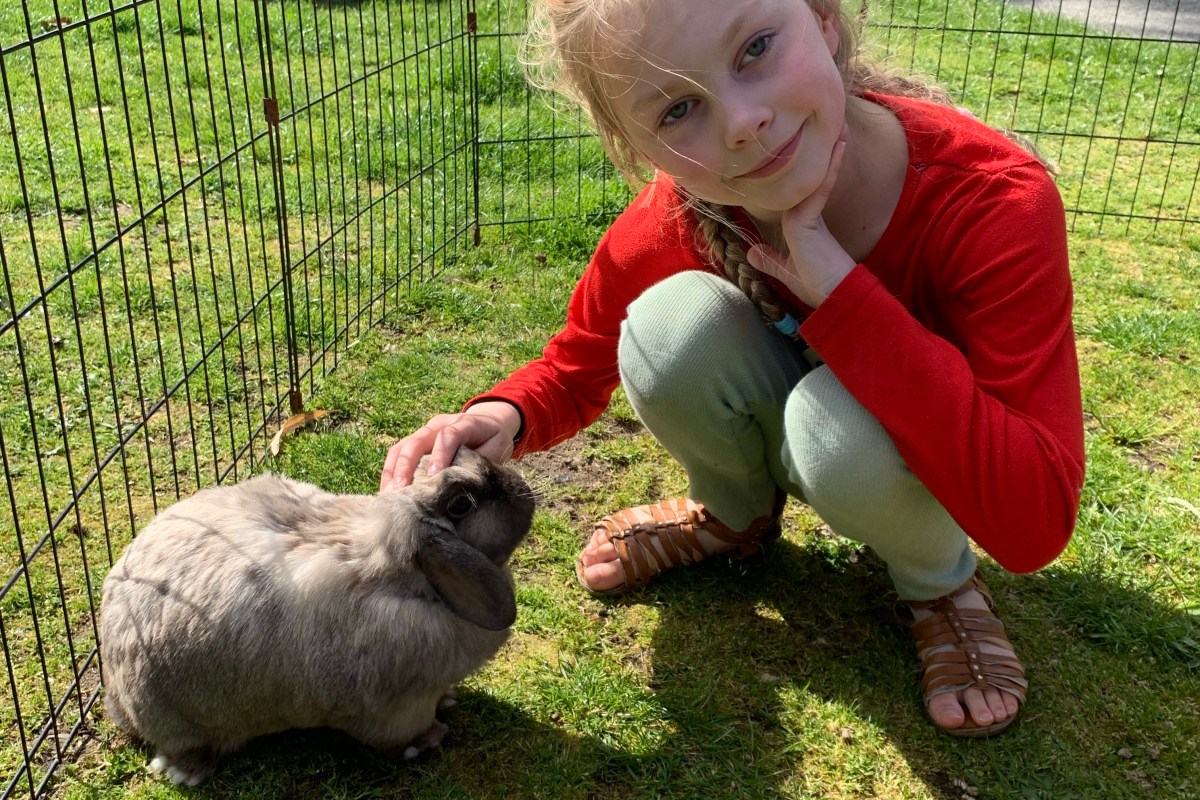
I recently sent her an adorable picture of Miss O petting a bunny and her response was, “Do you think Miss O minds the hair in her eyes?” I had to go back to look at the picture to see the one wisp of hair out of place. (see featured photo) My reaction was, “Sheesh, Miss O’s hair was pretty tidy that day because usually it’s way worse than that!”

Because I’m a forest person. If most things are flowing towards the end result in a somewhat reasonable fashion, I’m happy. Picking out the details in a day or a project that are a little out of order is not something I’m good at. Really, I don’t really care if something is a little wonky. It would take a lot of energy for me to get worked up about it – so I don’t. To put it succinctly, my mom is a great line editor. I am not. But give me an idea you are working on, and I can contribute a lot of enthusiasm about the big picture.

Here’s where I appreciate aging. I have come to find that the truth of life is not my way or my mom’s way. I think we’re both right. I no longer feel like I have to convince anyone, especially my mom, that she needs to see it my way.

But I still find it absolutely fascinating how differently people see things and that it presents a challenge when communicating, to find a way to speak my truth and feel seen. Often that is much harder to do with my mom because it feels like she gets stuck on the details. That’s where I’m thankful that I’m a big picture person, because I can rest easy knowing she loves me dearly and given her exercise regimen, will probably be around to do so for quite some time!

What to Do With Our Inner Meanness

The worst loneliness is to not be comfortable with yourself.” – Mark Twain

This is something I published on 9/7/22. Heads up – you may have already read this.


The other night my seven-year-old was being short-tempered with her younger brother and snippy with me. I asked her not to take out her mood on others and she replied “I don’t know what to do with the meanness!

Huh. Isn’t that a great question? I was raised in a household that believed “If you can’t say anything nice, don’t say anything at all.” Which I think has it about half right – not saying mean things is an admirable goal. But since just stuffing it down is likely not to work long-term, what do you do with the meanness?

Tend the Body

On the night in question, my daughter was both tired and stressed. In fact, I think I can pretty accurately say that if one of my kids is grumpy, there’s about a 90% chance it’s because they are tired, hungry, cold or sick.

And that goes for me too. If I’ve depleted my energy reserves with a hard work out or am tired because I haven’t slept well, I’m much more likely to think, if not say, unkind things.

As my colleague on this blog, Jack Canfora said in his brilliant post on Things I Think I’ve Learned So Far, “There will be things you do and say in an offhand way that will stay with others their entire lives, for better or worse.” So how do we tip the scales so that those things are more often for the better?

Mind the Mind

Dr. Dan Siegel, neuropsychiatrist and author, talks about the structure of our brains. In his terms, fear and anger reside in our downstairs brain, the brain stem and limbic region, whereas thinking, planning and imagining reside in the upstairs brain, the cerebral cortex and its various parts. The more we exercise integration of these two parts by making sound choices, delving into self-understanding, practicing empathy, posing hypothetical moral questions, the better we can apply higher-level control over our instinctive reactions. From The Whole-Brained Child, those are the recommendations of what we can do to help kids integrate the upstairs and downstairs brains but they work equally as well to mold adult brains too.

As Daniel Kahneman notes in his book Thinking Fast and Slow, “People who are cognitively busy are also more likely to make selfish choices, use sexist language, and make superficial judgments in social situations.” Cognitively busy being shorthand for when we tax our brains with concentration, complex computations and choices.  So we need to find a way to give our busy minds a break.

Feed the Soul

For me, giving my mind a break comes from meditation. I call sitting down on my meditation cushion “Irrigating the Irritation” because it so often helps soften where I’m stuck. It delivers me from the petty complaints by introducing a bigger sense of perspective.

This matches the experience reported by brain scientist Dr. Jill Bolte Taylor when she had a stroke that quieted the mental chatter of her mind and opened her up to a sense of deep inner peace and loving compassion. Studies of Tibetan meditators and Franciscan nuns have shown a similar shift of neurological activity for those engaged in prayer and meditation.

From a recent study published by the Oregon State University, they found that meditation can help replenish mental energy in a way similar to sleep. In fact, according to the lead author of the study, Charles Murniek, “As little as 70 minutes a week, or 10 minutes a day, of mindfulness practice may have the same benefits as an extra 44 minutes of sleep a night.

Of course meditation is hard practice for kids. There are techniques like box breathing and just counting to ten that help in the throes of big emotions but I haven’t gotten my kids to sit for more than five minutes at a time on a meditation cushion. However, I’ve also noticed that just sitting and coloring also brings about some mental rest, both for kids and for me when I do it alongside them.

What to Do with the Meanness

I tell my kids that my job is to keep them healthy, safe and kind. I know the kind part is a stretch because kindness is a choice they’ll have to make. Also because I have my hands full just trying to practice kindness myself. But at the very least, I can help find ways they can manage their meanness and in doing so, help myself to do the same.


I’ve also posted today on the Wise & Shine blog about first sentences that draw us in: Great First Lines. Check it out!

(featured photo from Pexels)

Unstructured Flow

“To meditate means to go home to yourself. Then you know how to take care of things that are happening inside of you, and you know how to take care of the things that happen around you.” – Thich Nhat Hanh

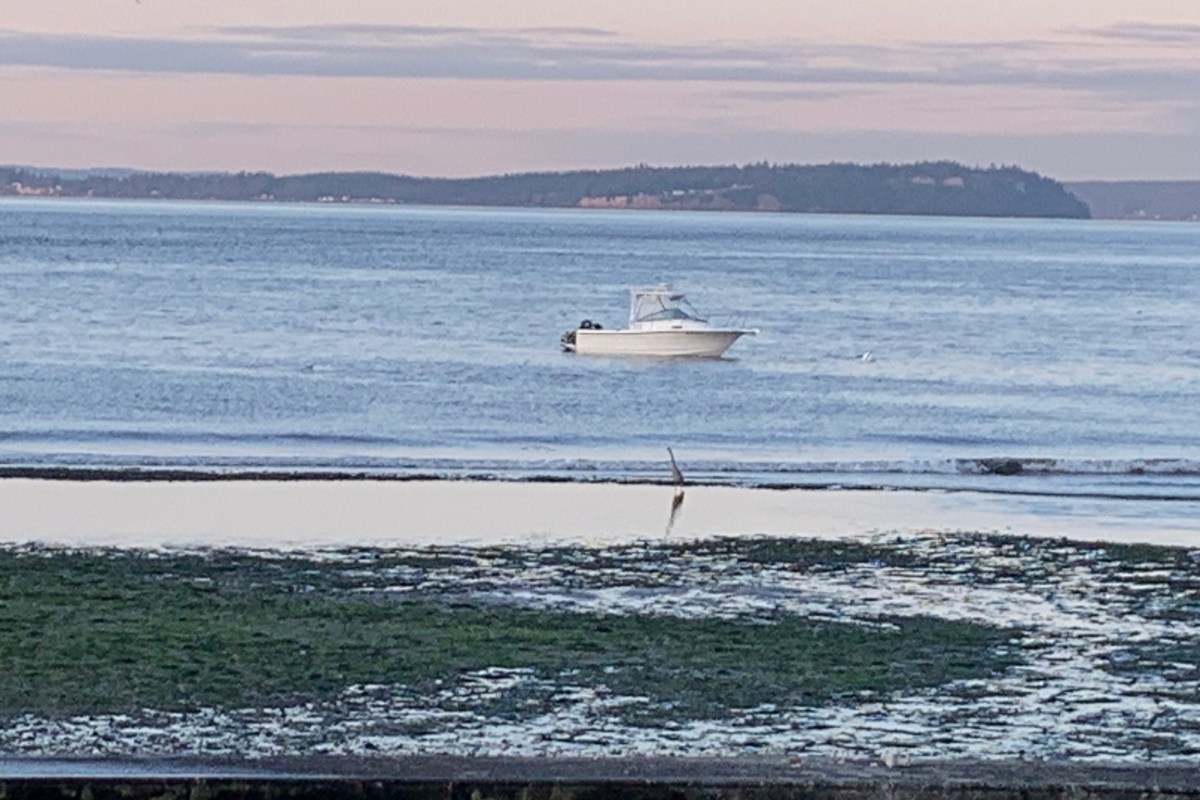
My kids and I on vacation this week at a beautiful spot on Whidbey Island – one of my favorite places in all the world and only a couple of hours away from home. We’ve rented a place right on the beach and it is stunning. I’m typing this on a crisp summer morning sitting at the picnic table on our patio. It’s an extremely low tide so one of the local herons is fishing in a tide pool 100 yards front of me. The morning is so calm that I can see the shadow of the heron reflected on the water. The boat just beyond it is glinting in the first light.

My 84-year-old mom joined us here for a few nights, my friend Eric is coming for another few nights, and then my kids and I have had a couple nights and days on our own. Given the proximity to Seattle, we’ve had a parade of other visitors – my meditation teacher, Deirdre, came for a few hours, a gang of Eric’s long-distance cycling friends paraded through, and a different friend is coming today.

Now the heron in front of me is chasing a seagull away from its tide pool that it must consider to be its own. I could be anthropomorphizing here but it seems to have lost its focus on its own peaceful pursuit of what it was doing and now has concerned itself with what the seagull is doing instead.

Which is a lovely allegory for how vacation feels to me. Without the regular routines and structure to key off of, it seems like vacation is a constant negotiation of what we all need and want to do. The wide openness of it makes me feel I have to maintain some definition of my own in order not to be swept away in the tide of what everyone else wants, and my own desire to please.

Like the heron, I spent the first part of the week maintaining definition of what’s mine – my sacred time, my bed, my plate, my activities – and that left me feeling like I was playing defense. Then I read this paragraph from Mark Nepo during MY sacred time and it helped me to realize that the key is permeability:

“Another paradox I continually struggle with is how to let others in without becoming them. How to open the door to compassion without the things and people we feel for overpowering us.”

The Book of Awakening by Mark Nepo

For me it has come down to relaxing my boundaries so that I can feel the flow. It’s not guarding my space like the heron, but instead finding the play and playfulness in being with others. Coming closer when we are exploring on the beach, and snuggled up after time in the pool, and then moving away when I need a moment just to expand my senses and take it all in.

Which brings me to the quote from the Buddhist monk Thich Nhat Hanh that I used for this post. When I meditate, I almost always find some answer or ease that helps me to navigate life. When everything else is unstructured, as it is here on vacation, or hectic, as it is in regular life, this is the practice that helps me with both. Usually by finding that I can release whatever I’ve dammed up and find that flow and faith in the Universe again and again.


Vicki Atkinson and I talk about meditation and how self-care can make us better humans on this week’s episode of the Sharing the Heart of the Matter podcast. Search (and subscribe!) for Sharing the Heart of the Matter on Apple, Amazon, Spotify or Pocket Casts OR Listen to on Anchor Episode 28: How Self Care Can Make Us Better Humans with Vicki Atkinson

(featured photo is mine – the beautiful beach in front of me)

Navigating the Gray Area

Love is a feeling, marriage is a contract, and relationships are work.” – Lori Gordon

This is a repost of something I posted on 11/30/2022. Heads up, you may have already read this.


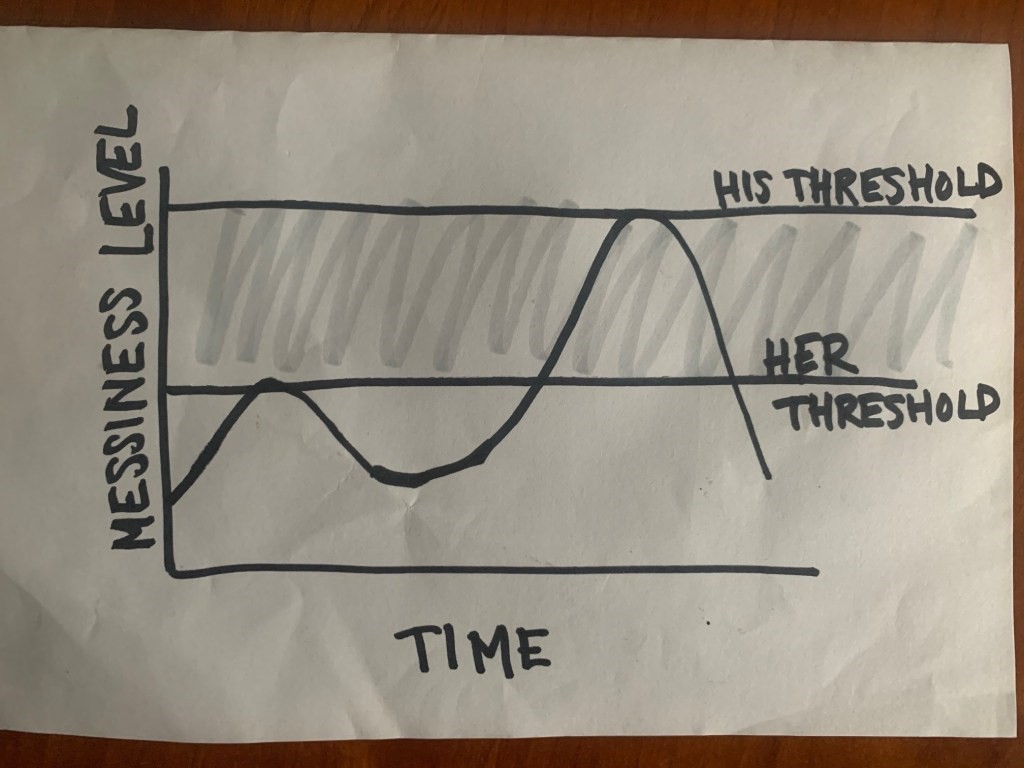
When my brother was in his twenties and a couple of years into marriage, he explained to me his theory about the cleanliness threshold. He drew out a chart where he illustrated the state of the household mess and that when it increased, it hit his wife’s threshold for a messy house long before it hit his. Therefore, she was always cleaning it and he never thought it was messy. The diagram looked something like this with the gray area as the space between her threshold and his:

Since I am six years younger and wasn’t married at the time he told me, I thought he was imparting some great wisdom about marriage. It wasn’t til later that I realized that his diagram depicted a way of looking at all our relationships.

Because our thresholds on any number of subjects will likely vary in a great number of areas from those around us: what qualifies as noise, when do we experience hunger, pain tolerance, ability to withstand uncertainty, desire to take risks, and our willingness to express ourselves or seek relief when we are exhausted, overwhelmed and sad to name just a few. So how do we live with others in the gray area between our tolerance level and theirs?

Believe Them

My years as a parent of young kids have taught me that it goes better when I believe them when they tell me how they feel. In that way, we don’t end up debating the truth of the feeling but instead can move to finding out what to do about it.

There are times they’ll tell me they are sad, frustrated, disappointed and I might say, “It’ll be okay” if we need to move on. But I try not to argue that they should be feeling something else like grateful, happy or blessed because it compounds the feeling. They stay stuck trying to prove what they are feeling instead of transitioning to the next phase of how to make it better.

Try to Laugh About It

The other day my 7-year-old daughter was goofing around before bed. Despite my numerous admonitions that she was too tired to keep safely doing cartwheels and should instead try to quiet her body, she kept throwing herself around the room until she ended up hurting her arm pit and her crotch. At that moment, I had the choice of being irritated that she didn’t listen or making a joke about those being two very unlikely body parts to get hurt at the same time. We ended up laughing all the way to bed about how that happened.

On a recent Unlocking Us podcast with Brené Brown, Drs. John and Julie Gottman were talking about their latest book, The Love Prescription: Seven Days to More Intimacy, Connection and Joy. They made the distinction between turning toward a bid of attention (responding or engaging when your partner says something like “look at that blue jay out the window”), turning away (ignoring) and turning against (responding with something like “why are you interrupting me?”).

In happy relationships, people turn toward their partner’s bids for attention 86% of the time, couples who were not successful only turn toward each other 33% of the time. John Gottman explained the result, “Couples who increase their turning toward wind up having more of a sense of humor about themselves when they are disagreeing with one another, when they are in conflict.

As Brené Brown summarized “Turning toward gives us a sense of confidence about our togetherness.” From there, it’s easier to find what’s funny about this daily existence.

Live Directly

In his book, The Book of Awakening, Mark Nepo gives an example of being at an ice cream shop with a friend and eating their cones when the table next to them became boisterous. As he became more irritated, he asked if she wanted to go. But his friend was fine and in saying so, she noticed the look on his face and asked, “Do you want to go?”

He laughed as he realized he was couching his needs into some form of thoughtfulness instead of owning his own feelings. Relationships are so much easier when we claim our own stuff and live directly.

Navigating the Gray Area

My brother’s marriage from his 20’s, the source of the threshold theory, didn’t work out. Turns out his wife had a different standard for telling the truth about significant things. I suppose there needs to be another line on the chart for boundaries. Regardless, I learned a lot vicariously about living in the gray area with others. The longer I live, the more gray it gets but also easier to navigate if I believe others, laugh about it and own my own stuff.


I’ve written a companion piece to this one on the Wise & Shine blog about WordPress relationships: Do You Like My Writing or Are We Just Friends?

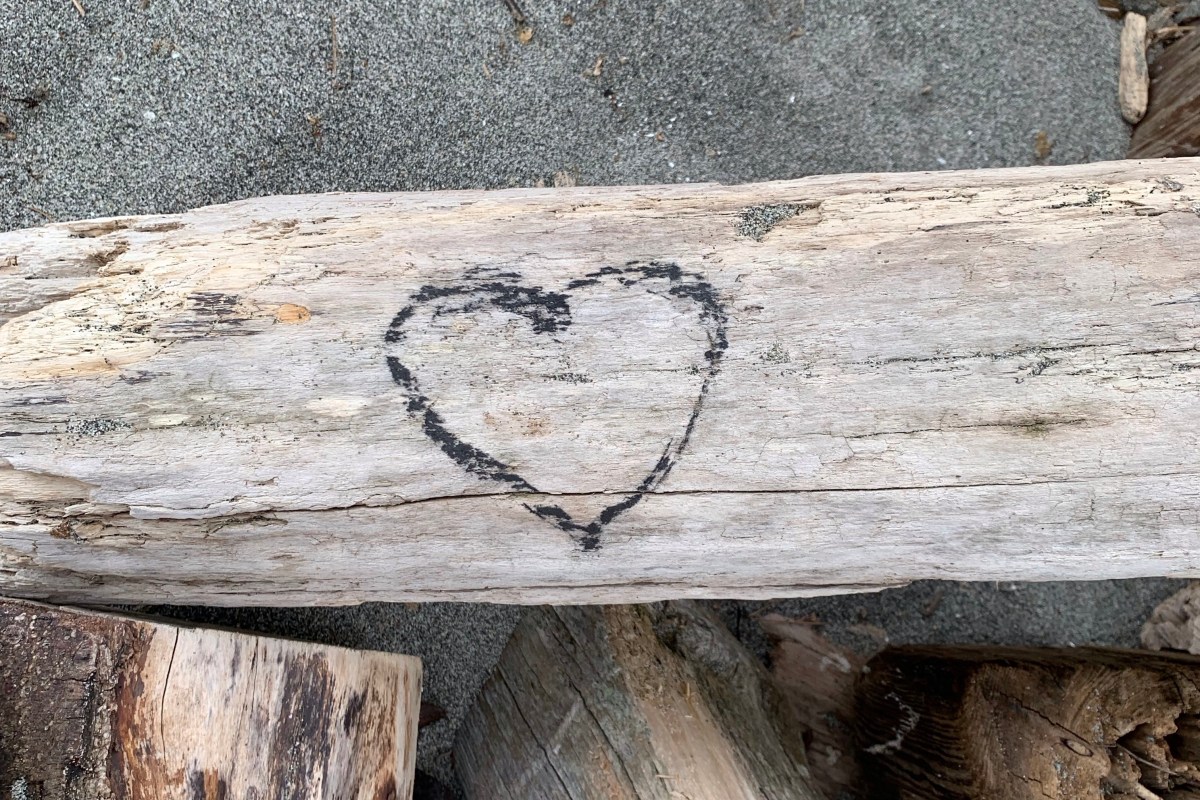
(featured photo is mine – a heart of the week from Whidbey Island)