How to Share Humor

Laughter without a tinge of philosophy is but a sneeze of humor. Genuine humor is replete with wisdom.” – Mark Twain

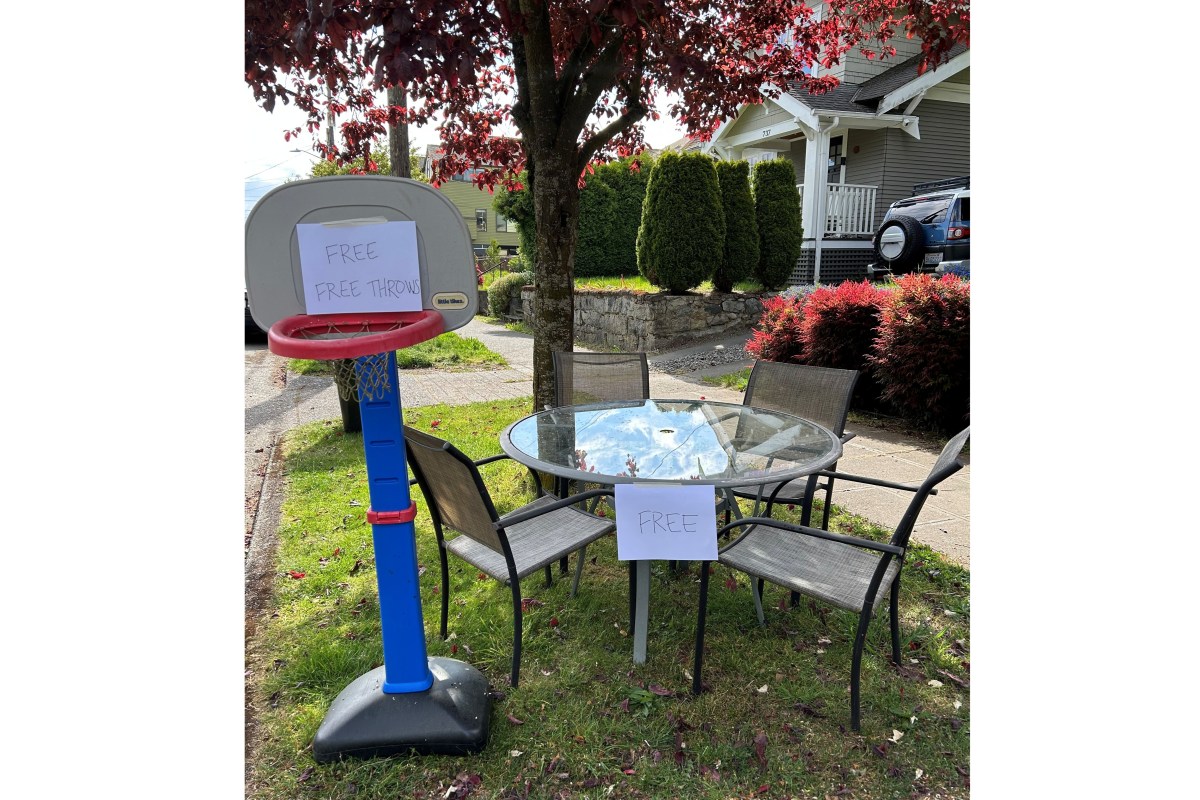
A couple of months ago, I was getting rid of a couple of disparate things from my backyard. I hauled my round patio table and chairs along with a toddler’s basketball net out to the curb and put a FREE sign on them. When I texted my friend, Eric, a picture, he replied, “Court side dining! Nice.

That reply perfectly encapsulates Eric’s witty marketing genius. So I wrangled him to come on the How To Share podcast to talk about how to share humor.

In this episode, PR and marketing professional Eric Knudson and I explore the multifaceted nature of humor, discussing its role in relationships, politics, and corporate settings. We delve into the elements that make humor effective, such as shared experiences and cultural differences, while also addressing the challenges of navigating humor in today’s society. Our conversation highlights the importance of humor as a tool for connection and communication, offering insights and tips for sharing humor effectively.

Takeaways

  • Humor is an effective tool for winning friends and influencing people.
  • Not everyone generates humor, but most people appreciate it.
  • Shared experiences are crucial for humor to resonate.
  • Cultural differences significantly impact humor appreciation.
  • Humor can serve as a coping mechanism in difficult times.
  • Political humor varies greatly among different leaders.
  • Humor can help build relationships in corporate settings.
  • Modern society presents challenges for sharing humor due to self-selection.
  • Humor is a muscle that needs to be exercised regularly.
  • Finding opportunities to use humor can invite people in.

This is a great episode filled with funny stories that will have you laughing – and thinking about how you can share laughter. I know you’ll love it.

Here’s a short clip to give you a taste of the great conversation with the clever and charming Eric Knudson:

Here are some ways you can listen and watch to the full episode:

Please listen, watch, provide feedback and subscribe.
How to Share Our Luck with Gil Gillenwater How To Share

In this enlightening conversation, Gil Gillenwater is with host Wynne Leon and shares his experiences and insights from over 35 years of philanthropic work along the US-Mexico border. He discusses his book, 'Hope on the Border,' which highlights the transformative power of education and community service. Gil emphasizes the importance of enlightened self-interest over traditional charity, advocating for a model that empowers individuals and fosters dignity. He explores the duality of poverty, the need for sustainable opportunities, and the joy found in serving others, ultimately presenting a vision for a more connected and compassionate world.TakeawaysEducation is the key to breaking the cycle of poverty.Enlightened self-interest can lead to personal and communal growth.Charity should not be viewed as a sacrifice but as a mutual benefit.Volunteering provides a sense of purpose and fulfillment.Welfare can disempower individuals and communities.Community service fosters connections and shared humanity.The disparity in wealth is a significant issue that needs addressing.Experiencing poverty firsthand can change perspectives.Creating opportunities in one's home country can reduce migration.The joy of service is a pathway to personal happiness.Links for this episode:How to Share homeHope on the Border at AmazonGil's organization: Rancho FelizGil Gillenwater on FacebookWynne’s book about her beloved father: Finding My Father’s Faith; Blog: https://wynneleon.com/; Substack: https://wynneleon930758.substack.com/
  1. How to Share Our Luck with Gil Gillenwater
  2. How to Share 1970's Chicago with Doug. E. Jones
  3. How to Share Feedback with Dr. Vicki Atkinson
  4. How to Share the Next Generation with Mari Sarkisian Wyatt
  5. How to Share Impactfully with Social Media Friends with Amy Weinland Daughters

Links for this episode:

Eric Knudson’s company website: ⁠Basecamp Communications⁠

Eric Knudson on LinkedIn: ⁠(24) Eric Knudson | LinkedIn⁠

How to Share Inspiration

The one thing that you have that nobody else has is you. Your voice, your mind, your story, your vision. So, write and draw and build and play and dance and live only as you can.” – Neil Gaiman

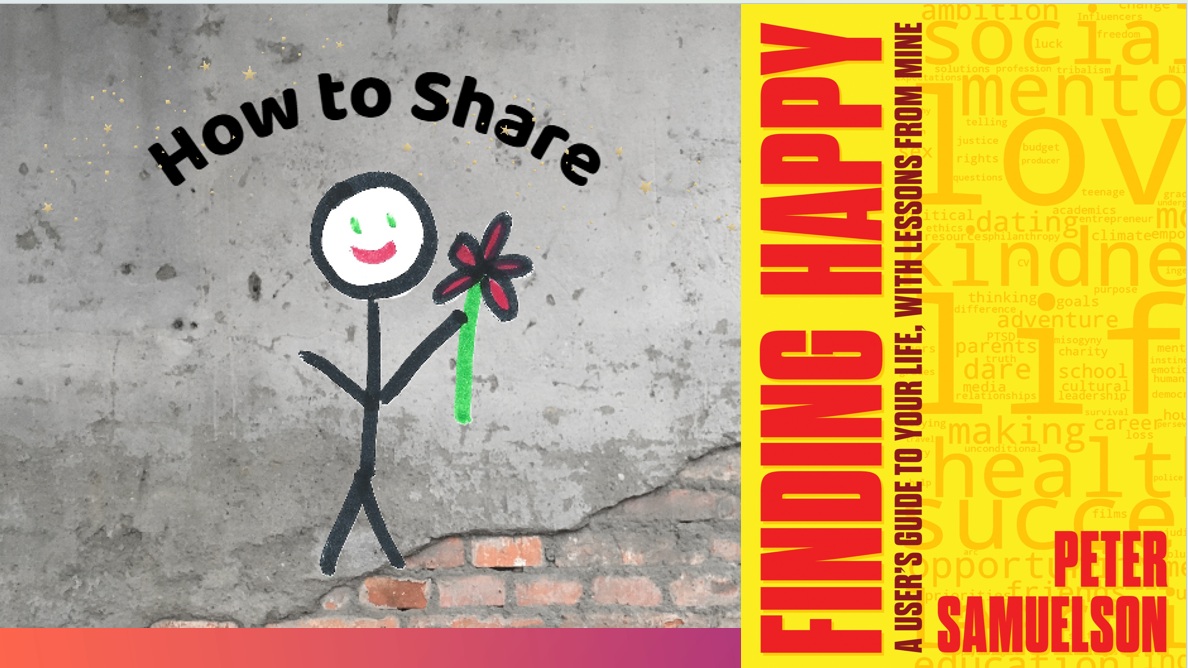
The other day I was at a salon getting my hair done and I couldn’t stop reading bits of filmmaker and philanthropist Peter Samuelson’s book Finding Happy aloud to my hairdresser.

Here’s a snippet of when he made the first pitch for First Star, his organization for educating foster kids in grades 9-12 on college campuses.

I asked for a meeting with the chancellor of UCLA, Gene Block. Back then he was in charge at UCLA. I believe he still thinks I went to UCLA first because I thought it was a top-notch university, which is true. Ranked the number one public university in the United States by US News and World Report, and number eight in the whole world. But actually, I went there first because I lived down the road. I thought, “I’ll start with UCLA…. They’re probably all going to say no, so I might as well start with the closest one.”

Peter Samuelson in Finding Happy

But they did say yes. Now First Star has 10 academies in the US and 3 in the UK.

How did Peter do it? Not just for his philanthropic efforts but also to get films like Arlington Road, Wilde and Revenge of the Nerds made? And how can we borrow from his playbook to get others to join us in efforts to improve the world? I was lucky enough to have Peter Samuelson come on the How To Share podcast to talk about how to share inspiration.

In this episode, filmmaker and philanthropist Peter Samuelson discusses his new book, Finding Happy, exploring themes of inspiration, storytelling, and the importance of empathy in connecting with others. He explains why storytelling is so vital in capturing other’s hearts when pitching an idea. He shares personal anecdotes about his journey, the power of collaboration, and the significance of love and mentorship in fostering resilience among young adults, especially in the aftermath of COVID-19. The conversation emphasizes the Jewish concept of Tikkun Olam, or healing the world, and the idea of showing up to make a difference.

Takeaways

  • Selflessness can be selfish, as it often leads to personal fulfillment.
  • Success in life is rooted in storytelling and persuasion.
  • To pitch an idea you have to catch the audience’s hearts to create a window in which they can be moved.
  • Generating empathy through storytelling is essential for connection.
  • Humor can create openness and foster relationships.
  • Every young adult needs someone who loves them unconditionally.
  • People change when they feel cherished and valued.
  • Finding love often requires collaboration and shared goals.
  • Mentorship plays a crucial role in personal development and support.
  • Tikkun Olam emphasizes our responsibility to heal the world.

This is a great episode in which Peter does a fantastic job of catching our hearts to show us how to share inspiration. I know you’ll love it!

Here’s a short clip to give you a taste of the great conversation with the delightful Peter Samuelson.

Here are some ways you can listen and watch to the full episode:

Please listen, watch, provide feedback and subscribe.

How to Share Our Luck with Gil Gillenwater How To Share

In this enlightening conversation, Gil Gillenwater is with host Wynne Leon and shares his experiences and insights from over 35 years of philanthropic work along the US-Mexico border. He discusses his book, 'Hope on the Border,' which highlights the transformative power of education and community service. Gil emphasizes the importance of enlightened self-interest over traditional charity, advocating for a model that empowers individuals and fosters dignity. He explores the duality of poverty, the need for sustainable opportunities, and the joy found in serving others, ultimately presenting a vision for a more connected and compassionate world.TakeawaysEducation is the key to breaking the cycle of poverty.Enlightened self-interest can lead to personal and communal growth.Charity should not be viewed as a sacrifice but as a mutual benefit.Volunteering provides a sense of purpose and fulfillment.Welfare can disempower individuals and communities.Community service fosters connections and shared humanity.The disparity in wealth is a significant issue that needs addressing.Experiencing poverty firsthand can change perspectives.Creating opportunities in one's home country can reduce migration.The joy of service is a pathway to personal happiness.Links for this episode:How to Share homeHope on the Border at AmazonGil's organization: Rancho FelizGil Gillenwater on FacebookWynne’s book about her beloved father: Finding My Father’s Faith; Blog: https://wynneleon.com/; Substack: https://wynneleon930758.substack.com/
  1. How to Share Our Luck with Gil Gillenwater
  2. How to Share 1970's Chicago with Doug. E. Jones
  3. How to Share Feedback with Dr. Vicki Atkinson
  4. How to Share the Next Generation with Mari Sarkisian Wyatt
  5. How to Share Impactfully with Social Media Friends with Amy Weinland Daughters

Links for this episode:

More about Finding Happy and Peter Samuelson

Order Finding Happy on Amazon (also available at Barnes & Noble, Target and other booksellers)

First Star

Starlight Children’s Foundation