Curiosity, Crime Fiction, and the Brave Work of Understanding Others

Tell me facts, and I’ll learn. Tell me truth, and I’ll believe you. But tell me a story and it will live in my heart forever.” – Native American Proverb

I admit it – I’m a geek. Back in the day I got a lot of props from my fellow geeks when I caught an error in the movie The Net (released in 1995 with Sandra Bullock and Jeremy Northam). They had an Internet protocol address that was bigger than 255 which is the maximum number that can be represented in 8 bits. Yep, I’m a geek.

But I also learn a great deal about technology by how it’s presented in books and movies. Even for technologies that I know well, my focus is on helping people use them effectively so I often don’t truly grasp how they can be used for nefarious purposes until I read about it in a story. It is truly remarkable how much research goes into making a compelling narrative about some of the challenges facing our world.

For instance, Michael Connolly recently released a fantastic legal thriller, The Proving Ground, about the dangers of AI and the ability to hold companies accountable. And one of my favorite bestselling authors, Barbara Nickless, educated me about online gaming and the dangers presented by virtual manipulators in her latest fantastic thriller, A Voice in the Dark.

In this episode of The Life of Try podcast, I talk with Wall Street Journal bestselling author Barbara Nickless about A Voice in the Dark. Our conversation moves from the dark corners of online gaming and internet manipulation to the real-world vulnerabilities of teenagers, families, and people searching for belonging.

Barbara shares how deep research, FBI consultants, and her own curiosity shape her fiction, especially as she writes about FBI profiler Helen Belle, criminal humanist Benedict Hoffman, addiction, trauma, and the question of what draws people toward danger.

This thoughtful author interview explores how storytelling can help us understand complicated human experiences, including moral injury, PTSD, addiction, grief, law enforcement, cybercrime, and the healing power of writing. Barbara also reflects on teaching writing to military veterans and civilians, researching dangerous places and difficult subjects, and using narrative to “de-other” people we might otherwise misunderstand.

Key Takeaways:

  • A Voice in the Dark explores the dangers young people can face in online communities, especially when vulnerable teens and young adults are targeted by manipulative influencers.
  • Storytelling can help us “de-other” people by taking us inside their motivations, histories, and struggles in ways that facts and news stories alone often cannot.
  • Curiosity is at the heart of Barbara Nickless’s writing process. Her research into online gaming, FBI investigations, addiction, trauma, and moral injury helps make her fiction vivid, compassionate, and grounded in real human experience.
  • Researching modern crime fiction requires balancing accuracy with readability, particularly when writing about cybercrime, AI, online manipulation, and evolving law enforcement tools.
  • The conversation highlights a core Life of Try theme: trying begins with curiosity, openness, and a willingness to enter unfamiliar worlds in order to understand ourselves and one another more deeply.

If you love conversations about books, personal growth, curiosity, crime fiction, psychological thrillers, resilience, and what it means to keep trying, this episode offers a rich and compassionate look at the stories that help us make sense of ourselves and one another.

Here are some other ways you can listen and watch this episode:

Brand Strategy for Humans with Nancy Martira The Life of Try: Personal growth, one try at a time.

In this episode of The Life of Try, Wynne Leon talks with brand strategist Nancy Martira of Clew Strategy about how to market yourself, promote your work, and build a personal brand without losing your humanity.Nancy helps expert-led businesses, authors, job seekers, and knowledge-based professionals find what makes them impossible to ignore. Together, Wynne and Nancy explore the difference between brand and reputation, the “say-do gap” between what we claim and how people experience us, and why authentic personal branding begins with believing you have something of real value to offer.This conversation is especially helpful for writers, creators, entrepreneurs, and professionals who feel uncomfortable with self-promotion. Nancy offers a practical and compassionate reframe: instead of trying to be everywhere or shouting into every algorithm, go where you’re wanted. Find the people who are already looking for what you have to give.Wynne and Nancy also talk about finding your unique value proposition, identifying your “iconic space,” using storytelling in book marketing and job searches, and navigating AI tools without sacrificing your voice, ethics, or originality. Nancy’s approach to brand strategy is deeply human, clear, and encouraging — perfect for anyone trying to become more visible while staying true to themselves.If you’ve ever wondered how to market a book, promote your business, refresh your LinkedIn profile, stand out in a crowded job market, or build a personal brand that feels authentic, this episode will help you think more clearly about reputation, positioning, storytelling, and the courage to be seen.Key Takeaways• Marketing works better when you go where you’re wanted. Instead of trying to be everywhere, focus on the audiences already looking for what you offer—readers, clients, employers, or communities who are most likely to value your work.• Find your iconic space. The goal isn’t just to list credentials or follow a formula. It’s to discover the unique value, story, and perspective that only you can bring.• Use AI as a tool, not a substitute for voice. Technology can help with SEO, titles, and tactics, but the strategy, values, and humanity behind your work need to come from you.🌐 Nancy Martira at Clew Strategy: https://www.clewstrategy.com/ Show notes and more inspiration: https://wynneleon.com🔔 Subscribe to The Life of Try for more conversations on: personal growth, creativity, reinvention, resilience, writing, and mindset.📌 Subscribe To Our YouTube Channel & Stay Updated: ABOUT MEHi, I’m Wynne Leon — host of The Life of Try, a personal growth and self-improvement podcast exploring resilience, reinvention, uncertainty, and the courage to keep trying.Through thoughtful interviews, reflective conversations, and real-life stories, I share insights to help you navigate change, get unstuck, and move forward with more intention.🌍 Website: https://wynneleon.com━━━━━━━━━━━━━━━🎥 Watch NextIdentity Before Strategy: How to Break Through Invisible Ceilings with Kevin YoderThe Power of Looking At Your Life Through a New LensHow to Tell Relatable Stories
  1. Brand Strategy for Humans with Nancy Martira
  2. Identity Before Strategy: How To Break Through Invisible Ceilings with Kevin Yoder
  3. The Power of Looking At Your Life Through a New Lens
  4. How To Tell Relatable Stories About Life
  5. Why Second Place Might Be Preparation, Not Failure

📘 Order A Voice In the Dark from Barnes & Noble , Bookshop or Amazon

🌐 Visit Barbara Nickless’s website: https://barbaranickless.com/

🎥 Watch the Book trailer for A Voice in the Dark

🔔 Subscribe to The Life of Try for more conversations on personal growth, creativity, reinvention, resilience, writing, and mindset.

Barbara Nickless on A Voice in the Dark, Online Gaming, and the Power of Story transcript

Other Episodes you Might Enjoy:

➡️ Letting Go Of Outcomes: The Mindset That Keeps You Moving

➡️ 48: How to Get Unstuck: Michael Yang on Saying Yes, Resilience and Coming Alive

➡️ How to Finally Write That Book You’ve Been Dreaming About | Writing Motivation with Vicki Atkinson

(featured photo from Pexels)
The Archetypes of Story

Fairy tales are more than true: not because they tell us that dragons exist, but because they tell us dragons can be beaten.” – Neil Gaiman

This was originally published on 7/5/2023. Heads up – you may have already read this!


My kids have been clamoring for me to tell them stories at bedtime. They don’t want made up stories, they want real stories.

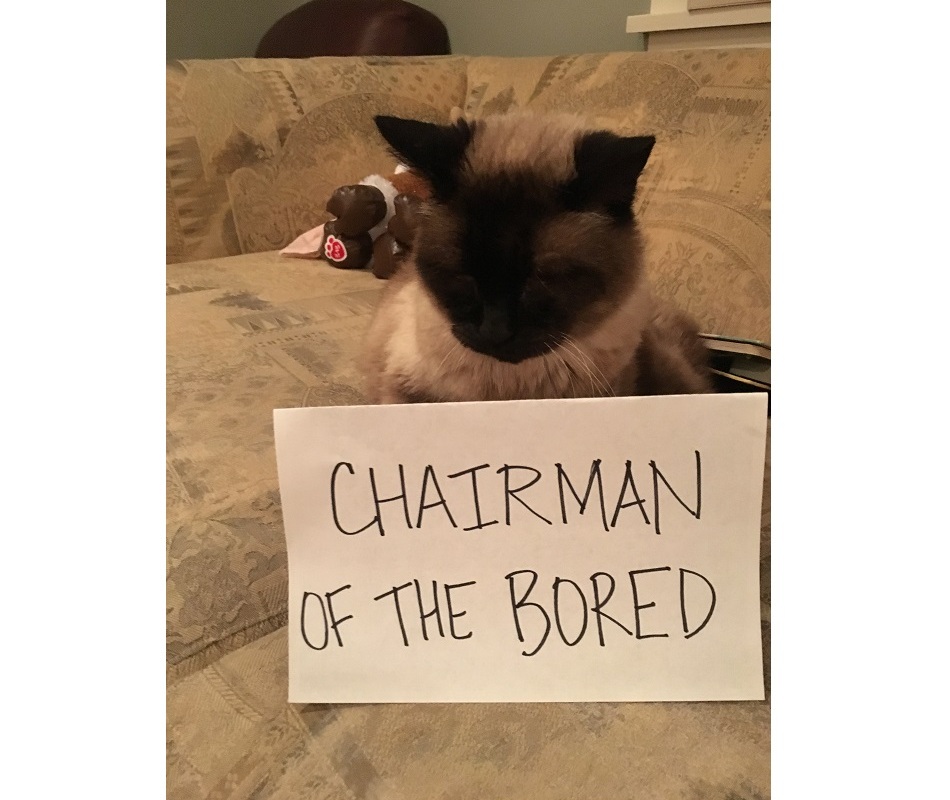
One of their favorite protagonists is Simon the Bad Cat. He was a character with a capital “C” – I adopted him from a neighbor when she moved. He proceeded to get into all sorts of trouble breaking into other people’s houses, picking on my dogs, and getting into cat fights. He lived a full life of 19 years and left behind a treasure trove of stories.

Telling these stories has made me think of the hypothesis that are a limited number of plot lines for our stories. I’ve heard this theory in several different ways from nine to twelve archetypal stories. But drawing from overview on Wikipedia of the work of Christopher Booker, The Seven Basic Plots: Why We Tell Stories here they are:

  • Overcoming the monster
  • Rags to riches
  • The quest
  • Voyage and return
  • Comedy
  • Tragedy
  • Rebirth

Can I fit the Simon stories into these categories? Here are our favorite bad cat stories:

Rebirth: Simon the cat got a claw stuck in between his shoulder blades while fighting another cat. It abscessed and made him so sick that I had to take him to the vet so they can drain the wound. Simon died on the operating table and they had to use kitty CPR to bring him back. Did the hero return home transformed as a wiser cat? Well, he did mend his fighting ways so that we never had to drain an abscess again.

Comedy: Five doors down was a neighbor named Steve who hated Simon because he was always getting into his stuff and messing it up. But it was a love/hate relationship because he noticed how smart Simon was as well. One day when Steve was showing some new tenants around the shared laundry room, he told them they must never leave the outside door open because there’s a bad cat that would get in. They pointed to a shelf right about Steve’s shoulder and asked, “Like that cat there?” and Steve turned around to see Simon smugly listening to his speech.

 Voyage and return: Simon the cat had a habit of breaking into houses and garages that he subsequently couldn’t get out of until someone opened a door. So I was used to him occasionally being gone for a night or two. But when he went missing for twelve days, I did all I could to find him: putting up posters, walking round the neighborhood calling for him, calling the pet shelter. Finally, I accepted that he was gone forever and gave away his food. On day 13, Simon nonchalantly walked up to the back door and demanded to be let in.

Overcoming the monster: I met Simon when I had a 150 pound dog, a gentle mastiff named Samantha. When we’d go out for a walk in the morning, Simon would hide in a bush, then jump out and smack Samantha on the rear. Then having “overcome the monster” (or at least scaring her half to death), he’d proceed to join us for our 12 block walk through the neighborhood.

Telling these stories to my children, I wonder if it is just a silly ritual. But I believe it helps them at a deeper level to make meaning out of their lives and days. Maybe one day when they are struggling with a monster or experiencing the rebirth and renewal that sometimes comes with life, there will be a niggling of a Simon story that reminds them they aren’t alone on their journey.

Perhaps it’ll even help them understand my story of the quest and how that led me to have them as a single parent. Even if it just creates a basis for loving stories, I believe it will help them to live fuller and more imaginative lives.

Don’t you still love a good story?

The Story of Life

Just because they are a story doesn’t mean they’re not real.” – H. M. Bouwman

I was listening to Brené Brown’s podcast, Dare to Lead last night and the first question she asked her guest was, “Tell us your story.”

It is probably an offshoot of my dad – who loved parables more than directives and could tell a great story – but I love stories. Hearing them, telling them and the way they stick with you. Like yesterday, I read Ally Bean’s story of the self-scan mishap and then when I went to the grocery store, I chuckled all the way through check out.

So stories are the topic of my post this week for Wise & Shine: The Power of Story.

(featured photo from Pexels)

The Power of Stories

Imagination is not only the uniquely human capacity to envision that which is not, and therefore the fountain of all invention and innovation; in its arguably most transformative and revelatory capacity, it is the power that enables us to empathize with humans whose experiences we have never shared.” – J.K. Rowling

When my 2 1/2 year-old son had to have a root canal a couple of months ago, I crudely drew out the story in 8 sequential panels so that he could see the story as it played out and also take it to school and show his friends why he’d been absent. It was my effort to help him not only understand but also know why he had to go back for the second part of the treatment once the infection had healed. I’ll never know if it changed his perception but he was amazingly cooperative in the dental chair when we went back.

I didn’t know before I became a parent how much story-telling is involved. Not just in the reading of books at night but helping to narrate their story as they come of age. But I recently watched a Ted talk about the science of story-telling that explained that the elements story-tellers use are similar to ones researchers have found that our brains use to understand the world. It is the topic of my Pointless Overthinking blog post this week, Telling a Good Story.

And here’s the story of Mr D’s root canal shown in 8 panels:

(featured photo from Pexels)