How to Share A Return Home

The cave you fear to enter holds the treasure you seek.” – Joseph Campbell

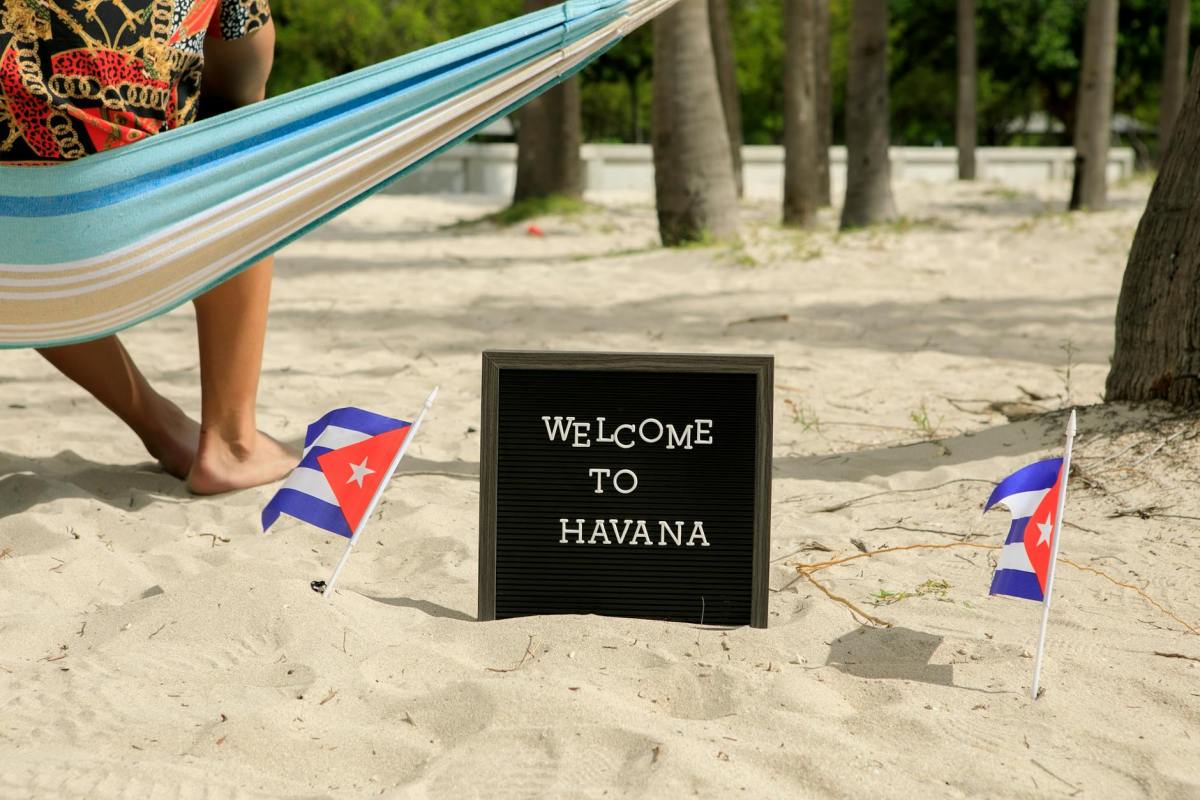
I lived in the Philippines until I was almost seven-years-old. When I went back to visit with my family 22 years later, I was surprised that I could navigate a few streets near where we used to live. It was like a pull that oriented me to where I spent the first years of my life.

So I related to Mario Cartaya’s phrase of letting the subconscious guide when he shared his emotional journey back to Cuba after 56 years on the How to Share podcast. Mario has written a touching and insightful memoir about that trip, Journey Back Into the Vault.

Mario tells us how his family’s rushed departure from Cuba as a nine-year-old left him with a vault of childhood memories that he couldn’t unlock. Mario shares stories from his 1-week journey back to Cuba that helped him unlock the memories in that vault. We talk about how so many magical moments unfolded as he visited the scenes of his childhood.

We talk about the close-knit sense of community in Cuba. Mario tells us about the Cuban diaspora and how the pain of separation affects families on both sides.

Mario tells us about his current project chronicling the historic friendship that the US and Cuba once shared.

Mario is a wonderful guest who delivers a strong sense of hope for whatever divides us and a reminder that we can all work to find our own inner peace and deliver it to this world. I know you’ll love this episode and his book, Journey Back Into the Vault!

Key Themes:

  • Mario’s traumatic departure from Cuba in 1960
  • The vault of childhood memories and their significance
  • Revisiting childhood homes and places in Cuba
  • The impact of family separation and diaspora
  • The historic friendship between the US and Cuba from 1860-1960
  • Mario’s current project on US-Cuba relations

Check out this short clip of Mario’s deep and insightful elevator pitch for Journey Back Into the Vault:

Here are some ways you can watch or listen to all of this fascinating and compelling episode:

Please listen, watch, provide feedback and subscribe.
How to Share Advocacy with Sam Daley-Harris Part 2 How To Share

In this conversation, Sam Daley-Harris talks with Wynne Leon and Vicki Atkinson and unpacks how transformational advocacy fits alongside other forms of activism like protests, litigation, and voter mobilization—and why it can succeed even when Washington seems paralyzed by shutdowns and partisan conflict. Sam shares some concrete examples from global health and environmental advocacy, offer insight into how citizens are working to reverse damage and protect the most vulnerable, and—perhaps most importantly—explain how anyone can be effective, even with just five to fifteen minutes a day. If you’ve ever wondered whether your voice can really matter, this conversation offers both clarity and hope. And Sam offers to be a guide to help you connect to the issues that matter most for you. We love talking with Sam because he shares how to be effective and counter the effects of fear, cynicism and loneliness. We know you’ll love this conversation! Links for this episode:Transcript for How to Share Advocacy Part 2Sam's Sign-up Sheet for resources on how to get startedReclaiming Our Democracy websiteReclaiming Our Democracy: Every Citizen's Guide to Transformational Advocacy, 2024 Edition on Amazon
  1. How to Share Advocacy with Sam Daley-Harris Part 2
  2. What Do You Know To Be True?
  3. How to Share a Return Home with Mario Cartaya
  4. How to Share a Mission with Anthony Dyer
  5. How to Share Your Superpower with Roger Kastner

Links for this episode:

How to Share a Return Home Transcript

Journey Back Into the Vault on Barnes and Noble and Amazon

Mario Cartaya’s website

From the host:

My book about my beloved father: Finding My Father’s Faith

(featured photo from Pexels)
How to Share Music

Music gives a soul to the universe, wings to the wind, flight to the imagination, and life to everything.” – Plato

I’ve seen it on Hallmark cards, Instagram, Facebook, and journal covers. It’s the image of someone doing something gutsy like jumping over a chasm with the words, “Leap and the net will appear.

I think I’ve found variations of this idea in every spiritual tradition and book of writing advice that I’ve studied. There is something powerful in setting your sights on something and THEN figuring how to make it happen.

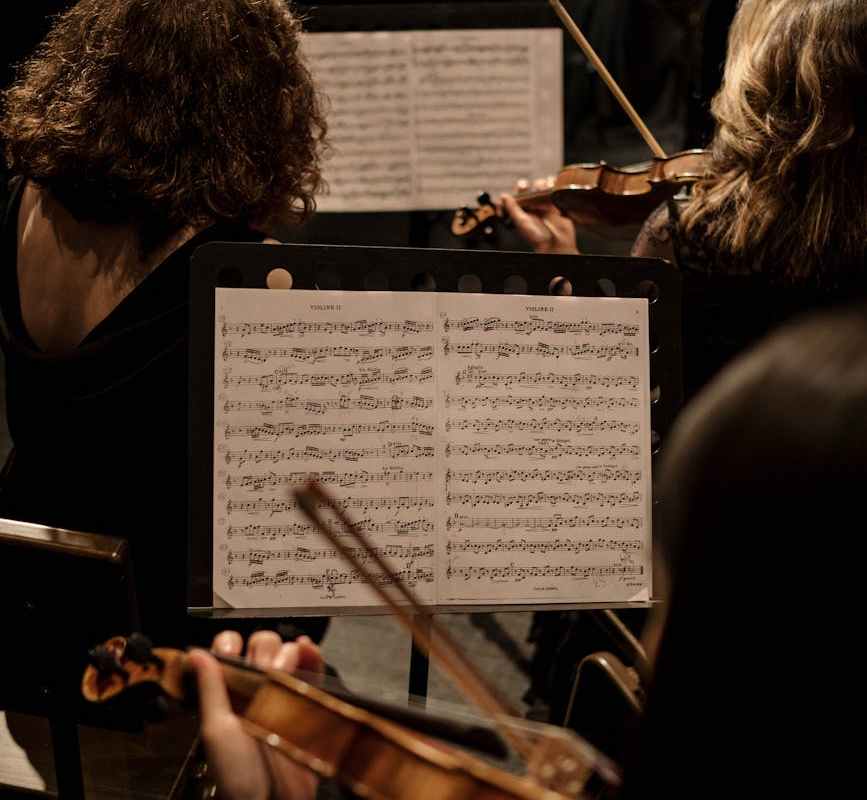
Hearing someone else’s story about how they did this is pure inspirational gold. In this episode of the How to Share podcast, author and educator Nancy Shear tells her story of leaping. She was 15 years old when she first heard the Philadelphia Orchestra. She knew she had hear more but she didn’t have the price of the ticket. Through patience and pluck she figured out how to go in by the stage door – and that led to the amazing stories she tells in her book, I Knew a Man Who Knew Brahms.

Nancy and I talk about how sneaking in through the back door of the Philadelphia Orchestra opened so many fascinating doors in her life such landing the job as the assistant librarian to the Philadelphia Orchestra at age 17. We get to ride along with Nancy to meet all the incredible people she got to know including the wonderfully charismatic conductor Leopold Stokowski who starred in Disney’s Fantasia to the incredible cellist Mstislav Rostropovich.

Nancy lets us in on so many fantastic aspects of the workings of an orchestra and I reveal some of the ways her book changed how I listen to a performance. Her nerve, grit, and storytelling will leave you amazed and inspired. I know you’ll love this conversation with the delightful Nancy Shear.

Here are some favorite quotes:

  • “If you have no choice, then you make a life.”
  • “Money is not necessary; it led to my going backstage and meeting all these people.”
  • “Beauty still matters in this battered world.”
  • “What is to lose? You’re walking into a room of human beings.”
  • “Writing the book was where the courage really came in.”

And here’s Nancy telling the story of sneaking in to the Philadelphia Orchestra:

Here are some ways you can watch this fascinating and delightful episode:

Please listen, watch, provide feedback and subscribe.

How to Share Advocacy with Sam Daley-Harris Part 2 How To Share

In this conversation, Sam Daley-Harris talks with Wynne Leon and Vicki Atkinson and unpacks how transformational advocacy fits alongside other forms of activism like protests, litigation, and voter mobilization—and why it can succeed even when Washington seems paralyzed by shutdowns and partisan conflict. Sam shares some concrete examples from global health and environmental advocacy, offer insight into how citizens are working to reverse damage and protect the most vulnerable, and—perhaps most importantly—explain how anyone can be effective, even with just five to fifteen minutes a day. If you’ve ever wondered whether your voice can really matter, this conversation offers both clarity and hope. And Sam offers to be a guide to help you connect to the issues that matter most for you. We love talking with Sam because he shares how to be effective and counter the effects of fear, cynicism and loneliness. We know you’ll love this conversation! Links for this episode:Transcript for How to Share Advocacy Part 2Sam's Sign-up Sheet for resources on how to get startedReclaiming Our Democracy websiteReclaiming Our Democracy: Every Citizen's Guide to Transformational Advocacy, 2024 Edition on Amazon
  1. How to Share Advocacy with Sam Daley-Harris Part 2
  2. What Do You Know To Be True?
  3. How to Share a Return Home with Mario Cartaya
  4. How to Share a Mission with Anthony Dyer
  5. How to Share Your Superpower with Roger Kastner

Links for this episode:

How To Share Music transcript

I Knew a Man Who Knew Brahms by Nancy Shear on Barnes & Noble, Amazon and Simon & Schuster

Nancy Shear’s website: https://nancyshear.com/

From the host:

My book about my beloved father: Finding My Father’s Faith

(featured photo from Pexels)
(quote from Jennie Fitzkee – Edelweiss)

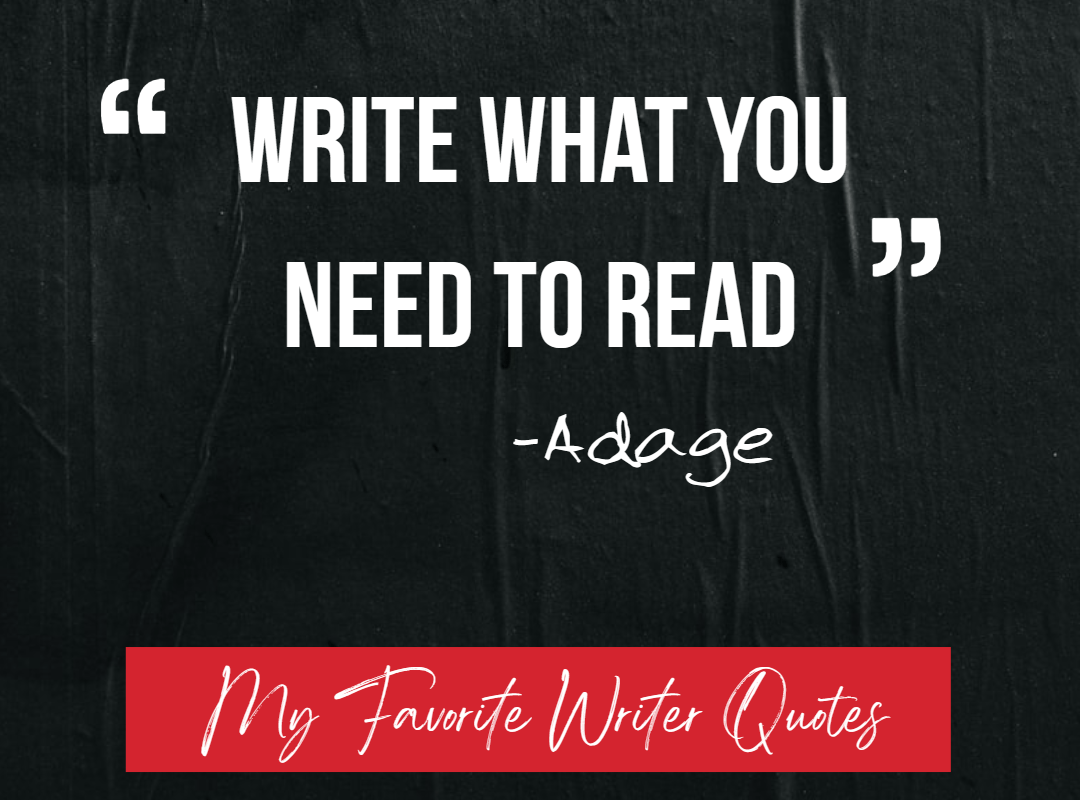
My Favorite Quotes about Writing

I love quotations because it is a joy to find thoughts one might have, beautifully expressed with much authority by someone recognized wiser than oneself. ” – Marlene Deitrich

This post was originally published on 8/30/2023. Heads up – you may have already seen this.


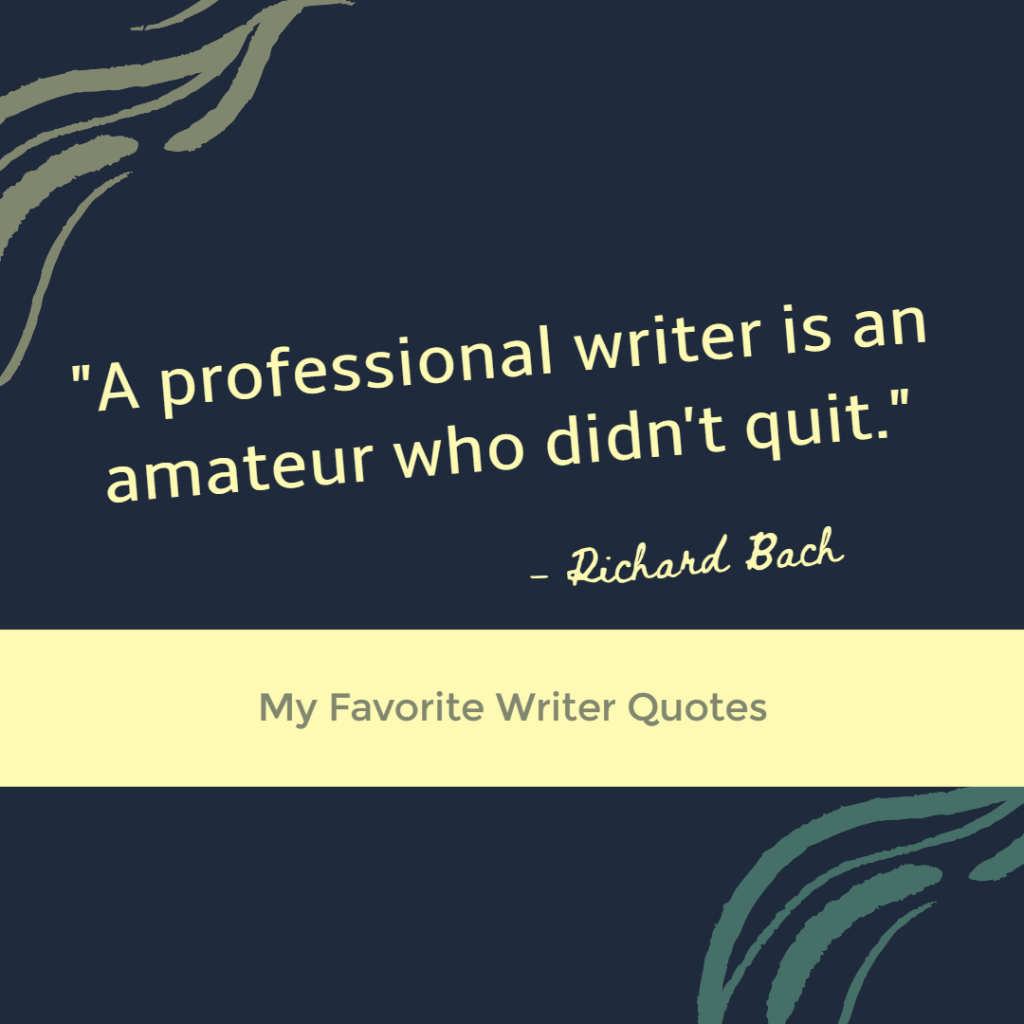
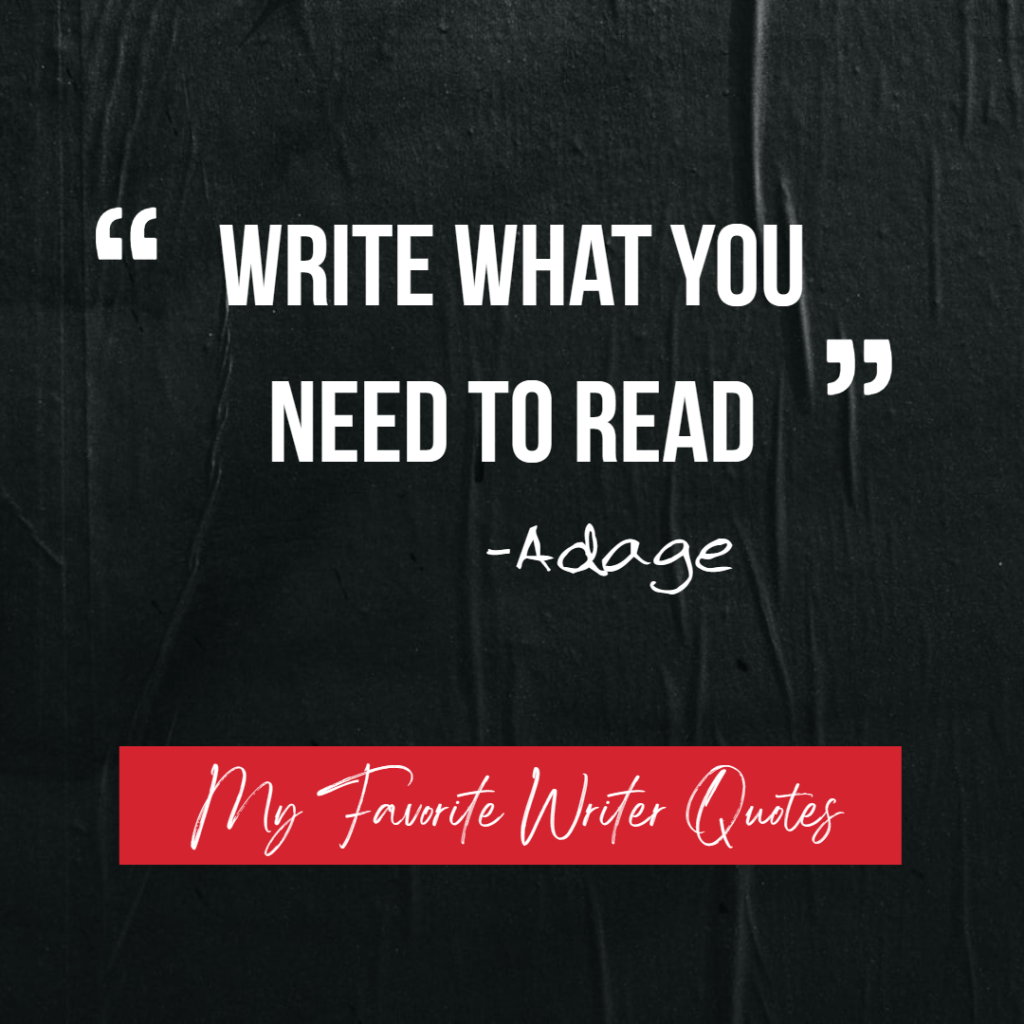
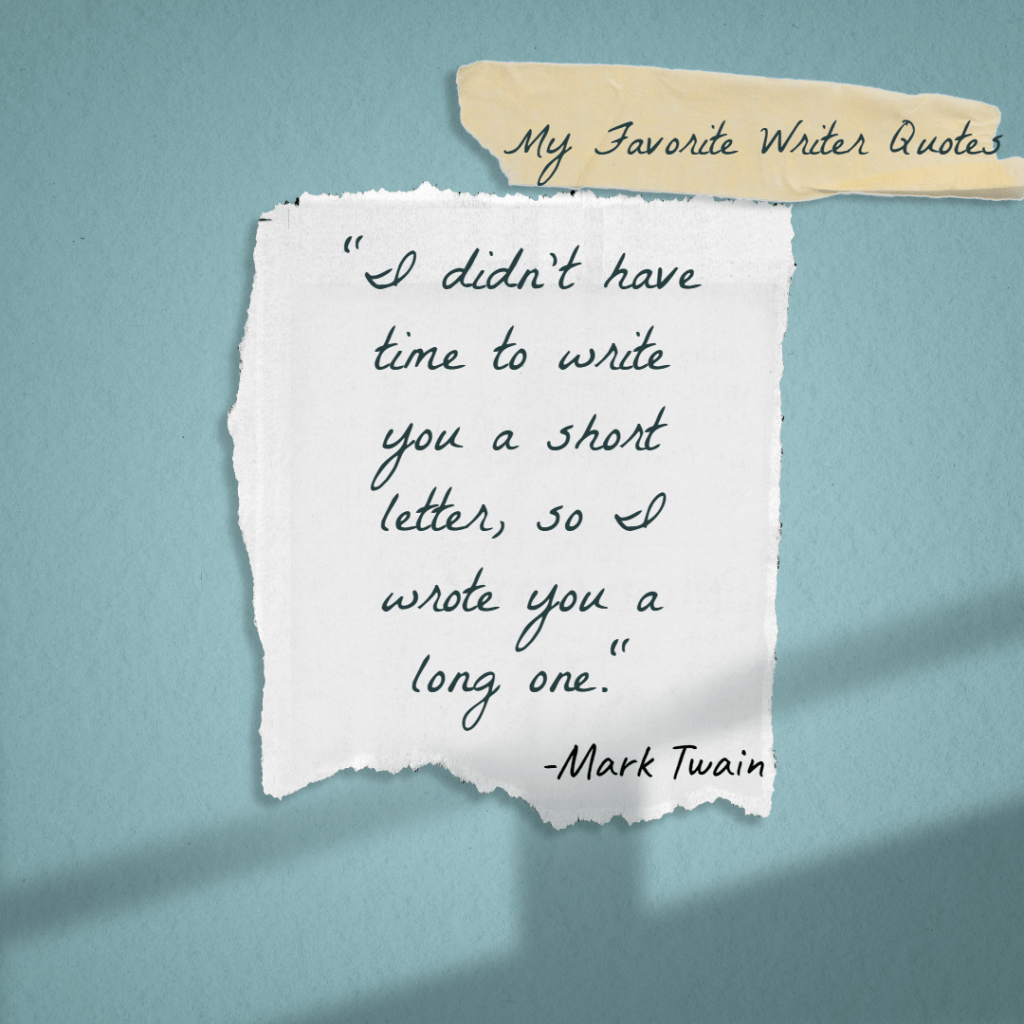
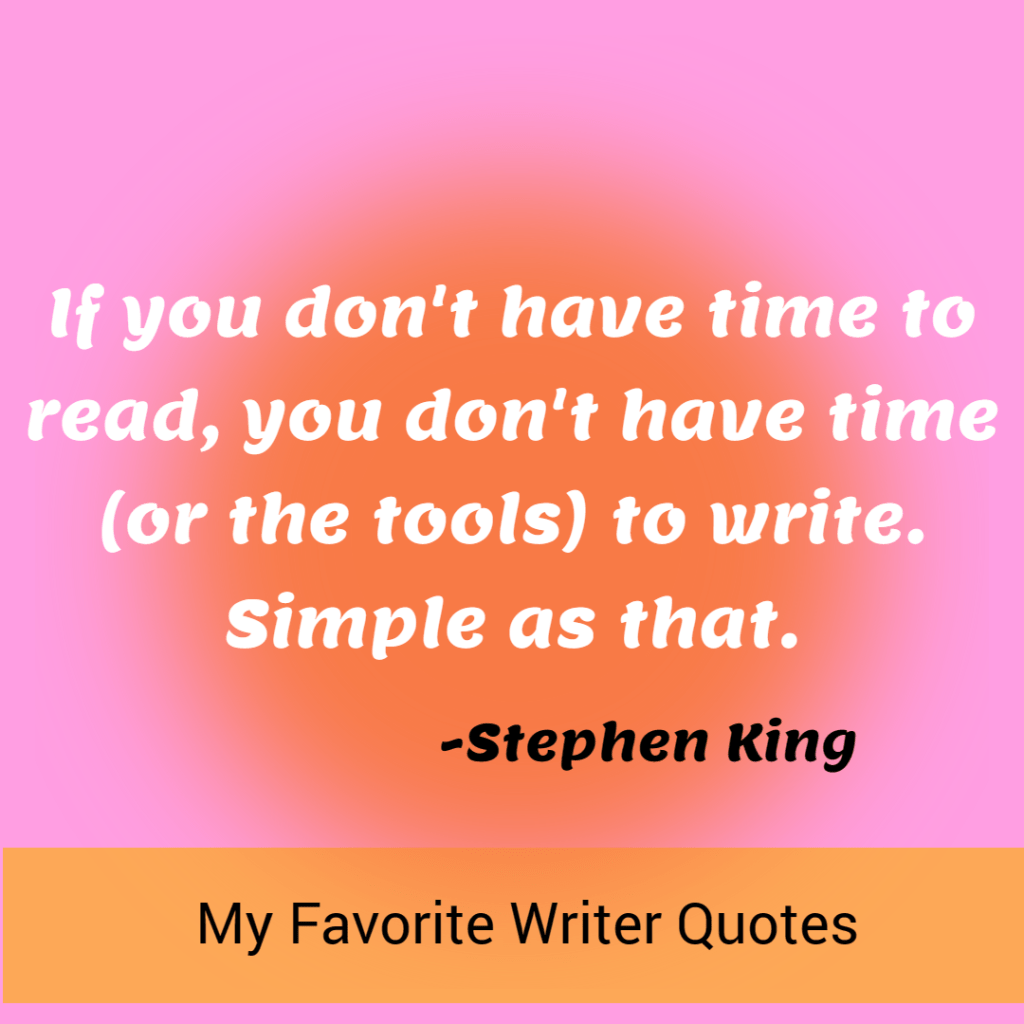
I think it’s safe to say that writing is the subject that I’ve studied longest. Sure, it started with just grasping the pencil with some dexterity and has developed through school essays, technical writing, and now to developing a personal angle with memoir writing, and blogging. But whatever the genre, it feels like an incredibly rich and vast subject of study.

So here are five of my favorite quotes about writing.

What are your favorite quotes for writing inspiration?

Memoir Writing: Understanding the Why

Growing up as a kid, we don’t notice that our parents are growing up too.” – unknown

This post was originally published on 6/7/2023. Heads up – you may have already read this.


In the summer of 2015, I was pregnant with two projects. The most obvious was my daughter, but I was also about to give birth to a memoir about my father. My father had died in a bike accident the day after I finalized plans to become pregnant by invitro fertilization. His death kicked off an urgency to take the recordings I’d made of my conversations with him, and finish the effort I’d begun before he died to write about his life.

I spent the nine months of my pregnancy nurturing both projects, afraid that if I didn’t finish the book I might not be able to after my daughter was born. Then on a night in August 2015, at the end of the day on which I’d finished the very last line edits for the book, I went into labor with my daughter.

Essentially, I gave birth to both at the same time. And both events were joyous, scary, and full of “what now?”

I’ve also come to realize that there is another parallel between book projects and children – our understanding of them grows with time. This is the thing that surprises me the most – that with the benefit of hindsight, I continue to learn about what I myself have written. Who knew that was possible?

Here’s what I mean. I recently was reading Vicki Atkinson’s book Surviving Sue which is about Vicki’s journey with her mom, Sue, who suffered from anxiety, depression, alcoholism, Munchausen’s by Proxy, and Alzheimer’s. On the surface, I wouldn’t have drawn parallels between that and my memoir about my beloved father who didn’t suffer from any of those things.

But reading Vicki’s incredibly insightful, entertaining, and reflective words about her mom as she charted a trail through Sue’s life, I realized that we all navigate a path in our parents’ shadow. Whether we dig deep into what that was and write a memoir about it, or choose to go our own way and not think about it, the influence of a parent, present or absent, is powerful.

I think my beloved dad was an incredibly helpful influence on my life – and yet there are habits of his that I still carry, like aversion to conflict, that I need to heal. Maybe even more so because he didn’t do that work.

As I devoured Vicki’s well-written and insightful book about Sue, I found myself engrossed in the themes that Vicki wrote about, including:

  • Rethinking our parents as people
  • Understanding complicated family members and finding ways to love them anyway
  • Tending to unresolved childhood pain
  • Secrets and lies and how the weight of distortion impacts mental health
  • Dads and daughters and special bonds
  • Grace and patience

Whether the themes related to something in my life or not, reading a memoir from someone like Vicki who has done the work to understand the patterns in theirs is so inspirational. Whether our parents were hurtful or helpful, being able to tell their stories is an incredible gift to ourselves to uncover the a-ha of how their touch continues.

As we search for our “why’s” in life – the power behind what motivates us and defines us, figuring out our parent’s why’s is incredibly illuminating. Watching the way that Vicki uncovers that for her mom in Surviving Sue is like being at an archeology dig. Instructive to see the way she teases out the gems, suspenseful as we wade through the project, and thought-provoking for how we can apply it to our own lives. Then we can uncover, as Vicki does so masterfully, the objects and knowledge that give us the power and a chance for intergenerational healing.  

(featured photo from Pexels)

My book about my beloved father is available on Amazon: Finding My Father’s Faith

Vicki’s book: Surviving Sue print edition

Vicki’s book Surviving Sue Kindle edition