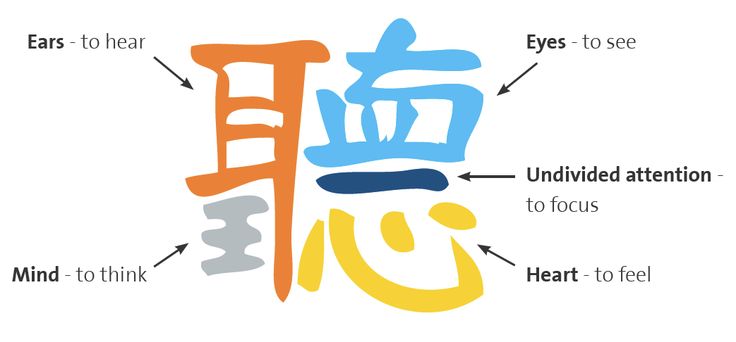
“If you want to be truly understood, you need to say everything three times, in three different ways. Once for each ear…and once for the heart.” – Paula Underwood Spencer
Eight years ago at a birthday party for a friend, I met a remarkable woman. It was a milestone birthday which is why I can pinpoint it that precisely.
This woman stood out not because of what she did (a therapist I later learned) or what we talked about (stand up paddle boarding in Puget Sound) but because she listened like a lake. That was the image that came to me when talking with her. She absorbed the conversation instead of volleying back and forth like tennis. Also it seemed like her words came from her depth.
It reminds me of a phrase I heard in a eulogy almost three years ago. We were honoring a man who was the father of a childhood friend. His grandson said about him, “He loved by listening.”
Two examples that stand out in the last ten years because they were great listeners. I often make the mistake of thinking I need to say something to be remembered – but these examples remind me that just learning how to listen well is remarkable in itself.
Fortunately, I was able to have a great conversation with my dear friend, Dr. Vicki Atkinson about how to receive for the How to Share podcast. In this episode, Vicki discusses the essential skills of listening and receiving in conversations. She emphasizes the importance of reflective listening techniques, being present, and using the SLANT method to enhance communication.
Our conversation explores how to navigate conversations with empathy, the role of affirmation, and the significance of maintaining boundaries while supporting others. Vicki also highlights the growth opportunities that arise from effective listening and the need for authenticity in communication.
Here are some key takeaways:
- Everyone can learn how to be a better listener (as Vicki says, the runway is wide!)
- Reflective listening helps slow things down and enhances understanding.
- Tonality is crucial in reflective listening to ensure the speaker feels heard.
- Active listening involves being present and engaged in the conversation.
- The SLANT method is a practical approach to effective listening.
- Asking clarifying questions shows genuine interest in the speaker’s message.
- Affirmation and encouragement are key components of effective listening.
- Setting boundaries is important to avoid taking on others’ burdens.
- Listening well can mitigate stress and prevent larger issues.
- Authenticity in communication fosters trust and connection.
And a short clip from the episode to whet your appetite:
I’d be honored if you’d listen, watch, provide feedback and subscribe. Here are some ways you can listen and watch to the full episode:
- The podcast player embedded below
- Click this link to watch in a browser: How To Receive with Dr. Vicki Atkinson
- Subscribe to How To Share on Spotify, Amazon Music, or Apple Podcasts
- Subscribing to the YouTube channel: https://www.youtube.com/@howtosharepodcast

How to Share Advocacy with Sam Daley-Harris Part 2 – How To Share
How to Receive with Dr. Vicki Atkinson transcript
Links for this episode:
Dr. Vicki Atkinson at the Atkinson Group Solutions; Vicki’s book about resilience and love: Surviving Sue; Blog: https://victoriaponders.com/
A is for Ambivalence by Vicki Atkinson
(Featured photo stems from Vicki’s comment about the Chinese ideogram for undivided attention in this episode. It’s sourced from undivided attention from Pinterest by Nancy Sherr)
 Surprised By Joy