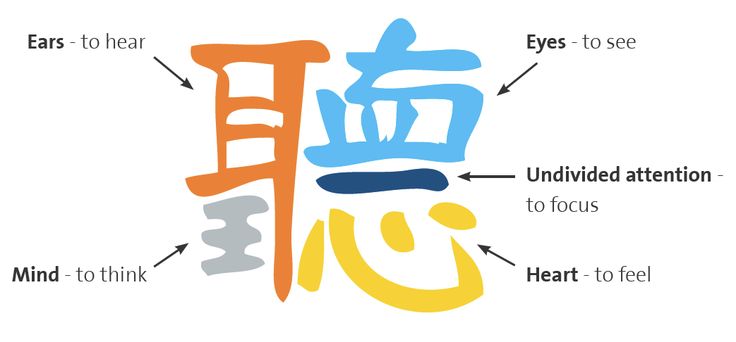
“If you want to be truly understood, you need to say everything three times, in three different ways. Once for each ear…and once for the heart.” – Paula Underwood Spencer
Eight years ago at a birthday party for a friend, I met a remarkable woman. It was a milestone birthday which is why I can pinpoint it that precisely.
This woman stood out not because of what she did (a therapist I later learned) or what we talked about (stand up paddle boarding in Puget Sound) but because she listened like a lake. That was the image that came to me when talking with her. She absorbed the conversation instead of volleying back and forth like tennis. Also it seemed like her words came from her depth.
It reminds me of a phrase I heard in a eulogy almost three years ago. We were honoring a man who was the father of a childhood friend. His grandson said about him, “He loved by listening.”
Two examples that stand out in the last ten years because they were great listeners. I often make the mistake of thinking I need to say something to be remembered – but these examples remind me that just learning how to listen well is remarkable in itself.
Fortunately, I was able to have a great conversation with my dear friend, Dr. Vicki Atkinson about how to receive for the How to Share podcast. In this episode, Vicki discusses the essential skills of listening and receiving in conversations. She emphasizes the importance of reflective listening techniques, being present, and using the SLANT method to enhance communication.
Our conversation explores how to navigate conversations with empathy, the role of affirmation, and the significance of maintaining boundaries while supporting others. Vicki also highlights the growth opportunities that arise from effective listening and the need for authenticity in communication.
Here are some key takeaways:
- Everyone can learn how to be a better listener (as Vicki says, the runway is wide!)
- Reflective listening helps slow things down and enhances understanding.
- Tonality is crucial in reflective listening to ensure the speaker feels heard.
- Active listening involves being present and engaged in the conversation.
- The SLANT method is a practical approach to effective listening.
- Asking clarifying questions shows genuine interest in the speaker’s message.
- Affirmation and encouragement are key components of effective listening.
- Setting boundaries is important to avoid taking on others’ burdens.
- Listening well can mitigate stress and prevent larger issues.
- Authenticity in communication fosters trust and connection.
And a short clip from the episode to whet your appetite:
I’d be honored if you’d listen, watch, provide feedback and subscribe. Here are some ways you can listen and watch to the full episode:
- The podcast player embedded below
- Click this link to watch in a browser: How To Receive with Dr. Vicki Atkinson
- Subscribe to How To Share on Spotify, Amazon Music, or Apple Podcasts
- Subscribing to the YouTube channel: https://www.youtube.com/@howtosharepodcast
Growth Takes Energy| How Rest Helps Habits Stick – The Life of Try: Personal growth, one try at a time.
How to Receive with Dr. Vicki Atkinson transcript
Links for this episode:
Dr. Vicki Atkinson at the Atkinson Group Solutions; Vicki’s book about resilience and love: Surviving Sue; Blog: https://victoriaponders.com/
A is for Ambivalence by Vicki Atkinson
(Featured photo stems from Vicki’s comment about the Chinese ideogram for undivided attention in this episode. It’s sourced from undivided attention from Pinterest by Nancy Sherr)
 Surprised By Joy
Listening is so important. Sometimes there is occasion that a person needs just to be silent and empathize or sympathize a loved ones.
LikeLiked by 1 person
Oh, so well said, Hazel! Your big heart shines through in this comment and I’m sure also when you listen!
LikeLiked by 1 person
Thank you so much, Wynne. I accept the gift! Stay blessed.
LikeLike
Wow well said. Listening is a great skill. I am all ears is not something that is said casually.
LikeLiked by 1 person
Perfectly said, Ganga. Love your comment that “I am all ears is not something that is said casually.” Right!
LikeLiked by 1 person
I’m reminded we have two ears and one mouth, and according to the woman I love, my golden ratio for staying out of trouble.
LikeLiked by 2 people
What a great comment, Grant! I think your lovely wife has a great point for us all!
LikeLiked by 2 people
Thanks, Wynne. All true!
LikeLike
Exactly! I volunteered in work as a Staff Support Advisor. Not to offer therapeutic support, but as a signposting service.
Our training shows us just what you were explaining- listen & be in the moment and repeat back what they have said. ‘ this is what I’ve understood you to say’. It’s amazing how that helps people to feel truly listened to!
LikeLiked by 1 person
I love this comment about your service, Pat. You are so right – amazing how it helps people to feel heard! Thank you!
LikeLiked by 1 person
It was with a mental health Trust, so you would expect them to get this right.
LikeLike
Thanks again Wynne – and Vicki – for accompanying me on my morning commute, this time a more relaxed transit ride, to work.
Active listening is such an important skill – and as I learned over the years, there is a difference between hearing and listening. Something we can all hone, myself included, in our personal and professional relationships.
I appreciated learning more about the SLANT approach and agree with you both that so much can be mitigated through making the time – and there always is time – to listen to those bids for attention, whether they are coming from our children, peers or direct reports at work.
Kudos and thanks again for another lovely insightful conversation!
LikeLiked by 2 people
I love knowing we were with you on your way to work, Ab. You said it so well – something we can all hone in all of our relationships! And your comment about making the time is so right on! Thanks for tuning in, my friend!
LikeLiked by 1 person
“She listened like a lake.”
That one is gonna stick with me.
LikeLiked by 1 person
I’ve never seen that woman again and it stuck with me too!
LikeLiked by 1 person
Good listening is a great skill and gift to others. Thanks for the tips on brushing up!
LikeLiked by 1 person
You said it perfectly, Brad — a great skill and gift to others. Yes!
LikeLiked by 1 person
Ironically, I learned many of my active listening skills from a job I worked in college. I was a telephone survey taker. We were taught to ask clarifying questions (in what way? for example), which is a technique I still use today.
LikeLiked by 1 person
Oh, those are such good clarifying questions, Rebecca. I’m taking notes to add them to my repertoire. Thank you!
LikeLiked by 1 person
Great episode! Do high schools and colleges teach this stuff? I think they should.😎
LikeLiked by 2 people
Wow – what a great question, Todd! Coursework we need. I bet Vicki taught it!
LikeLiked by 2 people
!!!😉😉😉!!!
LikeLike
Love your new platform, Wynne! I’m grateful for the time with you – discussing one of my all-time favorite topics. Big hugs! 🥰
LikeLiked by 2 people
Love, love, love all your wisdom, dear Vicki! Thank you so much for sharing it on this podcast and all the other ways you do it! So grateful for you! ❤ ❤ ❤
LikeLike
So much to learn and so much to slow down and practice. Thank you, Wynne and Vicki!
LikeLiked by 1 person
Slow down and practice – so well said, Dana! Thank you!
LikeLiked by 1 person
Listening is a skill not many master.
As well as doing so without judgement, great post Wynne!
LikeLiked by 1 person
Without judgment — such a good point, Maggie! Great to see you after your holiday!
LikeLiked by 1 person
Thank you Wynne !
LikeLike
Oh my goodness. “He loved by listening.” What a wise grandson. That was my MIL. Exactly. Thanks, Wynne.
LikeLiked by 1 person
How lucky to have a mother-in-law like that! Good point – he was a wise grandson!
LikeLiked by 1 person
I love your analogy of the woman who “listened like a lake.” The stillness, depth, reception. People like that are treasures by being authentically curious about other people 🌞
LikeLiked by 1 person
Oh you nailed it, Dave – authentically curious! Right! Thanks for the great comment!
LikeLiked by 1 person
I love this: “she listened like a lake.” Plus your explanation that her words came from her depth. Wonderful!
LikeLiked by 1 person
Thank you, Elizabeth! I only saw that woman once but she left a lasting impression!
LikeLiked by 1 person
👍🏼
LikeLike
Love the idea of reflective listening, Wynne, and look forward to learning about the SLANT approach. I’ve put a note on the bathroom mirror so I’ll remember to come back here and LISTEN to your podcast! 😁
LikeLiked by 1 person
I love your note about listening, Nancy! Thank you so much for tuning in!
LikeLike
There was so much interesting material to unpack here, Wynne and Vicki. 😊 Own the disconnect as a show of respect, be the listener to affirm what the person already thinks they are going to do and counter being pulled in as a fixer with comments like “What ideas do you have?” or “I’ll be here.” If anybody truly wants to be a better listener, they should really listen to this episode!
LikeLiked by 2 people
Wow, you clearly are a good listener, Melanie! You pulled out some great gems from Vicki. Thank you so much for tuning in and reflecting back — it’s so helpful to hear!!
LikeLiked by 1 person
Germs from you too, Wynne! The part about your dad listening and affirming – love that. 😊
LikeLiked by 1 person
❤ ❤ ❤
LikeLike
Where do I start? Love, love how you described listening. Your use of the phrase “absorbed the conversation” . . . great writing but also describes what you’re talking about sharing and taking in. Slant, authenticity. And then Vicki and you . . . my two wise mentors!!!! Love this.
LikeLiked by 2 people
Ah, thank you so much for the heart-warming comment, Brian! You are so good at reflecting back goodness!
LikeLiked by 1 person
You guys are great together. Love the podcast Wynne. I feel that I’m already “absorbing” better and more open to sharing. Thx.
LikeLiked by 1 person
Thank you, Brian! You are such a great encourager!
LikeLike
you two are such wise mentors and the examples you gave are so spot on. listening is a skill I continue to work on, and I know I can do better with it over time and with more practice. I know that it is truly an incredible gift.
LikeLiked by 2 people
I love that Vicki said that the runway for listening is long and we all can get better. I think that’s so true! Thanks to you for listening — so helpful to have your feedback!!
LikeLiked by 1 person
ps. I realize that I am a notorious topper offer and will continue to work on this )
LikeLiked by 2 people
It’s tricky slope, isn’t it? On one hand, we affirm what’s being said but then it’s hard when we start topping off… 🙂 Such a good phrase though!
LikeLiked by 1 person
Such a valuable skill in business and in our personal lives. Miscommunication happens quite often because of a lack of listening. Sometimes we think we hear the words, but if we’re not focuisng on the speaker’s intent, much can get lost in translation.
I imagine that being a good listener is a hallmark of an excellent therapist. The fact that you noticed how well that woman was listening says a lot about her because it’s not normally the type of thing we pay attention to.
LikeLiked by 1 person
I love your comment about understanding the speaker’s intent. It’s so right on! Thanks, Pete!
LikeLiked by 1 person
This was beautiful and so needed in today’s noisy world. “Listening like a lake” — what a powerful image! Dr. Vicki’s insights are truly grounding. Thank you for reminding us that deep listening is its own kind of love.
If you enjoy reflections on life, parenting, and twin mom tales, we’d love to welcome you to our blog Twin Chaos & Toddler Giggles and Insta @twintales2025. Please visit and feel free to share with others too! 💛
LikeLiked by 1 person
Deep listening is its own kind of love – well said. Thanks, Diya!
LikeLike
Thanks, Wynne! This conversation is so needed and it’s timely. I’m looking forward to becoming a better listener. Can’t wait to watch! Have a beautiful day!🌸💕
LikeLiked by 1 person
Thank you for putting it on your watch list, Shaun. Love that you say its needed and timely! Thank you!
LikeLiked by 1 person
You’re welcome!💗
LikeLike
Vicki is the perfect example of being a good listener who serves as a model for those who have contact with her. We never have enough people like her. Thanks, Wynne.
LikeLiked by 2 people
Agreed, Dr. Stein. She’s a treasure!
LikeLiked by 2 people
🥰❤️🥰
LikeLiked by 2 people
Good listeners are rare people as most of us want to talk to be listened but are not ready to listen to the interlocutor. I wishes I knew that woman who listened like a lake. Beautiful metaphor Wynne!
LikeLiked by 1 person
Oh, I love how you brought this full circle, Cristiana! We want to be listened to but not do the listening. Oh my goodness – so true!
LikeLiked by 1 person
The lake analogy is lovely! I’ve always been described as a great listener, but also just kind of assumed that’s a common trait of introverts: we’d rather absorb the conversation than lead it.
LikeLiked by 1 person
Oh, that’s a great compliment. And interesting to think about the connection to introversion. I think it’s also a sign that you are happy!
LikeLiked by 1 person
I love this phrase “it seemed like her words came from her depth.” It seems that many conversations are a practiced race against time, so we can hurry up and get to the next thing on our list. Thank you Wynne and Vicki for teaching us how to be good listeners, so we can have more authentic conversations.
LikeLiked by 1 person
Oh, Rose – I love your description of conversations as races against time. That’s so good! Right! Thank you!
LikeLiked by 1 person
two great analogies, Wynne: ‘she listened like a lake’ and not volleying a conversation back and forth like in tennis. I’ve bookmarked this post!
LikeLiked by 1 person
Ah, thank you, John!
LikeLiked by 1 person
“Just learning how to listen well is remarkable in itself.” This sentence sums up your post for me. To truly learn to listen is a beautiful art that we should all strive to achieve in all forms.
LikeLiked by 1 person
Thank you, MSW. I love how you put it – “To truly learn to listen is a beautiful art that we should all strive to achieve in all forms. ” Right!
LikeLiked by 1 person
“listened like a lake” What a wonderful phrase and way of being. Thank you for sharing. Keeping this tab to listen over the weekend. 🙏🏻
LikeLiked by 1 person
Oh, I love how you summed it up, “What a wonderful phrase and way of being.” Right! Thanks, Michele!
LikeLiked by 1 person
Thank you, Wynne. Love your shares. ✨
LikeLike
This is such a great post and reminder of how listening is truly a gift, Wynne. Thank you for shedding more light, and I loved the clip too. Vicki is a big help with her knowledge as well. I’m always eager to jump into a conversation, so I have to remind myself of the timing. 🙂 I also loved these lines in the beginning: “…because she listened like a lake. That was the image that came to me when talking with her. She absorbed the conversation instead of volleying back and forth like tennis. Also it seemed like her words came from her depth.” 💞
LikeLiked by 1 person
Oh, what a lovely comment. Thank you, Lauren! I love that you mentioned the timing — it’s so important, isn’t it? Thanks for tuning in!
LikeLiked by 1 person
A thought-provoking post, Wynne. I think that reflective listening is an art that can be honed and a gift some people are born with. I enjoyed and learnt a lot from the podcast. Thank you.
Love
LikeLiked by 1 person
Oh, I love that you describe listening as an art that can be honed because that gives us such a beautiful target to aim for. Thank you so much for listening, Chaya!
LikeLiked by 1 person
Thank you, my dear friend for your thought-provoking posts.
💖💖
LikeLike
My maternal grandmother was an avid listener. At parties she’d get people talking, and without her saying much about herself, the other person would come away commenting, “What a fascinating woman!”
LikeLiked by 2 people
I love that, Rebecca! What a great example of the power of listening! 🙂 ❤ And I love your description of her, “avid listener.” Beautiful!
LikeLiked by 1 person
Thanks, Wynne. I was lucky to know her and learn from her by example.
LikeLike